How Couplings Work Inside a Malt Grinder Drive System
Torque Transmission
A coupling connects the drive shaft of the motor or gearbox to the driven shaft of the malt mill. It transmits rotational energy — torque — without allowing the two shafts to be rigidly fixed. In a malt grinding context, this means that when grain feed variation causes a sudden torque spike, the coupling element absorbs the differential stress rather than transferring it directly into gearbox internals. This principle alone extends gearbox service intervals dramatically in high-throughput malting facilities.
Misalignment Compensation
No two shafts in a real-world malt grinder installation are perfectly aligned. Thermal expansion during operation, foundation settling, and bearing wear all introduce angular, radial, and axial misalignment over time. A well-designed coupling accommodates these deviations without generating destructive lateral forces. Flexible disc couplings and gear-type couplings are especially prized in UK malting facilities precisely because they tolerate the misalignment inherent in large-scale, long-run industrial installations without sacrificing torque transmission capacity.
Vibration Damping
Malt grinders generate torsional vibration at frequencies that, if left undamped, can excite resonance in the motor mount, structural frame, and even the hoppers feeding grain into the mill. Couplings fitted with elastomeric elements, or disc packs engineered to specific torsional stiffness values, act as mechanical low-pass filters in the drive train. The result is smoother operation, reduced noise levels — important in facilities located near residential areas in towns such as Burton upon Trent — and significantly longer bearing life across the entire machine.
Core Materials Used in Malt Grinder Couplings
Alloy Steel (40Cr, 42CrMo)
Used for coupling hubs and flanges where high tensile strength and fatigue resistance are essential. Common in heavy-duty malt grinders processing 10+ tonnes/hour.
Stainless Steel (SS304 / SS316)
Specified for food-grade and hygienic environments. Corrosion-resistant surfaces prevent contamination and withstand CIP (clean-in-place) washdown regimes used in certified UK brewing facilities.
Polyurethane / NBR Elastomers
Spider inserts and flexible elements in jaw-type or beam couplings. Provide shock absorption and electrical isolation. Shore hardness varies (Shore 92A to 64D) to tune torsional stiffness for specific grinder duty cycles.
Disc Pack (Spring Steel)
Precision-stamped spring-steel disc packs used in disc couplings. Zero-backlash, maintenance-free, and capable of transmitting torque with angular deflection up to 1° per disc pack. Ideal for variable-speed malt mills driven by VFDs.
Cast Iron (GG25 / GG30)
Used in gear coupling housings and sleeves for general industrial malting equipment. Offers good machinability and cost efficiency for standard-duty applications below 500 rpm.
Coupling Technical and Performance Parameters for Malt Grinder Duty
| Parameter | Flexible Beam Coupling | Disc Coupling | Gear Coupling |
|---|---|---|---|
| Rated Torque Range | 0.1 – 12 Nm | 50 – 25,000 Nm | 80 – 120,000 Nm |
| Max Speed (rpm) | Up to 10,000 | Up to 8,000 | Up to 6,000 |
| Angular Misalignment | up to 3° | up to 1° per element | up to 1.5° |
| Radial Misalignment | 0.01 – 0.20 mm | 0.05 – 0.5 mm | 0.1 – 1.5 mm |
| Hub Material | Aluminium alloy / SS304 | Alloy steel / SS316 | Alloy steel / Cast iron |
| Flexible Element | Machined beam (Aluminium) | Spring steel disc pack | Crowned gear teeth + lubricant |
| Bore Diameter Range | 3 – 35 mm | 12 – 200 mm | 20 – 360 mm |
| Temperature Range (°C) | -40 to +120 | -50 to +280 | -30 to +200 |
| Maintenance Requirement | Maintenance-free | Maintenance-free | Periodic re-lubrication |
| Typical Malt Grinder Duty | Pilot / Lab-scale mills | Craft and mid-scale breweries | Industrial malting facilities |
Core Technical Advantages for Malt Grinder Applications
Why specifying the right coupling transforms your brewing operation
01
Zero-Backlash Torque Transmission
Disc and beam couplings transmit torque without clearance, ensuring consistent roller speed ratios in twin-roller malt mills and preventing particle-size variation due to drive lag.
02
Extended Service Life
Correctly rated couplings reduce bearing loads by up to 40%, extending both the coupling itself and the surrounding drive components to service intervals measured in years rather than months in continuous-run UK malting operations.
03
Food-Grade Compliance
Stainless steel variants and lubrication-free disc couplings comply with UK food safety regulations and international BRC/HACCP standards, essential for any malting or brewing facility operating under UK food business operator certification.
04
VFD Compatibility
Modern malt grinders increasingly use variable frequency drives to tune roller gap and throughput. Disc couplings, with zero torsional dead-band, are fully compatible with VFD-controlled drives and respond without hysteresis to ramp-up and ramp-down cycles.
05
Simple, Fast Replacement
Split-hub disc couplings and beam couplings can be changed in under 30 minutes without disturbing shaft alignment, a critical advantage for breweries with tight production windows and high seasonal demand peaks around bank holidays and summer months.
06
Compact Envelope
Beam and disc couplings offer a short axial length relative to their torque rating, preserving the tight space envelopes typical of compact malt grinding stations installed in refurbished Victorian-era mill buildings across northern England and Scotland.
Application Scenario: Malt Grinder
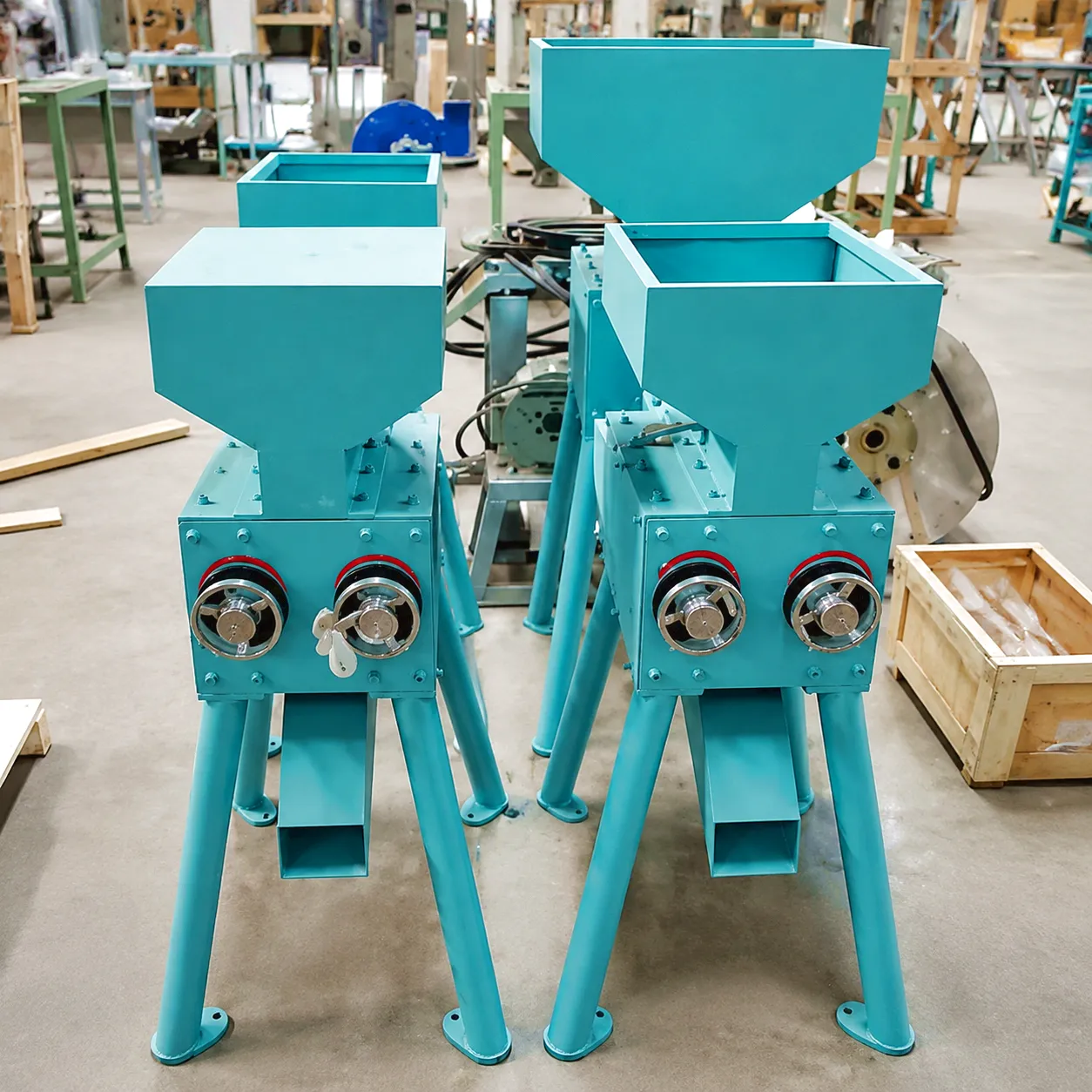
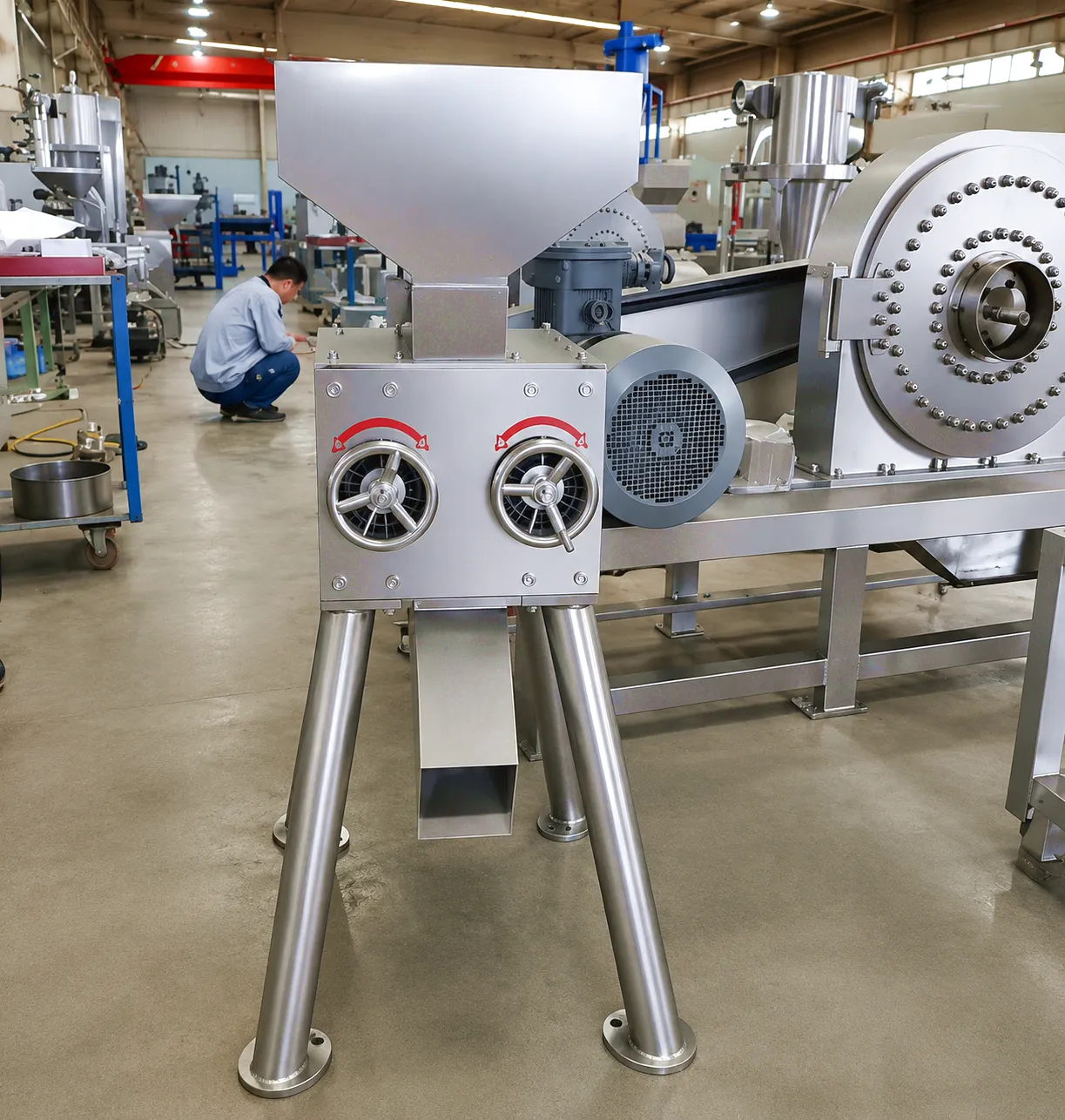
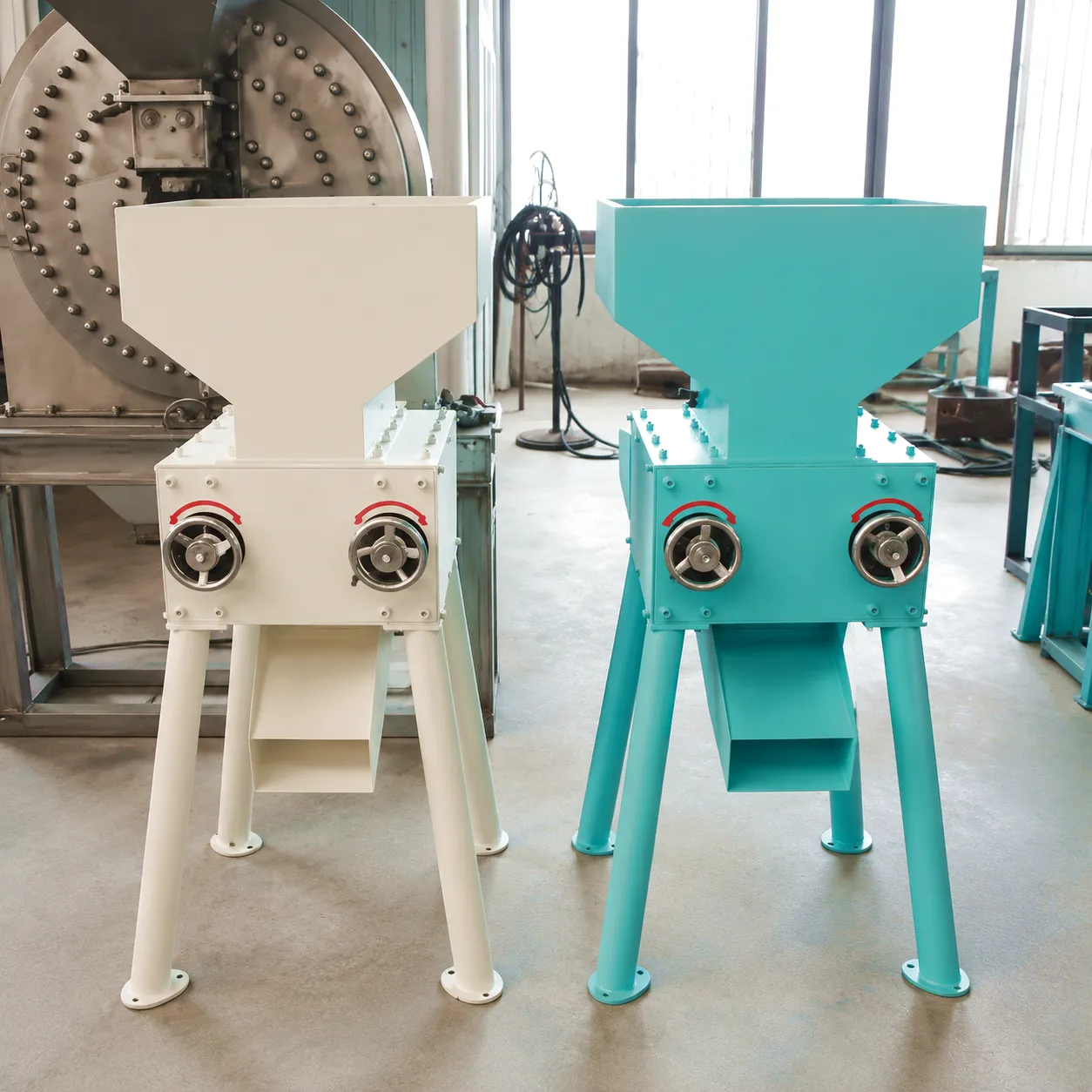
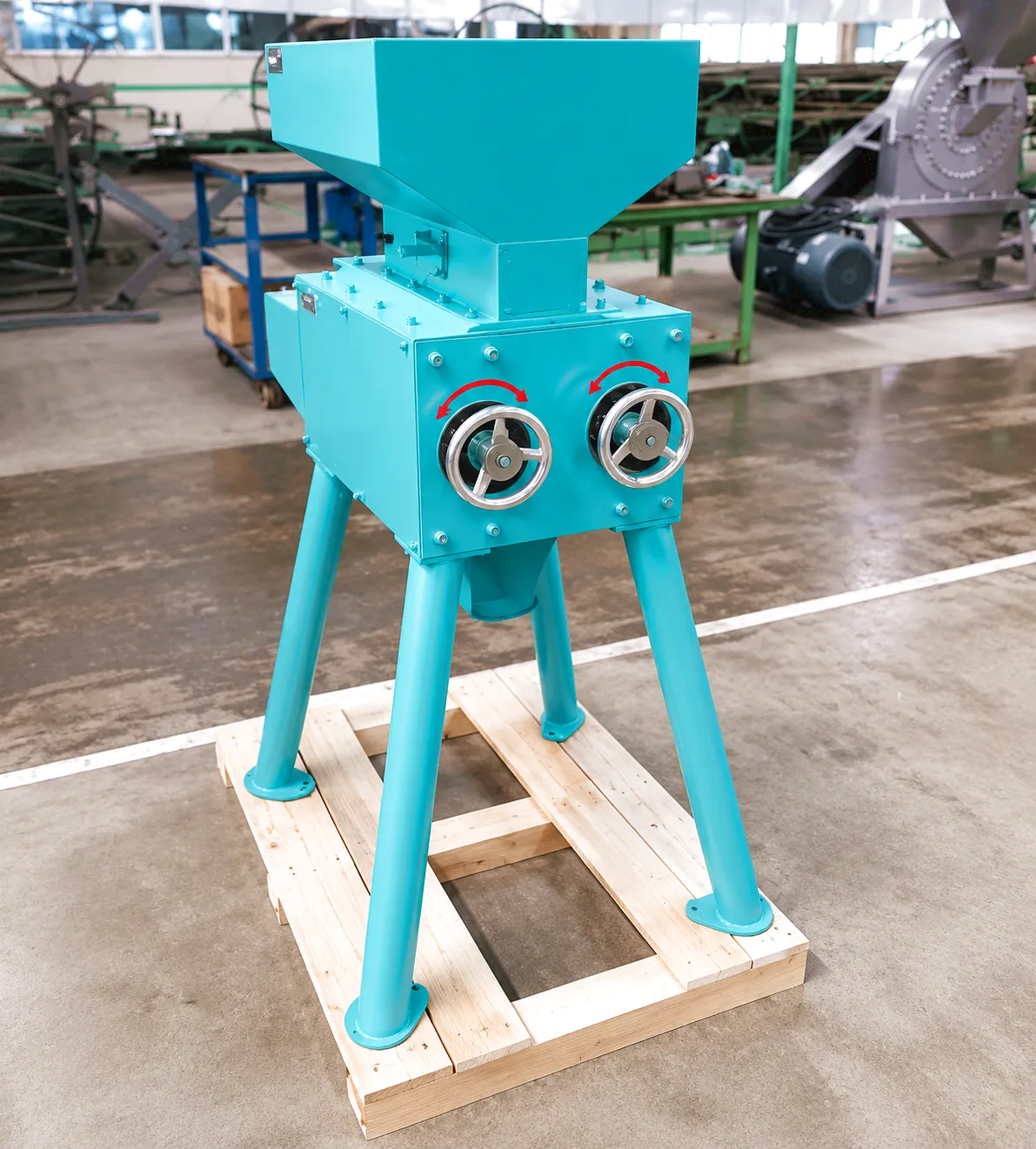
Featured Coupling Products for Malt Grinder Drives
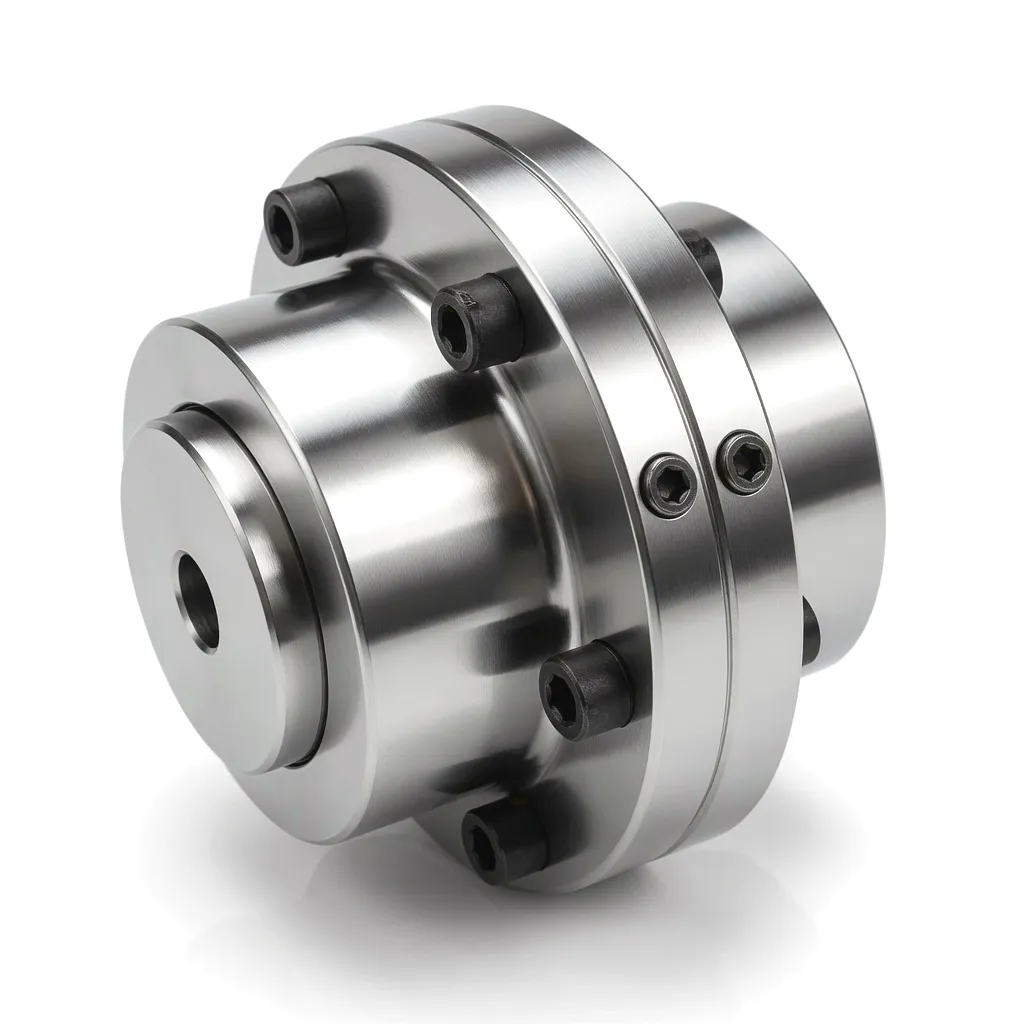
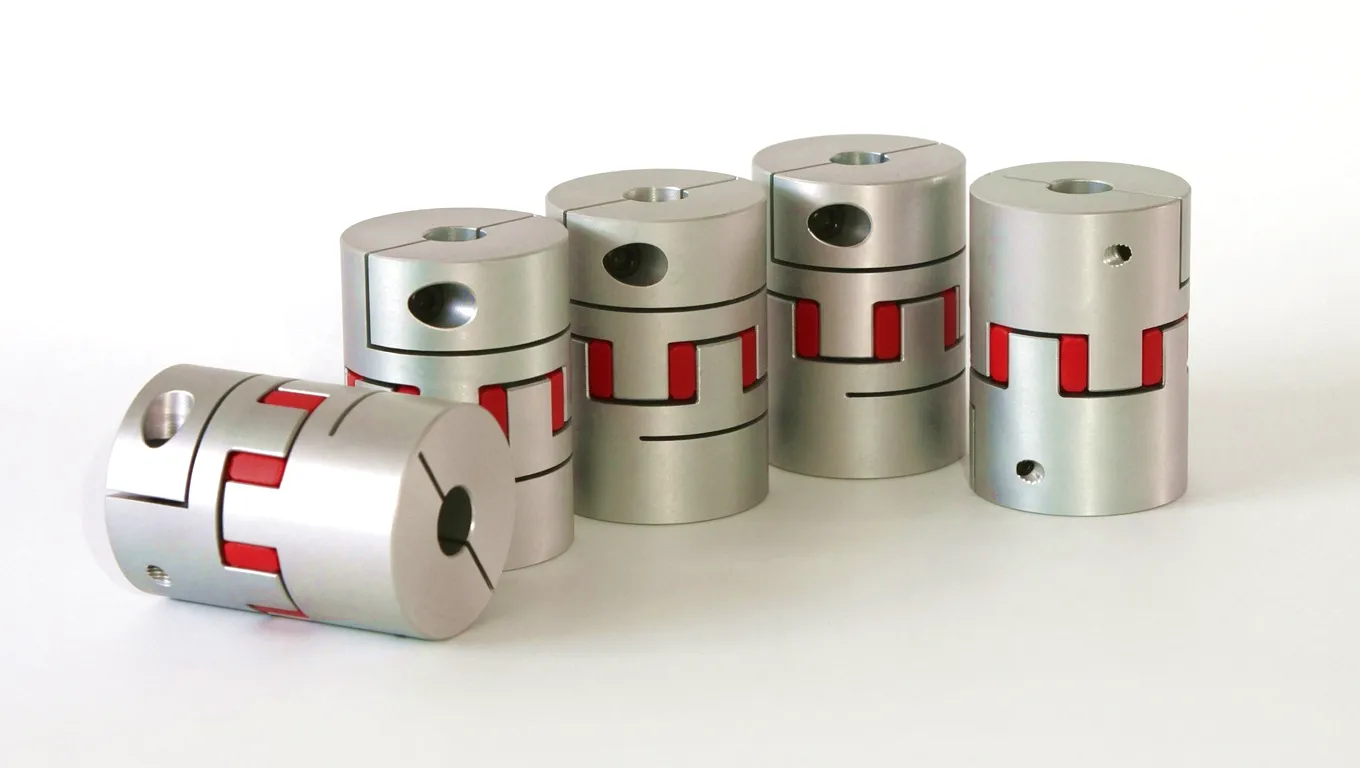
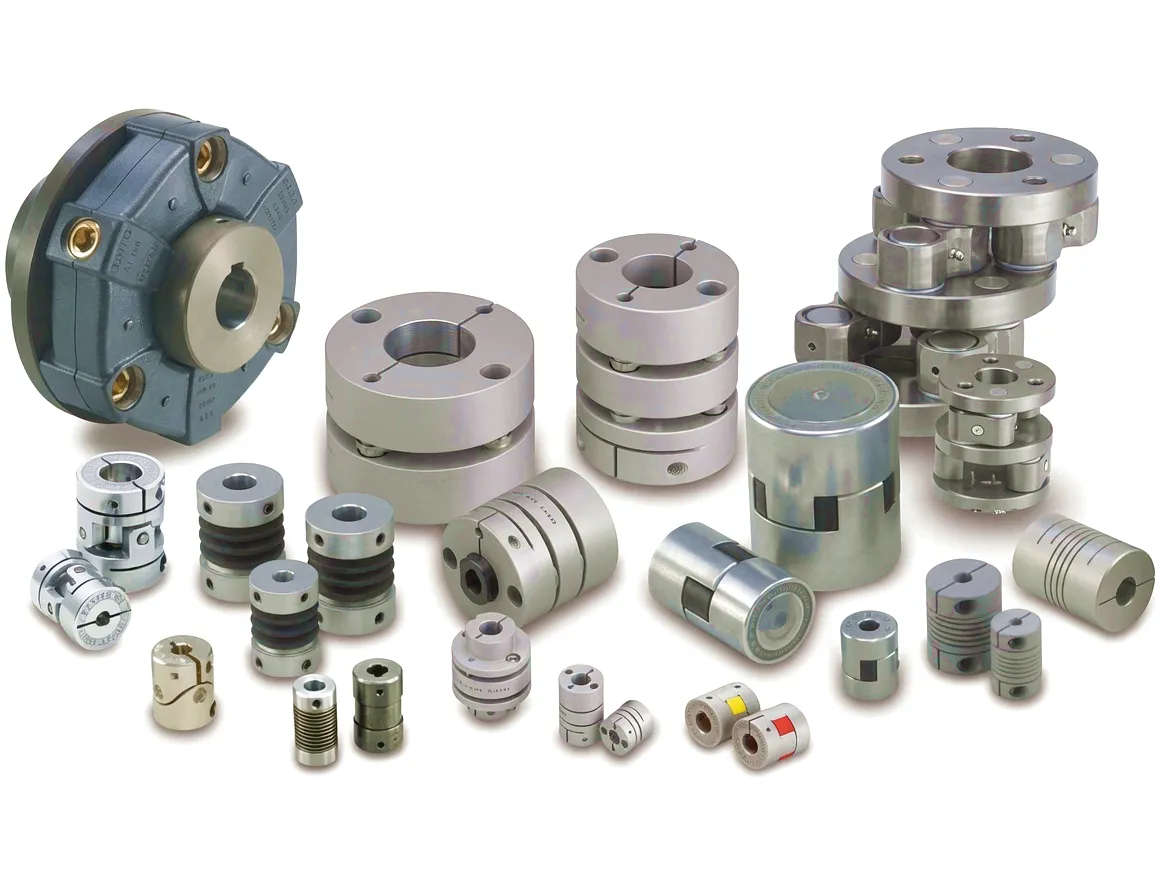 Ever Power has built its reputation on one principle that never changes: every coupling we manufacture must perform flawlessly under the exact conditions of the application it is built for. This is not a marketing claim — it is an engineering commitment reinforced by our CNC machining centres, coordinate measuring machine (CMM) inspection protocols, and the technical expertise of our applications engineering team. For UK customers in the brewing and malting industries, Ever Power offers a level of customisation capability that is genuinely rare in the coupling supply market.
Customer Success Story: Burton upon Trent Brewery, Staffordshire
Trent Valley Ales Ltd. — Burton upon Trent, Staffordshire
Commercial Brewery · 80-barrel production per week · Four-roller malt mill
Trent Valley Ales, a well-established regional brewery situated in the heart of Burton upon Trent — England’s historic brewing capital — was experiencing persistent downtime on their primary four-roller malt mill. The mill, installed seven years earlier as part of a capacity expansion project, had been fitted with an off-the-shelf jaw coupling connecting the 15 kW gearbox output to the mill drive shaft. Over the years, repeated torque spikes from variable-moisture malt deliveries had progressively deteriorated the elastomeric spider element inside the jaw coupling, introducing increasing levels of angular play and eventually causing audible backlash that translated into measurable variation in the malt crush particle size distribution. Extract efficiency had fallen by approximately 3% compared to the brewery’s historical baseline — a significant loss across 80 barrels of production per week.
The brewery’s head engineer contacted Ever Power after reviewing our technical documentation for the Disc Coupling range. Following a detailed discussion of the mill’s drive specifications — including the gearbox output shaft diameter of 55 mm, the key width and depth, the rated motor speed of 1,450 rpm, and the maximum throughput torque measured by the installed current monitoring system — Ever Power’s applications team recommended a stainless steel hub Disc Coupling sized for 800 Nm continuous rated torque with a peak rating of 2,400 Nm, incorporating a double disc pack configuration to maximise both angular misalignment compensation and torsional stiffness. Custom boring to the 55 mm H7 tolerance shaft fit was included as standard in the quotation.
The replacement coupling was manufactured, inspected, and dispatched within eight business days of order placement, arriving at the Burton upon Trent facility via next-day tracked international freight. Installation took the brewery’s maintenance team under two hours, requiring only standard hand tools and a laser alignment check. Within the first week of operation, the head engineer reported complete elimination of audible backlash, a return to baseline extract efficiency, and noticeably smoother motor current draw across the full range of grain throughput rates. Twelve months after installation, the Disc Coupling remains in perfect condition with no element wear detected at the scheduled inspection interval — a stark contrast to the eight-month replacement cycle that the previous jaw coupling had required.
What Our Customers Say
★★★★★
“The Ever Power Disc Coupling completely transformed our malt mill performance. Extract efficiency is back to where it was three years ago, and I have not had to touch the coupling once since fitting it. The custom bore service saved us from having to machine the shaft — a real time and cost saver.”
— James H., Head Engineer, Trent Valley Ales Ltd., Burton upon Trent
★★★★★
“We specified Ever Power Disc Couplings across all four of our production malt mills when we commissioned our new malting facility in Lincolnshire. The technical support during the selection process was outstanding — they provided torsional stiffness data, service factor calculations, and material certification without being asked. That level of engineering detail gives us real confidence in the product.”
— Sarah M., Mechanical Engineering Manager, Fenland Malt Processing Ltd., Lincolnshire
★★★★★
“Fitting an Ever Power Flexible Beam Coupling on our craft mill was one of the best small investments we made during the brewery fit-out. It is quiet, precise, and requires absolutely no maintenance — perfect for a small team like ours. The online bore sizing documentation made ordering straightforward even without a dedicated mechanical engineer on staff.”
— Tom R., Founder, Northside Brewing Co., Sheffield
Frequently Asked Questions
What type of coupling is best suited for a malt grinder drive in a UK commercial brewery?
For commercial brewery malt grinders, disc couplings and flexible beam couplings are most commonly specified. Disc couplings are the preferred choice for mid-to-large scale applications because they offer zero backlash, maintenance-free operation, and full compatibility with variable frequency drives (VFDs). Flexible beam couplings are well suited to smaller craft brewery malt mills where compact dimensions and low maintenance overhead are priorities. The correct selection always depends on the shaft torque, speed, and misalignment characteristics of your specific installation — contact Ever Power’s applications team for a free selection assessment.
How much does a custom-bored disc coupling for a malt grinder cost from a UK supplier, and can I get a quote quickly?
The cost of a custom-bored disc coupling for a malt grinder varies according to the torque rating, hub material (alloy steel versus stainless steel), bore diameter, and disc pack configuration. Standard custom-bore disc couplings suitable for most commercial brewery malt mills typically range from a few hundred to several hundred pounds depending on the size class. Ever Power provides prompt quotations — usually within one to two business days of receiving your shaft specifications — via the contact link on this page. Stainless steel variants for food-grade environments carry a material premium but often deliver total cost savings through longer service life and reduced maintenance intervention.
Where in the UK can I find a reliable supplier of disc couplings specifically for malt grinder and brewing equipment applications?
Ever Power supplies disc couplings and flexible beam couplings directly to UK breweries, distilleries, and malting facilities from our manufacturing base, with international shipping achieving typical delivery windows of three to seven business days to mainland UK addresses. Our product catalogue covers a wide range of torque ratings and bore sizes that encompass the full spectrum of malt grinder drive configurations encountered in UK brewing — from compact two-roller craft mills to large four-roller industrial malt grinders. We ship regularly to customers in Yorkshire, the Midlands, Scotland, and across England.
How do I know which coupling bore size and keyway specification to order for my malt grinder shaft in Sheffield or Leeds?
To specify the correct coupling bore and keyway, you need to measure your gearbox output shaft diameter with a vernier calliper or micrometer, record the key dimensions (width and depth), and confirm whether the shaft uses a metric (DIN) or imperial keyway standard. For older UK malt grinders — common in Sheffield, Leeds, and other northern manufacturing cities where traditional malting equipment has remained in service for decades — imperial shaft sizes such as 1.375 inches or 1.75 inches are frequently encountered. Ever Power accepts imperial bore specifications and machines all custom hubs to the exact dimensions provided, with H7 bore tolerance and precision-ground keyway geometry as standard.
When should I replace the coupling on my malt grinder, and what are the early warning signs that it is wearing out?
Warning signs that a malt grinder coupling is reaching the end of its service life include audible backlash or knocking when the mill changes load, increasing vibration transmitted to the motor or gearbox bearings, visible wear or chunking of elastomeric spider elements (in jaw-type couplings), abnormal heat generation at the coupling location, and measurable deterioration in malt crush particle size consistency. Disc and beam couplings used in well-matched applications rarely show these symptoms for many years, but should be visually inspected at each scheduled maintenance shutdown. If the disc pack shows fatigue cracks, discolouration, or distortion, replacement should be planned immediately before the next production run.
Which disc coupling supplier offers the fastest lead time for custom-machined coupling hubs for brewing industry malt mills in the UK?
Ever Power consistently delivers custom-machined coupling hubs within eight to twelve business days of order confirmation for standard materials, with an expedited manufacturing service available for urgent replacement requirements. For UK brewing and malting customers who need to minimise production downtime during an unplanned mechanical failure, our expedited route prioritises the order through our CNC machining schedule and coordinates dispatch with express international freight, achieving UK delivery within as few as five to seven business days from order placement. Contact us directly with your shaft specifications to receive a lead time confirmation alongside your price quotation.
Ready to specify the right coupling for your malt grinder?
Talk to Ever Power’s engineering team today. Custom sizes, stainless steel options, and fast UK delivery available.
edit by gzl