✉ Get a Quote — Contact Our Engineering Team
Response within 24 hours | Custom specifications welcomed | UK projects prioritised
How Couplings Work in Portal Crane Drive Systems
Core Materials Used in Crane Couplings
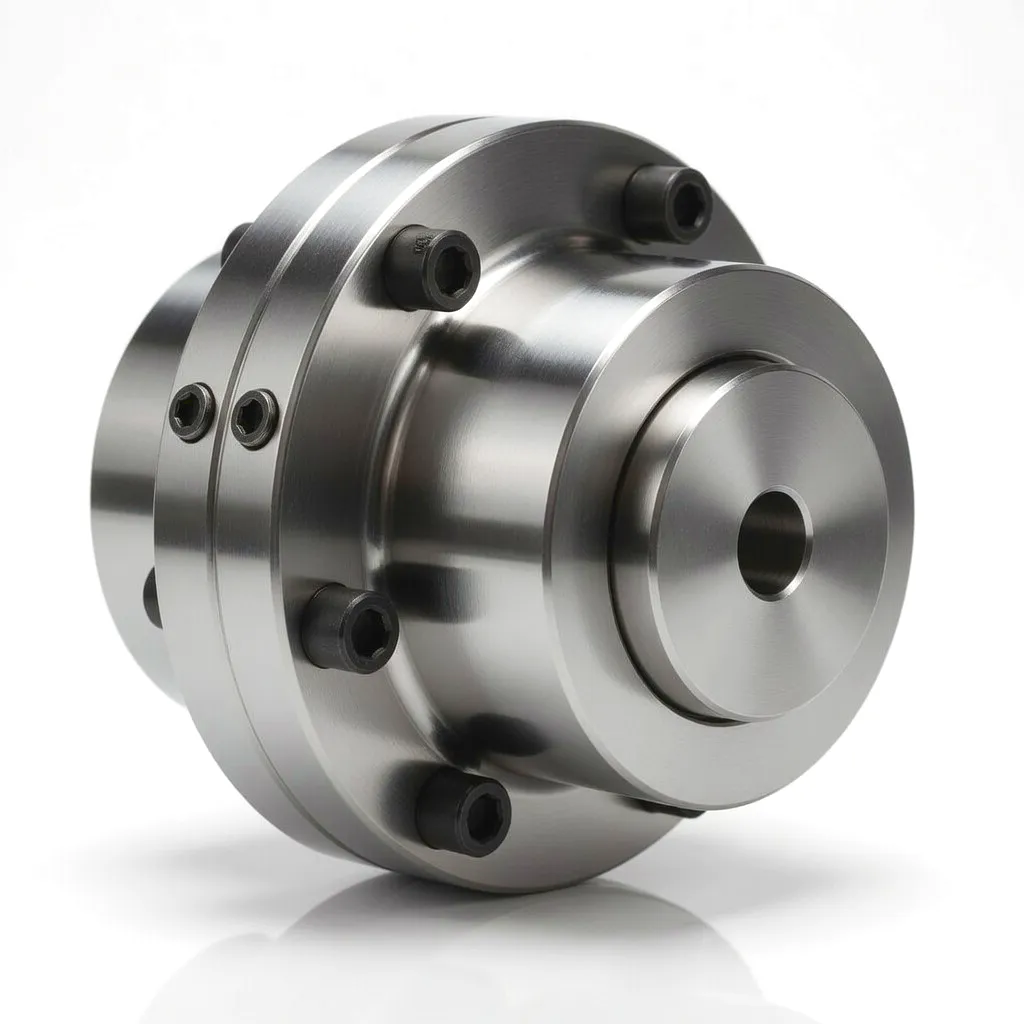
The material specification of a coupling is not a secondary consideration — in the heavy-cycle environment of a portal crane, material choice directly determines service life, maintenance intervals, and failure mode characteristics. Gear coupling hubs are most commonly manufactured from medium-carbon alloy steel grades, with 42CrMo4 and 34CrNiMo6 (EN 10083 designations familiar to UK procurement engineers) being the workhorses of the industry. These steels offer a tensile strength in the range of 900 to 1100 MPa after quenching and tempering, providing the fatigue resistance needed to withstand millions of torque reversal cycles over a crane’s operating life. The tooth flanks are typically carburised to a case depth of 0.8 to 1.4 mm and hardened to 58 to 62 HRC, giving the meshing surfaces a load-bearing capacity that plain carbon steel could never achieve.
Coupling sleeves, which house the internal gear ring, are often produced from ductile cast iron — grade EN-GJS-600-3 or EN-GJS-700-2 in European standard nomenclature — offering a practical balance between machinability, cost, and mechanical strength. For marine portal crane applications, particularly those operating in coastal environments such as the dockyards of Southampton or the container terminals of Felixstowe, stainless steel shaft seals and zinc-phosphate surface treatments are specified to resist salt air corrosion. Disc coupling diaphragm packs are manufactured from high-strength stainless steel, typically 17-4PH or 15-5PH precipitation-hardened grades, which provide the combination of flexibility and fatigue strength that thin-section metallic elements demand.
Surface Treatment & Sealing
Lubrication containment in gear couplings relies on precision-machined O-ring grooves and labyrinth seals, typically manufactured from nitrile rubber (NBR) for standard temperature ranges or fluorocarbon elastomer (FKM/Viton) when operating temperatures exceed 100 degrees Celsius — a condition encountered in enclosed crane machinery rooms during summer operations. The lubricant itself is a specially formulated coupling grease, characterised by high adhesion to prevent centrifugal separation during high-speed rotation, and a low-pour-point grade suitable for outdoor crane operation in the UK’s variable climate. Modern synthetic polyurea or lithium-complex greases have extended re-lubrication intervals from the traditional 3,000 hours to 8,000 hours or more, a significant maintenance cost reduction for operators running multi-shift crane schedules at busy UK port facilities.
Core Technical Advantages for Portal Crane Operations
Gear couplings achieve torque ratings up to 10 times those of jaw or pin-and-bush couplings of the same physical envelope, enabling compact installation in space-constrained crane machinery rooms without compromising on load capacity. This makes them the default choice for hoist drives in 50-tonne and above portal crane configurations.
Angular misalignment up to 1.5 degrees per gear mesh, radial offset compensation to 0.5 mm, and free axial float within defined limits protect motor and gearbox bearings from parasitic loads. In portal cranes where structural flex under rated load can shift shaft centrelines measurably, this tolerance range is the difference between reliable operation and rapid bearing failure.
The tooth contact geometry in gear couplings distributes impact loads across multiple tooth pairs simultaneously. When a crane hoist picks up a suddenly applied load — a common occurrence in scrap-yard environments in Sheffield or at aggregate handling terminals — the coupling absorbs transient torque peaks that can reach three to five times the rated torque, protecting downstream gearbox components from shock-induced fatigue cracking.
With correctly specified lubrication and periodic inspection, gear couplings in portal crane service routinely achieve 80,000 to 120,000 hours of service life — exceeding a 20-year operational horizon at two-shift operation. This longevity is critical for crane owners facing capital replacement constraints and seeking to maximise the return on their original equipment investment.
Easy Maintenance Access
Split-sleeve gear coupling designs allow relubrication and inspection without disconnecting the coupled shafts — a significant advantage in portal crane applications where machine room access is restricted and downtime for shaft separation is commercially unacceptable. Half-coupling replacement can often be accomplished during a scheduled maintenance window without disturbing motor or gearbox alignment.
Gear couplings operate reliably from near-zero speed up to peripheral tooth velocities of 25 m/s and beyond, covering the entire speed range encountered in variable-frequency-driven portal crane motors. This broad operating window eliminates the need for different coupling types at the motor and drum ends of the same drive train, simplifying spare parts inventory management for UK crane maintenance teams.
Product Technical & Performance Parameters
The following table summarises the key performance parameters for gear-type couplings and disc couplings as typically specified for portal crane drive systems. Values represent standard production ranges; Ever Power engineering can extend these parameters through bespoke design for project-specific requirements.
| Tham số | Khớp nối kiểu bánh răng | Khớp nối đĩa |
|---|---|---|
| Phạm vi mô-men xoắn định mức | 250 N·m — 2,500,000 N·m | 100 N·m — 800,000 N·m |
| Độ lệch góc tối đa | Độ nghiêng tối đa 1,5° trên mỗi mắt lưới | Up to 1.0° total |
| Radial Offset Tolerance | 0.1 — 0.5 mm | 0.05 — 0.25 mm |
| Tốc độ vận hành tối đa | 1,500 — 3,600 rpm (size-dependent) | Tốc độ vòng quay lên đến 6.000 vòng/phút |
| Vật liệu trục | 42CrMo4 / 34CrNiMo6 Alloy Steel | Alloy Steel / Stainless Steel |
| Chất liệu tay áo | EN-GJS-600-3 Ductile Iron / Alloy Steel | 17-4PH / 15-5PH SS Disc Pack |
| Surface Hardness (Tooth Flank) | 58 — 62 HRC (carburised) | N/A (flexible element) |
| Nhiệt độ hoạt động | -30°C to +100°C | -50°C to +260°C |
| Yêu cầu bôi trơn | Coupling Grease — 8,000 hr interval | Maintenance-free (dry) |
| Khả năng mô-men xoắn cực đại | 3.5 x Rated Torque (short-term) | 2.5 x Rated Torque |
| Phạm vi đường kính lỗ | 20 — 560 mm | 15 — 300 mm |
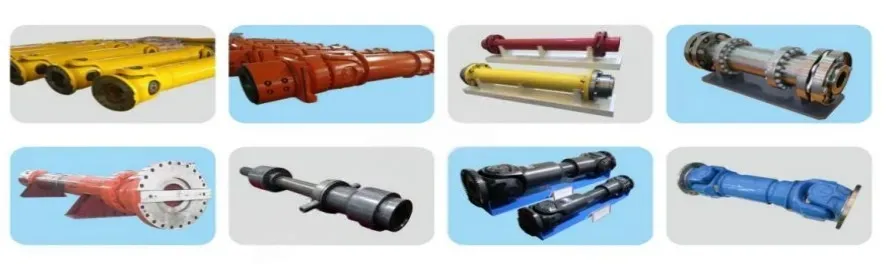
Portal Crane Application Scenario: Coupling Selection Across Every Drive
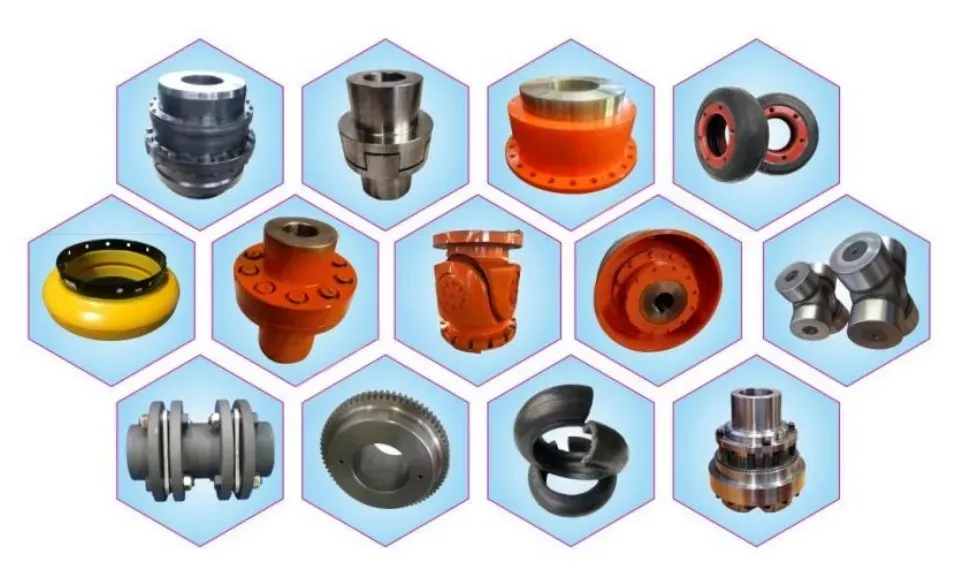
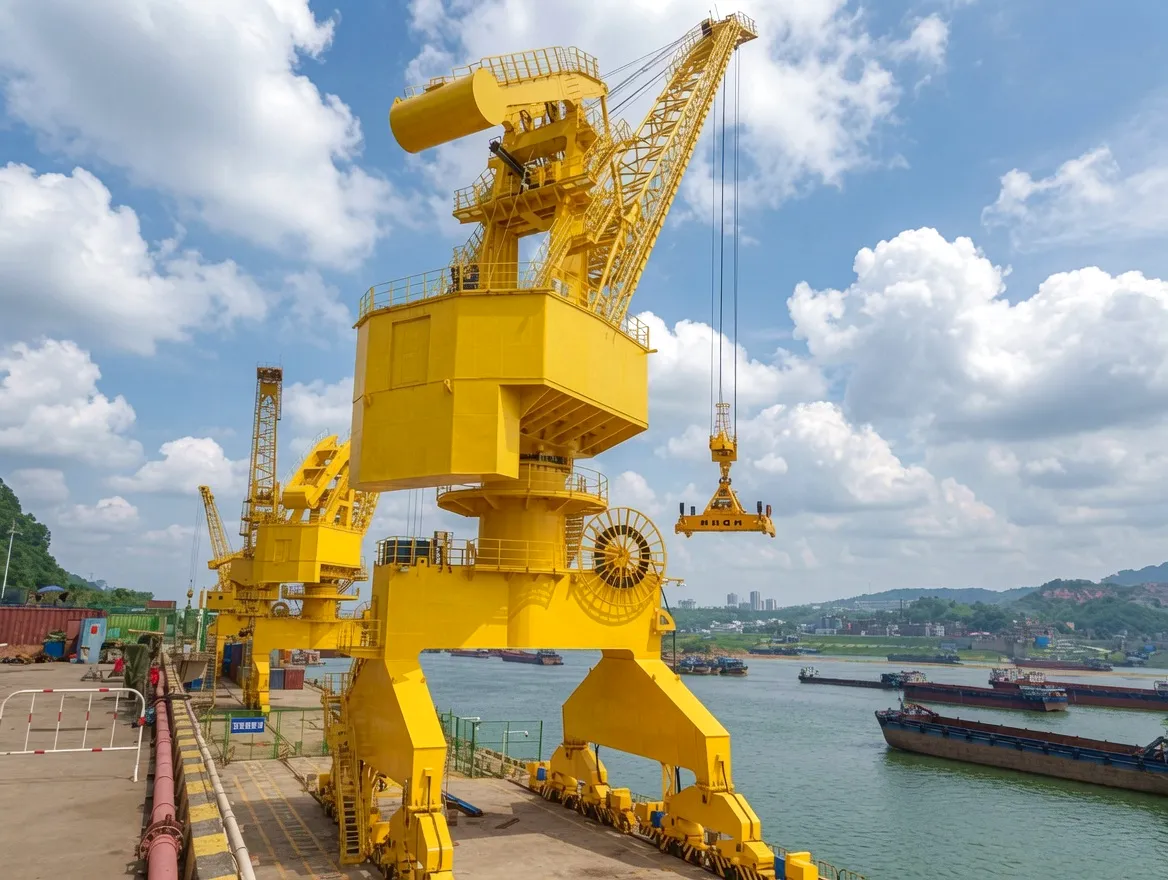
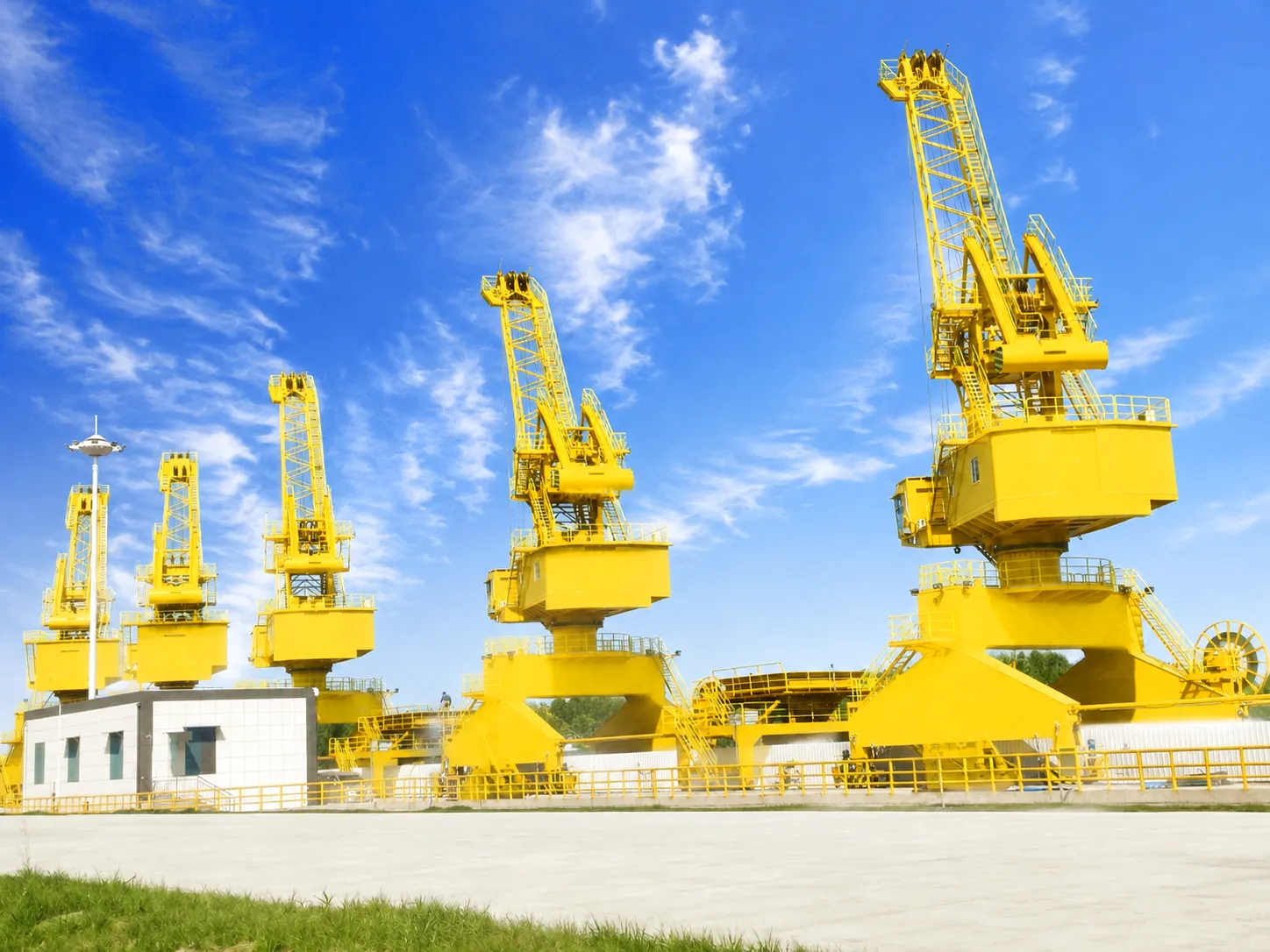
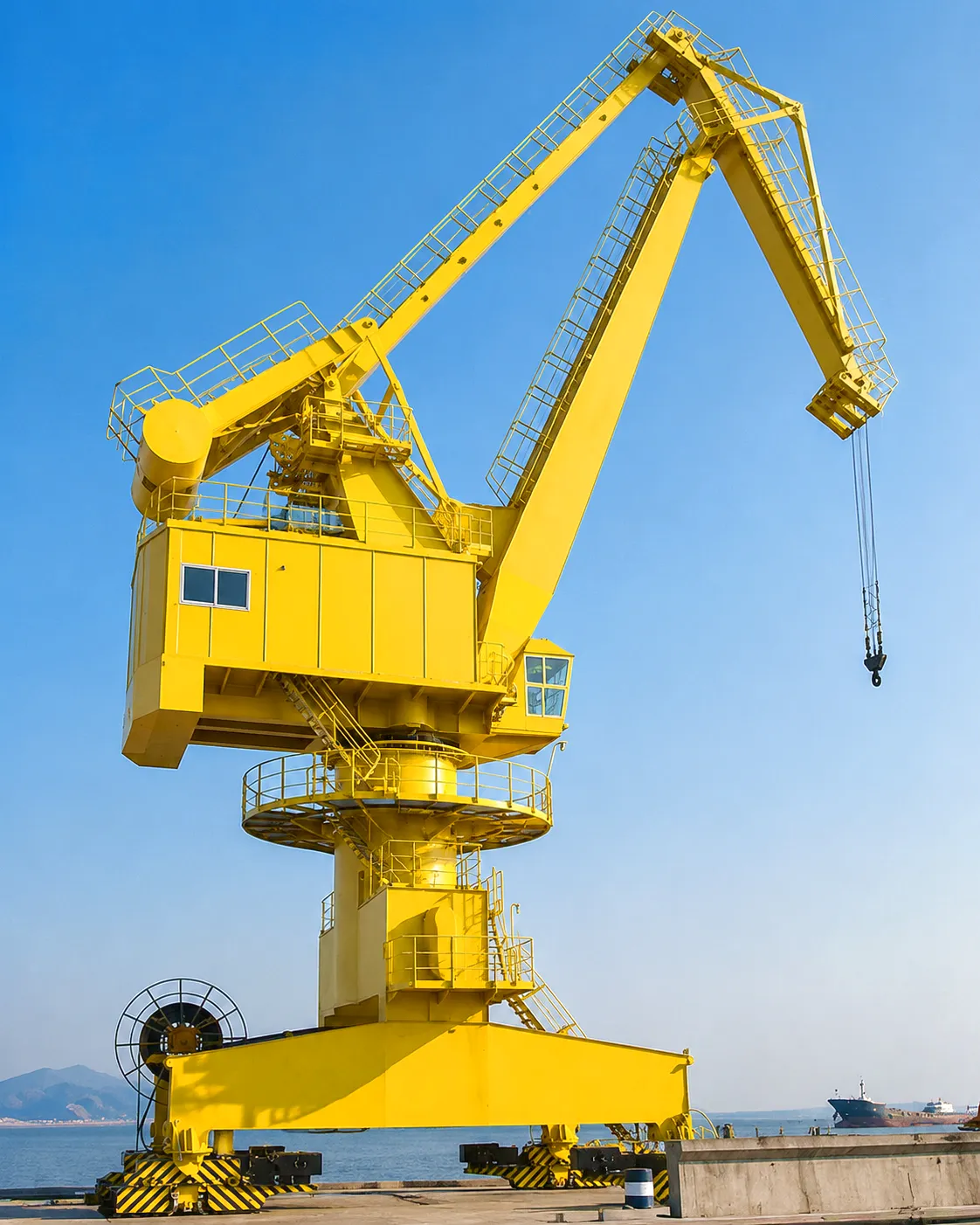
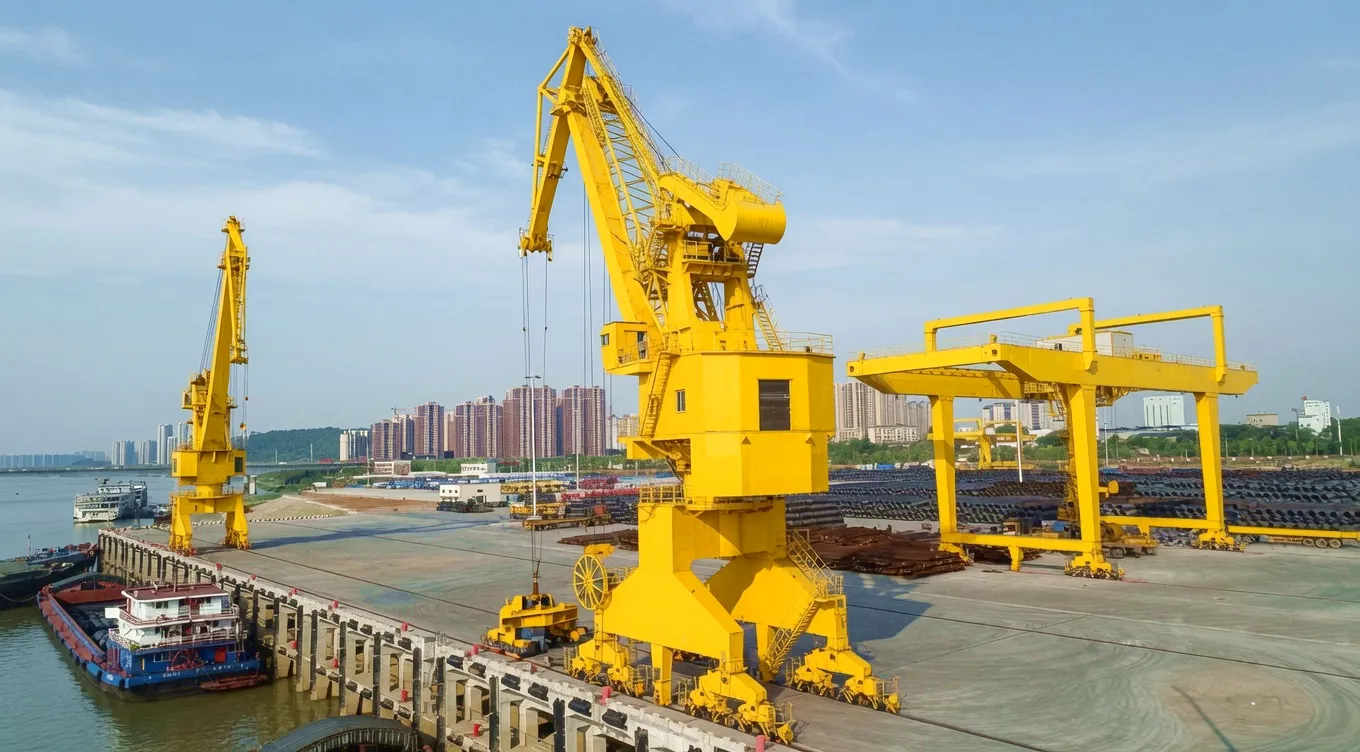
The portal crane is not a single machine — it is a collection of distinct drive systems, each with unique torque profiles, speed ranges, and misalignment challenges. Understanding how coupling requirements differ across these drives is essential for specifying a reliable installation.
Featured Products for Portal Crane Applications
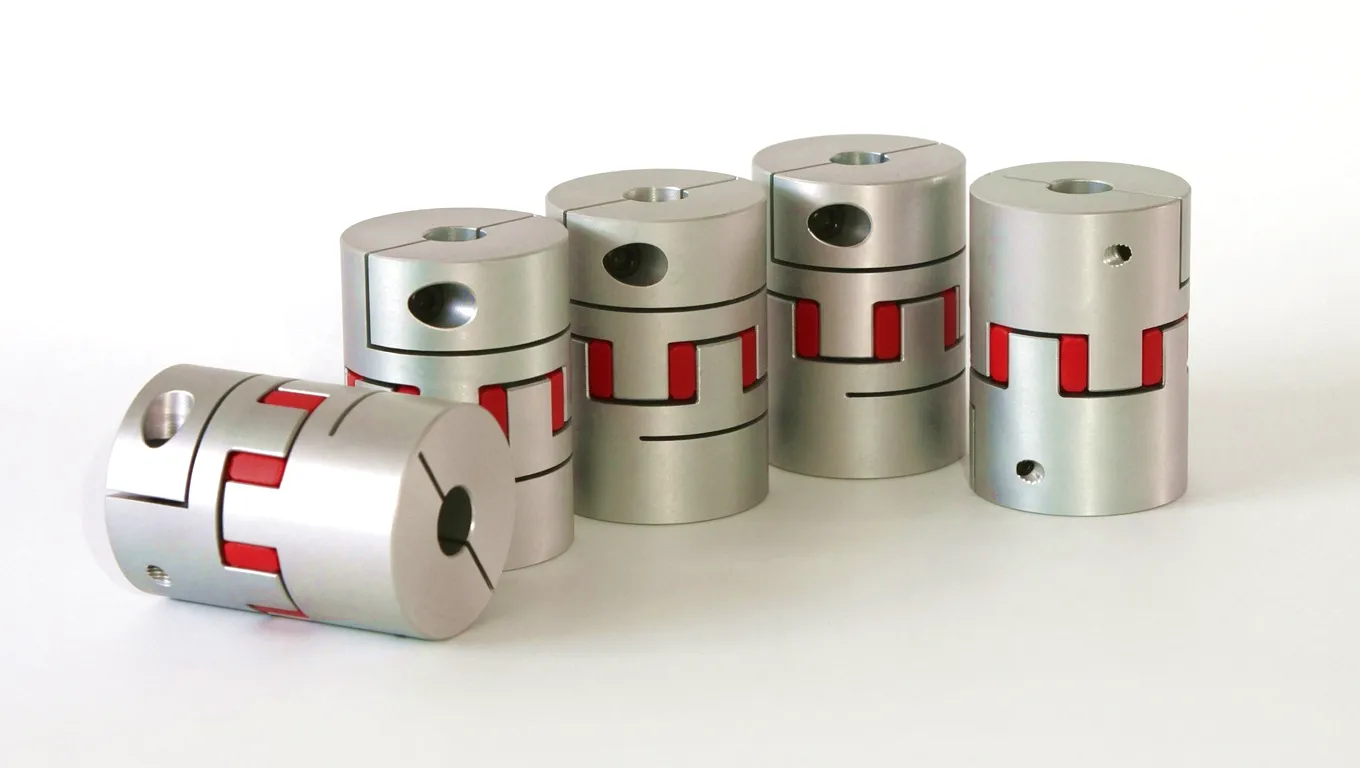
Ever Power offers a range of precision coupling solutions engineered for demanding crane drive environments. Two flagship products particularly suited to portal crane applications are detailed below:
The Ever Power Flexible Beam Coupling is machined from a single piece of high-grade aluminium alloy or stainless steel, with helical cuts that create a spring-like flexible element capable of accommodating angular and parallel misalignment simultaneously. Ideal for crane encoder mounting positions and precision feedback drives, it provides zero-backlash torque transmission with inherent torsional compliance. Available in shaft diameter ranges from 3 mm to 40 mm, it is the coupling of choice for instrumentation and control drive positions in modern inverter-controlled portal cranes.
The Ever Power Disc Coupling transmits torque through a pack of precision-formed stainless steel diaphragm discs, offering high torsional rigidity combined with the flexibility to accommodate axial and angular misalignment without lubrication. In portal crane slewing and luffing drive applications, the disc coupling’s backlash-free operation and maintenance-free service life deliver significant operational cost advantages over traditional gear coupling types. The modular disc pack design allows replacement of the flexible element only, without disturbing shaft alignment — a major benefit for crane maintenance teams managing planned maintenance windows at busy UK industrial ports.
Sheffield Special Steels — Portal Crane Coupling Overhaul: Slashing Downtime by 60%
 A major Sheffield-based special steels producer — operating a 75-tonne overhead portal crane system in their high-temperature melt shop — was experiencing recurring hoist drive failures at 14-month intervals. The existing couplings, sourced from a European catalogue supplier, were experiencing rapid tooth wear accelerated by the combination of high shock loading during scrap basket pick-up, elevated ambient temperatures from the nearby electric arc furnaces, and the structural flex of the crane bridge under eccentric loading. Each failure event resulted in unplanned downtime of 3 to 5 days, costing the facility between £60,000 and £90,000 per event in lost production and emergency repair costs.
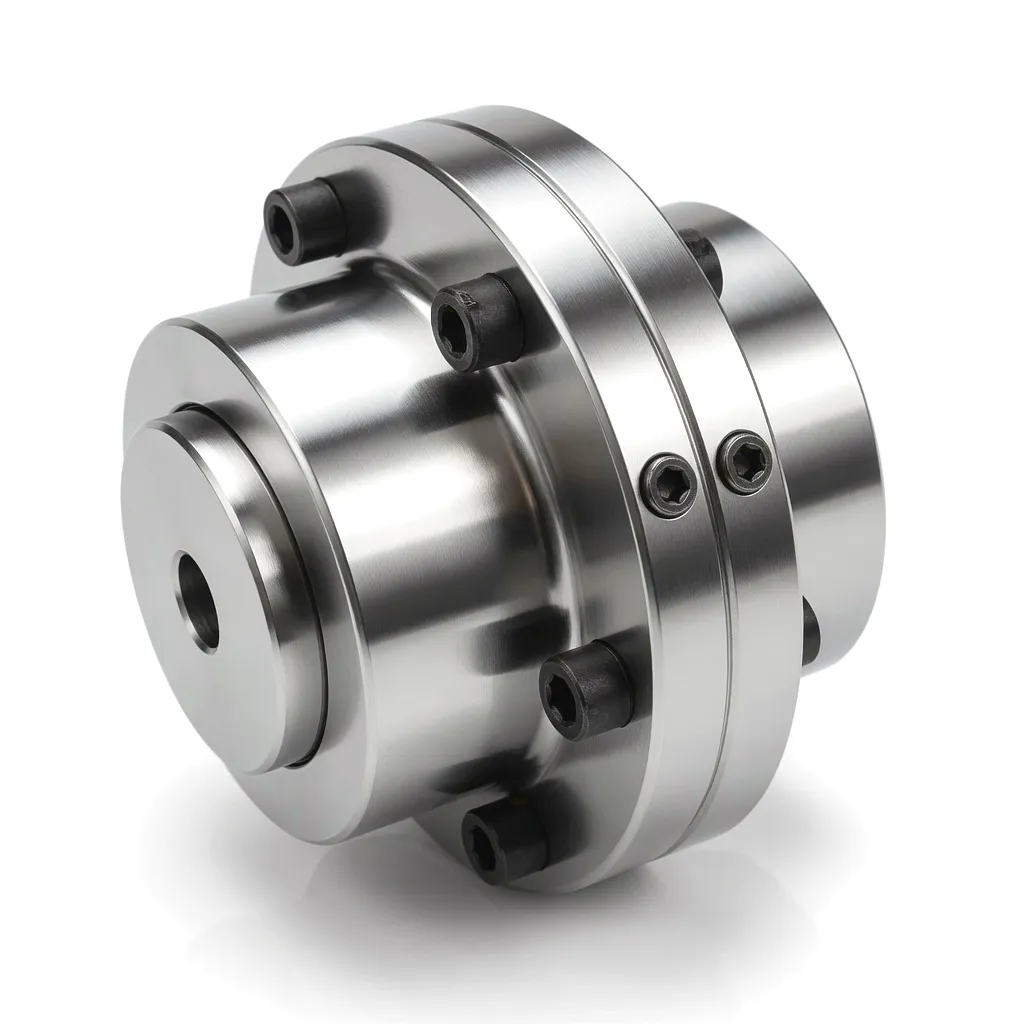
Ever Power’s UK technical liaison team was engaged to conduct a full drive train review. Shaft alignment surveys using laser measurement equipment revealed chronic angular misalignment at the motor-gearbox interface of 0.9 degrees — well within the failed coupling’s published rating but combined with an operating temperature of 85 to 95 degrees Celsius (exceeding the lubricant specification) to create a destructive wear mechanism. Ever Power engineered a replacement gear coupling in 42CrMo4 steel with an extended crowned tooth profile increasing misalignment tolerance to 1.3 degrees per mesh, respecified the lubricant to a synthetic polyurea grease rated to 150 degrees Celsius, and implemented a bearing-cap-mounted temperature sensor to provide advance warning of overlubrication breakdown.
Following installation of the Ever Power coupling solution in Q3 of the preceding year, the Sheffield facility has operated for 26 months without a coupling-related failure — a 60% reduction in drive system downtime compared to the three-year baseline period. The extended re-lubrication interval of the new grease specification has also reduced maintenance labour requirements. The total cost saving against the previous failure regime, accounting for avoided downtime, emergency labour, and spare parts consumption, has been independently calculated at over £240,000 over the 26-month period.
“The Ever Power team understood immediately that our failure was not a coupling size problem — it was a system problem. Their engineering review identified the root cause we had missed for three years. The replacement coupling has been faultless in service and the temperature-rated grease specification has made a tangible difference to maintenance intervals.”
“We needed a coupling to a non-standard bore and flange arrangement to match our existing crane hardware. Ever Power reverse-engineered the original coupling from our dimensional drawings and delivered a production-standard replacement in six weeks. The quality of the machined surfaces and the accuracy of the gear tooth profile were genuinely impressive — better than the original in our view.”
“For our slewing drives, we moved from gear couplings to Ever Power disc couplings following a recommendation from our VFD supplier. The improvement in positioning accuracy at the hook — measured during load pick-up and set-down trials — was measurable from the first day of operation. Maintenance-free operation has also reduced our planned maintenance time allocation for the slewing drives by approximately 40%.”
Frequently Asked Questions — Couplings for Portal Cranes in the UK
Ready to Specify the Right Coupling for Your Portal Crane?
Our engineering team is available to review your drive train requirements, advise on coupling selection, and provide competitive pricing for standard and custom specifications. UK crane operators — from the Humber to the Clyde — trust Ever Power for precision coupling solutions that keep their machines running.