Gear-Type Couplings in Tunnel Boring Machines: Drive System Engineering for the UK’s Underground Construction Boom
How high-torque gear couplings are redefining reliability standards inside TBM cutterhead drive assemblies — from Birmingham’s Metro expansion to the Crossrail legacy infrastructure programmes.
The Engineering Reality Behind TBM Drive Systems
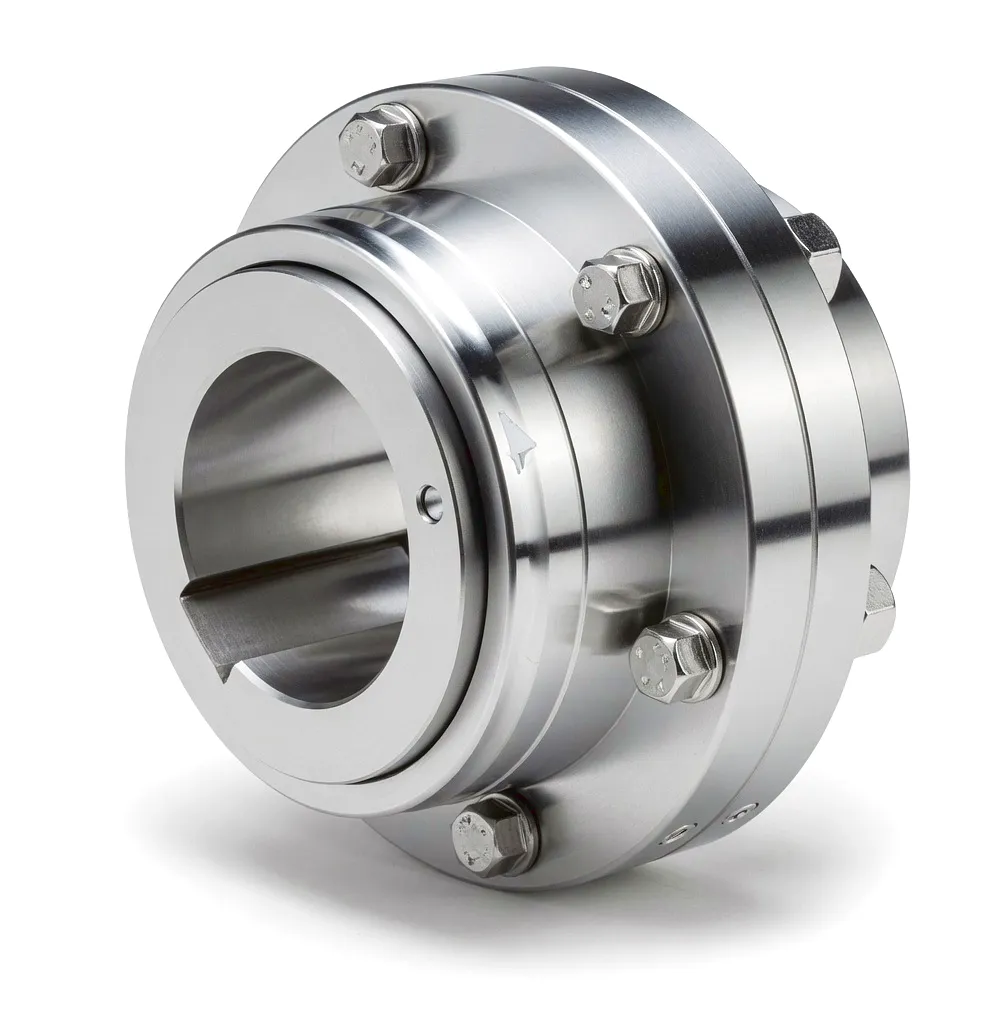 Tunnel boring machines represent one of the most mechanically demanding applications in modern civil and infrastructure engineering. The cutterhead drive system of a full-face TBM must transmit output torques that routinely reach tens of thousands of kilonewton-metres — forces entirely outside the comfort zone of conventional coupling designs. Within Birmingham’s ongoing Metro extension projects and along the underground utility corridors being constructed beneath Sheffield’s city centre, the question of which gear coupling to specify between motor and gearbox, and between gearbox and main bearing, has direct consequences for project schedules, maintenance intervals and whole-life costs. Getting that specification wrong can halt a tunnel drive for days at a time, with knock-on costs that run into hundreds of thousands of pounds per incident. The coupling chosen for these positions is not a minor component. It is a precision-engineered power transmission element on which the viability of the entire excavation cycle depends.
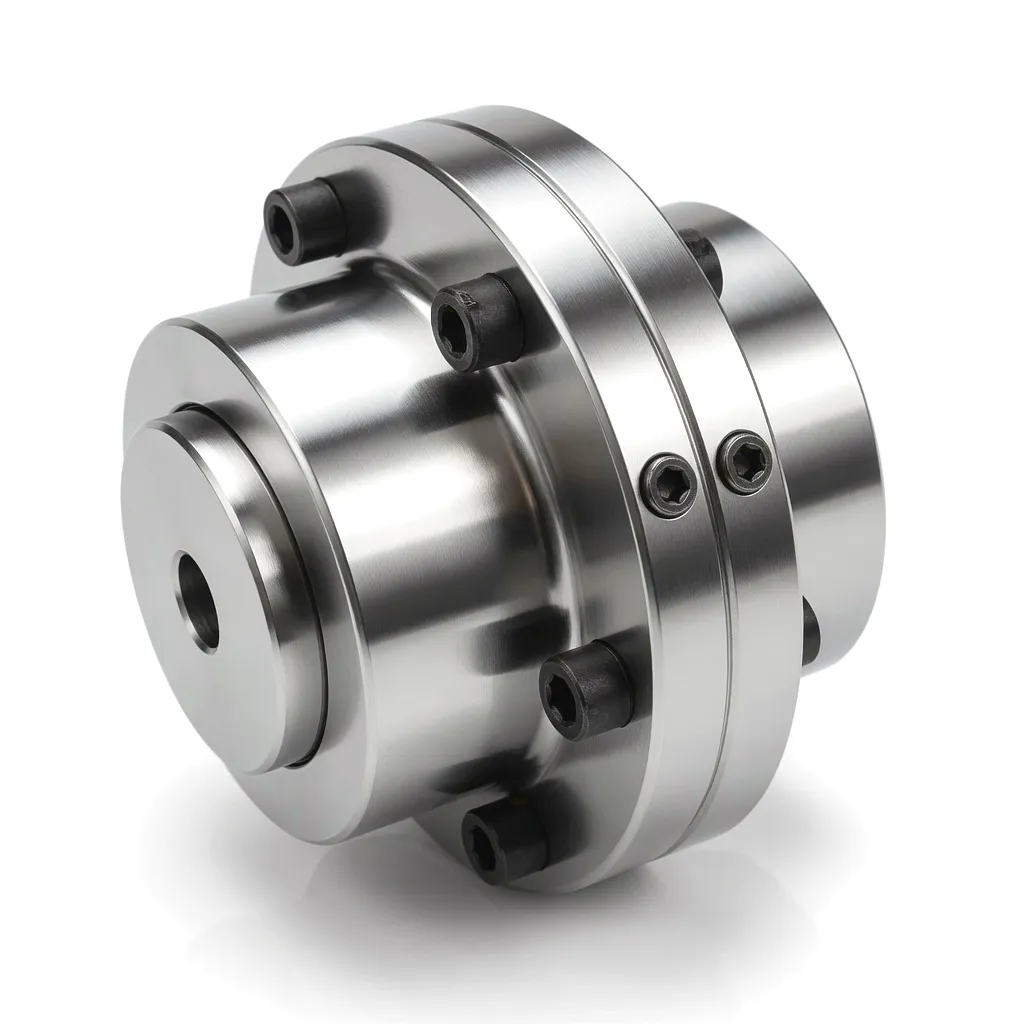
A gear-type coupling operates on the principle of meshed external and internal gear teeth, typically crowned on the outer sleeve to accommodate angular misalignment without edge loading. This design allows the coupling to tolerate the dynamic angular deviation that inevitably builds up as a TBM navigates curves, reacts to geological variation in face pressure, or experiences asymmetric soil loads during cutterhead rotation. Unlike rigid flanged connections, which transfer every transient bending moment directly into shaft bearings, a gear coupling absorbs and decouples these unwanted loads while faithfully transmitting torsional drive — the only load the downstream components should ever see. That distinction is fundamental to why gear-type couplings dominate TBM drivetrain design globally, and why UK contractors sourcing equipment for projects across England, Scotland and Wales return to this technology regardless of TBM manufacturer.
Working Principle of Gear-Type Couplings in High-Torque Drive Trains
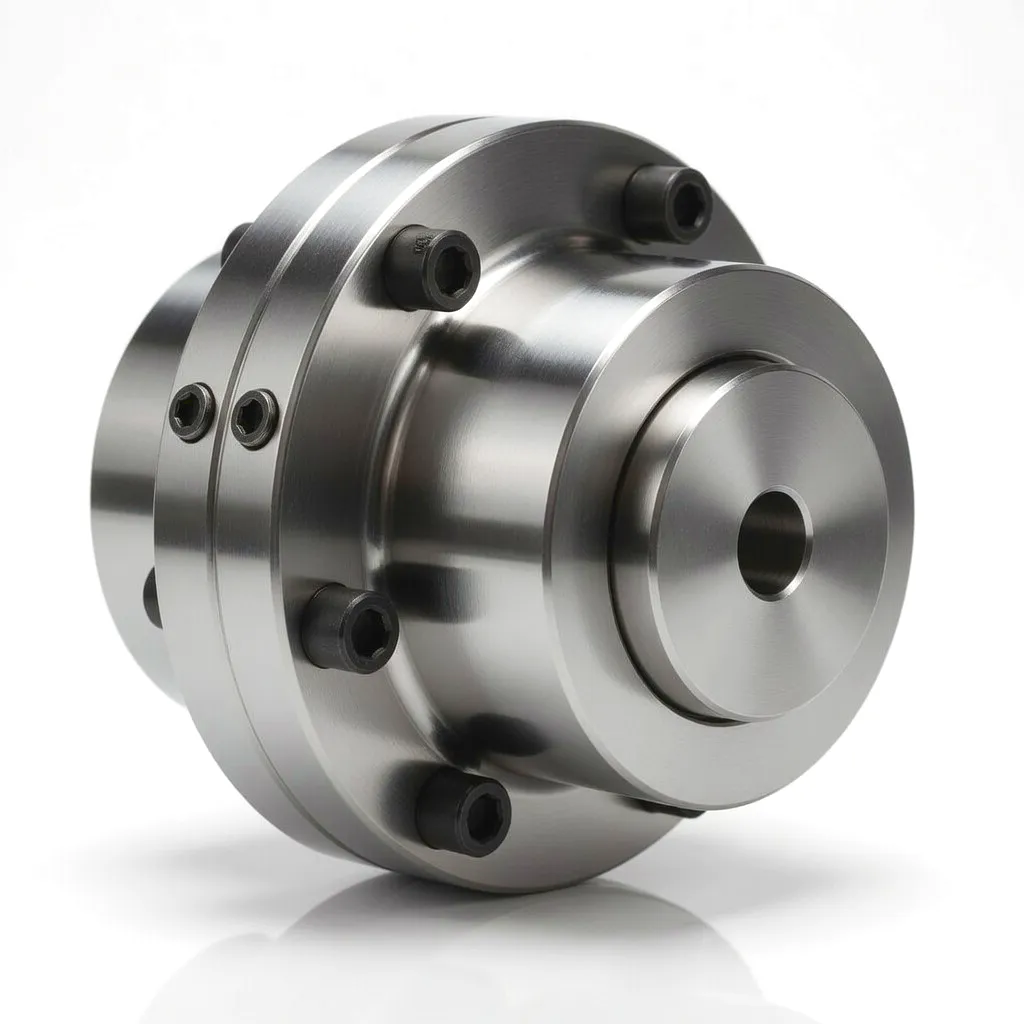
A gear coupling consists of two hubs, each carrying external gear teeth, and a sleeve assembly carrying matching internal teeth. In a standard curved-tooth (crowned) design, the outer profile of each hub tooth is shaped along a spherical arc rather than a flat involute. This crowning allows the hub to tilt inside the sleeve by up to 1.5 degrees — sometimes more in heavy-duty designs — while maintaining full tooth contact across a broad face width. Because the tooth faces roll rather than edge-load during angular deflection, Hertzian stress remains within acceptable limits and the lubricant film is preserved. The result is a coupling that can handle sustained angular misalignment, absorb axial displacement from thermal growth, and pass through brief moments of combined loading without fatigue failure. In a TBM cutterhead drive, where three, four or even six motors each feed their own planetary gearbox, and where every gearbox must maintain synchronised speed on a common main shaft, this misalignment tolerance is not a comfort margin — it is an operational necessity.
Lubrication determines gear coupling service life more than almost any other variable. Most TBM-grade gear couplings operate with grease packing inside a sealed sleeve, using a labyrinth seal or O-ring retained end cap to prevent ingress of the abrasive, moisture-laden atmosphere found underground. Relubrication intervals must match the maintenance schedule of the TBM itself — typically every 300 to 500 operating hours in difficult ground conditions. Higher-performance designs incorporate ports in the sleeve flange so that pressurised grease injection can be achieved without splitting the coupling. On a Birmingham Metro tunnelling project, where access to the back of the cutterhead gearboxes during a ring-building break is severely constrained, this feature alone can shave three hours from a maintenance window.
Core Materials in Heavy-Duty Gear Coupling Construction
The performance ceiling of any gear coupling is ultimately set by the material choices made at the design stage. For TBM applications — environments combining high cyclic torque, vibration, subzero groundwater infiltration and chemically aggressive clay or chalk dust — materials selection is an engineering decision with direct structural consequences.
Chromium-molybdenum alloy steel (European grade 42CrMo4, equivalent to SAE 4140) provides the combination of high tensile strength (typically 900–1100 MPa after quench and temper), good fatigue resistance and excellent through-hardening capability needed for hub teeth operating under cyclic bending loads. Case hardening to HRC 58–62 on tooth flanks provides surface wear resistance while preserving a tough, ductile core that resists shock loads from sudden torque reversal — a realistic event when a TBM disc cutter encounters a hard rock inclusion in mixed-face ground.
The sleeve carries the internal gear teeth and must maintain dimensional stability under the combined bending and torsional loads of full-torque operation. Carburising steel grades such as 20CrMnTi achieve case depths of 0.8–1.6 mm and surface hardness of HRC 58–63, with a core hardness of HRC 33–38 providing the structural backbone. This gradient hardness profile precisely matches the load distribution across the tooth flank — high hardness at the contact zone for wear resistance, softer core for energy absorption. Flanged sleeves are frequently produced in two half-shells secured by precision high-tensile bolts (Grade 10.9), enabling installation and removal without disturbing the shaft alignment.
O-ring seals and labyrinth retainers must resist groundwater contamination, greases containing lithium or calcium soap bases, and temperature swings from ambient to the heat generated by continuous operation at rated torque. Nitrile butadiene rubber (NBR) satisfies most UK tunnelling conditions, with a service range of -40 °C to +120 °C. Where the lubricant contains ester or synthetic base oils selected for their extreme-pressure additives, fluorocarbon elastomer (FKM/Viton) seals are specified to prevent swelling-induced seal extrusion. Retainer plates in stainless steel 316L provide corrosion resistance in the wet, salty environment typical of chalk-geology tunnels such as those found in southern England and the Thames corridor.
Core Technical Advantages of Gear-Type Couplings in TBM Applications
Gear couplings transmit higher torque per unit of outer diameter than virtually any other flexible coupling type. For TBM main drives where radial envelope is constrained by the main bearing housing, this density advantage translates directly into design feasibility. A gear coupling for a 6 m diameter TBM may transmit peak torques exceeding 2,500 kN·m while fitting within a 600–900 mm bore circle — something impossible with elastomeric disc or jaw couplings of equivalent diameter.
Crowned tooth geometry allows sustained angular misalignment of 0.5°–1.5° per coupling element, with peak acceptance of up to 2° for short durations. In a TBM drive train where motor-to-gearbox alignment is initially set to within 0.05 mm but drifts under thermal growth and excavation-induced structural flexure, this built-in tolerance prevents bearing overload cycles that would otherwise accumulate into premature spalling of the main bearing rolling elements.
Because the gear mesh is essentially rigid in torsion, gear couplings do not introduce the torsional compliance that elastomeric elements add to drive systems. This rigidity is an advantage in TBM applications where frequency-controlled motors demand precise speed synchronisation across multiple parallel drives. Torsional resonance, a risk in systems combining large rotating inertia with compliant couplings, is effectively eliminated.
Modern sealed gear couplings with pressurised-grease ports deliver service intervals of 2,000+ operating hours in clean, controlled environments, and 300–500 hours in the wet, contaminated atmosphere of an active tunnel heading. Grease injection capability without coupling disassembly reduces planned maintenance downtime by up to 70% compared with split-gear couplings requiring full sleeve removal and reinspection.
TBM cutterhead drives experience cyclic torque variation with every full revolution of the cutterhead — as each disc cutter engages and releases the face, torque fluctuates by 15–40% of mean value. Gear couplings, with their crowned, case-hardened tooth profiles operating under an EHD lubricant film, are rated for fatigue life exceeding 10^8 load cycles at the permissible torque rating, making them compatible with the 30,000–50,000-hour design life targets now standard for UK infrastructure TBMs.
Application Scenario: Tunnel Boring Machine Cutterhead Drive Assembly
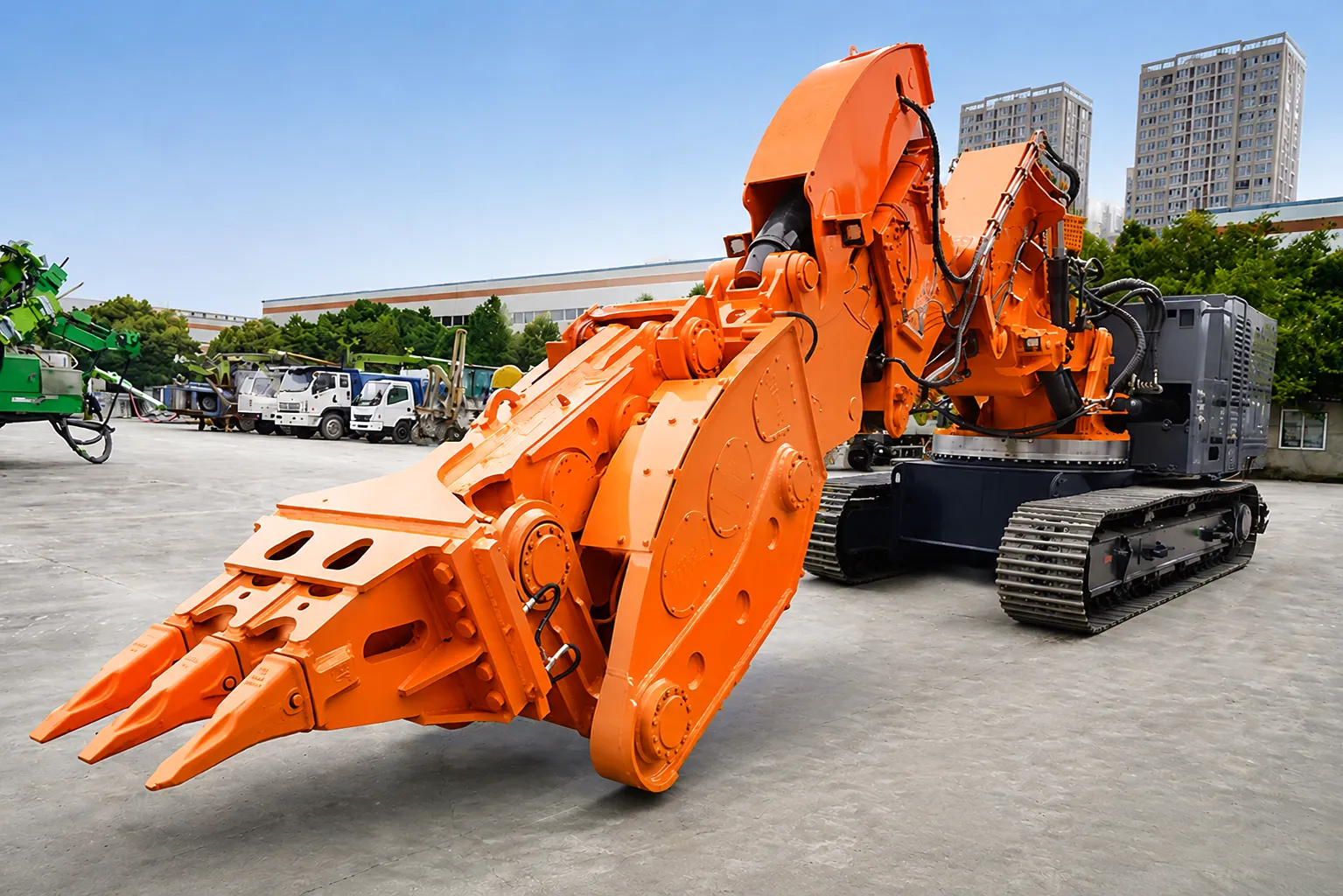
The tunnel boring machine represents the most extreme duty cycle in power transmission engineering. Cutterhead diameters on UK urban infrastructure projects typically range from 3.5 m for utility micro-tunnels under Sheffield’s transport network to 9.7 m for the large-bore tunnels of London’s sewage relief schemes and water ring main extensions. Regardless of machine diameter, the fundamental drive architecture remains consistent: multiple variable-frequency electric motors — usually ranging from four to twelve units — each drive a dedicated planetary gearbox. The planetary gearbox steps down the motor speed (typically 1,450–2,960 RPM) to an intermediate shaft speed in the range of 8–35 RPM, producing the required cutterhead torque at the main shaft.
Gear couplings appear at two critical positions within this drive arrangement. The motor-to-gearbox connection must accommodate the thermal expansion of both components while transmitting full rated motor torque without bending moment transfer to either the motor shaft or the gearbox input pinion. In a standard 315 kW motor driving a two-stage planetary gearbox, rated motor torque at the coupling is approximately 2,100 N·m at 1,450 RPM — comfortably within a medium-bore gear coupling’s range, but the shock factor from motor inrush and ground irregularity demands a service factor of 2.5 or above when selecting the coupling torque rating. The second coupling position, between the planetary gearbox output flange and the main bearing ring gear drive pinion, carries the full amplified torque of the planetary stage — in the range of 800–2,500 kN·m depending on machine size — and must simultaneously absorb misalignment arising from settlement-induced deflection of the cutterhead support structure during continuous tunnelling.
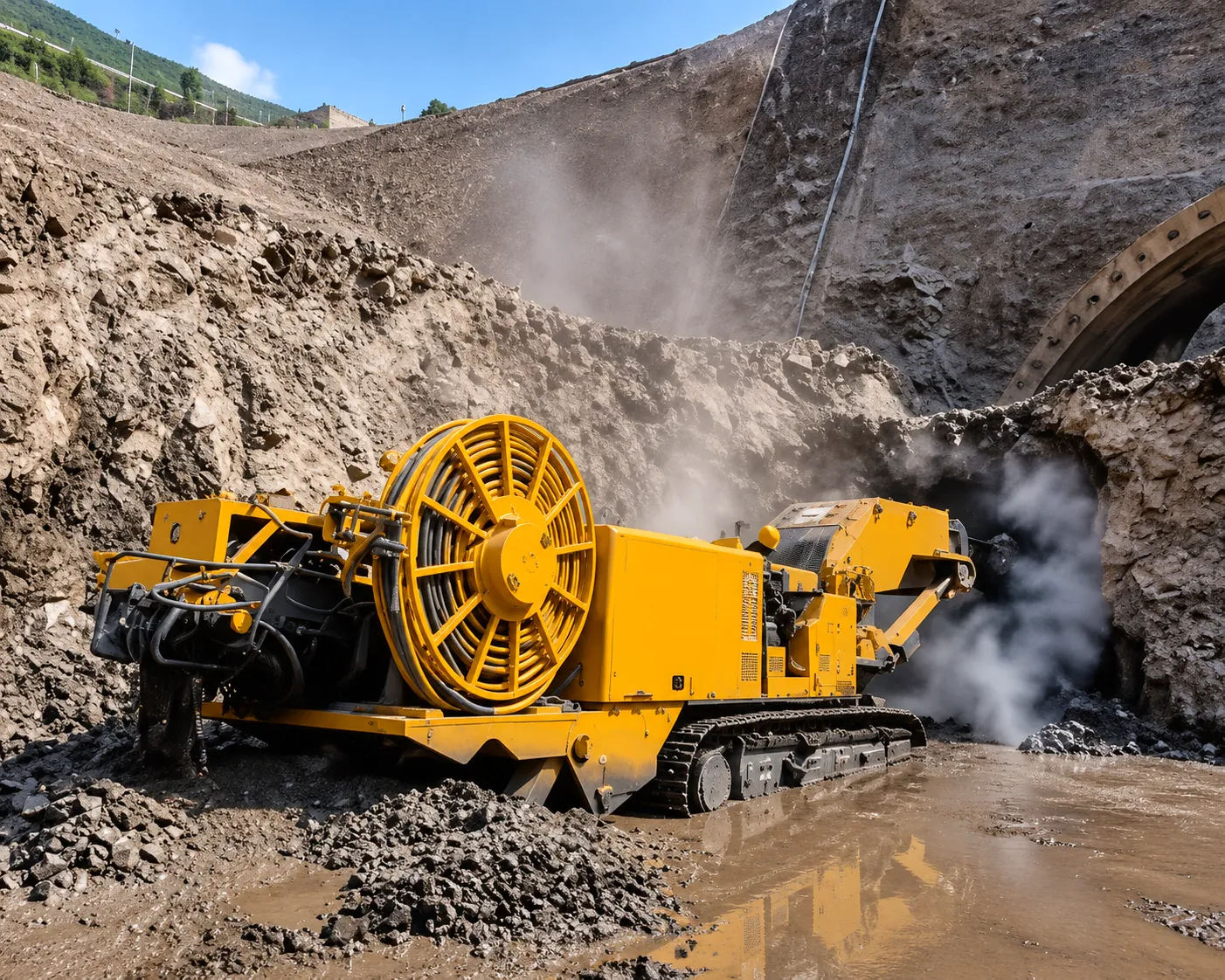
UK contractors and tunnel engineers working on projects such as the Tideway Tunnel in London, the Manchester Metrolink extensions, or the Edinburgh Waverley upgrade tunnels face an additional complexity: variable ground conditions. British geology transitions rapidly — chalk, London Clay, Mercia Mudstone, Carboniferous limestone and sandstone can all be encountered within a single drive. Each transition produces a step-change in face resistance, which the cutterhead drive system must absorb without stalling or overloading. The gear coupling’s ability to transmit through brief overload peaks (some designs allow 2.0x nominal torque for transient durations below 30 seconds) provides the system with a torque buffer that prevents motor tripping and preserves the planetary gearbox’s internal components. This characteristic is particularly valued by project engineers at specialist tunnelling contractors based in the Midlands and along the M62 corridor, where ground investigation data is often incomplete and geological surprises remain a genuine operational risk.
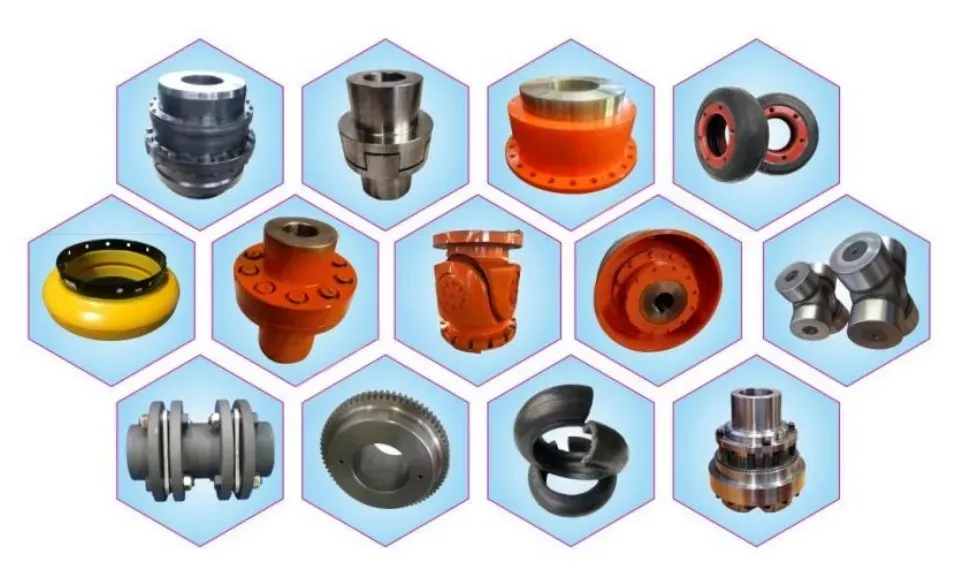
Product Technical and Performance Parameter Reference Table
The following table covers the key engineering parameters for gear-type couplings as applied to TBM and heavy-duty industrial drives. All torque figures refer to nominal rated values at the stated angular misalignment. Peak (overload) capacity typically reaches 150–200% of nominal for transient durations not exceeding 30 seconds.
| Parameter | Light Duty (Motor-GBX) | Medium Duty (Pinion Drive) | Heavy Duty (Main Shaft) |
|---|---|---|---|
| Nominal Torque (kN·m) | 0.5 – 25 | 25 – 500 | 500 – 5,000+ |
| Max Angular Misalignment | 1.5° | 1.0° | 0.5° – 1.0° |
| Max Speed (RPM) | Up to 3,600 | Up to 1,500 | Up to 250 |
| Bore Range (mm) | 20 – 160 | 80 – 400 | 200 – 900 |
| Hub Material | 42CrMo4 / C45E | 42CrMo4 Q&T | 42CrMo4 / 34CrNiMo6 |
| Tooth Surface Hardness | HRC 52 – 58 | HRC 58 – 62 | HRC 58 – 63 |
| Lubrication Type | Grease sealed | Grease / oil-mist | Forced oil / grease |
| Operating Temp Range (°C) | -20 to +100 | -20 to +120 | -30 to +130 |
| Axial Displacement (mm) | ±1 – ±3 | ±2 – ±6 | ±4 – ±12 |
| Applicable Standard | ISO 14691 / GB/T 7507 | ISO 14691 / DIN 740 | Customer Spec / ISO 14691 |
Further Industrial Application Scenarios Where Gear Couplings Excel
 While the TBM cutterhead drive is the most demanding single application, gear-type couplings serve a wide range of UK heavy industry sectors. Steel rolling mills across Sheffield and Rotherham deploy gear couplings at every stage of the rolling train — roughing stands, intermediate stands and finishing stands — where the combination of high rolling torque, frequent reversals during breakdown rolling, and the thermal environment of hot metal processing demand precisely the material and geometry characteristics described above. Service factors of 2.5–3.5 are routinely applied in roll drive specifications, reflecting the severity of mill cobble incidents and the cost of unplanned downtime in a continuous production environment.
In the cement and aggregates industries — both significant sectors in the Yorkshire and Lancashire manufacturing corridors — gear couplings connect the main drive motors to the bull gear pinions of horizontal tube mills and vertical roller mills. These applications combine very high torque with extremely low rotational speed (1.5–5 RPM for large tube mills), making the coupling’s torsional rigidity an asset in preventing torsional windup that could otherwise cause surge instability in the grinding circuit. Marine and offshore applications around the ports of Glasgow, Hull and Southampton use gear couplings in propulsion shaft lines, where both angular misalignment tolerance and the ability to transmit the sustained torque of a large diesel or gas-turbine prime mover through a thermally expanding shaft system are essential to reliable, low-maintenance vessel operation.
 Power generation continues to represent a substantial market for heavy-duty gear couplings throughout the UK. Gas turbine generators — both in CCGT plants and in peaking units increasingly being deployed alongside battery storage installations — use gear couplings to connect the turbine output shaft to the gearbox input, and the gearbox output to the generator rotor. The operating conditions in this position demand that the coupling cope with the high-temperature environment adjacent to the turbine exhaust, transmit rated generator torques of 500–3,500 kN·m, and accommodate the significant thermal growth differential between turbine and generator during a cold start or rapid load-change event. Gear couplings designed to EN/ISO standards for gas turbine applications typically incorporate labyrinth-sealed oil-lubricated tooth meshes and are balancing-classified to ISO 1940 Grade G2.5 to prevent vibration contributions at rotor critical speeds.
Ever Power: Precision Engineering and Customisation for TBM and Heavy-Industry Gear Couplings
Ever Power operates a dedicated precision coupling manufacturing facility with CNC gear hobbing, profile grinding, coordinate measuring and heat treatment under one roof. This integrated production model is the foundation of our ability to deliver fully customised gear couplings — from concept drawing review through to finished, tested product — without relying on sub-contracted gear cutting or third-party heat treatment that would introduce uncontrolled quality variables. UK clients in the tunnelling, steel and power generation sectors routinely arrive with performance requirements that fall outside standard catalogue ranges: a TBM contractor may need a flanged sleeve in two bolt-circle variants to suit both the gearbox OEM’s flange and the main bearing manufacturer’s interface, with tight tolerances on flange face runout that cannot be achieved by off-the-shelf catalogue parts.
Ever Power’s customisation capability addresses exactly these situations. Our design team reviews client shaft drawings, gear ratios, torque duty cycles and environmental exposure conditions before proposing a coupling specification. Tooth module, number of teeth, crowning radius, bore dimensions, keyway geometry and flange bolt pattern can all be modified within our standard manufacturing envelope. Gear tooth profiles are generated on five-axis CNC gear grinding centres capable of achieving DIN 3965 Class 6 tooth accuracy — the grade required for gear couplings operating at surface speeds above 8 m/s in critical drive positions. Profile grinding eliminates the distortion introduced by through-hardening heat treatment, ensuring that the as-delivered tooth form precisely matches the design intent. Dimensional inspection using a Zeiss Gear Pro CMM system confirms tooth profile, helix angle, pitch accuracy and surface roughness to better than 0.002 mm repeatability before any part is released for assembly.
Supply chain reliability matters as much as product quality for UK tunnelling contractors working against fixed programme dates. Ever Power maintains safety stock of raw material billets in the most common grades — 42CrMo4, 20CrMnTi, 34CrNiMo6 — to avoid lead-time delays caused by mill sourcing. Our standard lead time for custom gear couplings in the 50–500 kN·m torque range is 3–5 weeks from approved drawing, and we maintain an express manufacturing lane for emergency replacement parts with 7–10 day capability for confirmed orders. UK project managers working on active tunnel drives have found this response time critical when an unplanned coupling failure threatens programme delay on a time-sensitive contract.
Featured Coupling Products from Ever Power
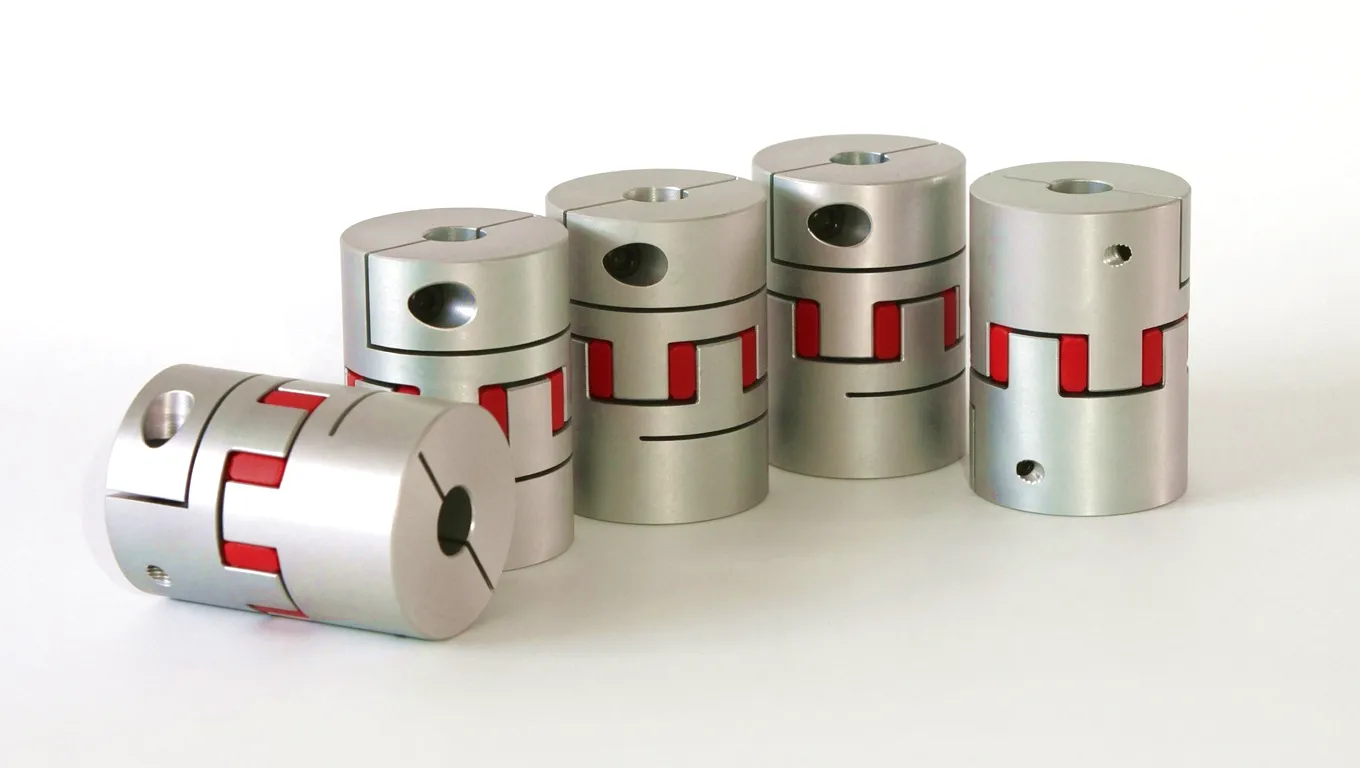
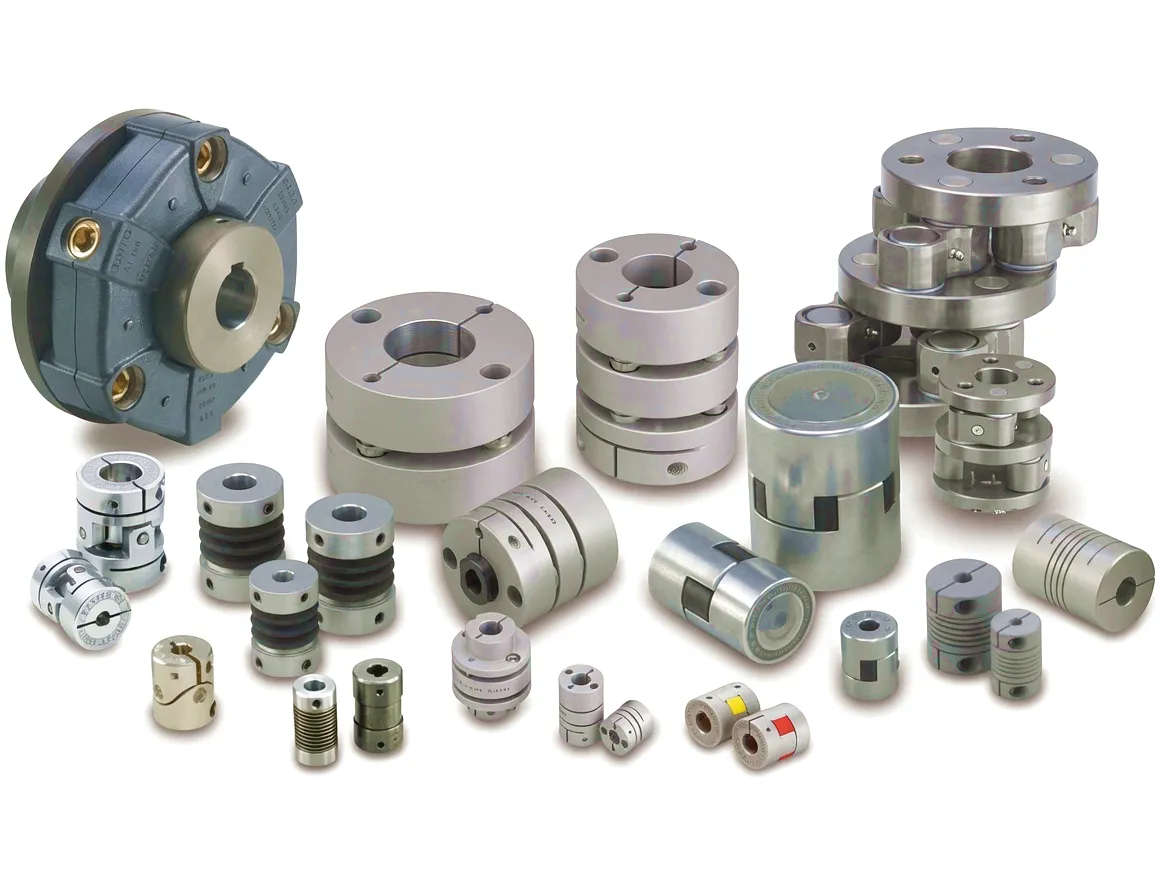
The JSA Series snake spring coupling delivers excellent shock absorption and torsional flexibility through its interlocking serpentine spring element. Designed for medium-duty industrial drives including conveyor systems, compressors and pump applications, the JSA Series handles radial and angular misalignment while protecting connected equipment from impact torques. Its split-hub design facilitates easy installation in confined spaces — a key advantage on UK plant retrofits where access is restricted. Available in a range of grid materials and spring ratings to match the specific duty cycle of your application.
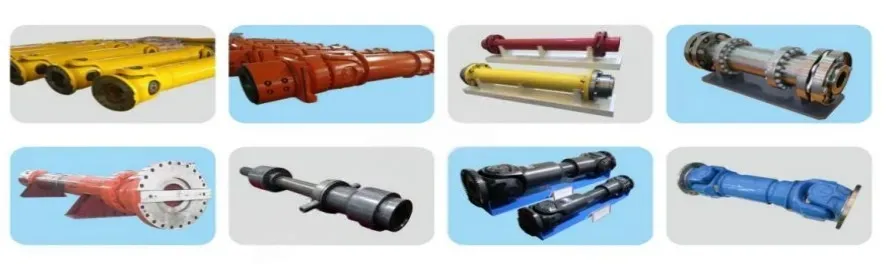
The SWC Series universal coupling is engineered for applications where significant angular misalignment between connected shafts is a permanent design condition rather than a transient event. Using a Cardan-joint principle with precision-machined yokes and sealed needle-roller cross assemblies, the SWC Series accommodates intersection angles up to 35°, making it the engineering solution of choice for rolling mill spindle drives, extruder feed drives and material handling systems where shaft parallelism cannot be guaranteed. Yoke and cross materials are selected from alloy steel grades with surface hardness matched to the rated torque and speed, with multiple bore size and flange configuration options for direct interchangeability with existing equipment.
Manchester Wastewater Relief Tunnel: Eliminating Unplanned Downtime Through Precision Gear Coupling Replacement
A major civil engineering contractor based in Manchester was eight weeks into a 2.4 km wastewater relief tunnel drive beneath the city’s northern suburbs when a scheduled inspection revealed severe wear on the motor-to-gearbox gear coupling on drive unit three of a six-motor cutterhead system. The 8.3 m diameter EPB (earth pressure balance) TBM was operating in mixed alluvial and sandstone ground, and intermittent hard inclusions had been generating torque peaks well above the originally specified coupling’s service rating. The worn coupling had developed measurable backlash and was introducing torsional vibration that threatened bearing wear on both the drive motor and the planetary gearbox input stage.
The project team contacted Ever Power with shaft and flange drawings and a full description of the duty cycle. Our engineering team reviewed the original specification, recalculated the required service factor based on the actual ground conditions encountered during the drive, and recommended an upgraded coupling with a 35% increase in rated torque, a revised tooth crowning radius to better accommodate the measured angular deflection under load, and FKM seals replacing the original NBR units to suit the synthetic lubricant in use on the TBM. The replacement coupling was manufactured, heat-treated, profile-ground and dimensionally inspected within nine working days of order placement and despatched to site in Manchester for a scheduled ring-build maintenance break.
Following installation and realignment, the drive unit returned to service without further coupling issues for the remaining 1.6 km of the tunnel drive. Post-project inspection confirmed that tooth wear on the replacement coupling was within the first 15% of the projected service life, validating the revised specification. The project team reported no further coupling-related downtime events and attributed a saving of approximately three weeks of programme schedule to the timely identification, specification and supply of the correct replacement gear coupling.
“The revised torque rating that Ever Power specified for our replacement coupling proved correct from the first ring onward. No backlash, no vibration, and we completed the drive without further coupling events. Their engineering team clearly understood what was happening in our drive train from the duty cycle data we provided.”
“Nine working days from order to delivery for a custom-dimensioned coupling is genuinely impressive. We’d had lead time quotes of six to eight weeks from other suppliers for the same part. Ever Power’s express manufacturing capability made the difference between a three-week delay and a nine-day planned maintenance break. That’s commercial reality on a live contract.”
“We’ve worked with Ever Power on gear coupling replacements for our rolling mill spindle drives in Sheffield and now on our tunnelling equipment. The consistency of the product quality — tooth accuracy, surface finish, seal integrity — is the reason we keep specifying them. Their CMM inspection reports give us the traceability our quality system requires without having to chase for documentation.”
Frequently Asked Questions — Gear Couplings for TBM and Heavy Industrial Applications in the UK
Ready to Specify the Right Gear Coupling for Your Next UK Project?
Whether you are specifying a gear coupling for a new TBM drive, replacing worn couplings on an active tunnel heading in Birmingham or Manchester, or reviewing your rolling mill drive train in Sheffield, Ever Power’s engineering team is available to provide technical support and a detailed commercial quotation. Share your shaft drawings, torque requirements and programme dates with us and we will respond within one working day.