Kopling Tipe Roda Gigi pada Sistem Blower Tungku Peleburan: Rekayasa Keandalan di Jantung Pembuatan Besi
 In the relentless environment of blast furnace ironmaking, few mechanical components face more demanding conditions than the drive coupling linking the prime mover to the blower unit. The gear type coupling — with its involute tooth engagement, robust torque transmission, and capacity to accommodate simultaneous angular, radial, and axial misalignment — has become the de facto standard for blast furnace blower drives across the UK’s heavy industry sector. This article examines why that is, how the engineering works, and what procurement teams should understand before specifying a coupling for a new or refurbished blower train.
Ever Power — UK Industrial Coupling Supplier
Custom-engineered gear type couplings for blast furnace blower drives, steel mill auxiliaries, and heavy rotating machinery. Manufactured to BS/ISO standards with full material traceability.
What Makes Blast Furnace Blower Drives So Technically Challenging
A blast furnace blower train is not simply a large fan. It is an integrated power system that must deliver a continuous, uninterrupted volume of heated compressed air — typically at pressures between 2.5 and 4.5 bar — into the furnace hearth, day after day, without a single unplanned stop. Motor ratings on major UK blast furnace installations commonly fall between 5,000 kW and 12,000 kW. The coupling sits at the mechanical junction of the entire system, transmitting full rated torque while simultaneously managing thermal expansion differentials, foundation settlement, and the low-frequency vibration characteristic of large centrifugal or axial-flow impellers.
What makes this application genuinely difficult from an engineering perspective is the combination of high continuous power, the need for precision dynamic balance, the thermal gradient between a hot blast environment and the cooler motor bay, and the economic consequence of any unplanned shutdown. Steelmakers operating blast furnaces in Scunthorpe, Port Talbot, or Teesside understand that a blower trip does not merely interrupt production — it can damage the furnace lining and require a costly, time-consuming reheat cycle before normal operation can resume. The gear type coupling must therefore be specified with a level of engineering rigour that few other industrial components demand.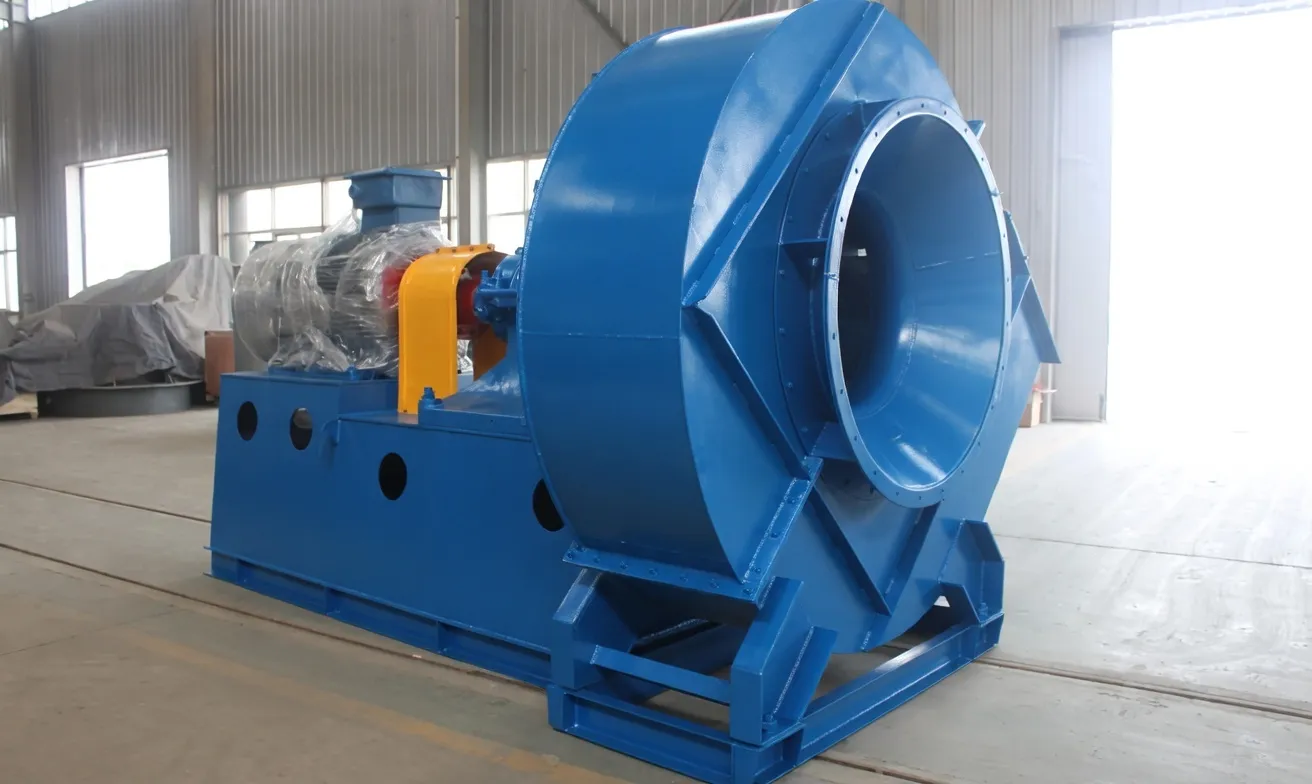
How the Gear Type Coupling Handles These Demands
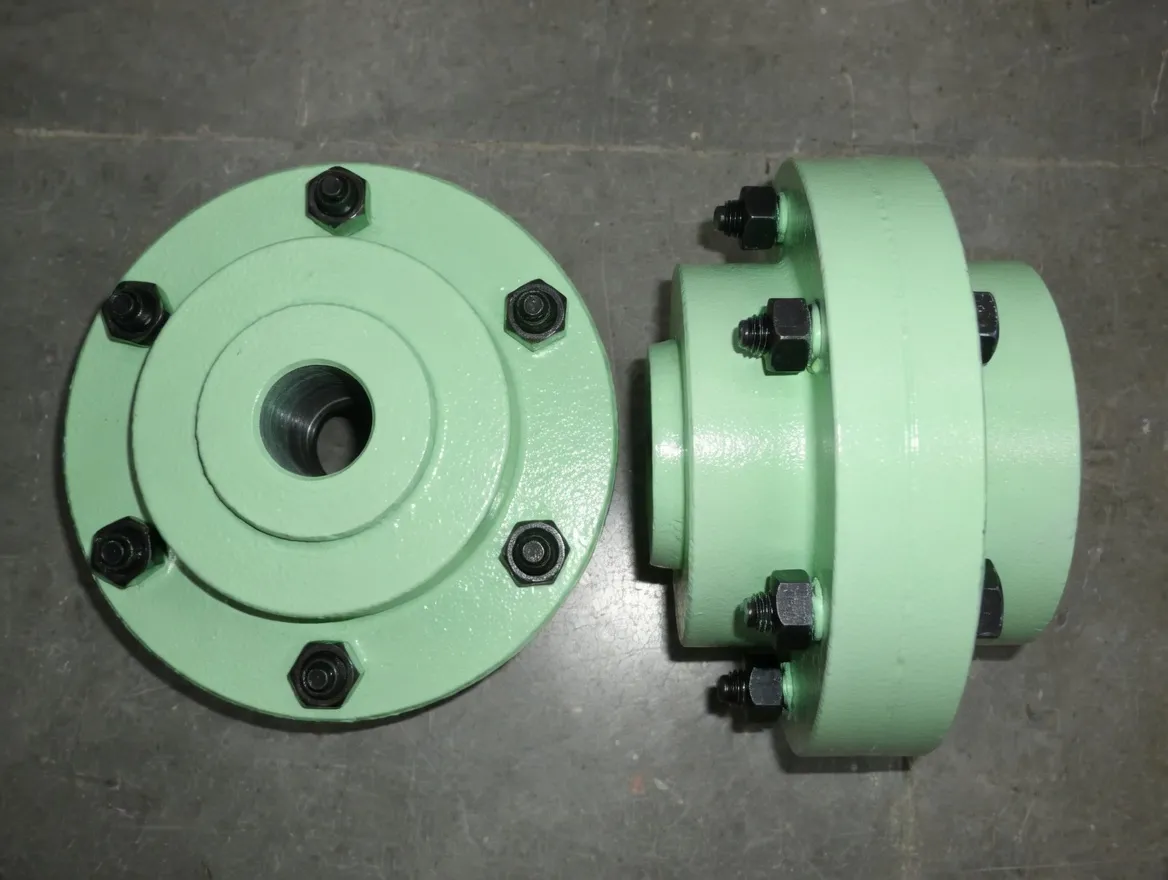 The operating principle of a gear type coupling rests on the engagement between an internal gear ring (the outer sleeve) and an external gear hub. The tooth profiles on both components are cut with a crowned or barrelled geometry — meaning the tooth flanks are slightly convex along their length rather than perfectly straight. This crown allows the external gear hub to rock within the sleeve by a small angular amount, typically up to 1.5 degrees per gear mesh, without concentrating contact stress at the tooth edges. In practical terms, this means that when the motor shaft and blower shaft are not in perfect collinear alignment — which is almost always the case in a real installation — the coupling accommodates that misalignment through the rolling action of crowned gear teeth rather than imposing a bending moment on the connected shafts.
Torque is transmitted through the shear strength of multiple involute teeth in simultaneous contact. Because the load is distributed across many teeth at once, the compressive stress per tooth face is kept well below the fatigue limit of the alloy steel used. For blast furnace blower duty, the coupling is typically selected with a service factor of 1.5 to 2.0 applied to the calculated peak torque, giving a substantial safety margin against the shock loads generated during motor start-up or process upsets. The gear mesh also inherently damps torsional vibration: the slight sliding motion at the tooth contact surfaces converts mechanical vibration energy into heat, which is then carried away by the lubrication system. This damping function is particularly valuable in blower trains where variable-frequency drives are employed, as VFDs can excite torsional resonances at frequencies that would otherwise be outside the normal operating range.
Material Selection and Manufacturing Standards
For blast furnace blower applications in the UK, gear type couplings are routinely manufactured from medium-carbon alloy steels such as 42CrMo4 (equivalent to BS EN 10083 grade) or 34CrNiMo6, both of which offer an attractive combination of tensile strength, toughness, and hardenability. After rough machining, gear teeth are cut by hobbing or shaping, then case-hardened by gas carburising to achieve surface hardness in the range of 58–62 HRC while retaining a tough, ductile core. The crowning geometry on the tooth flanks is produced by a controlled tilting of the gear-cutting tool or by CNC-profiled grinding, and the final tooth profile is verified against DIN 5480 or ISO 4156 spline standards using coordinate-measuring equipment.
Hub bores are finish-machined to H7 tolerance and are available in straight-bore, taper-bore, or interference-fit configurations depending on the shaft connection method required. For high-speed blower applications above 3,000 rpm, the complete coupling assembly is dynamically balanced to ISO 1940-1 Grade G1.0 or better, minimising the residual unbalance forces transmitted to bearing housings. Seals, gaskets, and retaining hardware are selected to be compatible with the lubrication oil specified for the application.
Technical Parameters at a Glance
Lubrication Management in High-Load Continuous Operation
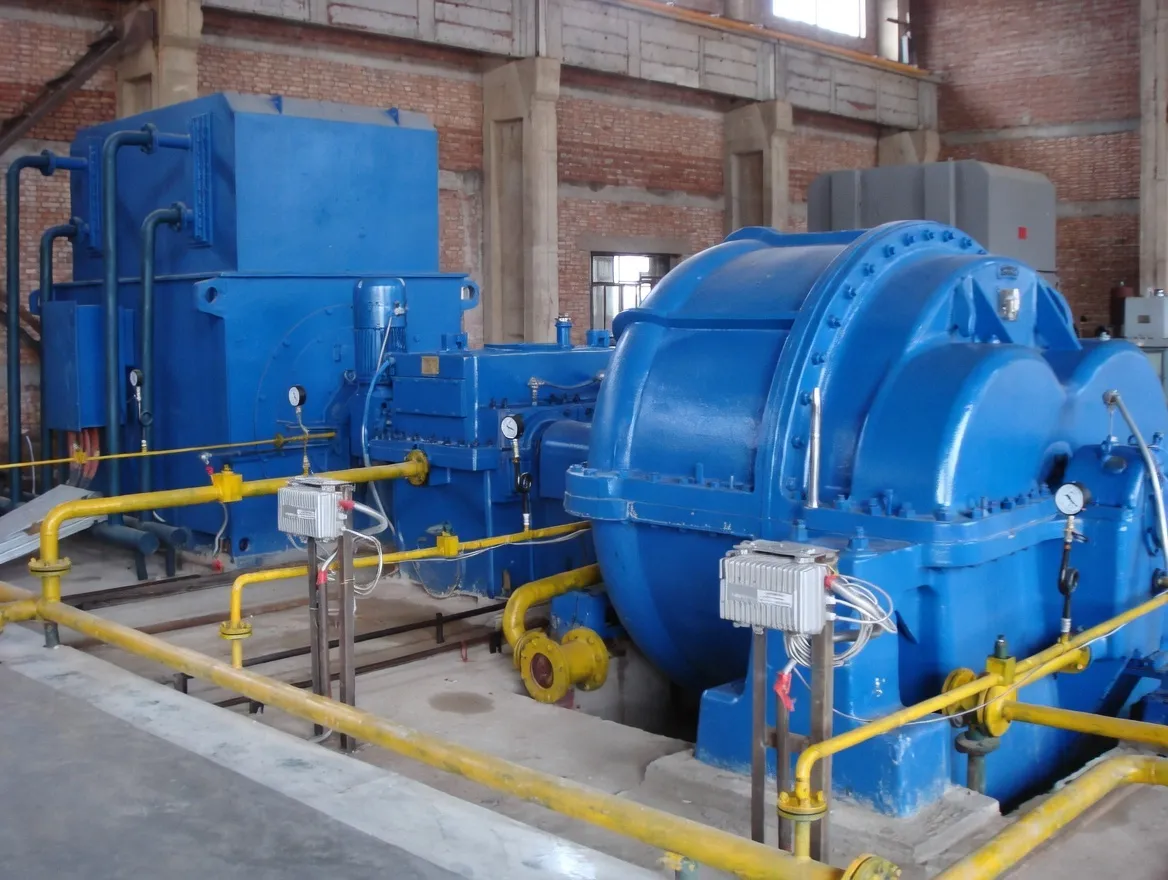 The gear type coupling relies entirely on hydrodynamic lubrication at the tooth contact interface to achieve its rated service life. In blast furnace blower applications, where the coupling operates under high continuous torque and elevated ambient temperatures, a purpose-designed forced-oil lubrication circuit is the engineering standard rather than the exception. Oil is delivered under pressure through spray nozzles or through an axial bore in the intermediate spacer shaft, ensuring that lubricant reaches the gear mesh even during the brief moments each tooth spends in the loaded contact zone. A thermostatically controlled heat exchanger maintains oil temperature within the 40–70 °C band recommended for ISO VG 220 mineral gear oils, and a fine-mesh filter protects tooth surfaces against abrasive particles that would otherwise accelerate pitting wear.
Oil analysis programmes — where a small sample is drawn at regular intervals and sent to a laboratory for viscosity, particle count, and metal content analysis — have become standard practice among UK blast furnace operators. The presence of iron or chromium particles at concentrations above baseline levels is an early indicator of tooth wear before it progresses to a stage requiring emergency replacement. Coupling manufacturers who supply the UK steelmaking market increasingly offer remote condition-monitoring interfaces that log oil temperature, pressure differential across the filter, and vibration signature, feeding data directly into the plant’s SCADA system for trend analysis.
Key Product Advantages
Kepadatan Torsi Tinggi
Transmits far greater torque per unit diameter than elastomeric or disc-pack couplings, enabling compact installation in space-constrained blower bays without sacrificing power capacity.
Tri-Directional Misalignment
Simultaneous angular, radial, and axial compensation protects motor and blower bearings from parasitic loads caused by thermal growth and foundation movement — extending overall train life substantially.
Proven Long Service Life
With proper lubrication management, a correctly specified gear type coupling routinely achieves 80,000–100,000 hours of service life between major overhauls — matching or exceeding planned blast furnace campaign durations.
Torsional Vibration Damping
The sliding tooth contact mechanism dissipates torsional energy, reducing vibration amplitudes transmitted to gearbox internals and shaft bearings — a critical characteristic in VFD-driven blower installations.
Axial Float Capability
The tooth-mesh geometry inherently allows controlled axial movement, preventing thrust forces generated by thermal expansion from being transmitted into adjacent bearing assemblies.
Customisable for Any Drive Train
Available in FLUDEX, RATO, standard flanged, or spacer-shaft configurations to match the exact mechanical layout of the blower train, including drop-in replacements for competitor designs.
Application Scope Beyond the Blast Furnace
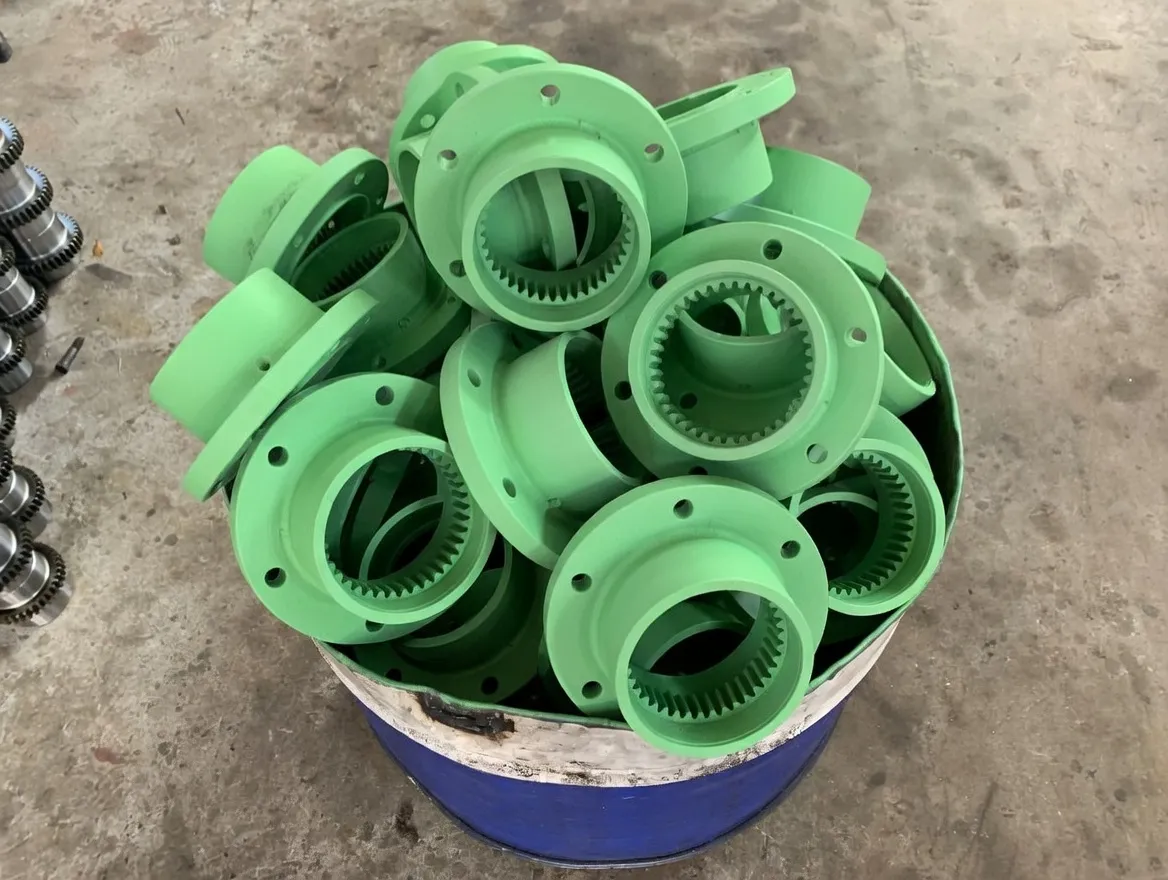 While this article focuses on blast furnace blower duty, the gear type coupling’s combination of properties makes it the drive coupling of choice across a wide range of heavy industrial applications throughout the United Kingdom. In power generation, these couplings connect gas turbine output shafts to gearboxes and generators at both onshore and offshore installations. In petrochemical plants, they form the critical connection between process compressor trains and their driver machines — an application where the consequences of unplanned shutdown are even more severe than in steelmaking. In the paper and pulp sector, high-torque line shaft drives rely on gear couplings to manage the slow-speed, high-torque conditions associated with Fourdrinier machine drive systems. Mining hoists, cement mill drives, marine propulsion line shafts, and sugar mill equipment in the UK all represent established markets for this coupling technology.
The gear type coupling’s adaptability to these varied sectors stems from its fundamental mechanical architecture. Because the torque transmission path runs through steel-on-steel tooth contact rather than through elastomeric elements, there is no temperature-related degradation of the coupling’s torque capacity, no risk of elastomer cracking under ozone or chemical exposure, and no need to periodically replace worn flexible elements. The coupling’s performance is essentially determined by the quality of its manufacture and the adequacy of its lubrication system — both of which can be controlled and verified at the factory before despatch.
Customer Success: Tata Steel, Port Talbot — Blower Train Overhaul
During a scheduled blast furnace reline at a major South Wales steel facility in late 2023, the maintenance engineering team identified excessive tooth wear on the existing gear type couplings installed on two primary blower units. The couplings had been in service for over twelve years, significantly exceeding their original planned replacement interval, and oil analysis had shown steadily rising iron content over the preceding 18 months. The plant’s procurement team contacted Ever Power to supply replacement gear type couplings to match the original dimensions but incorporating an upgraded tooth profile and a tighter balance grade specification.
Ever Power supplied the replacement couplings within a six-week lead time, complete with full material test certificates, hardness test records, and dynamic balance reports traceable to the individual coupling serial numbers. Installation was completed during the planned maintenance window without modification to the existing spacer shaft arrangement. At post-installation vibration survey, both blower trains showed a reduction of approximately 34% in 1× running speed vibration amplitude at the coupling end of the blower bearing housing, compared to measurements taken before the outage. The units have since accumulated over 14,000 operating hours with no coupling-related stoppages, and the plant engineering team has placed a standing order for replacement couplings on the next scheduled blower maintenance interval.
Case study based on a representative UK integrated steelworks installation. Details have been generalised in accordance with customer confidentiality requirements.
Apa Kata Pelanggan Kami
“Ever Power delivered replacement gear type couplings on an accelerated schedule to meet our planned maintenance window. The documentation pack was complete and traceable, which is essential for our ISO 9001 audit trail. Performance after installation has been excellent — bearing temperatures at the coupling end dropped noticeably.”
— Senior Mechanical Engineer, UK Integrated Steelworks
“We specified a non-standard bore diameter and keyway configuration for our process compressor coupling. Ever Power’s engineering team confirmed the feasibility, produced a drawing for our approval, and delivered within the quoted lead time. The quality of machining and the balance certification were both to a high standard.”
— Rotating Equipment Engineer, North Sea Operator, Aberdeen
“After a vibration-induced coupling failure on our cement mill drive, we needed a direct replacement quickly. Ever Power shipped an emergency replacement with full material certs within 72 hours of order confirmation. It’s been running without issue for two years now. Their responsiveness to urgent requirements sets them apart from standard catalogue suppliers.”
— Plant Manager, Cement Manufacturing, West Midlands, UK
Customisation Capability and Manufacturing Infrastructure
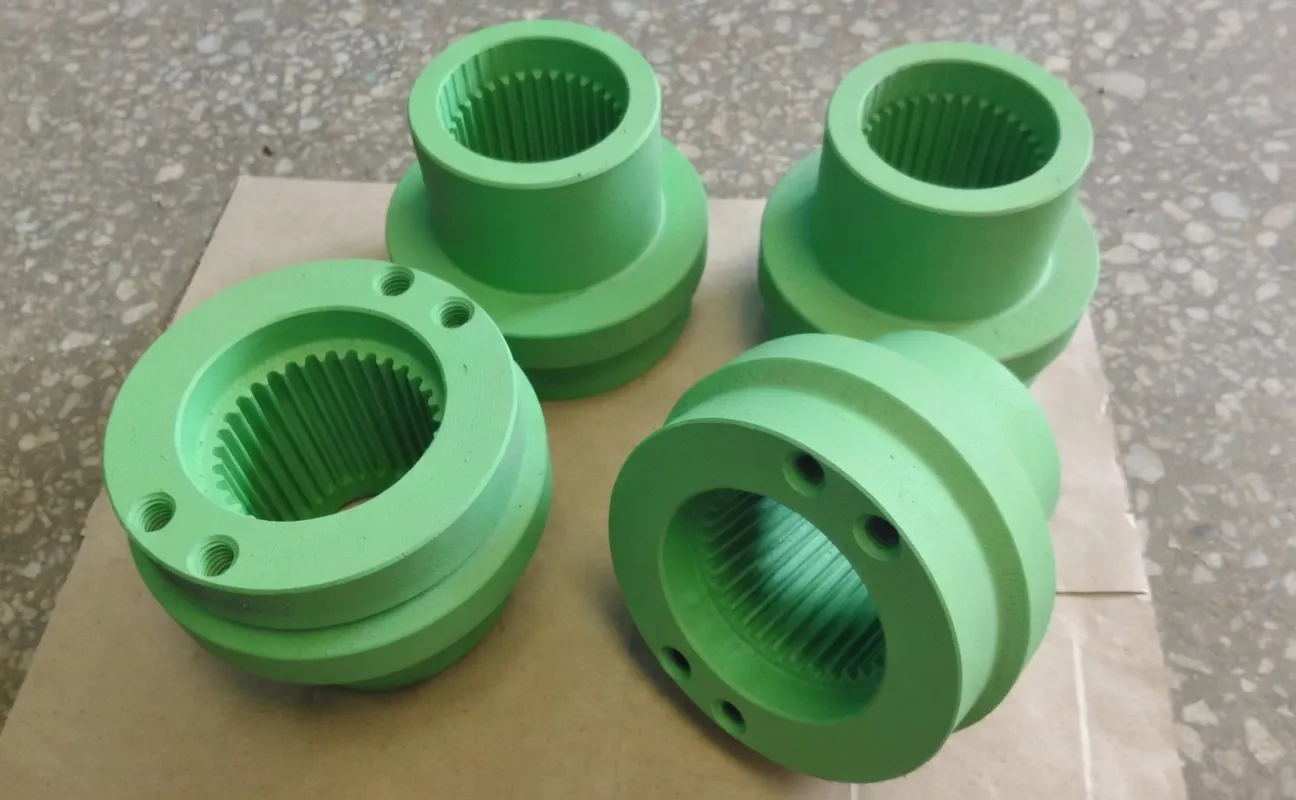
No two blast furnace blower trains are identical. Shaft diameters, bore tolerances, keyway dimensions, spacer shaft lengths, flange bolt patterns, and lubrication port configurations all vary between installations, and between the motor, gearbox, and blower flanges even within the same train. Ever Power’s manufacturing facility is equipped to produce kopling tipe roda gigi from customer drawings or from dimensional surveys of existing components, delivering exact drop-in replacements that require no modification to adjacent machinery. Our CNC turning and machining centres accommodate component diameters up to 1,200 mm, and our gear hobbing and profile grinding machines can produce module 2 through to module 20 tooth profiles within the dimensional envelope required for blast furnace duty.
Custom services available to UK customers include special flange configurations to match obsolete or non-standard gearbox outputs, split-sleeve designs for installation without shaft removal, stainless steel construction for corrosive environments, and integrated lube oil ports machined into the sleeve body to connect directly to the plant’s forced-oil system. Every coupling is supplied with a data pack including material test certificates to BS EN 10204 3.1, hardness test records, dimensional inspection report, and dynamic balance certificate. For critical applications, third-party witnessed testing and dimensional verification by Lloyd’s Register or Bureau Veritas can be arranged.
Ready to specify a gear type coupling for your blast furnace blower?
Send us your shaft dimensions, torque requirement, and speed — we’ll return a preliminary selection and price within 24 hours.
Pertanyaan yang Sering Diajukan
What is the typical price range for a gear type coupling suitable for a blast furnace blower drive in the UK?
The price for a gear type coupling for blast furnace blower duty varies considerably depending on bore diameter, torque rating, material specification, and whether witnessed testing or third-party certification is required. For a medium-sized blower coupling rated at 20,000–50,000 N·m, prices typically range from £2,500 to £8,000 per assembly. Contact Ever Power at [email protected] with your technical requirements for a firm quotation.
How do I know whether my blast furnace blower coupling needs replacing, and what are the early warning signs?
Early indicators include elevated iron or chromium content in oil analysis samples, an increase in 1× running speed vibration amplitude at nearby bearing housings, unusual metallic noise at low speed, elevated coupling housing temperature, and visible oil leakage from sleeve seals. Any of these signs warrants immediate inspection and potentially accelerated replacement before an unplanned shutdown occurs.
Can I source a gear type coupling to replace my existing unit from a different manufacturer without modifying the blower or motor shafts?
Yes. Ever Power routinely supplies interchangeable gear type couplings manufactured to match the dimensional envelope of existing units from any major coupling manufacturer. Provided you can supply the bore diameters, keyway dimensions, flange bolt pattern, and spacer shaft length, we can produce a direct replacement that installs without modification to connected machinery.
Which gear type coupling design is most suitable for a variable-frequency drive blast furnace blower application in a UK steelworks?
For VFD-driven blower applications, a double-engagement gear type coupling with an intermediate spacer shaft is generally preferred. The double-engagement design provides enhanced torsional damping across the full speed range, while the spacer shaft gives maintenance access without disturbing motor or blower alignment. Balance grade should be specified at ISO 1940-1 G1.0 or better.
Where can I find a reliable gear type coupling supplier in the UK that offers custom designs with fast delivery for blast furnace maintenance?
Ever Power supplies gear type couplings to UK industrial customers including steel producers, power generators, and petrochemical operators, with standard lead times of four to eight weeks and express production available for emergency replacements. Contact [email protected] with your technical specification and required delivery date.
How often should the gear type coupling on a blast furnace blower be lubricated, and what oil grade should be used?
For continuous-duty blast furnace blower applications using a forced-oil lubrication circuit, a full oil change is recommended every 8,000 to 12,000 operating hours depending on oil analysis results. ISO VG 220 mineral gear oil is the standard recommendation. For grease-lubricated couplings in lower-speed auxiliary drives, regreasing at every planned shutdown or at maximum 4,000-hour intervals is advised.
diedit oleh gzl