Ever Power · Industrial Couplings · UK Applications
Gear Type Coupling in Blast Furnace Blower Systems: The Engineering Behind Continuous Heavy-Duty Drive
When a blast furnace blower unit fails mid-campaign, the consequences ripple across an entire steelworks. Understanding how a properly specified gear type coupling keeps these critical machines running is what separates a reactive maintenance team from a proactive one.
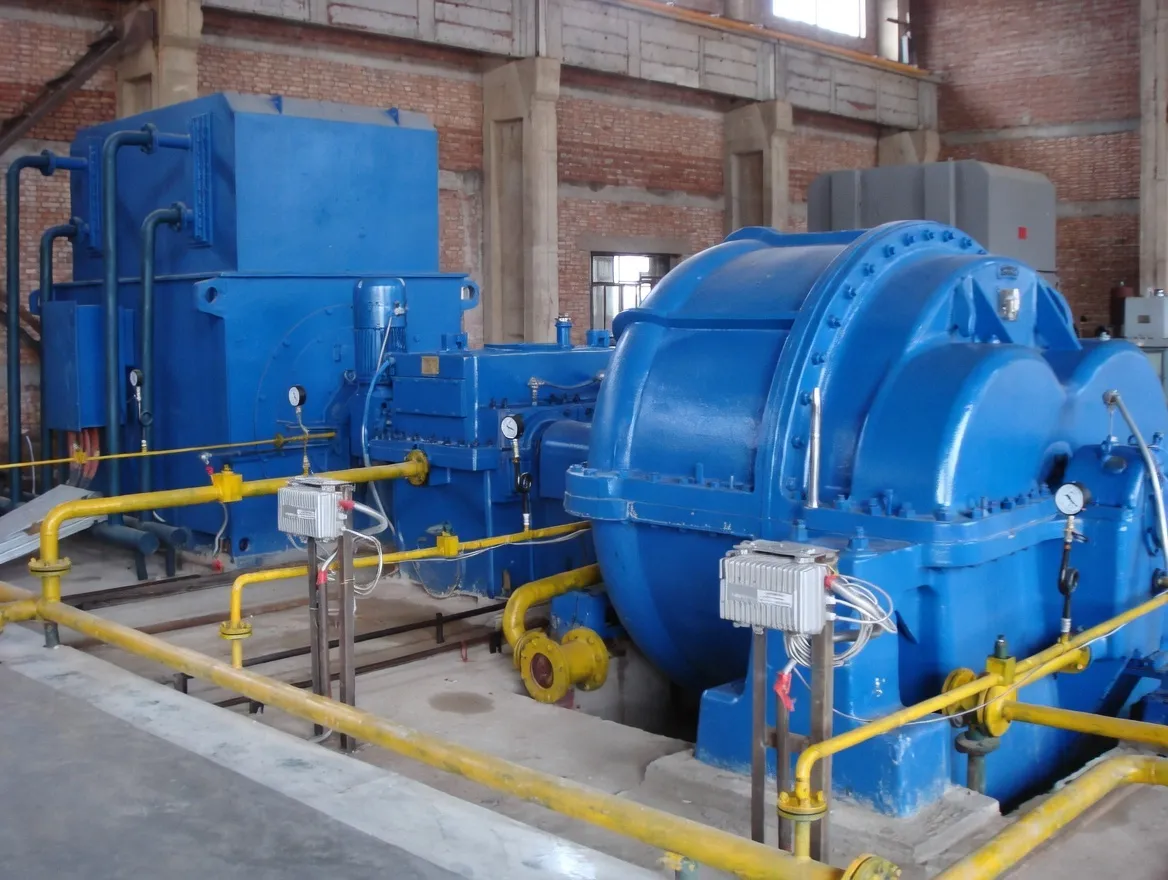
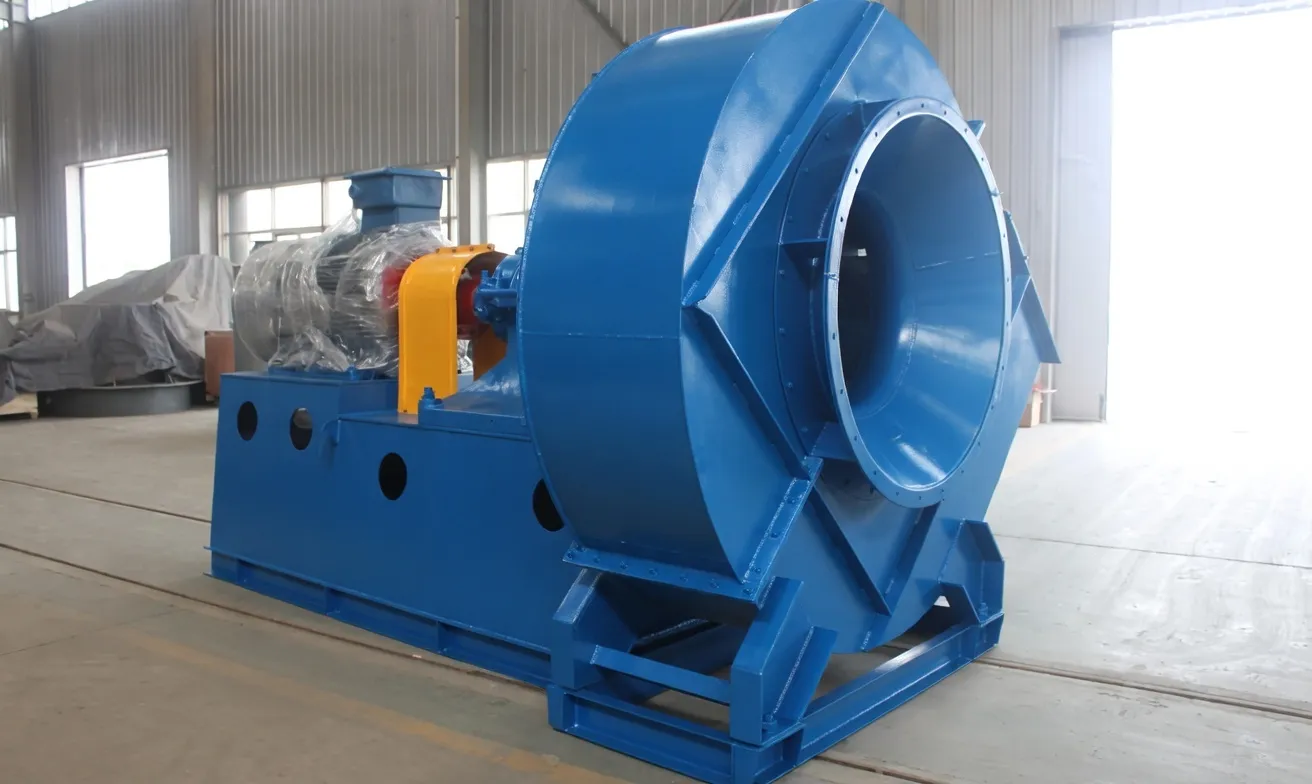
The ironmaking process demands absolute mechanical reliability. Inside a modern integrated steelworks in the UK — from Scunthorpe to Port Talbot — the blast furnace blower unit represents one of the most energy-intensive and mechanically demanding drive trains in existence. Large centrifugal or axial-flow blowers, powered by motors delivering several thousand kilowatts, push enormous volumes of heated air continuously into the blast furnace stack. Between the motor and the blower — or between the blower and its gearbox — sits a component that is deceptively small relative to the forces it transmits: the gear type coupling.
How a Gear Type Coupling Transmits Torque — And Why That Matters in Ironmaking
 A gear type coupling, at its core, consists of two toothed hubs — each fitted to a shaft — that mesh with an internally toothed outer sleeve. The crowned teeth geometry is the key detail: each tooth is machined with a slight barrel profile, allowing the coupling to accommodate angular misalignment, parallel offset, and end-float simultaneously without inducing destructive bending moments back into the shaft bearings. In the context of a blast furnace blower unit, this misalignment-tolerance capability is not a luxury; it is a fundamental design requirement.
Thermal growth is a reality in any furnace-adjacent installation. As a motor or gearbox reaches operating temperature, shaft centrelines shift. A rigid coupling would translate these shifts directly into bearing radial loads, accelerating wear and eventually triggering vibration alarms. The gear type coupling absorbs the movement elastically through the tooth crown geometry, maintaining smooth power transmission even when the two shafts are no longer perfectly co-linear. This is why blast furnace engineers across the UK steel industry have relied on this coupling type for decades of uninterrupted blower operation.
Profil Gigi yang Dimahkotai
Barrel-shaped tooth flanks distribute contact load across a wider surface, enabling angular misalignment up to 1.5° while maintaining uniform torque transmission. Reduces edge loading that would otherwise cause premature tooth fatigue.
Sleeve & Hub Material
High-alloy forged steel hubs (commonly 42CrMo4 or 40Cr) induction-hardened at the tooth surface. Outer sleeve manufactured from the same alloy grade, with internal teeth precision-hobbed and case-hardened to 58–62 HRC for extended service life under heavy cyclic loads.
Forced Oil Lubrication
Blast furnace blower couplings typically integrate with the machine’s circulating oil system. Pressurised lubricant is injected through radial ports in the sleeve, forming a hydrodynamic film between tooth flanks. This eliminates dry sliding, controls operating temperature, and allows continuous running at rated speed without scheduled re-greasing.
Parameter Kinerja Teknis
The table below summarises the key performance data for the gear type coupling range designed specifically for blast furnace blower and large turbomachinery applications. All figures are given in SI units. Custom configurations beyond these ranges are available on request from Ever Power’s UK-facing engineering team.
| Parameter | Rentang Standar | High-Duty / Custom | Satuan |
|---|---|---|---|
| Torsi Nominal (Tn) | 630 – 180,000 | Up to 500,000 | N·m |
| Maximum Speed (nmax) | 1,000 – 4,500 | Hingga 8.000 | putaran per menit |
| Ketidaksejajaran Sudut | ±0.5° | Hingga ±1,5° | derajat |
| Radial Offset Compensation | 0,1 – 0,5 | Up to 1.2 | mm |
| Pelampung Aksial | ±2 – ±8 | ±15 | mm |
| Hub Material (standard) | 42CrMo4 / 40Cr forged steel, tooth surface 58–62 HRC | — | |
| Metode Pelumasan | Grease-packed (sealed) or forced circulating oil (open) | — | |
| Tingkat Keseimbangan Dinamis | G6.3 | G2.5 (special) | ISO 1940-1 |
| Suhu Operasional | -20 hingga +120 | -40 to +150 | °C |
Why Engineers Across the UK Steel Sector Specify Gear Type Couplings
Choosing the right coupling for a blast furnace blower is not simply a catalogue exercise. The specification decision carries genuine consequences for campaign life, energy efficiency, and the cost of unplanned outages. Several distinct advantages make the gear type coupling the dominant choice for this application in UK heavy industry.
🏋️
Kepadatan Torsi Tinggi
Transmits significantly higher torque per unit diameter compared to jaw, disc, or diaphragm couplings. This allows use in confined machine frames without requiring oversized shaft diameters, a critical advantage when retrofitting existing blower units.
📐
Toleransi Ketidaksejajaran Tiga Dimensi
Simultaneously accommodates angular, parallel, and axial misalignment. In hot-blast environments where foundation settlement and thermal expansion are constants, this three-axis flexibility eliminates the cycle of re-alignment that plagues rigid couplings.
🔄
Long Maintenance Interval
When integrated with the machine’s circulating oil system, inspection intervals extend to 24,000 hours or more. This aligns directly with blast furnace campaign planning, where maintenance windows are scheduled rather than reactive.
📉
Peredaman Getaran
The meshing interface between crowned teeth and sleeve provides a degree of torsional compliance that attenuates impulsive loads. This protects the gearbox and motor bearings from short-duration overloads caused by process surges — a common event when blast furnace operators adjust air flow rates.
⚖️
Neraca Dinamis Presisi
Each coupling assembly is dynamically balanced as a complete unit. For blower trains operating above 3,000 rpm, an ISO G2.5 balance grade is available, ensuring that residual unbalance does not generate excessive radial forces on the blower bearings during extended operation.
Application Scenarios: Where Gear Type Couplings Deliver Critical Value
The blast furnace blower unit is the primary focus of this article, but the gear type coupling’s performance characteristics make it equally indispensable across a broader family of heavy industrial drive systems operating at high torque and speed. Understanding these overlapping scenarios helps UK procurement and engineering teams standardise on a single coupling platform for multiple machine types, reducing spares inventory and training burden.
Blast Furnace Blower Unit (Primary)
Motor-to-gearbox and gearbox-to-blower shaft connections. Continuous duty at 1,500–4,500 rpm. Forced oil lubrication essential. High dynamic balance requirement to protect blower impeller bearings and achieve long periods between planned outages.
Top Gas Recovery Turbine (TRT)
Energy recovery turbines driven by blast furnace top gas. Shaft speeds can exceed 3,000 rpm with significant torque variation. The gear type coupling’s capacity to handle simultaneous misalignment types is essential in turbine train installations where multi-bearing alignment is inherently complex.
Rolling Mill Main Drive
Hot and cold rolling mills subject couplings to severe cyclic torque reversals. The gear type coupling’s torsional stiffness and impact resistance make it well suited for spindle drive and gear-spindle connections, particularly in heavy-section and plate mill configurations found across UK steelworks.
Power Station Boiler Feed Pump
High-speed boiler feed pump drives in UK power generation facilities, including industrial CHP plants, require couplings capable of sustained operation at 3,000–6,000 rpm with minimal vibration transmission to protect pump mechanical seals. Gear type couplings in this service are typically supplied with precision-ground teeth and fine dynamic balance.
Offshore & Petrochemical Compressors
Gas injection and gas lift compressors on UK North Sea platforms and onshore refinery sites in Teesside and Grangemouth. Marine-rated sealing, corrosion-resistant plating, and material traceability to BS EN 10204 are standard options for this service environment.
Customer Success: South Yorkshire Steelworks Blower Reliability Programme
Industri
Integrated Steelworks
Lokasi
Rotherham, South Yorkshire, UK
Tantangan
Premature Coupling Failure
Hasil
MTBF Extended 3.4×
The mechanical engineering team at a Rotherham electric arc furnace and blast furnace facility had experienced repeated premature wear on the coupling connecting the 4.2 MW motor to the No. 3 blast furnace blower gearbox. Original grease-lubricated couplings were failing at roughly 6,000 hours — well short of the 18,000-hour target aligned with planned outage intervals. Vibration signatures captured during condition monitoring indicated micro-pitting on the tooth flanks, consistent with lubricant starvation under continuous high-load operation.
Ever Power’s application engineering team worked with the site’s rotating equipment engineer to redesign the coupling selection. The replacement was a custom gear type coupling with an enlarged pitch diameter, 42CrMo4 hubs with full-depth induction hardening, and modifications to the sleeve oil ports to increase circulating oil flow rate from the machine’s existing thin oil lubrication circuit. The unit was dynamically balanced to G2.5 grade and supplied with full material certification traceable to BS EN 10204 3.1.
Following commissioning, the coupling ran through two full planned maintenance outages without any unscheduled intervention. Mean time between failures increased from the previous 6,000-hour average to over 20,000 hours. The reduction in unplanned downtime contributed to a calculated saving of approximately £340,000 in lost production over a 30-month period. The site subsequently standardised the same coupling design across blower units 2 and 4.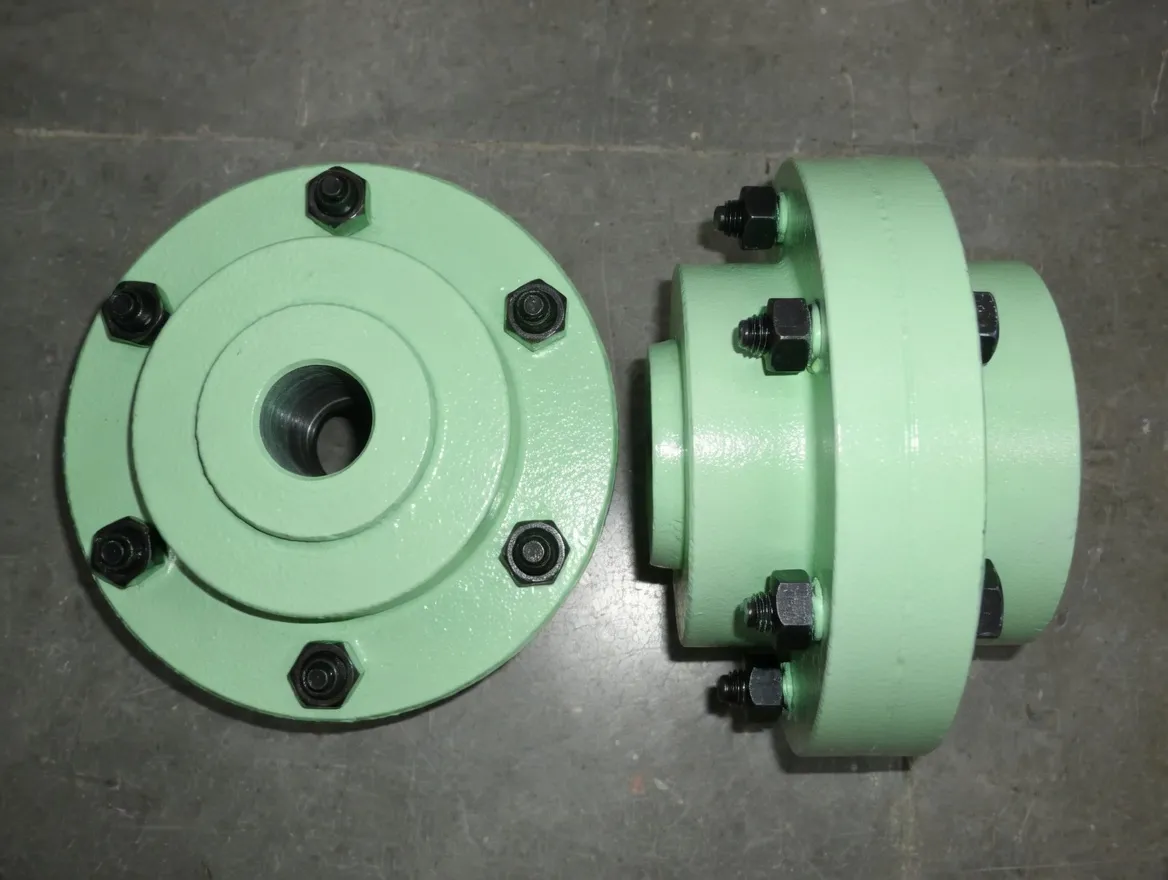
Apa Kata Pelanggan Kami
“
We had struggled with coupling wear on our blast furnace blower for two campaigns. The Ever Power team understood our forced lubrication constraints immediately and delivered a solution without requiring us to modify our existing oil system piping. Tooth wear at the last inspection — after 19,500 hours — was entirely within acceptable limits.
— Senior Rotating Equipment Engineer, Integrated Steelworks, Scunthorpe, UK
“
Price was competitive, but it was the engineering support that made the difference. They reviewed our alignment tolerance stack-up and pointed out an issue with our flexible dowelling arrangement that we hadn’t caught. The coupling they supplied has been running for 14 months without a single alarm. Lead time from the UK warehouse was only 8 days for a non-standard bore.
— Maintenance Manager, Offshore Compression Platform, Aberdeen, Scotland
“
Our rolling mill spindle drive had an unusual shaft spacing that no off-the-shelf catalogue could cover. Ever Power manufactured a custom spacer-sleeve gear coupling to our drawings within three weeks, including full dynamic balance report and material certs. It’s been in service for two years through heavy structural section rolling with no issues whatsoever.
— Project Engineer, Heavy Section Rolling Mill, South Wales, UK
Kemampuan Manufaktur & Rekayasa Kustom Ever Power
Ever Power’s manufacturing facility operates across a dedicated precision machining floor with a suite of CNC gear hobbing, gear grinding, and cylindrical grinding centres. The production capability covers kopling tipe roda gigi from 630 N·m nominal torque right through to large-bore custom assemblies exceeding 500,000 N·m — encompassing virtually every drive application encountered in UK heavy industry, power generation, and offshore energy sectors.
What distinguishes Ever Power’s service offering from catalogue suppliers is the depth of custom engineering support available at no added design cost. The applications engineering team — drawing on over 18 years of specialisation in high-torque coupling systems — routinely handles non-standard bore configurations, special flange patterns to customer drawings, modified tooth modules for integration with specific gearbox oil systems, and complete one-off assemblies built to site-measured shaft dimensions. Customers in the UK steel, petrochemical, and power sectors rely on this capability when sourcing direct replacement parts for legacy machines where the original coupling manufacturer is no longer trading.
18+
Years’ Specialisation
500k
N·m Max Custom Torque
3.1
BS EN 10204 Cert Available
8 Days
Typical UK Delivery (Stock)
Serving the UK’s Heavy Industrial Heartlands
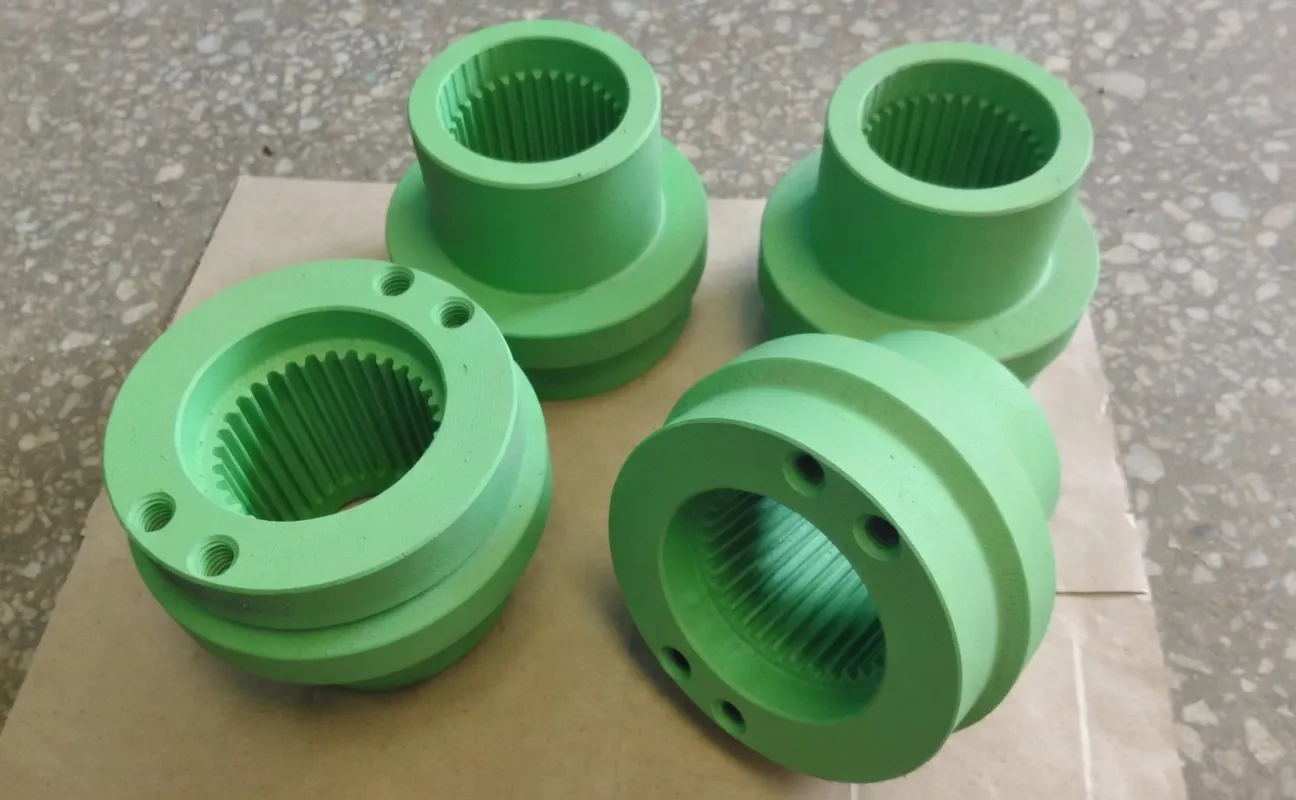 The United Kingdom’s remaining integrated steelworks — concentrated in South Yorkshire, South Wales, Teesside, and Scunthorpe — continue to rely on large blast furnace blower trains as the energy backbone of the ironmaking process. These sites demand coupling suppliers who understand the specific demands of UK site engineering practices, including compliance with the Pressure Equipment (Safety) Regulations 2016, BS PD 5500 pressure boundary requirements where applicable to coupling sealing arrangements, and documentation standards expected by UK plant insurance surveyors.
Beyond steel, the UK’s chemical processing clusters in Teesside, Grangemouth, and Merseyside operate extensive compressor train inventories where gear type couplings are the preferred connection between gas turbine or electric motor drivers and centrifugal compressors. The offshore sector, particularly the UKCS (UK Continental Shelf) gas compression market, specifies gear type couplings to API 671 — a standard that Ever Power’s manufacturing process and documentation capability fully supports.
Stocking arrangements with UK-based distributors mean that standard bore configurations are typically available for despatch within 5–8 working days to sites anywhere in England, Scotland, Wales, and Northern Ireland. Emergency supply for scheduled outage windows, where speed of delivery is critical, is handled directly by the Ever Power UK team with expedited shipping routes.
Pertanyaan yang Sering Diajukan
What type of gear coupling is best suited for a blast furnace blower unit operating continuously at high load in a UK steelworks?
For continuous heavy-duty blast furnace blower service in UK steelworks, a fully-crowned tooth gear type coupling with forced circulating oil lubrication is the correct choice. The crowned tooth profile accommodates the thermal misalignment inherent in hot-blast environments, while the pressurised oil feed ensures adequate lubrication at the tooth contact faces during prolonged full-load operation. Grease-packed sealed variants are generally not recommended for drives above 2,500 kW in this service because of the heat generation at the tooth mesh.
How much does a custom gear type coupling for a blast furnace blower cost, and can Ever Power supply to UK delivery addresses?
The price of a gear type coupling for blast furnace blower service depends on nominal torque, bore diameter, lubrication configuration, and balance grade. Standard range units (up to 180,000 N·m) are competitively priced compared with equivalent European catalogue products. Custom-engineered couplings above this range are quoted individually. Ever Power supplies directly to UK delivery addresses including South Yorkshire, South Wales, Teesside, and Scotland, with standard stock items typically despatched within 5–8 working days. Contact [email protected] for a specific quote.
Which industries in the UK most commonly use gear type couplings in high-speed drive applications?
In the United Kingdom, gear type couplings are routinely specified in integrated steelworks (blast furnace blowers and rolling mill drives), offshore gas compression on UKCS platforms, onshore petrochemical compressor trains in Teesside and Grangemouth, power station boiler feed pumps, and cement mill main drives. The coupling’s ability to handle high torque, accommodate misalignment, and integrate with circulating oil systems makes it the dominant choice wherever continuous high-duty drive reliability is non-negotiable.
How do I know when a gear coupling on a blast furnace blower needs replacing rather than just re-lubrication?
Key indicators that a gear type coupling has moved beyond serviceable condition include: increased overall vibration at the coupling’s rotational frequency harmonics, oil leakage from sleeve end seals, visible micro-pitting or spalling on tooth flanks during inspection (typically detected at planned outage intervals), and audible tooth-knock on load changes. A coupling showing pronounced ridge wear on the tooth profile — where the crowned barrel shape has worn flat — should be replaced at the next available outage rather than returned to service, as the ability to accommodate misalignment is permanently compromised at this point.
Where can I find a reliable gear type coupling supplier in the UK that can supply to API 671 or BS EN standards with full material certification?
Ever Power supplies gear type couplings to the UK market with full documentation to BS EN 10204 3.1 material certification, API 671 compliance for offshore and petrochemical applications, and dynamic balance certification to ISO 1940-1. All documentation is supplied digitally or in hard copy to suit the customer’s quality management requirements. To request documentation samples or discuss a specific procurement, email [email protected].
Can Ever Power design a custom gear coupling to replace a legacy unit where the original manufacturer no longer exists?
Yes. Ever Power regularly manufactures like-for-like replacement gear type couplings for legacy machines where original manufacturer support has ended. The process involves the customer supplying a worn coupling for dimensional survey, or providing a set of critical dimensions (shaft bore diameters, keyway data, flange bolt-circle dimensions, and hub-to-hub distance). Ever Power’s engineering team then produces a detailed manufacturing drawing for customer approval before production begins. This service is particularly valued by UK maintenance teams managing ageing blast furnace and compressor infrastructure where OEM parts are no longer commercially available.
Ready to Specify the Right Gear Type Coupling for Your UK Blower Application?
Talk to an application engineer. No generic catalogue answers — just specific technical guidance based on your actual machine data.
Dapatkan Penawaran — [email protected]
diedit oleh gzl