How Couplings Work in Offshore Drilling Drivetrain Systems
Core Materials Used in Offshore-Grade Couplings
Material selection for offshore coupling components is driven by a hierarchy of demands: strength-to-weight ratio, corrosion resistance, fatigue life under cyclic loading, temperature tolerance, and repairability in the field. The North Sea environment — with its combination of salt spray, humidity, hydrocarbons, and drilling mud contamination — is particularly aggressive toward ferrous materials that lack adequate surface protection.
The following materials are most commonly specified in offshore coupling manufacture, each selected to address specific performance requirements within the drivetrain environment:
합금강(42CrMo4)
The industry workhorse for gear-type coupling hubs and sleeves. After quench-and-temper heat treatment, 42CrMo4 achieves tensile strengths exceeding 1,000 MPa with excellent fatigue resistance. Used in drawworks, top-drive couplings, and mud pump drive shafts where continuous high-torque operation is demanded. Typically receives a phosphate-and-oil or nickel-plating surface treatment for corrosion protection in marine service.
스테인리스강(316L)
Selected for exposed coupling elements on deck-mounted equipment and seawater lift systems. 316L offers superior pitting and crevice corrosion resistance compared to standard austenitic grades, making it the preferred choice for couplings in ROV deployment winches, seawater cooling pump drives, and other components in direct contact with salt-laden atmospheres.
Polyurethane / Polyamide Elements
Elastomeric spider and disc elements in jaw-type and disc-pack couplings provide the primary vibration isolation and misalignment absorption function. Polyurethane grades are preferred for cold-weather North Sea operations (rated to -40°C), maintaining flexibility and fatigue resistance in conditions where rubber compounds become brittle and crack. These elements are designed as field-replaceable consumables for cost-effective maintenance.
High-Strength Spring Steel
Used in snake spring coupling elements, high-carbon spring steel (typically 65Mn or 60Si2MnA grade) provides the combination of high tensile strength, controlled elasticity, and superior fatigue endurance required for the cyclic loading profiles seen in drilling machinery. Snake springs distribute contact stress evenly across their full length, reducing the peak pressure at any single contact point and greatly extending service life compared to traditional rubber block designs.
Core Technical Advantages of Offshore-Grade Couplings
Why drivetrain engineers on North Sea rigs specify precision couplings for mission-critical drives
▲
정렬 불량 허용 오차
Gear-type and snake spring couplings accommodate angular misalignment up to 1.5° and parallel offset up to 0.5 mm, absorbing the deck flexing that is unavoidable on semi-submersible and jackup rig structures without transmitting bending moments into adjacent bearings.
🛠
높은 토크 밀도
Crowned-tooth gear couplings achieve torque densities several times higher than equivalent elastomeric designs, transmitting torques from 500 N·m to over 2,000,000 N·m in large-diameter versions used for rotary table drives and top-drive gearboxes. This compact high-capacity design is invaluable on rigs where equipment deck space is at a premium.
🛡
충격 하중 흡수
Torsional shock events — such as bit-bounce during hard formation drilling, or sudden load spikes when a drawworks brake releases — place peak torques several times higher than steady-state values. Flexible couplings with controlled torsional stiffness attenuate these peaks before they reach motor windings or gearbox planet carriers, preventing fatigue crack initiation in downstream components.
🔧
Ease of Offshore Maintenance
Split-sleeve designs and field-replaceable insert elements mean that routine coupling maintenance can be carried out by platform maintenance crews without removing connected machinery. This dramatically reduces the man-hours required for planned maintenance stops and eliminates the need to mobilise specialised contractor teams from Aberdeen or Stavanger for routine coupling servicing tasks.
✔
Corrosion Resistance
Phosphate-treated and epoxy-coated alloy steel hubs, combined with stainless steel hardware, deliver the service life demanded by UKCS operational schedules. Salt spray test performance exceeding 500 hours to first corrosion ensures couplings remain functional and inspectable throughout the typical 3–5 year inspection interval specified under UK HSE platform inspection regimes.
📈
Wide Operating Temperature Range
Offshore drilling equipment must function reliably in ambient temperatures ranging from -20°C during winter North Sea storms to +60°C in enclosed machinery rooms. Couplings with polyurethane flex elements rated across this range, combined with heat-treated alloy steel bodies, maintain consistent torsional characteristics without the stiffness variation that undermines vibration isolation performance in temperature-sensitive designs.
Technical & Performance Parameter Reference Table
The following table summarises the key technical specifications across the primary coupling types used on offshore drilling platforms. Data represents typical mid-range catalogue values; custom engineering to project-specific torque and dimensional requirements is available from Ever Power.
Application Scenarios: Couplings Across Every Drive System on an Offshore Rig
 The rotary table is the traditional method of rotating the drill string on a conventional drilling rig, and it remains an active drivetrain system even on many top-drive equipped platforms as a backup or for casing running operations. Power is delivered from a diesel-electric power module through a reduction gearbox to the rotary table via a large-diameter gear-type coupling capable of sustained torque outputs in the range of 50,000 to 400,000 N·m depending on the rig rating.
Application Scenario 2: Top-Drive Motor Coupling
 Modern offshore drilling rigs use a top-drive unit — a motorised drive assembly that travels along the derrick rails and rotates the drill string from the top — rather than relying solely on a floor-mounted rotary table. Top drives are driven by variable-frequency AC motors or hydraulic motors, with the coupling between the motor output and the top-drive gearbox input being a particularly demanding application point. The coupling must handle high peak torques during make-up and break-out of drill pipe connections, whilst also coping with the oscillating lateral loads imposed by the swaying of the travelling block assembly in rough sea states.
Application Scenario 3: Mud Pump Drive Couplings
Drilling mud pumps — typically duplex or triplex piston pumps rated at 1,000 to 2,200 HP per unit — circulate drilling fluid down the drill string, across the drill bit face, and back up the annulus to surface. These pumps operate continuously during active drilling, and their drivetrain couplings must handle the inherently pulsating torque characteristic of a reciprocating pump whilst also managing the starting torque transients that occur when restarting a pump under back-pressure conditions.
Snake spring couplings are particularly effective in mud pump applications because the spring element’s progressive stiffness characteristic means the coupling becomes torsionally stiffer as torque increases — precisely matching the behaviour needed to control pump pulsation amplification through the drivetrain. On rigs operating in the Solan and Quad 205/206 West of Shetland area, where extended drilling campaigns mean pumps may run for weeks without interruption, the extended grease retention life and sealed housing designs of high-specification gear couplings have proven critical to achieving the target mean time between planned maintenance intervals.
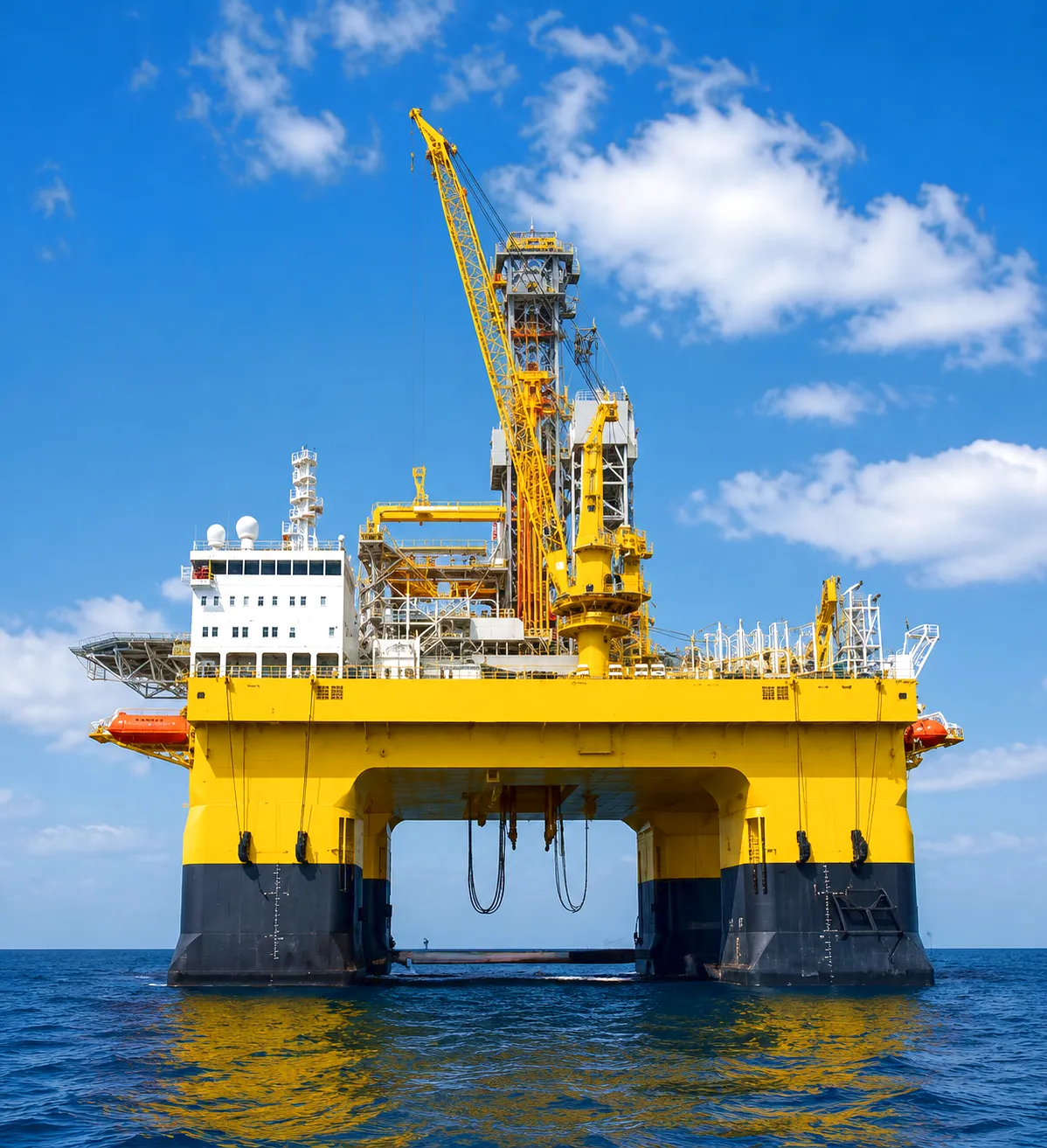 The drawworks is the large drum-and-brake assembly that controls the weight on bit during drilling and hoists drill pipe in and out of the hole during tripping operations. On a modern deepwater semi-submersible rig — such as those contracted to Total Energies or BP for their West of Shetland assets — the drawworks drive may involve three or more high-horsepower AC motors driving through a combiner gearbox to a single large drum shaft. The coupling between each motor and the combiner gearbox must accommodate slight speed differences between motors without transmitting large corrective torques, making torsionally soft flexible couplings the preferred specification.
Application Scenario 5: Heave Compensation and Tensioner Systems
Active heave compensation systems on floating drilling rigs counteract the vertical motion of the vessel in wave conditions, preventing the drill bit from being lifted off the formation or slamming down onto it with each wave cycle. These systems use large hydraulic cylinders or motor-driven compensators to move the travelling block in opposition to the rig’s heave — and the drive motors for active systems are connected to their hydraulic pumps or ball-screw actuators through precision couplings that must respond to rapid direction reversals without backlash, dithering, or compliance that would degrade compensation accuracy.
The coupling requirements in heave compensation drives differ markedly from conventional hoisting applications: torsional stiffness is paramount, whereas misalignment capacity is of secondary concern given the precision alignment achievable in factory-built compensator skids. Disc-pack couplings, with their near-zero backlash and high torsional stiffness, are the component of choice in this demanding role, and they are increasingly specified by UK subsea engineering contractors in Aberdeen, Wick, and Inverness who are building out the next generation of North Sea well intervention and plug-and-abandonment tooling.
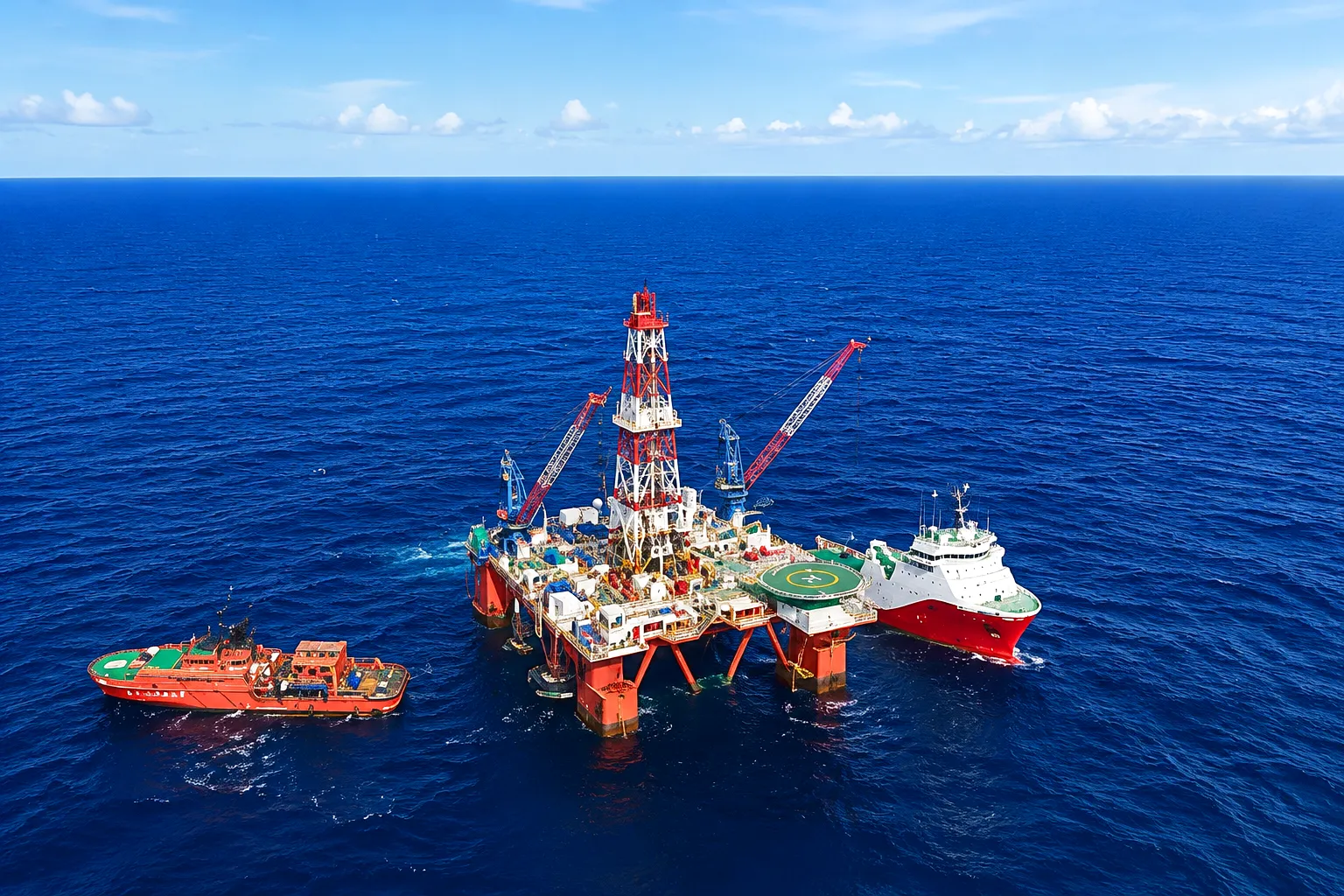 Wireline logging and intervention operations — which lower measurement tools, perforating guns, and production packers into producing wells on wire cable — require winch drive systems that can smoothly control both lowering and hoisting at speeds from a few metres per minute up to several hundred metres per minute. The coupling between the winch drive motor and the drum gearbox must handle these wide speed ranges without cogging, torsional stick-slip, or speed ripple that would cause the wire tension monitoring systems to give false overload alarms.
Featured Products for Offshore Drilling Applications
Two precision coupling solutions engineered for demanding marine drivetrain environments
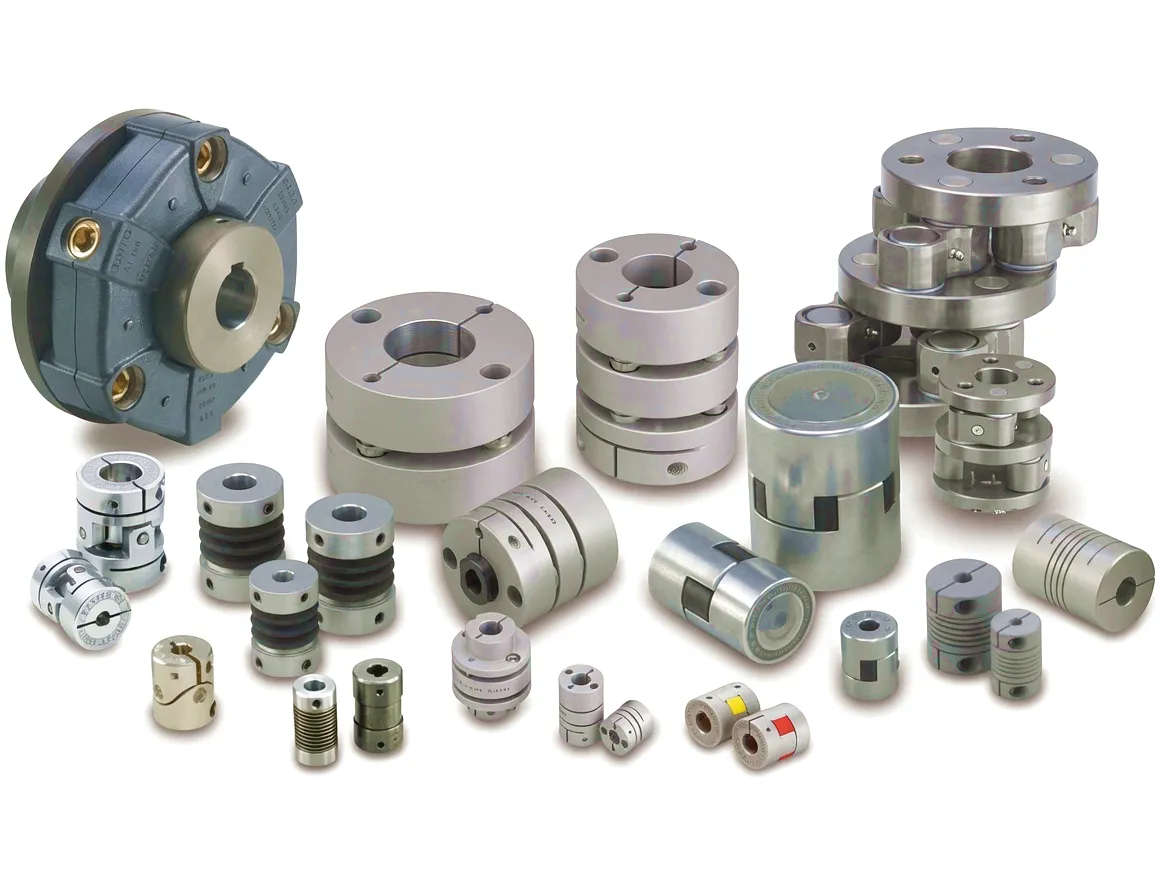
The JSA Series Snake Spring Coupling delivers excellent vibration damping and misalignment accommodation through an interlocking high-carbon spring steel element wound between two castellated hub flanges. Its progressive torsional stiffness profile makes it particularly effective in reciprocating pump drives, drawworks auxiliary systems, and compressor drives — anywhere that pulsating or shock-laden torque profiles require attenuation before reaching sensitive downstream equipment. Available in bore sizes from 18 mm to 450 mm, with complete dimensional and material customisation for offshore service classifications.
The SWC Series Universal Coupling transmits torque across large angular deflections — up to 35° per joint — making it the go-to solution for applications where the drive shaft must change direction, such as between an engine room mounted power module and a remotely positioned rig component on the drill floor above. The all-steel Cardan joint construction handles torques up to 1,250,000 N·m in larger sizes, with forged 35CrMo alloy steel cross-spiders and needle bearing journal assemblies engineered for the continuous duty cycles encountered in offshore power transmission. Flange dimensions compatible with UK and European standard DIN and ISO bolt patterns are available as standard.
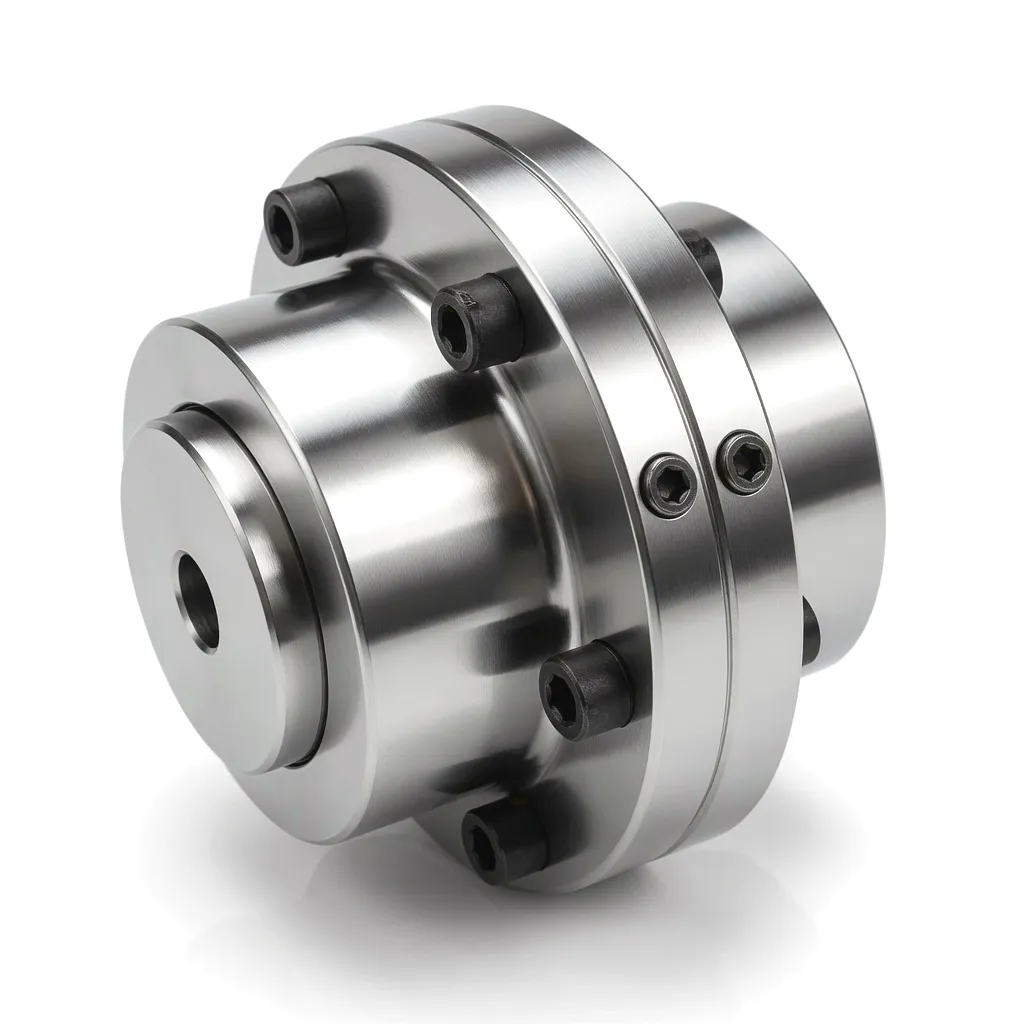 Ever Power operates a state-of-the-art precision manufacturing facility equipped with multi-axis CNC turning centres, gear hobbing and gear grinding machines, and a fully integrated heat treatment line capable of processing components from 20 mm bore diameter up to 600 mm outer diameter. Every gear coupling hub and sleeve undergoes profile grinding after heat treatment to achieve tooth profile accuracy within DIN 5480 Class 6 tolerances — a specification that ensures smooth, quiet meshing and consistent load distribution across the full tooth contact width even under the dynamic misalignment conditions inherent in offshore service.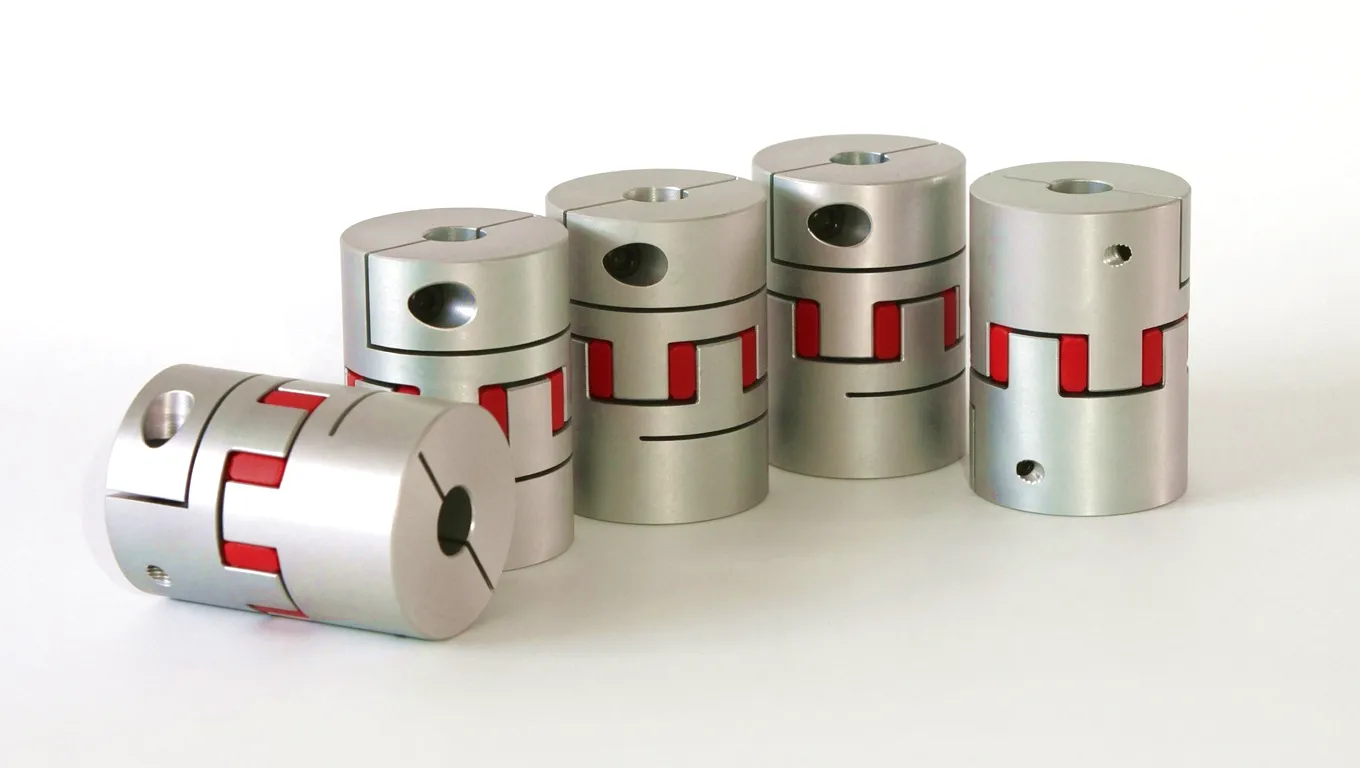
Customer Success Story: North Sea Jackup Rig Upgrade, Aberdeen
North Atlantic Drilling Services Ltd.
Aberdeen, Scotland · North Sea Jackup Rig Operations · 2024–2025 Planned Maintenance Programme
 North Atlantic Drilling Services Ltd., headquartered in Aberdeen and operating a fleet of six jackup rigs under long-term contracts with North Sea operators, identified a recurring coupling failure pattern during their 2023 annual fleet review. On two of their rigs, the mud pump drive couplings were failing ahead of the planned 18-month replacement cycle, resulting in unplanned shutdowns that averaged 11 hours each to rectify — at an operational cost estimated at over £60,000 per incident when rig standby rates and well programme delays were accounted for.
The existing couplings were standard industrial jaw-type units specified by the original equipment manufacturer, using a rubber spider element that was showing premature fatigue cracking attributed to the low ambient temperatures experienced on the rig during winter North Sea operations. The rubber compound became brittle in sustained sub-zero conditions, losing its flexibility and failing to absorb the torsional shock pulses from the triplex pump cylinders — leading to rapid crack propagation and unexpected element failure.
North Atlantic’s procurement and engineering team contacted Ever Power following a recommendation from a technical colleague who had previously worked with the company on a gearbox coupling replacement project for a coiled tubing unit in Great Yarmouth. Ever Power’s engineers reviewed the drivetrain specifications, load data from the rig’s condition monitoring system, and the operational temperature profiles, and recommended a transition to the JSA Series Snake Spring Coupling using 60Si2MnA spring steel elements — a grade rated to -40°C with no loss of elasticity.
Ever Power manufactured a batch of 24 replacement coupling assemblies to the rig’s shaft dimensions, with flange bolt patterns matched to the existing pump drive housings to allow direct replacement without any modification to the pump skid or motor mounting. All units were delivered to Aberdeen within three weeks of order placement, complete with material test certificates and dimensional inspection reports formatted for inclusion in the rig’s DNV GL-approved equipment file.
Following installation across the two rigs during their next planned dry-dock visits at the Nigg Energy Park facility in Cromarty Firth, monitoring data over the subsequent 14 months showed zero coupling failures. The planned replacement interval was extended from 18 months to 30 months on the strength of the inspection findings at the first planned check, generating an estimated annual saving of £180,000 across the two-rig fleet in avoided shutdown costs and reduced spare parts inventory holding.
★★★★★
“The JSA spring couplings completely resolved the winter failure problem we had with our previous rubber jaw units. Fourteen months in, both rigs are still on the original coupling elements and the inspection shows no fatigue indication whatsoever. The extended maintenance interval alone has saved us more than the cost of the upgrade many times over. Ever Power’s technical team understood our problem quickly and delivered a solution that was clearly right for the application.”
James Forsyth · Chief Mechanical Engineer
North Atlantic Drilling Services Ltd., Aberdeen
★★★★★
“What impressed us most was Ever Power’s willingness to provide material test certificates and dimensional inspection reports in the exact format required for our DNV GL equipment documentation. Getting that paperwork right is often the hardest part of an offshore procurement, and Ever Power handled it without us needing to chase them. The couplings themselves are clearly manufactured to a high standard — tight tolerances, excellent surface finish, and no issues with fitment whatsoever.”
Sarah MacKenzie · Procurement Manager
North Atlantic Drilling Services Ltd., Aberdeen
★★★★★
“Three-week delivery to Aberdeen for a batch of custom-dimension couplings is genuinely impressive. We’d been quoted six to eight weeks by the OEM coupling supplier, which would have meant delaying the rig dry-dock to avoid operating through a summer campaign with worn coupling elements. Ever Power made the schedule work and the price was considerably better too. We’ve since added them to our approved supplier list for all coupling requirements across the fleet.”
Duncan Reid · Rig Superintendent
North Atlantic Drilling Services Ltd., Aberdeen
자주 묻는 질문
Answers to the questions UK offshore engineers most commonly ask when specifying couplings for drilling rig applications
What types of couplings are most commonly used in North Sea offshore drilling rig drivetrain applications in the UK?
The most widely specified coupling types on UK North Sea offshore drilling rigs are gear-type couplings for high-torque rotating equipment such as mud pumps and rotary table drives, snake spring couplings where vibration damping and cold-temperature performance are priorities, SWC universal couplings where large angular offsets between driver and driven shafts are unavoidable, and disc-pack couplings in precision applications including heave compensation drives and high-speed compressor drives. Selection depends on the torque magnitude, speed, degree of misalignment, ambient temperature range, and the acceptable level of torsional compliance in the specific drivetrain system being designed.
How much does a custom offshore-specification gear coupling typically cost when ordered from a UK-friendly supplier like Ever Power?
Pricing for custom offshore-grade couplings varies considerably depending on bore size, torque rating, material specification, required certifications, and delivery schedule. As a general guide, small-bore snake spring coupling sets in the 50–100 mm bore range with standard documentation start from several hundred pounds per pair, while large-diameter gear couplings for mud pump or drawworks drives with full DNV GL or Bureau Veritas material certifications may be priced in the range of several thousand to tens of thousands of pounds depending on size and complexity. The most reliable route to accurate pricing is to contact Ever Power directly with your drivetrain datasheet to receive a specific quotation.
Which coupling supplier in the UK can provide ATEX-rated couplings for Zone 1 hazardous areas on an offshore drilling platform?
Ever Power is experienced in designing and manufacturing coupling assemblies that meet the requirements for use in classified hazardous areas on offshore platforms, including Zone 1 and Zone 2 gas groups under ATEX Directive 2014/34/EU and its UK equivalent after Brexit, UKEX (the UK Product Safety and Metrology etc. (Amendment etc.) (EU Exit) Regulations). Key design features for ATEX-rated couplings include non-sparking guard materials (typically aluminium alloy or GRP), controlled surface temperature to remain below the T-class rating of the hazardous area, and static dissipative coupling guard options. Contact Ever Power’s engineering team with your platform hazardous area classification drawings to obtain an appropriate coupling design proposal.
How long does it take to get a quote from Ever Power for a custom coupling required for a rig operating in Aberdeen or the UKCS area?
For straightforward custom coupling enquiries where full shaft dimensions, torque data, and speed requirements are provided, Ever Power’s engineering team typically responds with a technical review and preliminary cost indication within 24 to 48 business hours. More complex projects requiring torsional analysis, FEA review, or specific classification society approval routing may require three to five days for a full technical and commercial proposal. Urgent requirements for operating rigs can be flagged as AOG/priority enquiries to expedite the quotation process.
What is the best way to select between a gear-type coupling and a snake spring coupling for a UK offshore mud pump drive when comparing cost, performance, and maintenance requirements?
The choice between a gear coupling and a snake spring coupling for an offshore mud pump drive depends primarily on three factors: operating temperature range, vibration isolation requirement, and lubrication maintenance preference. Gear couplings offer higher torque density and longer life in ambient temperature environments above 0°C, but they require regular regreasing to maintain lubrication of the crown tooth contact. Snake spring couplings run dry — no lubrication required — and their progressive spring stiffness provides superior vibration isolation for pump pulsation, making them particularly well suited to North Sea rigs where winter temperatures regularly fall below the reliable operating range of grease-lubricated gear teeth. For rigs operating year-round in the northern UKCS, the snake spring coupling typically offers a lower whole-life cost despite a higher initial unit price.
Where can I find a reliable offshore-grade coupling price list or catalogue for drilling rig applications that ships to Aberdeen and other UK ports?
Ever Power does not publish a fixed-price list for offshore-specification couplings, because the variation in bore dimensions, torque ratings, material grades, and certification requirements across offshore applications means that each project is quoted individually to ensure the correct specification and competitive pricing. The most effective approach for procurement teams in Aberdeen, Great Yarmouth, Dundee, or any other UK port city is to send the shaft dimensional data and drivetrain operating conditions directly to Ever Power’s sales team at [email protected]. The team will provide a tailored technical proposal and commercial offer aligned with your specific requirements and project schedule.
How do I know which size of SWC Series Universal Coupling is needed for my offshore rig drawworks application when the input torque and shaft dimensions are known?
SWC Series Universal Coupling selection for a drawworks drive begins with calculating the design torque by multiplying the rated motor torque by the application service factor, which for drawworks drives in offshore service is typically between 2.0 and 3.0 to account for starting torque, shock loads during brake release, and the dynamic loads associated with wave-induced rig motion. The bore diameter of the required coupling is determined by the shaft diameter and the preferred connection method (keyway, spline, or interference fit). Ever Power’s engineering team can assist with selection calculations and will recommend the most appropriate SWC size and configuration based on your provided data.
Ready to Specify the Right Coupling for Your Offshore Rig?
Send Ever Power your drivetrain requirements and receive a detailed technical and commercial proposal within 48 hours.
gzl님이 편집함