 Cement rotary kilns rank among the most mechanically punishing environments in all of British manufacturing. Operating continuously at temperatures exceeding 1,450 degrees Celsius, these massive rotating cylinders — some stretching more than 200 metres in length — place extraordinary demands on every component in the drive train. At the heart of that drive train sits the coupling: a precision-engineered connection that transfers torque from the motor and gearbox directly to the kiln shell. When that coupling fails, the entire production line halts. When it performs flawlessly, clinker output remains consistent, energy consumption stays predictable, and maintenance schedules stay under control. Across cement plants in the East Midlands, South Wales, and Yorkshire, the choice of coupling technology has a measurable effect not just on uptime, but on overall plant profitability. This article explores why coupling selection matters so much in rotary kiln service, what materials and design principles underpin the best solutions on the market, and how Ever Power works with UK cement producers to specify, manufacture, and supply couplings that meet the unique demands of this process.
What Makes Rotary Kiln Service So Demanding for Couplings
 A cement rotary kiln rotates at a very slow speed — typically between 0.5 and 5 revolutions per minute — but the torques involved are enormous. A full-scale kiln processing 3,000 tonnes of clinker per day may require a pinion drive delivering in excess of 1,500 kN·m of torque. Maintaining that torque delivery through sustained thermal expansion and contraction, continuous vibration, and occasional shock loads from hard clinker nodules is no trivial engineering challenge. The coupling must accommodate angular misalignment caused by the kiln shell flexing under its own weight and thermal gradient. It must absorb torsional shocks generated at startup, when the cold kiln shell resists initial rotation. It must also deal with axial displacement as the kiln shell elongates — by as much as 300 to 400 mm on a long unit — during temperature cycling between cold standstill and full operating temperature. Any coupling that cannot meet all three of these requirements simultaneously will suffer accelerated wear, reduced service life, and ultimately catastrophic failure at the worst possible moment. In a plant near Sheffield or Buxton, that kind of unplanned outage can cost tens of thousands of pounds per day in lost production, wasted fuel, and emergency maintenance labour.
Lubrication is another axis of challenge. Because the kiln drive area is exposed to cement dust, moisture from cooling sprays, and occasional hydrocarbon spills, the coupling must either be sealed effectively or designed to operate reliably without lubrication. Traditional gear couplings deliver excellent torque capacity but require periodic grease replenishment — a maintenance burden that some modern flexible coupling designs eliminate entirely. The engineering team specifying a coupling for rotary kiln service must therefore balance torque rating, misalignment accommodation, axial travel, shock absorption, and maintenance requirements within whatever physical envelope the existing drive arrangement permits.
Working Principle of Couplings in Rotary Kiln Drives
At the most fundamental level, a coupling in a rotary kiln drive serves as a mechanical bridge between two shafts that cannot be perfectly aligned. Power enters the drive train from an electric motor — often a wound rotor induction motor or a variable frequency drive unit — passes through a reduction gearbox that reduces speed and multiplies torque, and is then transferred through the coupling to the kiln pinion shaft, which meshes with the large ring gear bolted to the kiln shell. The coupling sits between the gearbox output shaft and the pinion shaft, and its job is to transmit that elevated torque while tolerating the geometric imperfections that accumulate across such a large mechanical system.
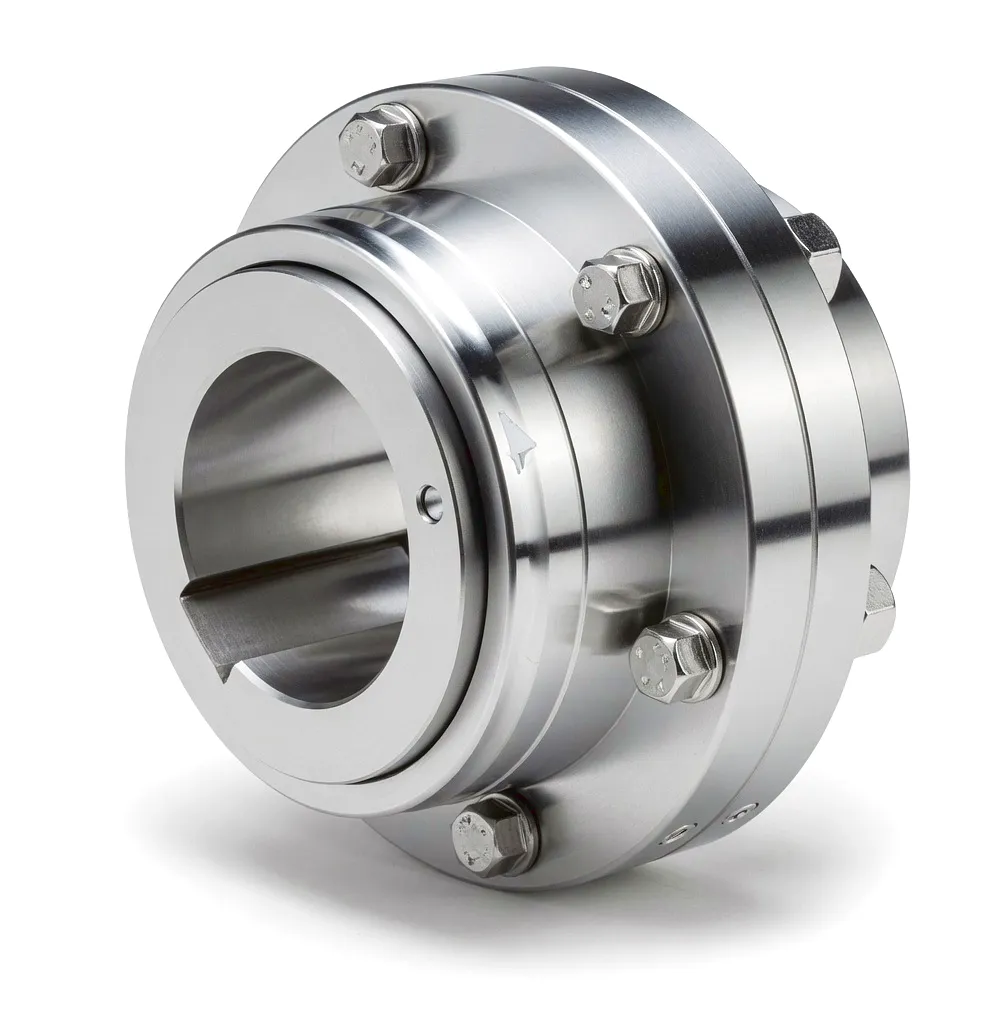
Gear couplings accomplish this through crowned external gear teeth on each hub that mesh with internal teeth in a surrounding sleeve. The crown profile on the teeth allows the hub to rock slightly relative to the sleeve, accommodating angular misalignment. Axial movement is permitted because the teeth can slide along their length within the sleeve. Flexible disc couplings use a pack of thin metallic laminations — the disc pack — that flex elastically to absorb misalignment while transmitting torque. Neither type requires slip or relative motion at the tooth face during normal running; instead, the elastic deformation of the disc pack or the geometric play designed into the gear tooth profile provides the accommodation. This is why flexible couplings are sometimes called misalignment-compensating couplings rather than slip couplings.
Torsional flexibility is a related but separate requirement. Some rotary kiln drives benefit from a coupling that introduces a degree of torsional compliance into the drive train, dampening torque spikes caused by kiln ring gear tooth errors or by sudden changes in kiln resistance. Elastomeric jaw couplings and fluid couplings can provide this function, but for very high torque applications the more common approach is a gear coupling with a slight interference fit and careful control of backlash, or a disc coupling with carefully selected disc pack stiffness. Ever Power engineers work with UK customers to calculate the natural frequency of the drive train and select a coupling torsional stiffness that avoids resonance with the main excitation frequencies of the motor, gearbox, and kiln ring gear.
Core Materials Used in Heavy-Duty Kiln Couplings
Used for hubs, sleeves, and flanges requiring tensile strengths in the range 900-1,100 MPa. Chrome-molybdenum alloy steel combines excellent hardenability with good toughness, making it ideal for gear coupling hubs subjected to combined bending and torsion.
Disc packs in flexible disc couplings are most commonly fabricated from Grade 17-4 PH or EN 1.4542 stainless steel. This material provides a fatigue strength exceeding 550 MPa, excellent corrosion resistance in damp cement dust environments, and predictable elastic behaviour across the full bending cycle.
Coupling spacers and intermediate shafts in lower torque sections of the drive train are often manufactured in spheroidal graphite iron, which offers good vibration damping, reduced machining cost compared to steel, and sufficient strength for components not subjected to high bending loads.
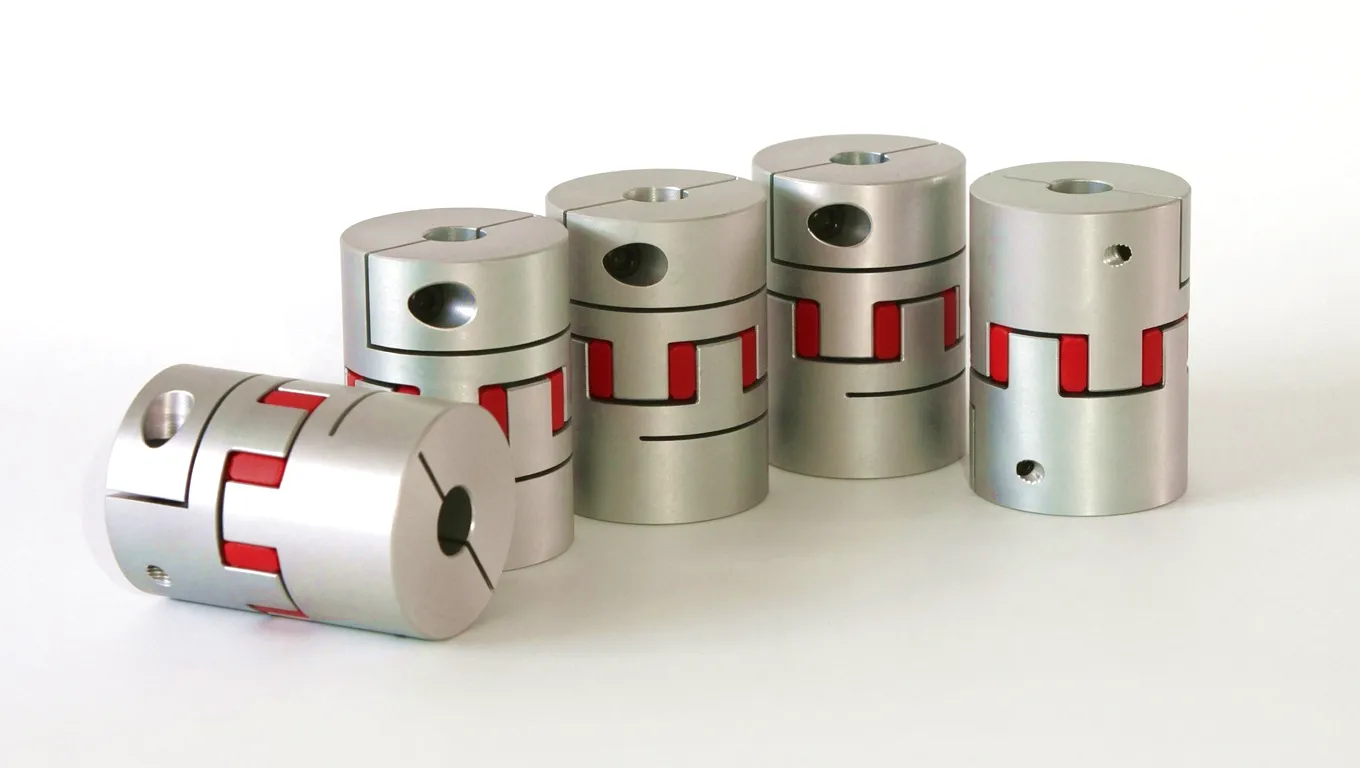
Elastomeric jaw couplings used in auxiliary kiln drives and cooling fans rely on polyurethane or glass-filled nylon spider elements. These materials absorb shock and vibration effectively, require no lubrication, and are straightforward to replace in the field — an important consideration for cement plants running continuous shift patterns.
Core Technical Advantages of Modern Kiln Couplings
Gear-type couplings for kiln service routinely handle rated torques from 500 kN·m to well over 2,000 kN·m, making them suitable for the largest modern dry-process kilns operating across the UK cement sector.
Angular misalignment accommodation up to 1.5 degrees per end and axial displacement capacity up to plus or minus 25 mm in standard designs — expandable in custom configurations — protects the gearbox and pinion bearings from imposed loads caused by kiln shell deflection.
Sealed gear couplings with lifetime-lubricated designs, or maintenance-free disc couplings, reduce the number of scheduled interventions required during a planned maintenance window — a significant advantage given the tightly managed shutdown schedules of UK cement producers.
By introducing controlled compliance into the drive train at startup and during load transients, correctly selected couplings protect the gearbox from peak torques that can reach three to five times the nominal operating torque — a protection measure that significantly extends gearbox overhaul intervals.
Advanced disc and gear coupling designs achieve rated torque capacities in a compact cylindrical envelope, which is critical when retrofitting replacement couplings into existing kiln drive arrangements where the gearbox-to-pinion shaft distance is fixed by the plant civil structure.
Well-manufactured gear couplings in kiln service regularly achieve 50,000 to 80,000 operating hours between overhauls when correctly specified and lubricated — a service life competitive with the gearbox itself, which keeps planned maintenance intervals aligned and reduces the administrative burden on plant engineering teams.
제품 기술 및 성능 매개변수
The table below summarises the principal technical parameters for gear-type and disc-type couplings used in cement rotary kiln main drives. Custom configurations beyond these ranges are available from Ever Power on application.
| 매개변수 | Gear Coupling (Main Drive) | Disc Coupling (Main Drive) | Jaw Coupling (Auxiliary) |
|---|---|---|---|
| Rated Torque (kN·m) | 250 – 2,500 | 100 – 1,800 | 0.1 – 25 |
| 최대 토크 용량 | 2.5배 | 3.0 x 평점 | 2.0 x rated |
| 각도 불일치 | 0 – 1.5 deg/end | 0 – 1.0 deg/end | 0 – 1.0 deg |
| 축 방향 변위 | +/- 5 to +/- 30 mm | +/- 2 to +/- 12 mm | +/- 1 to +/- 4 mm |
| 최대 속도(rpm) | 최대 600개 | 최대 6,000명 | Up to 3,000 |
| 허브 소재 | 42CrMo4 / 40Cr steel | 42CrMo4 steel | GGG50 / steel |
| 유연한 요소 재료 | Crowned steel teeth + grease | 17-4PH stainless disc pack | 폴리우레탄 거미 |
| 구경 범위(mm) | 80 – 560 | 30 – 400 | 8 – 120 |
| 윤활 요구 사항 | Grease (sealed or periodic) | 없음 (유지보수가 필요 없음) | 없음 |
| Ambient Temperature Range | -30 to +80 deg C | -40 to +120 deg C | -20 to +80 deg C |
| Typical Service Life (hours) | 50,000 – 80,000 | 60,000 – 100,000 | 20,000 – 40,000 |
| 표면 처리 | Case hardening, phosphating | Passivation, shot-peening | Zinc plating / bare |
Application Scenario: Cement Rotary Kiln — Drive Positions and Coupling Roles
A cement rotary kiln system contains multiple drive positions, each with distinct coupling requirements. Understanding where each coupling type fits — and what failure mode it prevents — is essential for both new-plant specification and brownfield replacement projects across the UK cement industry.
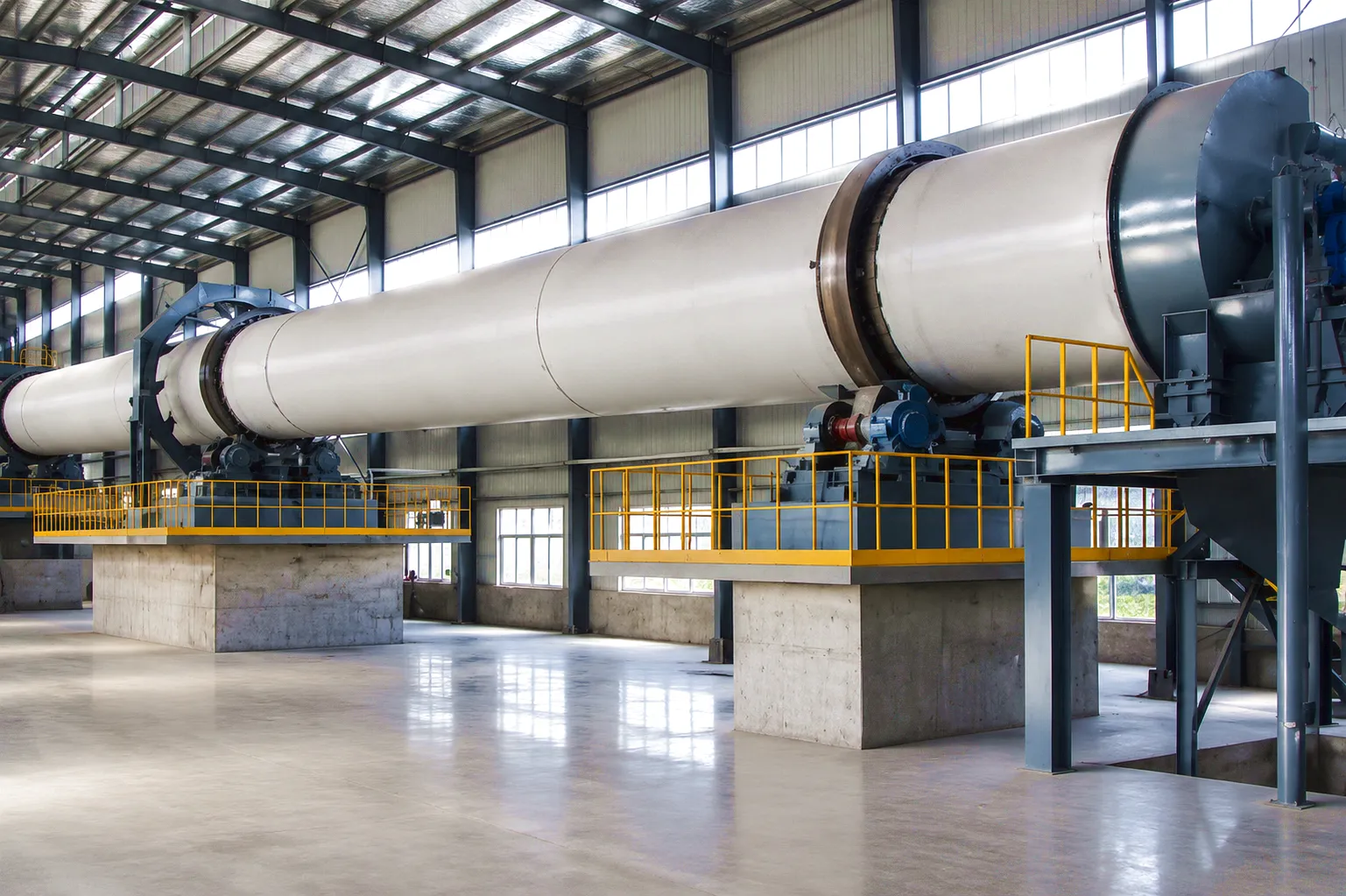 Application Scenario 1: Main Kiln Drive Between Gearbox and Pinion Shaft
The primary coupling in any cement rotary kiln sits between the output shaft of the main reduction gearbox and the pinion shaft that meshes with the kiln ring gear. This is the highest-loaded coupling position in the entire plant. Torques in this location routinely exceed 1,000 kN·m in a modern 5,000 tonne-per-day dry-process kiln, and the coupling must simultaneously accommodate the slow, steady thermal elongation of the kiln shell while protecting the gearbox output shaft bearings from radial and axial loads imposed by kiln shell deflection. In UK plants — from the Buxton works in Derbyshire to the Aberthaw plant in South Wales — gear-type couplings with enlarged crowning radii and sealed grease chambers have traditionally dominated this position. More recently, large-bore disc couplings have been specified on new builds and refurbishment projects where maintenance access is difficult, because the freedom from scheduled lubrication reduces the risk of coupling-related unplanned outages between the tightly scheduled annual maintenance stops that most UK cement producers operate.
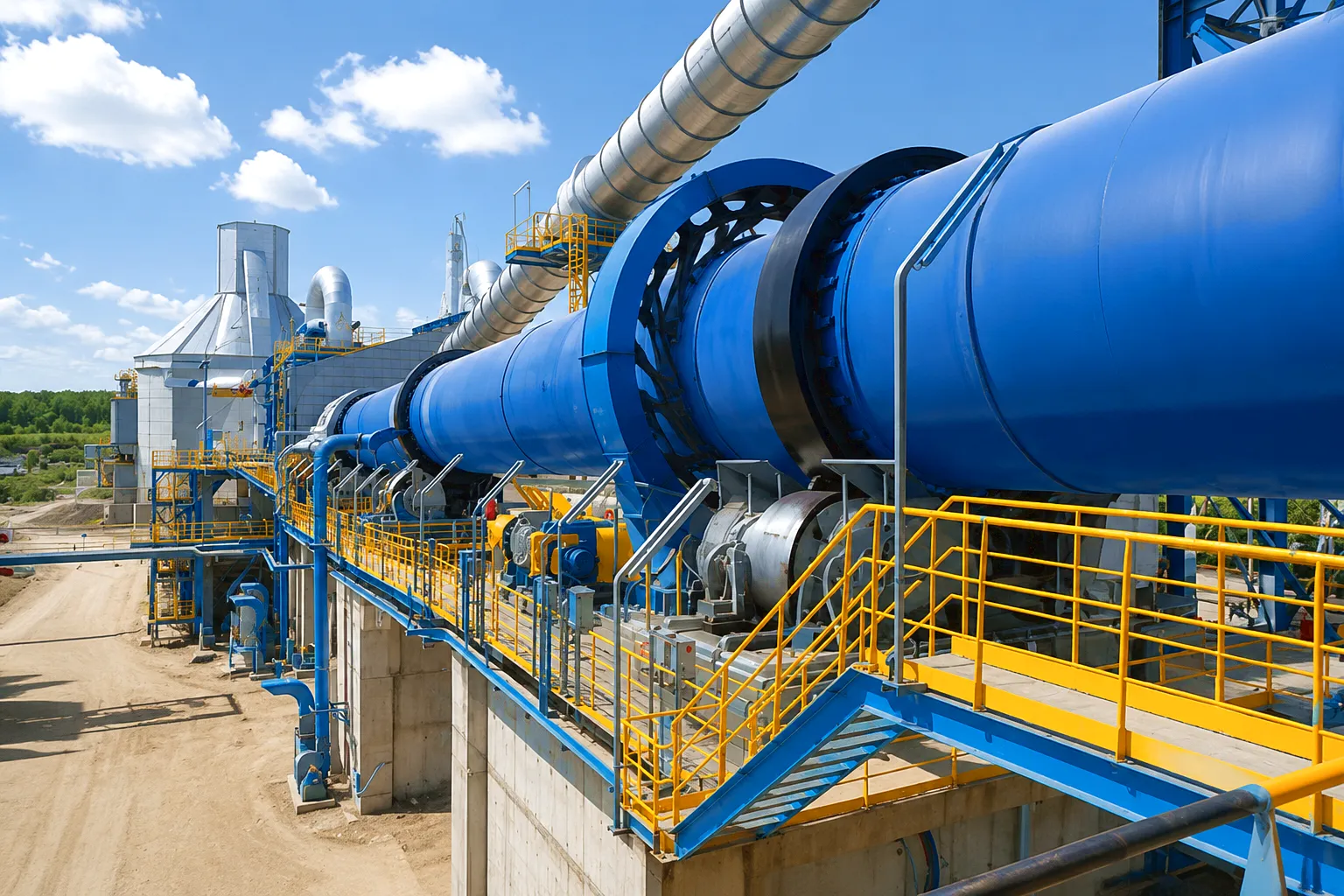 Application Scenario 2: Auxiliary Turning Gear Drive for Scheduled Maintenance
Every cement rotary kiln is equipped with an auxiliary turning gear — a slow-speed motor and gearbox arrangement that rotates the kiln at a fraction of its normal operating speed during scheduled maintenance and during the cooling phase after a process shutdown. The turning gear is essential for preventing permanent deformation of the kiln shell, which would otherwise sag under its own weight when stationary and hot. The coupling in the turning gear drive typically connects a secondary motor to a second pinion engaging the main ring gear, or it interfaces with the main gearbox through a back-drive arrangement. Torques in this position are lower than in the main drive — often in the range 50 kN·m to 200 kN·m — but the coupling must disengage reliably when the main drive starts up, to prevent the turning gear motor from being driven at excessive speed. Jaw couplings with shear-pin torque limiters or overrunning clutch arrangements are common in this application, and they must maintain engagement reliability across the months-long intervals between scheduled maintenance periods.
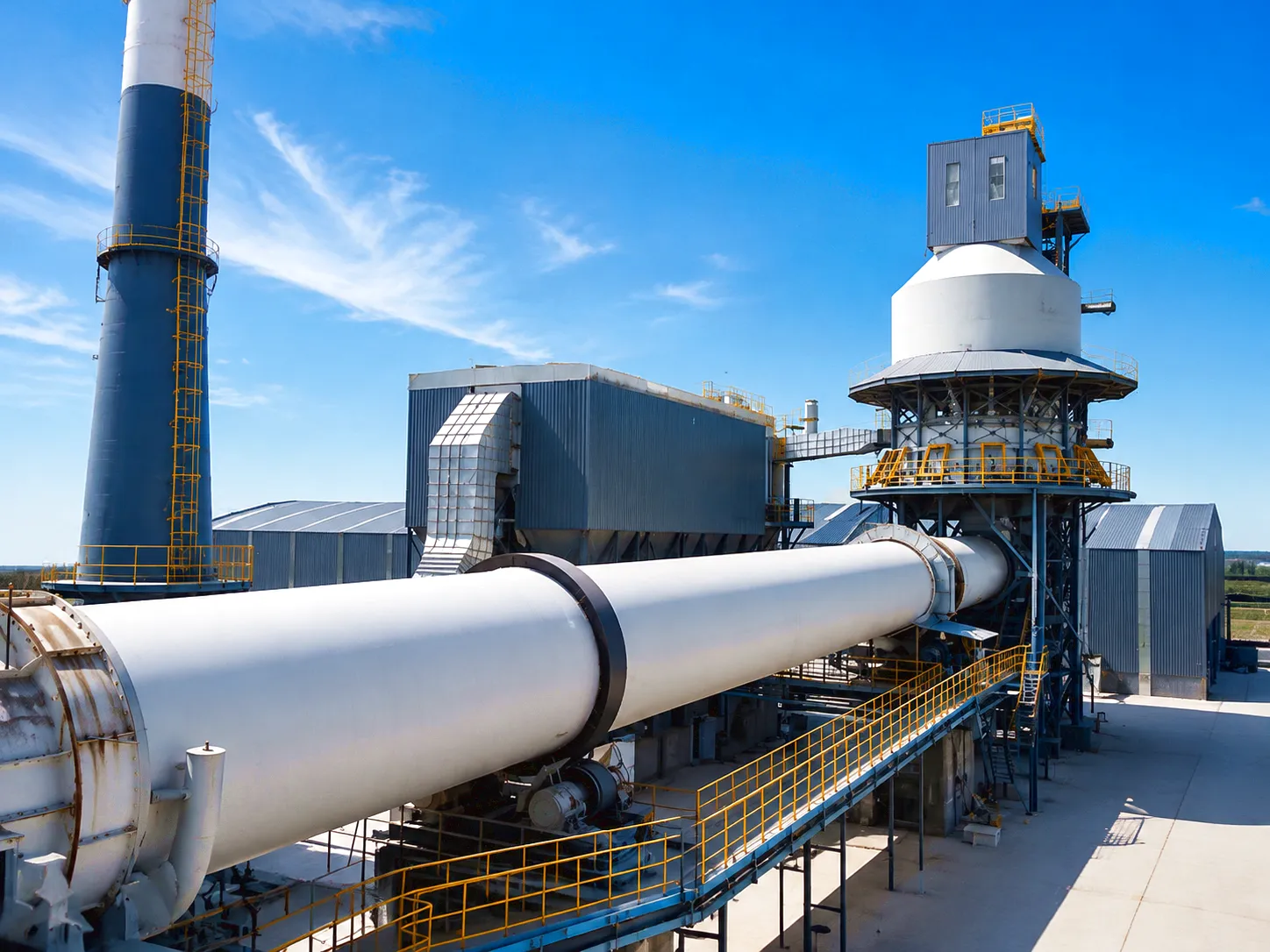 Application Scenario 3: Preheater Tower Fan and ID Fan Drives
The cyclone preheater tower attached to the rotary kiln — a standard feature of all modern dry-process cement plants — relies on a series of powerful fans to draw hot exhaust gases upward through the cyclone stages. The induced draught fan at the base of the preheater tower can handle gas flows in excess of 500,000 Nm cubed per hour and requires a motor of 1,000 kW or more. The coupling between this motor and the fan shaft must accommodate the thermal expansion of the fan shaft during operation, deal with vibration generated by gas turbulence within the ductwork, and tolerate the occasional shock loads that result from combustion instability in the kiln. Flexible disc couplings are increasingly the coupling of choice in this position across UK cement plants. Their maintenance-free operation is well suited to the continuous duty cycle of the ID fan, and their stiffness in the torsional direction helps prevent the torsional resonance issues that have caused fatigue failures in elastomeric couplings when the fan operates through its critical speed range during startup and shutdown.
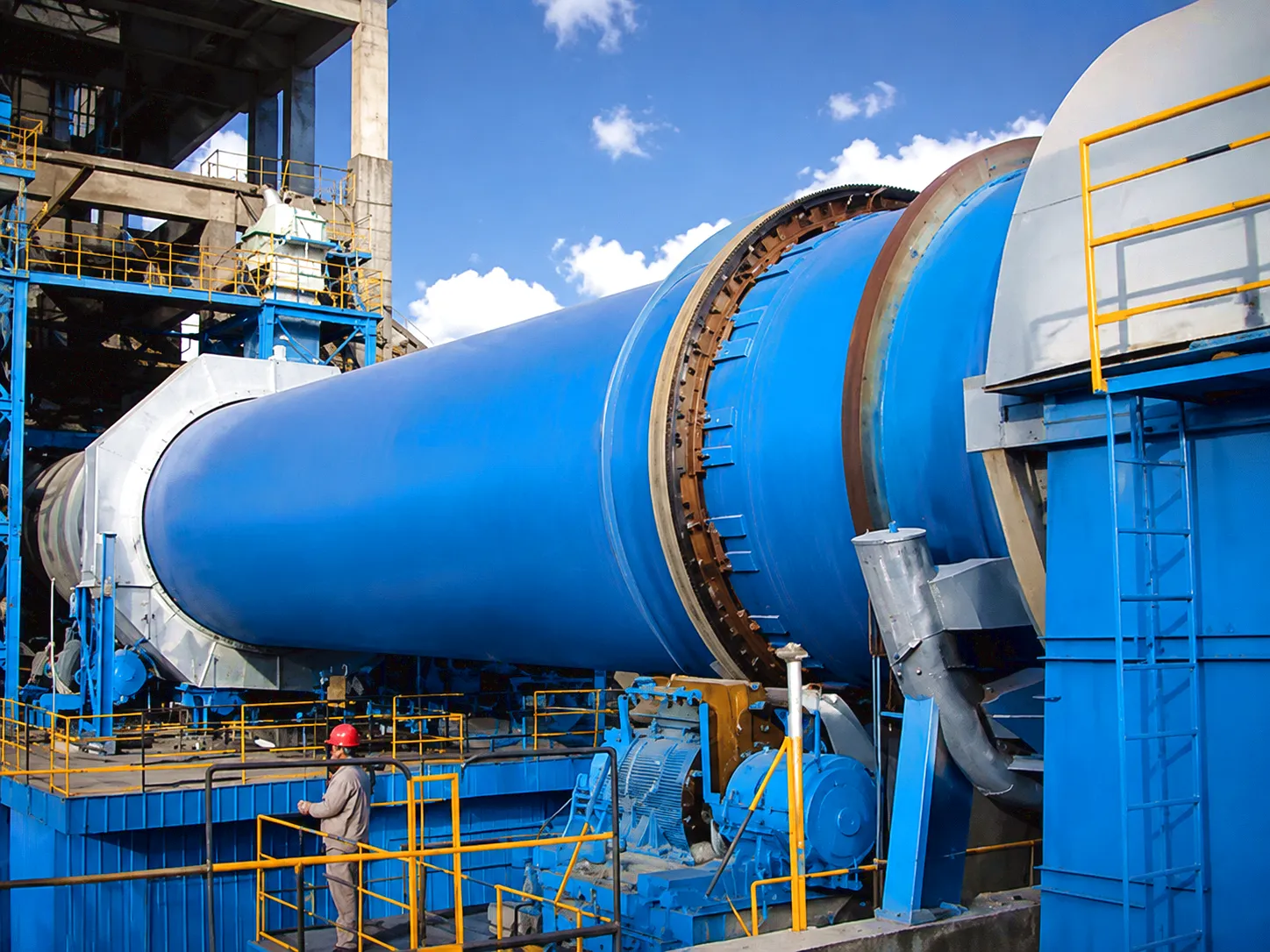 Application Scenario 4: Clinker Cooler Conveyor and Grate Drive Systems
Hot clinker leaving the rotary kiln at temperatures of 1,200 to 1,400 degrees Celsius is rapidly quenched in the downstream cooler — a reciprocating grate cooler or a planetary roller cooler depending on the plant design. The drive systems for these coolers involve multiple coupling positions. The reciprocating grate is driven by hydraulic or electromechanical systems that generate highly variable torque profiles, and the coupling between the motor gearbox and the grate drive shaft must absorb this variability while maintaining positional accuracy of the grate reciprocation cycle. In planetary cooler designs common at older UK plants — some commissioned in the 1970s and 1980s and still operating today — the coupling between the cooler drum and the kiln shell must accommodate differential thermal expansion between the two rotating bodies. These are among the most challenging coupling applications in the cement industry, and they often benefit from custom solutions developed in close collaboration between the plant engineering team and the coupling supplier.
Though technically separate units, the raw mills and cement mills that support the rotary kiln process share many of the same coupling challenges. Large ball mills and vertical roller mills require couplings that can handle the cyclic torque variation inherent in grinding operations, the shock loads from large lumps of raw material entering the mill, and the vibration transmitted from the mill body through the drive train to the motor. In a busy cement plant like those operating near Rugby in Warwickshire — which has historically been one of the most important cement-producing areas in England — a single site may have five or more mill drives requiring coupling attention during a planned annual maintenance window. Supplying compatible coupling designs across multiple drive positions, with standardised bore sizes and interchangeable components where possible, simplifies spare parts management and reduces the engineering cost of the maintenance programme. This is an area where Ever Power’s platform approach to coupling design — using common hubs across multiple torque ratings — delivers genuine operational value to UK cement producers.
당사의 커플링 제품군
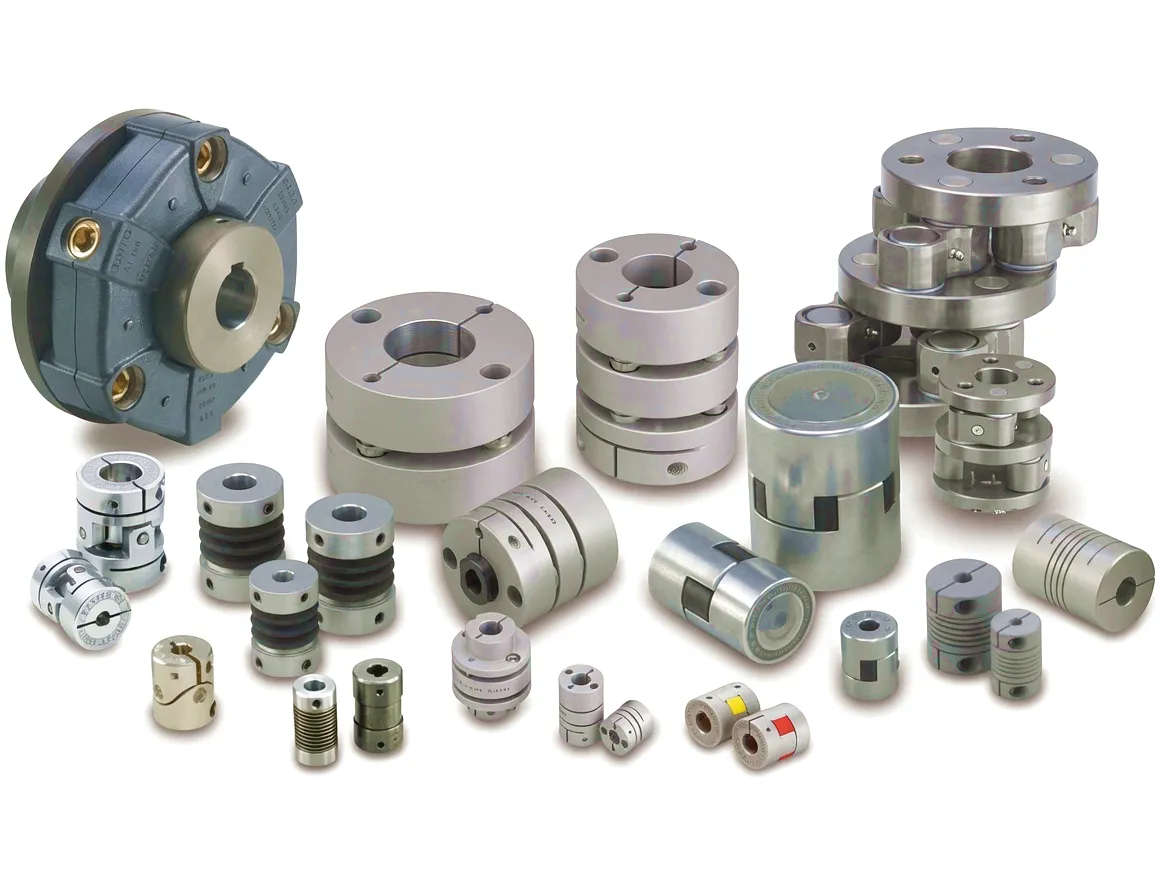
Featured Coupling Products for Cement and Heavy Industry
Two standout products from the Ever Power range are particularly well suited to cement rotary kiln and associated drive applications:
The Flexible Beam Coupling from Ever Power provides a compact, single-piece solution for misalignment compensation in the auxiliary drive circuits of cement plant equipment. Machined from high-grade aluminium alloy or stainless steel bar stock, the helical-cut beam coupling delivers precise angular and parallel misalignment accommodation with zero backlash — making it ideal for encoder connections, position feedback sensors, and the small auxiliary drives found in kiln instrumentation and control systems. Its simple one-piece design eliminates the risk of component loss during field maintenance, a practical advantage in the dusty environment of a working cement plant.
The Ever Power Disc Coupling is a maintenance-free, high-performance solution engineered for the medium-to-large drive positions found throughout cement plant processes — from preheater fan drives and raw mill motors through to the main kiln gearbox-to-pinion coupling on smaller kiln lines. Each disc pack consists of multiple thin metallic laminations bolted alternately to the driving and driven flanges, transmitting torque while flexing elastically to accommodate angular misalignment without requiring lubrication or periodic adjustment. The stainless steel disc packs are rated for cyclic fatigue life exceeding 10 million load cycles, providing a service life that comfortably spans the multi-year maintenance intervals standard in UK cement production.
Ever Power — Manufacturing Capability and Custom Coupling Supply
Ever Power operates a dedicated precision coupling manufacturing facility equipped with CNC turning centres, gear hobbing machines, and coordinate measuring equipment calibrated to ISO 9001 standards. With over two decades of experience supplying couplings to the global cement industry, the Ever Power engineering team understands the specific challenges of rotary kiln drives — from initial application analysis through to installation support and life-cycle monitoring.
All hubs machined to exact shaft diameter and keyway specification, including non-standard bore profiles for interference-fit assemblies.
Assembled couplings balanced to ISO 1940 G2.5 or finer grade as required, with full balancing certificate supplied with each unit.
Material certificates, dimensional inspection reports, and CoC documentation supplied to UKCA and CE marking requirements on request.
Standard replacement couplings from stock within 5-10 working days. Custom engineered units in 4-8 weeks with regular progress updates by email to UK purchasing teams.
Customer Success Story: Main Kiln Drive Coupling Replacement at a South Yorkshire Cement Works
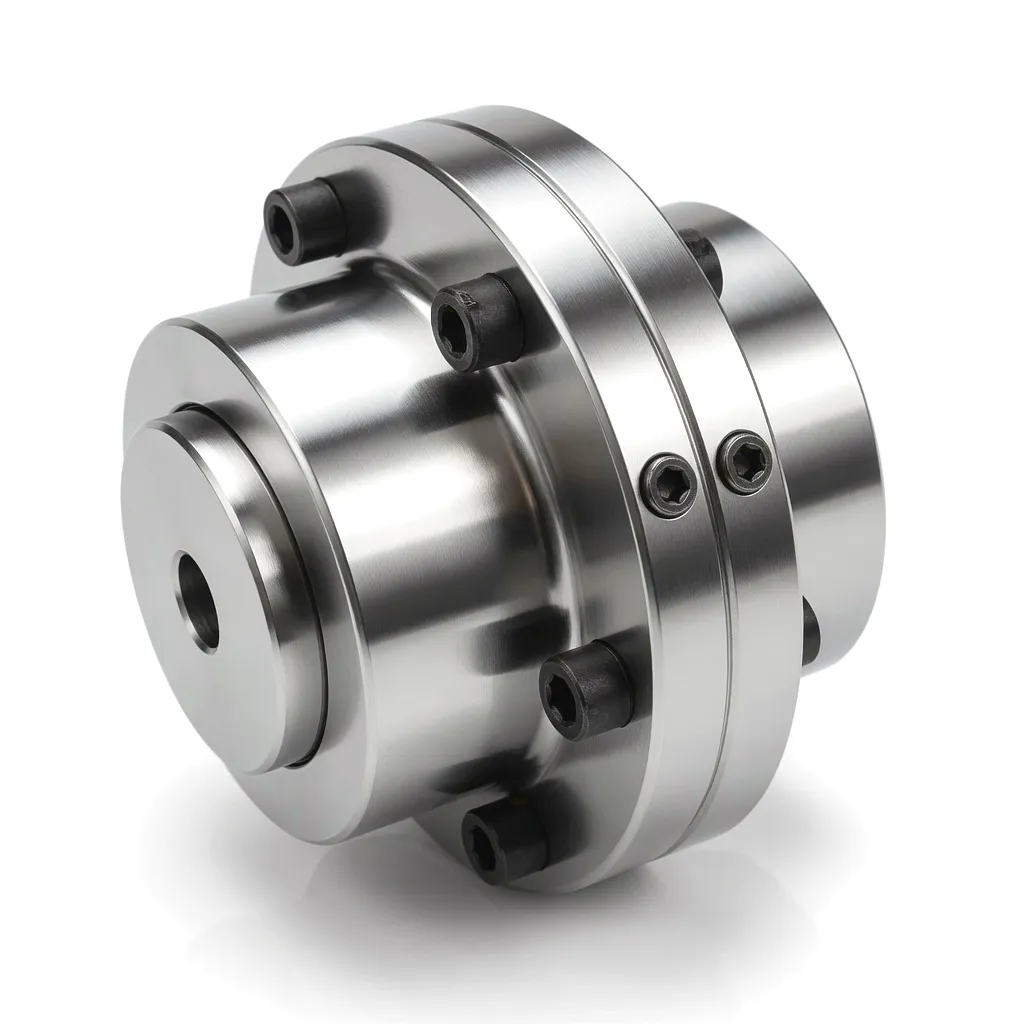 A long-established cement manufacturer operating a wet-process kiln at their South Yorkshire facility contacted Ever Power following a series of gear coupling failures in their main kiln drive. The kiln — originally commissioned in the late 1980s — processed approximately 1,800 tonnes of clinker per day and was driven by a pair of 1,250 kW motors through twin planetary gearboxes. The original gear couplings between the gearboxes and the pinion shafts were showing signs of severe fretting wear on the tooth flanks, and the plant maintenance team had been replacing grease seals at every scheduled maintenance stop — every 16 weeks — without achieving an improvement in coupling life. The root cause analysis carried out by Ever Power’s application engineering team revealed that the kiln shell had developed a slight permanent bend — a condition known as “ovality” in the cement industry — which was imposing angular misalignment significantly exceeding the original coupling design allowance. The existing couplings, rated for 0.5 degrees of angular misalignment per end, were being asked to accommodate 0.9 degrees continuously.
Ever Power proposed replacing the standard gear couplings with custom units featuring an enlarged crowning radius on the gear teeth, raising the angular misalignment capacity to 1.5 degrees per end, and incorporating a sealed grease chamber compatible with the EP2-grade lithium complex grease already used at the plant. The new couplings were manufactured to exact shaft dimensions from the plant’s drawings, dynamically balanced to ISO 1940 G2.5, and delivered to site within six weeks — ahead of the next scheduled maintenance window. Installation was carried out by the plant’s own mechanical maintenance team using the assembly guidance documentation and alignment procedure supplied by Ever Power. Following commissioning, the plant operated for 22 months before the next coupling inspection, at which point the coupling teeth showed minimal wear and the grease seals remained fully intact. The improvement in coupling service life from 16 weeks to 22 months represented a reduction in coupling-related maintenance labour of more than 90 percent.
고객들이 하는 말
“The custom crowned gear couplings supplied by Ever Power transformed the reliability of our main kiln drive. Tooth wear that had been forcing quarterly maintenance interventions has simply stopped — we have been running for nearly two years on the same couplings without a single unplanned stop related to the coupling. The application engineering support during specification was thorough and technically credible.”
“We switched our preheater fan drive from elastomeric jaw couplings to Ever Power disc couplings three years ago after repeated spider element failures. The maintenance-free design has been exactly what we needed — no scheduled lubrication, no element replacements, and no vibration-related shutdowns during the transition through critical speed on startup. Lead time was excellent and the documentation package met our CMMS requirements straight away.”
“Ever Power delivered exactly what they promised: a custom coupling manufactured to our shaft drawings, balanced to G2.5, with a full material certificate and inspection report. The price was competitive compared to the OEM spares we had been purchasing, and the delivery lead time of five weeks meant we could plan the replacement into our next scheduled maintenance stop without extending the shutdown duration. We have since standardised on Ever Power couplings across four other drive positions on the same site.”
Contact the Ever Power technical team with your drive specifications and we will respond within one working day with a coupling recommendation and indicative price. UK cement producers welcome.