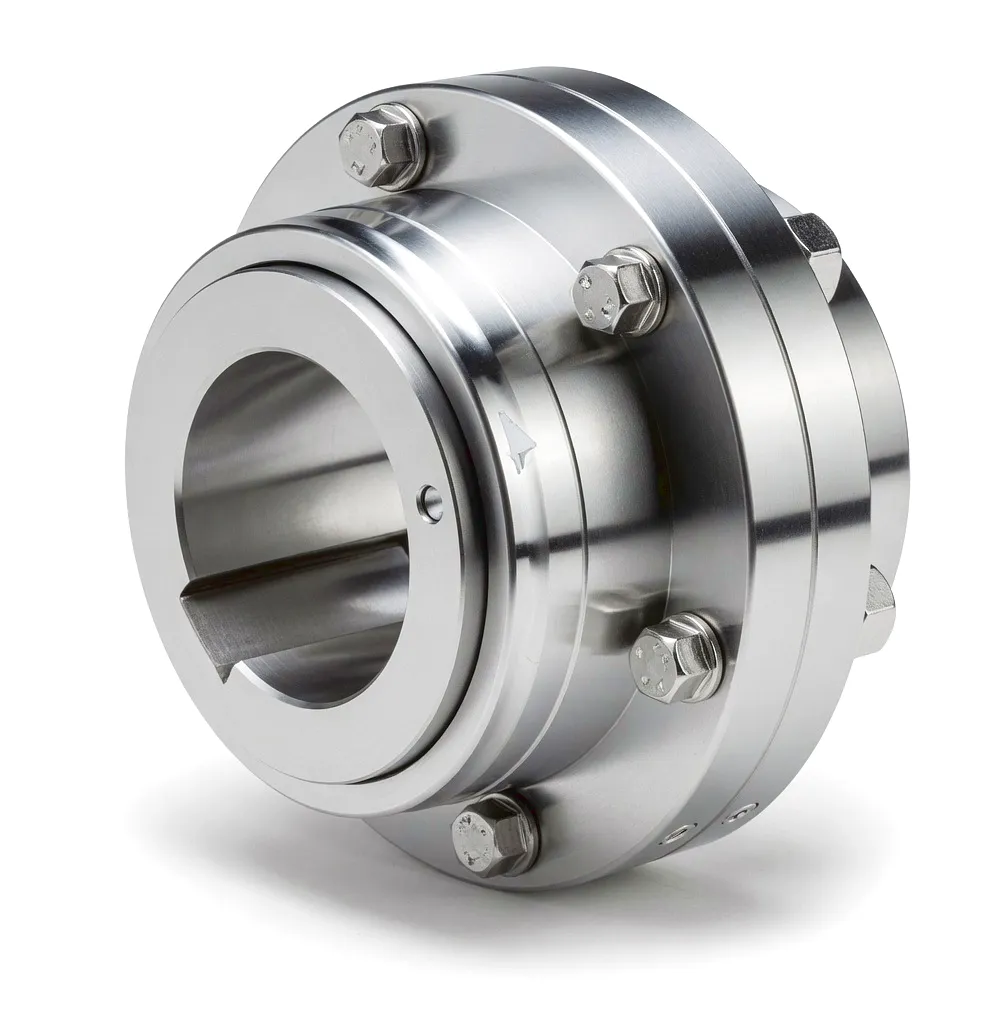
 Among the many critical components that determine the efficiency and longevity of a paper machine, the gear coupling stands out as one of the most operationally demanding. Paper machines are among the longest and most complex production lines in any manufacturing environment. A modern paper machine can stretch well beyond 100 metres from the wire section through to the calendar stack, incorporating forming, pressing, drying, and calendering zones that must operate in near-perfect synchrony. Each of these zones represents an independent drive section — and every one of those sections relies on a robust, precision-engineered gear coupling to transmit torque reliably under punishing conditions.
The United Kingdom has a long-established paper and packaging manufacturing heritage, with facilities concentrated in regions such as the Midlands, Yorkshire, and the North West. Mills in Northfleet, Shotton, and Kemsley continue to run high-speed paper machines where the demands placed on drive components are extraordinary. In these facilities, a coupling failure does not merely mean lost production — it can mean tens of thousands of pounds in downtime costs, paper breaks, and emergency maintenance callouts. It is precisely this operational severity that drives the growing focus on gear coupling engineering in UK-based paper production.
How Gear Couplings Work — The Engineering Behind the Torque Transfer
⚙ Tooth Mesh Architecture
A gear coupling consists of two hubs — each machined with external gear teeth — and a sleeve (or two-part sleeve) carrying matching internal gear teeth. Torque transfers from the driving shaft through the hub teeth to the sleeve and on to the driven shaft. The crowned tooth profile is the defining characteristic of this design: tooth flanks are machined with a slight barrel shape, allowing a degree of angular misalignment between the two shaft centrelines without creating edge-loading stress concentrations. In paper machine applications, this angular accommodation is not a luxury — it is essential, because thermal expansion and structural deflection in long machine frames constantly shift shaft positions relative to their designed alignment.
🔄 Lubrication & Sealing System
Within the sleeve, a grease pack or oil bath lubricates the tooth contact zone continuously. The sealing arrangement — typically lip seals or labyrinth seals at each sleeve end — retains lubricant and prevents ingress of water and paper fibre. For paper machine environments where steam and warm water are omnipresent, seal integrity is a critical service life determinant. Properly sealed and greased gear couplings in drying section applications routinely achieve 24-month maintenance intervals, significantly reducing the planned shutdown burden at UK mills. The lubricant film between tooth flanks also acts as a damping medium, attenuating torsional vibration spikes that arise from roll eccentricity and drive train resonance.
⚙ Speed Ratio Transmission
Paper machines run at different speeds across their sections. The forming section may run at a fraction of the speed seen at the calendar end, but the differential is carefully governed to maintain paper web tension. Gear couplings accommodate the slight speed differentials inherent in draw-controlled sections, and their rigid torsional stiffness ensures precise velocity transfer without slip or windup. In high-speed paper machines producing tissue or fine paper at speeds above 1,800 m/min, the coupling must achieve dynamic balance grades tighter than ISO G6.3, and many premium applications demand G2.5 or better. Ever Power’s gear couplings are finish-balanced to drawing specification prior to despatch, ensuring they are ready for direct installation on customer site.
Core Materials — What Goes Into a Paper Machine-Grade Gear Coupling
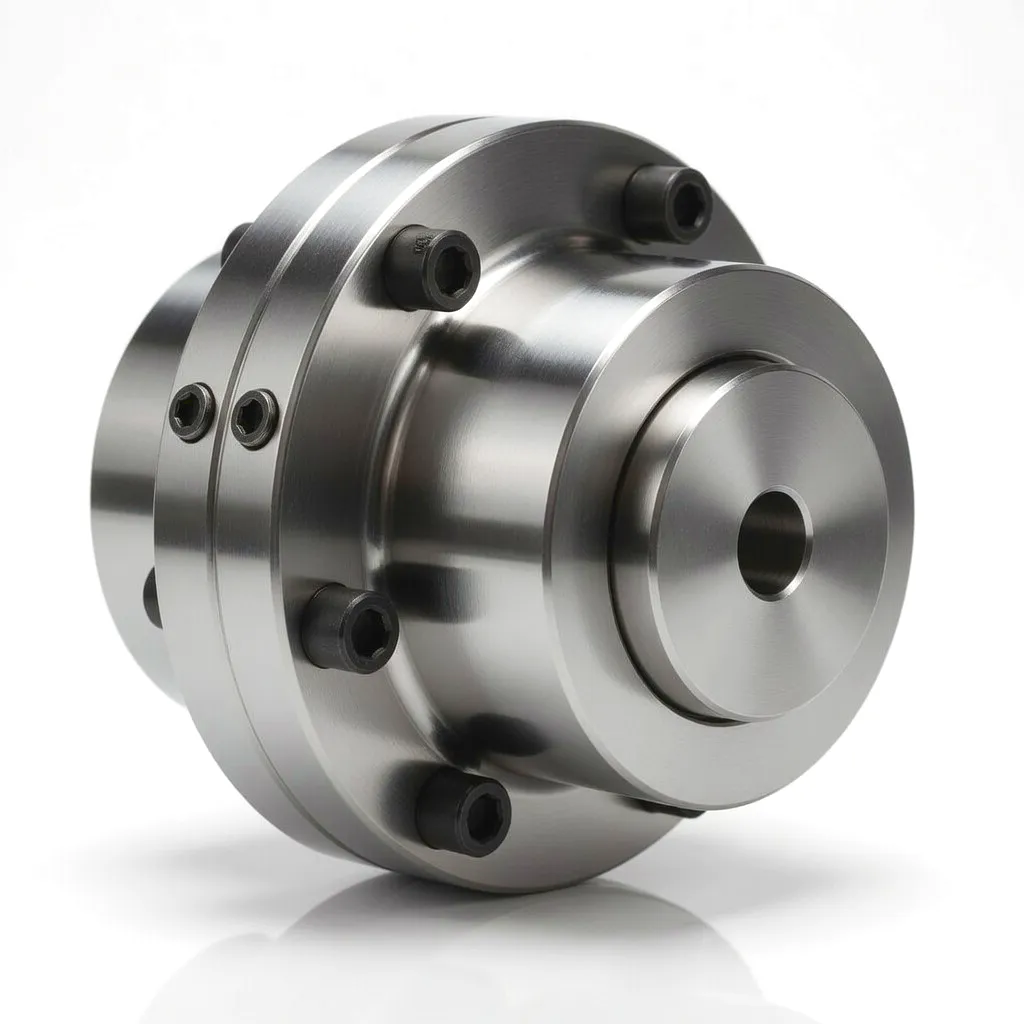 The material selection for a gear coupling destined for paper machine service is not simply an engineering decision — it is a long-term cost management strategy. Paper mills operate around the clock, and unplanned stoppages carry costs that dwarf the purchase price of any coupling. Materials must therefore deliver against a matrix of demands: high tensile strength to handle peak torque loads, adequate hardness to resist tooth wear, corrosion resistance against the alkaline and acidic chemistry of papermaking process water, and dimensional stability under thermal cycling.
Hub bodies on standard gear couplings are manufactured from medium-carbon alloy steels such as 42CrMo4 (EN 1.7225) or 34CrNiMo6. These steels are quenched and tempered to achieve tensile strengths in the range of 900–1,100 MPa, with surface hardness at the tooth flanks raised to 58–62 HRC through induction hardening. The hardened tooth surface carries the Hertzian contact stress while the tougher core of the hub absorbs impact loading without brittle failure. Sleeve bodies follow a similar specification, often with the addition of through-hardening for smaller sizes where wall thickness permits.
In environments with particularly aggressive wet chemistry — such as chemical pulp or recycled fibre mills — stainless steel grades (typically 17-4PH or 316L) are specified for sleeve end caps and seal carriers. For the drying cylinder section of a paper machine, where temperatures can reach 150°C at the dryer surface and the coupling operates within a steam atmosphere, high-temperature grease formulations (NLGI Grade 2, synthetic base with temperature rating to 200°C) are paired with heat-resistant lip seals. Ever Power maintains a materials library of certified test reports from its steel suppliers, allowing UK clients to receive full material traceability documentation alongside each delivery.
Technical Advantages That Matter Most in Paper Machine Service
Hoge koppeldichtheid
Gear couplings transmit substantially more torque per unit diameter than equivalent-size disc or jaw couplings. The tooth engagement distributes load across multiple flanks simultaneously, making gear couplings the preferred choice on press section drives where peak torque during nip adjustments can be three to five times the steady-state running value. In Birmingham-based paperboard mills, this torque headroom prevents coupling damage when web breaks cause sudden drive load spikes.
Angular & Parallel Misalignment Tolerance
The crowned tooth geometry accommodates angular misalignment typically in the range of 0.5°–1.5° per gear mesh, depending on size. Parallel offset capacity in a double-engagement gear coupling (using a floating shaft between two gear mesh points) can reach 3–5 mm in large drives. This multi-axis accommodation means that as a paper machine’s structural steel frame expands with operating temperature — a movement that can exceed 2 mm over 30 metres of machine — the gear coupling absorbs the geometric error without transmitting bending moments back into the shaft or bearing system.
Lange onderhoudsintervallen
When correctly specified and lubricated, a gear coupling in paper machine service routinely delivers 20,000–30,000 hours of operation between planned maintenance events. This translates directly to reduced shutdown frequency at UK mills that operate on 8,000+ annual running hours. Grease replenishment through nipples on the sleeve body can sometimes be performed online during slow-speed cleaning cycles, further extending the time between full dismantling and inspection.
Moisture & Corrosion Resistance
Paper machines operate in environments where humidity routinely exceeds 90% RH, and where direct water jet cleaning is applied at every shutdown. Gear couplings meeting IP54 or higher enclosure standards, with phosphated or nickel-plated external surfaces and sealed sleeve assemblies, resist the accelerated corrosion that would destroy an unsealed coupling within months. Ever Power’s standard finish for paper machine couplings includes zinc phosphate treatment followed by industrial epoxy primer, ensuring a corrosion barrier life compatible with multi-year operating cycles in Sheffield and North West UK mills.
Torsional Stiffness for Speed Control
Gear couplings are torsionally stiff by design. Unlike elastomeric couplings, they transmit rotational velocity almost instantaneously with negligible angular windup under load. In paper machine section drives controlled by variable frequency drives (VFDs), this stiffness means the encoder feedback from one side of the coupling accurately represents the angular position at the other side. The result is stable closed-loop speed control, which translates directly to consistent paper web tension and improved reel quality — a measurable production benefit at UK tissue and fine paper mills.
Product Technical Performance Parameters
| Parameter | Specification Range | Unit / Standard | Notities |
|---|---|---|---|
| Rated Torque (Tn) | 100 – 2,800,000 | N·m | Varies by coupling series and bore size |
| Peak Torque (Tmax) | 2 × Tn – 3.5 × Tn | N·m | Shock load capacity without permanent deformation |
| Hoekafwijking | 0.5° – 1.5° | Degrees per mesh | Crowned tooth profile; double-mesh types accommodate more |
| Parallelle verschuiving | 0 – 5 | mm | Double-engagement floating shaft designs |
| Maximale snelheid (nmax) | Up to 5,000 | toerental | Dependent on coupling size and balance grade |
| Dynamische balansgraad | G6.3 standard; G2.5 on request | ISO 1940-1 | Mandatory for paper machine high-speed sections |
| Naafmateriaal | 42CrMo4 / 34CrNiMo6 / SUS316L | EN 10083-3 | Grade selected by application severity |
| Tandoppervlaktehardheid | 58 – 62 | HRC | Induction hardened; core remains tough |
| Bedrijfstemperatuur | -20°C to +150°C | °C | Extended range with HT grease; suitable for dryer sections |
| Diameterbereik van de boring | 20 – 450 | mm | Metric and inch keyway options |
| Smeertype | NLGI 2 grease / gear oil bath | ISO VG 220–460 | Synthetic or mineral base; replenishable via nipples |
| Afdichtingstype | Lip seal / Labyrinth / O-ring | IP44 – IP65 | Customer specified by wash-down duty level |
Industrial Application Scenarios for Gear Couplings
Application Scenario 1 — Paper Machine Forming Section Drive
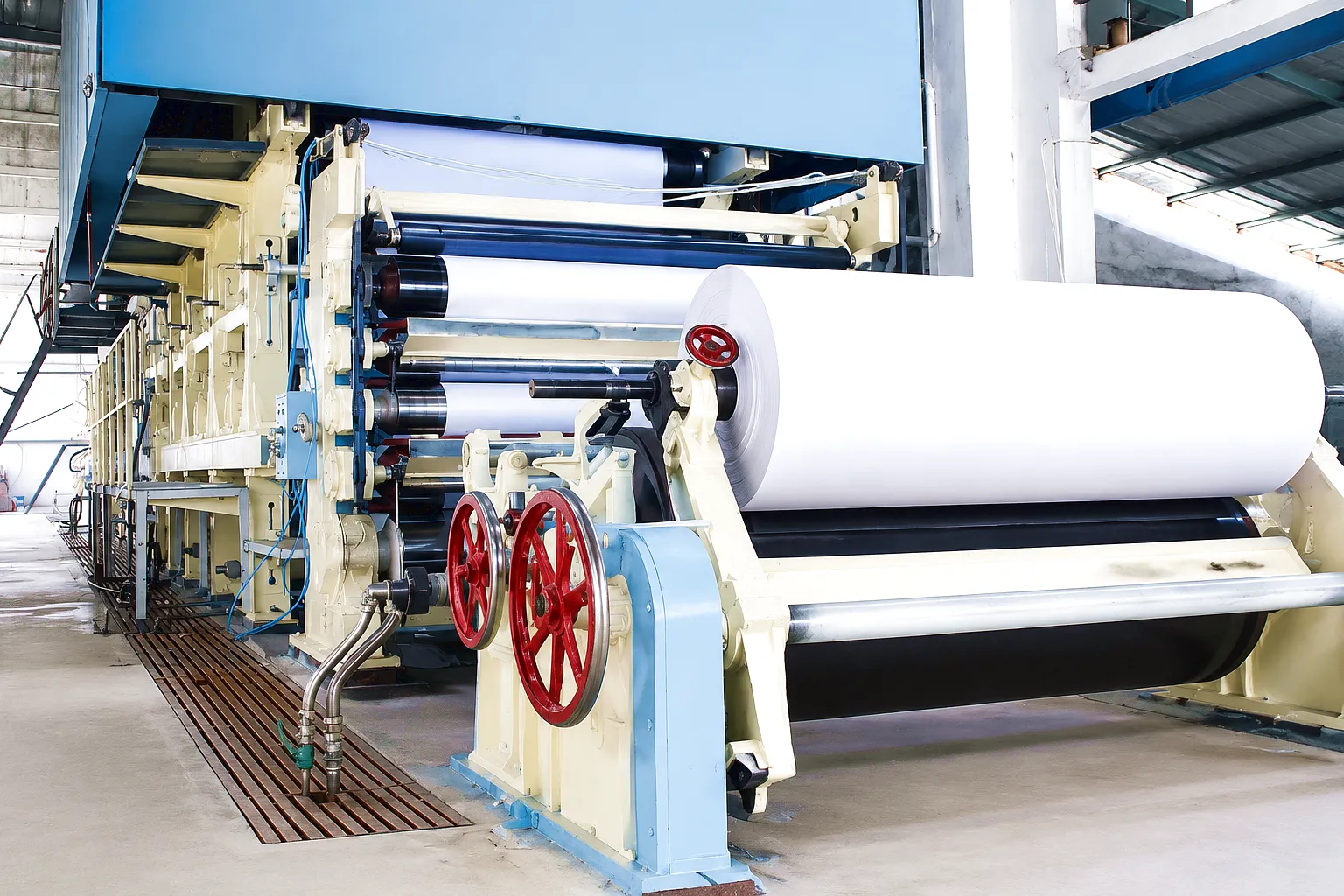
The forming section of a paper machine is where the paper furnish — a highly diluted fibre-water suspension — is deposited onto a moving forming wire. The drive roll underneath the wire must be controlled with extreme precision: any speed variation is immediately visible as a pattern defect in the finished sheet. Gear couplings connecting the drive motor gearbox output to the forming roll shaft must therefore combine torsional stiffness with reliable speed transmission at forming speeds that, on a modern fourdrinier, can reach 1,200–1,600 m/min.
In this environment, the gear coupling must also contend with the white water that constantly sprays beneath the wire section. Aggressive seal designs, typically double-lip configurations with a grease-packed labyrinth, prevent contamination of the tooth mesh while allowing the coupling to function for extended periods without manual intervention. At paper mills in South Wales and Cheshire, this reduced intervention requirement is particularly valued by maintenance teams managing long machine configurations with limited outage windows. The gear coupling’s ability to accommodate the slight angular displacement between the gearbox output and the roll end bearing — caused by uneven foundation settlement over years of service — means that bearing loading remains within its designed limits, preserving roll bearing life.
Application Scenario 2 — Press Section and Shoe Press Drive
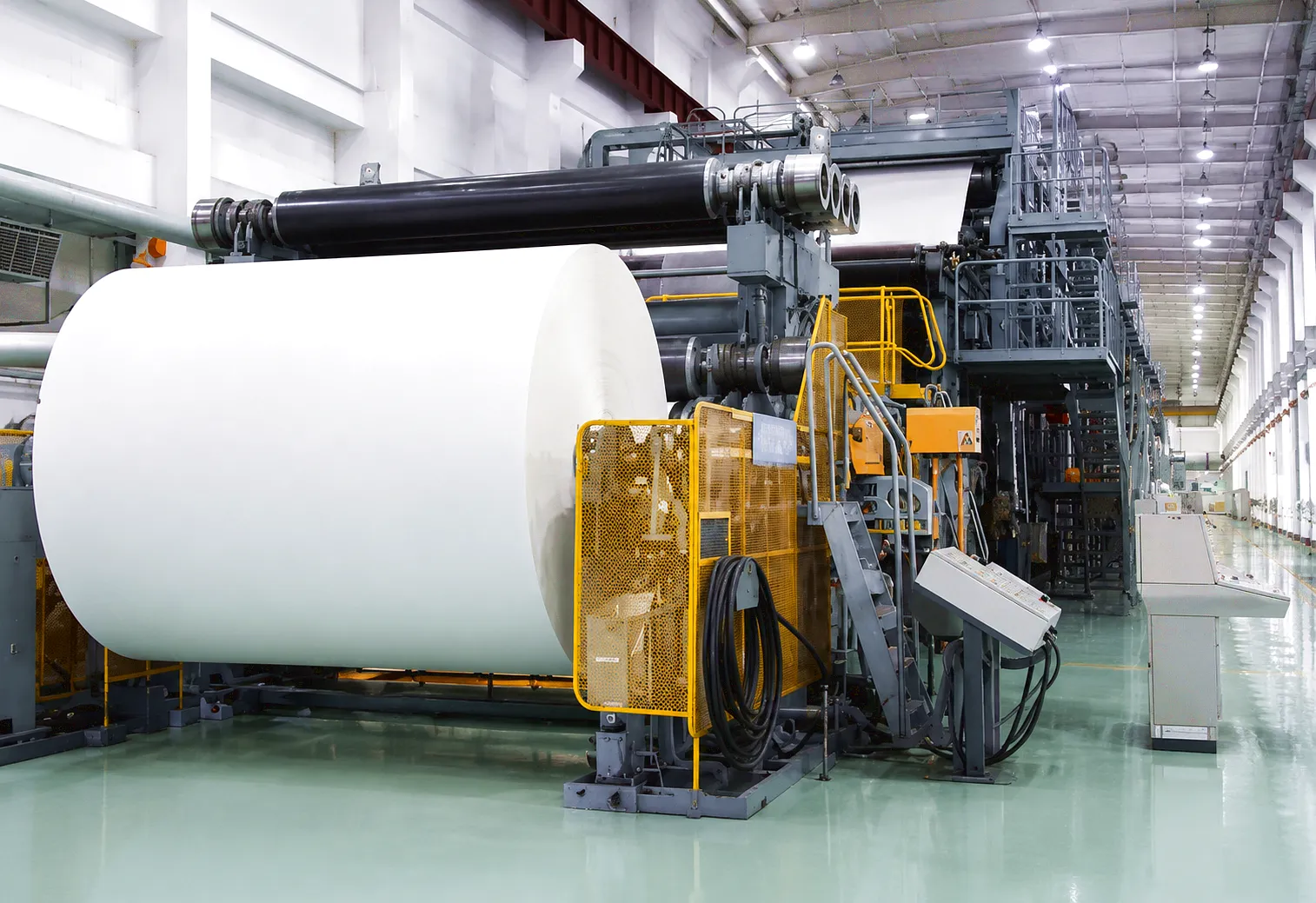
The press section subjects the wet paper web to mechanical pressing between rolls or through a shoe press nip, removing water and building initial paper strength. The torque demands in this section are among the highest on the machine, because the press rolls must be driven against the resistance of the nip pressure — which on a modern shoe press can exceed 1,200 kN/m of nip load. Gear couplings transmitting drive from a central AC motor through a multi-roll gear drive must handle both the steady-state torque and the sudden load spikes that occur when a web break allows rolls to briefly overspeed before the control system responds.
The peak torque rating of the gear coupling in press section service must therefore be conservatively selected, with service factors typically 2.0–2.5 applied to the calculated steady-state load. Double-engagement gear couplings with floating intermediate shafts are common in this application, particularly where the roll array is driven through a shared gear unit with multiple output shafts at varying heights and positions. The floating shaft design accommodates the parallel offset between gear unit and roll without transmitting bending loads, and the crowned teeth at each end handle the residual angular errors in the assembled drive line. UK press section refurbishments — which are increasingly common as older mills invest in productivity upgrades — frequently specify new gear couplings as part of the mechanical upgrade package alongside new roll bearings and seal systems.
Application Scenario 3 — Multi-Cylinder Drying Section
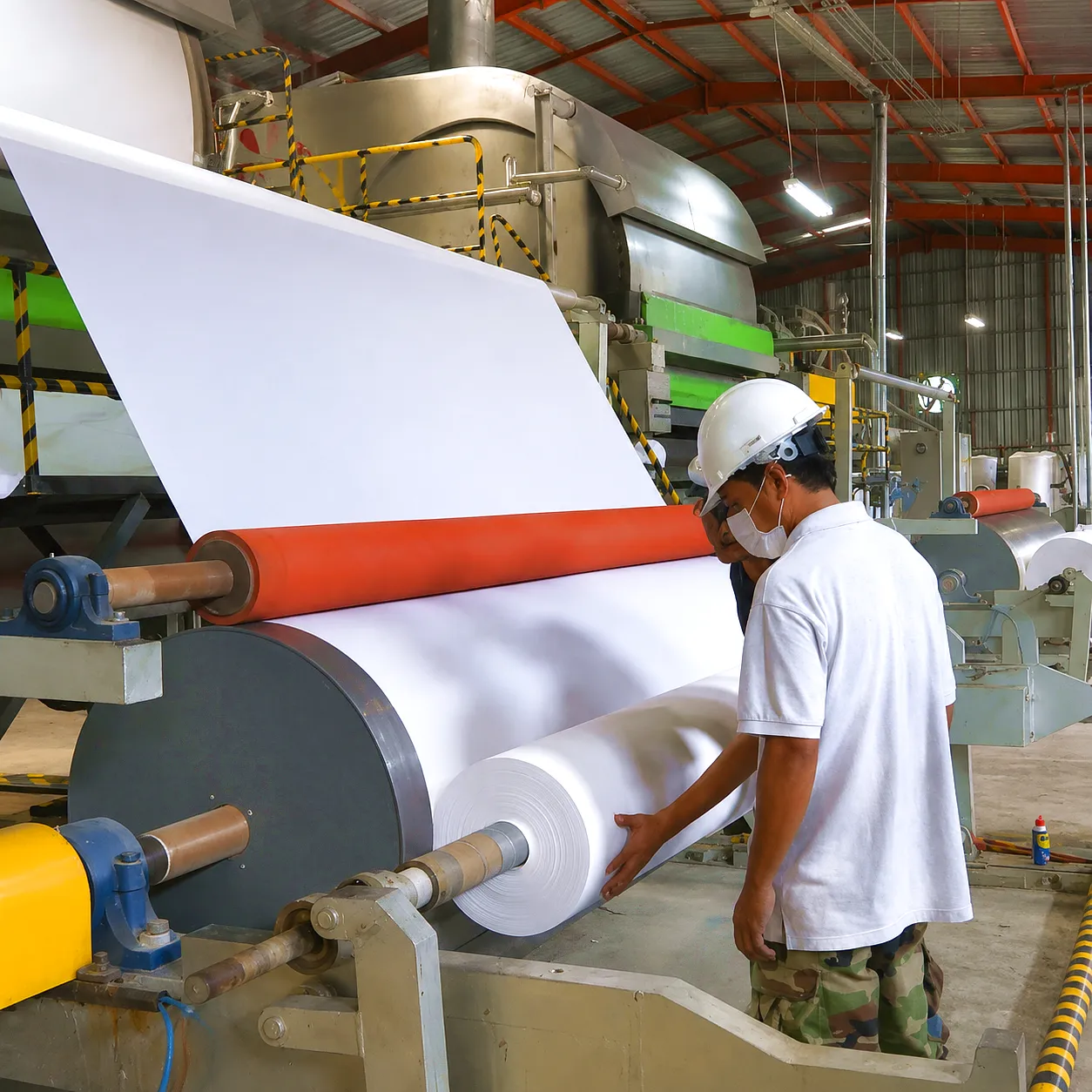
The drying section of a paper machine is arguably where gear couplings face their most demanding thermal environment. Steam-heated drying cylinders — ranging from 1.2 m to 1.8 m diameter on large machines — rotate at surface speeds matched to the paper web speed, evaporating residual moisture as the web wraps around their heated surfaces. The drive shaft connecting the cylinder journal to the gear drive operates in an atmosphere saturated with steam at temperatures up to 150°C. This elevated temperature demand drives specific material and lubrication decisions: high-temperature synthetic grease, heat-resistant lip seals formulated from PTFE or fluorosilicone, and coupling hub designs with adequate mass to act as thermal buffers.
A typical large dryer section in a UK newsprint or packaging board mill may contain 60–80 individual drying cylinders, each requiring its own coupling connection. The scale of the installation means that standardisation on a single coupling series, covering a range of bore sizes, is both an engineering and a procurement advantage. Ever Power’s gear coupling series covers bore diameters from 60 mm to 350 mm within a single modular family, meaning that a paper mill maintenance team in Yorkshire can stock a smaller range of spare hubs and sleeves while maintaining coverage across the full drying section population. This rationalisation of spares inventory directly reduces working capital tied up in warehouse stock — a tangible financial benefit alongside the engineering performance.
Application Scenario 4 — Calender Stack and Pope Reel Drive
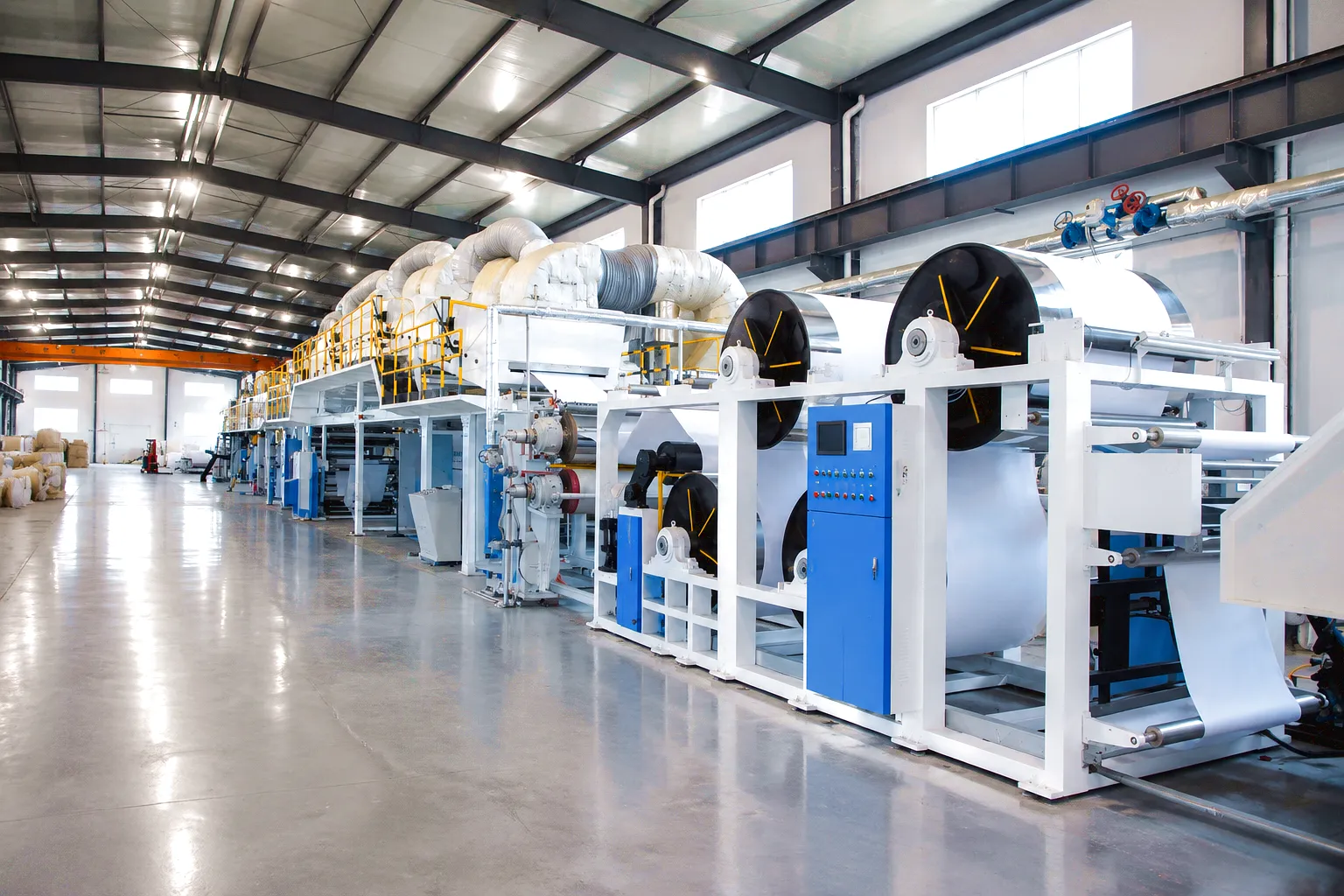
At the dry end of the paper machine, the calender section applies final smoothing pressure to the paper surface before it winds onto the reel. Calender stacks can be horizontal or vertical configurations, with rolls driven individually or in groups. The critical engineering requirement at this point in the machine is surface speed matching between adjacent rolls: even a small differential creates a shear force on the paper that compromises surface finish and can cause sheet breaks just before the take-up reel. Gear couplings in calender service are therefore selected for their predictable, consistent torque transmission without backlash or torsional irregularity.
The Pope reel drive — winding finished paper onto a parent roll — faces a continuously varying load as the reel diameter grows and the inertia of the parent roll increases. The gear coupling must transmit torque to the reel drum under winding tension control, responding to the VFD’s speed commands with minimal delay. In this context, the high torsional stiffness of the gear coupling is again an asset, ensuring that the winding tension profile remains stable throughout the full reel building cycle. UK paper producers supplying supermarket tissue and retail packaging grades require tight reeling quality control, and the mechanical properties of the drive coupling play a demonstrable role in achieving the reel hardness uniformity that converters demand.
Featured Products from Ever Power
The HC-RC31 is a robust, compact PTO gearbox designed for high-torque agricultural and industrial drive applications. With precision-cut helical gears, heavy-duty housing, and standardised PTO coupling interfaces, this unit integrates seamlessly with paper machine auxiliary drives and feed roller systems. It delivers consistent power transmission with minimal vibration, making it a reliable choice for continuous-duty environments.
The HC-RC30-193 is engineered for demanding multi-speed PTO coupling configurations, offering a wider input speed range and reinforced output shaft assembly. Its modular design allows integration with various gear coupling flanges, making it adaptable for retrofit projects in UK paper mills upgrading existing drive trains. The sealed housing and corrosion-resistant treatment ensure reliable performance in wet processing environments.
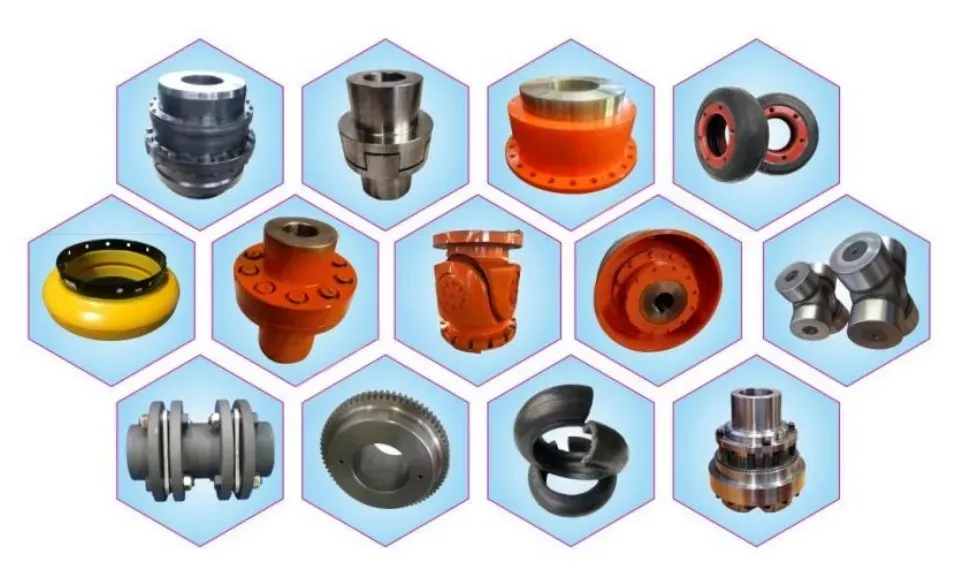
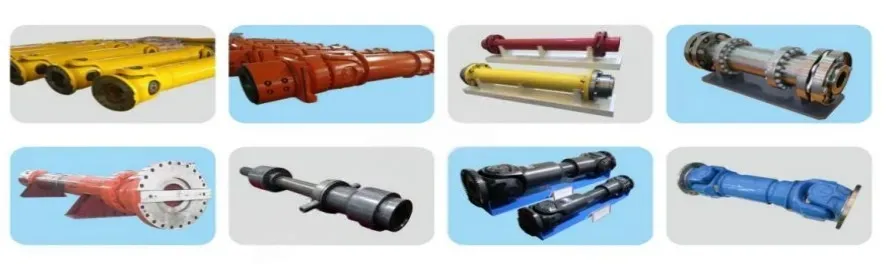
Ever Power — Precision Manufacturing & Custom Gear Coupling Solutions
🏭 Manufacturing Capacity
Ever Power operates precision machining facilities equipped with CNC gear hobbing, gear grinding, and balancing centres capable of producing gear couplings from size 1 miniature units through to large industrial couplings rated beyond 2,000,000 N·m. Our CNC turning centres maintain bore concentricity tolerances of IT6 as standard, with IT5 available for precision applications. All gear teeth are hobbed to DIN 3961 quality grade 6 as minimum, with ground tooth options to grade 5 for high-speed paper machine service.
⚙ Customisation Capabilities
No two paper machines are identical. Ever Power’s engineering team works directly with UK mill maintenance managers and OEM rebuilders to develop fully custom gear coupling configurations: non-standard bore sizes with special keyway profiles, extended floating shaft lengths, bespoke flange bolt circles for retrofit onto existing gearbox outputs, split sleeve designs for in-situ installation without shaft removal, and custom painted or plated finishes for corrosive environments. Our 3D modelling capability allows clash checks against your existing machine geometry before any metal is cut.
📈 Supply Chain Assurance
Ever Power maintains a strategic finished goods and semi-finished hub stock programme, enabling rapid despatch for standard sizes. For UK customers with urgent requirements, air freight delivery within 5–7 working days is available from our manufacturing site to UK ports of entry. All shipments include full documentation: material test certificates to EN 10204 3.1, dimensional inspection reports, balance test certificates, and product quality plans traceable to the purchase order. Import clearance through UK customs is straightforward with our pre-prepared HS code documentation and certificate of origin paperwork.
Request a custom gear coupling specification for your paper machine drive application
Customer Success Story — Shotton Paper Mill, Deeside, North Wales
Background: PM7 Drying Section Drive Train Renewal
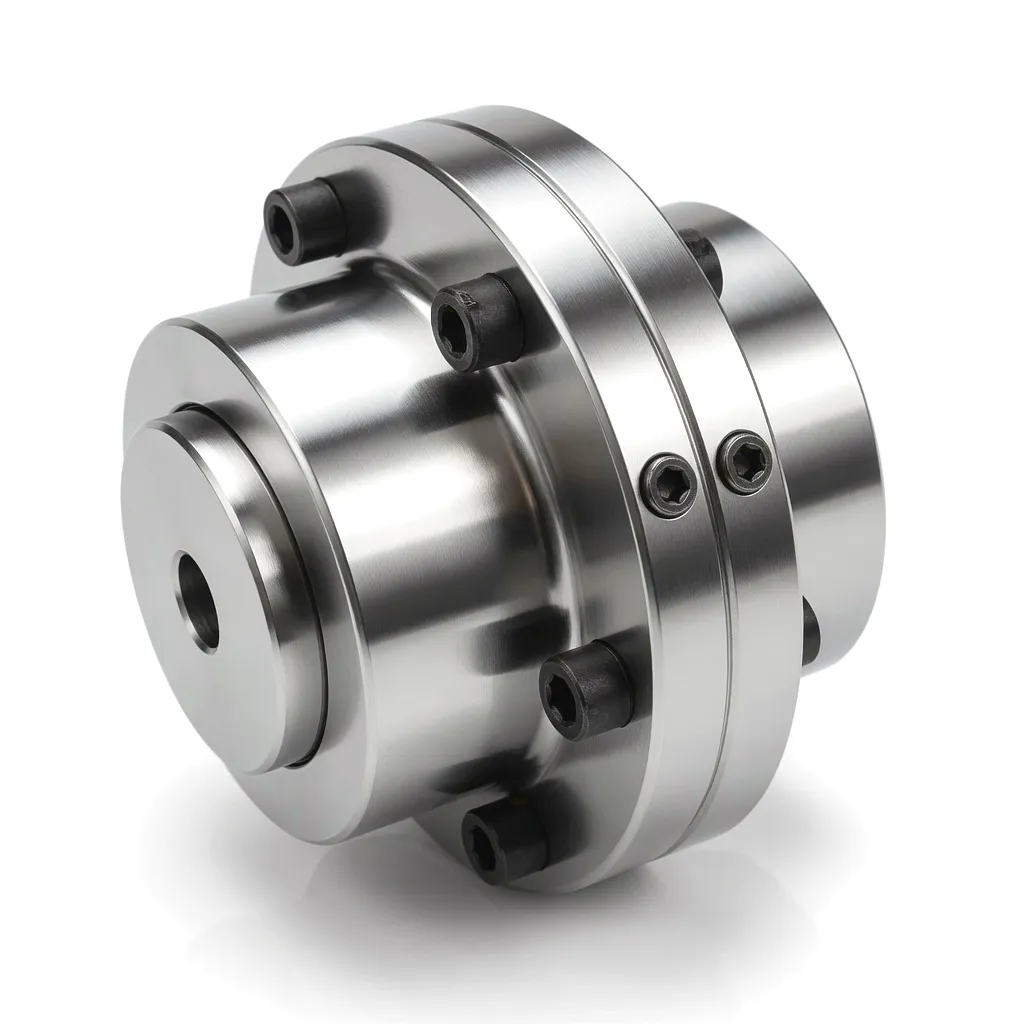 The maintenance engineering team at a major integrated newsprint and packaging board facility in Deeside, North Wales, faced a recurring problem on their Paper Machine 7 drying section: three of the original gear couplings coupling the group drives to the dryer cylinder journals had reached end-of-life, showing progressive tooth wear and lubricant bypass through aged lip seals. The resulting vibration signature was detectable on the machine’s condition monitoring system, and the mill’s reliability engineer had flagged the couplings for replacement during the next planned shutdown window.
The difficulty was that the original coupling manufacturer had discontinued the exact series fitted to PM7, leaving the mill engineering team to source a dimensionally compatible and performance-equivalent replacement. The shafts were non-standard in diameter — one bore was 178 mm and two were 195 mm, reflecting the mixed-generation nature of the machine’s drive sections — and the floating shaft lengths were custom to the machine’s drive arrangement.
Ever Power’s technical sales team received the enquiry with a dimensional data sheet and a photographs of the existing couplings. Within four working days, Ever Power issued a full dimensional cross-reference drawing confirming compatibility with the existing shafts and flanges, along with a revised tooth geometry providing a 15% increase in the calculated tooth surface fatigue life compared with the original specification. The proposal included a spare hub kit for each size, reducing the mill’s future stock requirement.
The three custom-bored gear couplings were manufactured, balanced to ISO G2.5, inspected with full dimensional reporting, and despatched within 14 working days of order confirmation. The mill’s mechanical team completed installation during a four-day planned shutdown, with no fit-up issues reported. At the 12-month review, vibration levels at the replaced drives remained within baseline specification, and the mill engineering manager confirmed that no unplanned interventions had been required on the replaced couplings since commissioning.
★★★★★
“The cross-reference engineering work Ever Power provided was exceptional — they not only matched the original dimensions but improved on the tooth specification. Our PM7 drying section has been running at the smoothest vibration levels we have recorded in years. The documentation package with material certificates and balance reports met our QA requirements without any queries from our audit team.”
— Reliability Engineer, Integrated Newsprint Facility, North Wales
★★★★★
“The 14-day turnaround on custom-bored couplings is genuinely competitive for what is a non-standard specification. We had been quoted 8-10 weeks by an alternative European supplier, which would have required us to delay our shutdown and extend an expensive temporary repair. Ever Power understood the commercial urgency and delivered on time without compromising quality.”
— Mechanical Engineering Manager, Packaging Board Mill, Yorkshire
★★★★★
“We have standardised on Ever Power gear couplings across three press section drives following the success of our initial trial order. The seal life improvement over our previous supplier’s product has been measurable — 22 months to first grease replenishment versus 11 months with the old design, which has halved our planned maintenance touchpoints on those drives. That is real cost saving, not just specification-sheet performance.”
— Maintenance Superintendent, Tissue Manufacturing Facility, Cheshire
Frequently Asked Questions — Gear Couplings for Paper Machine Applications in the UK
How much does it typically cost to replace a gear coupling on a paper machine drive in the UK, and what factors affect the price?
The price of a replacement gear coupling for paper machine service in the UK depends primarily on bore diameter, torque rating, material grade, and whether the bore is standard or custom. Standard catalogue sizes in common paper machine bore ranges (80–200 mm) typically cost between £800 and £4,500 per complete coupling assembly including sleeve and hardware. Custom-bored or special-length floating shaft versions carry a premium of 25–50% over catalogue pricing. To receive an accurate quote tailored to your specific machine and drive arrangement, contact Ever Power at [email protected] with your bore sizes, shaft keyway details, and rated torque requirements.
What type of gear coupling is best suited for the drying section of a high-speed paper machine operating in Yorkshire, and how do I specify it correctly?
For dryer section service at speeds above 800 rpm and temperatures up to 150°C, a single-engagement gear coupling with high-temperature synthetic grease, PTFE-tipped lip seals, and a balance grade of ISO G6.3 or better is the standard recommendation. The hub should be 42CrMo4 induction hardened at the tooth flanks to 58-62 HRC. Correct specification requires knowing the rated torque, shaft diameter, keyway dimensions, shaft separation, and maximum operating speed. Ever Power’s technical team can assist with full specification selection based on your drive data sheet — simply provide motor power, output speed, and machine section details.
Where can I find a reliable gear coupling supplier in the UK who can deliver custom-bored couplings within two to three weeks for an urgent paper mill shutdown?
Ever Power specialises in fast-turnaround custom gear couplings for UK paper mill applications. Standard-to-custom bore modifications on stocked hub blanks can typically be completed within 10–14 working days, with air freight delivery bringing total lead time to UK sites to 14–18 working days. For genuinely urgent situations, expedited manufacturing slots and priority freight options are available — contact us directly to discuss your specific timeline and we will provide an honest, realistic commitment.
How often should I grease a gear coupling on a paper machine press section in a Sheffield-based manufacturing environment, and what type of grease should be used?
In a press section environment with high ambient moisture and temperature fluctuation, the initial regreasing interval is typically 6–12 months, or 4,000–6,000 running hours — whichever comes first. Use an NLGI Grade 2 lithium complex or calcium complex grease with EP additives, rated to at least 130°C. Synthetic polyurea-based greases offer superior water washout resistance for wet press environments. Never overfill: grease volume should be approximately 30–40% of the internal sleeve cavity, as overfilling causes seal bypass and grease purging at operating temperature. Your Ever Power coupling will be supplied with a specific grease volume recommendation in the installation data sheet.
Which gear coupling size and torque rating should I choose for a 250 kW drive motor running at 1,450 rpm on a newsprint machine in Birmingham?
At 250 kW and 1,450 rpm, the transmitted torque is approximately 1,645 N·m (calculated as 9,550 × P / n). Applying a service factor of 2.0 for paper machine shock loading gives a design torque of 3,290 N·m. A gear coupling rated for 3,500–4,500 N·m with a bore diameter accommodating the motor and gearbox shaft sizes would be appropriate. Precise coupling series selection also depends on shaft diameter, keyway form, and misalignment allowance. Submit your full drive data to Ever Power for a confirmed coupling recommendation at no charge before placing any order.
When is the right time to replace rather than repair a worn gear coupling on a UK paper machine, and what are the warning signs that indicate imminent coupling failure?
Key indicators that a gear coupling is approaching end-of-life include: elevated vibration readings (acceleration amplitude increasing beyond 6 mm/s RMS on the coupling housing), lubricant discolouration on leakage inspection (dark brown or black grease indicates tooth wear debris), audible rattling or knocking at low speed that disappears under load (indicating tooth backlash beyond design limits), and grease bypassing through seals within 3 months of servicing (indicating seal wear). When tooth flank pitting covers more than 20% of the contact face width, replacement is more cost-effective than continued operation. Contact Ever Power for an assessment if you are uncertain — we can advise based on your condition monitoring data and coupling history.
Ready to Specify the Right Gear Coupling for Your Paper Machine?
Ever Power’s engineering team is ready to assist UK paper mills with coupling selection, cross-referencing, and custom manufacturing. Fast turnaround, full documentation, competitive pricing.
bewerkt door gzl