Industrial Drive Technology · UK Market Focus
Зубчатые муфты в приводных системах бумагоделательных машин: инженерная точность для непрерывного производства
A comprehensive technical guide for UK engineers and procurement teams selecting couplings for high-speed, high-humidity papermaking environments
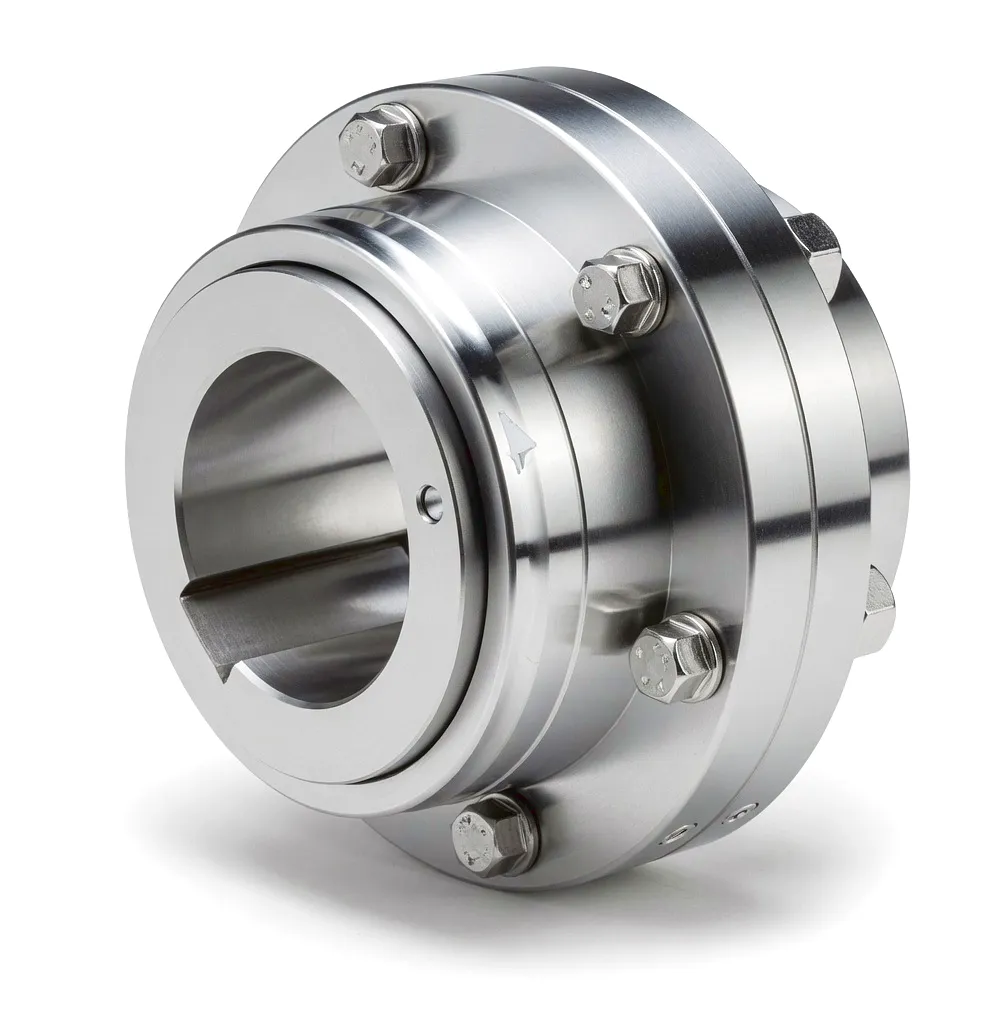 Paper machines rank among the most demanding installations in the whole of British manufacturing. The sheer scale of these machines — stretching from forming section through press section, drying section and calendering stack to the reel — means that individual drive zones can number in the dozens, each requiring its own precisely calibrated transmission component. In mills across South Wales, the Scottish Borders and the North West of England, paper machine drives run around the clock at speeds that regularly exceed 2,000 metres per minute, placing extreme and unrelenting stress on every element of the drivetrain. Within this environment the gear type coupling has become the component of choice for connecting motor to gearbox to roll: it handles the inevitable shaft misalignment that arises from thermal expansion, structural flex and foundation settlement, while transmitting torque with minimal backlash and virtually no parasitic radial load back into the bearings it serves.
The decision to specify one coupling design over another in a paper machine context is never trivial. A component that fails mid-run forces a machine stop that can cost a major UK tissue or newsprint producer tens of thousands of pounds per hour in lost output and raw material wastage. Engineers therefore study operating conditions in granular detail before committing to a specification — and the data consistently points toward the gear-type coupling as the right engineering answer for the severest sections of the machine.
Принцип работы зубчатой муфты
⚙️
Tooth Mesh Engagement
A gear type coupling operates on the principle of crowned external teeth on the shaft hubs meshing inside an internally toothed outer sleeve. The crown profile — a carefully engineered convex curvature across the tooth face — is what gives the coupling its defining capability: the ability to accommodate angular misalignment between connected shafts without generating the destructive restoring forces that would otherwise be transmitted back into bearings, seals and adjacent machinery. When two shafts run at a small angle to one another, as inevitably happens in a long paper machine drive train heated by steam and subject to structural deflection, the crowned teeth rock gently within the sleeve rather than binding, so torque passes through cleanly and the coupling load on adjacent bearings stays low.
🔄
Lubrication Film Dynamics
Continuous grease or oil lubrication within the sleeve cavity creates a hydrodynamic film across every tooth contact. This film is fundamental to the coupling’s longevity. Without it, the micro-sliding motion at misaligned tooth contacts would generate fretting wear and corrosion within weeks under the arduous conditions of a paper machine drive. A grease nipple arrangement or, on high-speed applications, a continuous circulating oil feed keeps the mesh surfaces separated by a film typically measured in micrometres. Sealed end caps prevent moisture and paper dust ingress — a non-trivial concern in environments where steam condensate drips from drying cylinders continuously. The lubricant also carries away frictional heat generated at the tooth contact, stabilising the operating temperature of the coupling assembly even at the elevated speeds characteristic of modern tissue machines running in Staffordshire, Lancashire or Aberdeen.
Core Materials in Gear Coupling Manufacturing
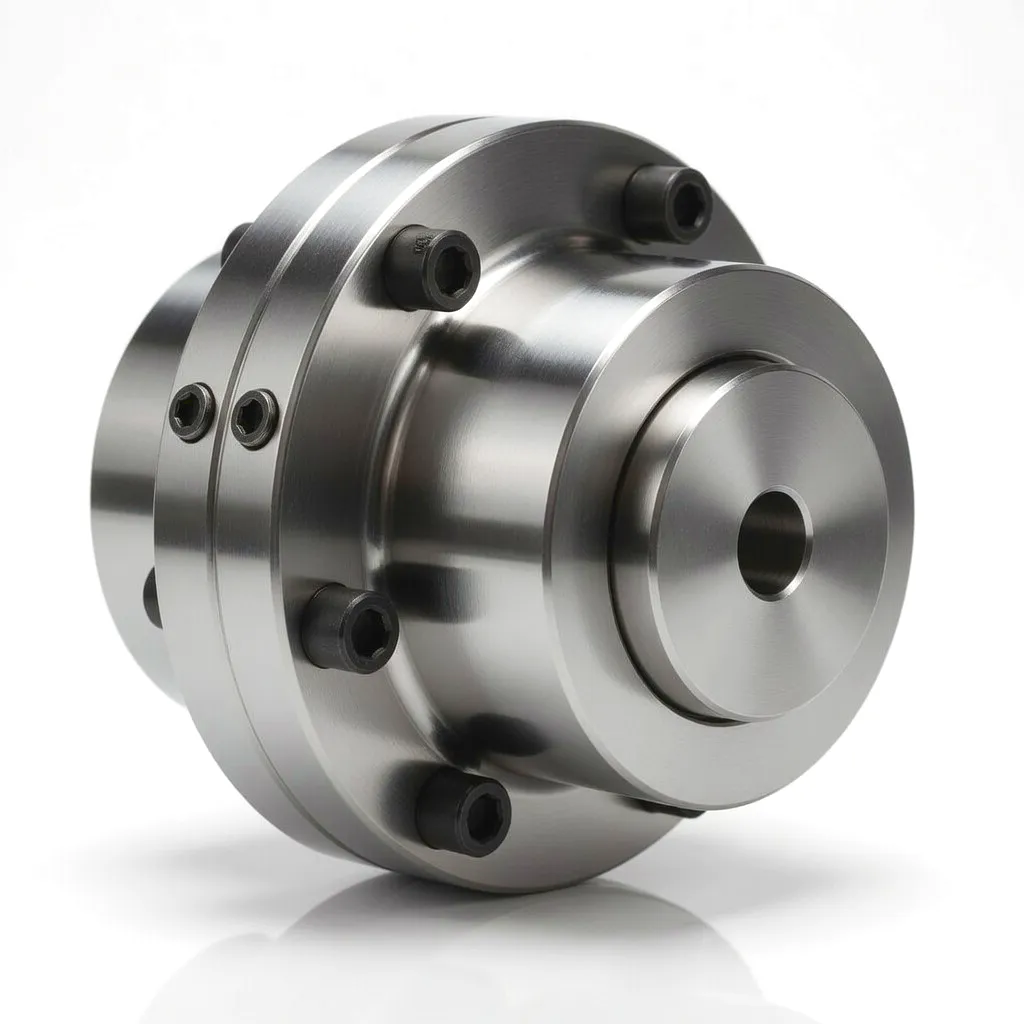 Material selection for gear type couplings used in paper machine drive systems cannot be treated as a secondary decision. The operating environment — saturated with steam, subject to chemical splash from bleaching and sizing processes, and running under continuous cyclic torque — places every constituent material under multidimensional stress. The hub body, typically the highest stressed element, is almost universally manufactured from medium-carbon alloy steel to grades such as 42CrMo4 or 40Cr. This grade provides a tensile strength in the range of 900 to 1,100 MPa after quench and temper heat treatment, while retaining sufficient ductility to absorb the shock loading that occurs during drive system start-up sequences. The tooth flanks are subsequently case-hardened to surface hardness values of 58 to 62 HRC by carburising or induction hardening, creating a hard, wear-resistant surface layer supported by a tough core that resists propagating fatigue cracks under the bending stresses generated at the tooth root.
The outer sleeve, which carries the internal tooth form and transmits torque between the two half-couplings, demands a balance of toughness and dimensional stability. Grade 45 carbon steel, normalised and precision-bored, is a common choice for moderate-duty positions on the paper machine. For high-speed dryer drive applications, ductile iron (Spheroidal Graphite Iron to EN-GJS-600-3) is specified where vibration damping is valuable and where the lower density of iron reduces the rotating mass, improving dynamic balance characteristics. On the most demanding, chemically aggressive positions — such as drives adjacent to bleaching towers in integrated pulp and paper mills — stainless steel sleeves in grade 316L or duplex 2205 provide adequate corrosion resistance without the prohibitive cost of exotic alloys across the full coupling assembly.
Core Technical Advantages for Paper Machine Applications
🛡️
Высокая допустимая погрешность соосности
Crowned tooth geometry accommodates angular misalignment of up to 1.5° per gear mesh and radial displacement of several millimetres, absorbing the thermal growth and structural settlement inherent in machines spanning 80 to 120 metres of production floor. This tolerance eliminates the costly precision alignment exercises that other coupling types demand after every maintenance intervention, directly reducing downtime for UK paper mills operating on tight shift patterns.
⚡
Высокая плотность крутящего момента
The torque transmitted per unit weight and envelope volume is considerably higher for gear couplings than for competing flexible element designs at the same bore diameter. For paper machine dryer section drives — where available space between roll bearings is often constrained by the cylinder row geometry — this compact torque capacity allows engineers to fit adequate coupling rating without widening the drive-end pillow block spacing or redesigning the stub shaft arrangement. This matters particularly in retrofit projects where a UK mill upgrades its motor or gearbox without wanting to disturb the paper machine frame.
🔁
Zero-Maintenance Intervals
Lifetime-lubricated variants using high-temperature grease — formulated to maintain adequate viscosity across the 80 to 120 °C range common near drying cylinders — allow scheduled maintenance intervals to be extended to annual shutdowns rather than quarterly inspections. For a UK mill with a planned shutdown window of only six to eight days per year, reducing the frequency and duration of coupling-related maintenance work translates directly into measurable increases in operating availability and production volume.
🌊
Moisture and Corrosion Resistance
Sealed coupling designs with nitrile or Viton elastomer end gaskets and internal grease packing create an effective barrier against the airborne moisture, steam condensate and chemical mist that permeate the paper machine hall environment. Surface treatments including zinc phosphating, electroless nickel plating or hot-dip galvanising applied to external surfaces prevent the cosmetic and structural corrosion that would otherwise shorten service life in the damp, chemically active atmosphere typical of integrated pulp-and-paper facilities in Scotland, Wales and the North of England.
Таблица технических и эксплуатационных параметров изделия
| Параметр | Световая серия | Standard Series | Heavy Series | High-Speed Series |
|---|
| Номинальный крутящий момент (Нм) | 250 – 2,500 | 2,500 – 25,000 | 25,000 – 250,000 | 500 – 8000 |
| Максимальная скорость (об/мин) | 3,000 | 1,800 | 1,000 | 6,000+ |
| Угловое смещение | до 1,5° | до 1,5° | до 1,0° | up to 0.5° |
| Radial Displacement (mm) | 0.5 – 1.0 | 0,8 – 2,0 | 1.0 – 3.0 | 0,2 – 0,5 |
| Материал ступицы | 42CrMo4 / 40Cr | 42CrMo4 | 42CrMo4 / 34CrNiMo6 | 42CrMo4 balanced |
| Материал рукава | Grade 45 Steel | Grade 45 / SG Iron | 42CrMo4 Steel | Balanced alloy steel |
| Твердость поверхности зуба (HRC) | 56 – 60 | 58 – 62 | 58 – 62 | 60 – 64 |
| Рабочая температура (°C) | от -20 до +80 | от -20 до +120 | от -20 до +120 | -10 to +100 |
| Диапазон диаметров отверстий (мм) | 20 – 80 | 50 – 200 | 100 – 400 | 25 – 120 |
| Динамическая степень балансировки | G6.3 | G6.3 | G6.3 | G2.5 / G1.0 |
Industrial Application Scenarios for Gear Type Couplings
Application Scenario 1: Paper Machine Forming Section Drive
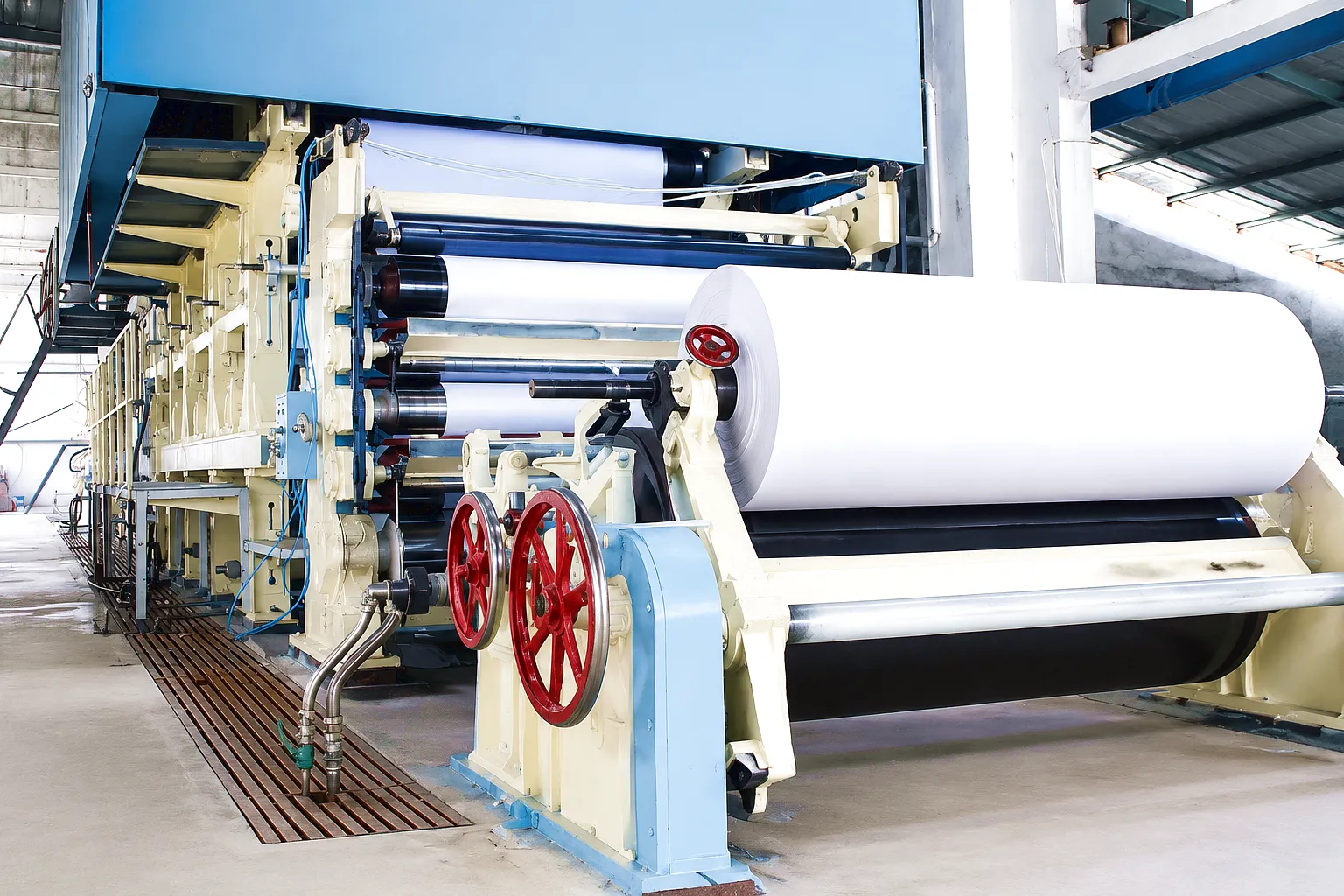 The forming section is where the paper machine imposes its most severe demands on drive system components. The wire rolls and forming rolls run in an environment saturated with white water — the mixture of water, fibres and chemical additives that drains through the forming fabric. Moisture ingress, chemical attack and the extreme precision requirements of fabric tension control all converge at this point in the machine. Gear type couplings fitted in the forming section must accommodate the angular misalignment caused by roll deflection under nip load while delivering consistent torque to the forming rolls and table rolls that control stock drainage. In British tissue mills operating in Manchester and the Midlands, where machine speeds routinely reach 1,800 metres per minute, the coupling must also contribute to the excellent dynamic balance of the drive system: any coupling imbalance generates cyclic vibration forces that show up directly as cross-direction basis weight variation in the finished paper, affecting product quality and customer satisfaction.
The sealed construction of a quality gear coupling keeps white water out of the tooth mesh, preserving the lubricant film that prevents fretting corrosion. Standard-series couplings with bores machined to H7 tolerance in both hubs, fitted with keyways to DIN 6885 standard, connect the AC vector drives that now predominate in UK paper machine rebuilds to the forming roll stub shafts, providing a reliable, low-maintenance interface that survives the aggressive white water chemistry without sacrificing performance.
Application Scenario 2: Press Section Roll Drives Under High Nip Loads
Press section roll drives operate under a combination of conditions that distinguishes them from almost every other industrial coupling application. The press rolls themselves are loaded against one another at nip pressures reaching 100 kN/m or above in shoe press configurations, generating significant bearing loads and causing the roll shells to deflect. This deflection changes the effective shaft alignment at the drive end as nip loading cycles during the threading-up sequence and responds to changes in paper grade and basis weight. A gear coupling connecting the drive gearbox to the press roll stub shaft must absorb these continuously varying alignment changes without transmitting significant restoring moments to the gearbox output shaft bearings — a requirement that eliminates rigid and limited-flex coupling types from contention.
The heavy torque loads in the press section — particularly in the first press where the web enters at its lowest dry content — demand couplings with high torque ratings relative to their physical envelope. Sheffield-based paper equipment suppliers frequently specify heavy-series gear couplings rated to 50,000 Nm or above for the top-shoe and bottom-press-roll positions, where drive motor ratings of 400 kW or more are not unusual even on medium-width machines. Couplings are supplied with bore tolerances and surface finishes matched to the gearbox manufacturer’s shaft specification, avoiding the need for field machining during installation at the mill.
Application Scenario 3: Multi-Group Dryer Section Gear Drives
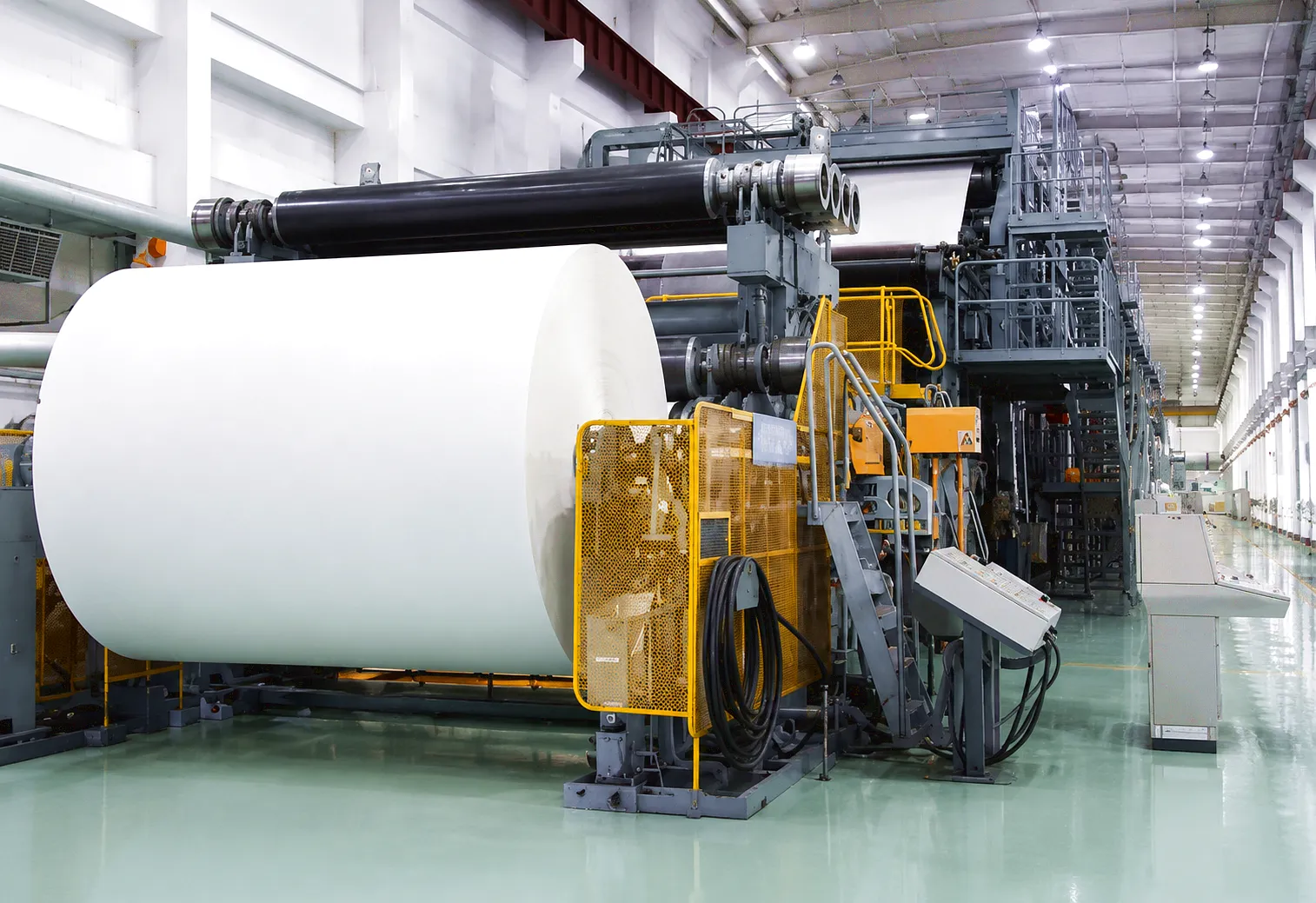 The dryer section is the largest and most mechanically complex zone in a paper machine. A typical newsprint machine running in Wales or Northern England will have 60 to 90 drying cylinders arranged in two rows, each cylinder rotating at a closely controlled speed to maintain the paper web tension profile required for stable running. These cylinders are driven through a combination of dryer gear train sections and individual drives, with gear type couplings connecting each drive element to the cylinder journal or through a gear box pinion shaft. The temperature environment in the dryer section routinely exposes couplings on the lower dryer row to radiant heat from steam-heated cylinder surfaces at 130 to 160 °C, requiring high-temperature grease specification and hub materials with adequate creep resistance at elevated temperatures.
Speed synchronisation between dryer groups is critical: even a fraction of a percent deviation from the target draw ratio between groups will cause the paper web to flutter, break, or develop defects. The stiffness of the gear coupling in the torsional direction is therefore an important selection criterion in dryer drives — low-torsional-stiffness flexible couplings can allow cyclical speed variation to develop, whereas the inherently high torsional stiffness of a gear coupling transmits drive signals accurately from inverter-controlled motors through to the cylinder surface speed, supporting the closed-loop speed control systems that modern UK paper mills rely on for consistent quality.
Application Scenario 4: Supercalender and Soft Calender Drives
Calendering equipment subjects drive couplings to a demanding cycle of load transients. When the roll stack opens on a web break, the drive load drops almost instantaneously from full rated torque to near zero; when the stack closes and nips the new web threading, the torque spikes sharply as the rolls accelerate the web. This repeated shock loading accelerates fatigue damage in coupling components that are not designed to handle it. The gear coupling, with its crowned tooth geometry acting as a mechanical fuse that limits peak transmitted moments at extreme misalignment, and its all-steel construction that handles shock loads without the material degradation that elastomeric elements can suffer, is well-adapted to the calender drive environment in British publication paper and packaging board mills.
In supercalenders with thermo-rolls or polymer-covered intermediate rolls — configurations common in coated paper production in Aylesford, Kent — the drive side of the thermo-roll requires a coupling that can be quickly removed to allow roll cover replacement. Spacer-type gear couplings, with a removable centre distance piece, provide this service-access feature without requiring motor or gearbox repositioning during the cover change operation. The coupling spacer length is specified to match the mill’s maintenance procedures, and standard flange face dimensions allow interchangeability with OEM and aftermarket parts sourced directly from manufacturers.
Application Scenario 5: Pope Reel and Converting Winder Drives
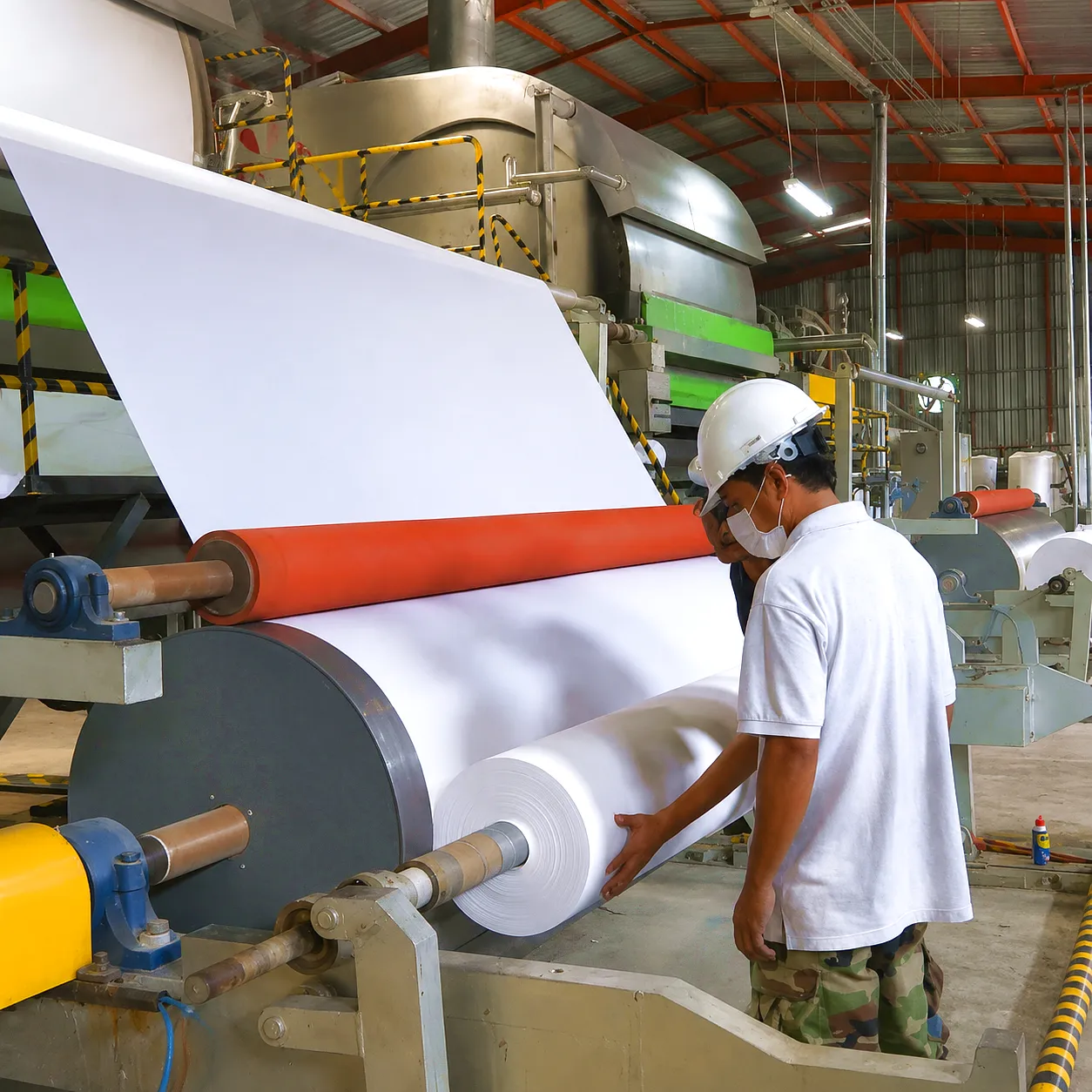 The Pope reel at the dry end of the paper machine builds a jumbo reel of finished paper, accelerating from zero to full machine speed during each reel spool change, which may occur every 20 to 45 minutes depending on paper grade and machine width. The reel drum and rider roll drive systems must handle repeated acceleration cycles as well as the continuous torque required to wind the reel against a controlled tension profile. Gear type couplings connecting the reel drum motor gearbox to the reel drum journal must be sized not just for steady-state torque but for the peak torque during acceleration, which can be two to three times the running torque on high-inertia winding configurations.
In the winder department, where the jumbo reel is unwound and re-wound onto customer cores at high speed, the drive system operates with frequent starts and stops across multiple slitting configurations. Winder drives at converting facilities in Birmingham, Leeds and Glasgow are specified with light-series or standard-series gear couplings depending on winder width and maximum speed, with bore diameters customised to match the gearbox output shaft without the need for sleeve bushings that would add complexity to the assembly. Stainless steel variants are occasionally specified in facilities that convert specialty papers requiring clean-room adjacent processing conditions.
Ever Power: Precision Manufacturing and Customisation Capability
Factory Excellence · Custom Engineering · Global Supply Chain
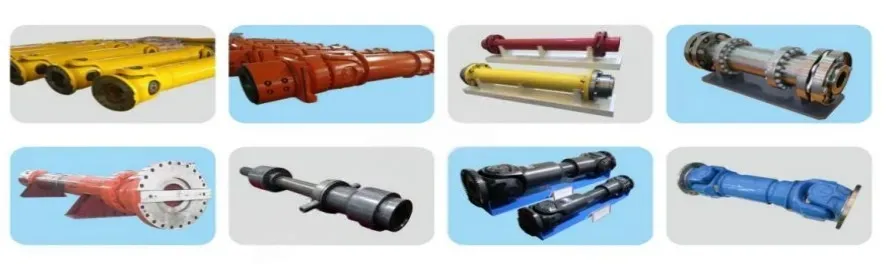
Ever Power operates a purpose-built manufacturing facility equipped with CNC gear hobbing machines calibrated to DIN 3963 accuracy grade 6 and above, CNC turning centres capable of machining bore diameters from 20 mm to 500 mm to tolerance bands of H6/H7, and a metrology suite holding ISO 17025 accreditation for dimensional verification. The production process for each gear type coupling begins with material certification — every batch of alloy steel is verified against the specified composition by in-house spectrographic analysis, with results traceable to the steel mill heat number. This discipline means that when a UK paper mill engineer specifies 42CrMo4 alloy to BS EN 10083-3, they receive exactly that, with supporting documentation available for inclusion in the mill’s engineering dossier.
Customisation capability at Ever Power extends well beyond bore diameter and keyway cutting. The engineering team designs spacer lengths calculated to match specific machine centre-to-centre distances, flange face diameters matched to existing OEM flanges to avoid adapter requirements, special tooth profiles optimised for particular misalignment and torque combinations, and custom surface treatments — including hard chrome plating, Xylan coating and electroless nickel — selected to match the chemical environment in different paper machine sections. For UK customers, Ever Power provides full dimensional drawings in metric format with BS/EN standard references, reducing the effort required to integrate procurement into existing engineering workflows. Delivery to UK addresses is managed through established logistics partners, with standard ex-works lead times of 15 to 20 days for catalogue sizes and 25 to 35 days for custom-engineered units, with expedited options available for urgent breakdown replacements.
🏭
CNC Precision Manufacturing
DIN 3963 Grade 6 gear accuracy, ISO-accredited metrology
🔧
Разработка по индивидуальному заказу.
Spacer lengths, custom flanges, special tooth profiles, bespoke surface treatments
✅
Сертификация материалов
In-house spectrographic analysis, full traceability to steel mill heat number
🚢
UK Supply Chain
15–20 day standard, 25–35 day custom, expedited breakdown options available
Featured Ever Power Gearbox Products
⚙️
HC-RC31 PTO Gearbox
A robust, compact PTO gearbox engineered for demanding agricultural and industrial applications, delivering reliable power take-off performance with heavy-duty gear construction. Ideal for use with tractors and stationary power units across UK farm and industrial operations, the HC-RC31 features precision-machined gears, durable housing, and easy-access service points that reduce maintenance time in the field.
View HC-RC31 PTO Gearbox →
🔩
HC-RC30-193 PTO Gearbox
The HC-RC30-193 is a higher-capacity PTO gearbox designed for applications demanding elevated power transmission with a wider bore range. Manufactured with heat-treated alloy gears and a high-strength cast housing, it handles the torque spikes common in mixed-use UK farm machinery and light industrial drive systems. Its dimensional compatibility with common gearbox mounting standards simplifies installation and replacement in existing drivetrain configurations.
View HC-RC30-193 PTO Gearbox →
Customer Success Story: Flintshire Paper Mill, North Wales
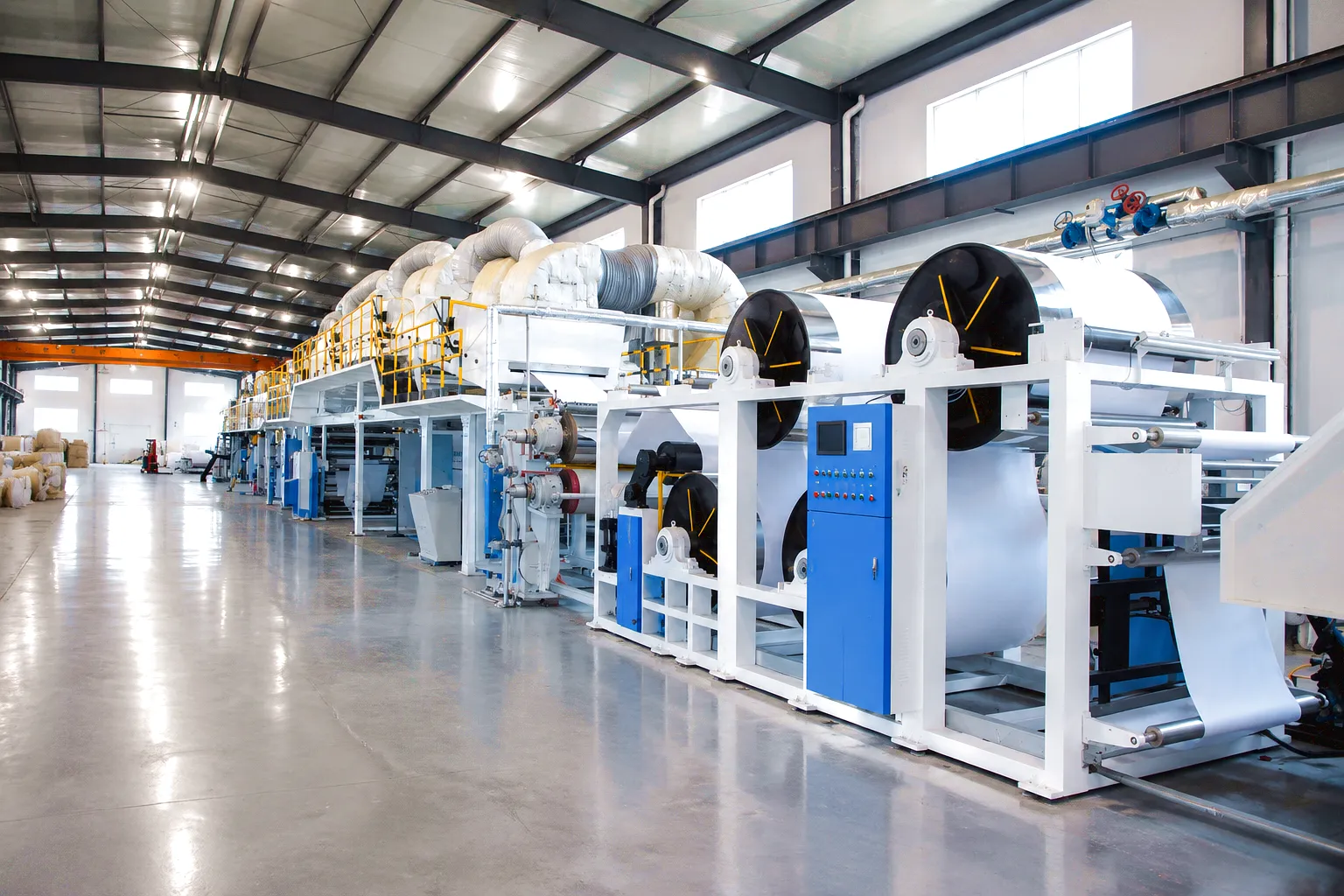 A mid-sized newsprint and packaging paper producer in Flintshire, North Wales — operating two fourdrinier machines and a separate corrugating medium machine — approached Ever Power in late 2023 with a recurring problem on one of its dryer section drive positions. The mill had been experiencing unplanned stoppages roughly every eight weeks on the number-2 dryer machine, caused by rapid wear of the coupling teeth on the third dryer group gearbox output муфта вала. Investigation revealed that the OEM-supplied coupling fitted during a 2019 machine rebuild had an insufficient misalignment tolerance for the angular offset that developed as the dryer frame expanded thermally after start-up. The tooth contact was concentrated at the extreme ends of the tooth face rather than distributed across the crown, leading to Hertzian contact stress levels well in excess of the material endurance limit and consequently to accelerated micropitting and fatigue spalling of the tooth surfaces.
Ever Power’s engineering team reviewed the operating data — shaft alignment survey records from the mill’s own maintenance department, motor current logs showing the cyclic loading pattern, and wear debris analysis from the coupling cavity grease — and specified a replacement coupling with a wider crown radius on the external teeth, a higher-specification alloy grade for the hub material (upgrading from 40Cr to 42CrMo4 with a minimum core hardness of 280 HB), and a re-specified grease fill using a lithium complex base with EP additives rated to 150 °C continuous service temperature. The replacement coupling was manufactured to the mill’s existing shaft bore diameter (155 mm) with the original keyway position retained to avoid re-keying the gearbox shaft, and the flange bolt circle diameter was matched to the mill’s existing flange — meaning the swap-out took less than four hours rather than the full-day operation a non-interchangeable unit would have required.
Since installation in January 2024, the number-2 dryer group has run continuously without coupling-related stoppages through two annual shutdown inspections. The coupling showed only minor running-in wear marks at the 12-month inspection, well within the expected range for a correctly specified and lubricated gear coupling in dryer service. The mill’s maintenance manager estimated that eliminating six to eight unplanned stoppages per year, each requiring four to six hours of production recovery time, represented a production benefit equivalent to 240 to 480 hours of additional running time annually on that machine alone — a figure that easily justifies the capital and engineering cost of the specification exercise.
What UK Engineers Say About Ever Power Gear Couplings
★★★★★
“We specified the Ever Power heavy-series gear coupling for our number-1 press roll drive as part of a dryer rebuild, and the engineering support we received during the selection process was outstanding. They correctly identified that our previous coupling was underrated for peak nip torque and provided a replacement that has now run two full years without any tooth wear issues. The custom bore machining to our exact H7 fit tolerance was executed to micron-level accuracy.”
— Mechanical Engineering Manager, Packaging Board Mill, Sheffield
★★★★★
“The lead time on a custom spacer coupling for our tissue machine dryer section was 18 working days from drawing approval to delivery at our Glasgow facility — genuinely impressive for a fully custom item. The coupling arrived with full material certifications, dimensional inspection report and grease fill documentation. It went straight onto the machine without any field fitting issues. Ever Power’s willingness to produce an exact interchangeable replacement for a legacy OEM part saved us a major re-engineering exercise.”
— Senior Drive Systems Engineer, Tissue Mill, Glasgow
★★★★★
“We trialled Ever Power standard-series gear couplings across three forming roll drive positions on our fourdrinier machine in Birmingham following poor performance from our previous supplier’s units. After 14 months in service — including two summer shutdown inspections — tooth wear has been negligible and we have had no lubrication-related failures. The cost per unit compared favourably with European suppliers, and the technical data pack met our quality system requirements without any chasing. We will be extending the Ever Power specification across the remaining drive positions at our next scheduled rebuild.”
— Maintenance Planning Manager, Newsprint Mill, Birmingham
Frequently Asked Questions: Gear Type Couplings for UK Paper Mills
▶ What is the typical cost of a custom gear type coupling for a paper machine dryer section drive in the UK?
The price of a custom gear coupling for dryer section drives varies with bore diameter, torque rating, material specification and surface treatment. For standard-series units in the 80 mm to 150 mm bore range, ex-works pricing from Ever Power typically falls in the range of £180 to £650 per coupling in single-unit quantities, with volume pricing available for mills replacing multiple positions in a single maintenance programme. Heavy-series units above 200 mm bore with custom spacer elements or stainless steel components are quoted individually. To receive an accurate quote tailored to your machine data, please contact the Ever Power UK sales team directly — lead times and pricing can be confirmed within 24 hours of receiving a drawing or dimensional specification.
▶ How do I know which gear coupling series is right for my specific paper machine section and operating speed?
Selection depends on four primary parameters: the maximum continuous torque at the coupling position (in Nm), the maximum shaft speed (in rpm), the measured or estimated shaft misalignment (angular and radial), and the operating temperature range. Once these are known, a coupling series is selected to ensure the rated torque exceeds the maximum continuous torque by a service factor appropriate to the load character — typically 1.5 to 2.0 for paper machine drives with frequent start cycles. Ever Power’s engineering team can assist with service factor selection and coupling sizing if you provide motor power, speed, and shaft dimensions. For paper mills in Scotland, Wales or England where existing machine documentation is incomplete, the team can guide field measurement procedures to gather the necessary data.
▶ Where in the UK can I source a replacement gear type coupling quickly if my paper machine has an unexpected breakdown?
Ever Power maintains a fast-response supply route to UK customers through its established freight forwarding partnerships. For catalogue-size couplings — those within standard bore diameter ranges available from finished or semi-finished stock — expedited manufacturing and air freight to UK addresses can reduce lead time to as little as seven to ten working days from order confirmation. For a paper mill in Birmingham, Leeds, Manchester, Glasgow or Cardiff experiencing an unplanned drive failure, the most effective first step is to send a dimensional sketch or photograph of the existing coupling to
[email protected], specifying the bore diameter, hub length, flange bolt circle diameter and keyway dimensions, so that the closest stocked size can be identified and dispatched as a priority.
▶ How often should gear type couplings on a tissue machine running in Manchester be relubricated, and what grease is recommended for high-temperature dryer positions?
Lubrication intervals depend on operating speed, coupling size and the ambient temperature at the coupling position. For dryer section positions where ambient temperatures routinely exceed 80 °C, a lithium complex or polyurea base grease with extreme-pressure additives, a base oil viscosity of 150 to 220 cSt at 40 °C, and a dropping point above 200 °C is recommended — examples include Shell Gadus S2 V220AD 2, Mobil Grease XHP 222, or equivalent products meeting NLGI Grade 2 specification. At these temperatures and at typical dryer section speeds of 200 to 500 rpm coupling speed, relubrication intervals of six to twelve months are generally appropriate, aligned with mill shutdown schedules. Sealed-for-life variants using high-temperature grease eliminates the interval requirement entirely for positions where access is difficult.
▶ Which UK paper mills or heavy manufacturing sectors in Sheffield and Birmingham typically use gear couplings, and what are their main specification requirements?
Gear type couplings are used across a broad range of UK heavy manufacturing sectors beyond paper: steel rolling mills in Sheffield and Rotherham use them on rolling mill drives and coiler mandrel drives; Birmingham-area automotive press plants use them on blanking press flywheels and transfer line drives; chemical plants in Teesside use stainless steel variants on pump and compressor drive trains. In all these sectors, the common specification priorities are bore-to-torque ratio, misalignment accommodation, service life under continuous running, and availability of interchangeable replacement parts. For UK procurement teams evaluating suppliers, the ability to provide BS/EN standard material certification and a dimensional inspection report with each delivery is a baseline expectation that Ever Power consistently meets.
▶ When is a spacer-type gear coupling the right choice over a close-coupled design on a paper machine drive, and how does the spacer length affect the price?
A spacer coupling is specified when the drive arrangement requires the coupling to bridge a defined axial distance — most commonly where the gearbox and driven shaft cannot be brought close enough together for a close-coupled unit, or where service access is needed (removing the spacer allows the gearbox shaft seal to be replaced or the roll cover to be changed without moving the motor or gearbox). The spacer length is typically determined by the machine layout, and can range from 100 mm to 600 mm or more on large paper machine positions. Price increases with spacer length as additional material and machining operations are involved, but the increment is moderate — a spacer 400 mm long in a standard-series coupling typically adds 20 to 35 percent to the coupling price compared with a close-coupled unit of equivalent torque rating. Ever Power can manufacture spacers to any required length within the torsional stiffness limits of the selected coupling series.
Ready to Specify Gear Type Couplings for Your UK Paper Mill?
Send your shaft dimensions and drive data to Ever Power’s engineering team for a no-obligation technical review and competitive quote.
отредактировано gzl