 Paper machines rank among the most demanding continuous-process installations in British industry. A single production line in a mill outside Sheffield or Sunderland may stretch well over a hundred metres from wet end to reel, integrating forming sections, press sections, drying cylinders, calendering rolls, and reeling systems into a single, precisely choreographed mechanical system. Each segment operates at a slightly different speed — an intentional design strategy that maintains paper web tension and prevents costly breaks — yet every shaft in the line must deliver torque reliably, twenty-four hours a day, through humidity levels that would corrode ordinary hardware within weeks.
Gear type couplings have earned their place at the centre of this challenge. Compared with rigid couplings or flexible jaw variants, they provide the unique combination of high torque density, angular and parallel misalignment compensation, and axial float that paper machine designers demand. When a drying cylinder expands thermally at operating temperature, or when foundation settlement causes shaft centrelines to drift fractionally over months of use, a gear coupling absorbs those movements without transmitting harmful reaction loads back into gearboxes and bearings. The result is extended service intervals, reduced vibration, and the kind of uptime that mill managers in Birmingham, Leeds, and across the North of England depend on to meet production targets.
Working Principle of Gear Type Couplings
Mesh Engagement
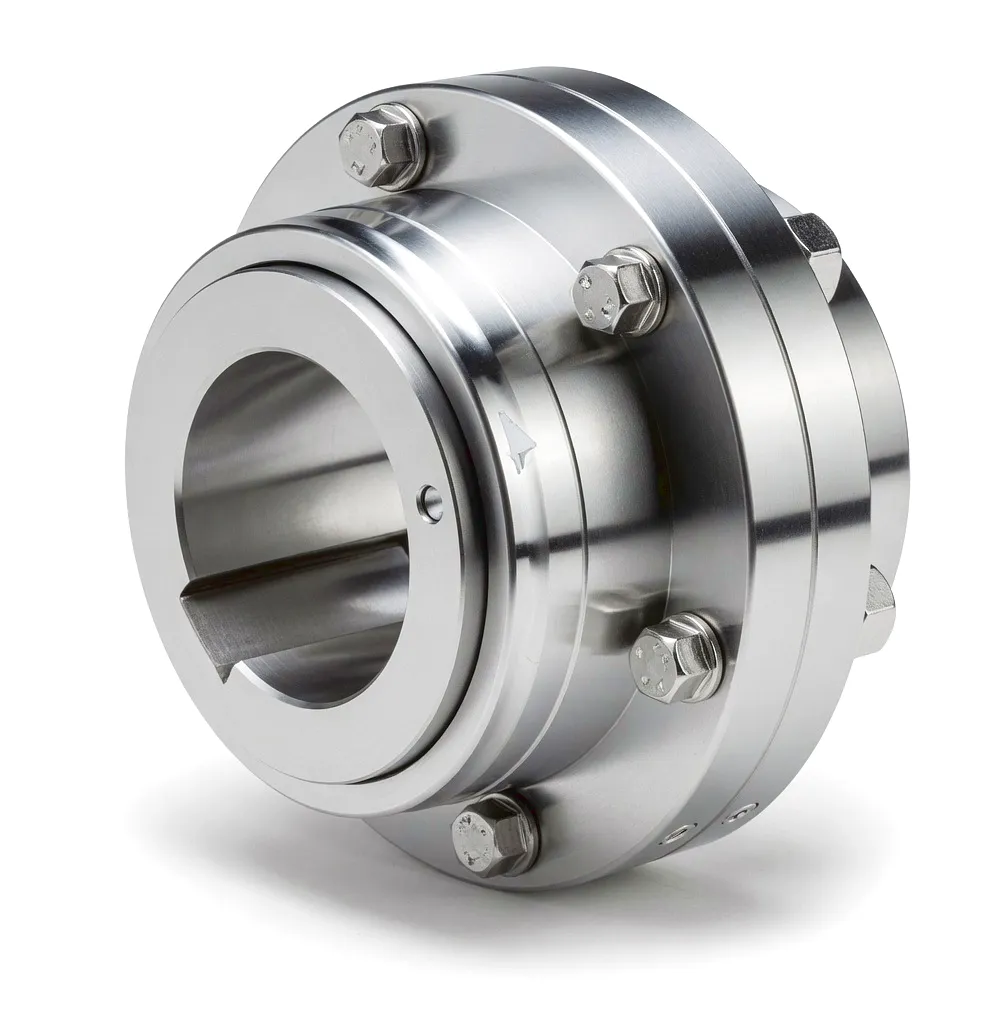
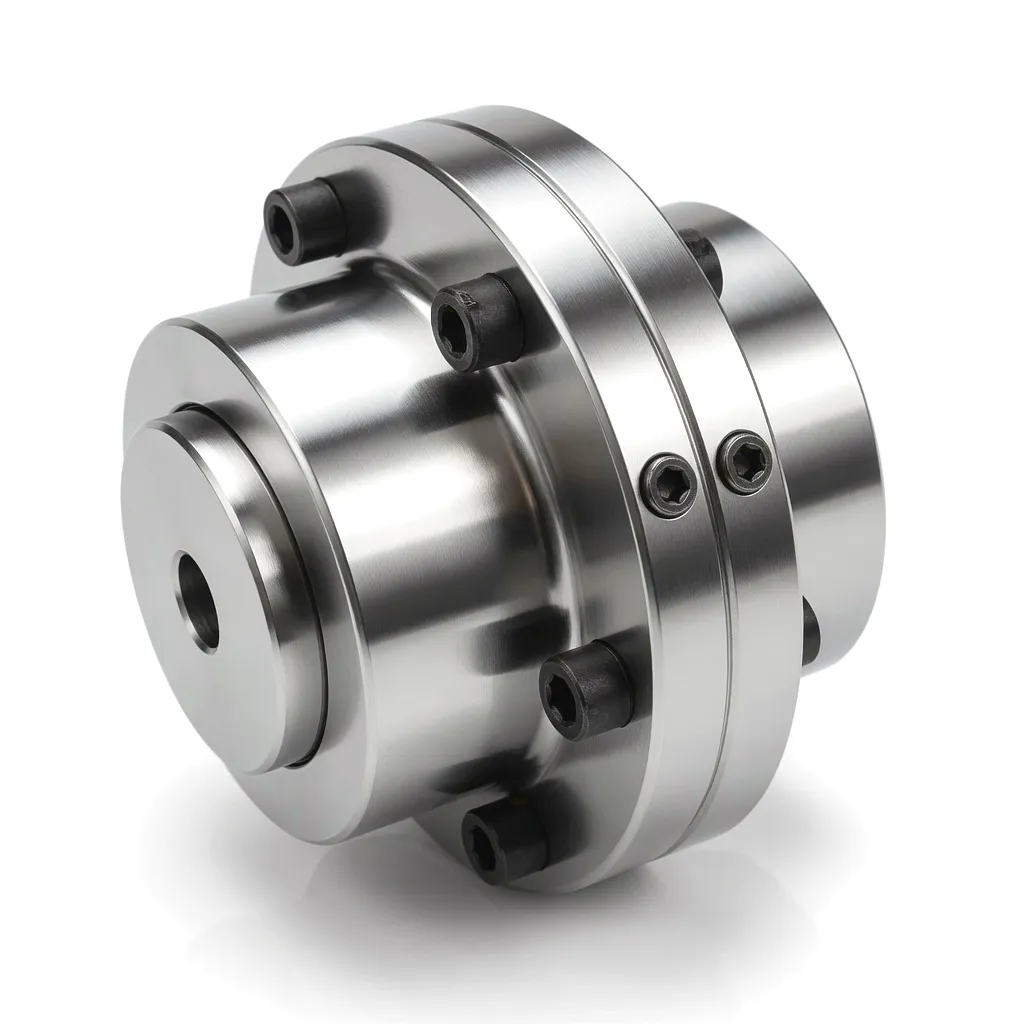
A gear coupling consists of two outer hubs, each carrying a set of external involute teeth, meshing with an inner sleeve featuring matching internal teeth. Torque passes through the tooth flanks in shear, distributing load across the full face width. Because the external teeth are crowned — slightly barrel-shaped along their length — the assembly tolerates angular misalignment of up to 1.5° per gear set without edge loading, while still maintaining full-face contact at the pitch circle. This geometry is the fundamental reason gear couplings can transmit very high torques while simultaneously accommodating shaft misalignment that would destroy a rigid connection.
Lubrication Circuit
Gear teeth in mesh generate friction heat, and in paper mill conditions that heat combines with moisture contamination to accelerate wear unless managed properly. Modern gear couplings for continuous process applications are grease-packed, with labyrinth seals or O-ring retained end caps keeping lubricant in and paper slurry out. High-speed variants — suited to paper machine sections running at 2000 m/min and above — may use oil-circulation lubrication integrated with the main gearbox supply. The lubrication design directly determines re-greasing intervals, which in a UK paper mill typically align with scheduled maintenance windows every six to twelve months, minimising unplanned downtime costs.
Axial Float & Thermal Compensation
Paper machine dryer sections operate at elevated temperatures, and the steel cylinders expand axially as they heat up. Without a coupling that accommodates axial movement, shaft end forces build rapidly, overloading thrust bearings and causing premature gearbox failure. The internal sleeve of a gear coupling can slide freely along the hub teeth, providing axial float typically in the range of 5–25 mm depending on coupling size, while maintaining full torque transmission. This sliding action requires no external hardware adjustment and is entirely self-managing, making gear couplings the preferred solution in both new machine builds across British mills and retrofit programmes on older equipment originally fitted with rigid flanged connections.
Core Materials Used in Gear Coupling Manufacture
 Material selection sits at the foundation of every gear coupling’s performance envelope. In paper mill environments — where the combination of high humidity, alkaline papermaking chemicals, steam condensate, and mechanical vibration attacks components simultaneously — generic material choices rapidly prove inadequate. Ever Power applies a structured approach to material specification based on operating conditions, torque requirements, and the specific section of the paper machine being served.
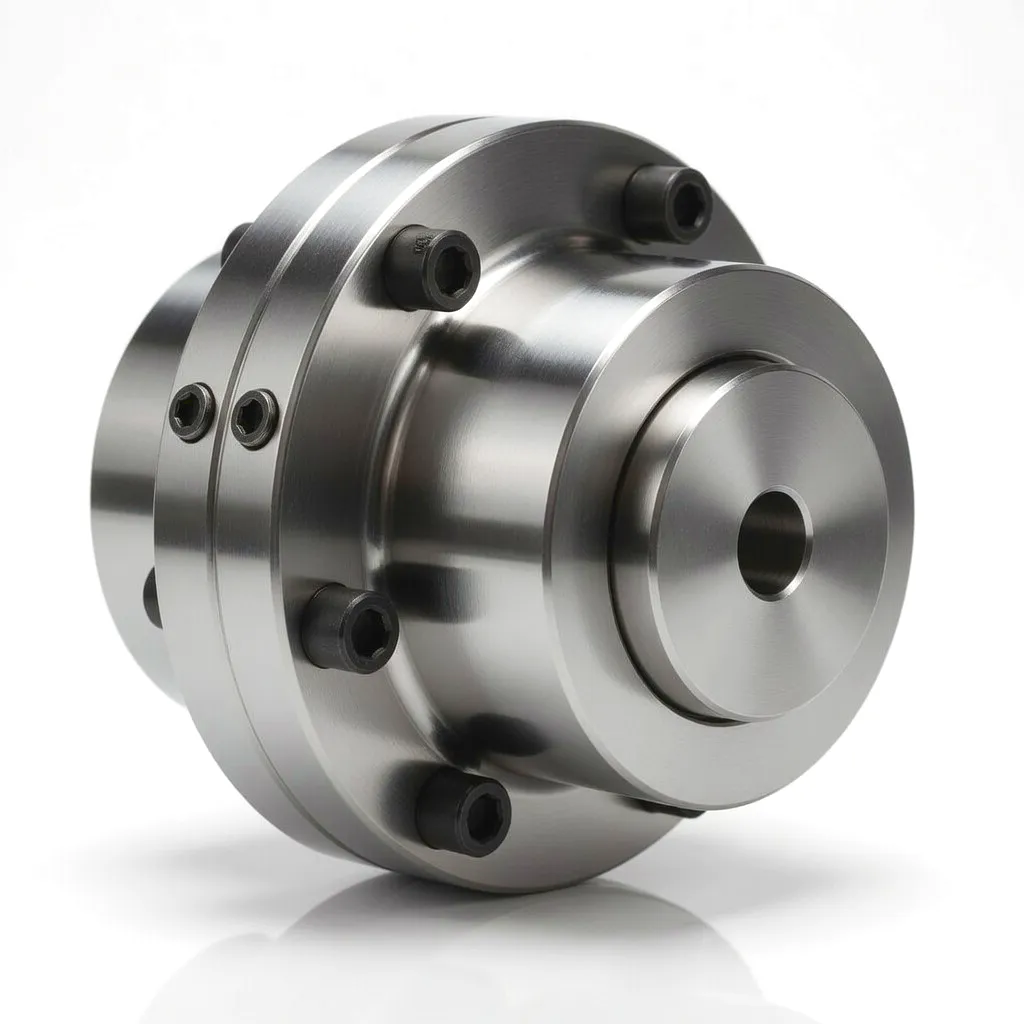
Hub bodies destined for standard dryer section drives are machined from medium-carbon alloy steel, typically 42CrMo4 or its British equivalent EN19. This grade offers yield strengths in the range of 700–850 MPa after appropriate heat treatment, providing the tooth root strength needed to handle peak torque transients during machine acceleration without plastic deformation. Where corrosion resistance takes priority — for instance, in the wet end forming section where paper stock jets saturate the environment — stainless steel grades such as 17-4PH or 316L may be specified, accepting a modest reduction in absolute torque capacity in exchange for dramatically improved service life and reduced inspection frequency.
Inner sleeves handling the highest surface contact stresses at the tooth interface are carburised and case-hardened to achieve surface hardness values of 58–62 HRC, with a case depth of 0.8–1.5 mm that preserves a tough, ductile core beneath the hard surface. This gradient hardness profile resists pitting fatigue — the progressive surface damage caused by repeated Hertzian contact stress cycles — which is the primary wear mode in gear couplings running above 500 rpm. Seal components are moulded from fluoroelastomer or NBR compounds selected for resistance to grease degradation and steam exposure, with operating temperature ratings comfortably exceeding the 100–120°C dryer hood temperatures common in UK paper mills.
Product Advantages
Yüksek Tork Yoğunluğu
Gear tooth engagement distributes load across the full face width, enabling torque ratings many times higher per unit mass than jaw or disc couplings of equivalent bore — critical in paper machine main drives where space envelopes are constrained and torque demands are severe.
Three-Way Misalignment Tolerance
Angular misalignment up to 1.5° per mesh, parallel offset compensation, and axial float are all handled simultaneously without generating significant radial loads on connected bearings — a capability no rigid coupling can offer and only limited flexible alternatives can match at comparable torque levels.
Continuous-Run Reliability
Properly maintained gear couplings in paper mill service regularly achieve service lives exceeding five years between overhauls. The absence of elastomeric elements that degrade over time means there is no ageing-related performance drop — the coupling behaves the same on day 1500 as it did on day one, provided the lubrication schedule is maintained.
High-Speed Balanced Operation
For paper machine sections running beyond 1500 m/min, dynamically balanced gear couplings reduce residual unbalance to G2.5 or better (ISO 1940), keeping vibration levels within limits that protect precision rolls, bearings, and frame structures. Dynamic balancing is performed on the complete assembled coupling, including hubs and sleeve, at Ever Power’s precision machining facility.
Ease of Maintenance
Split-sleeve designs allow the coupling to be disassembled without moving connected machinery — a significant advantage when drives are integrated into long machine trains where removing a gearbox or motor would require extensive scaffolding and rigging. Re-greasing fittings can be positioned to allow lubrication without coupling removal, further reducing maintenance time and cost at UK paper mills operating lean maintenance teams.
Moisture & Corrosion Resistance
Labyrinth seal designs combined with corrosion-resistant surface treatments — including zinc phosphate with epoxy topcoat or full stainless steel construction — ensure that the wet end environment of a papermaking line does not compromise coupling integrity. External surfaces can also be protected with specialised coatings compatible with the cleaning chemicals used during roll changes and machine wash-downs.
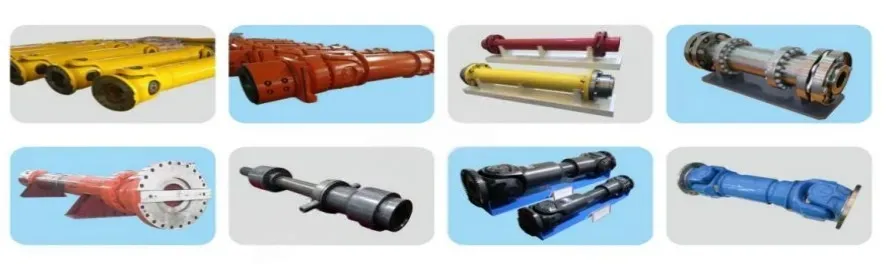
Technical & Performance Parameter Table
Industrial Application Scenarios
Application Scenario 1: Paper Machine Forming Section
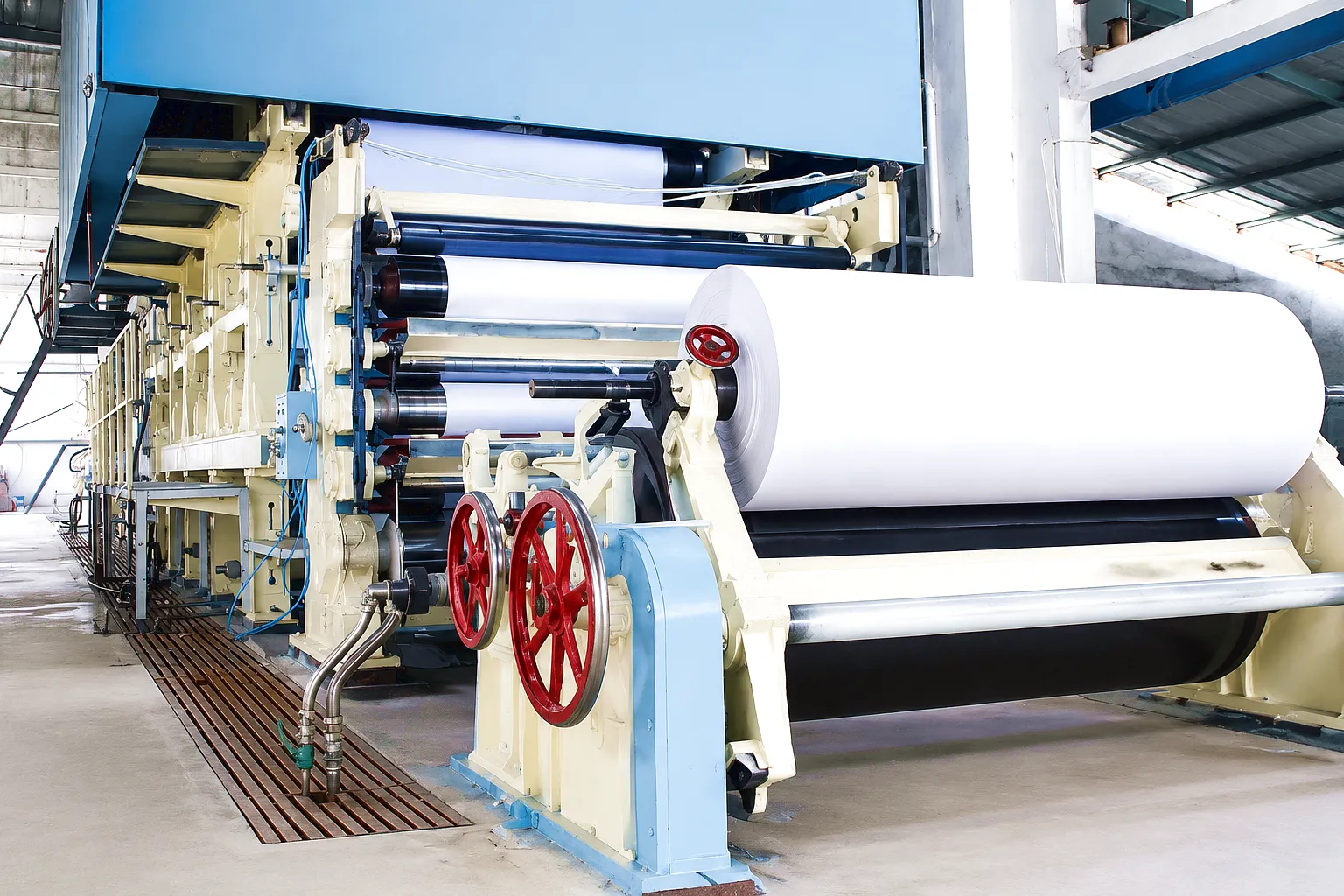
The forming section is where the paper web begins its life — a dilute fibre suspension is ejected at high velocity onto a moving wire fabric, with water draining away rapidly under vacuum and gravity to leave a nascent sheet. The fourdrinier wire or twin-wire former moves at machine speed, driven through a gearbox and coupling arrangement that must maintain precise speed synchronisation with the headbox slice. Any torsional compliance in the coupling introduces velocity variation that translates directly into basis weight inconsistencies in the finished paper — a quality defect that UK tissue producers and fine paper mills cannot accept.
Gear type couplings deployed in forming section applications are typically matched to motor outputs in the range of 55–315 kW, with coupling torque ratings selected to provide a service factor of at least 1.5 over the nominal drive torque. The wet forming environment means the coupling must resist water jet impingement and the aggressive cleaning agents used during wire changes. Ever Power supplies forming section gear couplings with stainless steel hardware and fluoroelastomer seals as standard for this application, with optional nitrogen-charged grease formulations that maintain viscosity even when occasional water contamination enters the seal gap during wash-down procedures between production runs.
Application Scenario 2: Press Section Roll Drives
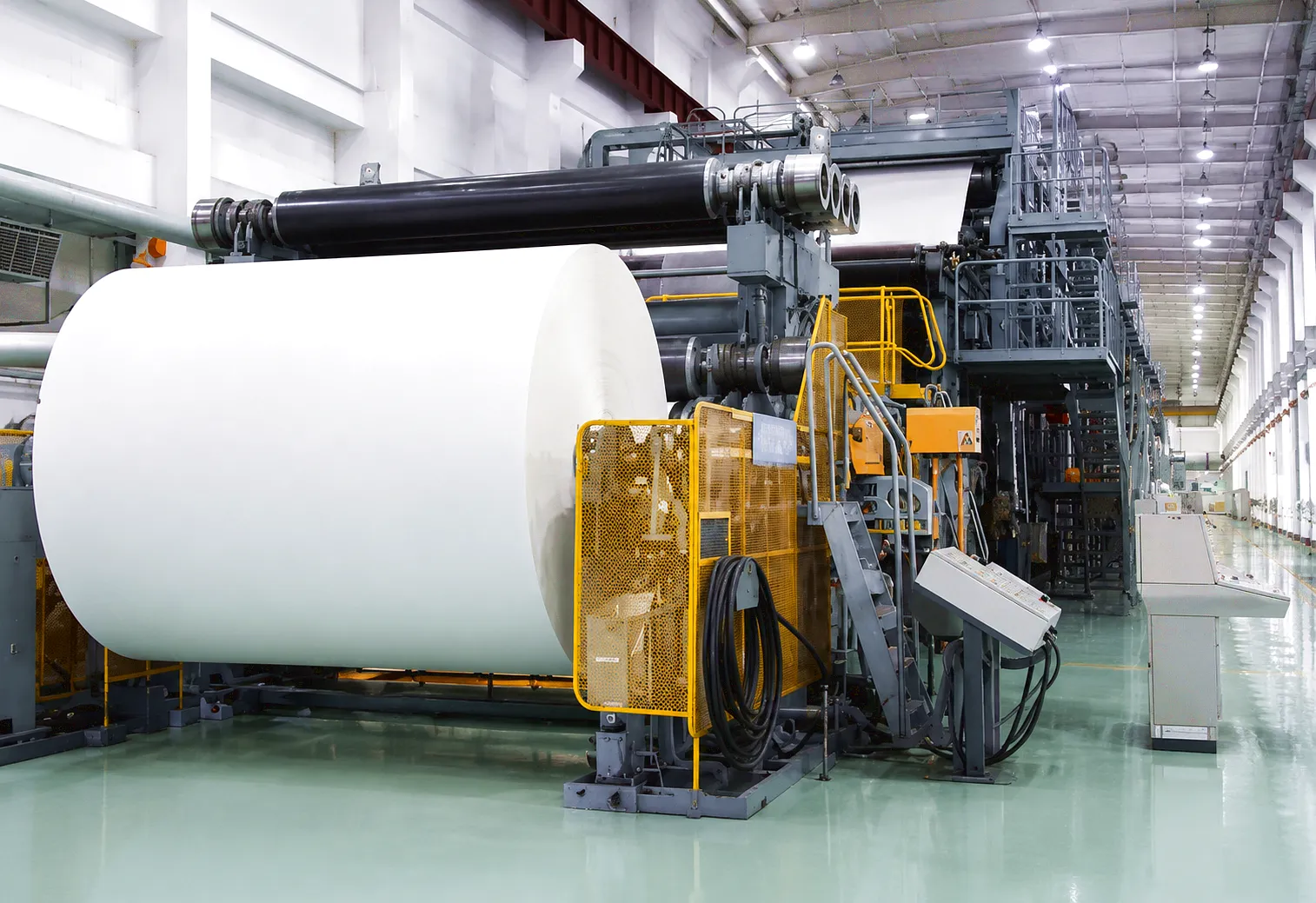
After the forming section has drained free water from the web, the press section mechanically squeezes additional moisture out by passing the paper between pairs of press rolls loaded at line pressures of up to 1200 kN/m. These rolls are the heaviest rotating components in a paper machine, sometimes exceeding 20 tonnes each, and the gearboxes and couplings driving them must handle the highest torques in the machine train. The extended-nip press configurations now common in modern UK mills further increase the torque demands on drive components, as the longer nip geometry requires higher roll loads to achieve equivalent dryness.
Roll deflection under load can amount to several millimetres across the roll face, and this deflection manifests as shaft angular misalignment at the coupling connection points. Heavy-duty gear type couplings rated for angular misalignment accommodation absorb this deflection without transmitting bending moments into the gearbox output shaft, protecting the gearbox bearings from cyclic loading that would otherwise dramatically shorten their L10 service life. Press section couplings in a modern board mill in Sunderland or a tissue machine in Bristol operate continuously at high torque levels for periods of twelve months or more between planned outages — a reliability requirement that few coupling types other than the gear design can reliably meet.
Application Scenario 3: Dryer Section — Heat and Humidity
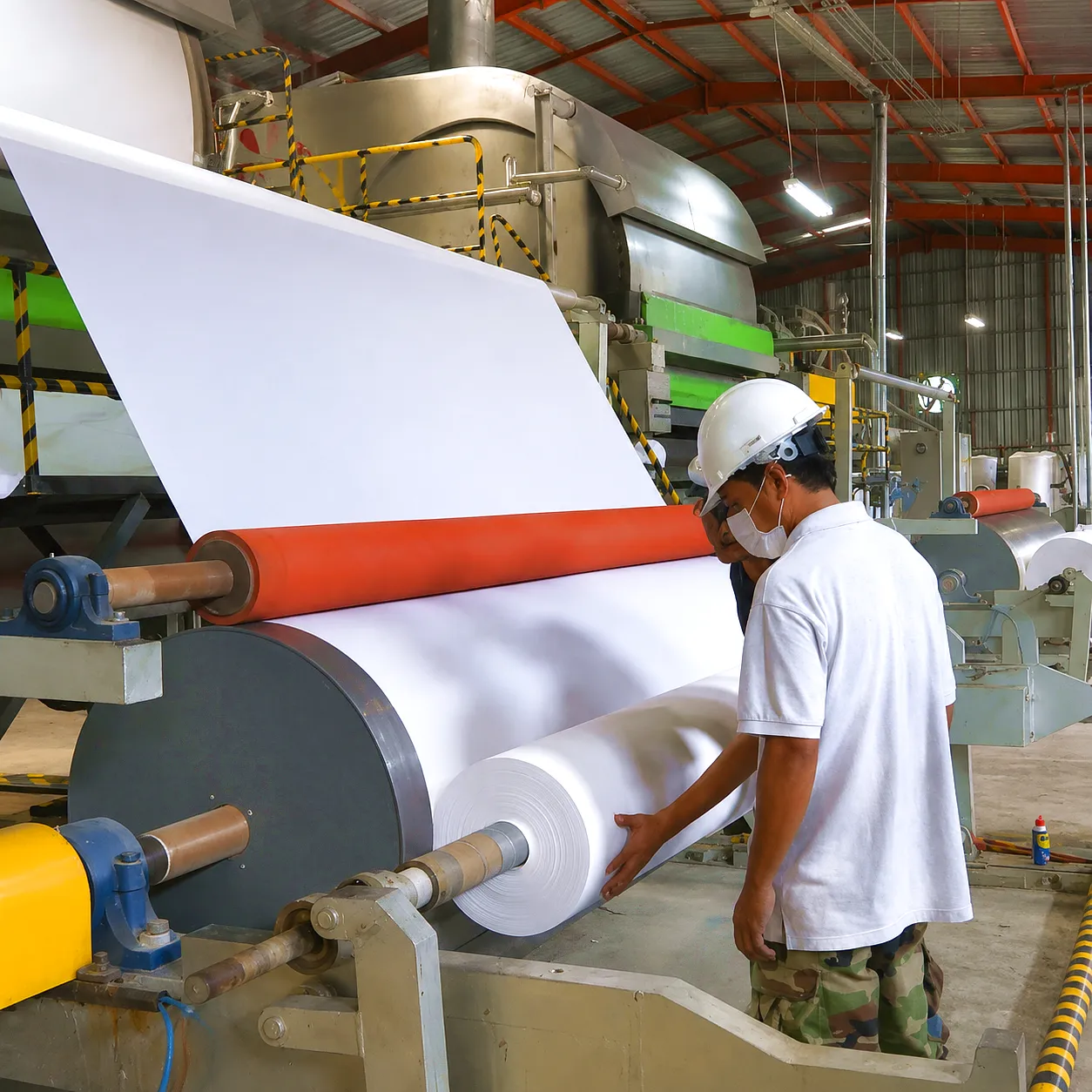
The dryer section is where gear type couplings face their most demanding thermal challenge. Rows of steam-heated cast iron cylinders — typically 1.5 to 1.8 metres in diameter — evaporate residual moisture from the paper web as it travels in an S-path contact over their surfaces. Cylinder surface temperatures reach 90–130°C, and the condensate management system within each cylinder operates at steam pressures of 3–8 bar. The entire dryer hood environment is warm and humid, with condensation forming on any surface that dips below the dew point during production transitions or weekend shutdowns.
Thermal expansion of dryer cylinders along the machine direction — sometimes called machine direction growth — accumulates across a dryer group of 30–60 cylinders to values of 20–80 mm depending on operating temperature and materials of construction. Gear couplings at each end of the drive system accommodate this growth through their axial float capability, preventing the build-up of axial compressive forces that would otherwise cause thrust bearing failure and machine downtime. For paper mills in Caledonian Scotland or across the Yorkshire mill belt, where production continuity directly impacts energy efficiency and profitability margins, this thermal compensation function represents a tangible commercial benefit that justifies specification of gear couplings over simpler, cheaper alternatives.
Application Scenario 4: Calender Stack and Reel Drive Precision
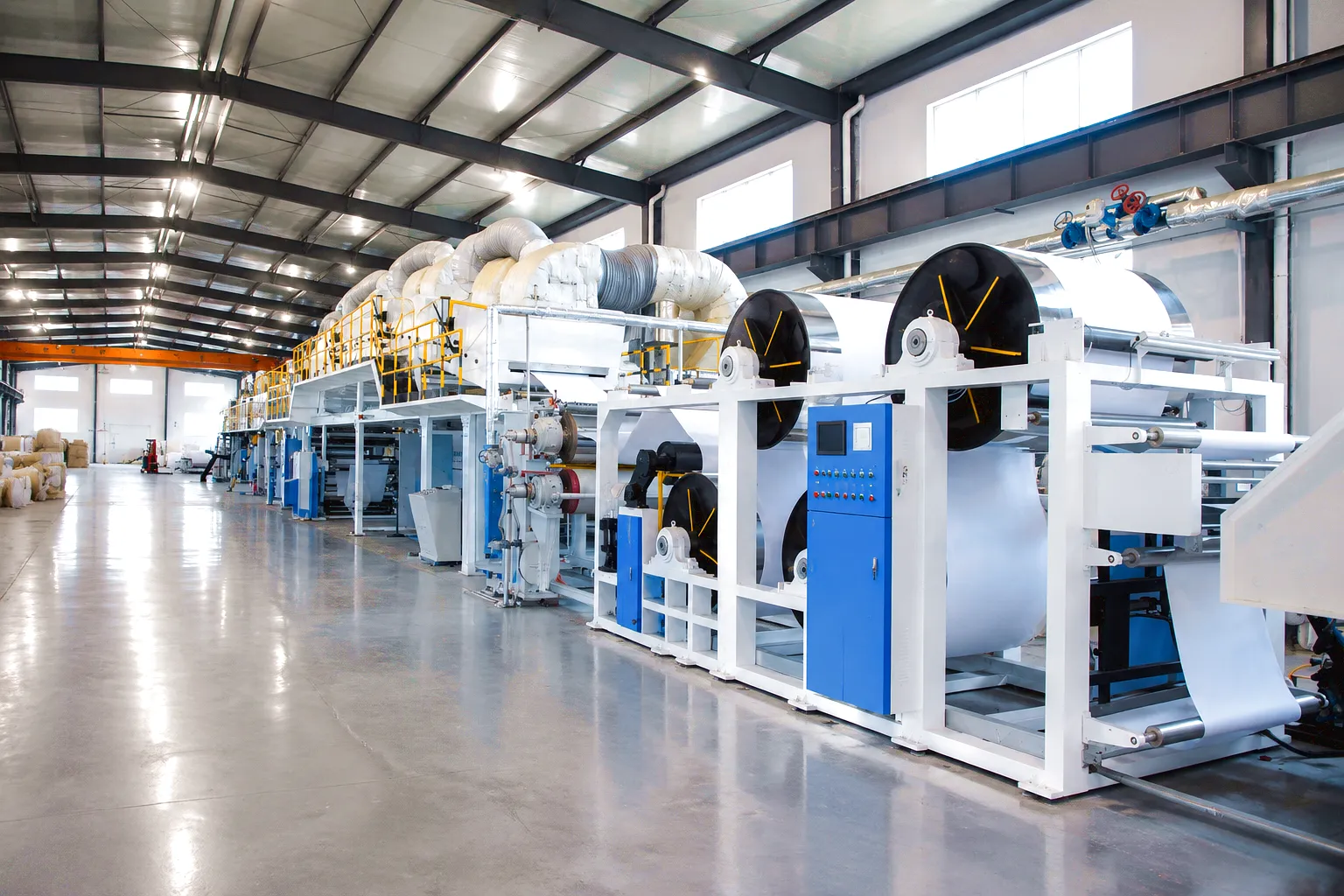
Calendering polishes the paper surface by passing it between heated, highly polished metal rolls under controlled nip pressure. The surface smoothness and gloss achieved depend critically on the uniformity of roll speed — even fractional speed differentials between rolls in a multi-nip calender cause sheet marking or wrinkles that render the reel unsaleable for coated graphic grades. At machine speeds above 1200 m/min, the dynamic precision requirements on the coupling become equivalent to those in precision machine tool applications, requiring balanced assemblies, tight manufacturing tolerances on tooth geometry, and seal systems that prevent grease redistribution under centrifugal force from causing subsequent imbalance during operation.
Reel-up drives present a different challenge: the reel spool grows in diameter continuously throughout the reel cycle, requiring the drive system to manage constantly changing inertia loads while maintaining web tension within tight limits. The gear coupling in this application must transmit torque smoothly through the full reel cycle — from the moment of transfer at spool diameter of 250 mm to the completed jumbo reel at 2.5–3.0 metres — without the torsional shock or vibration that would cause web breaks at the transfer point. Ever Power offers gear couplings with optional torsional damping features for reel drive service, providing the smooth power delivery that high-speed tissue and fine paper machines in the UK market demand from their reel sections.
Related Power Transmission Products
HC-RC31 PTO Gearbox
The HC-RC31 is a robust right-angle PTO gearbox designed for demanding agricultural and industrial drive applications. With a compact, flange-mount housing and high torque rating, it pairs naturally with gear type couplings to complete reliable power transmission train assemblies from tractor PTO output through to implement or pump input. An ideal match for UK contractors requiring versatile, low-maintenance drive solutions in field and fixed-installation service.
HC-RC30-193 PTO Gearbox
The HC-RC30-193 PTO gearbox offers a higher gear ratio configuration optimised for applications where output shaft speed must be stepped down significantly from standard PTO input speed. Whether driving pumps, generators, or processing equipment through a gear type coupling interface, this gearbox provides smooth, efficient power transfer with a compact footprint and long service intervals well-suited to the demands of British mixed farming operations and light industrial installations across the Midlands and North of England.
Customer Success Story: Sunderland Tissue & Packaging Mill
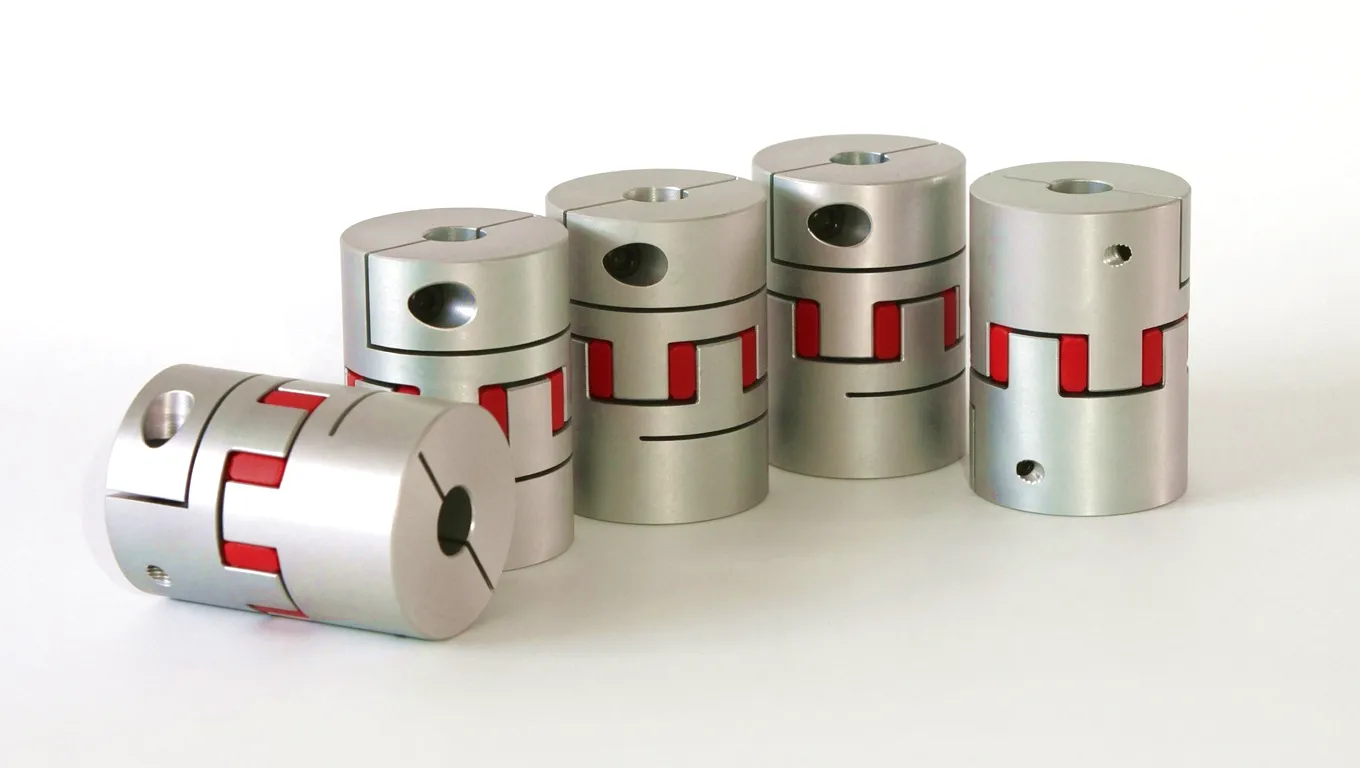 In late 2023, a tissue and packaging mill on the outskirts of Sunderland completed a major capacity upgrade, commissioning a new twin-wire former running at a design speed of 1800 m/min. The project team faced a specific drive challenge in the dryer section: the existing gear couplings from the previous supplier had experienced recurring seal failures within twelve months of installation, attributed to inadequate labyrinth geometry that allowed steam condensate to enter the grease reservoir during weekend shutdown cooling cycles. With repeat bearing replacements adding to maintenance costs and causing unplanned production losses, the mill’s engineering manager initiated a competitive review of gear coupling suppliers ahead of the machine restart.
Ever Power was approached through the mill’s UK engineering consultancy partner. After reviewing the installation drawings, operating conditions, and the failure history documentation, Ever Power’s application engineering team proposed a purpose-designed replacement coupling series incorporating a three-stage labyrinth seal with a central drain groove, a nitrogen-purged grease cavity charged with a lithium complex grease rated to 130°C, and a stainless steel sleeve retainer to prevent galvanic corrosion at the steel-to-cast-iron interface. The proposal included dimensional cross-referencing to the existing gearbox output shaft and roll journal dimensions, confirming direct interchangeability without any modification to connected machinery.
The replacement programme covered twenty-four dryer section coupling positions, installed during a planned eight-day maintenance shutdown. Follow-up vibration analysis conducted three months post-installation confirmed that residual unbalance levels across all coupling positions were within G2.5 tolerances, and grease sampling at the six-month interval showed no evidence of water contamination or degradation. By the twelve-month anniversary of the installation, the mill had recorded zero coupling-related maintenance interventions — a complete reversal of the previous failure pattern that had generated four unplanned stops in the preceding year. The maintenance manager estimated that the avoided production loss alone represented a return exceeding three times the cost of the coupling replacement programme, before accounting for reduced spares inventory and maintenance labour savings.
“Ever Power’s dryer section couplings have completely transformed our maintenance profile. We went from four unplanned stops in a year to zero in twelve months. The three-stage seal design is genuinely superior to anything else we have trialled on this machine — and the dimensional interchangeability meant we could change all twenty-four positions within our eight-day window without a single unexpected complication.”
“The technical support from Ever Power before the order was placed was exceptionally thorough. Their application engineer reviewed our failure history, identified the root cause — which our previous supplier had never properly investigated — and proposed a targeted engineering solution rather than just offering a standard product. That level of engagement is rare from a coupling manufacturer and gave us genuine confidence in the specification.”
“Vibration levels on our dryer section have dropped noticeably since the Ever Power couplings were installed. Our condition monitoring team has recorded a sustained reduction in dryer bearing velocity RMS values across the group, which is exactly what we hoped for with a G2.5 balanced coupling set. At the six-month grease sample, there was no contamination whatsoever — exactly the outcome the seal design promised and delivered.”
Sıkça Sorulan Sorular
Ready to Specify the Right Gear Coupling?
Send your shaft drawings, operating torque, and speed requirements to Ever Power’s engineering team for a detailed technical proposal and competitive price.