Deniz Ana Tahrik Sistemlerinde Dişli Tipi Kaplin: İngiltere Denizcilik ve Gemi İnşa Sektörü İçin Kesin Teknik Kılavuz
From misalignment compensation to salt-spray corrosion defence — an in-depth technical examination of how gear type couplings protect propulsion drivetrains on commercial vessels, offshore support ships, and naval craft operating in and around British waters.
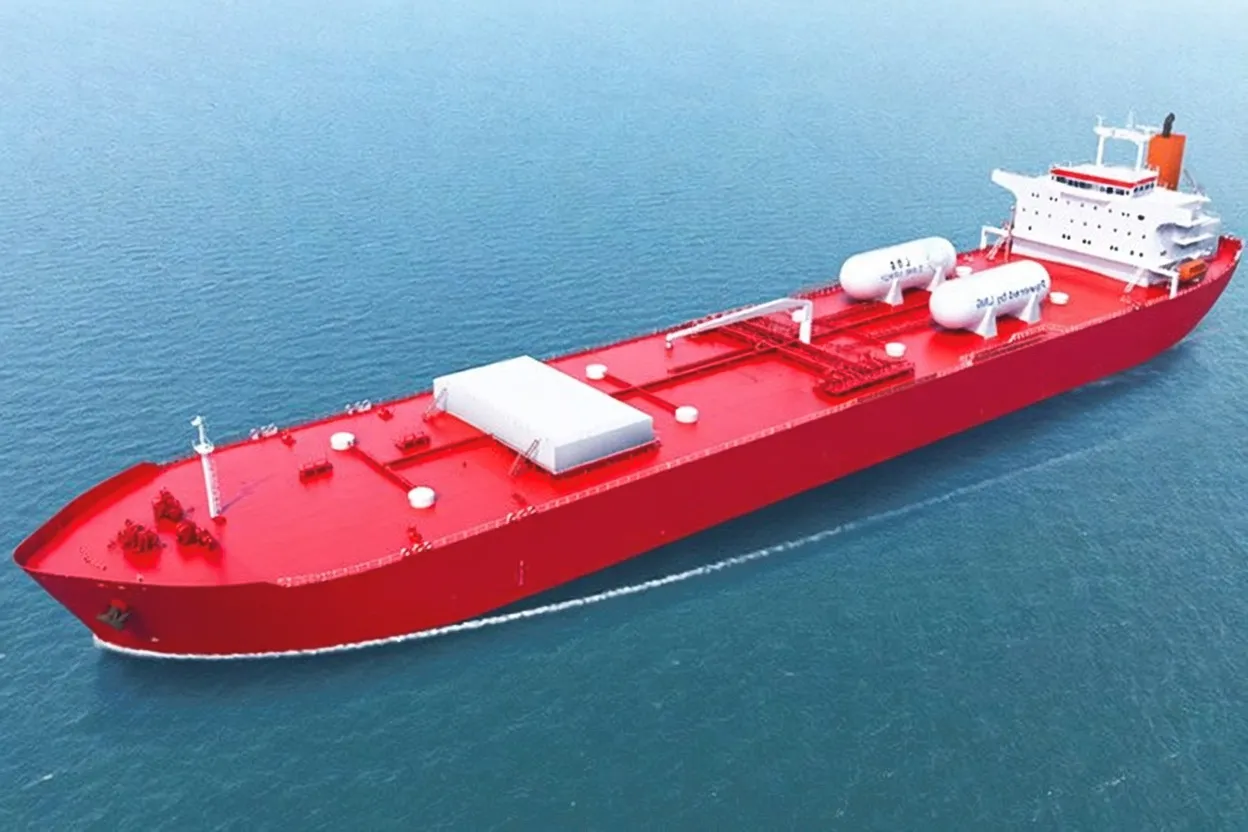 Marine main propulsion is one of the most mechanically punishing environments any rotating component will ever encounter. A conventional diesel-driven vessel transmits hundreds — sometimes thousands — of kilowatts from the main engine through a reduction gearbox and along a propeller shaft that can run for many metres inside a hull that is constantly flexing, twisting, and responding to wave loads, tidal forces, and the shifting weight of cargo and fuel. Every section of that drivetrain must remain connected and functional whether the vessel is crossing the English Channel in a January gale, navigating a tidal approach on the Thames Estuary, or loitering on dynamic positioning station 150 miles off the coast of Aberdeen. The component that makes all of this possible — while allowing the shaft to move slightly in every plane — is the gear type coupling.
A gear type coupling connects two shaft ends through a set of interlocking crowned gear teeth housed inside a split sleeve assembly. The crowning — the subtle convex profile precision-ground into each tooth flank — is the engineering detail that permits angular misalignment and axial displacement without seizure, fretting, or dangerous stress concentration. In a marine propulsion shafting arrangement, even a few tenths of a millimetre of radial offset or a fraction of a degree of angular misalignment causes accelerating wear in a rigid coupling. A properly specified gear type coupling absorbs those tolerances and continues transmitting full rated torque through sea states that would destroy a lesser drivetrain component within months of service. That is why naval architects, classification society surveyors, and chief engineers across the United Kingdom have relied on this technology for heavy-duty propulsion design for generations.
Ever Power has been designing and manufacturing gear type couplings for industrial and marine applications for over 18 years. Our product range covers standard catalogue units through to fully custom-engineered marine-grade assemblies handling shaft bores exceeding 400 mm and torque ratings that satisfy the demands of the largest offshore support vessels in the North Sea fleet. This guide is written for UK marine engineers, procurement managers, naval architects, and shipyard technical staff who need to understand precisely what goes into a correctly specified propulsion coupling — and why attention to those details pays for itself many times over across a vessel’s operational life.
Why Marine Main Propulsion Places Unique Demands on Shaft Couplings
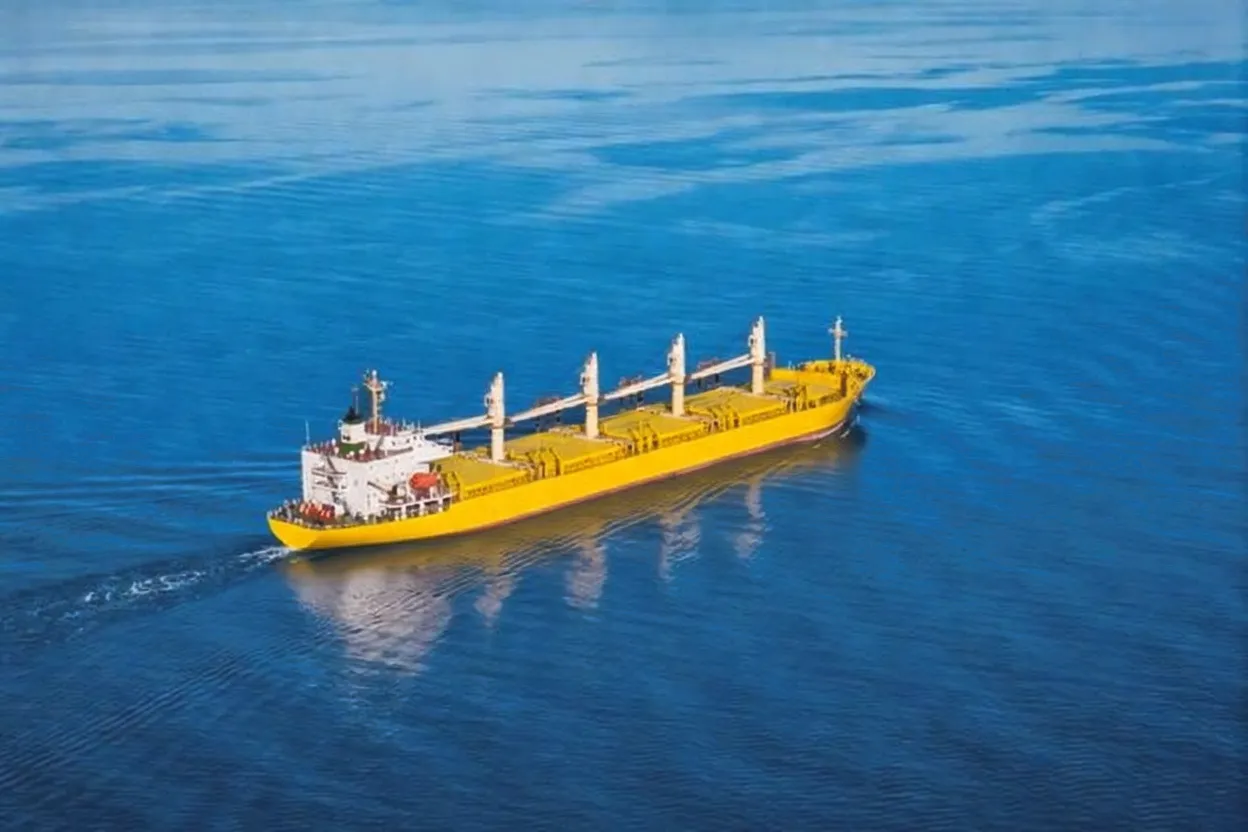 Ask any chief engineer who has dealt with a coupling failure far from port and they will give you the same answer: the marine environment combines every mechanical challenge simultaneously. Temperature differentials of 40°C or more between engine room and hull plating, constant vibration from combustion and propeller cavitation, angular shaft movements caused by hull hogging and sagging in a seaway, and the relentless chemical aggression of salt-laden air and bilge water all act on a shaft coupling at the same time. A coupling that performs adequately in a clean industrial installation may show signs of accelerated wear, fretting corrosion, or fatigue cracking within months of marine service if it was not specifically engineered for those combined conditions. The consequences of getting this wrong range from gradual escalation of vibration and bearing wear — which shows up as unplanned maintenance during a scheduled dry-docking — all the way to catastrophic shaft failure in open water, which carries safety implications and commercial costs an order of magnitude greater.
The core mechanical challenge is misalignment. On a long propulsion shaft running through multiple stern tube bearings and intermediate shaft brackets, the shaft centreline never stays perfectly fixed relative to the engine output flange. Hull deflection in a seaway introduces angular misalignment that can reach 0.5° to 1.0° under extreme conditions on larger vessels. Thermal expansion of the engine mounts and gearbox casing adds axial displacement. Even careful installation alignment at the shipyard shifts over time as hull fasteners bed in and the vessel’s loading pattern changes. A gear type coupling must accommodate all of these movements continuously, cycle after cycle, without transmitting damaging reaction loads back into the engine crankshaft or forward into the shaft bearings — both of which are expensive to repair and require significant shipyard time to access.
Corrosion resistance adds a layer of complexity unique to the marine operating environment. Salt fog penetrates every accessible space in a machinery room, condensation forms on cold metal surfaces at every change of tide, and any failure in surface protection exposes coupling components to rapid electrochemical attack. A coupling correctly greased on day one but neglected through two annual maintenance cycles will develop fretting corrosion at the gear tooth flanks that progressively reduces its torque capacity and ultimately produces a failure far more expensive to address than systematic maintenance would have been. Specifying a gear type coupling with the correct material grade, surface treatment system, and lubrication specification from the outset is the single most effective step a UK marine operator can take to reduce drivetrain maintenance costs across the full service life of a vessel.
How a Gear Type Coupling Transmits Torque and Compensates for Misalignment
Understanding the mechanical principle behind the gear type coupling is essential for anyone specifying or maintaining propulsion shafting. The operating principle is deceptively simple, but the engineering precision required to make it work reliably under marine propulsion loads is considerable.
The Hub-Sleeve Assembly
Each gear type coupling consists of two externally toothed hubs and two internally toothed sleeve halves. The hubs are keyed or shrink-fitted onto the shaft ends. The sleeve halves bolt together at the coupling centreline, forming the enclosed barrel that houses both gear meshes. Torque passes from the driving shaft hub teeth into the surrounding sleeve and out through the second hub to the driven shaft. The tooth mesh carries all transmitted load while the crowned tooth profile allows the shaft centrelines to diverge without the teeth binding or overloading their contact edges under misalignment conditions typical of marine shafting.
Crowned Tooth Geometry
The term “crowned” describes the carefully calculated convex profile precision-ground into the external teeth of each hub. When shaft centrelines are perfectly aligned, teeth carry load across their full face width. When misalignment occurs, the crowned profile causes tooth contact to migrate smoothly toward the tooth centre without overloading the tooth edge — maintaining contact stress within safe limits even during continuous misalignment operation. This is a property that no straight-toothed or spur coupling can reliably provide at the torque levels typical of marine propulsion. The crown radius is a critical design parameter: too little crowning provides inadequate misalignment tolerance, while excess crowning reduces the effective load-carrying face width and raises peak contact stress.
Lubrication and Sealing
Marine gear type couplings are packed with high-performance grease that remains chemically stable across the full operating temperature range of a ship’s machinery space. The sleeve halves incorporate multi-lip seals or O-ring arrangements to retain lubricant and exclude seawater, contaminated bilge splash, and salt fog. In aggressive marine environments, seal integrity is every bit as important as structural integrity — once grease is lost and seawater reaches the tooth mesh, fretting corrosion begins immediately and progresses rapidly. Ever Power marine-specification couplings use proprietary multi-lip seal packs and corrosion-inhibiting lithium-complex grease as standard, rated for salt-spray environments per ASTM B117 test protocols.
Materials, Surface Treatment, and Corrosion Protection for Marine Service
Material selection for a marine gear type coupling is not a specification detail that can be left to default catalogue values — it is one of the most consequential engineering decisions in the entire drivetrain design. Hub bodies and sleeve barrels must combine high tensile strength with adequate toughness to survive the combined bending, torsional, and impact loading of marine propulsion shafting. The gear teeth must be hard enough to resist wear across hundreds of thousands of operating cycles yet not so brittle that they fracture under shock loading from propeller slam events or rapid torque reversals during harbour manoeuvring. Ever Power’s marine range uses 42CrMo4 and 34CrNiMo6 alloy steels as standard hub materials, selected for their combination of strength, toughness, and excellent response to induction hardening and carburising heat treatment processes carried out in our own controlled-atmosphere furnace facility. Sleeves are manufactured from 40Cr or equivalent alloy steel, heat treated to achieve the required surface hardness at the tooth flank while retaining adequate core toughness to resist the bending fatigue loads generated by shaft misalignment cycles.
Surface protection for a component destined for continuous marine service requires a systematic, multi-stage approach rather than a single coating. Ever Power applies a full marine paint system to all external coupling surfaces: a zinc phosphate conversion coating as a substrate preparation and corrosion inhibitor, followed by a two-component epoxy primer applied to a minimum dry film thickness of 75 microns, and a finish topcoat of two-component polyurethane marine paint providing a total system DFT of not less than 120 microns. All external fasteners and O-ring seat faces receive zinc-nickel electroplating to ISO 4042, which provides superior salt corrosion resistance compared with standard zinc or cadmium plating and is compatible with stainless steel mating surfaces without risk of galvanic attack. Internal tooth surfaces — which must be left free to make fine sliding contact against the meshing counterpart — are protected by the grease specification rather than a fixed coating, meaning the lubricant chemistry includes rust-inhibiting package additives specifically formulated for salt-spray environments.
For vessels operating in the most demanding corrosion environments — permanently wet lower machinery spaces, vessels in tropical waters, or offshore installations where salt fog is effectively continuous — Ever Power offers extended protection packages including stainless steel fastener sets, hot-dip galvanised sleeve options for moderate-torque applications, and full cathodic protection provisions where the coupling sits in a portion of shafting electrically connected to the hull potential. Each protection specification can be individually documented on the coupling’s material certificate, satisfying the requirements of Lloyd’s Register, Bureau Veritas, DNV, and other classification societies whose surveyors operate across UK ports and shipyards.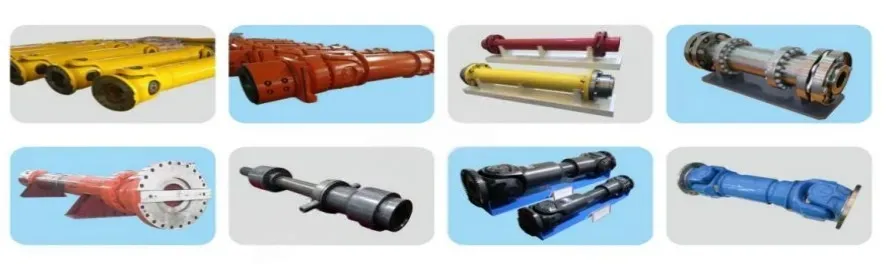
Marine Gear Type Coupling — Indicative Technical Parameters
The table below presents representative performance parameters for Ever Power’s marine-specification gear type coupling range, covering three duty bands corresponding to the most common UK vessel categories. Custom torque ratings, bore configurations, and classification packages are available beyond the values shown — contact our engineering team with your shaft dimensions and power data for a detailed application calculation sheet.
* All values are indicative. Final ratings are confirmed by calculation for each specific application. Send your shaft data to [email protected] for a detailed engineering review.
Key Advantages of Specifying a Gear Type Coupling for Marine Propulsion
Operators who have replaced alternative coupling types — or who have upgraded from lower-specification gear type couplings — consistently identify the same set of measurable improvements in drivetrain performance, maintenance frequency, and total cost of ownership.
Yüksek Tork Yoğunluğu
The distributed gear mesh transmits torque across a large contact area, giving the gear type coupling one of the highest torque-to-weight and torque-to-envelope ratios available in flexible coupling technology. On propulsion drivetrains where machinery room space and shaft weight allowances are both at a premium, this translates directly into a smaller, lighter coupling installation with no compromise in load capacity or service life compared to larger, heavier alternatives.
Multi-Mode Misalignment Tolerance
Simultaneous accommodation of angular misalignment, axial displacement, and limited parallel offset means the coupling functions as a genuine drivetrain safety margin rather than merely a shaft connector. This is especially valuable on vessels where shafting alignment cannot be maintained within tight tolerances due to hull flexibility, limited dry-dock maintenance access, or the natural settlement of engine mounts over operational years.
Extended Service Intervals
With correct specification, careful initial installation, and periodic regreasing, a marine gear type coupling routinely achieves maintenance intervals measured in years rather than months. Ever Power marine units are rated for continuous operation across a design life of 100,000 hours at standard duty — a figure that exceeds the service period between major overhauls for most commercial propulsion engines operating on UK coastal and offshore routes.
In-Place Maintenance Access
The split-sleeve construction allows the coupling to be fully opened, inspected, regreased, and reassembled without removing either shaft from its bearings. On a vessel where main engine access is constrained and dry-dock availability costs thousands of pounds per day, this practical maintenance advantage can justify the coupling specification cost within a single maintenance cycle compared to alternative designs requiring shaft withdrawal.
Marine Environment Resistance
Multi-layer corrosion protection, salt-resistant grease chemistry, and positive multi-lip sealing against water ingress makes Ever Power marine couplings capable of continuous operation in the most aggressive shipboard environments — from open-deck stern gear on an inshore fishing vessel to the permanently bilge-wet machinery space of a North Sea platform supply vessel operating year-round in the harshest marine conditions found in UK waters.
Classification Society Documentation
Ever Power supports Lloyd’s Register, Bureau Veritas, DNV, and ABS approval processes with full material traceability documentation, dimensional inspection reports with CMM data, and witnessed load or torque testing where required. UK shipbuilders and vessel owners can specify our couplings with confidence that the documentation package will satisfy flag state and classification surveyor requirements at first submission without rework or additional inspection costs.
Where Gear Type Couplings Serve: Marine Application Scenarios Across UK Vessel Types
⚓ Engine-to-Gearbox Connection
The most common location for a gear type coupling in a conventional diesel-drive arrangement. At this position the coupling absorbs the thermal expansion differential between engine and gearbox housings, accepts the small but persistent misalignment that develops as engine mounts age and settle, and protects both the engine output flange and gearbox input bearing from dynamic loads generated by combustion pulses.
🚢 Gearbox-to-Intermediate Shaft
Between the gearbox output flange and the intermediate shaft, the gear type coupling handles the largest torque values in the entire drivetrain while accommodating continuous hull-induced misalignment across the full range of sea states. This is structurally the most demanding coupling position on many installation types and warrants careful engineering selection rather than a catalogue default.
🌊 North Sea Offshore Support Vessels
Platform supply vessels and anchor-handling tug supply vessels on North Sea contracts demand couplings rated for continuous dynamic positioning operation, frequent torque reversals during thruster manoeuvres, and year-round exposure to salt fog of a severity rarely matched in any other UK industrial environment. Heavy marine-grade gear type couplings are the standard specification on purpose-built vessels in this service class.
⛴ Roll-on/Roll-off and Passenger Ferries
Cross-Channel and domestic UK ferry routes demand couplings that start cold, warm to operating temperature, and reach full rated torque capacity within minutes — multiple times per day. The gear type coupling handles these thermal cycling and rapid loading conditions without the fatigue failure modes that affect rubber element flexible couplings under comparable short-cycle start-stop duty at high torque.
🐟 Commercial Fishing Vessels
Demersal trawlers and pelagic vessels operating out of Scottish, English, and Welsh ports work in some of the roughest sea conditions in the North Atlantic. High shock loading when trawl gear snatches or a vessel pitches in steep quartering seas demands a coupling with excellent impact toughness, which the 34CrNiMo6 alloy-steel gear type coupling provides as a fundamental material characteristic rather than an add-on feature.
⚡ Shipboard Generator Sets
Many vessel auxiliary generator sets use gear type couplings between the prime mover and alternator to accommodate mounting misalignment typical of shipboard foundations and to isolate the alternator bearings from crankshaft-generated torsional oscillation. The coupling’s torsional stiffness is a key parameter in genset torsional vibration analysis and must be correctly specified during the propulsion system design phase.
Customer Success: North Sea Offshore Support Vessel Operator — Aberdeen, Scotland
Caledonian Offshore Services Ltd.
Aberdeen, Scotland
North Sea Offshore Energy Support
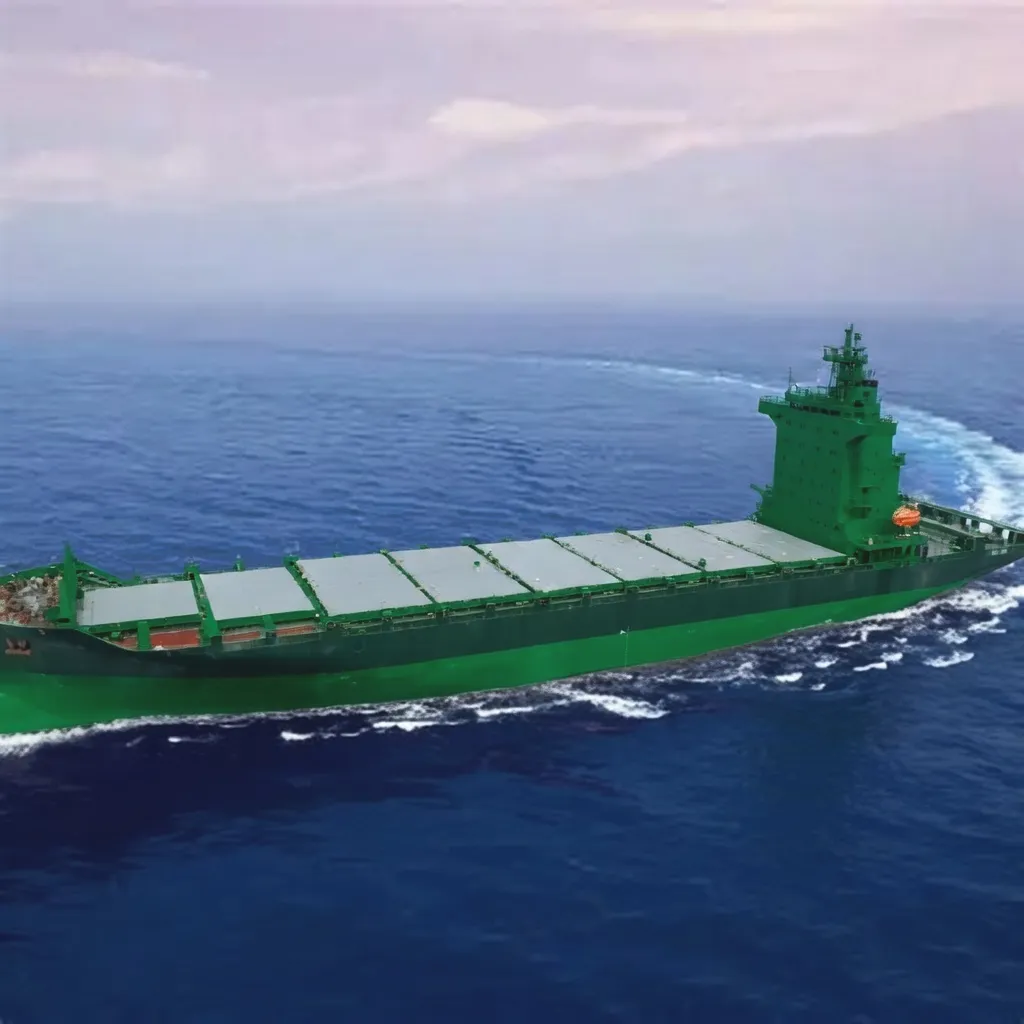
The challenge: Caledonian Offshore Services operates a fleet of five platform supply vessels on regular rotations between Aberdeen harbour and North Sea production platforms. During a 2021 maintenance review, the engineering team documented a persistent problem: the OEM-fitted gear type couplings on two of the fleet’s newer vessels were showing fretting corrosion on the gear tooth flanks within 14 months — well short of the 24-month inspection interval the OEM had recommended. The consequence was unexpected vibration at shaft frequency, two unplanned dry-dock attendances in a 12-month period, and a total unplanned maintenance cost that had escalated significantly above the fleet maintenance budget. Root cause analysis identified that the OEM seal specification and grease chemistry were inadequate for the salt fog severity characteristic of North Sea machinery spaces running through the full severity of the Scottish winter.
The solution: Ever Power supplied a set of replacement heavy marine-grade gear type couplings with 34CrNiMo6 hubs, double-crown tooth geometry for enhanced misalignment tolerance during DP operations, multi-lip seal packs rated for North Sea salt-fog severity, and corrosion-inhibiting lithium-complex grease meeting ASTM B117 1000-hour salt-spray performance. The replacement units were dimensioned to match the OEM shaft flange geometry exactly, eliminating the need for any modification of the existing shafting. A full Bureau Veritas material certificate and dimensional inspection report package was provided and approved by the classification society surveyor without queries. Supply, inspection, and delivery from first technical enquiry to vessel availability took six weeks.
The outcome: Three years after installation, both vessels have completed their 24-month maintenance intervals without a single coupling-related call-out or unplanned maintenance event. The most recent inspection found no evidence of fretting corrosion on the tooth flanks and seal condition was reported as excellent by the attending classification surveyor. The estimated saving in unplanned maintenance expenditure, dry-dock downtime, and charter revenue protection over the three-year period exceeded £180,000 across the two vessels. Based on this result, Caledonian Offshore Services has formally adopted Ever Power marine gear type couplings as the fleet standard specification, with units scheduled for fitment across the remaining three vessels at their next scheduled dry-docking.
What UK Marine Professionals Say
“We spent two years chasing elevated vibration on our PSV and couldn’t isolate it to the main engine or the gearbox. Turned out the coupling teeth had corroded enough to introduce measurable backlash. Ever Power’s replacement unit resolved it immediately. Their application engineers walked us through the installation alignment procedure remotely — that kind of technical support from a coupling manufacturer is genuinely uncommon.”
Robert Mackenzie
Chief Engineer, PSV Fleet · Aberdeen, Scotland
“We specify gear type couplings for all our newbuild ferry propulsion packages and have been working with Ever Power on custom bore dimensions for approximately three years. Delivery times are competitive, the Lloyd’s Register documentation is invariably correct on the first submission, and the couplings themselves have been completely trouble-free across three commissioned vessels. We wouldn’t go elsewhere for this component.”
Sarah Hollingworth
Senior Marine Engineer, Shipbuilder · Newcastle upon Tyne
“Custom coupling sizes used to mean 16-week lead times and extensive back-and-forth on drawings. Ever Power turned our first order around in four weeks with full dimensional certification. The price came in below what we had been paying a European supplier for equivalent specification. We’ve placed four orders since and the dimensional consistency between deliveries has been excellent.”
David Cartwright
Procurement Manager, Marine Engineering Group · Southampton, England
Ever Power Manufacturing & Custom Engineering Capability
In-House CNC Manufacturing
CNC gear-grinding centres, multi-axis turning and milling, and a dedicated heat treatment facility with controlled-atmosphere furnaces allow complete coupling manufacture from raw billet to finished assembly without outsourcing any critical production step.
Custom Design Engineering
Non-standard bore sizes and keyway configurations, special flange drilling patterns, extended spacer lengths for long-span installations, modified crown geometries for unusually demanding misalignment conditions, and integrated torsional damper sections — all available as engineered custom options.
Full Inspection & Certification
Every custom unit is fully dimensionally inspected on a CMM, hardness tested, and supplied with a material test certificate traceable to the original mill certificate of the alloy steel. Classification documentation for Lloyd’s Register, Bureau Veritas, or DNV is prepared and formatted to the specific society’s requirements.
UK Shipping & Shipyard Delivery
We ship to all major UK ports and shipyards — Aberdeen, Glasgow, Newcastle, Tyneside, Southampton, Portsmouth, Falmouth, and London river facilities. Urgent marine breakdown replacement orders are prioritised through our production schedule on request.
The ability to take a custom dişli tipi kaplin design from initial shaft data through to a certified, ready-to-fit assembly within a competitive lead time — without any reliance on external subcontractors for the critical machining or heat treatment stages — is what separates Ever Power from catalogue suppliers. For UK shipbuilders working to tight build schedules, fleet operators managing planned dry-dock windows, and vessel owners dealing with unplanned coupling failures in service, this manufacturing self-sufficiency is a directly commercial advantage. Our engineering team can review your propulsion shafting arrangement, perform torsional vibration calculations, and propose a coupling specification that satisfies both the mechanical demands of the application and the documentation requirements of whichever classification society is responsible for the vessel — typically within 48 hours of receiving your shaft data.
Sıkça Sorulan Sorular
Answers to the questions UK marine engineers, fleet managers, and procurement teams most commonly raise when specifying or replacing gear type couplings for propulsion applications.
What type of gear type coupling is best for a North Sea offshore supply vessel experiencing angular shaft misalignment of up to 0.8 degrees during dynamic positioning operations?
For DP operations in North Sea conditions, a heavy marine-grade gear type coupling with 34CrNiMo6 hubs, double-crown tooth geometry, and a designed angular misalignment capacity of at least 1.0° is the correct technical specification. The double-crown form provides a larger working misalignment window than single-crown designs, which is particularly important when DP thruster operations produce frequent and rapid changes in shaft angular position — conditions that a single-crown unit at or near its rated angular limit will not sustain without accelerated tooth wear. The coupling must also be rated for continuous torque reversal, since DP vessels run ahead, astern, and sideways thrust cycles far more frequently than passage vessels on any given working day. Ever Power’s heavy marine range is specifically designed for this category of duty. Provide your shaft dimensions, rated power, speed, and DP class certification details and our application team will supply a formal coupling selection with supporting calculations.
How much does it cost to supply and replace a gear type coupling on a commercial vessel operating out of a UK port, and what factors affect the total price?
The supply cost of a marine gear type coupling varies considerably based on bore size, torque rating, material specification, and classification documentation requirements. Light marine units for workboats and fishing vessels with bores in the 50–80 mm range start from a few hundred pounds. Medium marine couplings for coastal traders or ferries with bore diameters around 150–180 mm typically fall in the £2,000–£8,000 range depending on material and documentation. Heavy marine units for offshore vessels with bores above 250 mm and full Lloyd’s Register or DNV certification can range from £15,000 upward for the largest installations. The supply cost of the coupling itself is, in most cases, considerably smaller than the total cost of replacement — which includes the dry-dock or lay-up time, alignment survey, and labour. This economic reality is exactly why investing in a correctly specified coupling with a genuine marine-grade protection package delivers substantially better total cost of ownership than choosing the cheapest option that meets the minimum catalogue specification. For a firm quotation aligned to your shaft dimensions, contact [email protected].
Which gear type coupling supplier can manufacture custom bore sizes and flanges for large-bore marine propulsion shafting on UK shipbuilding projects, and what is a realistic lead time for delivery?
Ever Power manufactures custom-bore marine gear type couplings using wholly in-house CNC turning, gear grinding, and heat treatment — no outsourcing of critical manufacturing steps to subcontractors. For UK shipbuilding projects we accept custom engineering orders from GA drawings, shaft dimension data sheets, or from existing coupling dimensions if the application is a like-for-like replacement with custom features. Standard custom orders for medium marine units typically ship within 4–6 weeks from drawing approval. Heavy marine assemblies with full classification documentation are generally available within 8–12 weeks. Urgent requirements — such as a breakdown replacement where a vessel is incurring dry-dock costs — can often be expedited, and we will always confirm a realistic delivery commitment at enquiry stage rather than giving a standard lead time that cannot be met. Contact [email protected] with your project schedule and shaft data.
How often should a marine gear type coupling be inspected and regreased on a vessel running year-round coastal routes in UK waters, and what warning signs indicate early deterioration?
For a vessel on continuous UK coastal duty — a demanding cycle that typically involves multiple daily start-stop sequences, regular tidal river approaches, and continuous exposure to salt-laden air — the recommended maintenance interval for marine gear type couplings is a 12-month grease replacement and external visual inspection, combined with a 24-month full open-up inspection of tooth flanks, seals, and internal corrosion protection. Warning signs that should trigger an earlier unscheduled inspection include a new vibration component at shaft rotational frequency, visible rust streaking or grease leakage from the coupling ends, any audible change in the noise signature at the coupling position under load, or any unexplained increase in bearing temperature on either shaft immediately adjacent to the coupling. Fretting corrosion detectable at tooth flanks during a visual inspection is a clear indicator that either the service interval was too long or the grease specification was inadequate for the operating environment — both of which Ever Power’s application team can help address with a revised maintenance specification going forward.
Can a gear type coupling handle both angular misalignment and axial displacement simultaneously in a twin-shaft propulsion system on a UK passenger ferry, and are there any rating limitations I should understand?
A correctly specified gear type coupling can accommodate simultaneous angular misalignment and axial displacement — this combined capability is one of its defining advantages over diaphragm, disc pack, or jaw coupling designs. The limitation to understand is that the two misalignment modes interact in terms of tooth loading: a coupling operating at close to its maximum rated angular misalignment must have its continuous torque capacity derated if it is simultaneously experiencing near-maximum axial displacement. The rated misalignment figures in catalogue tables are generally stated for each mode independently at full rated torque. For twin-shaft ferry installations where both propeller shafts run in close parallel and may experience different misalignment magnitudes depending on hull loading, it is important to confirm that each coupling’s specification has been reviewed against the actual combined misalignment and torque conditions at its specific shaft position. Ever Power provides detailed application calculation sheets for exactly these situations, including combined misalignment derating calculations and confirmation of operating safety factors, as part of our standard technical quotation process.
Where can I get a fast quote for marine-grade gear type couplings delivered to a UK shipyard or dry dock, and what technical information do I need to provide to get an accurate price?
Send your enquiry directly to [email protected] with the following information: shaft bore diameter at both coupling ends (if different), keyway dimensions or spline specification, outside diameter constraint (available envelope in the machinery space), rated shaft power in kW and rotational speed in rpm, operating duty description (continuous passage, DP, frequent reversals, shock loading), required classification society if applicable, delivery address (port, shipyard, or vessel location), and required delivery date. With this data, our application engineers can provide a formal quotation for standard-range units within 24 hours and for custom designs requiring preliminary torsional calculation within 48–72 hours. We supply to all major UK maritime locations including Aberdeen, Glasgow, Leith, Newcastle, Tyneside, Hull, Southampton, Portsmouth, Plymouth, Falmouth, Bristol, and London Docklands river facilities.
© Ever Power · Marine Gear Type Coupling Specialists · Serving the UK Shipping & Offshore Industry
gzl tarafından düzenlendi