Industrial Power Transmission · UK Market Edition
Gear Type Couplings in Paper Machine Applications: Engineering Insight for UK Industry
Precision torque transmission solutions engineered for continuous, high-speed industrial environments — from Sheffield steel plants to Birmingham processing facilities.
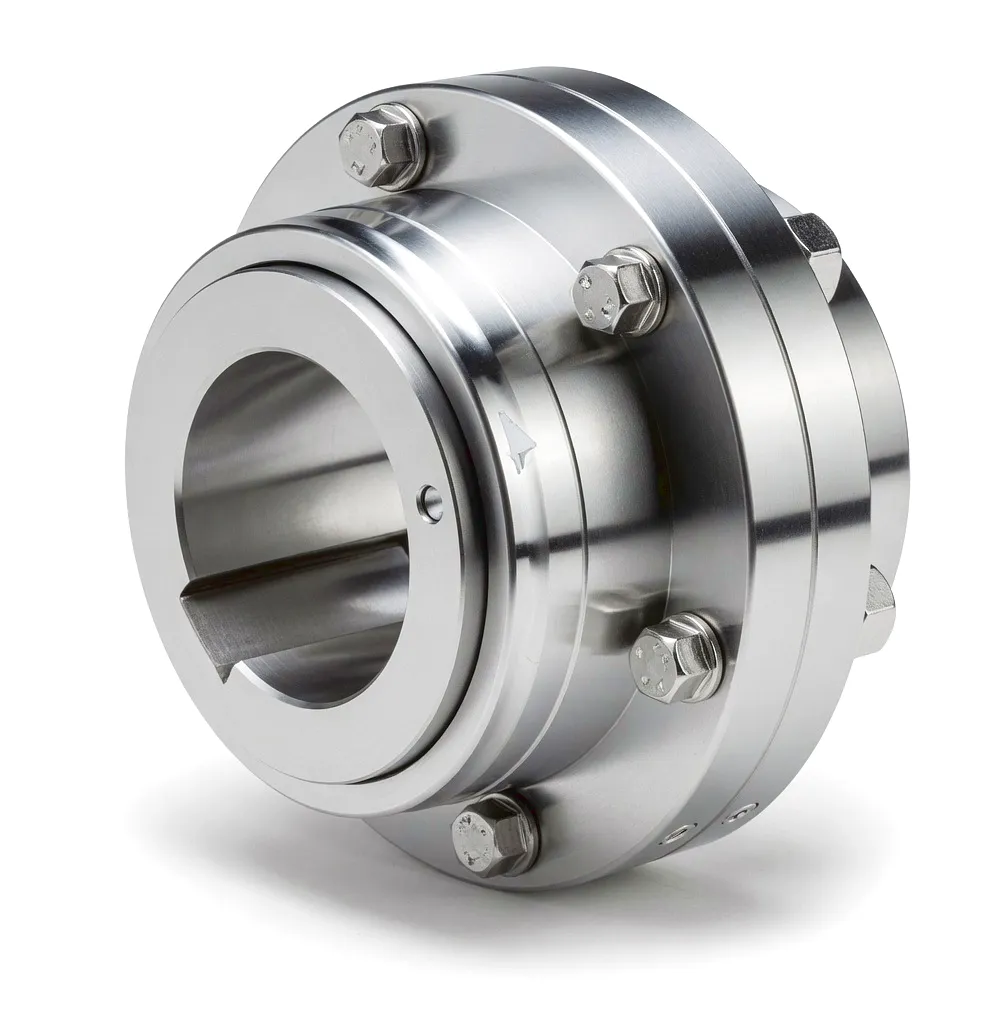 Among the most mechanically demanding environments in British industry, paper machines stand in a category of their own. These colossal production lines — stretching across factory floors in places like Tilbury, Sittingbourne, and across the broader manufacturing heartlands of the UK — demand components that never falter. A modern paper machine is not a single piece of equipment but rather an intricate chain of mechanically linked sections: the forming section, press section, dryer section, and calender section, each running at slightly different speeds to maintain web tension throughout the production process. Bridging each of these drive zones, quietly doing some of the hardest mechanical work on the factory floor, is the gear type coupling.
How Gear Type Couplings Work: Mechanism and Engineering Principle
⚙ Gear Tooth Meshing
The core mechanism relies on crowned, involute gear teeth. The external teeth on the inner hub are deliberately barrel-shaped (crowned) along their profile. This crowning is not decorative — it allows the teeth to rock slightly within the outer sleeve’s internal tooth profile, accommodating angular misalignment of up to 1.5 degrees per side without placing destructive bending loads on the shaft. The crowning also ensures that torque is distributed evenly across the tooth face under load, eliminating stress concentrations that would prematurely fatigue the material under cyclic loading conditions typical of paper machine start-stop cycles.
🔆 Lubrication Dynamics
Gear couplings operate with grease or oil lubrication sealed within the outer sleeve. In paper machine environments, where ambient temperature and humidity fluctuate dramatically between sections of the machine, the lubricant selection and sealing performance are every bit as important as the mechanical geometry. High-quality lithium complex greases, or in extreme cases semi-fluid gear oils, are retained by precision sealing rings or O-ring arrangements. The sealed cavity not only reduces friction between meshing surfaces but prevents the ingress of the process water, steam, and pulp fibres that permeate the paper machine hall, particularly around the wet end of the machine.
⚡ Torque Path and Misalignment Absorption
Torque flows from the driving shaft into the inner hub, through the meshing teeth into the outer sleeve (which typically comprises two flanged halves bolted together), and then into the second inner hub seated in the driven shaft. This compact but mechanically elegant path allows both angular offset and radial (parallel) offset to be accommodated simultaneously without transmitting significant bending moments back into the shaft bearings. For a paper machine roll drive where thermal expansion, bearing wear, and frame deflection under web tension gradually shift shaft centrelines, this tolerance for compound misalignment is not a luxury but an engineering necessity.
📈 Dynamic Balance at High Speed
At speeds above 1,500 rpm — common in modern tissue and fine paper machines — dynamic imbalance in the coupling assembly generates centrifugal forces that can damage bearings, fatigue shafts, and amplify structural vibration through the machine frame. Precision-machined gear couplings intended for high-speed paper machine service are balanced to ISO 1940 G2.5 or better as standard, with tighter G1.0 balancing available for critical applications. The material removed during balancing is applied at defined angular positions on the outer sleeve flanges, leaving the geometry and tooth geometry entirely intact. This is a manufacturing discipline that directly determines whether a coupling runs smoothly over years of continuous service or generates progressive vibration that shortens the life of every component downstream.
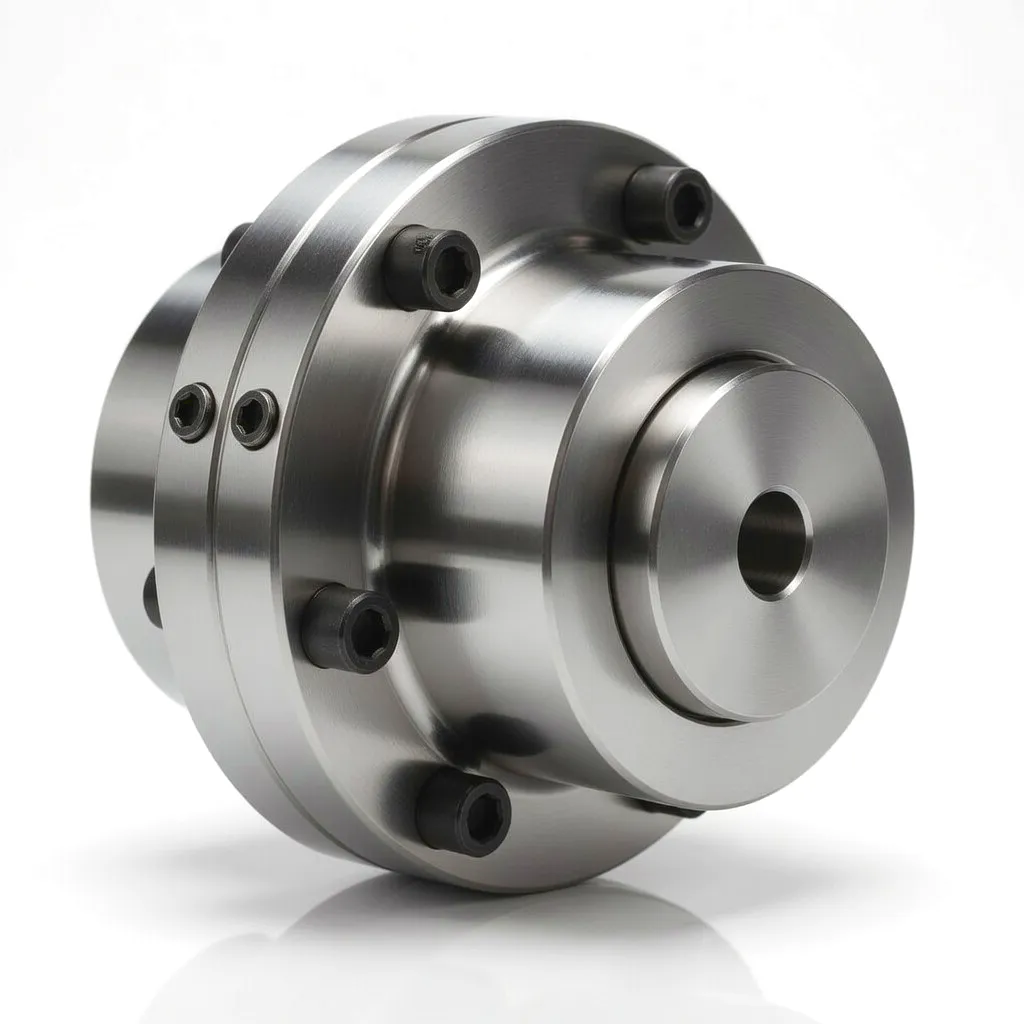 The material selection for gear type couplings in paper machine drivetrains reflects a careful engineering balance between mechanical strength, fatigue resistance, surface hardness, and corrosion tolerance. In the high-humidity, chemically active environment of a paper mill — where process water contains dissolved chlorides, sulphur compounds from pulping chemicals, and abrasive mineral fillers — standard carbon steel without surface treatment would degrade unacceptably fast.
Core Technical Advantages of Gear Type Couplings
🔥
Høj momenttæthed
Gear tooth contact distributes load across a wide surface area, enabling very high torque transmission relative to coupling size and weight. This is critical where drive-shaft envelope dimensions are constrained by machine frame geometry, as is common in retrofit upgrades to older UK paper mills.
🔄
Compound Misalignment Tolerance
Simultaneous accommodation of angular, radial, and axial displacement without introducing significant reaction forces into adjacent shaft bearings. This multi-axis flexibility keeps paper machine rolls running true even as machine frames thermally expand during production runs lasting 24 hours or more.
🔒
Sealed Lubrication System
Precision FKM seals retain lubricant over extended service intervals while blocking moisture, steam, and chemical contamination ingress — a paramount advantage in the saturated atmosphere of a paper machine wet end. Correctly specified, sealed gear couplings routinely deliver 15,000+ hour service intervals before inspection.
🏗
Robust Shock Load Capacity
The inherent compliance in gear tooth contact absorbs transient overloads — such as those generated by web breaks, roll wraps, or drive system faults — without coupling fracture. This resilience prevents single-event failures from propagating destructively into the gearbox or motor, protecting assets worth hundreds of thousands of pounds.
🔗
Compact Axial Length
Compared to chain or jaw-type flexible couplings of equivalent torque rating, gear couplings achieve a significantly shorter axial stack length, simplifying integration into confined drive arrangements and making them the preferred solution when retrofitting modern drivetrains into Victorian-era paper mill buildings with limited clearance.
⏱
Long Service Life
Hardened tooth surfaces operating in a controlled lubrication environment exhibit extremely gradual, predictable wear curves. With proper preventive maintenance — regrease cycles of 3,000–6,000 hours and periodic visual tooth inspection — quality gear couplings in paper machine service routinely achieve 80,000–100,000 operating hours before first major refurbishment.
Product Technical and Performance Parameter Table
| Parameter | Standardområde | High-Speed Paper Machine | Unit / Note |
|---|---|---|---|
| Nominelt drejningsmoment | 250 – 1,500,000 | 10,000 – 800,000 | N·m |
| Maksimal hastighed | Up to 6,000 | 1,500 – 4,500 | omdrejninger i minuttet |
| Vinkelforskydning | Op til 1,5° | 0,5° – 1,0° | Per side (crowned tooth) |
| Radial Misalignment | Up to 0.5 | 0.05 – 0.2 | mm (speed-dependent) |
| Aksial flydeevne | ±3 – ±15 | ±5 – ±10 | mm |
| Navmateriale | 42CrMo4 / 18CrNiMo7-6 | 18CrNiMo7-6 (case-hardened) | Per EN 10083 / EN 10084 |
| Sleeve Material | GGG-50 / C45 forged steel | C45 / 316 SS (wet end) | Corrosion-rated for paper mill |
| Tandoverfladen hårdhed | 50 – 62 HRC | 58 – 62 timers hastighed | Case-hardened flank |
| Balance Grade | ISO 1940 G6.3 | G2.5 standard / G1.0 optional | For speeds above 1,500 rpm |
| Forseglingstype | NBR O-ring | FKM / HNBR (chemical grade) | Paper mill chemical resistance |
| Driftstemperatur | -20 to +120 | +10 to +90 (dryer section) | °C |
| Service Interval (Greased) | 3,000 – 6,000 | 4,000 – 6,000 (Li-complex grease) | Hours |
Industrial Application Scenarios for Gear Type Couplings
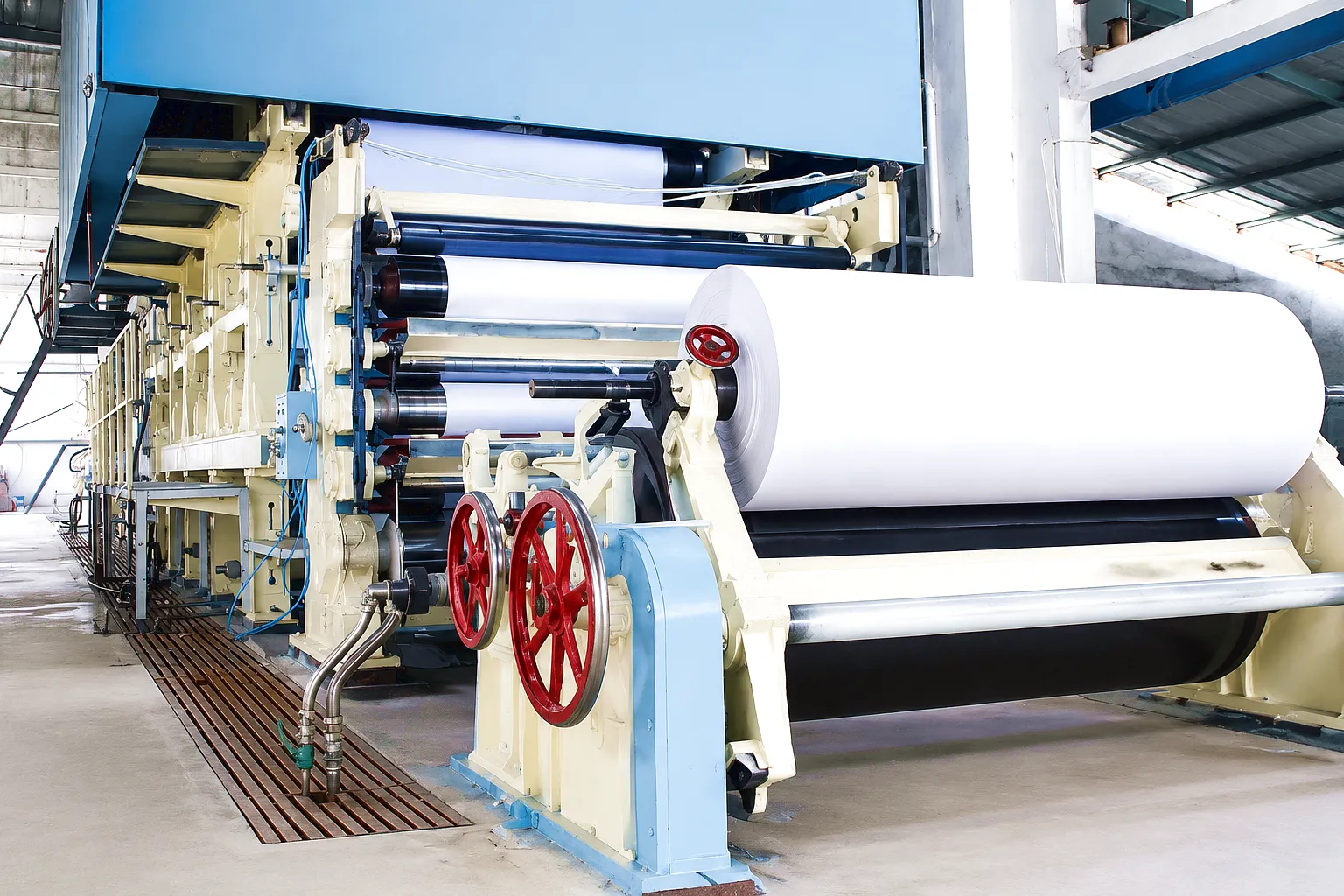 The forming section of a Fourdrinier paper machine is where the fibre suspension first meets the wire and water begins draining from the web. The forming roll, breast roll, and multiple table rolls beneath the wire fabric must all be driven with precisely coordinated speed ratios to avoid tension variations that would produce caliper variations in the finished sheet. Gear type couplings connect each roll’s drive spindle to its section gearbox, handling the combination of high torque (particularly during wet web breaks, which generate instantaneous load spikes), continuous water exposure from jet showers and forming fabric spray bars, and moderate misalignment arising from roll grinding tolerance and bearing clearances. A UK tissue producer operating a high-speed machine at a facility near Manchester recently standardised gear couplings across its forming section after documenting a 62% reduction in coupling-related maintenance interventions over a 12-month period compared with the previous elastomeric coupling design.
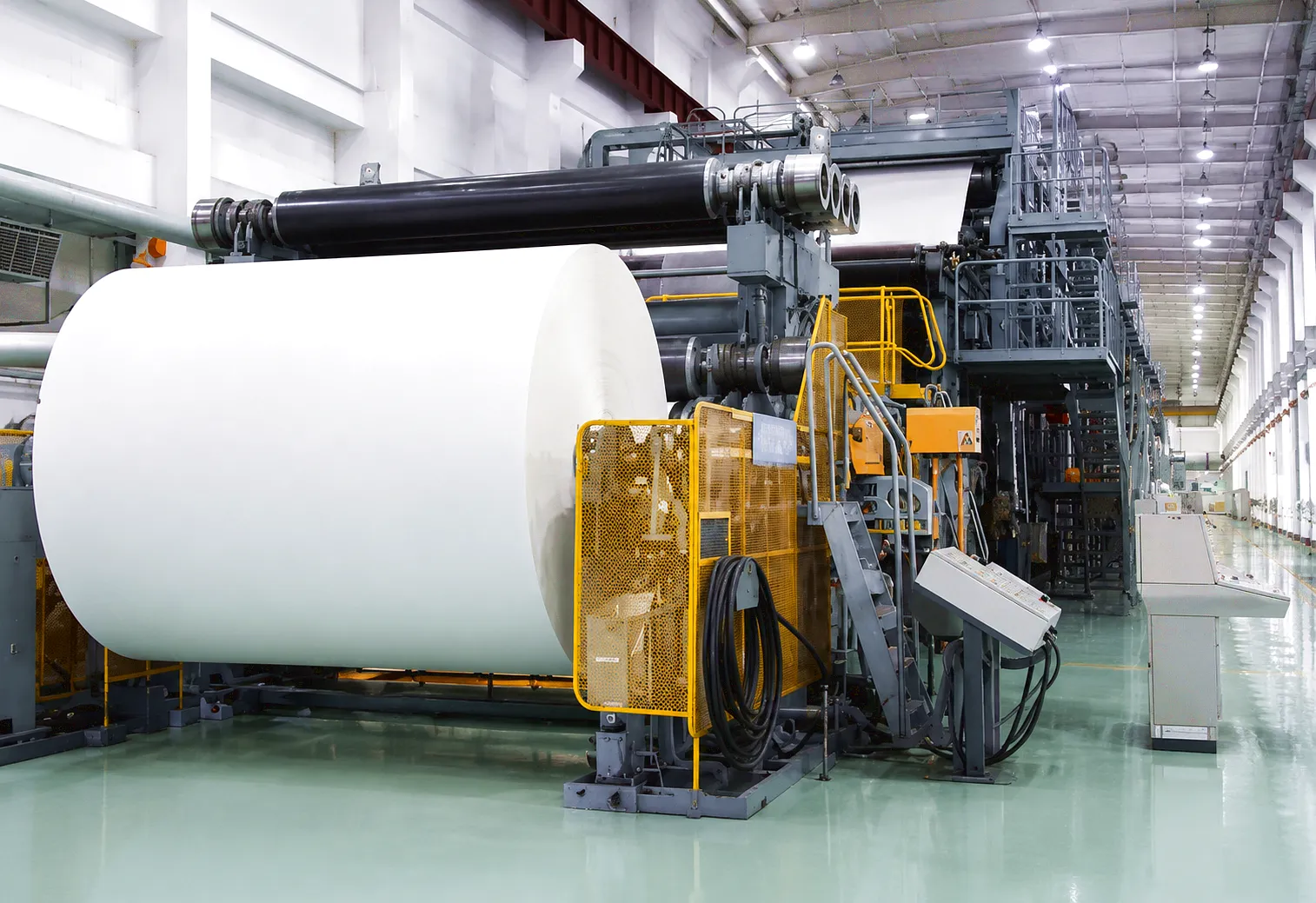 In the press section, pairs of rolls squeeze the wet paper web between them under nip loads that can reach several hundred kilonewtons per metre of machine width. The rotational drives for press rolls must transmit very high torques while accommodating the radial displacement of roll journals as press roll covers compress under load and as hydraulic loading systems cycle the rolls open and closed during threading and web breaks. Gear type couplings fitted with extended-travel sleeve designs absorb this axial and angular excursion without transmitting it back to the drive motor shaft as destructive bending. The corrosive environment in the press section of a recycled fibre board machine — typical of the larger board mills operating in the West Midlands and around the Thames Estuary — adds an additional demand for stainless steel sleeve components and FKM sealing, making the material specification of the coupling as critical as its mechanical geometry.
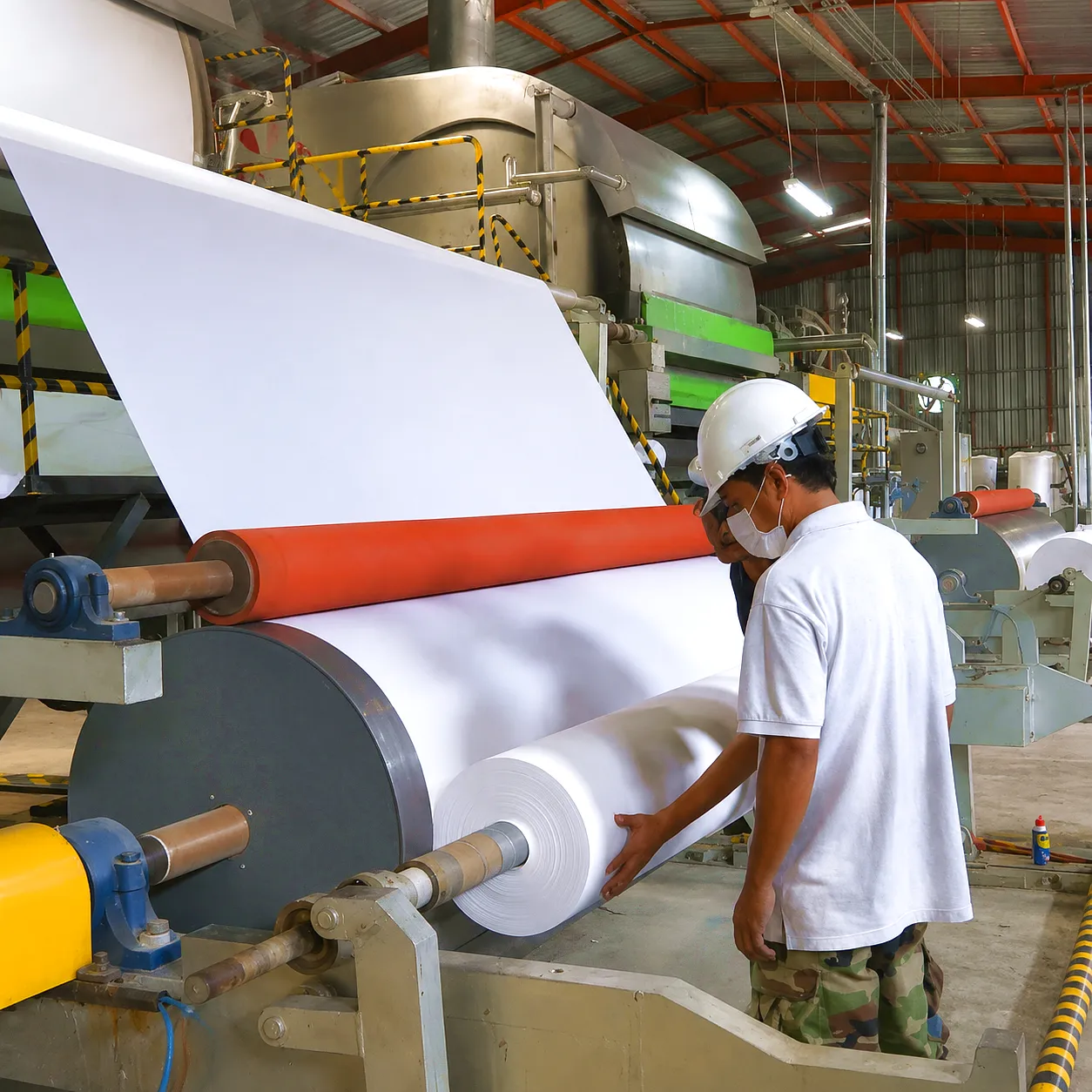 The dryer section is the longest part of most paper machines, comprising dozens of steam-heated drying cylinders arranged in alternating top and bottom rows through which the paper web weaves on a supporting dryer fabric. Each drying cylinder is a precisely balanced cast-iron or fabricated steel vessel pressurised with steam at up to 5 bar, rotating continuously for weeks between maintenance stops. The drive groups for dryer cylinders present a particularly demanding coupling application: the cylinders are large (1.5 to 1.8 metres diameter), heavy (up to 15 tonnes), and must rotate with extreme smoothness to avoid imprinting vibration patterns onto the paper surface. Thermal expansion of the dryer section frame — which can reach several millimetres over the full machine length as it heats from ambient to operating temperature — makes the axial float capacity of the gear coupling an essential design parameter. At a major newsprint mill facility operating in the north of England, a systematic replacement programme converted dryer section coupling positions from universal-joint designs to sealed gear couplings, achieving a documented 40% reduction in dryer bearing replacement frequency.
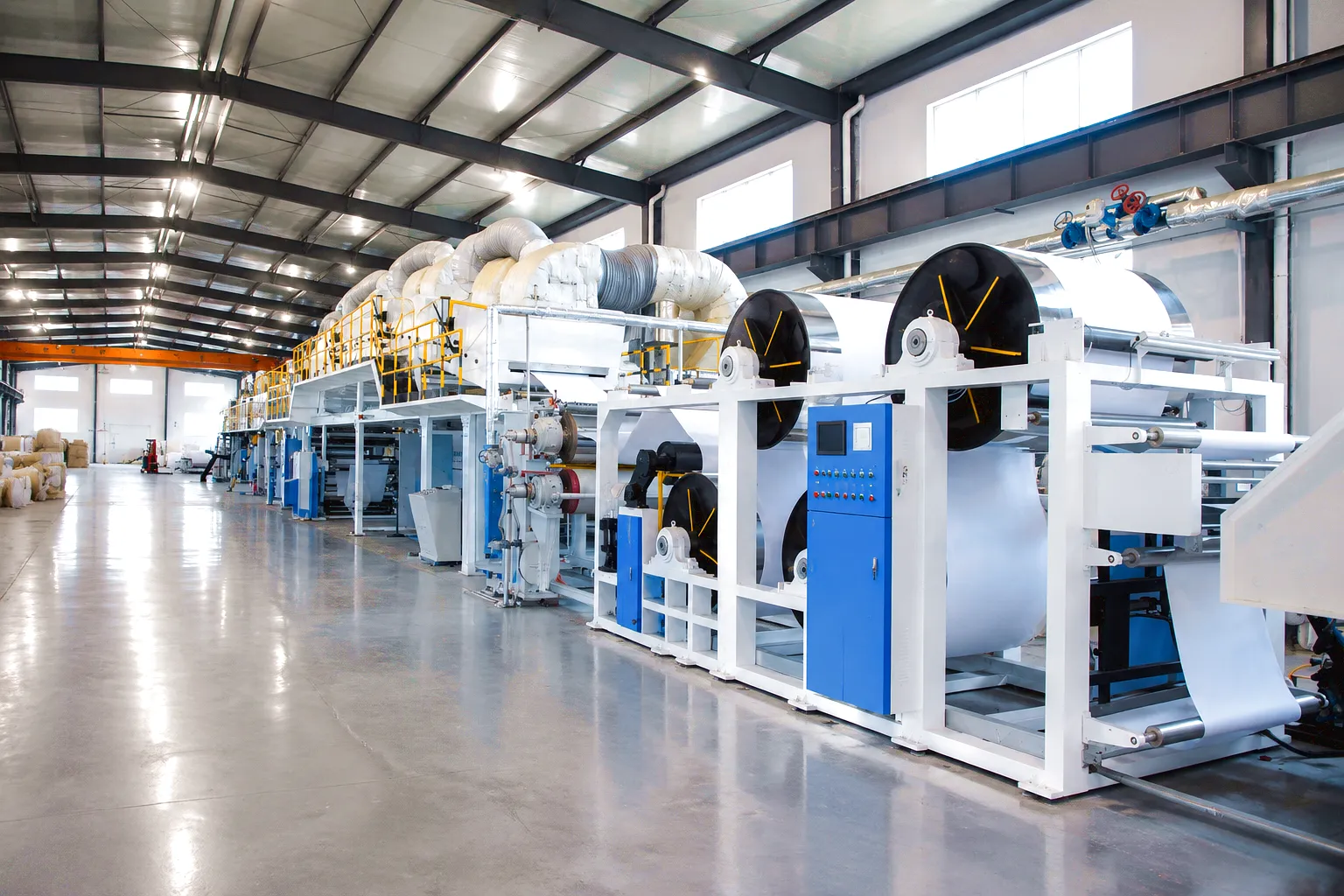 The calender section subjects the dried paper web to high-pressure nips between polished steel or polymer-covered rolls to achieve the smoothness and gloss required for printing and coating grades. Calender drives are characterised by very high operational precision — roll speed differentials of even 0.05% between adjacent rolls can cause surface marking or web tension instability that destroys sheet quality. Gear type couplings in calender section service must therefore deliver not only the torque capacity and misalignment tolerance they offer elsewhere on the machine but also minimal backlash in the tooth mesh, since any angular play will manifest as subtle but detectable velocity fluctuation. This is why super-finish tooth profile grinding — producing tooth surfaces with Ra below 0.8 micrometres — is routinely specified for gear couplings in calender positions at UK speciality paper producers, including coated and label stock manufacturers in the South East and Midlands. The mechanical precision of the coupling at this position directly determines the printability of the paper produced.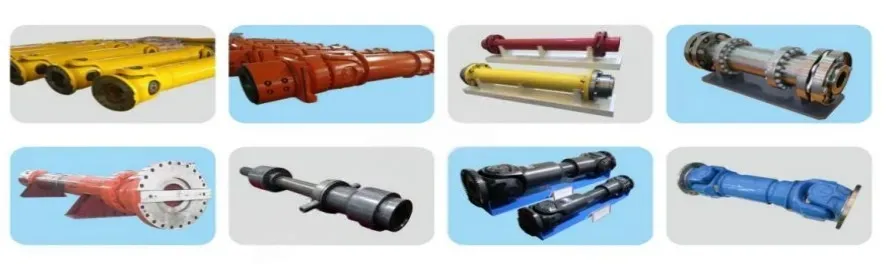
Ever Power: Precision Manufacturing and Custom Engineering for UK Industry
Factory Capability · Customisation Services · Supply Chain Assurance
🏭 Manufacturing Scale and Precision
Ever Power operates advanced CNC gear-grinding centres capable of producing tooth profiles to DIN 6 (ISO 1328) accuracy, with surface finish options down to Ra 0.4 micrometres for the most demanding precision coupling applications. Our machining capacity covers gear couplings from 50 mm bore diameter to 800 mm outer sleeve diameter, with torque ratings from 250 N·m to beyond 1,000,000 N·m. Every coupling assembly passes through a CMM-verified dimensional check, dynamic balance verification, and hydrostatic seal test before despatch — providing UK procurement teams with documented quality evidence that satisfies ISO 9001 and BS EN 15100 supplier audit requirements.
⚒ Customisation Capabilities
Ever Power’s engineering team works directly with UK plant maintenance managers and OEM design engineers to develop coupling configurations that precisely match the mechanical envelope, speed, torque, and environmental requirements of each application. Customisation options include non-standard bore diameters with keyway or interference-fit configurations, split outer sleeve designs for in-situ installation without dismantling the drivetrain, integral encoder mounting flanges for paper machine section drive speed control systems, stainless steel material upgrades for chemical service, and special lubrication arrangements for oil-lubricated continuously running configurations. Our standard lead time for catalogue products is 3–5 weeks ex-factory to UK port, with expedited production available for plant breakdown situations.
📦 Supply Chain and UK Delivery
Ever Power maintains a European logistics network with nominated freight partners servicing major UK industrial centres including Sheffield, Birmingham, Manchester, Leeds, and the Thames Corridor industrial estates. We work with experienced UK customs clearance agents to ensure smooth HMRC compliance and DDP delivery terms where required, reducing administrative burden for UK procurement departments. For long-running supply relationships, we offer blanket order frameworks with scheduled call-offs aligned to planned maintenance windows, ensuring gear couplings are on-site ready for installation before the machine shutdown begins — not waiting at a port while the production line stands idle.
Customer Success Story: Sittingbourne Board Mill — Press and Dryer Section Coupling Upgrade
Kent, England — Recycled Fibre Containerboard Production
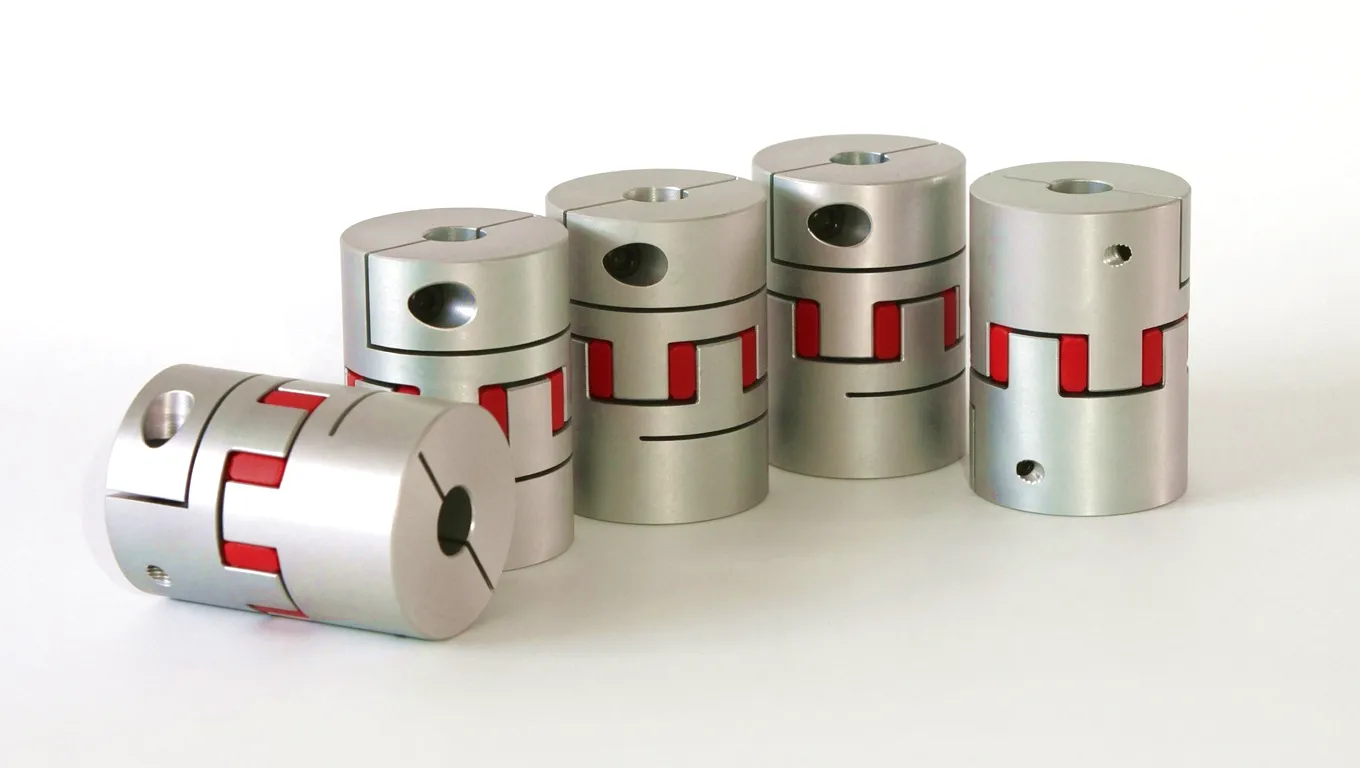
A containerboard producer operating a large-format board machine in Sittingbourne, Kent, approached Ever Power in early 2024 following an escalating pattern of premature coupling failures across their press and first dryer group positions. The machine — a 5.5-metre-width board machine producing recovered fibre containerboard for the UK packaging supply chain — had been using a mix of elastomeric jaw couplings and older-generation gear couplings sourced from multiple European suppliers. The inconsistency of maintenance intervals, the difficulty of sourcing compatible spare parts under time pressure, and the high rates of elastomeric element replacement were generating maintenance costs well above the industry benchmark.
Ever Power’s application engineering team visited the site, conducted a detailed drivetrain survey across 18 coupling positions in the press and first dryer group, and produced a comprehensive coupling selection report covering bore dimensions, operating torque, speed, misalignment data from laser alignment records, and the chemical environment at each position. The recommendation was to standardise all 18 positions on a single range of Ever Power sealed gear couplings with FKM sealing and stainless steel sleeve end-plates, manufactured to order with bores and keyways matching the existing shaft dimensions to avoid any shaft modification work.
The replacement programme was executed across two planned maintenance shutdowns, with couplings supplied in advance of each shutdown window through Ever Power’s DDP logistics arrangement. Twelve months after the final installation, the mill’s mechanical maintenance team recorded zero unplanned stoppages attributable to coupling failure in those 18 positions, compared with an average of four incidents per year in the preceding two-year period. The standardisation of coupling type also reduced the spare parts inventory from eleven different coupling part numbers to three, significantly reducing procurement administration and stock holding costs.
What UK Customers Say About Ever Power Gear Couplings
⭐⭐⭐⭐⭐⭐
“The customisation process was genuinely straightforward — Ever Power came back with a fully dimensioned proposal within five working days and matched our bore and keyway specifications exactly. Since installation we have not touched those press positions in 14 months of continuous production. That kind of reliability is what we need from a coupling supplier.”
— Mechanical Engineering Manager, Containerboard Mill, Kent
⭐⭐⭐⭐⭐⭐
“We had a dryer section coupling fail mid-run on a Saturday night — not the moment you want to be chasing parts. Ever Power’s emergency supply channel had a replacement on its way to our facility in north-east England within 36 hours. The coupling arrived correctly dimensioned, balanced, and ready to fit. That response capability puts them in a different category from the generic suppliers.”
— Plant Maintenance Director, Newsprint Producer, North of England
⭐⭐⭐⭐⭐⭐
“The G2.5 balanced gear couplings we specified for our tissue machine calender section have measurably reduced vibration at the bearing housings — our condition monitoring data shows a 30% reduction in velocity amplitude at 1x running speed since we replaced the previous design. For a machine producing tissue at over 1,800 m/min, that kind of dynamic improvement translates directly into better reel quality and reduced sheet breaks.”
— Senior Process Engineer, Tissue Manufacturer, North West England
Related Products from Ever Power
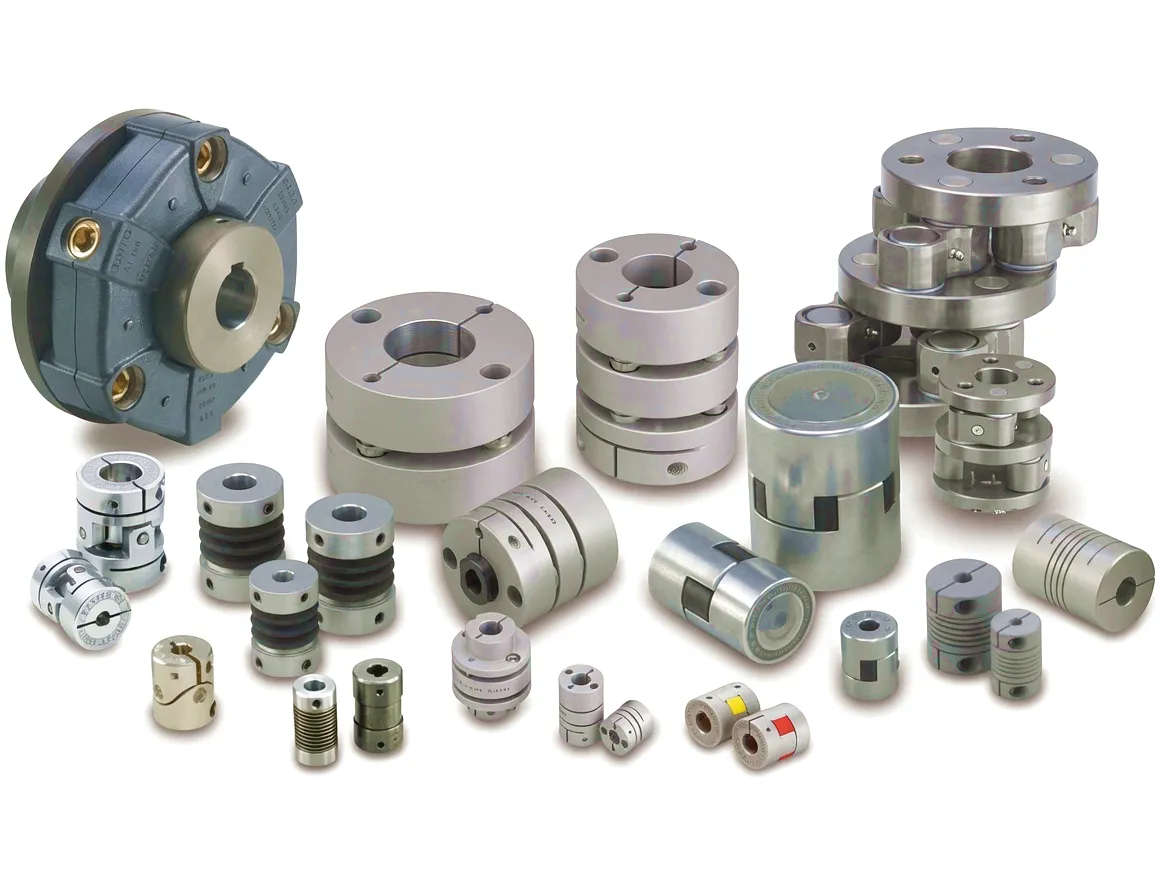
Beyond gear type couplings, Ever Power supplies a range of complementary power transmission components widely used alongside couplings in paper machine drivetrains. Two of our highest-performing PTO gearbox solutions, frequently specified in auxiliary drive positions on large paper machines and industrial processing lines, are detailed below:
HC-RC31 PTO Gearbox
A heavy-duty PTO gearbox built for demanding agricultural and industrial drive applications, delivering robust torque conversion and high durability under continuous operating conditions. Compact housing design suits tight installation envelopes.
HC-RC30-193 PTO Gearbox
Designed for versatile power take-off applications requiring precise speed ratios, the HC-RC30-193 offers excellent mechanical efficiency and long service life in both agricultural machinery and light industrial processing equipment.
Ofte stillede spørgsmål
💡 Schema Markup Note: The FAQPage + Speakable JSON-LD structured data for this article is provided separately below the article code for implementation in WordPress via a custom field or header injection plugin (e.g., Insert Headers and Footers). Paste it into your site’s <head> section or use a schema plugin to activate rich FAQ results and voice search eligibility.
Ready to Specify the Right Gear Coupling for Your Application?
Share your bore dimensions, operating speed, torque requirements, and environmental conditions. Ever Power’s engineering team will respond with a specific coupling recommendation and commercial proposal.
redigeret af gzl