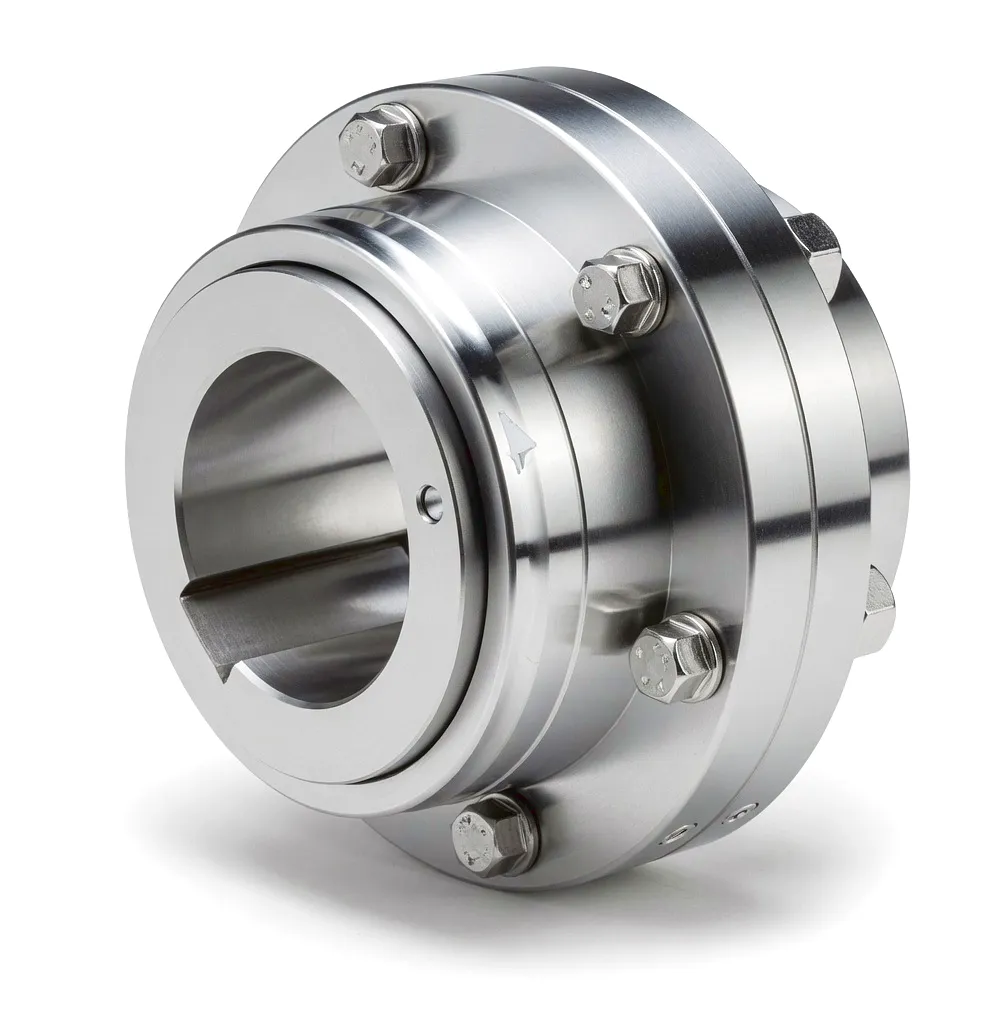
How Gear Type Couplings Work in Wind Turbine Drivetrains
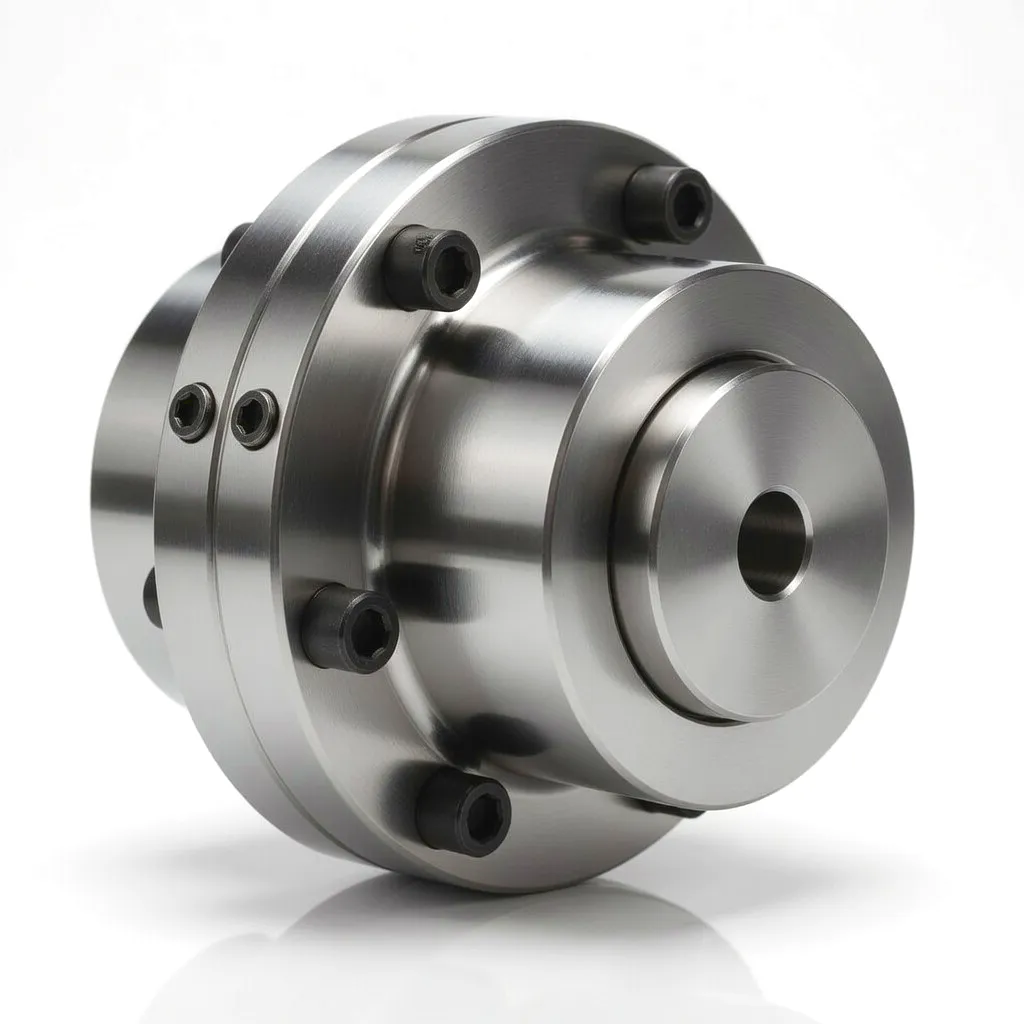
Core Materials in Wind-Grade Gear Coupling Manufacture
● Alloy Steel (42CrMo4 / EN19)
The workhorse material for high-torque gear coupling hubs and sleeves. Chromium-molybdenum grades are quench-and-tempered to tensile strengths of 900–1100 MPa, delivering the fatigue resistance needed for tens of millions of load cycles over a turbine’s operational lifetime. The material’s excellent machinability also allows the tight tooth profile tolerances that efficient power transmission demands.
● Carburised & Case-Hardened Steel
For applications demanding surface hardness beyond what through-hardening provides, carburising introduces carbon into a low-alloy steel matrix before hardening to achieve tooth-surface hardness of HRC 58–62 with a tough, ductile core. This gradient structure maximises wear resistance at the contact interface while retaining the toughness that prevents catastrophic brittle fracture under shock loading.
● Stainless & Duplex Grades
Offshore wind turbines in the North Sea operate in a highly aggressive marine environment where conventional carbon steels corrode rapidly without extensive protective coatings. Duplex stainless steel grades (e.g. 2205) offer a combination of high mechanical strength and chloride corrosion resistance that makes them well suited for sleeves and housings exposed to salt spray ingress, particularly in splash-zone installations on offshore jacket structures.
● Ductile Iron Variants
For medium-power applications and auxiliary drive systems within wind turbines — such as cooling fan drives and yaw motor connections — spheroidal graphite (SG) ductile iron offers a cost-effective balance of strength (tensile strength typically 400–600 MPa), excellent vibration damping, and castability that allows complex sleeve geometries to be produced efficiently. SG iron’s graphite nodules also provide an element of inherent self-lubrication under marginal lubrication conditions.
Surface treatments play an equally significant role. Phosphate conversion coatings, zinc-nickel electroplating, and advanced polymer-based anti-corrosion treatments are routinely applied to gear coupling components destined for offshore service. High-performance synthetic greases — lithium-complex or polyurea-based formulations rated to operate between -40°C and +150°C — are specified to ensure consistent lubrication film integrity across the wide temperature range encountered during North Sea operations, from winter gales to nacelle interior heat during high-power generation.
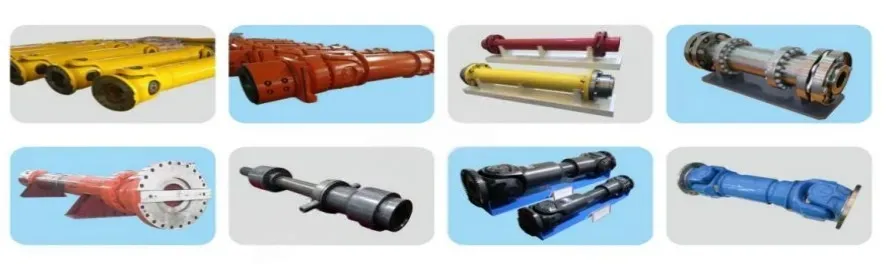
Core Technical Advantages for Wind Turbine Applications
01
Høj momenttæthed
Gear couplings achieve torque-to-weight ratios that flexible disc or elastomeric couplings cannot match at equivalent shaft sizes, making them the preferred choice for multi-megawatt turbine main shafts where weight and envelope are tightly constrained.
02
Multi-Axis Misalignment Tolerance
Angular misalignment capacity of up to 1.5° per coupling element — and parallel offset compensation — protects gearbox and generator bearings from the additional radial and axial loads that structural deflections and installation inaccuracies would otherwise impose.
03
Træthedsudholdenhed
Properly specified and lubricated gear couplings demonstrate fatigue lives exceeding 10^8 load cycles under rated torque conditions — a requirement that maps directly onto a 20-year turbine life at typical rotor speeds and partial-load duty cycles characteristic of UK wind patterns.
04
Compact Axial Envelope
The relatively short axial stack length of a gear coupling allows drivetrain designers to optimise nacelle length and mass — critical parameters for both transport logistics on UK road networks and the structural loading imposed on the tower and foundation during wind events.
05
Feltservicevenlighed
Split-sleeve designs enable re-lubrication and inspection without dismantling the complete drivetrain — a practical advantage that significantly reduces crane time and technician hours during scheduled maintenance campaigns on both onshore and offshore UK assets.
06
Speed Range & Balance
Precision-balanced gear couplings maintain acceptable vibration levels across the wide speed range that a variable-speed turbine traverses — from cut-in speeds of approximately 3 m/s wind to rated operation above 11 m/s — without introducing resonance that could excite tower or foundation structural modes.
Technical & Performance Parameters — Wind-Grade Gear Couplings
Application Scenario: Wind Turbine Drivetrain Systems
Detailed engineering & operational analysis for gear coupling deployment across wind energy installations
Application Scenario 1: High-Speed Shaft Coupling — Gearbox to Generator Interface

Application Scenario 2: Low-Speed Main Shaft Couplings on Direct-Drive and Hybrid Architectures

Application Scenario 3: Yaw Drive Systems — Controlled Orientation in Variable Wind Conditions
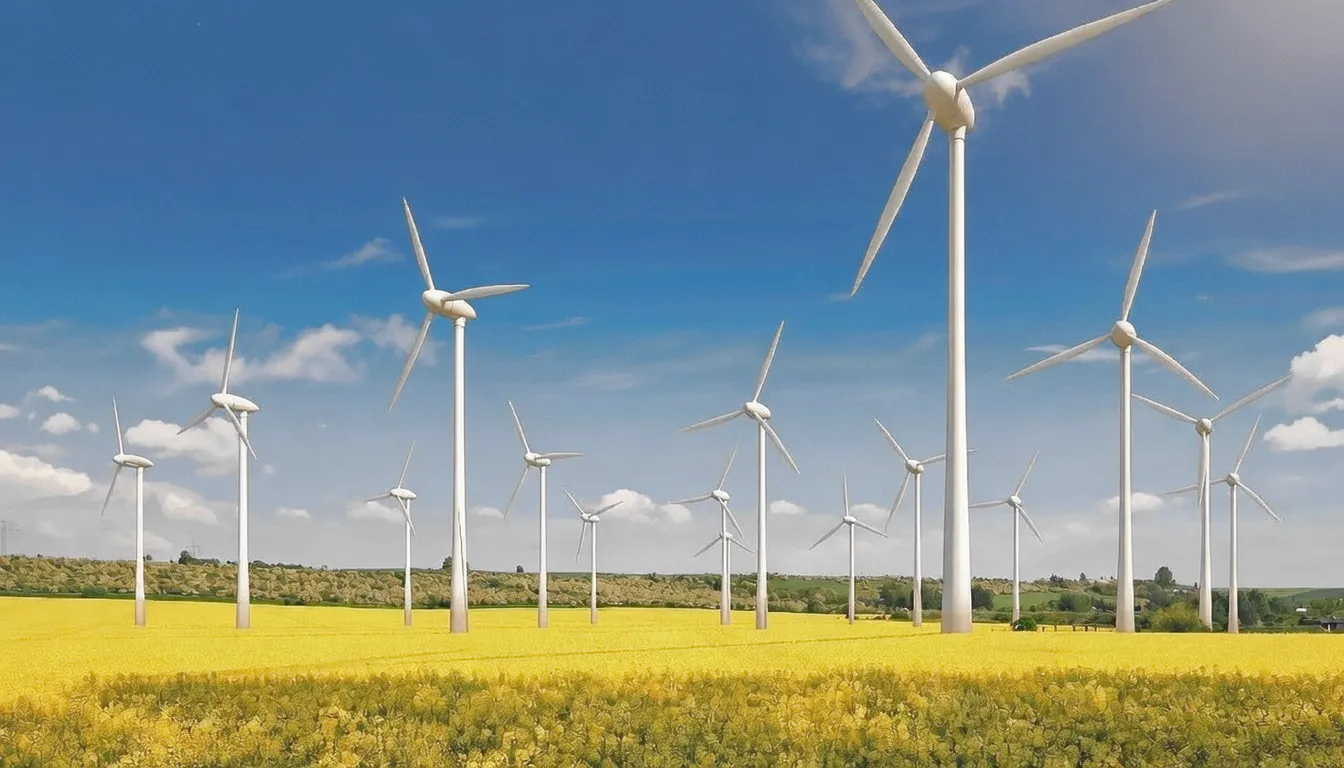
Application Scenario 4: Pitch Control Actuator Drives — Individual Blade Angle Management
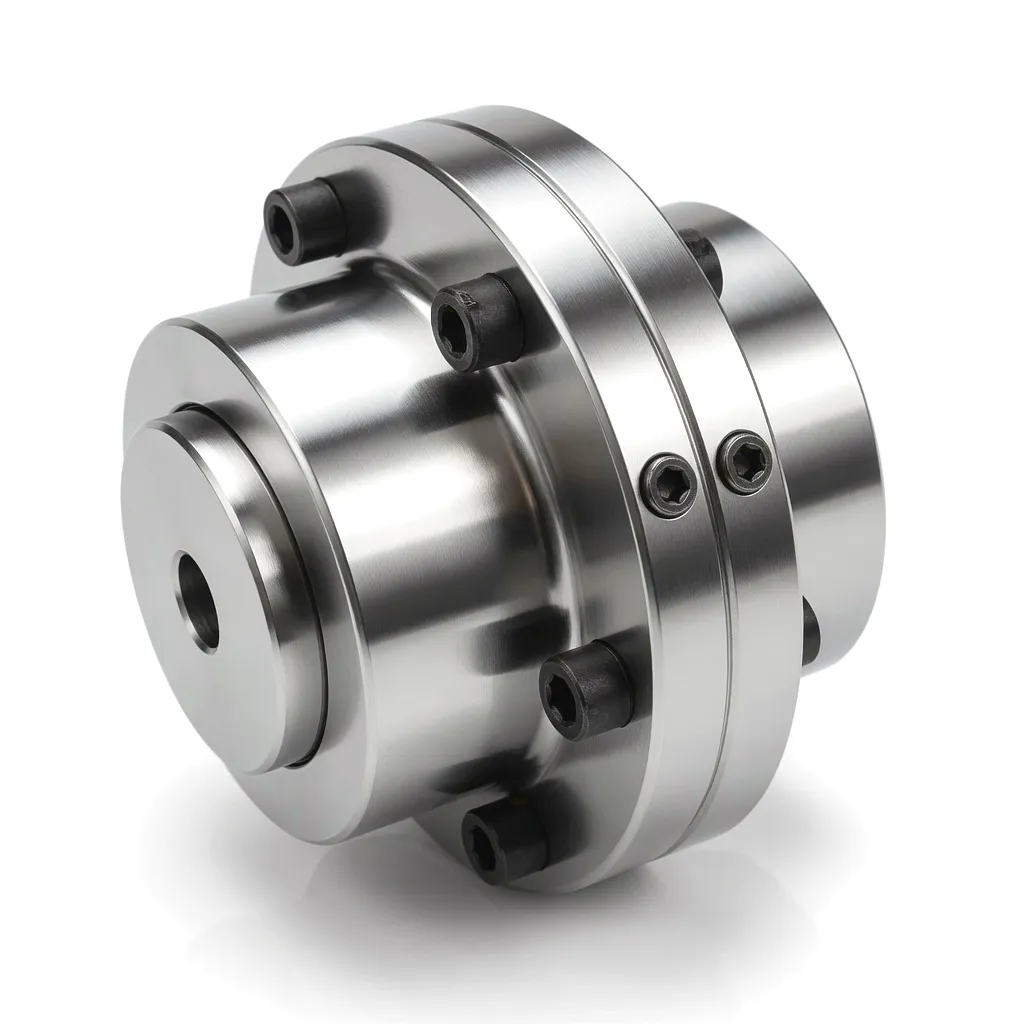
Application Scenario 5: Hydraulic Pump & Cooling Fan Drives in Nacelle Auxiliary Systems
Ever Power: Precision Manufacturing & Custom Gear Coupling Solutions
Engineering partnerships built on manufacturing capability, not catalogue limitations
⚙
Full-Spectrum Customisation
Ever Power’s engineering team works from customer-supplied shaft data, OEM drawings, or performance specifications to design and manufacture gear couplings entirely tailored to the application. Non-standard shaft diameters, unusual keyway configurations, specialised bore tolerances, and bespoke flange patterns are all accommodated within standard project lead times. This capability is particularly valued by UK wind turbine operators managing legacy fleet assets where original coupling specifications are obsolete or where original equipment manufacturers no longer support legacy platform variants.
▲
Precision CNC Machining & Gear Grinding
Ever Power operates CNC turning centres, gear hobbing machines, and precision gear grinding equipment that achieve tooth profile tolerances to DIN 5480 quality class 6 and above. Ground tooth profiles reduce surface roughness to Ra 0.4 µm or better, minimising lubrication film breakdown risk at tooth contact zones — a critical factor in achieving the extended re-lubrication intervals that reduce operational costs for offshore wind asset owners on annual fixed-price O&M contracts.
📜
Material Certification & Traceability
Every coupling supplied by Ever Power for wind applications is manufactured from materials with full mill certification traceable to recognised international standards. Mechanical property test certificates, hardness survey reports, non-destructive examination records, and dimensional inspection certificates are supplied as standard, providing the complete documentation package demanded by wind energy project certification bodies including DNV, Bureau Veritas, and Lloyd’s Register operating in the UK offshore certification environment.
✈
Reliable Supply Chain & Delivery
Ever Power’s supply chain management capability covers raw material procurement, heat treatment sub-contracting, surface treatment coordination, and final assembly inspection — all managed through a structured quality management system. International logistics expertise, including sea freight to UK ports at Immingham, Felixstowe, and Southampton, ensures that UK-based wind energy procurement teams receive components with lead times and delivery reliability compatible with planned maintenance shutdown schedules and vessel charter windows.
📧 Request a Custom Coupling Quotation from Ever Power
Email: [email protected] | Rapid response for B2B engineering enquiries
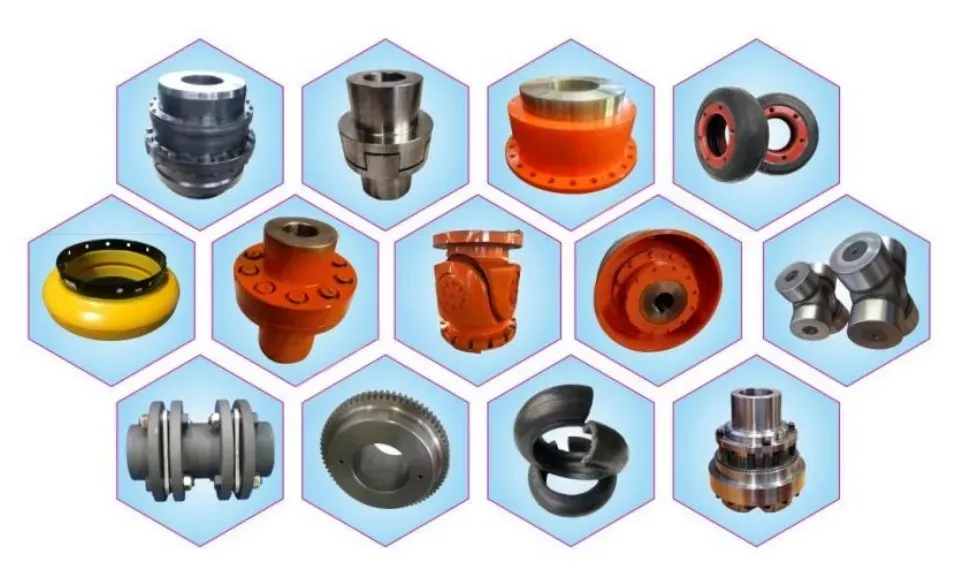
Featured Related Products
Complementary drive components for wind turbine drivetrain systems from Ever Power
Customer Success Story: Hull, East Yorkshire — Offshore Wind Operations
A wind energy operations and maintenance contractor based in Hull — a city that has positioned itself as one of the UK’s primary offshore wind industry hubs — was managing a fleet of 3.6 MW turbines across two North Sea wind farms. Over successive annual major maintenance campaigns, the engineering team had observed accelerating wear on the high-speed shaft gear couplings supplied by the original turbine manufacturer. Inspection records documented increasing backlash, lubricant degradation at intervals shorter than the specified re-greasing schedule, and two complete coupling replacements in a single season across the fleet — each replacement requiring a jack-up vessel mobilisation at significant cost and with consequent generation losses during the replacement window.
The operations director engaged Ever Power to review the application specification and propose an enhanced replacement solution. Ever Power’s engineers conducted a detailed analysis of the original coupling’s performance data, the turbine’s operational loading history extracted from the SCADA system, and the specific environmental conditions at the installation site — including the nacelle internal temperature profile, the frequency distribution of load cycles, and the lubricant grade historically specified. Based on this analysis, Ever Power proposed a custom gear coupling manufactured from 18CrNiMo7-6 carburised and case-hardened steel, incorporating an improved crowned tooth geometry with tighter profile tolerances, a sealed grease retention design with laboratory-validated 24-month service interval at the actual operating conditions, and a duplex zinc-nickel protective coating on external surfaces.
A pilot batch of twelve couplings was supplied for installation across a representative sample of turbines during the next major maintenance window. After 26 months of continuous service monitoring, condition assessments performed by the operations team revealed tooth wear rates approximately 40% lower than the baseline documented on the original equipment, with lubricant condition remaining within specification at the 24-month inspection interval. The operations director estimated that the improved coupling performance, combined with the extended service interval, reduced the fleet’s annual coupling-related maintenance expenditure by over 30% compared with the baseline established over the three preceding seasons. Satisfied with these outcomes, the contractor extended the Ever Power supply arrangement to cover the complete drivetrain coupling inventory across both wind farms and an additional onshore cluster in Lincolnshire.
Hvad vores kunder siger
★★★★★
“The custom tooth geometry that Ever Power engineered for our high-speed shaft application has been exceptional. The wear data at 26 months significantly outperformed our original OEM specification, and the extended regreasing interval has genuinely simplified our vessel scheduling — that alone represents real cost savings on an offshore fleet.”
— Operations Director, Offshore Wind O&M Contractor, Hull, East Yorkshire
★★★★★
“We brought Ever Power into a project where the coupling bore tolerances and shaft interference fits were non-standard, and no catalogue product was close enough. Their engineering team turned around a detailed proposal in three working days, the mill certificates and inspection documentation were complete and in order, and the delivered dimensions were exactly on drawing. Exactly the kind of supply partnership you need when you’re on a tight maintenance window.”
— Lead Mechanical Engineer, Wind Turbine OEM Component Division, Sheffield
★★★★★
“We specified Ever Power gear couplings for yaw drive replacement across our onshore Lincolnshire portfolio after persistent issues with cold-temperature stiction on the original drive components during winter. Ever Power’s team recommended and supplied a specific grease grade with a pour point of -55°C and adjusted the tooth clearances for the revised lubrication viscosity — the yaw system performance through this past winter was the best we have recorded on those assets.”
— Asset Manager, Onshore Wind Portfolio, East Midlands
Ofte stillede spørgsmål
Common questions from UK wind energy engineers and procurement managers
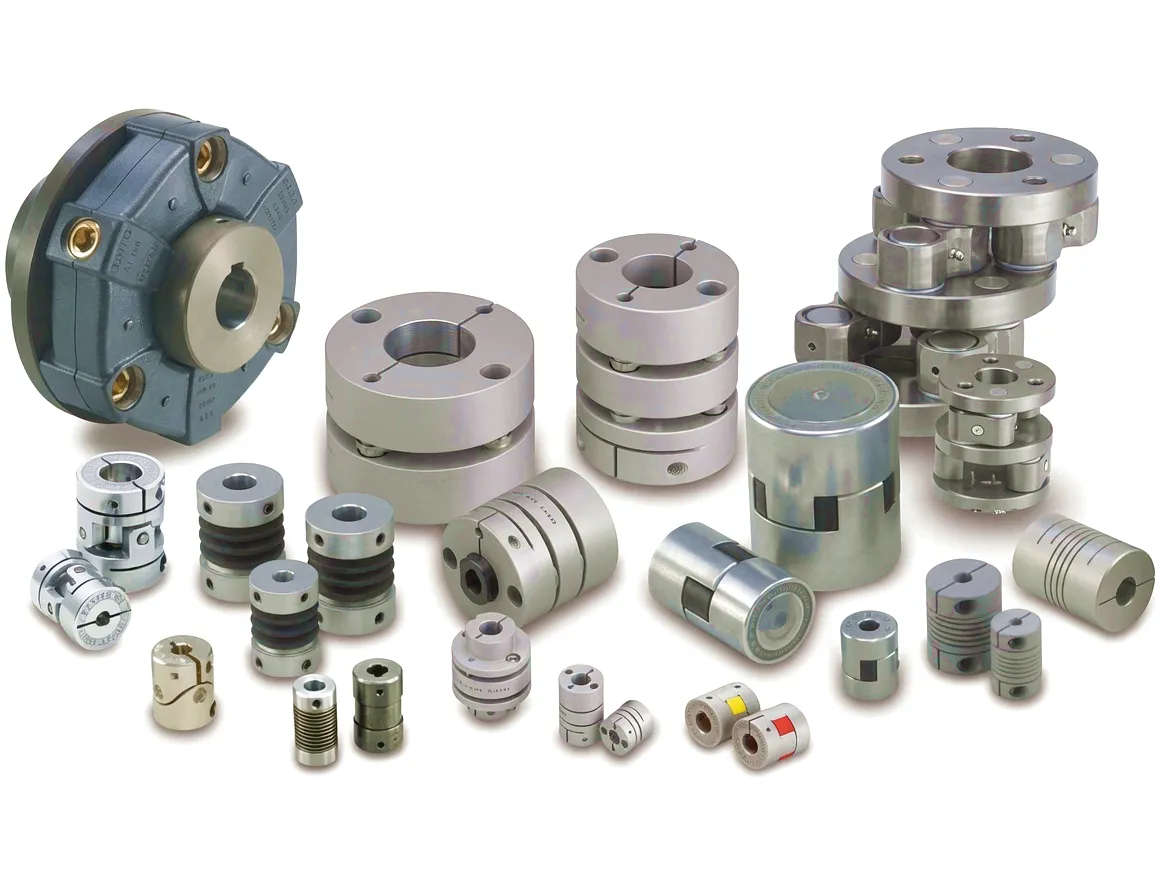
redigeret af gzl