Industrial Power Transmission — United Kingdom
Kupplungen in Antriebssystemen von Zementmühlen: Technische Zuverlässigkeit für die anspruchsvollsten Industrieumgebungen Großbritanniens
A technical deep-dive into how precision gear couplings, snake spring couplings and universal joints keep Britain’s cement and aggregate plants running — from Birmingham’s construction supply chain to the limestone quarries of Derbyshire.
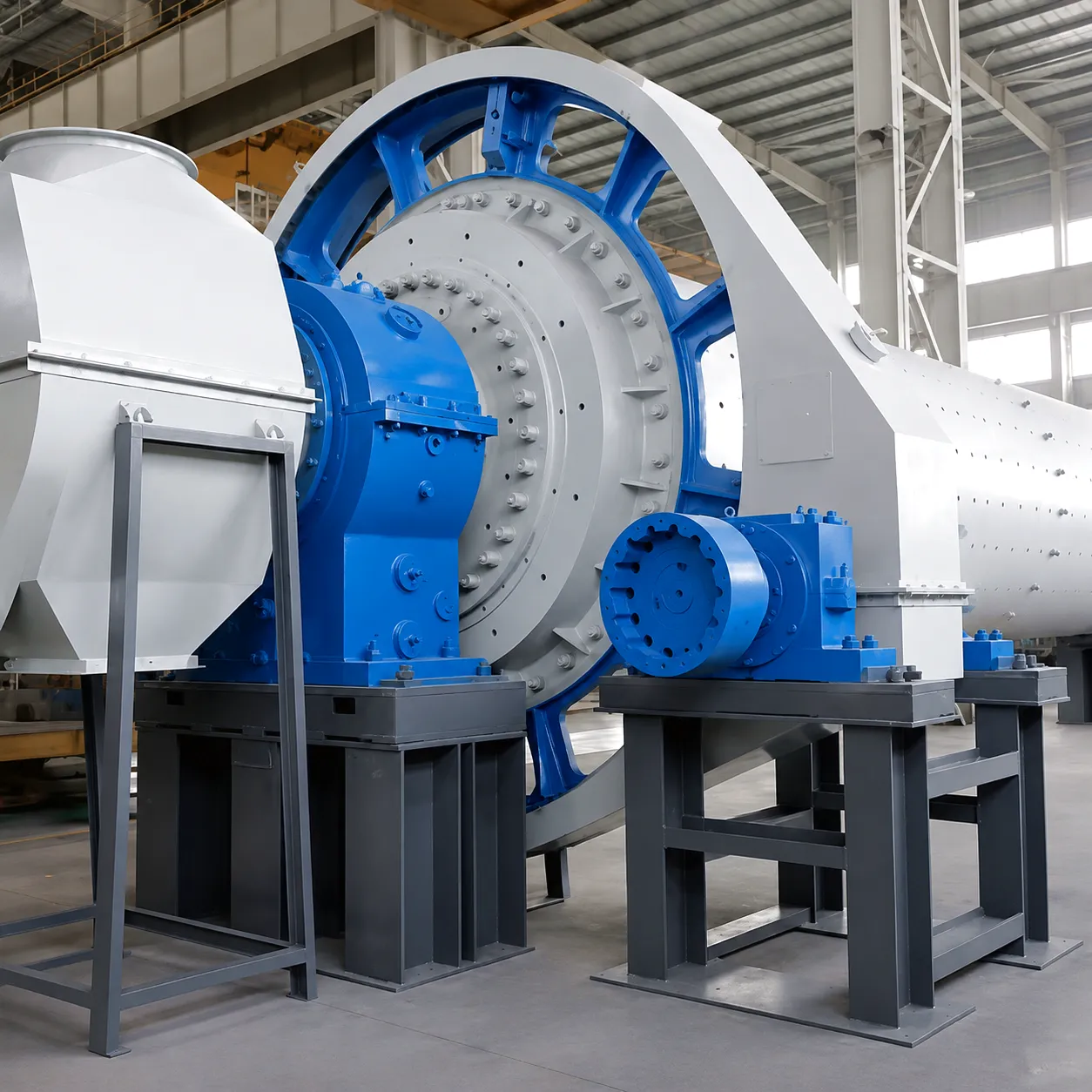
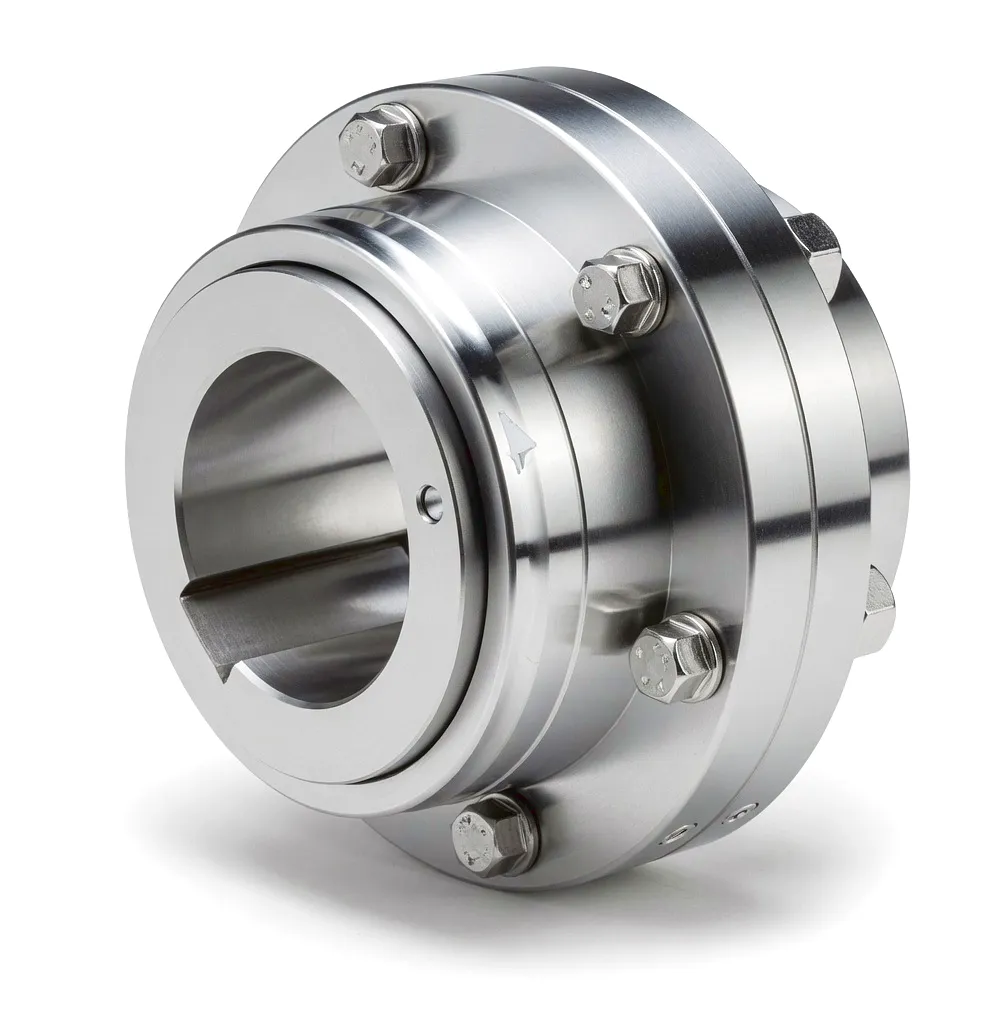 The cement manufacturing industry represents one of the most mechanically punishing production environments in the United Kingdom. From the raw material quarrying operations in the Peak District to the clinker grinding lines serving Sheffield’s construction sector, the sheer mechanical power involved in operating ball mills, vertical roller mills and roller presses places extraordinary demands on every component in the drive train. At the centre of this challenge sits the industrial coupling — an engineering component whose correct specification can mean the difference between seamless annual output and catastrophic unplanned downtime costing tens of thousands of pounds per hour. Cement mill drive systems routinely handle motor outputs ranging from a few hundred kilowatts up to four or five megawatts, and the coupling connecting prime mover to gearbox must absorb start-up shock loads, accommodate shaft misalignment caused by thermal expansion, and resist the relentless ingress of fine limestone and clinker dust that penetrates every corner of a grinding plant.
How Couplings Work Inside a Cement Mill Drive System
Snake spring couplings, by contrast, operate on a fundamentally different mechanical principle. A sinuous metal spring — coiled in a serpentine path through alternating slots cut into two parallel flanged hubs — acts as the elastic torque-transmitting element. When torque is applied, the spring deflects progressively, the stiffness increasing non-linearly as the coils press deeper into their slots. This non-linear spring characteristic is particularly valuable during cement mill starting sequences: the initial low-stiffness range absorbs the first surge of start-up inertia, then the rising stiffness takes over to transmit the full rated torque smoothly. The result is a dramatically reduced shock load on the motor windings, gearbox gears and roller bearings compared with a rigid or semi-rigid coupling.
Core Materials Used in Cement Mill Coupling Manufacture
● Alloy Steel Hubs (42CrMo4 / 40Cr)
Chromium-molybdenum alloy steel is the industry standard for high-torque gear coupling hubs destined for cement mill service. After rough machining, hubs are typically normalised, quenched and tempered to achieve tensile strengths in the range of 900–1100 MPa. This combination of high yield strength and good toughness resists the repeated shock loading typical of ball mill start-ups without brittle fracture. The low sulphur and phosphorus content of grade 42CrMo4 — well-established in British and European standard EN 10083-3 — further ensures weld-repair compatibility should a hub require refurbishment.
● Carbon Steel Sleeves (45# / S45C)
The outer sleeve of a gear coupling undergoes internal tooth grinding after heat treatment to achieve the involute profile accuracy demanded by high-speed, high-torque cement applications. Carbon steel grade 45# (equivalent to BS 970 En8) offers an excellent balance of machinability and wear resistance, and its relatively lower alloying cost makes it an economically rational choice for the outer member. Sleeves are typically carburised or induction-hardened on tooth flanks to achieve surface hardness of HRC 50–58, giving a contact life measured in years even in moderately contaminated lubrication conditions.
● High-Carbon Spring Steel (65Mn / 60Si2Mn)
The serpentine spring element in snake spring couplings is invariably manufactured from high-carbon manganese or silicon-manganese spring steel, hardened and tempered to achieve fatigue strength above 700 MPa at the root of each coil. The material’s resilience — its capacity to store and release elastic energy without permanent deformation — directly determines the coupling’s ability to smooth out cyclic torque variations from the mill’s charge motion. Spring elements are commonly shot-peened after heat treatment to introduce compressive residual stresses at the surface, extending fatigue life by as much as 40% in laboratory testing.
● Cast Iron Flanges & Nodular Iron Bodies
Lower-duty coupling bodies, particularly those used in auxiliary drives such as separator fans, cooler drives and conveyor systems within the cement plant, are frequently manufactured from EN-GJS-400 spheroidal graphite (ductile) iron. This material offers excellent vibration damping, good machinability for the close-tolerance bore and keyway features, and substantially lower cost than forged steel. Nodular iron’s graphite nodule microstructure also provides a degree of self-lubrication at the bore-shaft interface that reduces fretting corrosion during the service life.
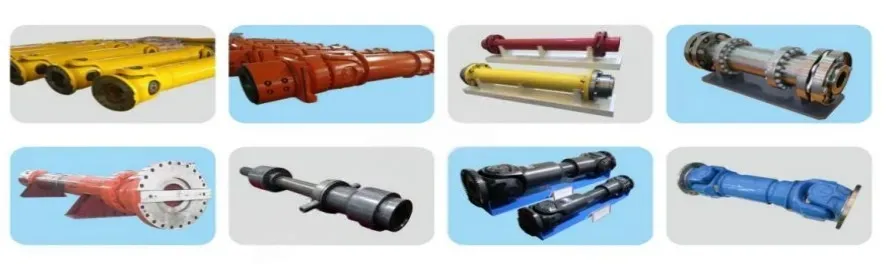
Core Technical Advantages in Cement Mill Drive Applications
01 — Exceptional Shock Load Absorption
The non-linear spring characteristic of snake spring couplings reduces peak torque transmitted to the gearbox during cement mill starts by as much as 60% compared with rigid flange couplings. This directly extends gearbox tooth life and reduces bearing fatigue, translating into longer intervals between major overhauls for plant managers operating under the UK’s tight production schedules and HSE maintenance obligations.
02 — Superior Misalignment Tolerance
Gear couplings with crowned tooth profiles accept angular misalignment up to 1.5° and parallel offset in the range of 0.5–1.5 mm, while universal couplings of the SWC series can accommodate angular displacements above 25° at reduced speed. In a cement grinding building where concrete foundations settle differentially over years of operation and thermal gradients between summer and winter cause measurable shaft drift, this tolerance for misalignment protects connected machinery and avoids premature bearing failure.
03 — Dust-Resistant Sealed Design
Cement and limestone dust particles typically measure 10–100 micrometres in diameter — small enough to penetrate poorly sealed mechanical joints yet abrasive enough to accelerate tooth flank wear dramatically. Modern sealed gear couplings feature labyrinth seals combined with nitrile or fluoroelastomer lip seals to create a positive barrier. In independent testing, sealed designs maintain lubricant cleanliness at ISO/NAS cleanliness levels 12–14 for periods exceeding twelve months in full cement plant dust environments.
04 — Extended Maintenance Intervals
A major British cement producer typically targets grinding mill availability rates above 85% annually. Every maintenance shutdown carries a direct cost burden and must be justified against output targets. Snake spring couplings carry a significant advantage here: the spring element requires no lubrication, and inspection — simply removing the cover and visually examining the spring for cracking or set — takes under thirty minutes. Gear couplings with permanently packed grease achieve re-lubrication intervals of 12–18 months, broadly aligning with annual plant overhaul windows common in UK manufacturing.
05 — High Torque Density
Gear couplings achieve among the highest torque-to-weight and torque-to-diameter ratios of any coupling family. A DN200 gear coupling can readily transmit 40,000–50,000 Nm of continuous torque in a package weighing under 80 kg — a ratio that makes them the preferred choice wherever space is constrained inside the mill building’s drive pit. This high torque density is a direct consequence of the large contact area distributed across multiple engaged teeth, typically between 8 and 20 pairs simultaneously sharing the transmitted load.
06 — Overload Protection by Design
The elastic deformation capacity of snake spring couplings acts as a mechanical fuse during transient overloads — foreign objects entering the mill, sudden stopping under load, or power interruptions followed by automatic restarting. The spring absorbs energy that would otherwise propagate as shock into the gearbox and motor bearings. For UK plant operators working under the Provision and Use of Work Equipment Regulations (PUWER), a coupling that inherently limits transmitted overload torque contributes to a demonstrably safer mechanical system.
Product Technical & Performance Parameters
The table below summarises the key performance parameters for the coupling families most commonly specified in UK cement mill and heavy grinding applications. All values are indicative and should be confirmed with the manufacturer’s engineering team for each specific project.
| Parameter | Gear Coupling (GICL/GICLZ) | JSA Snake Spring Coupling | SWC Universal Coupling |
|---|---|---|---|
| Rated Torque (Nm) | 1,000 – 2,500,000 | 250 – 710,000 | 1,000 – 4,000,000 |
| Maximale Winkelabweichung | 0.5° – 1.5° | 1° – 3° | Up to 25° – 45° |
| Max Parallel Offset | 0.3 – 1.5 mm | 0.5 – 3 mm | N/A (angular only) |
| Maximale Betriebsdrehzahl (U/min) | Up to 3,600 | Up to 1,500 | Up to 1,000 |
| Hub / Body Material | 42CrMo4 / 45# forged steel | 45# / Cast iron hub | 40Cr / 42CrMo4 alloy steel |
| Elastic / Spring Element | None (rigid tooth mesh) | 65Mn spring steel coil | Cross-shaft / yoke assembly |
| Lubrication Required | Yes — grease, 12–18 months | None (dry operation) | Grease needle bearings |
| Overload Factor (peak/rated) | 2.0 – 3.0 x | 2.5 – 4.0 x | 2.0 – 2.8 x |
| Suitable Bore Range | 20 – 600 mm | 20 – 400 mm | 30 – 680 mm |
| Betriebstemperatur | -20 °C to +120 °C | -30 °C to +100 °C | -25 °C to +100 °C |
| Oberflächenbehandlung | Epoxy painting / phosphating | Painting or zinc plating | Hot-dip galvanising / painting |
| Certification / Standard | GB/T 5272, ISO 9001 | GB/T 12922, ISO 9001 | GB/T 5901, CE, ISO 9001 |
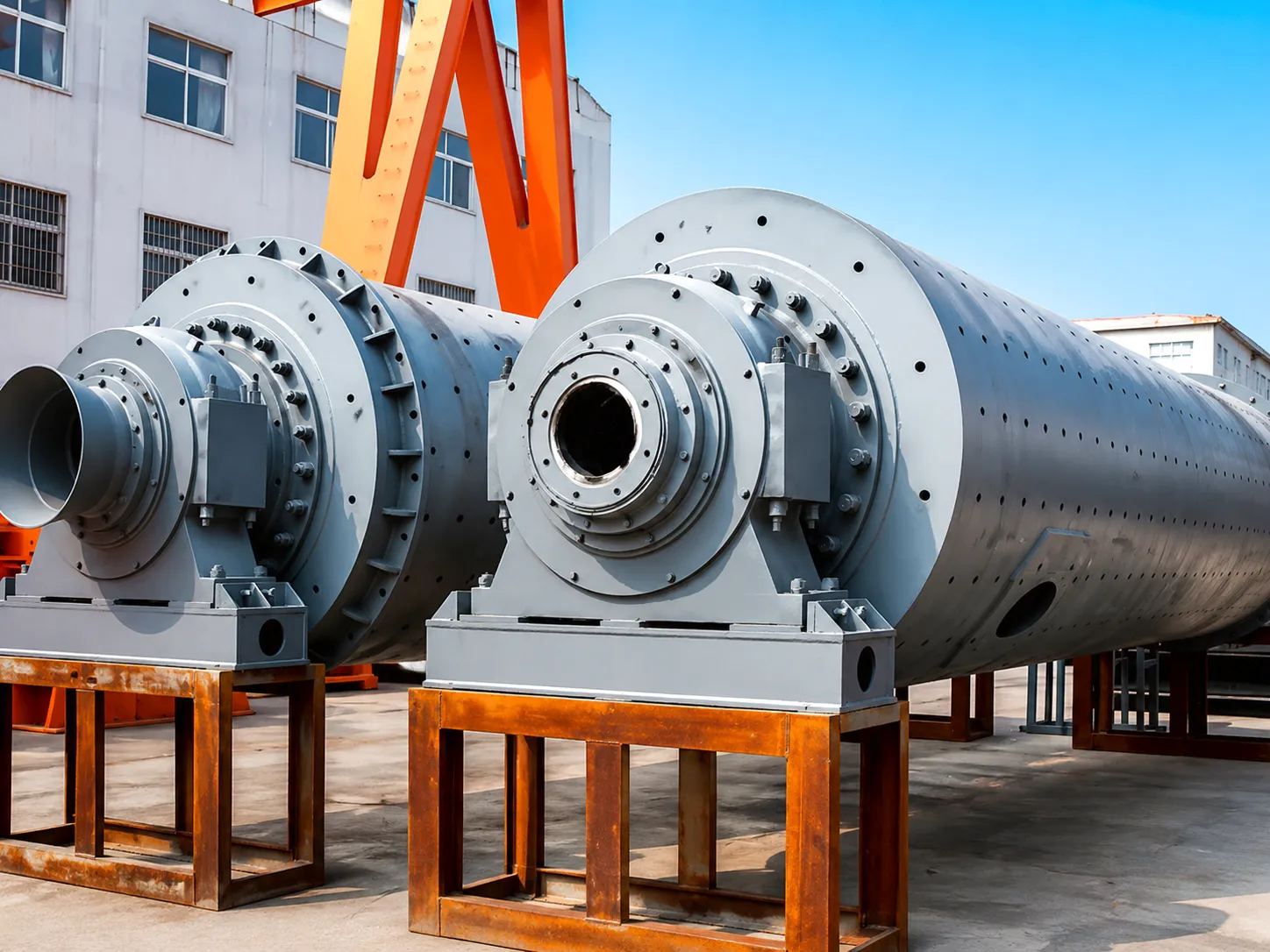
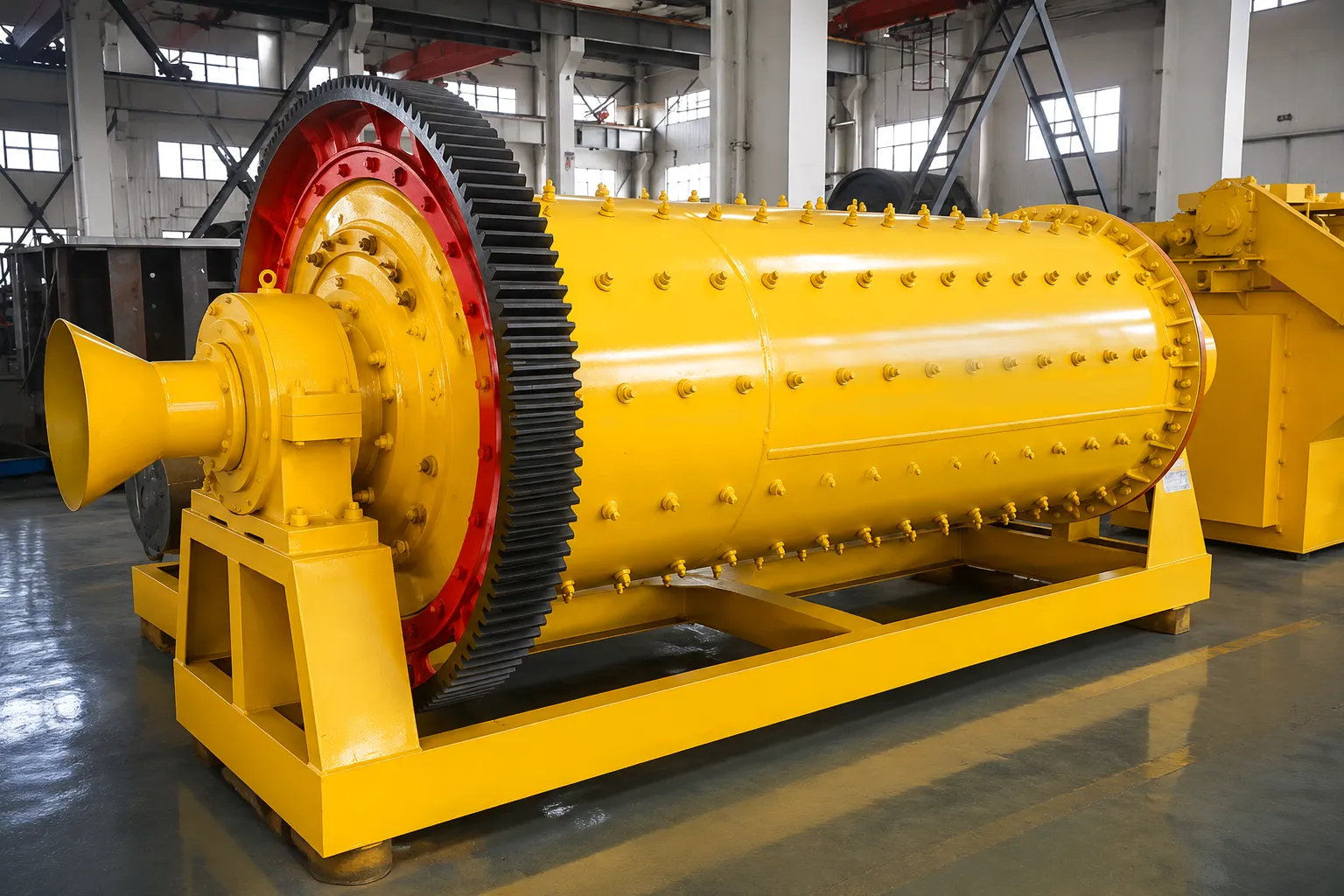
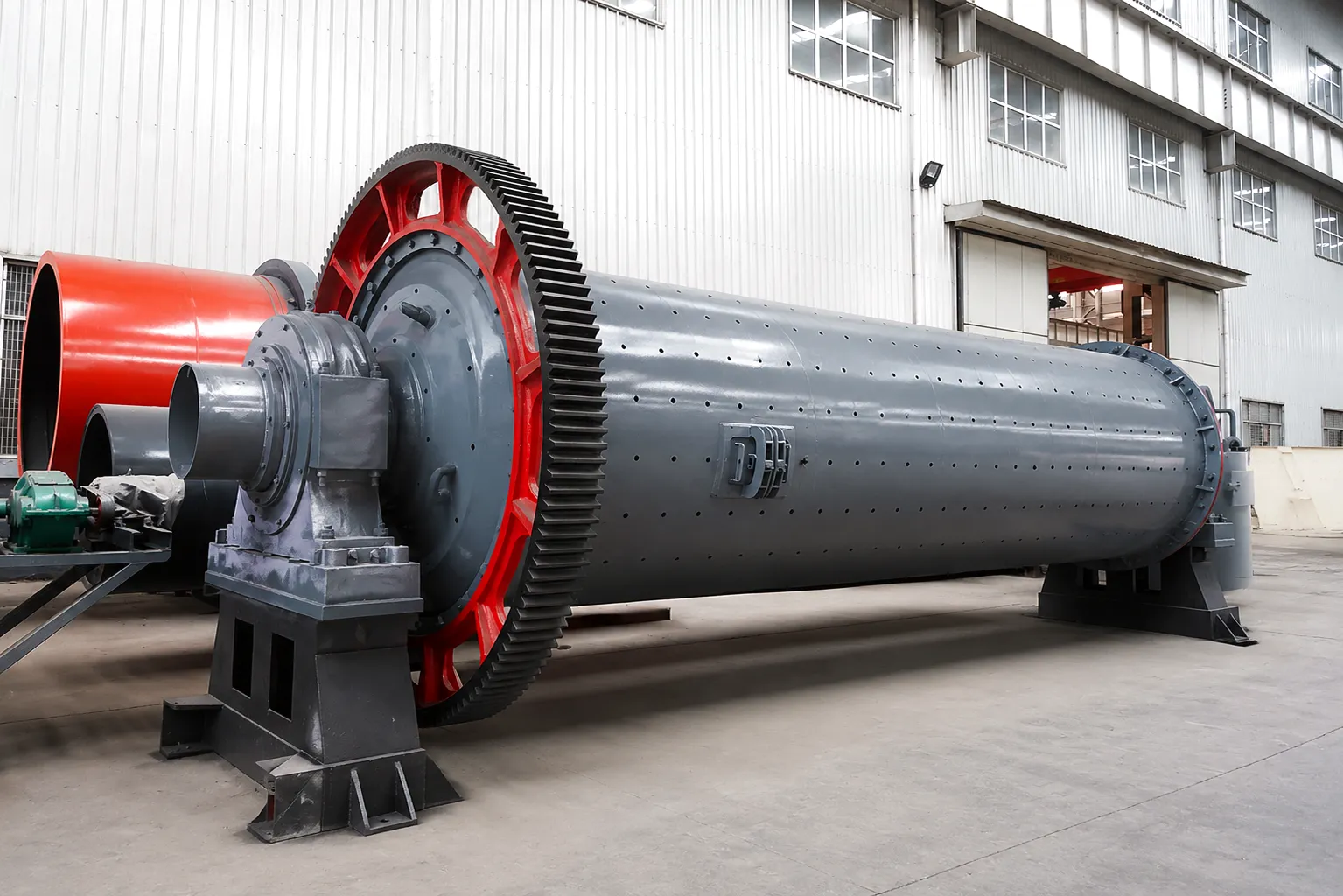
Application Scenario: Cement Mill Drive Systems in UK Industrial Practice
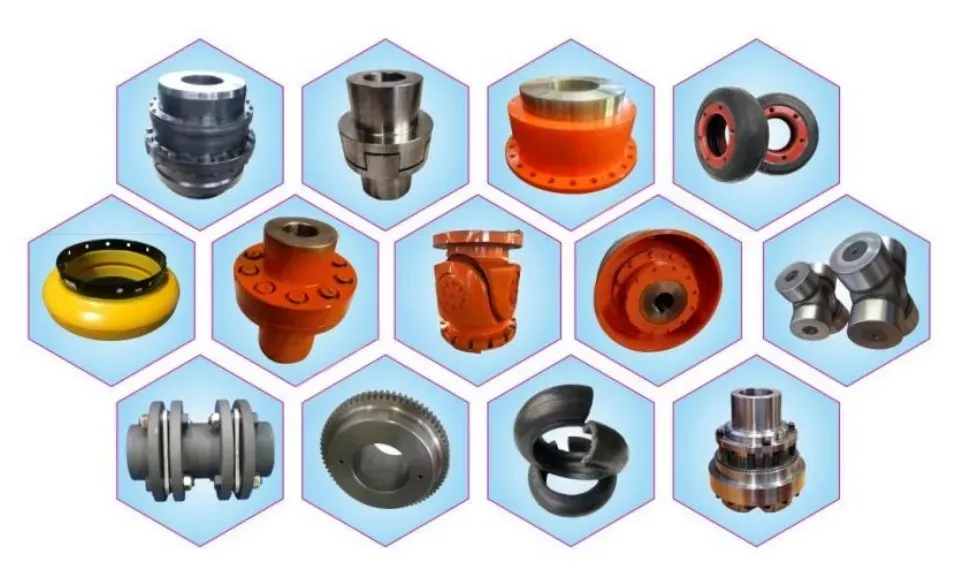
Featured Products for Cement & Heavy Industry
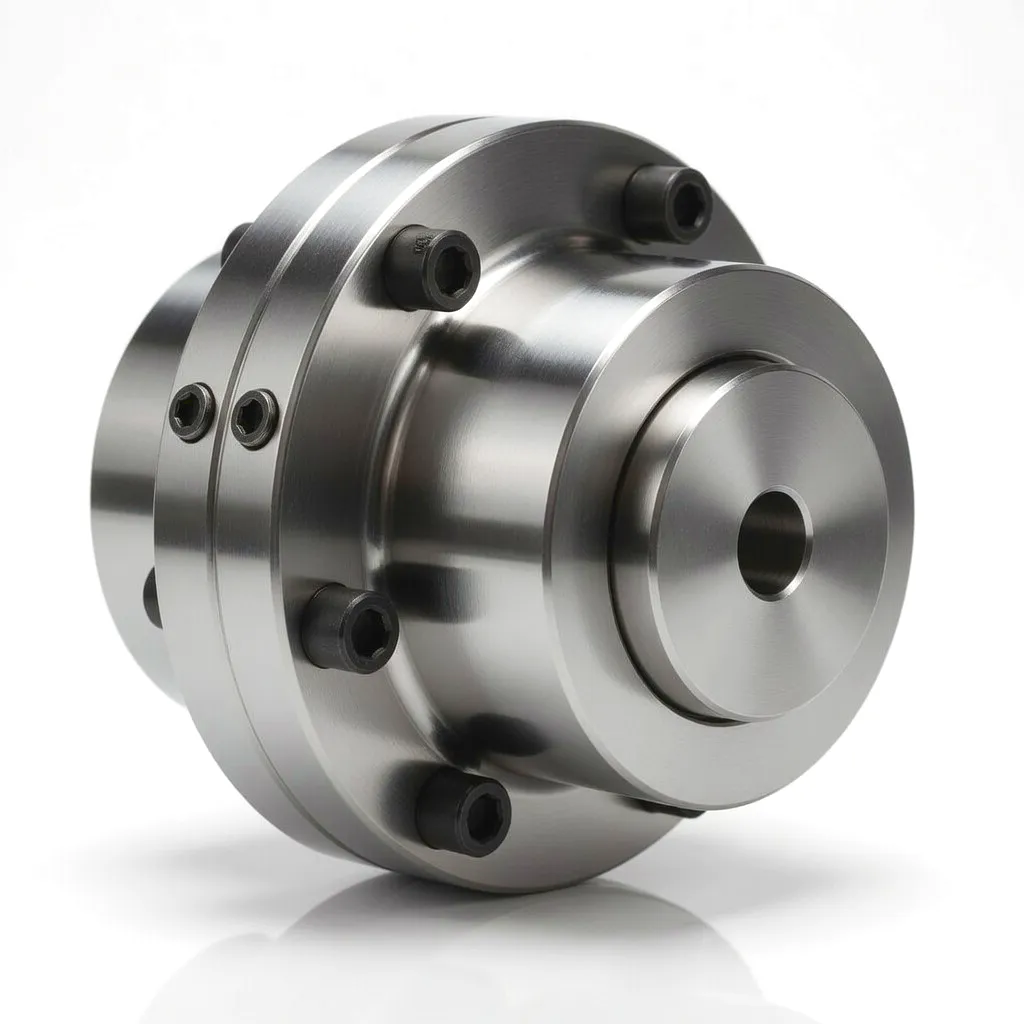
JSA-Serie Schlangenfederkupplung
The JSA Series snake spring coupling delivers outstanding torsional flexibility and shock absorption, making it the ideal choice for cement mill ball mill drives, roller press pre-grinders and high-inertia start-up applications. The dry serpentine spring element eliminates lubrication maintenance, reduces installation labour cost and allows rapid visual inspection during brief plant stoppages. Available in a comprehensive bore range from 20 mm to 400 mm with torque ratings covering 250 Nm to 710,000 Nm, and fully customisable keyway, shrink-disc or hydraulic fit bore options.
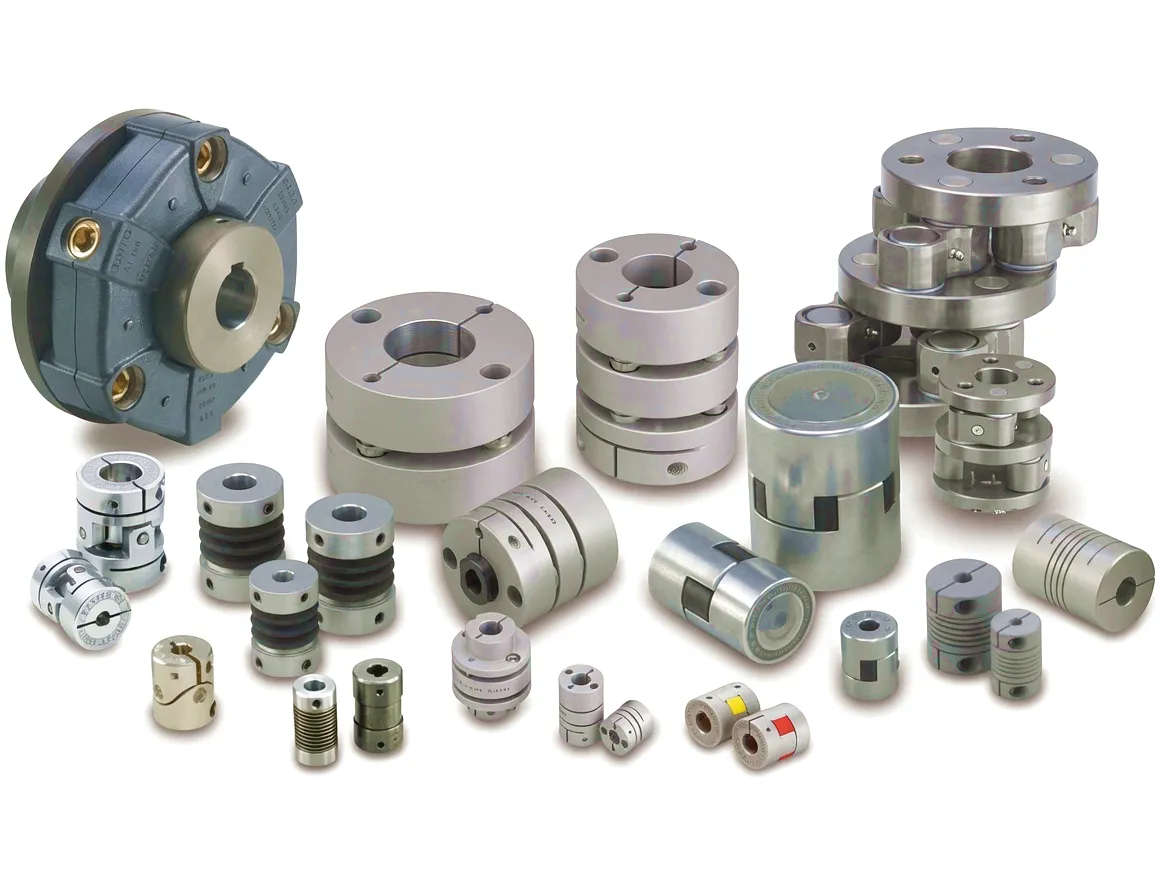
SWC-Serie Universalkupplung
The SWC Series universal coupling handles large angular displacements up to 45° while transmitting torques from 1,000 Nm to over 4,000,000 Nm — purpose-built for applications where shaft axes cannot be aligned closely, including rolling mill main drives, ladle transfer cars, kiln tyre drive chains and cross-plant conveyor drive systems. The needle-bearing cross-shaft assembly delivers low friction and high fatigue life, while the flanged welded-tube shaft design provides structural rigidity with low rotational inertia. Custom shaft lengths from 500 mm to 15,000 mm are available ex-works.
Ever Power: Manufacturing Expertise & Custom Coupling Solutions
Anpassungsmöglichkeiten
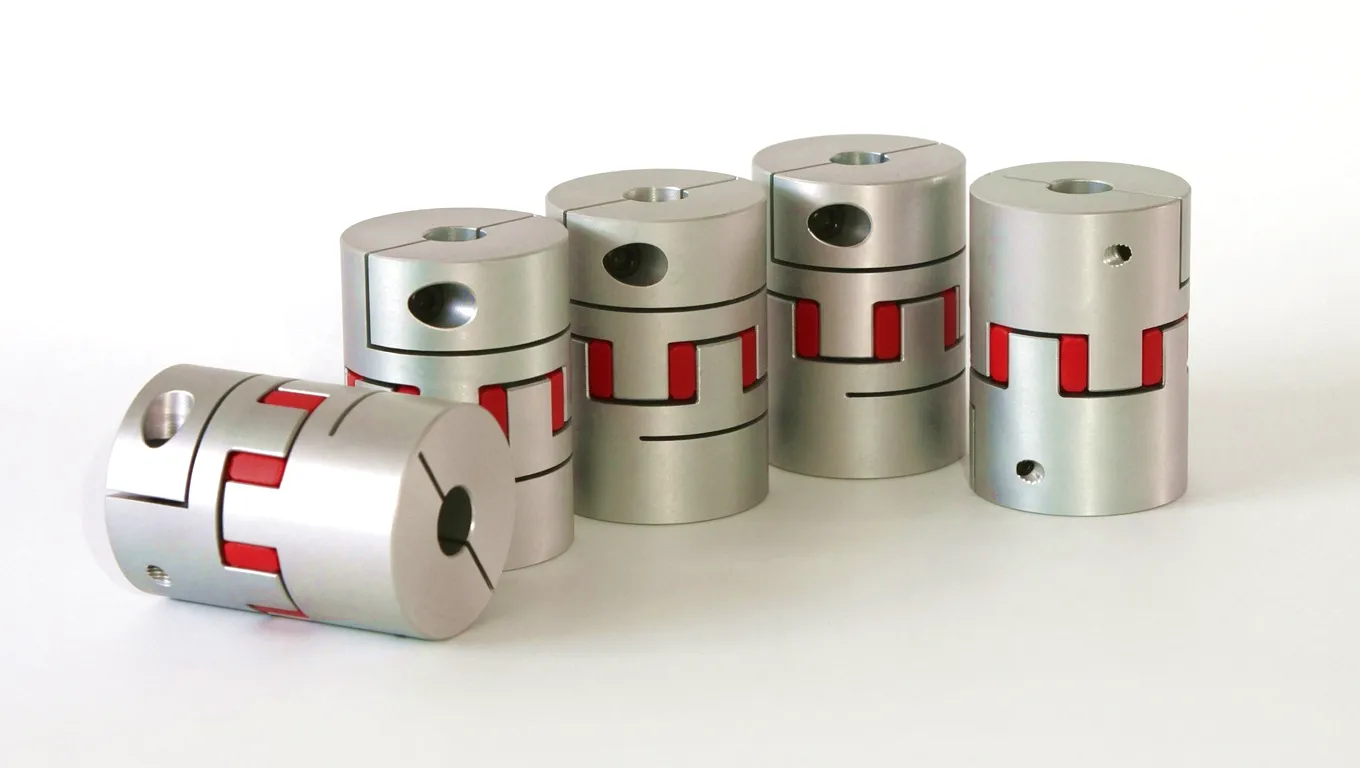
Special bore diameters; metric and imperial keyways; splined bores to DIN, ISO or AGMA standards; hydraulic shrink disc fits; split-hub designs for in-situ installation without shaft removal; non-standard tooth counts and module specifications; stainless steel components for corrosive duty; ATEX-compliant designs for explosive dust atmospheres in coal grinding applications.
Quality Certifications
ISO 9001:2015 certified quality management system; material test certificates available for all steel components; dimensional inspection reports for each coupling; dynamic balance certificates for couplings intended for speeds above 1,500 rpm; full traceability from raw material heat to finished product.
UK Logistics & Delivery
Door-to-door delivery to UK addresses by sea freight with in-transit insurance included; lead times of 25–45 days for standard sizes; priority airfreight available for urgent replacement couplings; all shipments include detailed installation and maintenance manuals in English; UK-based technical support contact available during office hours.
Customer Success Story: Sheffield Cement Grinding Plant
A mid-size cement grinding terminal operating on the outskirts of Sheffield, South Yorkshire — supplying bagged and bulk ready-mixed cement constituents to the region’s active construction and civil engineering market — approached Ever Power in early 2024 with a recurring reliability problem in their ball mill drive system. The 2.2 MW induction motor driving a two-stage reduction gearbox and 3.8-metre diameter cement ball mill had experienced two gear coupling failures in eighteen months, each requiring an unplanned shutdown of between four and seven days. The replacement programme — including hire of a specialist crane, procurement of emergency coupling stock from a European distributor, and production losses — had cost the site in excess of £180,000 over that period.
Ever Power’s engineering team performed a detailed review of the existing coupling selection, obtaining motor starting current traces and torque estimations from the site’s electrical monitoring records. The analysis revealed that the failed coupling had been specified only marginally above rated torque, with a service factor below 1.3 — significantly inadequate for the number of direct-on-line starts the mill performed each week. Additionally, the site’s foundation had experienced 1.8 mm of differential settlement over seven years of operation, creating a persistent angular misalignment at the motor-to-gearbox coupling position that the existing coupling’s straight-tooth design could not adequately accommodate.
Ever Power supplied a custom-designed JSA Series snake spring coupling in a torque rating 2.2 times the motor’s rated output torque, incorporating a crowned-edge hub bore to accommodate the residual alignment error without imposing bending loads on the gearbox input shaft. The installation was completed during a planned maintenance window of forty-eight hours. Eighteen months after installation, the Sheffield facility reported zero coupling-related stoppages, a 12% reduction in motor starting current peaks measured by the site’s power management system, and a marked reduction in gearbox bearing temperature recorded by the plant’s predictive maintenance vibration monitoring programme.
“The JSA coupling Ever Power specified for our ball mill drive has transformed the reliability of that machine. We’ve had eighteen months of uninterrupted production on a mill that was previously a constant headache. The engineering support during the selection process was thorough and genuinely helpful — they understood the start-up torque problem immediately and gave us a solution backed by proper calculations.”
— Plant Maintenance Manager, Cement Grinding Terminal, Sheffield
“We were initially sceptical about sourcing a bespoke coupling from overseas for such a critical application, but the material test certificates, dimensional inspection report and English-language installation manual that arrived with the shipment gave us complete confidence. The bore tolerances were exactly as specified on our drawing. I would not hesitate to use Ever Power again for our next coupling replacement programme.”
— Senior Mechanical Engineer, Aggregate Processing Plant, Birmingham
“The price-per-unit for Ever Power’s gear couplings against equivalent European sourced products represented a saving of 35–40% on our capital spares budget without any compromise on quality that we could identify through our incoming inspection programme. For a site running on tight margins, that difference is material. Delivery time to our Derbyshire site was 32 days, which fit within our planned maintenance schedule without any issues.”
— Procurement Manager, Limestone Quarry Processing Plant, Derbyshire
Ever Power Industrial Couplings — Supplying UK Cement, Mining & Heavy Industry
Precision engineering | Custom bore & keyway | ISO 9001 | UK delivery
bearbeitet von gzl