포털 크레인 적용 분야의 커플링: 고하중 리프팅을 위한 정밀 엔지니어링
From the dockyards of Southampton to the steelworks of Sheffield — how the right coupling transforms crane reliability, uptime, and operational safety across UK industry.
How Couplings Work in Portal Crane Drive Systems
Material Science Behind Crane-Grade Couplings
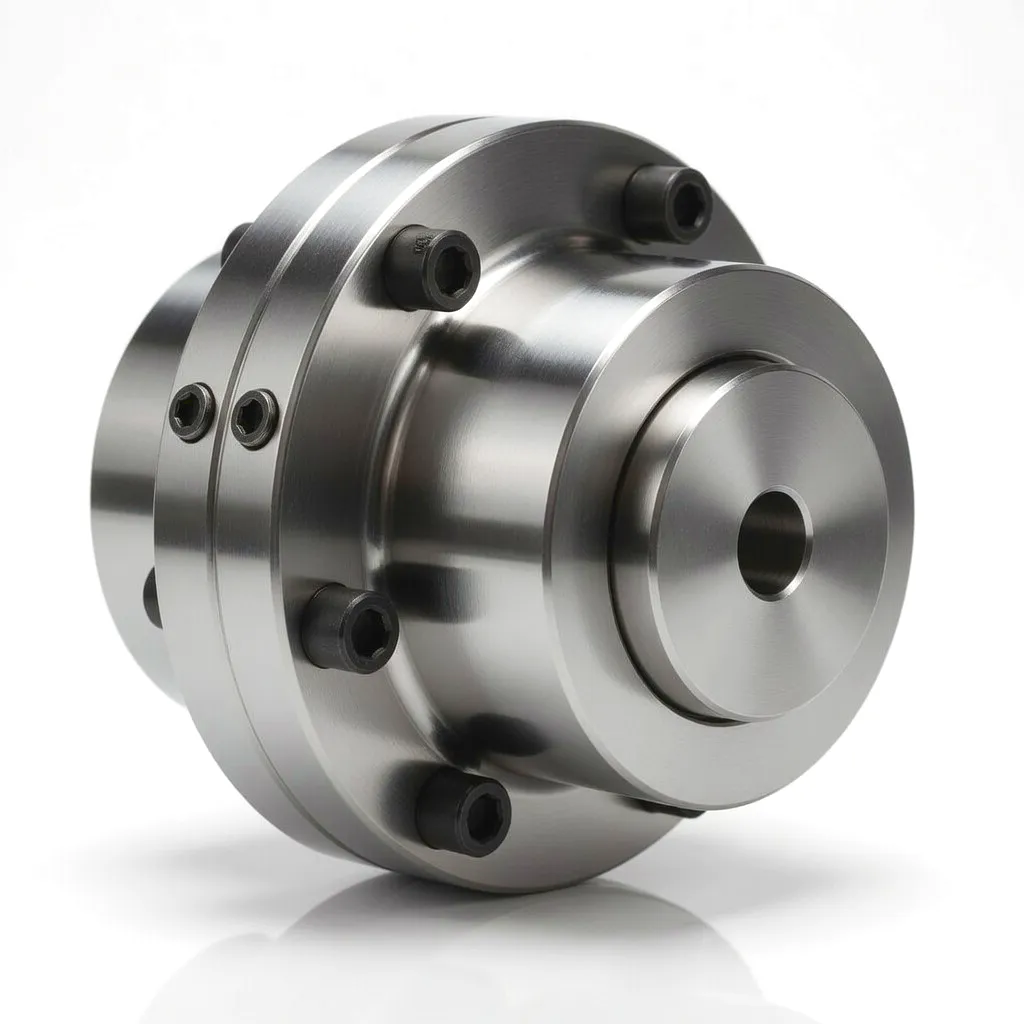
The materials used in heavy-duty coupling manufacture directly determine service life in the punishing environment of a portal crane. Gear-type couplings destined for crane service are almost universally produced from medium-carbon alloy steels — grades such as 42CrMo4 (equivalent to UK designation 708M40) are standard for hub and sleeve bodies. This grade offers a tensile strength of 900 to 1,100 MPa after quench-and-temper heat treatment, combined with good toughness at sub-zero temperatures — a significant consideration for outdoor cranes operating through British winters in locations such as Hull’s port facilities or Aberdeen’s marine construction yards.
The gear teeth themselves undergo surface hardening — most commonly carburising and case-hardening to a surface hardness of 58 to 62 HRC with a case depth of 1.0 to 1.8 mm. This combination provides a hardened wear layer that resists pitting fatigue under repeated loading cycles, while preserving a tough core that resists brittle fracture. For applications in corrosive marine environments — common in port cranes at Tilbury or Southampton — couplings may receive additional protection through hot-dip galvanising, electroless nickel plating, or epoxy powder coating, all of which can be specified through Ever Power’s custom finishing service.
Disc pack couplings used in high-speed crane drive shafts — particularly in the connection between motor and intermediate gearbox in electric overhead travel drives — use austenitic stainless steel disc packs (typically grade 1.4301 or 1.4401) which resist stress corrosion cracking. The flanges and spacer elements are produced from 42CrMo4 or equivalent, while the coupling bolts are high-tensile grade 12.9 to prevent loosening under cyclic loading. Flexible beam couplings for encoder and feedback system connections in modern crane control systems are machined from aerospace-grade 7075 aluminium alloy or 316 stainless steel, chosen for their combination of low inertia and corrosion immunity.
Core Technical Advantages for Portal Crane Service
Portal Crane Application Scenarios: Couplings Across UK Industry
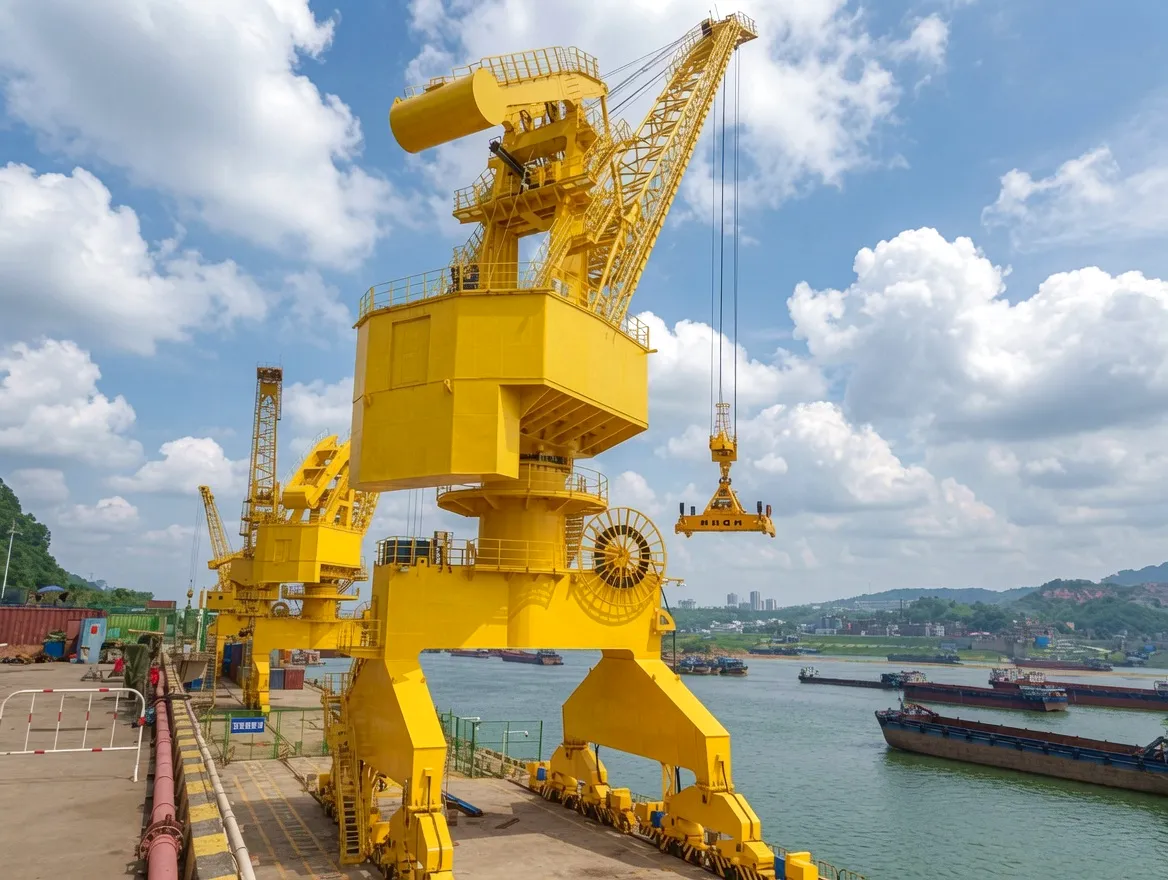 Britain’s major container and bulk cargo ports depend on portal cranes for both vessel loading and land-side transfer. At facilities such as DP World’s Southampton terminal or Hutchison Ports’ Felixstowe operations, portal cranes are exposed to salt-laden maritime air, frequent rain, significant wind loading, and the demand for continuous multi-shift operation. The hoisting motor coupling in these cranes must handle rated loads of 10 to 50 tonnes with start-stop cycles occurring hundreds of times per shift. Gear-type couplings sealed to IP67 against water ingress, with corrosion-resistant coatings and synthetic marine-grade lubricant, are the specification of choice for port engineers across the UK’s southern coast. The coupling must tolerate wind-induced swaying of the crane structure, which translates to dynamic angular misalignment across the drivetrain — a service condition that gear-type couplings with their crowned tooth profiles manage with notable grace, maintaining torque transmission continuity even under structural deflection conditions that would cause rigid couplings to generate damaging bending moments on motor and gearbox shafts.
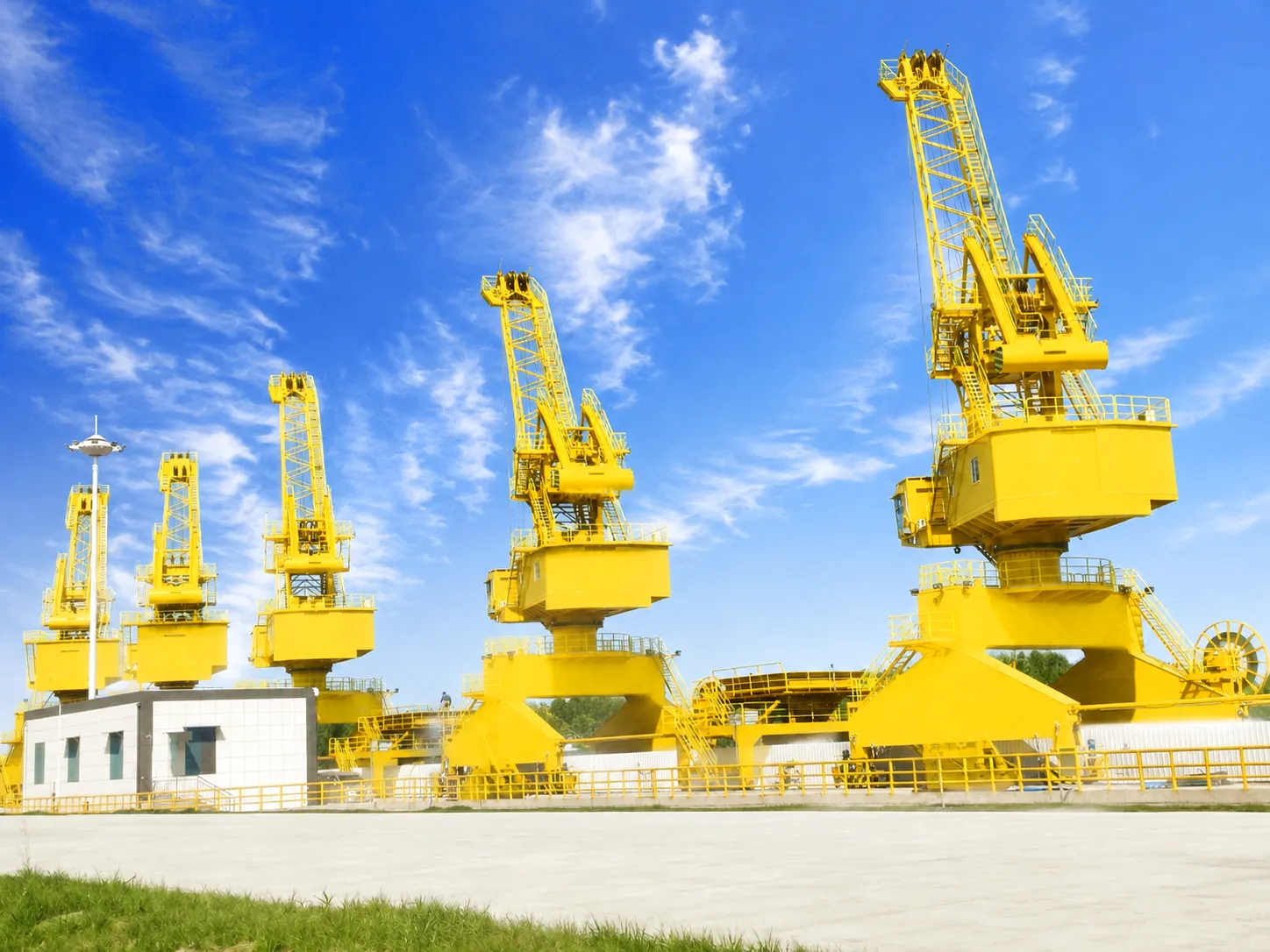 South Yorkshire’s steel industry — centred on Sheffield and Rotherham — remains one of Britain’s most demanding environments for crane components. Portal cranes at electric arc furnace facilities handle ladles of molten steel, ingots at temperatures above 1,000 C, and raw scrap charges. The coupling connecting hoisting motor to drum gearbox in a steel ladle crane operates in radiated heat, airborne metallic dust, and under shock loads generated by the sudden engagement of a full scrap bucket. For these conditions, the coupling design must prioritise thermal stability, sealed lubrication retention to prevent grease liquefaction under heat, and robust construction that resists impact damage from falling debris. Gear-type couplings with labyrinth seals and high-temperature synthetic grease — typically NLGI grade 2 rated to 160 C minimum — are the established solution. Ever Power has supplied coupling assemblies to South Yorkshire crane operators meeting BS 466 and the Lifting Operations and Lifting Equipment Regulations 1998 (LOLER) requirements, ensuring that every component in the drivetrain meets UK statutory safety standards for lifting machinery in hazardous locations.
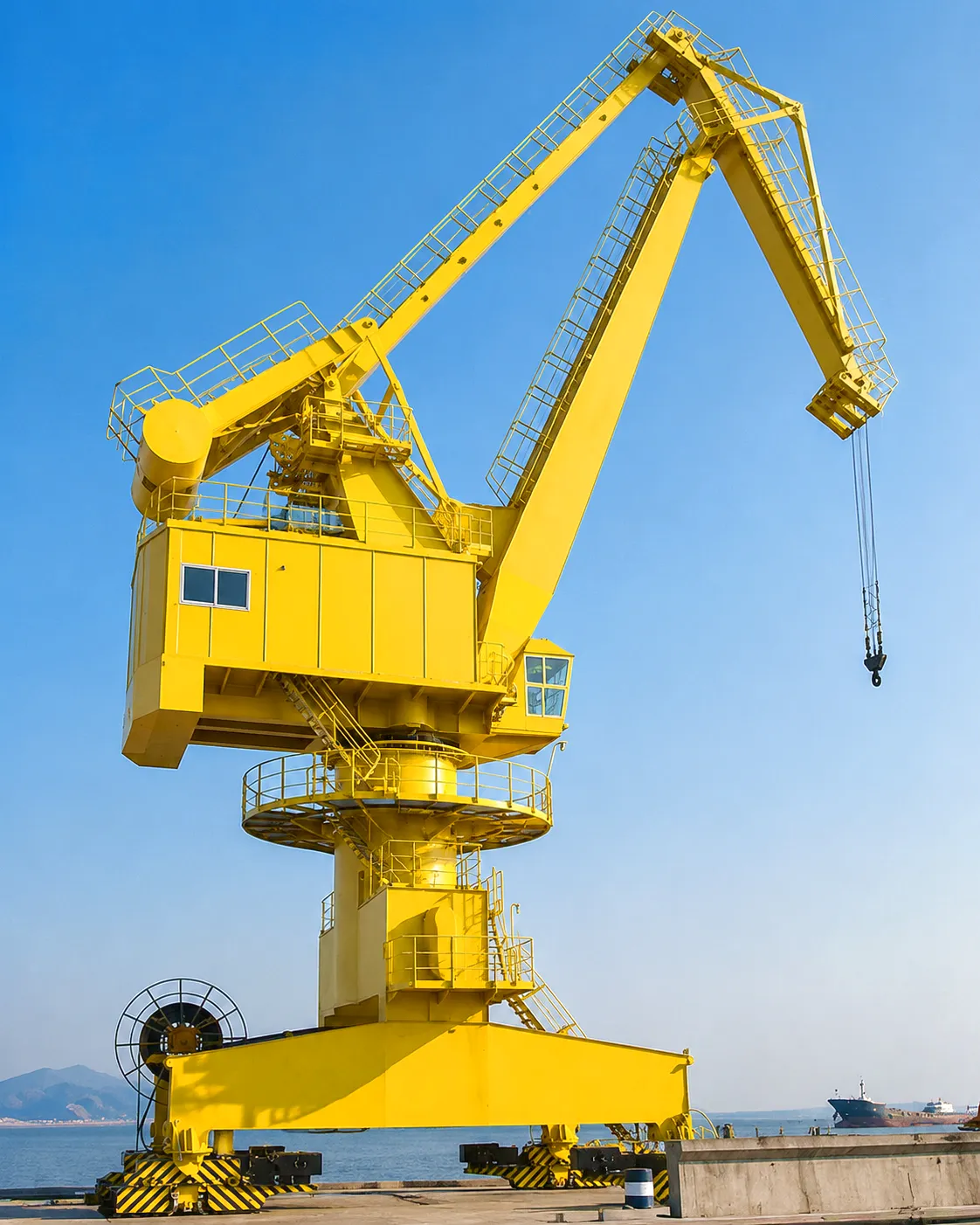 The resurgence of UK shipbuilding activity — from BAE Systems’ naval programmes on the Clyde to Offshore Renewable Energy fabrication in the North East — has renewed demand for portal crane systems capable of lifting large structural blocks, rotating them for welding, and placing them with millimetre precision. In these applications, the slewing drive coupling is perhaps the most technically demanding component in the entire crane. The slewing mechanism must rotate the crane upper structure smoothly, without jerking or stick-slip, even at very low creep speeds needed for precision positioning of hull sections. Disc couplings excel in this application: their high torsional stiffness minimises positioning lag while their thin-disc flexibility absorbs the cyclic structural loading from the crane’s own weight rotating on its bearing. Glasgow and Newcastle shipyard maintenance engineers have found that disc couplings outlast flexible jaw couplings in slewing drives by a factor of three or more, primarily because there are no elastomeric elements to fatigue under the constant oscillatory loading pattern of a crane that repeatedly indexes its slewing position throughout a working shift.
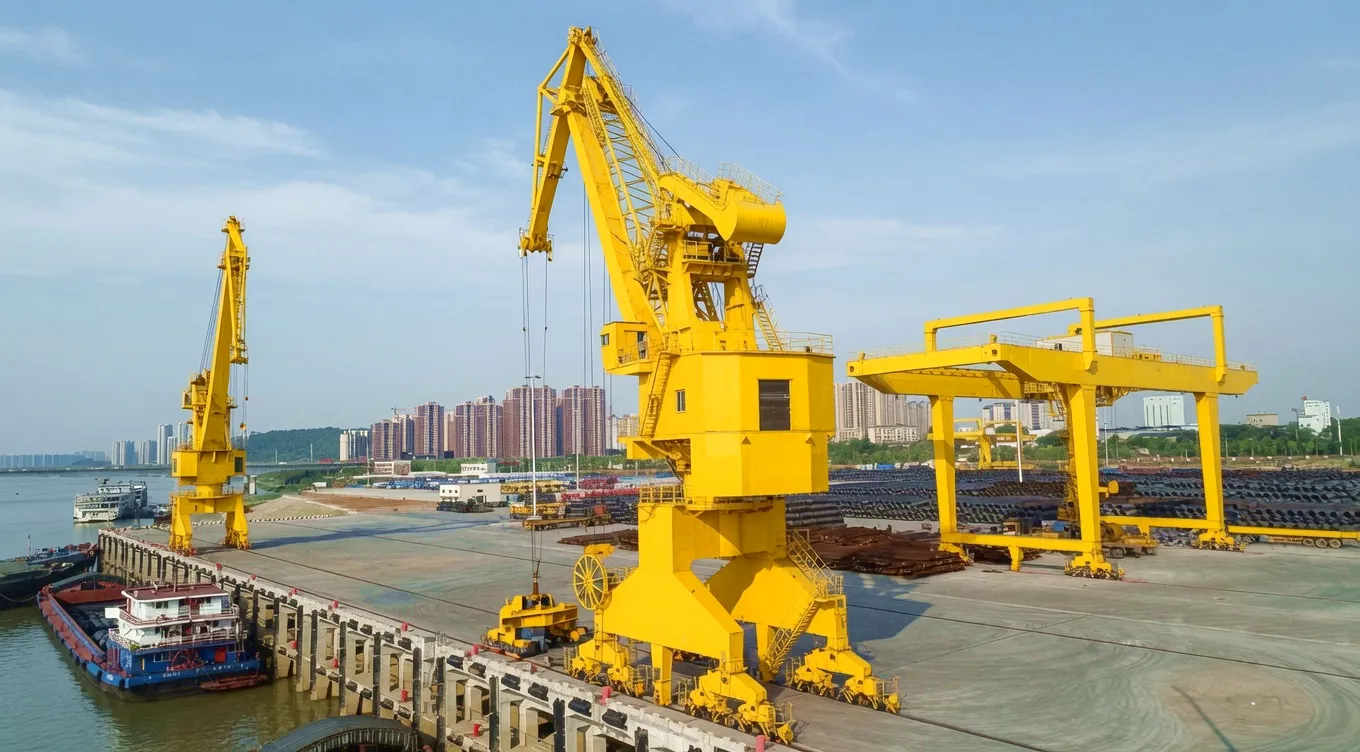 In Britain’s precast concrete manufacturing sector — with major production facilities around Birmingham, Coventry, and Manchester — portal cranes handle concrete beams, slabs, and bridge sections weighing from 5 to over 100 tonnes. Unlike steelworks cranes, precast yard cranes operate in outdoor or semi-sheltered environments subject to freezing temperatures, concrete dust, and moisture. The coupling specification in precast crane drivetrains must address moisture sealing, dust exclusion, and the significant dynamic shock loads associated with lifting rigid concrete elements whose load transfer is essentially instantaneous — unlike the gradual sling-tightening characteristic of flexible loads. Gear-type couplings with labyrinth seal arrangements and concrete-environment-resistant coatings have proven consistently reliable in these installations. Several precast concrete producers operating in the West Midlands have standardised on gear-type couplings across their entire crane fleets, driven by the combination of low maintenance requirements and supply chain simplicity — replacing a standardised coupling size is simpler and faster than maintaining inventory of multiple elastomeric insert types across a mixed coupling fleet.
Product Technical and Performance Parameters
The table below summarises key performance data for gear-type, disc, and flexible beam couplings as supplied by Ever Power for portal crane service. Values are indicative across the standard product range; application-specific parameters are confirmed during technical review.
| 매개변수 | Gear-Type Coupling | 디스크 커플링 | 유연 빔 커플링 |
|---|---|---|---|
| 정격 토크 범위 | 100 N·m to 4,000,000 N·m | 10 N·m to 800,000 N·m | 0.5 N·m to 1,200 N·m |
| Peak Torque Factor | 3.0 x rated | 2.5 x rated | 2.0 x rated |
| 각도 불일치 | up to 1.5 deg | up to 0.8 deg | up to 5 deg (per spiral) |
| Radial Offset | up to 3 mm | up to 0.5 mm | up to 0.3 mm |
| 축 방향 부유 | 2 mm to 15 mm | 0.5 mm to 4 mm | 0.2 mm to 2 mm |
| 작동 온도 | -30 C to +150 C | -50 C to +280 C | -40 C to +200 C |
| 허브 소재 | 42CrMo4 합금강 | 42CrMo4 / 316 SS | 7075 Al / 316 SS |
| Tooth/Element Surface | 58–62 HRC carburised | 1.4301 SS disc pack | Anodised / passivated |
| Speed Range | up to 3,000 rpm | up to 10,000 rpm | up to 6,000 rpm |
| 매끄럽게 하기 | Crown gear oil / grease | Dry — no lubrication required | Dry — no lubrication required |
| Standards Compliance | ISO 14691, AGMA 9000 | ISO 14691, API 671 | ISO 14691, DIN 740 |
| Typical Crane Application | Hoisting, travel drives | Slewing, luffing drives | Encoder, feedback shafts |
Featured Coupling Products for Portal Crane Drivetrains
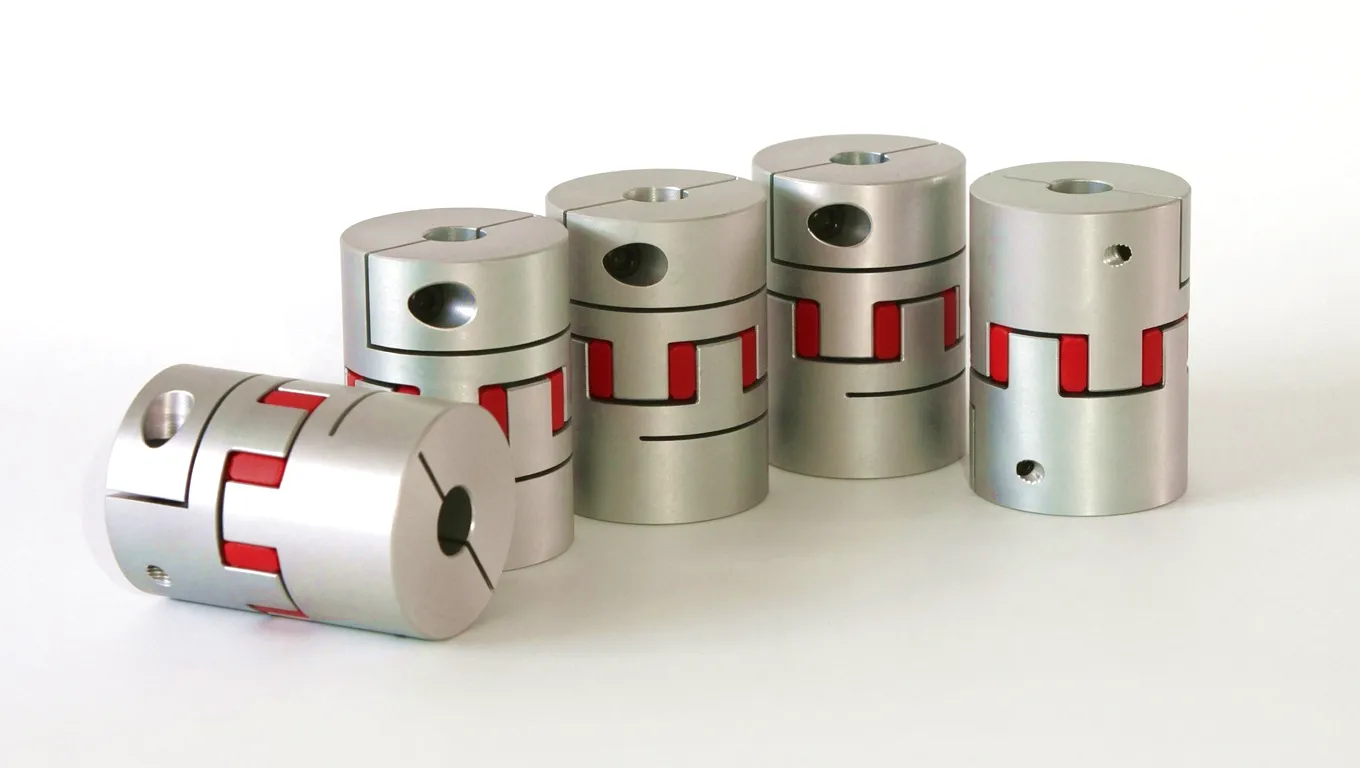
Ever Power’s crane-ready coupling range includes models optimised for each drivetrain position. Two products especially suited to portal crane service are highlighted below.
Ever Power — Precision Coupling Manufacturing and Customisation
Ready to specify couplings for your portal crane project? Ever Power’s engineering team is available to review your drivetrain requirements and prepare a competitive, technically supported quotation.
Customer Success Story: Tyne Bridge Heavy Engineering, Newcastle upon Tyne
Tyne Bridge Heavy Engineering operates a 32-tonne portal crane supporting offshore wind turbine jacket fabrication at their Tyneside facility. In 2023, the facility’s maintenance manager raised a recurring problem: the rubber-element couplings in both slewing drive positions were failing at intervals of three to five months, requiring crane withdrawal from service, coupling replacement, and realignment — a process taking twelve to sixteen hours and costing the business an estimated GBP 4,200 per incident in lost production and labour. The pattern of failure was consistent: the rubber spider element was fracturing at the root, suggesting a combination of over-torque during sudden slewing reversals and rubber hardening from the combination of Tyneside winter temperatures and heat generated during extended slewing cycles.
The facility contacted Ever Power following a recommendation from their crane OEM’s British service agent. After reviewing the drivetrain data — motor rated torque of 1,850 N·m, slewing reversal acceleration rate, and the crane’s duty classification of M6 under FEM 1.001 — Ever Power’s technical team proposed replacing the rubber element coupling with a disc coupling sized for a rated torque of 3,200 N·m with a peak factor of 2.5x. The disc pack design eliminated the temperature-sensitive elastomeric element entirely, and the higher torque rating provided adequate safety margin for reversal shock loads. Custom flanging was produced to match the existing gearbox and motor shaft interfaces without requiring structural modification to the crane.
Installation was completed during a planned maintenance window. Eighteen months after the upgrade, the facility had recorded zero coupling failures. The crane’s slewing response smoothed noticeably, and the maintenance engineering team noted a reduction in gearbox bearing temperature during extended slewing operations — an indirect indicator of reduced vibratory loading. The facility has since retrofitted the same disc coupling solution to their second portal crane, and is specifying Ever Power disc couplings for a new 50-tonne crane being commissioned for their expanded offshore fabrication hall.
What Our UK Clients Say
“After switching to Ever Power disc couplings in our crane slewing drives, we have not had a single unplanned coupling-related shutdown in eighteen months. The technical support during selection was thorough and the custom flanging matched our gearbox dimensions exactly. For any serious crane operator considering a coupling upgrade, I would not hesitate to recommend Ever Power.”
“We procure crane couplings for multi-shift steelworks operations in Rotherham and have tried several suppliers over the years. Ever Power’s gear-type couplings are consistently the highest quality in terms of tooth geometry accuracy and heat treatment depth. Their ability to turn around a bespoke half-coupling to our drawing within two weeks keeps our crane maintenance schedules on track.”
“Our port crane fleet at the Southampton container terminal operates in salt air and heavy rain for most of the year. Ever Power’s sealed gear-type couplings with the marine-grade coating have proven far more durable than the standard couplings we were using previously. The price point was competitive against European alternatives and the delivery to our UK depot was faster than expected.”
Frequently Asked Questions About Couplings for Portal Cranes
Specify the Right Coupling for Your Portal Crane Today
Ever Power’s engineering team is ready to review your crane drivetrain data and recommend the optimal coupling solution — with competitive pricing, fast UK delivery, and full technical documentation.
Ever Power Industrial Couplings · Precision Engineered for Heavy Industry · Supplying UK and Global Markets · edit by gzl