에버 파워 | 해양 공학 시리즈
Gear Type Coupling in Marine Main Propulsion Systems:
Engineering Reliability for UK Commercial Shipping
Trusted by naval engineers from Southampton to Glasgow — delivering the torque capacity, misalignment compensation, and corrosion resistance that deep-sea propulsion genuinely demands.
✓ 18+ Years Marine Experience
✓ Lloyd’s Register Compatible
✓ UK Shipping Sector Specialist
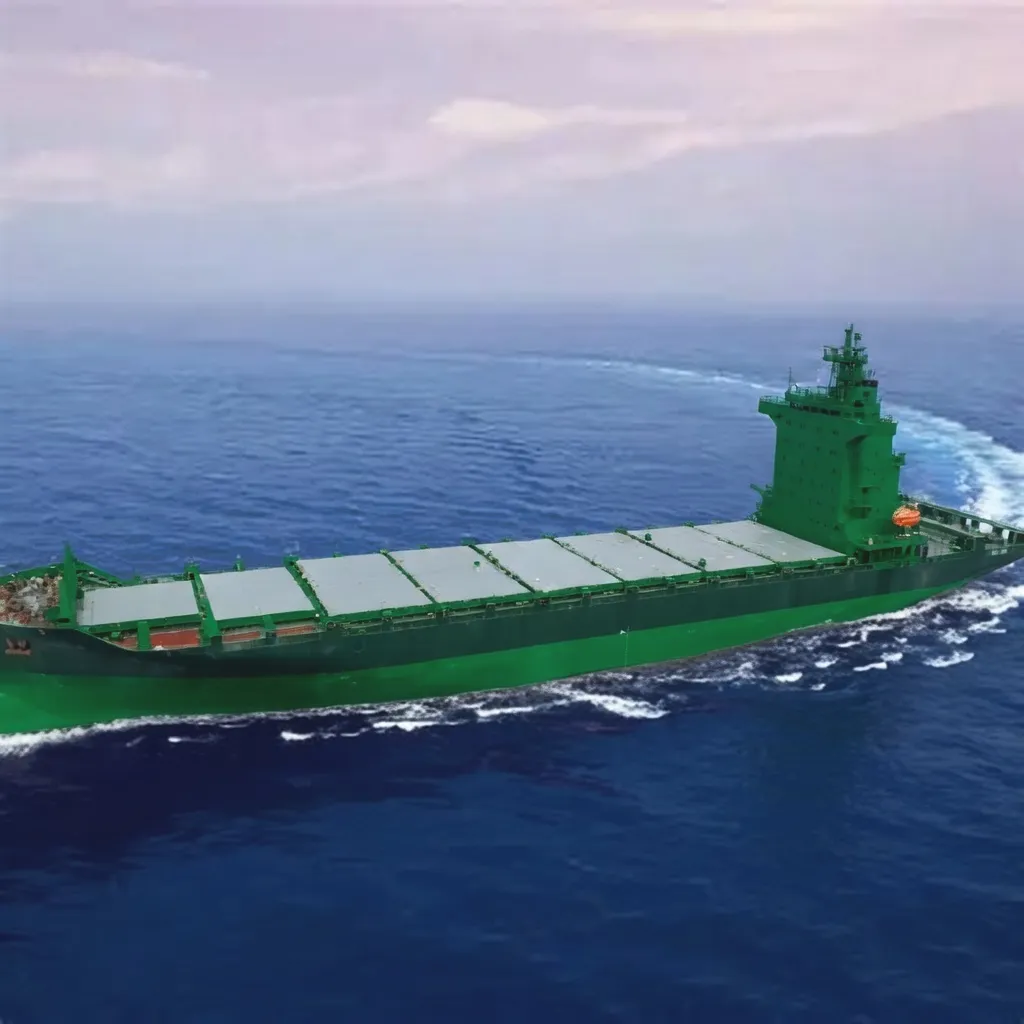 When a 50,000-tonne bulk carrier departs the Port of Southampton bound for Rotterdam, every component in her drivetrain carries the weight of that journey — literally. The marine main propulsion system is one of the most mechanically demanding environments on earth: relentless torque, continuous vibration, angular misalignment caused by hull flexion, and a corrosive salt-laden atmosphere that attacks metal at every joint. It is precisely in this unforgiving environment that the gear type coupling has earned its place as the definitive mechanical connection between a ship’s main diesel engine and her reduction gearbox. For over 18 years, naval architects and mechanical engineers across the UK — from the Clyde shipyards in Glasgow to the commercial yards at Newcastle and Birkenhead — have specified gear type couplings for main propulsion because no other coupling technology delivers the same combination of torque capacity, misalignment compensation, and long-term reliability. This article covers everything procurement teams, fleet managers, and shipyard engineers need to know before specifying or replacing a marine propulsion coupling.
✉ Get a Quote — Marine Gear Type Coupling
Response within 48 hours • Full technical support included
01 Why Marine Main Propulsion Demands a Specialised Coupling Solution
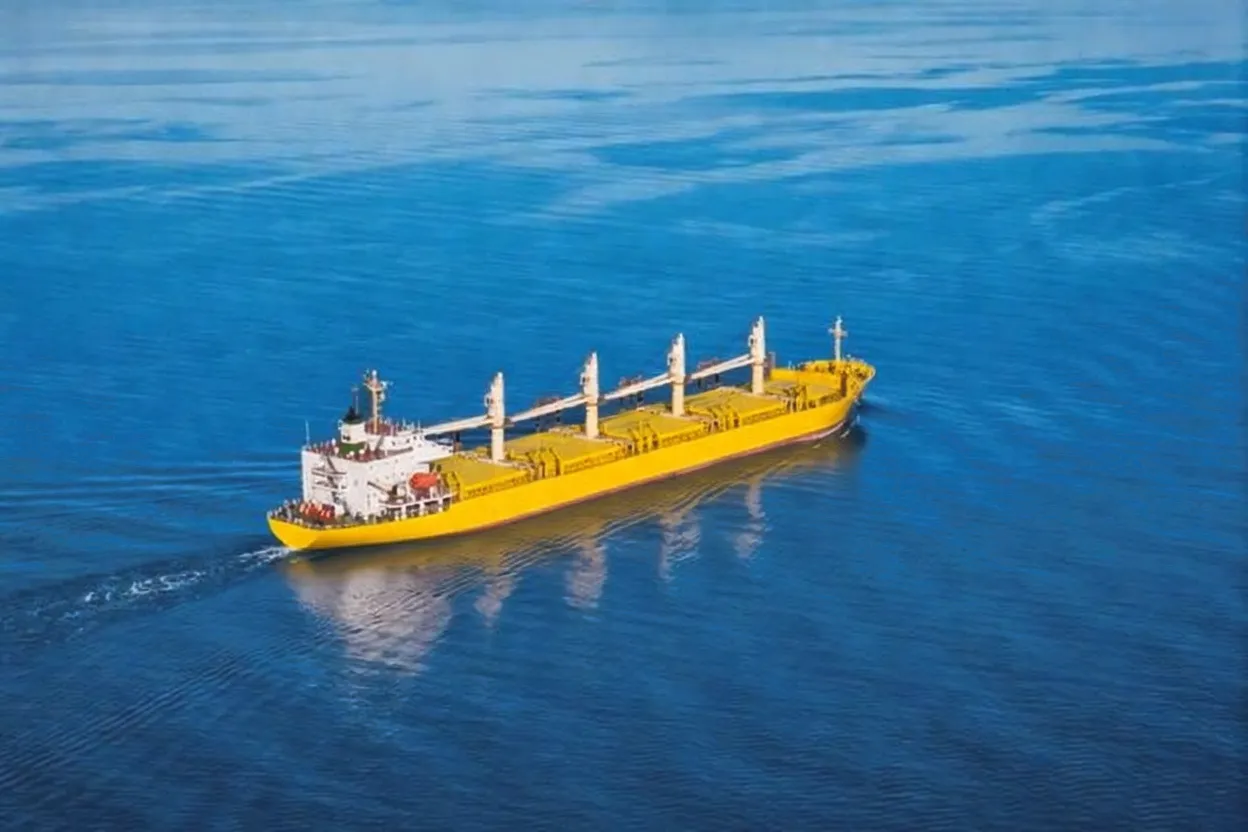 A conventional diesel-driven ship generates propulsion through a sequence that appears deceptively simple: the main engine produces rotational torque, which passes through the gear type coupling into the reduction gearbox, which steps down the rotational speed while multiplying torque before it reaches the propeller shaft and, ultimately, the propeller itself. What makes this sequence extraordinarily challenging is the mechanical environment in which every joint must operate. The hull of a large commercial vessel is not a rigid structure — it flexes continuously under wave loading, thermal expansion, and the shifting distribution of cargo weight. As the hull twists and bends, the centrelines of the engine output shaft and the gearbox input shaft diverge. Angular misalignments of 0.5° to 1.5° are entirely routine in heavy-seas operation. Axial displacements caused by thermal expansion of the shaft train can reach several millimetres over a transatlantic voyage.
A coupling that cannot accommodate these movements without generating destructive reaction forces will transmit those forces directly into the engine crankshaft bearings and the gearbox input bearings, causing accelerated wear and, in severe cases, catastrophic component failure. The consequences for a commercial vessel operating in UK waters — a delayed cargo delivery to Felixstowe, an unscheduled drydocking in Liverpool, or an adverse Lloyd’s survey finding — carry serious financial and regulatory consequences.
Beyond misalignment, the marine environment imposes relentless corrosion pressure. Salt-laden air at sea can corrode unprotected steel surfaces within hours. The combination of salt spray, condensation cycling, and the mechanical vibration that micro-cracks surface coatings means that corrosion protection must be engineered in from the substrate outward, not applied as an afterthought. The gear type coupling addresses all of these mechanical and environmental demands simultaneously — which is why it has become the industry-standard choice for marine main propulsion applications across the UK commercial shipping fleet and worldwide.
02 How the Gear Type Coupling Works in a Marine Drivetrain
The Crown-Tooth Principle
Each gear type coupling comprises two gear hubs with external crowned teeth machined to precise involute profiles, and a two-piece outer sleeve with matching internal teeth. The crown geometry — a carefully calculated convex profile on each external tooth — allows the teeth to rock within the sleeve teeth without losing full contact across the tooth width. This rocking motion accommodates angular misalignment without reducing the torque transmission path.
Simultaneous Three-Axis Compensation
When the two shafts shift axially relative to each other, the tooth mesh slides along its length to absorb the displacement. When angular misalignment develops, the crowned tooth profile accommodates the articulation. The result is a coupling that transmits full rated torque while remaining mechanically tolerant of the misalignment conditions that are physically inevitable in a flexing ship hull under North Sea or Atlantic weather conditions.
In marine applications, the tooth mesh is continuously lubricated with a specialised, high-viscosity synthetic marine grease that resists centrifugal throw-out and seawater contamination. The outer sleeve is sealed at both ends by purpose-designed lip seals that prevent lubricant loss and protect the tooth mesh from the marine atmosphere. In large vessels — bulk carriers, container ships, tankers, and RoRo vessels operating through UK ports from Grimsby to Aberdeen — gear type couplings may have an outer diameter exceeding 500 mm and a mass of several hundred kilograms. Manufacturing these components to the tolerance levels demanded by Lloyd’s Register or Bureau Veritas classification requires CNC gear hobbing, profile grinding, and dimensional inspection on coordinate measuring machines capable of sub-micron resolution.
03 Technical Parameters: Marine Gear Type Coupling Specifications
| 매개변수 | Industrial Standard | Marine Heavy-Duty | 단위/음표 |
|---|---|---|---|
| 정격 토크 | 500~50,000 | 50,000 – 2,000,000 | 뉴엠 |
| Outer Diameter | 80 – 350 | 350 – 800+ | mm |
| 각도 불일치 | 최대 0.5° | 최대 1.5° | Per coupling element |
| 축 방향 변위 | ± 2 mm | ± 5 – 15 mm | Thermal / hull flex |
| 허브 소재 | 42CrMo4 합금강 | 34CrNiMo6 / 18CrNiMo7-6 | Quench & temper treated |
| 표면 처리 | Zinc plate / phosphate | Epoxy marine coating + hot-dip zinc | ISO 12944 C5-M rated |
| 작동 온도 | -20 to +80 °C | -30 ~ +100 °C | Engine room ambient |
| 윤활 유형 | Lithium NLGI 2 grease | Synthetic marine EP grease | Re-greaseable sealed design |
| 균형 등급 | ISO 1940 G6.3 | ISO 1940 G2.5 | Dynamic balance standard |
| Target Service Life | 30,000 h | 60,000 – 100,000 h | With scheduled maintenance |
| Classification Compliance | — | Lloyd’s Register / BV / DNV | On request with documentation |
04 Six Engineering Advantages That Define Marine Gear Type Coupling Performance
탁월한 토크 밀도
The gear type coupling transmits torque through a full 360-degree ring of engaged teeth. This distributed load-sharing means that for a given outer envelope, a gear coupling outperforms disc couplings, jaw couplings, and flexible-element couplings by a significant margin — often by a factor of two to three in comparable bore sizes. For large marine diesels producing peak torques measured in the millions of newton-metres, this torque density is not a convenience but a structural necessity. It allows engineers to specify a coupling that fits within the space constraints of a ship’s engine room without compromising safety factors, and it ensures that dynamic torque spikes during engine startup or crash-stop manoeuvres do not exceed the coupling’s rated capacity. This characteristic alone explains why classification societies consistently accept the gear type coupling for unrestricted use in the most powerful marine propulsion installations.
Multi-Axis Misalignment Compensation
Unlike rigid flanged couplings, the gear type coupling simultaneously accommodates angular misalignment, parallel offset, and axial displacement. In a marine propulsion context, this three-dimensional compensation is critical. Hull flexion produces angular misalignment between the engine and gearbox shaft axes. Thermal expansion of the engine block and shaft produces axial displacement. Propeller side-thrust creates lateral loads that produce parallel offset. A well-designed gear type coupling handles all three simultaneously without imposing destructive bending moments on the engine crankshaft or gearbox bearings. Classification societies including Lloyd’s Register require evidence of this misalignment tolerance in design approval documentation, and a properly engineered gear type coupling satisfies those requirements with demonstrable engineering margin.
Marine-Grade Corrosion Resistance
Salt-laden air at sea can corrode unprotected steel in hours. Marine-specification gear type couplings address this through multiple protection layers working together: substrate materials are selected from high-strength, low-alloy steels with inherently favourable corrosion behaviour; external surfaces receive ISO 12944 C5-M rated coatings combining hot-dip galvanising primers with epoxy marine topcoats; and internal tooth meshes are packed with synthetic marine EP grease that does not emulsify in the presence of water contamination. The sleeve seals are engineered to exclude saltwater ingress even during spray, flooding, and condensation cycling. Together these measures allow the coupling to operate reliably across the full service intervals demanded by a UK-flagged vessel’s drydocking schedule — typically 30 to 60 months between planned maintenance periods.
Precision Manufacturing to Classification Standards
A gear type coupling for marine main propulsion is not a catalogue commodity. The gear teeth are machined by hobbing or generating grinding to achieve the involute profile accuracy and surface finish that determines tooth contact quality and fatigue life. Hub bores are ground to H7 or tighter tolerances to ensure interference-fit security on the shaft. Both static and dynamic balancing is conducted to ISO 1940 Grade G2.5. Dimensional inspection employs coordinate measuring machines resolving sub-micron geometry. For UK shipping customers, Ever Power provides full material traceability documentation, mill certificates, and dimensional inspection reports with every marine propulsion gear type coupling supplied — supporting Lloyd’s Register and Bureau Veritas classification approval where required by the vessel’s flag state.
Long Service Intervals and Practical Maintenance
A correctly specified and lubricated marine gear type coupling requires no adjustment between drydocking intervals. The re-greaseable design allows shore engineers to replenish the tooth mesh lubricant through dedicated access fittings without dismantling the coupling. When inspection does reveal wear, individual components — hubs, sleeves, seals — can be replaced independently rather than as complete assemblies, significantly reducing spare-parts expenditure. The split-sleeve design common in large marine couplings allows sleeve removal without shifting the main engine or gearbox, which is a critical practical advantage when working in the confined space of a ship’s engine room under commercial time pressure. Across a vessel’s full 25-year service life, the total cost of ownership makes the gear type coupling the most economical mechanical connection technology available for this application.
Fully Customisable Geometry and Interface
No two marine propulsion installations are dimensionally identical. Shaft diameters, keyway specifications, flange bolt circles, and engine-rated torque values vary by vessel type, build year, and classification society. Ever Power’s engineering team accepts customers’ existing coupling drawings, dimensional inspection reports from worn assemblies, or complete shaft drawings, and designs the replacement or upgraded gear type coupling to exact fit within the documented envelope. Bore sizes, tooth module, number of teeth, sleeve length, and flange geometry are all configurable. Custom material grades for Arctic or tropical operating environments are available. This comprehensive customisation capability means that UK shipowners and ship managers can source purpose-designed replacement couplings even for older vessel classes where OEM parts are no longer available from the original manufacturer.
05 Vessel Types Using Gear Type Couplings in UK Waters
The gear type coupling is not confined to a single category of marine vessel. Its performance characteristics make it the preferred coupling across a wide spectrum of hull types and propulsion architectures that serve UK trade routes and the wider global shipping market operating through British ports.
🚢
Bulk Carriers & Container Vessels
The backbone of UK import and export trade transiting through Tilbury, Felixstowe, and Southampton rely on gear type couplings in their slow-speed two-stroke main engine installations where torques routinely exceed 1,000,000 N·m. The coupling must absorb the shock loading produced when transitioning from full-ahead to crash-stop during port approach manoeuvres.
⚓
Offshore Support Vessels (North Sea)
Operating out of Aberdeen and Great Yarmouth to service North Sea oil and gas infrastructure, offshore support vessels experience particularly severe dynamic propulsion loads during station-keeping in heavy weather. Gear type couplings in azimuth thruster drives and main shafts must tolerate rapid torque reversals without fatigue failure across many years of continuous North Sea operation.
⛳
RoRo Ferries & Cross-Channel Services
Channel operators running between Dover and Calais, and Irish Sea services from Holyhead and Fishguard, demand the highest possible propulsion availability. Gear type couplings in medium-speed diesel or diesel-electric propulsion on these vessels are typically fitted with half-coupling spare sets held at the ferry terminal for rapid exchange during scheduled maintenance windows.
🗡
Naval & Coast Guard Vessels
Where acoustic signature management is a design requirement, gear type couplings with elastomeric inserts or flexible intermediate elements are specified to attenuate structure-borne noise transmission. These hybrid designs retain the torque capacity and misalignment tolerance of the standard gear coupling while delivering a measurable noise-reduction benefit that defence procurement teams particularly value.
06 Customer Success: North Sea Fleet Operator, Aberdeen, Scotland
▲ Background
A mid-sized Aberdeen-based offshore marine services company operating a fleet of eight Platform Supply Vessels in the North Sea faced an escalating maintenance burden on their ageing propulsion couplings. Three vessels had experienced premature coupling wear — traced to misalignment-induced fretting on the OEM couplings, which had been designed to lower misalignment tolerance limits than the North Sea operational environment actually demanded. Each unplanned coupling replacement required a 10-day vessel withdrawal, costing the operator approximately £140,000 per incident in lost charter revenue and drydocking fees. The fleet manager contacted Ever Power seeking an engineered replacement programme.
▲ Solution
Ever Power’s marine engineering team conducted a root-cause analysis using the operator’s maintenance logs and shaft alignment records. The analysis confirmed that the existing couplings’ 0.5° angular misalignment limit was being consistently exceeded in heavy-weather operation, causing fretting wear and micro-pitting on tooth flanks within 8,000 operating hours. Ever Power designed a replacement gear type coupling programme specifying 34CrNiMo6 alloy steel hubs with 1.25° angular misalignment tolerance, ISO 12944 C5-M coatings, and synthetic marine EP grease. Coupling geometries were matched exactly to the existing shaft and gearbox interfaces to avoid any engine-room modification. Components were supplied with full Lloyd’s Register-acceptable material certificates. The programme was executed across all eight vessels during scheduled drydocking cycles.
▲ Results After 24 Months
None of the replaced gear type couplings had required unplanned intervention. The three previously troublesome vessels completed a cumulative 72,000 operating hours without coupling-related maintenance. Grease condition analysis conducted during the first scheduled re-lubrication confirmed minimal wear debris, validating the extended re-greasing interval adopted for the Ever Power coupling specification. The operator subsequently placed a blanket order covering their planned fleet expansion programme.
07 What UK Marine Engineers Say About Our Couplings
We have been running Ever Power gear type couplings on our North Sea PSVs for two years now. Zero unplanned maintenance events. The technical support during the specification phase was genuinely impressive — they reviewed our shaft alignment data and came back with a coupling design that solved problems our previous supplier never acknowledged.
When our vessel’s original coupling failed in the English Channel, we needed a replacement fast. Ever Power shipped the gear type coupling within seven working days — with full Lloyd’s documentation. The fit was exact. We were back on charter in under a fortnight. I have since standardised on Ever Power across our entire RoRo fleet.
We supply marine engineering services to vessels at Hull and Immingham. Ever Power’s gear type coupling products have become our preferred recommendation for main propulsion work. The material traceability documentation makes the class surveyor’s job straightforward. Reliable supplier, reliable product, every time.
08 Ever Power: Bespoke Marine Coupling Manufacturing for UK Shipowners
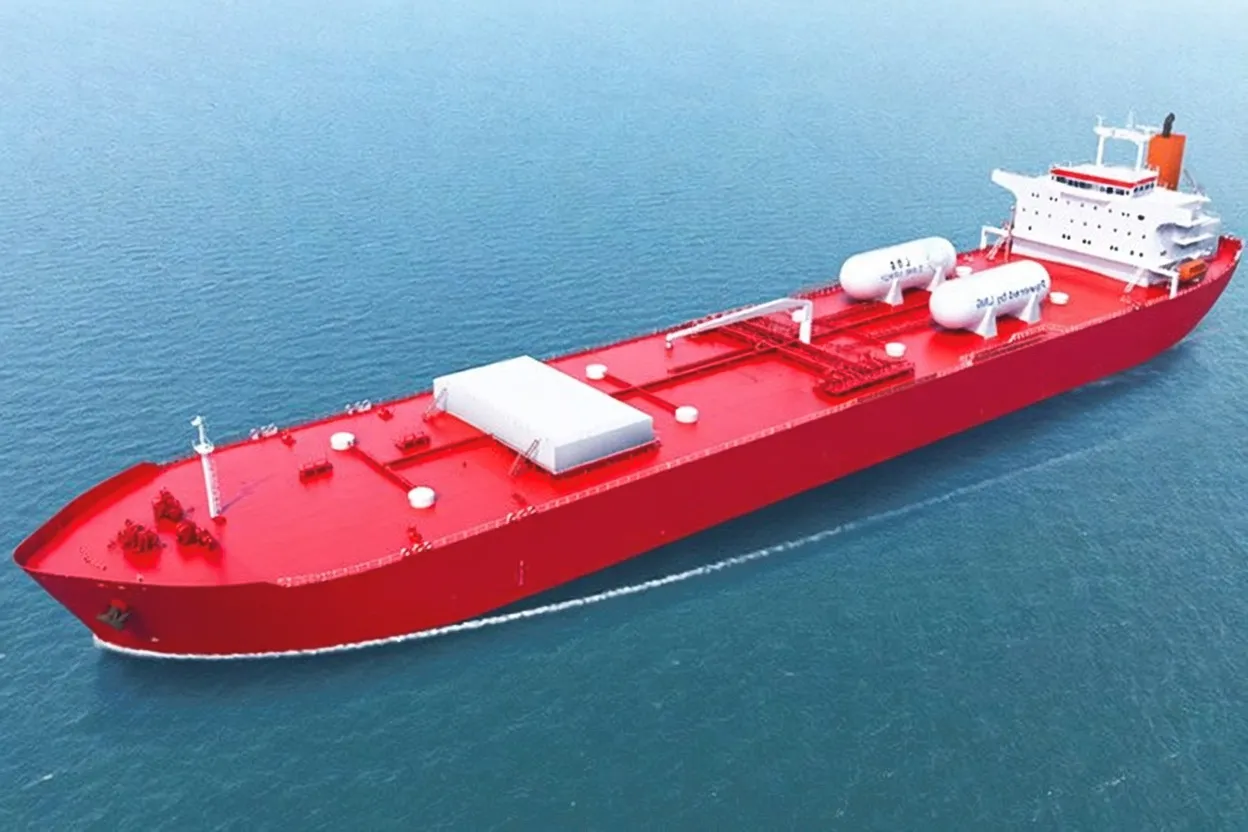 At Ever Power’s manufacturing facility, every marine gear type coupling begins as a customer requirement, not a catalogue number. The factory operates dedicated CNC gear-hobbing centres, profile grinding machines capable of tooth geometry within 2 microns of specification, and a fully equipped metrology laboratory. From initial enquiry to completed component, the production team works directly with the customer’s engineering data — whether that is a worn coupling sent for reverse-engineering, a full set of CAD drawings, or simply hand-measured dimensions from an engine room inspection. The result is a 연결 manufactured to exactly the dimensions, material grade, and surface finish that the application demands, with no compromises imposed by catalogue limitations.
The customisation capability extends well beyond geometry. Marine customers regularly request modifications including: extended sleeve lengths to bridge non-standard shaft spacings; flanged hub configurations to replace ageing disc or gear-disc hybrid couplings; integrated torsional vibration damping elements for propulsion systems where torsional analysis has identified resonance risks; special lubricant formulations for Arctic or equatorial routes; and modified tooth crown radii for installations where extreme misalignment is unavoidable due to ship structural constraints. The engineering team holds documented experience across over 340 distinct marine propulsion coupling designs, including replacement programmes for vessels built at British shipyards in the 1980s and 1990s where OEM documentation is incomplete or permanently unavailable. This depth of engineering knowledge, combined with a commitment to matching each coupling precisely to its application, is what distinguishes Ever Power from catalogue-only suppliers when UK shipowners and fleet managers face challenging replacement requirements.
✉ Request a Custom Marine Coupling Quote
[email protected] • Fast response • Full technical support
자주 묻는 질문 자주 묻는 질문
What is the best gear type coupling supplier for marine main propulsion vessels operating out of UK ports like Southampton and Tilbury?
For marine main propulsion applications in UK ports, the ideal gear type coupling supplier needs to demonstrate classification society compliance — Lloyd’s Register, Bureau Veritas, or DNV acceptance — traceable material certification, documented angular misalignment capacity of at least 1.0° per coupling element, and the ability to manufacture to custom bore and flange dimensions. Ever Power meets all these criteria and holds engineering experience across the specific vessel classes — PSVs, bulk carriers, RoRo ferries — most commonly operating through UK ports. The ability to reverse-engineer worn couplings from physical samples is particularly valued by UK fleet managers maintaining older vessels where OEM documentation is no longer available from the original builder.
북해 해상 지원선에 사용되는 기어형 커플링 교체 비용은 일반적으로 얼마이며, 어디에서 신속하게 가격 견적을 받을 수 있습니까?
북해 PSV(보호용 선박)용 해상 기어형 커플링의 가격은 정격 토크, 외경, 재질 사양 및 표면 처리 요구 사항에 따라 크게 달라집니다. 34CrNiMo6 허브, 해양용 에폭시 코팅 및 표준 내경 구성을 갖춘 대표적인 중형 OSV(해양 안전 선박) 커플링은 크기와 복잡성에 따라 일반적으로 수천 파운드에서 수만 파운드에 이르는 가격대를 형성합니다. 정확한 가격을 알아보려면 현재 사용 중인 커플링 도면 또는 마모된 부품 사진과 기본 치수를 Ever Power로 보내주시는 것이 가장 빠른 방법입니다. [email protected]표준 교체 규격에 대한 견적은 일반적으로 기술 자료를 접수한 후 48시간 이내에 회신해 드립니다.
도버에서 출발하여 해협을 건너는 페리 운항에 가장 적합한 기어형 커플링 설계는 무엇입니까?
디젤-전기 페리 추진 방식(전기 모터가 프로펠러 축을 직접 또는 감속 기어박스를 통해 구동하는 방식)에서는 비틀림 유연성을 갖춘 중간 요소가 있는 기어형 커플링이 채널 페리 운영사에 최적의 선택인 경우가 많습니다. 이러한 하이브리드 구성은 기어 커플링의 크라운형 치형 정렬 불량 보정 기능을 유지하면서 회전 유연성을 더해 스러스터 작동 및 해제 시 발생하는 충격 토크로부터 모터 구동단 베어링을 보호합니다. 도버와 칼레 간 운항 일정이 빠듯하고 추진력 가용성이 수익에 직접적인 영향을 미치는 운영사의 경우, 잘 설계된 기어형 커플링의 긴 치 수명과 재윤활이 가능한 밀폐형 설계는 디스크형 또는 조형 커플링에 비해 초기 비용이 더 높더라도 충분히 가치가 있습니다.
내 선박의 주 추진 장치 연결부가 단순히 윤활유를 다시 바르거나 정기 점검을 받는 것이 아니라 완전히 교체해야 할 시점을 어떻게 알 수 있습니까?
커플링 상태를 판단하는 가장 신뢰할 수 있는 지표는 드라이도킹 검사 중 측정된 치형 마모입니다. 그리스 분석 결과 이전 검사에서 설정된 기준치에 비해 철 입자 수가 현저히 증가했거나, 육안 검사에서 치면의 마모 흔적, 미세 구멍, 또는 끝단 마모가 발견되면 단순히 재윤활만 하는 것보다 교체하는 것이 좋습니다. 구동계에서 저속 회전 시 금속성 딸깍거림이나 규칙적인 노킹 소리가 들리면 허용 한계를 초과한 치형 유격을 나타낼 수 있습니다. 진동 모니터링 장치가 장착된 경우, 치형 맞물림 주파수에서 진동 진폭이 증가하는 추세 또한 신뢰할 수 있는 지표입니다. 확실하지 않은 경우, Ever Power의 기술팀에서 치면 사진을 통해 상태 평가를 제공해 드리며, 대부분 무료로 제공됩니다.
영국 조선소에서 드라이도킹 중인 선박에 사용할 해양용 기어형 커플링을 빠른 배송과 로이드 선급 협회 인증이 포함된 곳에서 구입할 수 있을까요?
뉴캐슬, 버켄헤드, 팔머스 등 영국 조선소의 긴급 드라이도킹 요구 사항을 충족하기 위해 Ever Power는 신속한 제조 납기로 해양 기어형 커플링을 공급할 수 있습니다. 맞춤형 설계 크기와 모든 재료 문서가 포함된 제품은 복잡성과 선급 문서 범위에 따라 일반적으로 2~4주의 생산 기간이 소요됩니다. 모든 해양 사양 커플링은 밀 인증서와 치수 검사 보고서와 함께 제공되며, 사전 협의 시 제3자 검사관(Lloyd's Register, Bureau Veritas, DNV)의 참관도 가능합니다. 문의하십시오. [email protected] 필요한 납기일과 연결 사양을 알려주시면 담당 팀에서 현실적인 생산 일정을 신속하게 확정하여 안내해 드리겠습니다.
북해의 악천후 추진 시스템에서 해양 기어형 커플링은 일반적으로 어느 정도의 각도 오차를 견딜 수 있습니까?
일반적인 산업용 기어식 커플링은 커플링 요소당 최대 0.5°의 각도 오차를 허용하도록 설계되었습니다. 해양 사양의 기어식 커플링, 특히 거친 해상 조건에서 선체 굴곡이 더욱 심한 북해 환경에 맞춰 설계된 커플링은 요소당 최대 1.5°까지 허용하도록 설계되었습니다. 두 개의 기어 커플링 요소가 플로팅 중간 샤프트와 직렬로 연결된 이중 체결 방식의 경우, 전체 각도 오차 허용 범위가 두 배로 늘어나 엔진과 기어박스 중심선 사이의 오차가 최대 3.0°까지 허용됩니다. 적용 데이터에서 요소당 1.5°를 초과하는 정렬 편차가 발생하는 경우, Ever Power의 엔지니어는 적절한 구성을 권장하고 샤프트에 발생하는 굽힘 모멘트를 계산하여 샤프트 재질의 피로 한계 내에서 설계가 안전한지 확인합니다.
Ever Power에서 맞춤형 해양 추진 기어형 커플링을 제작하여 영국 항구로 배송하는 데 얼마나 걸립니까?
맞춤형 해양 기어형 커플링의 제작 기간은 설계 복잡성과 문서 수준에 따라 달라집니다. 기존 도면이나 치수 측정값을 통해 형상이 명확하게 정의된 교체용 커플링의 경우, 설계 확정 후 일반적으로 2~3주가 소요됩니다. 특수 재료, 변경된 치형 또는 하이브리드 유연 요소가 포함된 복잡한 설계의 경우 4~6주가 소요될 수 있습니다. 제작 과정에서 로이드 레지스터(Lloyd's Register) 또는 뷰로 베리타스(Bureau Veritas) 검사관의 참관이 필요한 경우, 검사관 조율을 위해 1~2주를 추가로 고려해야 합니다. 에버 파워(Ever Power)는 긴급 드라이도킹 상황을 위한 신속 처리 서비스를 제공합니다. 신속 처리 옵션 및 현재 생산 능력에 대한 자세한 내용은 담당 팀에 직접 문의하십시오.
북대서양 및 영국 해역의 염분 분무가 심한 환경에서 운항하는 선박에 사용되는 기어형 커플링에 어떤 재질과 표면 처리를 적용해야 할까요?
ISO 12944에 따라 부식 노출 등급이 C5-M으로 분류되는 북대서양 및 영국 연안 해역의 경우, 기어형 커플링에 권장되는 사양은 34CrNiMo6 합금강 허브입니다. 외부 표면은 용융 아연 프라이머와 15년 내구성을 보장하는 2중 해양 에폭시 상도 코팅으로 마감하고, 내부 톱니에는 녹 방지 및 부식 방지 첨가제가 포함된 합성 해양 EP 그리스를 채워야 합니다. 슬리브는 윤활유와 해수에 모두 내성이 있는 불소수지 립 씰로 밀봉해야 합니다. 이 사양은 로이드 선급(Lloyd's Register)의 해양 기계 부품 요구 사항을 충족하며, 영국 시장에서 Ever Power 고객들이 여러 차례의 드라이도킹 주기를 거치며 북해 및 북대서양에서 실제 운항 환경에서 검증했습니다.
선박에 적합한 해양 기어형 커플링을 선택할 준비가 되셨습니까?
축 직경, 정격 토크, 작동 속도 및 사용 가능한 정렬 기록과 같은 적용 데이터를 Ever Power의 해양 엔지니어링 팀에 제공해 주시면 귀사의 추진 시스템에 가장 적합한 기어 커플링 솔루션을 설계해 드립니다. Ever Power는 영국, 스코틀랜드, 웨일즈 및 북아일랜드 전역의 선주, 선단 관리자, 선박 관리자 및 해양 엔지니어링 계약업체를 대상으로 서비스를 제공합니다.
© Ever Power | gear-type-coupling.top | 편집: gzl