산업용 동력 전송 · 영국 시장
시멘트 공장 구동 시스템의 커플링: 중공업을 위한 정밀 엔지니어링
From Birmingham’s manufacturing heartlands to Sheffield’s steel corridors, the right coupling choice defines the reliability and uptime of every cement grinding line.
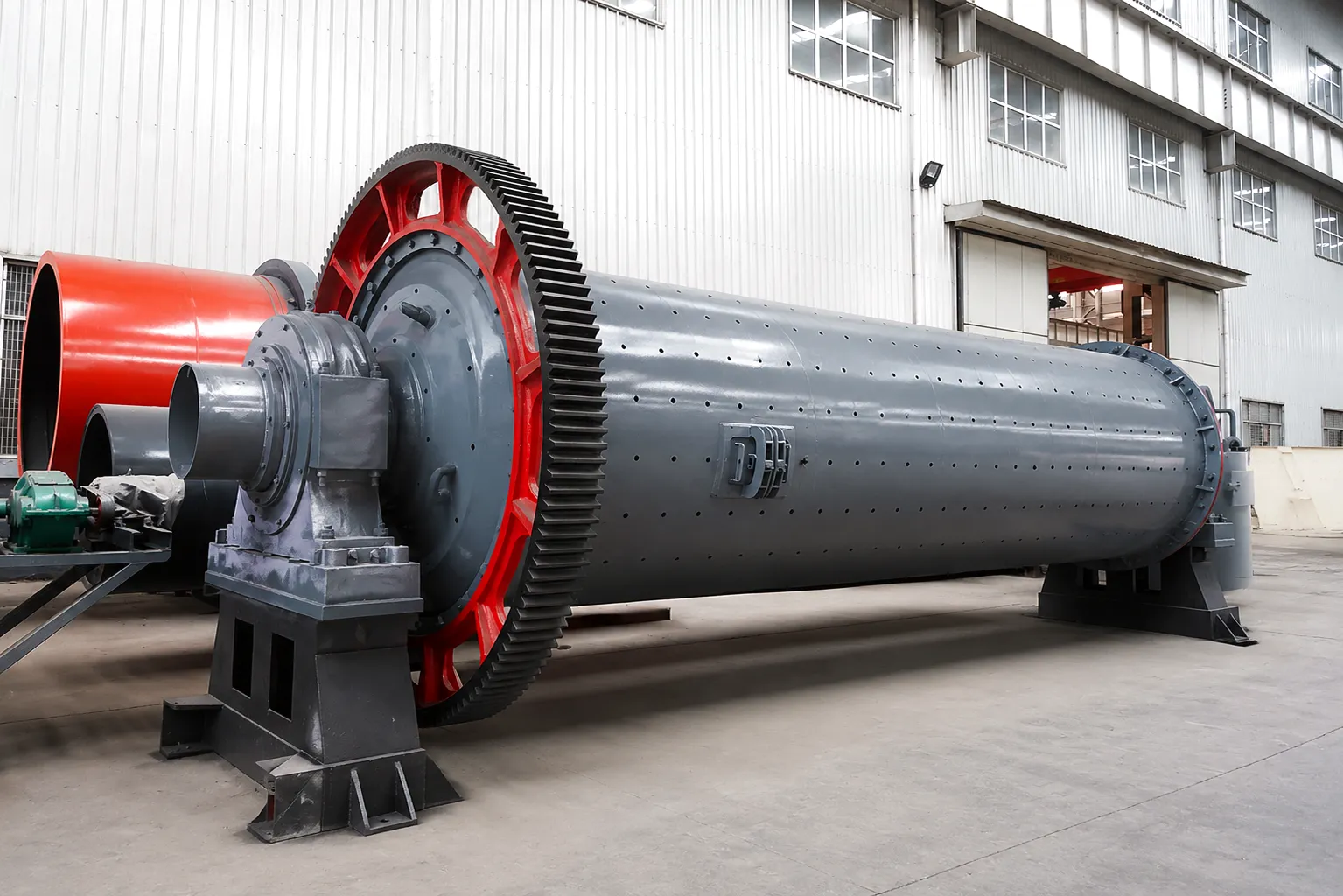
Cement Mill Drive
영국 산업용품 공급
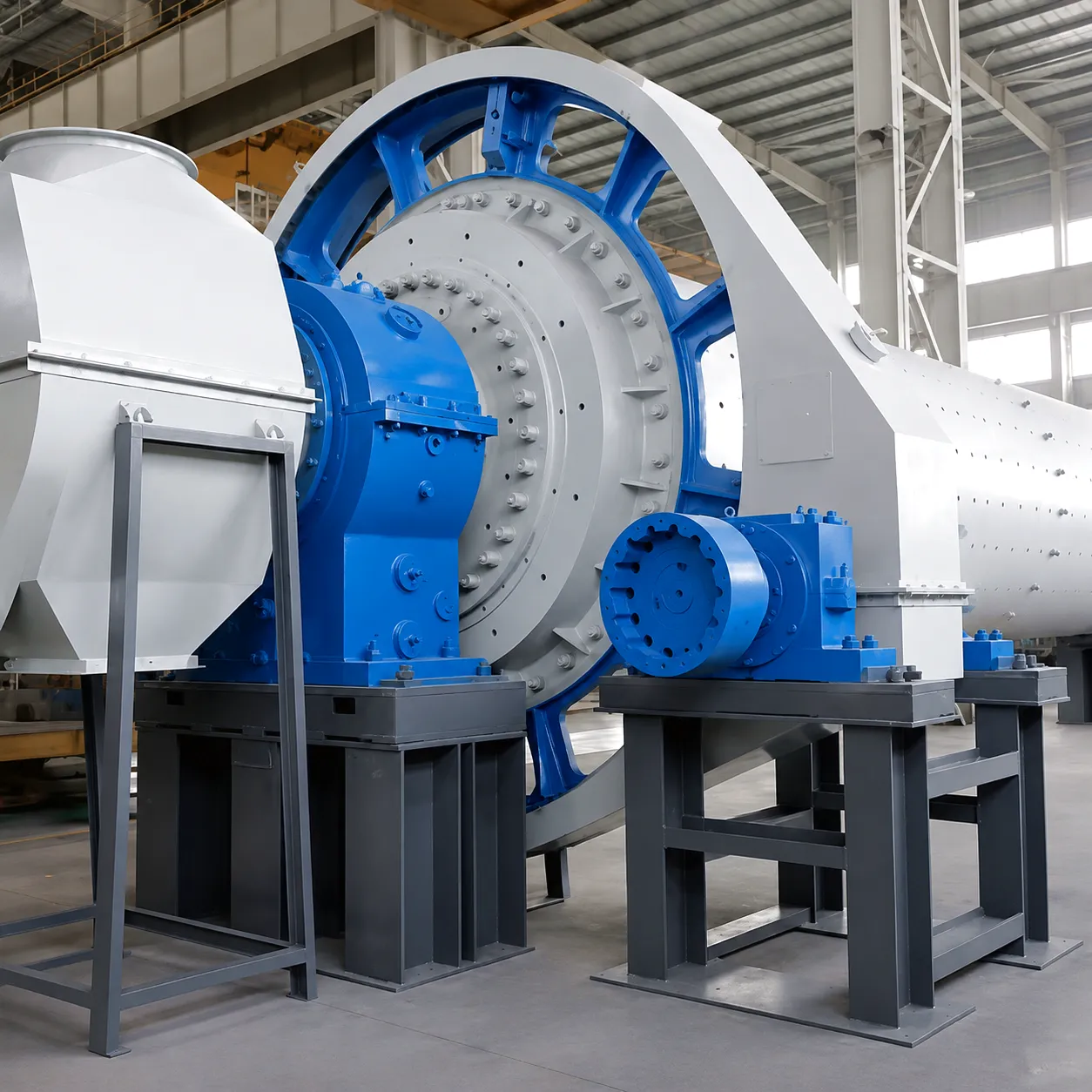
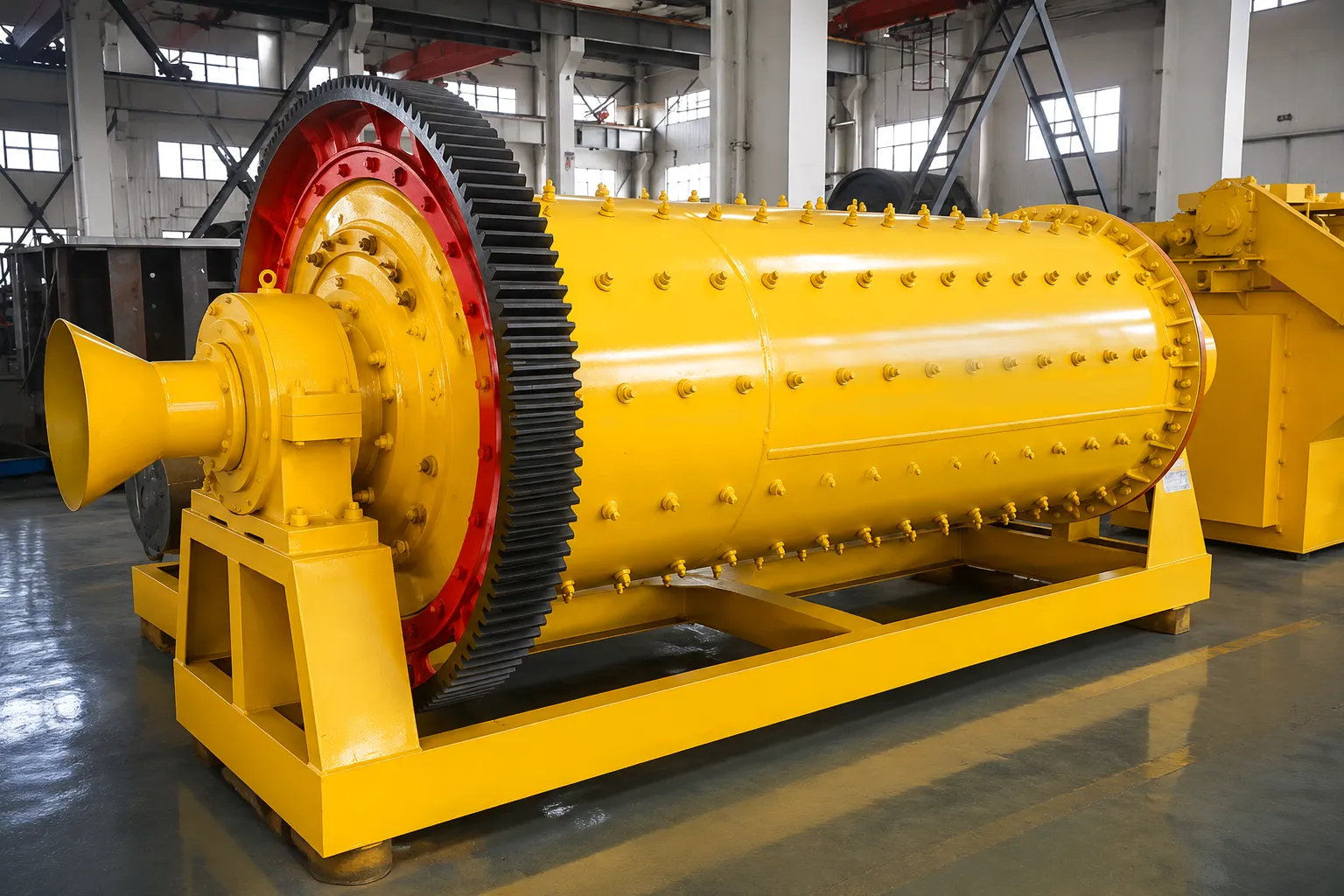
 Cement production is one of Britain’s most energy-intensive industrial activities, and the grinding circuit sits at the centre of every plant’s power budget. Whether you are running a traditional ball mill at a facility in the Midlands or operating a vertical roller mill in South Yorkshire, the coupling between the prime mover and the reduction gear is one of the most mechanically stressed components in the entire drive train. Getting that coupling selection wrong does not simply mean a repair job — it can mean days of lost kiln output, emergency call-outs, and a maintenance bill that dwarfs the cost of the coupling itself several times over.
How Couplings Work in Cement Mill Drive Systems
Torque Transmission Path
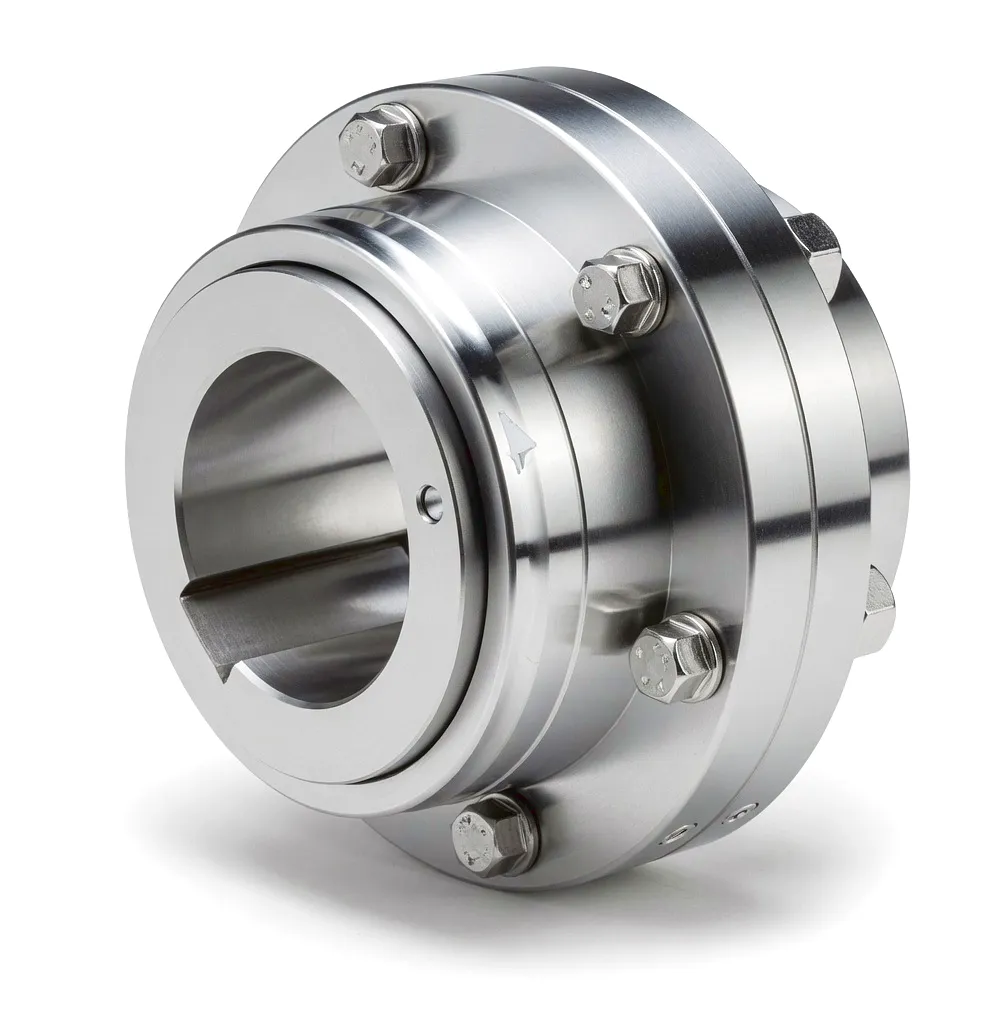
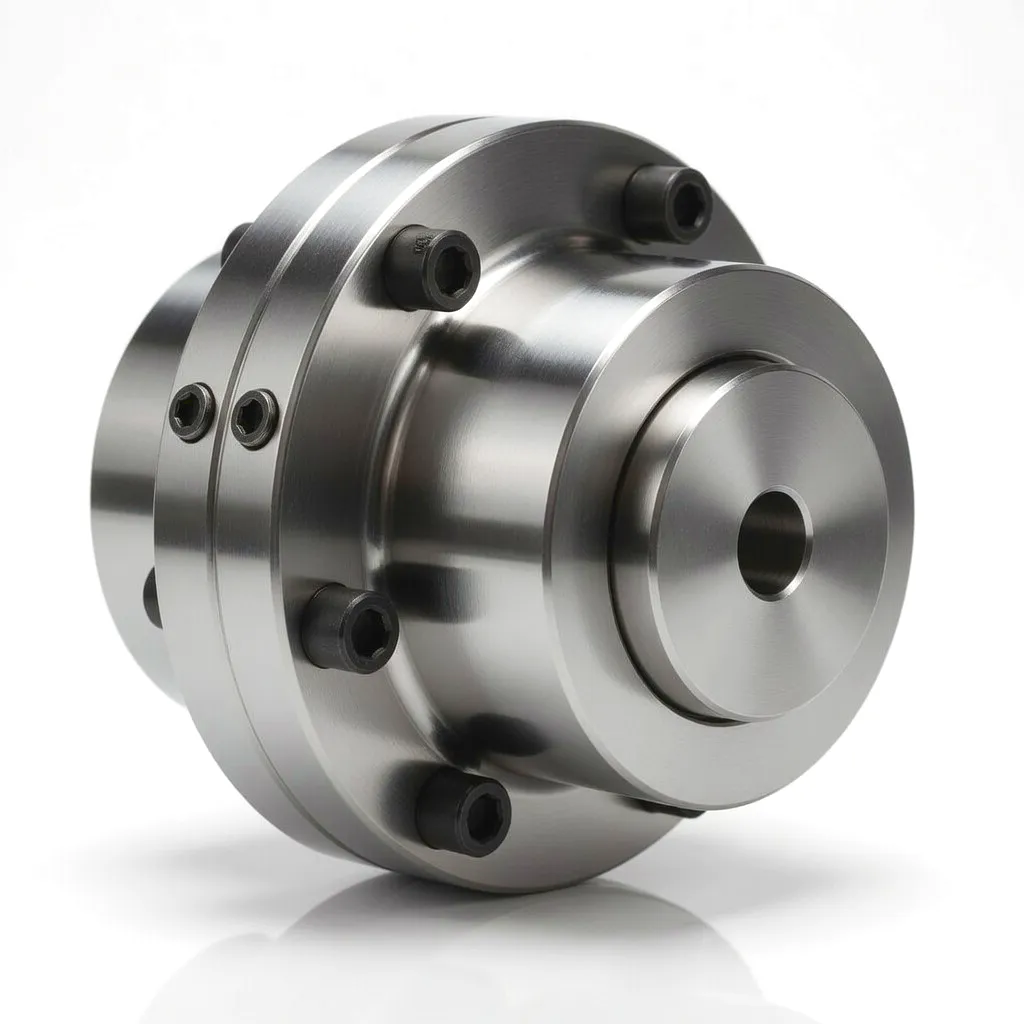
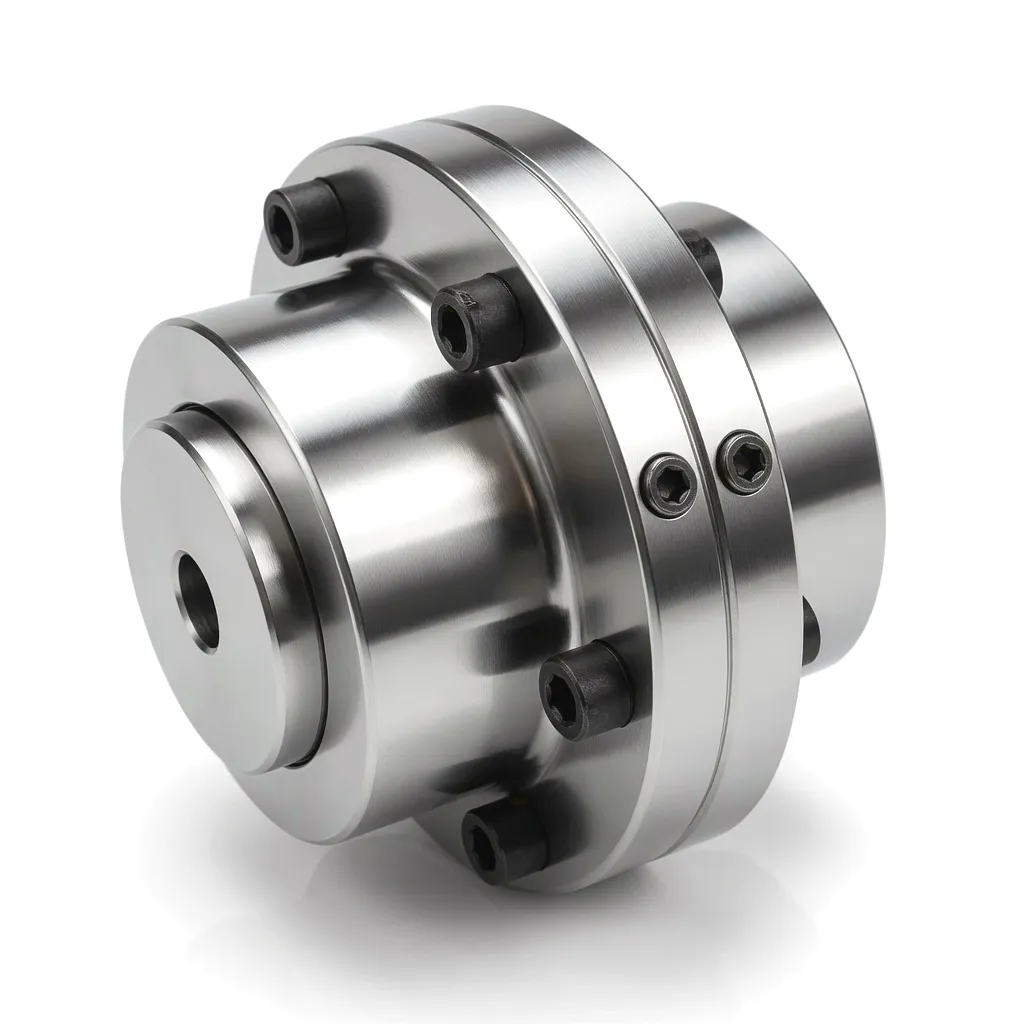
In a typical cement ball mill drive, a high-voltage electric motor — commonly rated between 1 MW and 6 MW — connects to a reduction gearbox through a gear coupling. The coupling’s inner hubs are keyed or shrink-fitted to the shaft ends, while the outer sleeves carry the gear teeth that mesh with the hub teeth under continuous oil lubrication. Torque flows from the motor shaft, through the hub teeth, across the oil film, and into the gearbox input shaft. The involute tooth profile distributes contact stress across the full tooth width, allowing the coupling to transmit rated torque while simultaneously accommodating the angular offset between the motor and gearbox centrelines that results from thermal growth, foundation settlement, or minor alignment drift over time.
Misalignment Compensation Mechanism
The crowned tooth geometry of gear couplings is the key to misalignment accommodation. Unlike a straight spur gear, each hub tooth is machined with a convex crown along its length. When the coupling operates at an angular offset — typically up to 1.5 degrees in heavy-duty cement mill applications — the crowned teeth pivot within the sleeve teeth, maintaining full load-carrying contact without generating excessive edge stress. The lubricating oil film between the mating tooth surfaces further reduces friction and heat generation at the contact zone. In installations where the drive geometry requires larger angular deflections, a universal coupling (SWC series or similar cardan shaft assembly) replaces or supplements the gear coupling, allowing offset angles of 15 degrees or more without compromising torque capacity or rotational uniformity.
Start-Up Shock Absorption
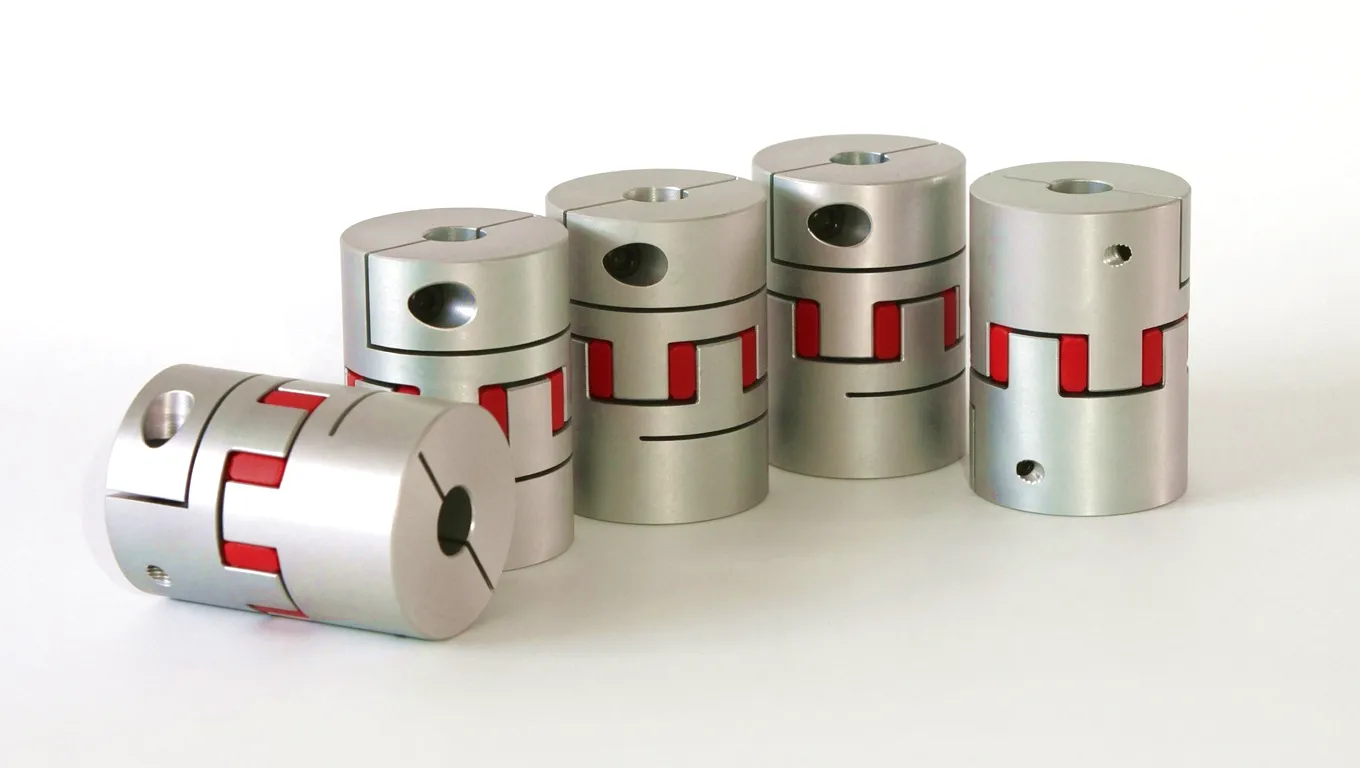
Cement mills are characterised by high rotational inertia. A fully loaded ball mill’s rotating charge — hundreds of tonnes of steel grinding media and raw material — represents a massive flywheel effect. When the drive motor is energised, the shaft system must accelerate this load from rest, generating torque peaks that can be three to five times the rated running torque. A gear coupling sized for rated torque alone will fail under repeated start-up shock loading. The solution is to apply a service factor — typically 1.8 to 2.5 for cement mills — that increases the coupling’s rated capacity well above the continuous running requirement. Snake-spring couplings add another layer of protection by storing start-up shock energy elastically in the spring elements before releasing it progressively, cushioning the downstream gearbox and open-gear system from sudden load spikes.
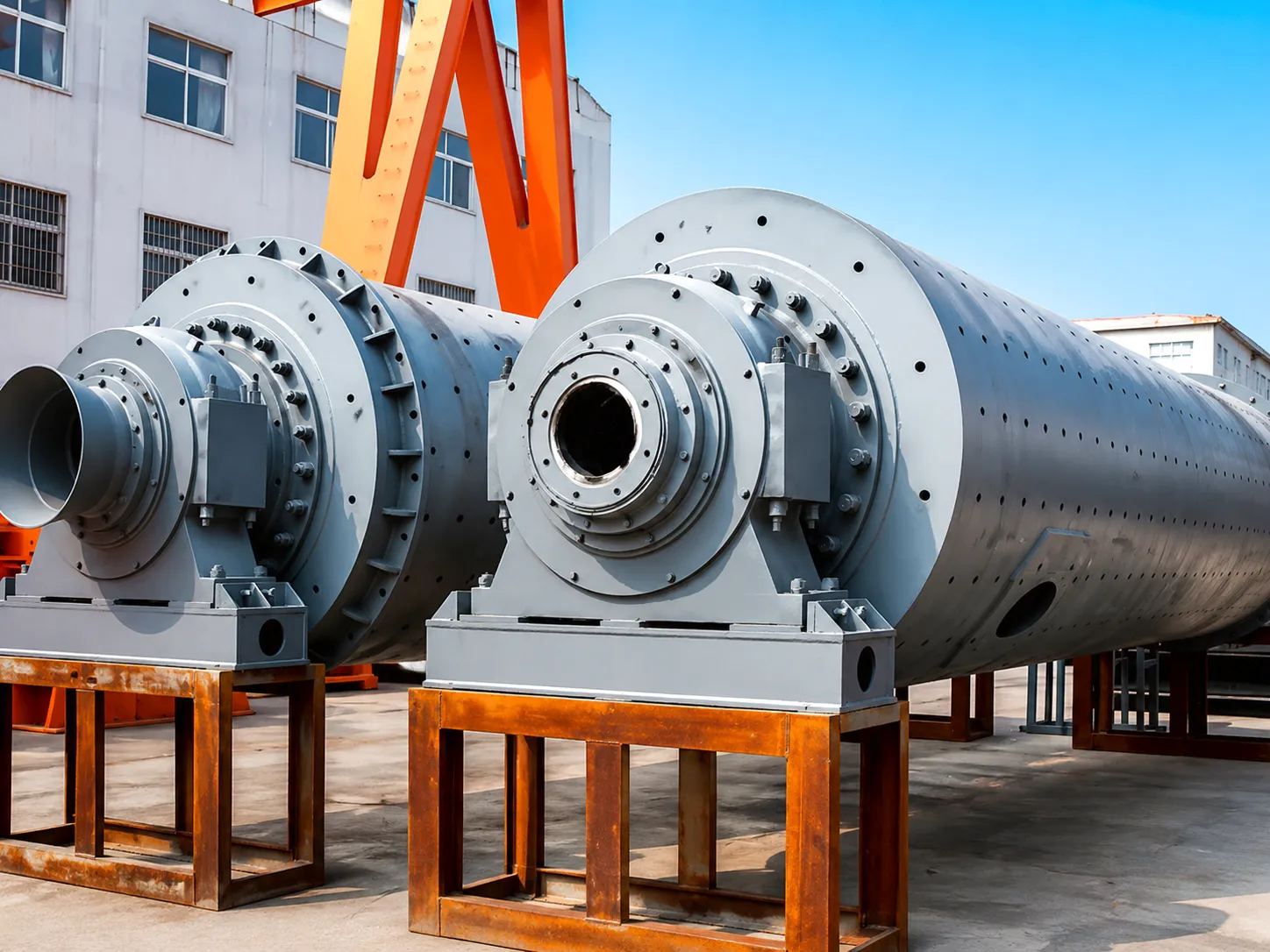
Application Scenario: Cement Grinding Mill Drive Systems
Core Materials in Industrial Coupling Manufacture
합금강(42CrMo4)
Used for gear coupling hubs and sleeves where high surface hardness and core toughness are needed simultaneously. After quench-and-temper heat treatment, 42CrMo4 achieves tensile strength above 1,000 MPa and surface hardness of 54–58 HRC on the tooth flanks, giving outstanding resistance to the pitting and spalling that cement dust contamination can accelerate.
Ductile Cast Iron (GGG50 / GGG70)
Nodular graphite cast iron offers excellent castability for complex coupling housings and flanged drums, combined with elongation values that prevent brittle fracture under shock loading. GGG70 grade is particularly suited to the outer sleeve of large-bore gear couplings where weight reduction relative to steel forgings improves rotational balance and reduces bearing loads.
Spring Steel (65Mn / 60Si2Mn)
The snake-spring elements in JSA series couplings are manufactured from high-silicon manganese spring steel, which combines very high elastic strain capacity with excellent fatigue life under cyclic loading. The springs are individually formed and heat-treated to a consistent hardness band, then installed without pre-tension to ensure symmetrical load sharing across all spring segments during both driving and back-driving conditions.
Carburised 20CrMnTi for Universal Joint Crosses
The needle bearing trunnion crosses used in SWC series universal couplings are carburised and case-hardened to produce a very hard surface layer (58–63 HRC) over a tough core. This combination resists the pitting and fretting at the needle contact zone that would otherwise limit the service life of the cross under the oscillating angular deflection of a cement mill cardan shaft arrangement.
Core Technical Advantages of Industrial Couplings for Cement Applications
📈
높은 토크 밀도
Gear couplings transmit rated torque in a significantly smaller radial envelope than comparable disc or jaw couplings, reducing the space penalty in congested mill drive rooms and allowing existing plinth designs to be reused during drive upgrades.
🛠
Overload Protection
With appropriate service factor selection, the coupling acts as the mechanical weak link designed to yield — through controlled tooth disengagement or spring yielding — before overload torque damages the far more expensive gearbox, open-gear ring, or motor windings.
🖌
Maintenance-Friendly Design
Split outer sleeves allow inspection and relubrication without disturbing shaft alignment or dismounting the hubs. In a cement plant, where the annual shut-down window is measured in days, being able to service the coupling by removing two bolted half-shells saves critical path time.
🔠
Long Service Life in Dusty Environments
Labyrinth seals and premium EP (extreme pressure) gear lubricants combine to protect tooth surfaces from abrasive contamination. Properly maintained gear couplings in cement plant service regularly achieve ten to fifteen years of continuous operation between overhauls — a total cost of ownership advantage that more than offsets any purchase price premium.
🔴
비틀림 진동 감쇠
Snake-spring elements in JSA series couplings reduce the transmission of torsional impulses from motor cogging and VFD switching harmonics into the mechanical drive train, protecting gearbox planet carriers and mill pinion shafts from fatigue damage that would be invisible until catastrophic failure occurs.
제품 기술 및 성능 매개변수
| 매개변수 | Gear Coupling (GC) | Snake-Spring Coupling (JSA) | Universal Coupling (SWC) |
|---|---|---|---|
| Rated Torque (T_n) | 100 Nm – 5,600,000 Nm | 100 Nm – 1,250,000 Nm | 250 Nm – 4,000,000 Nm |
| Angular Misalignment (max) | up to 1.5 degrees | up to 1.0 degree | up to 15–25 degrees |
| Parallel Offset (max) | 0.1 – 5 mm (size-dependent) | 0.2 – 2 mm | via geometry (high range) |
| Max Speed (n_max) | up to 3,600 rpm | up to 1,500 rpm | up to 1,000 rpm (low-speed cardan) |
| 허브 소재 | 42CrMo4 합금강 | Cast iron / alloy steel | 20CrMnTi / 42CrMo4 |
| 치아 표면 경도 | 54~58 HRC | N/A (spring element) | 58 – 63 HRC (cross trunnion) |
| 윤활 유형 | EP gear oil (ISO VG 220–460) | Grease or oil-bath | Grease (MoS2 type recommended) |
| 작동 온도 | -30 degrees C to +120 degrees C | -20 degrees C to +100 degrees C | -40 degrees C to +150 degrees C |
| Service Factor (cement mill) | 1.8 – 2.5 | 2.0 – 3.0 | 1.5 – 2.5 |
| 보어 레인지 | 25 mm – 560 mm | 20 mm – 400 mm | 40 mm – 620 mm |
Broader Industrial Application Scenarios for Couplings Across UK Industry
Steel Rolling Mills — Sheffield
Sheffield remains one of the UK’s most important centres for speciality steel production, and the rolling mills used to shape hot billets into sections, bars, and tubes demand some of the most severe coupling duties in British industry. Rolling mill main drives must absorb massive torque reversals when a billet enters the roll gap and suddenly loads the drive from nearly zero to peak torque in a fraction of a second. Universal couplings — typically SWC series cardan shaft arrangements — connect the mill stands to the gearboxes, combining the ability to transmit very high peak torque with the angular freedom needed to accommodate vertical roll position adjustment without dismounting any drive components. The needle bearing crosses are replaced on a defined cycle, and access for bearing inspection can be achieved without disconnecting the coupling from the mill stand.
Mining & Quarrying — North Yorkshire
Belt conveyor drives, crusher drives, and bucket elevator drives in the quarrying operations that supply limestone and aggregate across North Yorkshire and County Durham represent another demanding coupling environment. Crusher drives are particularly problematic because the material being crushed can include tramp iron, boulders of unpredictable hardness, or irregular lumps that cause sudden shock loads an order of magnitude greater than the steady running torque. Snake-spring couplings installed between the crusher motor and gearbox absorb these shock events elastically, protecting the gearbox from instantaneous torque spikes. Belt conveyor drives, by contrast, impose relatively smooth loading but demand excellent misalignment tolerance because long conveyor frames move significantly over their length as temperature and ground conditions change through the year.
Water Treatment — Birmingham & West Midlands
Slow-speed, high-torque drive applications dominate water treatment plants in the West Midlands, where large-diameter sludge thickeners, digester mixers, and final clarifier mechanisms must rotate continuously without interruption. These drives typically use worm or helical gearboxes running at very low output speeds (less than 1 rpm in some cases), and the coupling between the motor and gearbox must handle the continuous partial-load operation that results from varying sludge density. Gear couplings in wastewater service are specified with stainless steel hardware and FDA-approved lubricants where the process requires food-grade standards, and the sealed design prevents any lubricant leaching into the process stream — a requirement that Birmingham’s Severn Trent suppliers take seriously.
Paper & Packaging — Thames Valley
Paper machine drive trains require some of the most precisely balanced and torsionally stable coupling assemblies in general industry. The paper web travelling at speed through the machine sections must not experience speed variation greater than a fraction of a percent, or the web will break with expensive production losses. Gear couplings used in paper machine section drives are dynamically balanced to fine tolerances, and the crowned teeth are polished to reduce backlash and transmission error that would cause web speed fluctuations. Plants operating near London and in the Thames Valley corridor, supplying packaging board to the growing e-commerce distribution sector, have been upgrading their drives progressively to handle the higher speeds demanded by modern lightweight substrate grades.
Featured Coupling Products
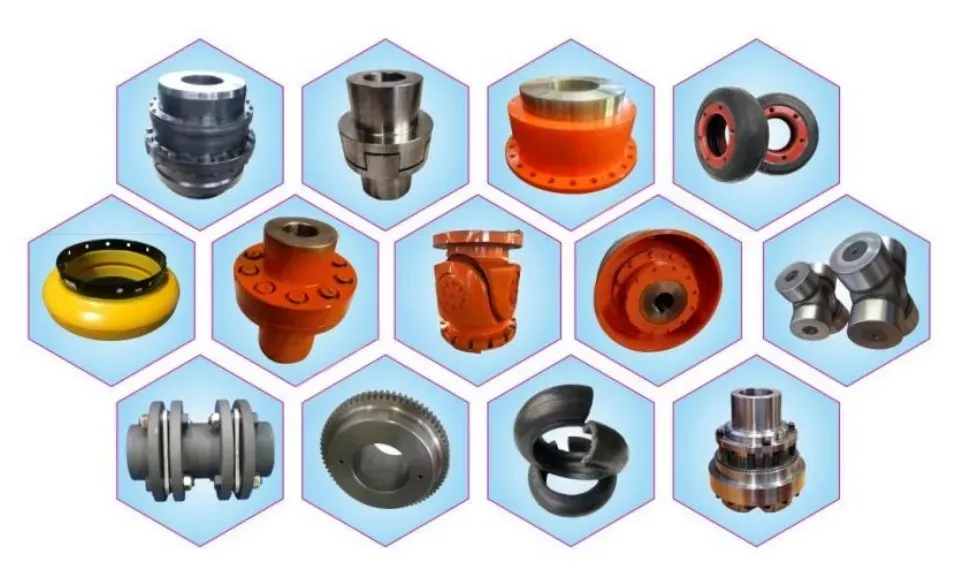
Two of Ever Power’s most specified solutions for heavy industrial drive systems:
JSA 시리즈 스네이크 스프링 커플링
The JSA Series is designed for applications where torsional shock absorption is the primary requirement. The sinusoidal steel spring elements interlock between the two half-coupling hubs in a continuous serpentine path, providing progressive resistance to angular twist. As torque increases, more spring length comes into contact with the hub pocket walls, increasing the effective spring rate automatically — a load-dependent stiffness characteristic that delivers gentle damping under light load and firmer resistance under shock load. This makes the JSA series an excellent choice for crusher drives, conveyor head-end drives, and mill drive trains where direct-on-line or VFD starting generates high initial torque transients. The compact all-metal design requires no rubber components, giving long service life even in hot, oily, or dusty environments typical of Birmingham foundries or Sheffield steelworks.
SWC 시리즈 범용 커플링
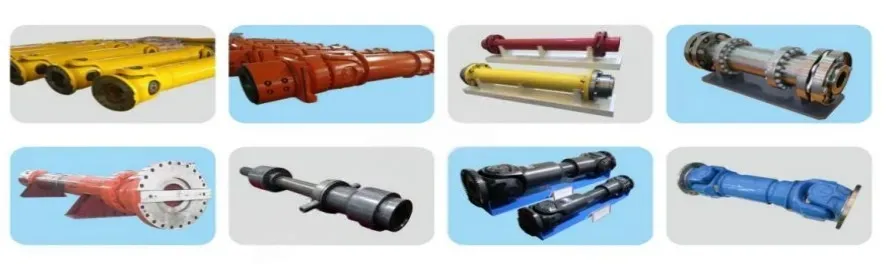
The SWC Series Universal Coupling is a welded cross-type cardan shaft assembly built for the most demanding high-misalignment, high-torque applications in heavy industry. The cross-and-needle-bearing joints use case-hardened 20CrMnTi crosses running in precision-bore bearing cups, with grease lubrication via centralised fittings that allow maintenance without coupling removal. The telescopic splined shaft section accommodates axial displacement caused by thermal growth or structural deflection, preventing axial thrust from being transmitted to gearbox or motor bearings. SWC series couplings are available in bore diameters from 40 mm to 620 mm and torque ratings up to 4,000,000 Nm, covering everything from medium-sized industrial fan drives to the main pinion connections on large horizontal cement mills. Flanged-yoke, splined-yoke, and companion-flange end connections are all available, simplifying retrofit into existing equipment without machining the host shafts.
Ever Power: Precision Manufacturing & Customisation for Demanding Drive Systems
Ever Power operates a vertically integrated manufacturing facility equipped with CNC gear hobbing centres capable of producing coupling teeth to AGMA Class 12 accuracy, CNC grinding machines for tooth flank finishing, and dynamic balancing equipment that checks completed assemblies to ISO 1940 Grade G2.5 — the level required for high-speed coupling applications in cement and steel mill service. The facility holds ISO 9001 quality management certification, and our internal quality control laboratory performs metallurgical verification of incoming materials, hardness testing of heat-treated components, and dimensional inspection of finished tooth geometry before any coupling leaves the factory floor.
What distinguishes Ever Power’s customisation capability is the depth of technical engagement offered to specifiers. When a UK cement producer in the East Midlands or a steel processor in South Yorkshire provides drive train data — motor frame size, gearbox shaft diameter and length, spatial constraints in the drive room, starting method, and expected annual operating hours — our engineering team generates a detailed coupling proposal including torsional analysis, fatigue life estimation, and dimensional drawings for approval within five working days. This turn-around is backed by a supply chain that maintains semi-finished hub blanks across fifty standard bore ranges in alloy steel, ready for finish-machining to the client’s exact shaft specification without the long lead times associated with fully bespoke forgings.
For retrofit applications — where an existing coupling must be replaced without the option of modifying the shaft — Ever Power can manufacture to any dimensional standard, including obsolete proprietary coupling dimensions from German, French, and Japanese original equipment manufacturers. This capability is particularly valued by maintenance managers at UK chemical plants and paper mills where original replacement parts are no longer available from the OEM but the cost of replacing the connected shafts and gearboxes to accept a modern standard coupling would be prohibitive.
🆕 Custom Bore & Keyway
Any bore diameter from 10 mm to 620 mm; parallel, taper, and splined bore options; keyway to DIN 6885 or customer drawing.
📈 Torsional Analysis Report
Full torsional vibration analysis included for drives above 500 kW; critical speed margin assessment; VFD compatibility check.
✅ Surface Treatment Options
Phosphate + oil (standard), zinc-nickel plating, hot-dip galvanising, or marine-grade epoxy coating for offshore and coastal installations.
🚚 UK Logistics Partnership
Air freight + bonded warehouse option for emergency replacements. Standard maritime shipping from port to UK hubs typically 18–24 days.
Customer Success Story: Hope Valley Cement Works, Derbyshire
A mid-sized cement producer operating a 4 MW ball mill at their grinding facility in Hope Valley, Derbyshire, had been experiencing recurring gear coupling failures on their mill’s high-speed input drive. The failures were occurring at intervals of approximately nine months — well short of the twelve-month maintenance cycle — and each failure triggered an unplanned shutdown lasting between forty-eight and seventy-two hours, at a cost the operations manager estimated at over GBP 120,000 per event in lost production, emergency maintenance, and logistics to source replacement parts at short notice from European suppliers.
A detailed inspection of the failed couplings revealed consistent fretting wear at the tooth crown contact zone, concentrated at one end of each hub tooth. This pattern is characteristic of excessive angular misalignment operating beyond the coupling’s design envelope, combined with insufficient lubricant film thickness at the tooth contact zone. The plant had recently retrofitted variable-frequency drives on the mill motors to reduce energy consumption at partial throughput, and the VFD’s switching frequency was exciting a torsional resonance in the drive shaft system that caused cyclic angular oscillation of the coupling at a frequency of around 14 Hz — far above the capability of the original coupling’s lubrication system to maintain a full film.
Ever Power’s application engineering team reviewed the drive train data, conducted a torsional natural frequency analysis, and recommended replacing the gear coupling with a JSA series snake-spring coupling of appropriate torque rating. The spring element torsional compliance shifted the drive train’s natural frequency well below the VFD excitation range, eliminating the resonant oscillation. The new coupling was manufactured with a custom bore to match the existing motor shaft without re-machining, and supplied with a split outer cover allowing installation without disconnecting the motor from its cable tray. The coupling was installed during a scheduled weekend maintenance window. In the eighteen months since installation, the Hope Valley facility has recorded zero coupling-related stoppages, and the most recent annual inspection confirmed that the spring elements showed no detectable wear or set.
고객들이 하는 말
★★★★★
“The JSA series coupling has been running for over eighteen months without a single maintenance intervention. The torsional damping characteristics are precisely as the application team predicted. In all my years managing cement plant drives across Derbyshire, I have rarely seen a retrofit deliver such an immediate and measurable improvement to drive train reliability.”
— Mark T., Plant Maintenance Manager, Hope Valley, Derbyshire
★★★★★
“Ever Power’s engineering support during the selection process was outstanding. They provided torsional analysis documentation and a full dimensional drawing within four working days, which allowed our consulting engineer to approve the specification before our shutdown window. The custom bore was machined to an interference fit tolerance that made installation straightforward and gave us complete confidence in the shaft-hub connection.”
— David H., Project Engineer, Sheffield-based Steel Processor
★★★★★
“We sourced SWC series universal couplings for the main roll drive on two of our rolling mill stands in Birmingham. The needle bearing quality is visibly superior to the Korean-made units we had previously, and the grease nipple layout makes centralised lubrication during planned stops much easier for our fitters. Lead time was twenty-two days from order to delivery on our North West England site — very competitive for custom-bore heavy couplings.”
— Rachel P., Procurement Manager, Birmingham Metals Group
자주 묻는 질문
What is the typical price range for a heavy-duty gear coupling suitable for a cement ball mill drive in the UK?
Pricing varies significantly with bore size, torque rating, and material specification. A medium-bore gear coupling for a 500 kW to 1 MW cement mill drive typically falls in the range of GBP 1,200 to GBP 4,500 depending on whether a standard catalogue size is available or a custom bore and sleeve are required. For mill drives above 2 MW with large bore diameters and special sealing arrangements, costs can reach GBP 15,000 to GBP 40,000 or more. Ever Power offers a detailed quotation including full dimensional drawing within five working days — contact our team to receive a price specific to your drive parameters.
How do I know which type of coupling — gear, snake-spring, or universal — is best suited to my cement grinding application in Birmingham or Sheffield?
The selection depends primarily on the torque level, misalignment type, starting method, and vibration sensitivity of your drive. Gear couplings handle the highest torque densities and are the default choice for the high-speed motor-to-gearbox connection. Snake-spring couplings are preferred where vibration damping or shock absorption is the priority — particularly after VFD retrofits. Universal couplings address large angular offset requirements. Our engineers can review your motor and gearbox data and recommend the optimal type with justification — simply request a technical consultation with your equipment nameplate data.
Where can I find a reliable coupling supplier in the UK who can provide custom bore gear couplings with short lead times for urgent replacement?
Ever Power works directly with UK industrial buyers and maintenance teams, offering semi-finished hub blanks held in stock across fifty standard bore ranges that can be finish-machined to customer specification and dispatched within ten to fifteen working days for most standard sizes. For critical emergency situations, air freight from our manufacturing facility can deliver finished couplings to any UK address within five to seven working days from order confirmation. Our sales team can be reached directly to discuss your timeline and arrange expedited production if required.
How often should a gear coupling be inspected and relubricated when installed on a cement ball mill drive in a dusty UK plant environment?
For a gear coupling installed with proper labyrinth seals and filled with ISO VG 220 or 320 EP gear oil at commissioning, the recommended inspection interval in a cement mill environment is twelve months, aligned with the annual kiln shutdown. At each inspection, the outer sleeve should be removed and the tooth flanks examined for pitting, spalling, or fretting marks. The oil should be analysed for particulate contamination before refilling. If the plant runs double shifts or the coupling operates continuously above 80% of rated torque, a six-month oil sampling interval — without full disassembly — is recommended as an early warning of any deterioration.
When is it necessary to replace a gear coupling with a snake-spring type after a variable-frequency drive has been retrofitted to an existing cement mill motor in a UK plant?
A coupling type change is indicated when post-VFD commissioning data shows torsional resonance at or near any operating speed in the VFD ramp range, or when the existing gear coupling shows accelerated fretting wear at the tooth crowns within six months of VFD operation. In cases where the drive train has been modelled and the torsional natural frequency has been confirmed to lie outside all excitation ranges, the existing gear coupling can often remain in service with the addition of a torsionally flexible spacer element. A formal torsional analysis is strongly recommended before deciding, and Ever Power can provide this service as part of the coupling selection process.
Which certifications and quality standards should I expect from a coupling supplier serving UK heavy industry, and does Ever Power hold these?
UK industrial buyers typically expect ISO 9001 quality management system certification as a minimum, along with traceability for all structural alloy steel components to EN 10204 Type 3.1 material certificates. For applications in potentially explosive atmospheres — flour mills, grain handling, certain chemical plant duties — ATEX II 2G or II 3G category certification is required. Ever Power holds ISO 9001 certification and can supply couplings with full material traceability documentation. ATEX-rated coupling assemblies are available in selected size ranges — please specify at the enquiry stage so that appropriate design choices can be incorporated from the outset.
Ready to Specify the Right Coupling for Your Drive System?
Send your drive data to Ever Power’s engineering team and receive a detailed coupling proposal, dimensional drawing, and competitive price within five working days.
✉ Request Your Technical Quotation
gzl님이 편집함