Sprzęgła zębate w układach napędowych maszyn do ciągłego odlewania: inżynieria stojąca za niezawodną produkcją stali
W jaki sposób wysokowydajne sprzęgła zębate utrzymują napędy prowadnic pasm, jednostki oscylacji formy i palniki tnące w warunkach ekstremalnych temperatur, niewspółosiowości i obciążeń cyklicznych — z wnikliwym spojrzeniem na rzeczywiste praktyki w brytyjskich i europejskich hutach stali.
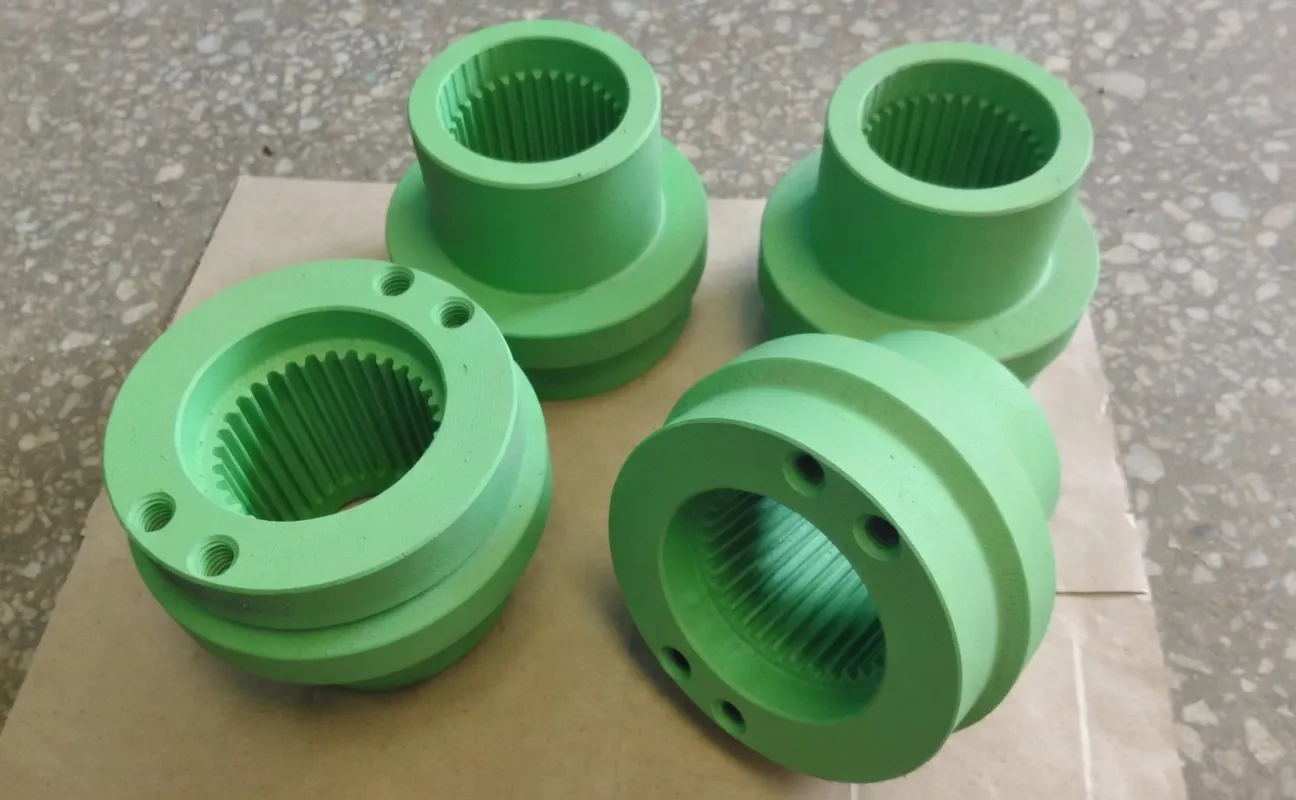
Sprzęgła zębate Ever Power montowane na prowadnicach linowych do odlewania ciągłego — przeznaczone do stałego wysokiego momentu obrotowego i kompensacji odchyłek termicznych.
Zapraszamy do składania zapytań w Wielkiej Brytanii i Europie · Dostępne są niestandardowe specyfikacje złączy · Krótkie terminy realizacji
Dlaczego układ napędowy jest układem nerwowym maszyny do ciągłego odlewania
Przechodząc przez dowolną zintegrowaną hutę stali w Wielkiej Brytanii – Sheffield, Scunthorpe, Port Talbot – zauważysz, że maszyna do ciągłego odlewania (CCM) jest niemal nieodmiennie wąskim gardłem produkcji. Ciekła stal dociera z zasadowego pieca tlenowego lub elektrycznego pieca łukowego, wlewana jest do chłodzonej wodą miedzianej formy, a następnie wychodzi w postaci litego pasma, które musi być gięte, prowadzone, prostowane i ostatecznie cięte na wymiar bez żadnych przerw. Cała sekwencja działa 24 godziny na dobę, siedem dni w tygodniu, przy temperaturach pasma, które mogą przekraczać 900°C na powierzchni kęsiska lub wlewka. W takim środowisku każdy element mechaniczny układu napędowego jest poddawany silnym, nieustającym naprężeniom.
W centrum tego układu napędowego znajduje się sprzęgło. Inżynierowie, którzy przez długi czas projektowali sprzęgła dla maszyn CCM, powiedzą to samo: elastyczne sprzęgła, które działają bez zarzutu w maszynach papierniczych lub cementowniach, często psują się w ciągu kilku tygodni w urządzeniach do ciągłego odlewania. Połączenie wysokiego momentu obrotowego, niewspółosiowości kątowej i równoległej spowodowanej rozszerzalnością cieplną oraz obciążenia udarowego występującego w przypadku nagłego usunięcia zacięcia pasma tworzy cykl pracy, który eliminuje wszystkie rozwiązania poza najbardziej solidnie zaprojektowanymi. Sprzęgło zębate – a konkretnie sprzęgło zębate o zębach ewolwentowych, smarowane wewnętrznie – jest preferowanym rozwiązaniem od dziesięcioleci, a inżynierska logika stojąca za tym wyborem warta jest szczegółowego przeanalizowania.
Jak właściwie działają jednostki napędowe do odlewania ciągłego i gdzie pasują sprzęgła
Nowoczesna maszyna do odlewania płyt w brytyjskiej hucie stali będzie miała od 12 do 22 oddzielnie napędzanych segmentów prowadnicy pasma, z których każdy zawiera dwie lub więcej rolek dociskowych. Każda rolka jest napędzana własnym motoreduktorem – zazwyczaj śrubowo-stożkowym – a sprzęgło łączy wał wyjściowy motoreduktora z wałem rolki. Ponieważ rolki są osadzone w chłodzonych cieczą segmentach, znajdujących się bezpośrednio pod gorącym pasmem, obudowy rolek rozszerzają się o kilka milimetrów podczas nagrzewania. Nawet przy starannym wstępnym wyrównaniu w okresach konserwacji, rozszerzalność cieplna rutynowo powoduje odchylenia kątowe od 0,5° do 1,5° i przesunięcie równoległe od 0,3 do 1,0 mm na pozycję napędu.
Poza prowadnicą pasma, trzy inne systemy napędowe wymagają równie wydajnych sprzęgieł. Mechanizm oscylacji formy nadaje jej sinusoidalny ruch pionowy – zazwyczaj od 80 do 300 cykli na minutę – aby zapobiec przyspawaniu się powstającej stalowej powłoki do miedzianych ścianek. Oznacza to, że sprzęgło musi absorbować miliony cykli momentu obrotowego nawrotnego dziennie. Napęd z fikcyjną listwą, który wsuwa i wysuwa listwę startową na początku każdego grzania, generuje krótkie impulsy bardzo wysokiego momentu obrotowego już od niemal całkowitego zatrzymania. Jednostka tnąca palnikiem, która przemieszcza się w poprzek poruszającej się taśmy, aby ją przeciąć, wykorzystuje w swoim napędzie poprzecznym sprzęgła, które muszą być odporne na drgania powstające podczas samego procesu cięcia.
Sprzęgło zębate sprawdza się we wszystkich czterech scenariuszach, ponieważ jego zasada działania jest elegancka pod względem mechanicznym: wewnętrzne zęby zębate na tulei zazębiają się z zewnętrznymi zębami ewolwentowymi na piaście, z lekkim wypukłym profilem zębów, który pozwala piaście na kołysanie się w tulei z odchyłką kątową do 1,5° na każdą połówkę sprzęgła bez generowania znaczących momentów zginających na połączonych wałach. Luz osiowy, zazwyczaj od ±5 mm do ±25 mm w zależności od długości tulei, absorbuje wzrost termiczny wzdłuż osi wału. W rezultacie powstaje element przeniesienia napędu, który jest jednocześnie sztywny na skręcanie i elastyczny na odchyłki – połączenie, którego żadne sprzęgło elastomerowe ani tarczowe nie zapewni przy gęstościach momentu obrotowego wymaganych w napędzie z prowadnicą cięgnową.
Zasady techniczne, dobór materiałów i wymagania dotyczące smarowania
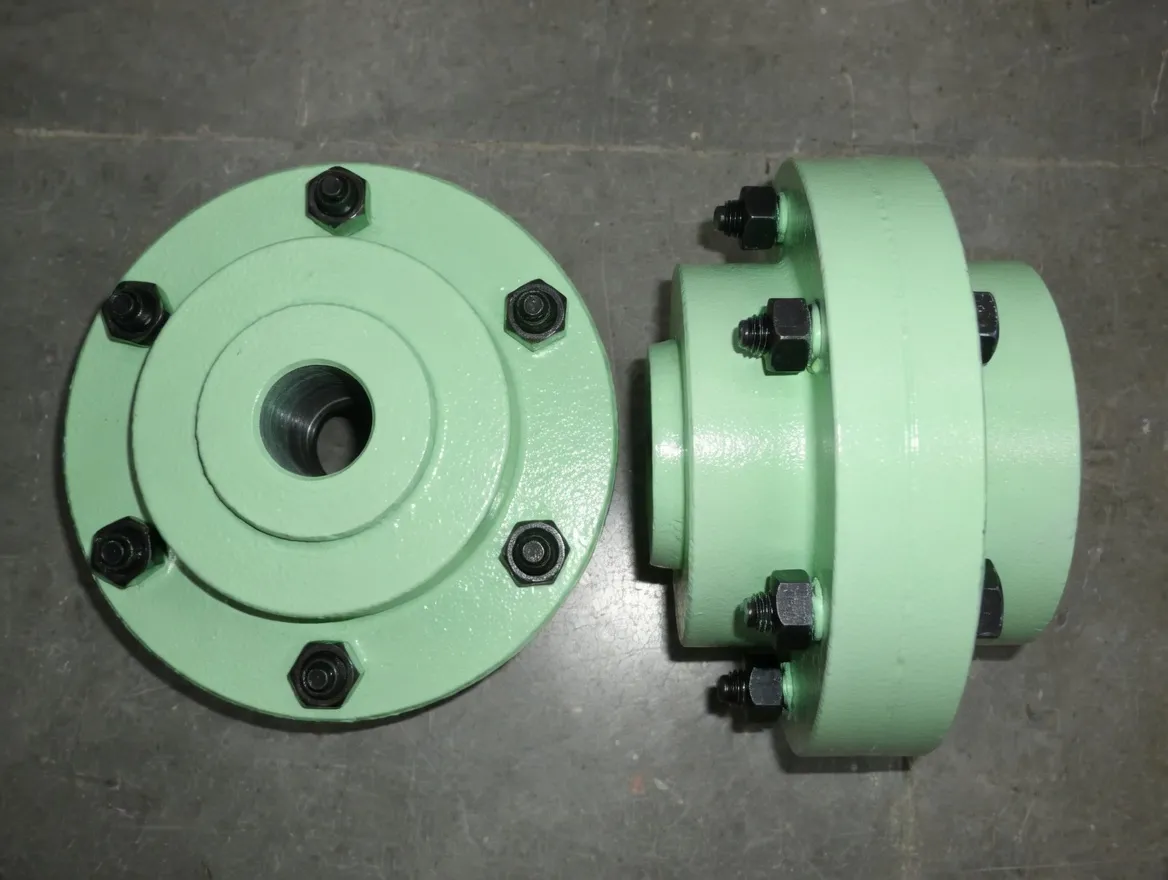
Integralność strukturalna sprzęgła zębatego zaczyna się od półfabrykatu piasty. Do zastosowań CCM, Ever Power zaleca kucie stali 42CrMo4 (odpowiednik gatunku EN 10083) dla standardowych piast produkcyjnych, z opcją nawęglania i utwardzania powierzchniowego stali 18CrNiMo7-6 dla najbardziej ekstremalnych obciążeń udarowych. Kucie zapewnia ciągły przepływ ziarna, eliminując ryzyko porowatości charakterystyczne dla odlewów — krytyczne w zastosowaniach, w których pęknięcie piasty pod wpływem udarowego momentu obrotowego jest zagrożeniem zarówno bezpieczeństwa, jak i produkcji. Po obróbce zgrubnej piasty są poddawane obróbce cieplnej do twardości rdzenia 28–34 HRC, a następnie precyzyjnie szlifowane na otworze i powierzchniach bocznych zębów zgodnie z tolerancją ISO 6.
Materiałem tulei w większości zastosowań jest stal kuta 40Cr, obrabiana z zachowaniem ścisłych tolerancji współosiowości, aby zminimalizować resztkową niewyważenie przy prędkościach roboczych. W miejscach narażonych na bezpośredni strumień wody – co dotyczy praktycznie każdego sprzęgła prowadzącego – Ever Power nakłada chromianowanie twarde lub powłokę z węglika wolframu natryskiwaną termicznie na zewnętrzną średnicę tulei i przylegające powierzchnie kołnierzowe. Zapobiega to korozji ciernej, która degraduje niezabezpieczone powierzchnie stalowe w ciągu jednej kampanii, która w brytyjskiej hucie stali płaskiej może trwać 8–12 tygodni między planowanymi przerwami konserwacyjnymi.
Smarowanie jest prawdopodobnie najważniejszym czynnikiem wpływającym na trwałość sprzęgła zębatego w przekładni zębatej (CCM). Wypukłość na powierzchni bocznej zęba oznacza, że powierzchnia styku migruje podczas ruchu piasty, a migracja ta musi być wspomagana przez warstwę smaru, która pozostaje na miejscu pomimo działania siły odśrodkowej, wnikania wody i cyklicznych zmian temperatury. Ever Power stosuje specjalny smar litowo-kompleksowy EP (Extreme Pressure) o konsystencji NLGI 1,5 – wystarczająco płynny, aby rozprowadzać się pod wpływem siły odśrodkowej, ale o odpowiedniej strukturze, aby zapobiec wypłukiwaniu. Uszczelnione zaślepki i układ smarowania pod ciśnieniem dodatnim zapewniają smarowanie sprzęgła nawet w przypadku ciągłej mgły wody chłodzącej.
Parametry techniczne i wydajnościowe — sprzęgła zębate Ever Power CCM
| Parametr | Standardowy zakres CCM | Heavy-Duty / Napęd formy | Jednostka |
|---|---|---|---|
| Moment obrotowy nominalny (Tn) | 2500 – 18 000 | 18 000 – 125 000 | N·m |
| Maksymalny moment obrotowy/udarowy (Tmax) | Do 2,5 × Tn | Do 3,0 × Tn | — |
| Niewspółosiowość kątowa | ±1,0° | ±1,5° | na pół |
| Pływak osiowy (±) | 5 – 15 | 12 – 30 | mm |
| Maksymalna prędkość robocza | 750 – 1500 | Do 3000 | obr./min |
| Materiał piasty | 42CrMo4 kute | 18CrNiMo7-6 nawęglany | — |
| Twardość zęba (bok) | 58 – 62 HRC | 60 – 64 HRC | — |
| Ochrona powierzchni (rękaw) | Chrom twardy 50–80 µm | HVOF WC-Co 100–150 µm | — |
| Rodzaj smaru | EP Li-Complex, NLGI 1.5, IP/Wodoodporny | — | |
| Obowiązujące normy | GB/T 5905, ISO 10441, BS EN 1563 (materiał) | — | |
Pięć zasadniczych zalet sprzęgła zębatego w CCM
Wyjątkowa gęstość momentu obrotowego
Ewolwentowy profil zęba rozkłada obciążenie na wiele zębów jednocześnie, zapewniając sprzęgłom zębatym stosunek momentu obrotowego do masy, którego nie da się osiągnąć w przypadku konstrukcji elastomerowych lub tarczowych. W kompaktowych segmentach prowadzących pasmo, gdzie przestrzeń montażowa jest ograniczona, ma to ogromne znaczenie — sprzęgło zębate przenoszące moment 15 000 N·m może ważyć mniej niż 18 kg i mieścić się w obudowie o średnicy 220 mm.
Tolerancja odchylenia termicznego
Segmenty rolki rozszerzają się wraz ze wzrostem temperatury pasma. Sprzęgło zębate kompensuje jednocześnie odchylenia kątowe i równoległe – bez przenoszenia znacznych sił reakcji na silnik przekładniowy lub łożysko rolki. To znacznie wydłuża żywotność łożyska w porównaniu ze sprzęgłami sztywnymi i eliminuje wzrosty naprężeń, które powodują uszkodzenia zmęczeniowe wału w napędach o niewspółosiowości.
Odporność na wstrząsy i zmęczenie
Zakleszczenia pasm natychmiast uwalniają zmagazynowaną energię sprężystą do układu napędowego. Całkowicie metalowa konstrukcja sprzęgła zębatego – z dużą powierzchnią styku zębów – pochłania te impulsowe momenty obrotowe bez postępującej degradacji, która niszczy sprzęgła gumowe. Piasty ze stali stopowej kutej charakteryzują się wytrzymałością zmęczeniową znacznie przekraczającą 10^7 cykli, co czyni je odpowiednimi do nieustannych oscylacji napędu wibracyjnego formy.
Długie okresy międzyserwisowe
Dzięki szczelnemu smarowaniu i twardym powłokom na powierzchniach tulei, sprzęgła Ever Power CCM regularnie pracują co 8–12 tygodni między kolejnymi smarowaniami, zgodnie z planowanymi harmonogramami konserwacji brytyjskich walcowni wyrobów płaskich. Skrócenie nieplanowanych przestojów bezpośrednio obniża koszt tony stali ciekłej – wskaźnik, który kierownicy zakładów uważnie monitorują pod kątem globalnej konkurencji ze strony producentów z Europy kontynentalnej i Azji Wschodniej.
Możliwość wymiany typu Drop-In
Ever Power obrabia piasty i tuleje sprzęgłowe zgodnie z normami tolerancji ISO i GB, zapewniając zamienność wymiarów z komponentami OEM w maszynach Danieli, SMS Demag i Concast. Pozwala to brytyjskim zespołom konserwacyjnym na standaryzację zapasów sprzęgieł w ramach zróżnicowanej floty kół jezdnych bez konieczności zlecania przeróbek na zamówienie – to istotna zaleta, gdy segment prowadnicy pasma wymaga wymiany sprzęgła w krótkim czasie konserwacji.
Scenariusze zastosowań w odlewni ciągłej
Rola sprzęgła zębatego różni się znacząco w zależności od pozycji w CCM, a określenie odpowiedniego wariantu dla każdej stacji pozwala uniknąć zarówno nadmiernej ingerencji, jak i przedwczesnej awarii. W strefach gięcia i prostowania – segmentach od 1 do 4 w większości urządzeń do odlewania płyt – pasmo jest nadal częściowo płynne w środku. Nagły poślizg rolki podczas prostowania pasma może przenosić gwałtowne momenty udarowe przekraczające 2,8-krotność nominalnej wartości znamionowej napędu. Dlatego w tych pozycjach stosuje się wytrzymałe, hartowane sprzęgło zębate o przeciążalności momentu obrotowego 3 × Tn, wraz z ogranicznikami momentu obrotowego z kołkami ścinanymi na wyjściu motoreduktora, aby chronić silnik i przekładnię przed ekstremalnymi przeciążeniami.
W strefie poziomego odciągania – segmenty od 5 do 12 w typowej maszynie do odlewania płyt – praca jest łagodniejsza, ale wciąż wymagająca. Momenty obrotowe są niższe i bardziej przewidywalne, ale łączna liczba godzin pracy jest bardzo wysoka. Sprzęgła w tym obszarze wymagają przede wszystkim doskonałej odporności na korozję i długiego utrzymywania smaru, a nie maksymalnej odporności na uderzenia. To właśnie w tym obszarze powłoka z twardego chromu i uszczelnione zaślepki zapewniają największy zwrot z inwestycji, wydłużając żywotność z typowych 4–5 tygodni w przypadku standardowych sprzęgieł do 10–12 tygodni w przypadku serii Ever Power CCM.
Napęd oscylacji formy to wyjątkowe rozwiązanie, które wymaga starannego doboru sprzęgła. Ponieważ częstotliwość oscylacji można regulować podczas odlewania – od zaledwie 60 cpm dla grubych wlewków do 350 cpm dla cienkich wlewków – sprzęgło musi zostać ocenione w szerokim zakresie częstotliwości wzbudzenia. Należy obliczyć i uniknąć rezonansu między sztywnością skrętną sprzęgła a masą napędzaną. Zespół inżynierów Ever Power oferuje analizę drgań skrętnych w ramach specyfikacji technicznej dla zastosowań z oscylacjami formy, wykorzystując modelowanie elementów skończonych w celu potwierdzenia, że wybrane sprzęgło utrzymuje pierwszą częstotliwość drgań własnych znacznie poza zakresem roboczym.
Urządzenie do cięcia płomieniowego lub plazmowego wykorzystuje sprzęgła zębate w napędzie poprzecznym, który przesuwa wózek tnący po taśmie. Chociaż momenty obrotowe są tu stosunkowo niewielkie, sprzęgła są narażone na intensywne promieniowanie cieplne i cząstki kamienia, które mogłyby zniszczyć każdy element uszczelniający wykonany z gumy lub polimeru. Całkowicie metalowe sprzęgło zębate wytrzymuje te warunki bez degradacji, wymagając jedynie okresowych przeglądów w celu usunięcia nagromadzonego kamienia z kołnierzy tulei i sprawdzenia stanu smaru.
| Stacja CCM | Kluczowy obowiązek | Podstawowe wymagania dotyczące sprzężenia | Zalecany wariant |
|---|---|---|---|
| Oscylacja formy | Cykle odwracania 60–350 cpm | Wysoka wytrzymałość zmęczeniowa, kontrola rezonansu skrętnego | GIICL / GIICLL z analizą drgań |
| Zginanie / Prostowanie (Seg. 1–4) | Wysoki moment obrotowy, częściowo płynny rdzeń | Tmax ≥ 3 × Tn, piasty utwardzane powierzchniowo | GICL wytrzymały + ogranicznik momentu obrotowego |
| Wycofanie poziome (segmenty 5–12) | Ciągła, godzinna praca, zraszanie wodą, skala | Odporność na korozję, uszczelnione smarowanie | GICL z powłoką chromowo-twardą lub HVOF |
| Napęd za pomocą drążka atrapy | Wysoki moment rozruchowy, rzadka praca | Maksymalna pojemność momentu obrotowego, minimalna konserwacja | GICL średnio-ciężki |
| Przesuw palnika/przecinarki plazmowej | Umiarkowany moment obrotowy, ciepło promieniowania, wnikanie kamienia | Tolerancja na wysoką temperaturę, brak elementów polimerowych | GIICL compact z osłoną termiczną |
Historia sukcesu klienta
Producent płaskich elementów stalowych, północna Anglia, Wielka Brytania — renowacja dwurzędowej maszyny do odlewania płyt
Producent stali płaskiej, obsługujący dwużyłową maszynę do odlewania kęsisk płaskich w północnej Anglii, doświadczał awarii sprzęgieł średnio co 32 dni w segmentach 2 i 3. Oryginalne elastomerowe sprzęgła szczękowe ulegały awarii pod wpływem obciążenia udarowego i wnikania wody, powodując nieplanowane przestoje trwające średnio 4,8 godziny na zdarzenie. W ciągu 12 miesięcy zespół konserwacyjny odnotował 11 nieplanowanych przestojów bezpośrednio związanych z awarią sprzęgieł na tych dwóch stanowiskach – co stanowi łączną szacowaną stratę produkcyjną przekraczającą 180 000 funtów, przy założeniu całkowitego kosztu produkcji stali płynnej w tym zakładzie.
Po przeglądzie technicznym przeprowadzonym przez brytyjski zespół inżynierów aplikacji Ever Power, zakład zmodernizował oba stanowiska, wyposażając je w ciężkie urządzenia serii GICL sprzęgła zębatePiasty 42CrMo4, powłoka tulei HVOF oraz system smarowania pod ciśnieniem dodatnim. Sprzęgła były wymiarowo zamienne z istniejącą konfiguracją wału i obudowy, bez konieczności modyfikacji ramy segmentu. W ciągu 14 miesięcy od instalacji nie odnotowano żadnych nieplanowanych przestojów związanych ze sprzęgłem w tych dwóch pozycjach. Planowany okres między przeglądami został wydłużony do standardowego 10-tygodniowego cyklu remontów segmentu, a zespół inżynierów szacuje roczne oszczędności na około 210 000 funtów w porównaniu z poprzednią awaryjnością.
„Różnica w żywotności w porównaniu z tym, co mieliśmy wcześniej, jest ogromna. Kiedyś mieliśmy na stanie trzy zapasowe zestawy sprzęgieł na segment. Teraz mamy jeden. Już samo zmniejszenie zapasów części zamiennych uwolniło kapitał obrotowy”.
★★★★★ — James HartleyStarszy inżynier mechanik, Dział wyrobów płaskich, Sheffield, Wielka Brytania
„Ever Power dostarczył obliczenia techniczne potwierdzające częstotliwość drgań własnych skrętnych napędu oscylacyjnego formy, zanim złożyliśmy zamówienie. Taki poziom wsparcia inżynieryjnego przed sprzedażą jest naprawdę rzadko spotykany u dostawcy sprzęgieł i dał nam pełne zaufanie do dokonanego wyboru”.
★★★★★ — Dr Lars Brandt, Kierownik ds. urządzeń procesowych, Zintegrowana Huta Stali, Duisburg, Niemcy
„Wybraliśmy sprzęgła zębate Ever Power do naszej nowej, rozbudowanej maszyny do odlewania kęsów, obejmującej wszystkie 18 pozycji prowadnicy. Dostawa przebiegła zgodnie z harmonogramem, dokładność wymiarowa była idealna, a dokumentacja techniczna wstępna spełniała nasze wymagania ISO 9001 QMS bez konieczności wprowadzania zmian”.
★★★★★ — Tom Walsh, Kierownik ds. zamówień projektów, Zakład Stali Specjalnych, Rotherham, Wielka Brytania
Możliwości produkcyjne i niestandardowe usługi inżynieryjne
Ever Power posiada specjalistyczne urządzenia CNC do frezowania i szlifowania kół zębatych, zapewniające tolerancję produkcji do klasy AGMA 10 / DIN 5, co pozwala na uzyskanie dokładności profilu zęba rzadko osiąganej w produkcji sprzęgieł. Fabryka dysponuje zamkniętą linią obróbki cieplnej do kucia piast – wyżarzaniem roztworowym, hartowaniem i odpuszczaniem – a każda partia posiada certyfikat materiałowy i wyniki badań mechanicznych zgodne z normą EN 10204 3.1. Taka identyfikowalność jest formalnym wymogiem dla urządzeń dostarczanych do zastosowań w przemyśle jądrowym i w stalownictwie o krytycznym znaczeniu dla bezpieczeństwa w Wielkiej Brytanii i Europie.
Możliwości inżynieryjne Ever Power w zakresie projektowania na zamówienie obejmują każdy aspekt specyfikacji sprzęgła CCM. Średnice otworów są obrabiane maszynowo zgodnie z rysunkami klienta, standardowo z tolerancją H7, a klienci mogą określić profile rowków wpustowych (równoległe, czółenkowe, wielowypustowe) wraz z opcjami pokrycia otworu (niklowanie, oksydowanie, fosforanowanie) w celu dopasowania do materiału wału i wymagań dotyczących ochrony antykorozyjnej. Niestandardowe długości tulei, zapewniające zwiększony luz osiowy, mogą być produkowane na życzenie klienta. Dostępne są półsprzęgła kołnierzowe do bezpośredniego przykręcania do kołnierzy wyjściowych motoreduktora, w przypadku gdy instalacja nie pozwala na montaż wystającego wału. Zespoły sprzęgieł do zastosowań wymagających hydraulicznego sprzęgania wału – powszechnego w ciężkich napędach do odlewów płytowych – są produkowane z otworem stożkowym i przyłączem oleju hydraulicznego, wstępnie obrobione i zweryfikowane wymiarowo przed wysyłką.
Czas realizacji zamówienia na niestandardowe sprzęgi wynosi zazwyczaj od 3 do 5 tygodni w przypadku wariantów ze standardowych materiałów, a w przypadku awarii krytycznych oferujemy przyspieszoną usługę w ciągu 10–14 dni. Klienci z Wielkiej Brytanii i Europy standardowo otrzymują ceny DDP (Delivered Duty Paid, Incoterms 2020), a na życzenie dostarczamy pełną dokumentację celną i deklarację zgodności CE. Skontaktuj się z naszym działem sprzedaży technicznej, aby uzyskać szczegółową wycenę na podstawie konkretnego rysunku CCM.
Obsługujemy brytyjski przemysł stalowy — od Sheffield do Scunthorpe
Brytyjski przemysł stalowy, skoncentrowany w South Yorkshire, Lincolnshire i południowej Walii, obsługuje jedne z najbardziej wymagających technicznie zakładów ciągłego odlewania w Europie. Zakłady w Scunthorpe, Rotherham, Sheffield i Port Talbot wykorzystują odlewnie kęsisk płaskich i kęsisk, które wymagają współpracy z dostawcami rozumiejącymi specyfikę brytyjskiego hutnictwa – w tym gatunki wysokostopowe produkowane w sektorze stali specjalistycznych w South Yorkshire oraz bardzo wysokie wymagania produkcyjne stawiane przez zakłady produkujące wyroby płaskie w Lincolnshire i Walii.
Ever Power utrzymuje przedstawiciela technicznego w Wielkiej Brytanii oraz posiada brytyjski magazyn wysyłkowy najpopularniejszych rozmiarów sprzęgieł CCM, co umożliwia wysyłkę następnego dnia w przypadku awarii w brytyjskich hutach. Wszystkie zamówienia sprzęgieł dla klientów w Wielkiej Brytanii są poparte pełną dokumentacją zgodną z wymogami BSEN i UKCA, a nasz zespół techniczny jest dostępny na miejscu, aby skonsultować się z brytyjskimi działami inżynierii zakładów, w celu omówienia doboru sprzęgieł, ustawienia instalacji i procedur konserwacyjnych.
Dla specjalistów ds. zakupów i zaopatrzenia w brytyjskim sektorze stalowym, poszukujących niezawodnego dostawcy sprzęgieł zębatych o potwierdzonej wydajności w zastosowaniach ciągłego odlewania, Ever Power oferuje połączenie dogłębnej wiedzy technicznej, elastyczności produkcji na zamówienie oraz konkurencyjnych cen, niezbędnych w długoterminowych partnerstwach w łańcuchu dostaw. Niezależnie od tego, czy zapytanie dotyczy pojedynczej wymiany uszkodzonego urządzenia, czy projektu standaryzacji całego parku maszynowego obejmującego wiele linii odlewniczych, nasz zespół odpowie w ciągu 48 godzin, przedstawiając szczegółową ofertę techniczną i handlową. Skontaktuj się bezpośrednio z nami. [email protected] aby rozpocząć rozmowę.
Często zadawane pytania
Chcesz wybrać właściwy typ sprzęgła dla swojego napędu CCM?
Skontaktuj się z brytyjskim zespołem technicznym Ever Power, podając wymiary wału, wymagany moment obrotowy i położenie CCM. Odpowiemy w ciągu 48 godzin, przedstawiając pełną ofertę techniczną i handlową – bez zobowiązań i bez ogólnych arkuszy danych.
© Ever Power Industrial Couplings | gear-type-coupling.top | Dostawa do Wielkiej Brytanii i Europy | edytowane przez gzl