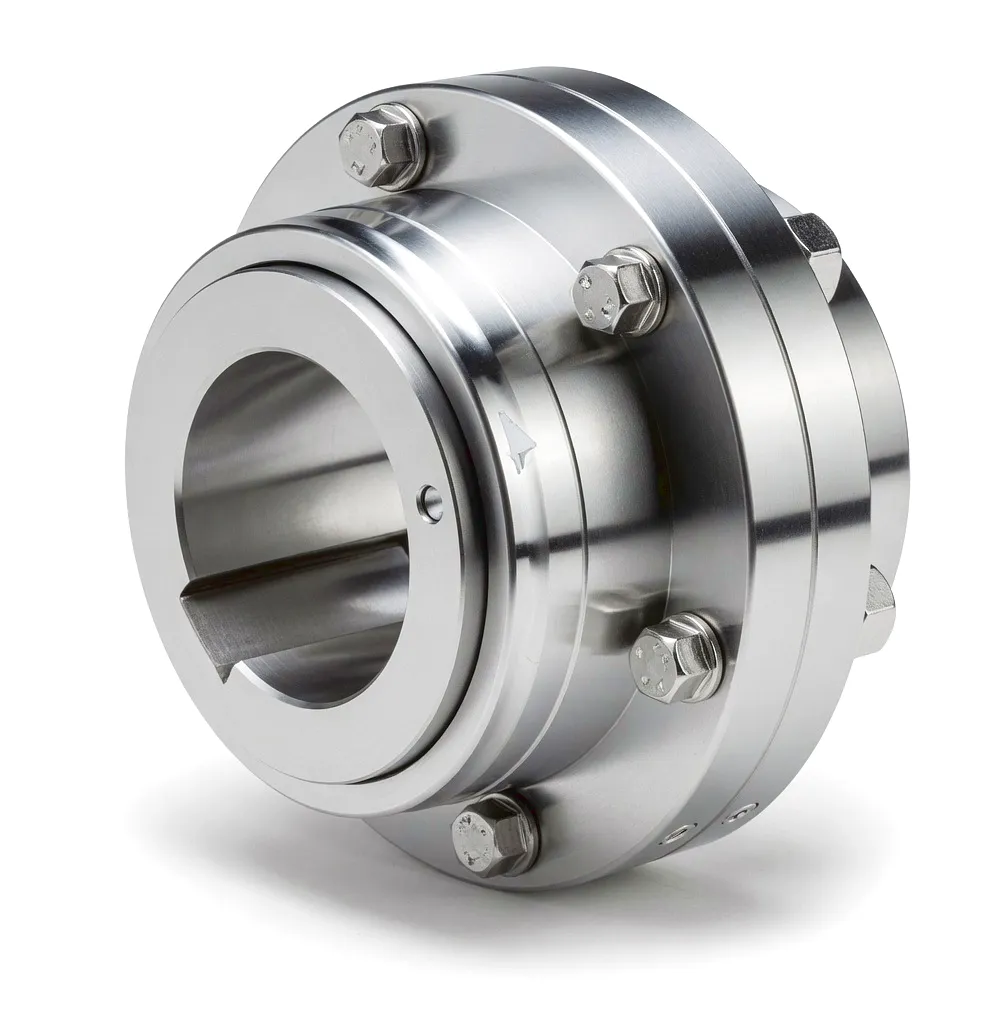
Ready to source precision couplings for your portal crane project? Talk to our engineering team today.
Understanding Couplings: The Mechanical Anatomy Behind Portal Crane Performance
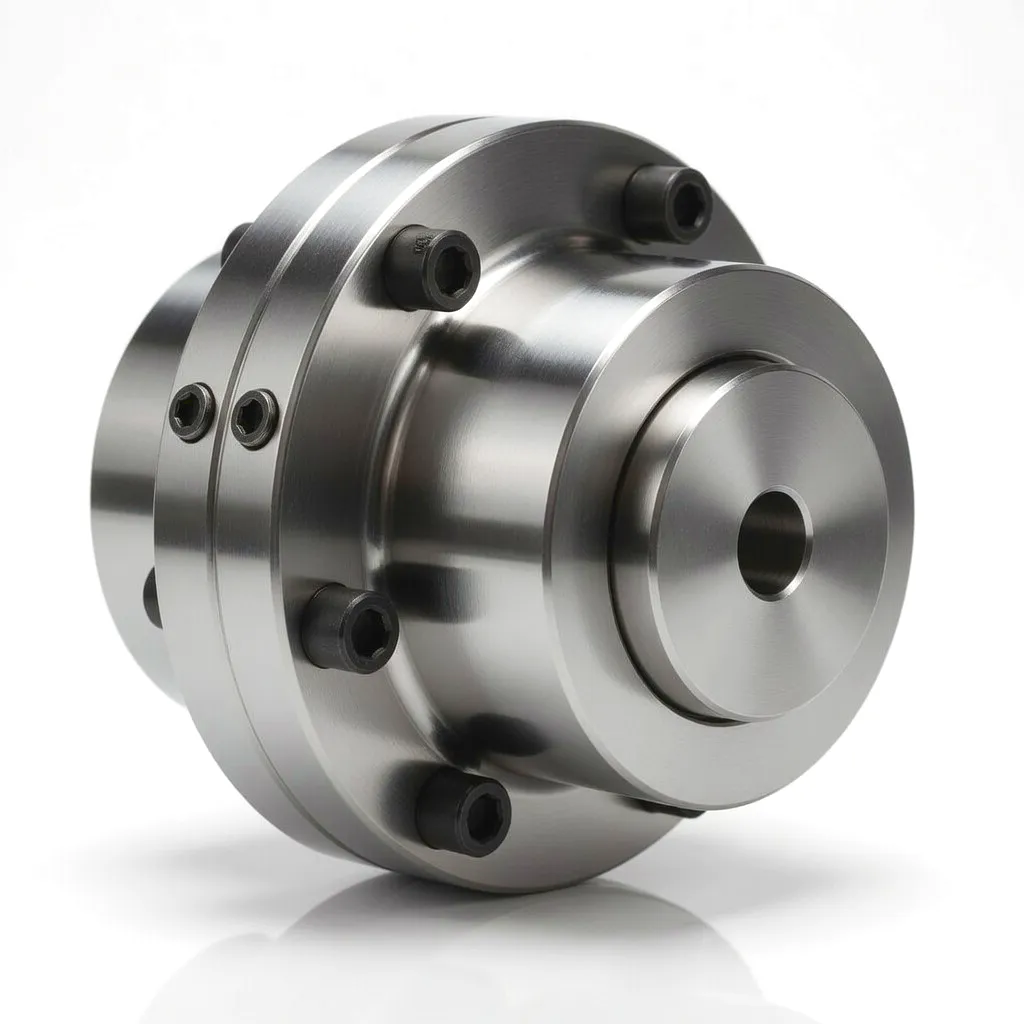
Core Materials: What Goes Into a Coupling Built for Heavy Crane Duty
Material selection is where the theoretical design of a coupling meets the brutal reality of a portal crane’s operating environment. Coastal installations face salt-laden air and intermittent water ingress; steel mill cranes contend with elevated ambient temperatures and radiant heat; aggregate handling terminals expose equipment to abrasive dust contamination. Each scenario places different stresses on the coupling body, seals, and lubricant. Specifying a material that merely meets nominal mechanical ratings but ignores environmental exposure is a common and costly mistake.
Forged Alloy Steel (42CrMo4)
The backbone of high-capacity gear couplings. Quenched and tempered to achieve tensile strength above 1,000 MPa, it delivers the tooth root bending resistance needed in multi-shift crane operation. Carburising and case hardening to HRC 58-62 on tooth flanks dramatically extends service life under oscillating loads.
Ductile Cast Iron (GGG-50 / GGG-60)
Selected for flanged half-coupling bodies and backstop housings where cost efficiency is prioritised without sacrificing impact resistance. Nodular graphite microstructure gives GGG-60 the ductility to absorb shock loads without brittle fracture — a critical property in crane slewing drives where sudden stops are routine.
Polyurethane Elastomers & Nylon
Used in the flexible inserts of jaw-type and pin-and-bush couplings. Shore A 92-98 polyurethane combines excellent oil resistance with a fatigue life that can exceed 10 million load cycles. PA66 nylon inserts offer electrical isolation as a bonus benefit, preventing shaft currents from migrating through motorised crane bridge structures.
Spring Steel Disc Packs (1.4542 / 17-4PH)
Stainless spring steel discs in disc coupling configurations offer torsional stiffness, zero backlash, and outstanding corrosion resistance. At coastal crane facilities — common throughout East Anglia and the Thames Estuary — the combination of marine salt atmosphere and mechanical stress makes the inherent corrosion resistance of precipitation-hardened stainless steel particularly valuable.
Product Advantages: Why the Right Coupling Transforms Portal Crane Operations
The engineering advantages of a correctly specified coupling extend well beyond the simple act of connecting two shafts. In portal crane drivetrains, where maintenance windows are limited and unplanned downtime carries significant commercial and reputational costs — particularly for terminal operators serving liner shipping schedules out of Felixstowe or Immingham — every advantage a superior coupling delivers has a measurable monetary value.
Extended Service Life Under Cyclic Loading
Gear couplings rated to DIN 740 Part 2 standards maintain rated performance across upwards of 25,000 operating hours when correctly lubricated. The carburised tooth profile develops a micro-hydrodynamic oil film during operation that virtually eliminates adhesive wear, even under the reversing torque patterns typical of a portal crane’s slewing drive.
Shock Load Absorption — Protecting Capital Equipment
When a load swings unexpectedly or a crane runs to a mechanical travel limit, the instantaneous torque surge can reach five to eight times rated torque. A flexible coupling fitted with an appropriate service factor acts as a first line of defence, dissipating energy in the elastomeric element rather than transmitting it to motor windings, gearbox internals, or structural welds. This single benefit alone can justify the entire cost of a coupling upgrade.
Misalignment Compensation Without Power Loss
No two shafts in a real-world portal crane installation sit in perfect theoretical alignment. Thermal growth, foundation settlement, and the elastic deformation of the crane structure under rated load all introduce dynamic misalignment. A well-engineered coupling accommodates angular misalignment of up to 1.5 degrees and radial offset of several millimetres without imposing significant bending moments on the connected shaft bearings — extending bearing life by a factor of three to five compared to rigidly coupled arrangements.
Simplified On-Site Maintenance
Split-sleeve gear coupling designs allow maintenance technicians to replace the lubricated sleeve and seals without disturbing the motor or gearbox alignment — an enormous practical benefit when the crane is on a live quayside or in an operating steel mill. Elastomeric insert replacement in flexible jaw couplings takes under an hour and requires no specialised tooling, keeping planned maintenance windows within the tight scheduling constraints common to UK port operations.
Torsional Vibration Damping
Variable frequency drives (VFDs), now standard on modern portal crane hoists for energy efficiency and soft-start capability, can introduce torsional excitation frequencies that coincide with drivetrain natural frequencies if the coupling selection is not tuned to the system. Flexible couplings with rated torsional stiffness values enable proper frequency detuning during the commissioning stage, preventing resonance-induced fatigue failures in pinion shafts, gear flanks, and motor shaft keyways.
Corrosion and Environment Resistance
Coatings such as zinc-nickel electroplating, thermal spray aluminium, or specialist epoxy primers — applied in-house to meet BS EN ISO 12944 corrosivity category C5-M requirements — ensure that couplings installed at coastal crane sites retain their dimensional integrity and protective oil film capacity across the expected service life, without the accelerated surface degradation that eventually creates fretting corrosion and hub seizure.
Technical Performance Parameters Table — Portal Crane Coupling Specifications
The following table consolidates the principal performance parameters for couplings commonly specified in portal crane drive systems. Engineers sourcing components for new builds, major refurbishment programmes, or like-for-like replacement should reference these figures alongside the specific machine duty classification (FEM or ISO 4301 group) to ensure an adequate service factor is applied.
| Parâmetro | Gear Coupling | Acoplamento de disco | Jaw / Flexible | Grid Coupling |
|---|---|---|---|---|
| Rated Torque Range | 500 – 500,000 Nm | 50 – 60,000 Nm | 5 – 20,000 Nm | 200 – 80,000 Nm |
| Desalinhamento angular | Até 1,5° | Up to 0.5° | Up to 1.0° | Up to 0.75° |
| Radial Offset Tolerance | 0.3 – 3.0 mm | Minimal (precision) | 0.5 – 4.0 mm | 0.2 – 1.5 mm |
| Max Operating Speed | Up to 3,600 rpm | Up to 10,000 rpm | Up to 4,500 rpm | Up to 3,000 rpm |
| Material do Hub | 42CrMo4 Forged Steel | Alloy Steel / Stainless | GGG-50 / C45 Steel | Carbon Steel Forged |
| Backlash | Low (tooth clearance) | Zero backlash | Low to moderate | Low |
| Shock Load Capacity | Very High | Moderate | High (elastomer) | Very High |
| Tratamento de superfície | Case hardened + painted | Passivated / Zinc-Ni | Epoxy powder coat | Hot-dip galvanised |
| Temperatura de operação | -30°C to +120°C | -50°C to +150°C | -20°C to +80°C | -30°C to +100°C |
| Lubrication | Grease / Oil bath | Grease packed / Dry | Maintenance-free | Grease packed |
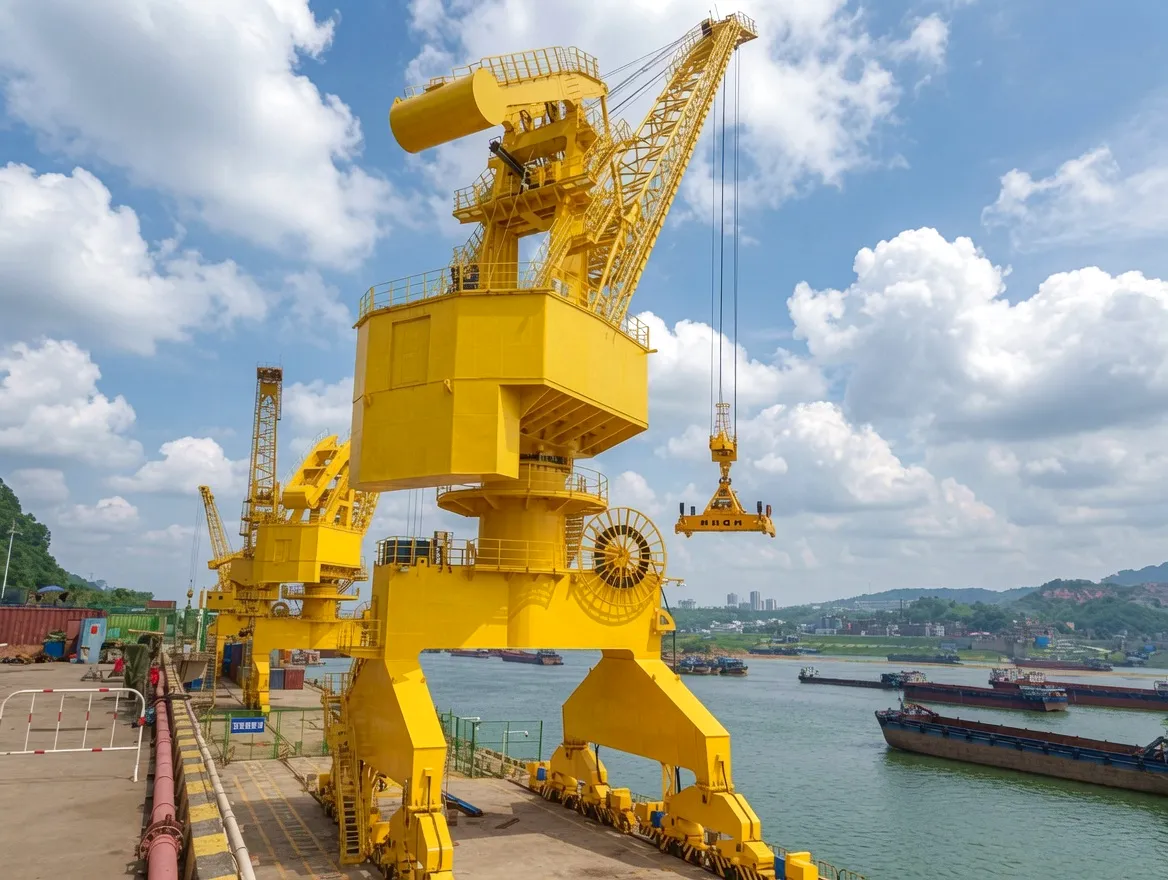
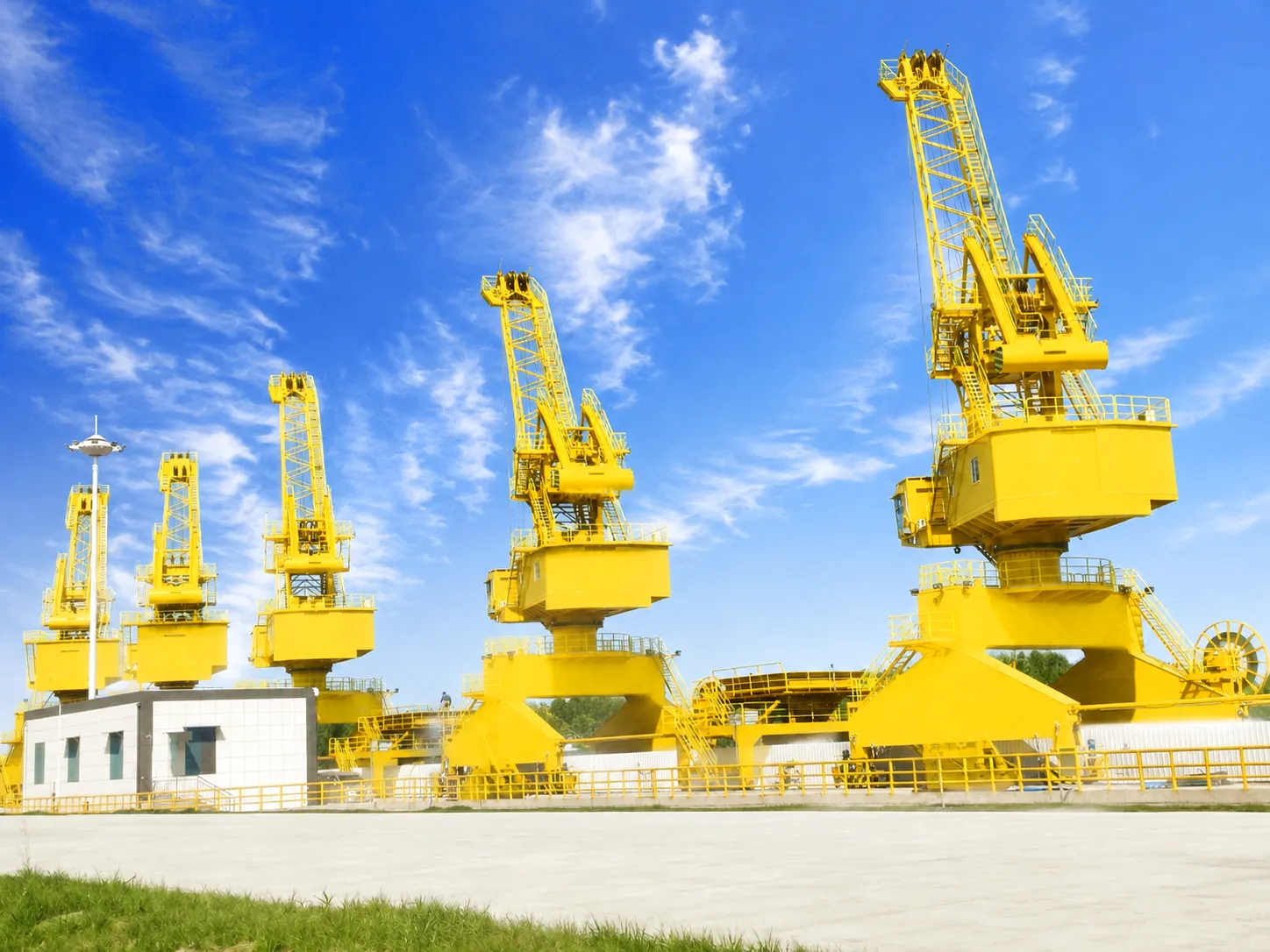
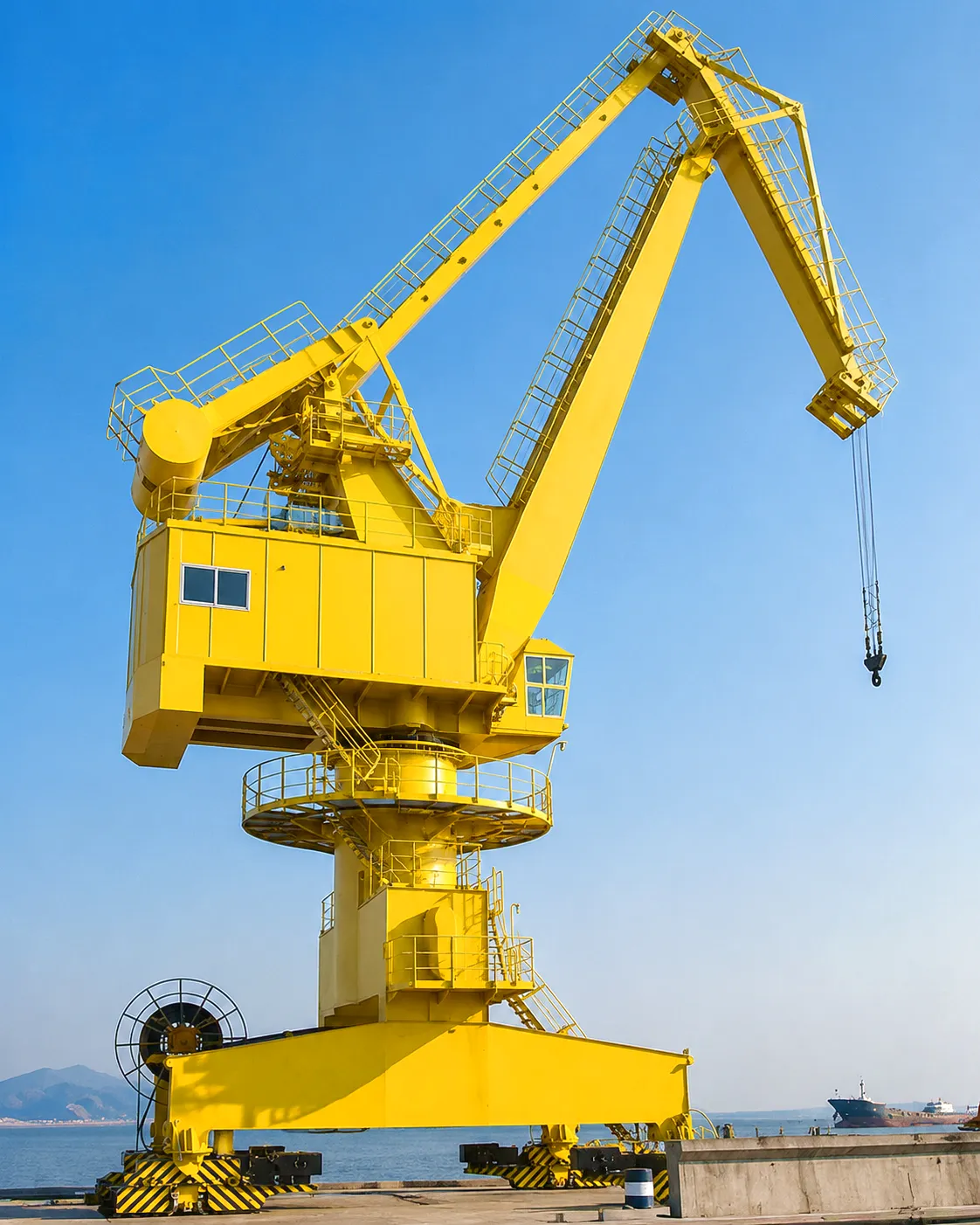
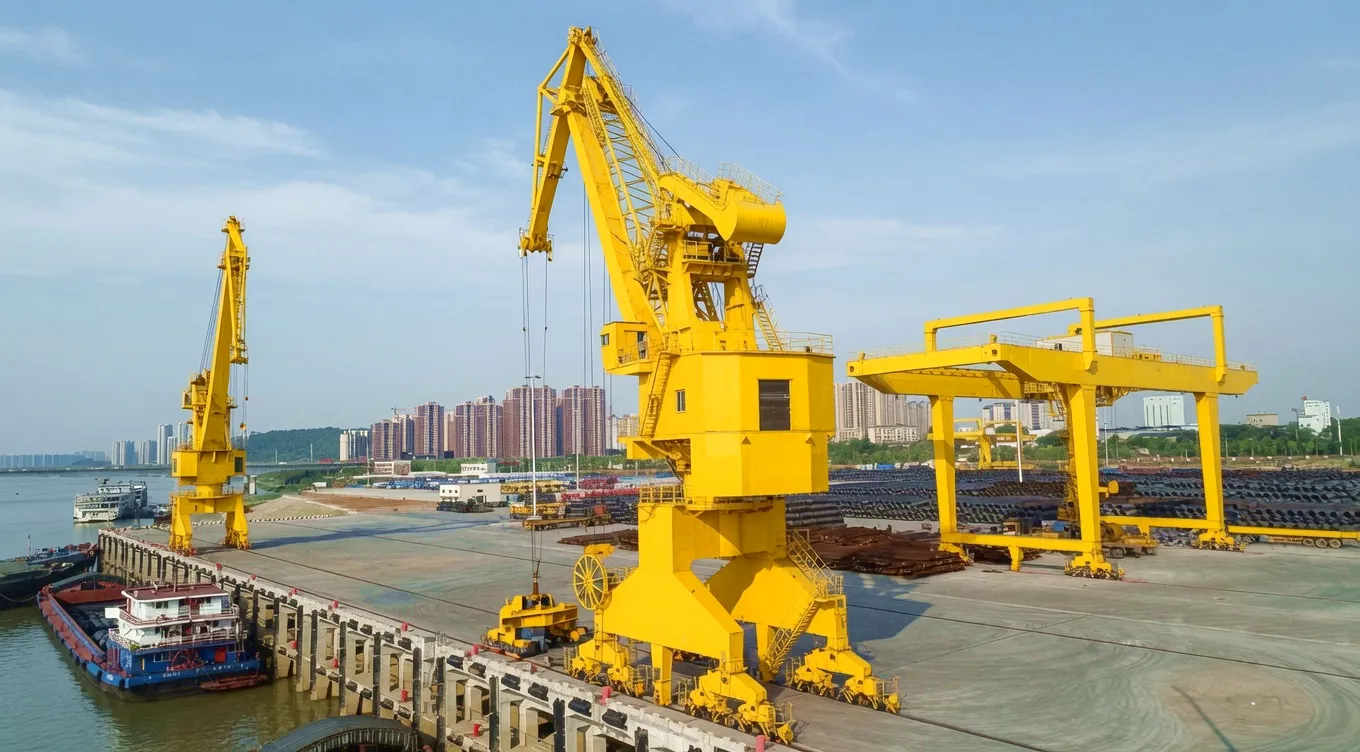
Application Scenario: Coupling Solutions Across Every Portal Crane Drive System
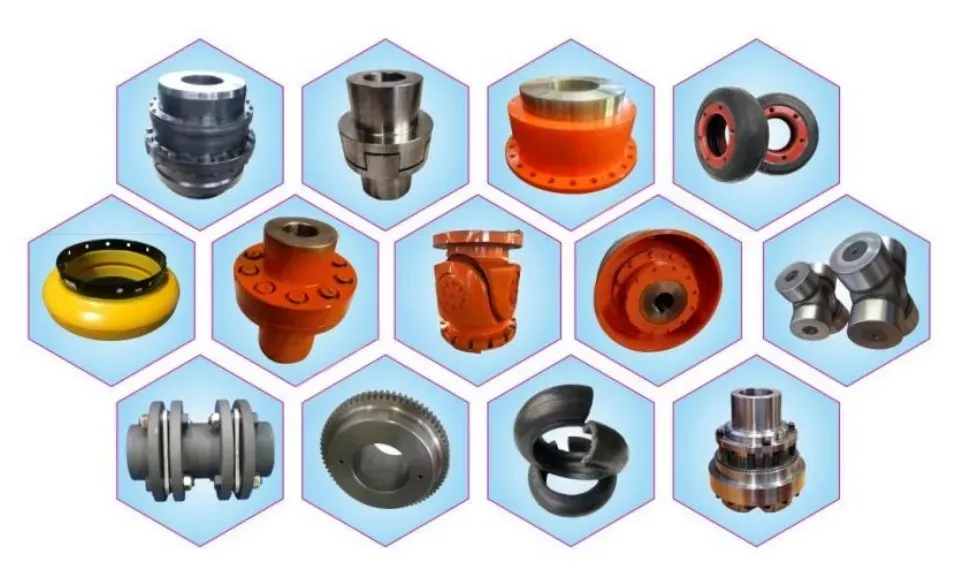
Our Coupling Range — Precision Engineered for Industrial Duty
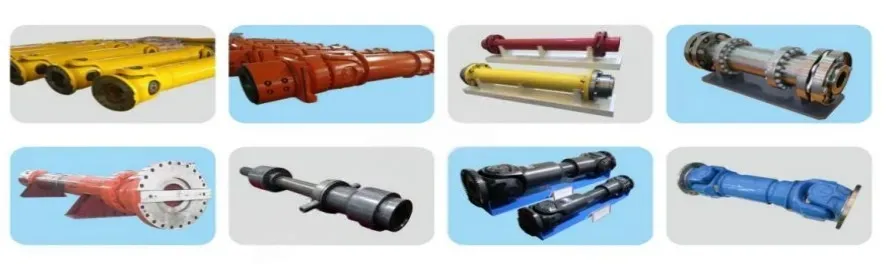
Featured Products: Precision Coupling Solutions for Crane Drivetrains
Ever Power manufactures a comprehensive range of coupling products, each engineered to address specific drivetrain performance requirements. For portal crane applications, two product lines deserve particular attention from procurement engineers and maintenance managers working within the UK crane and lifting equipment sector.
Ever Power Manufacturing: Custom Coupling Solutions Built to Your Exact Specification
Ever Power operates from a 60,000 square metre precision manufacturing facility equipped with the latest CNC turning, gear hobbing, grinding, and heat treatment technology. With a workforce of over 150 qualified engineers and a quality management system certified to ISO 9001, ISO 14001, and ISO 45001, the company has built a reputation for delivering coupling solutions that meet and exceed the most demanding specifications presented by portal crane OEMs, crane refurbishment contractors, and direct end-user clients across the UK and international markets.
The customisation capability at Ever Power extends across every dimension of the coupling design: bore diameter and keyway profiles machined to H7/k6 or H7/r6 tolerances as specified; special shaft end configurations including taper bore, interference fit, and hydraulic assembly; non-standard tooth profiles for specific misalignment requirements; bespoke flange drilling patterns to match existing crane gearbox bolt circles; corrosion protection systems specified to BS EN ISO 12944 for the particular corrosivity category of the installation environment. Every custom coupling leaves the production floor with a full dimensional inspection report and a material certificate traceable to the original steel mill or foundry heat.
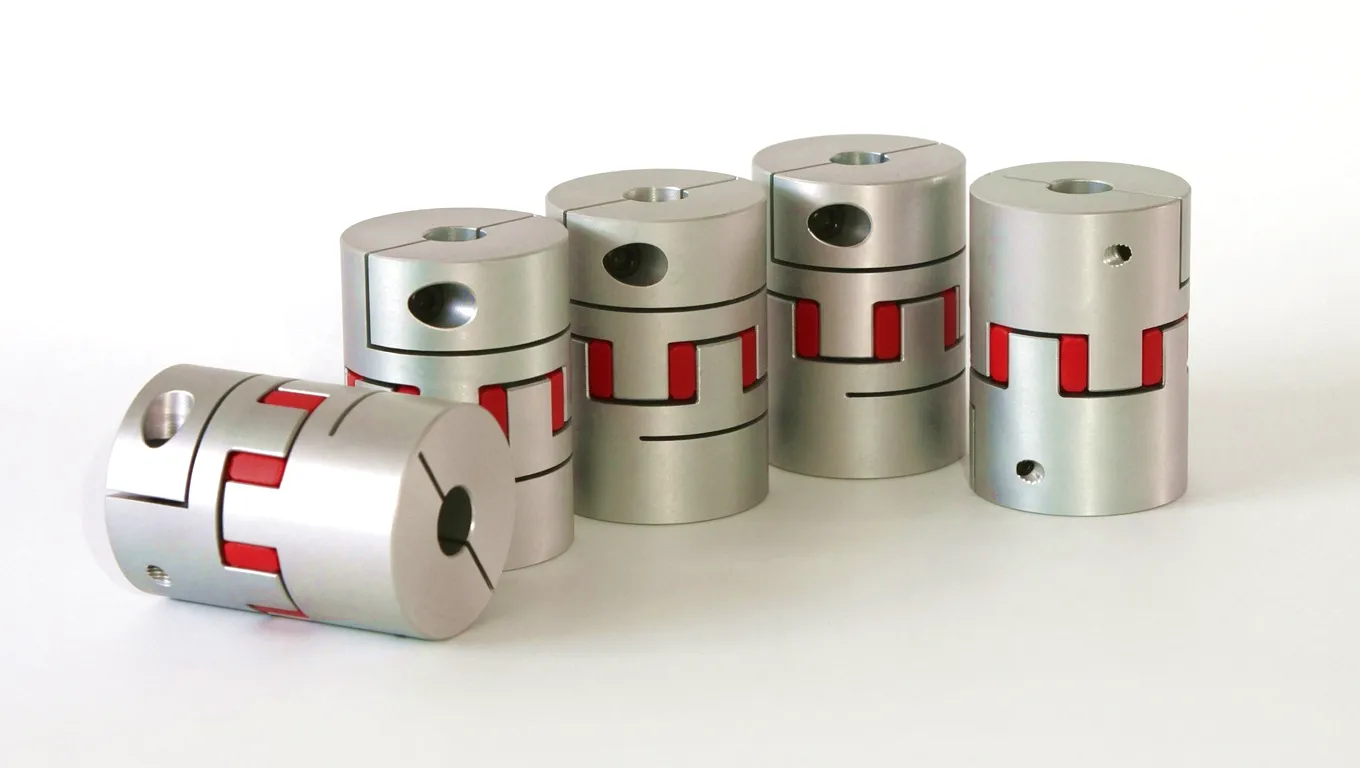
Request a custom specification review from our engineering team. We deliver quotations within 24 hours for standard configurations and within 72 hours for bespoke requirements.
Customer Success Story: Tees Dock Services — Reducing Downtime at a Major Northeast England Bulk Terminal
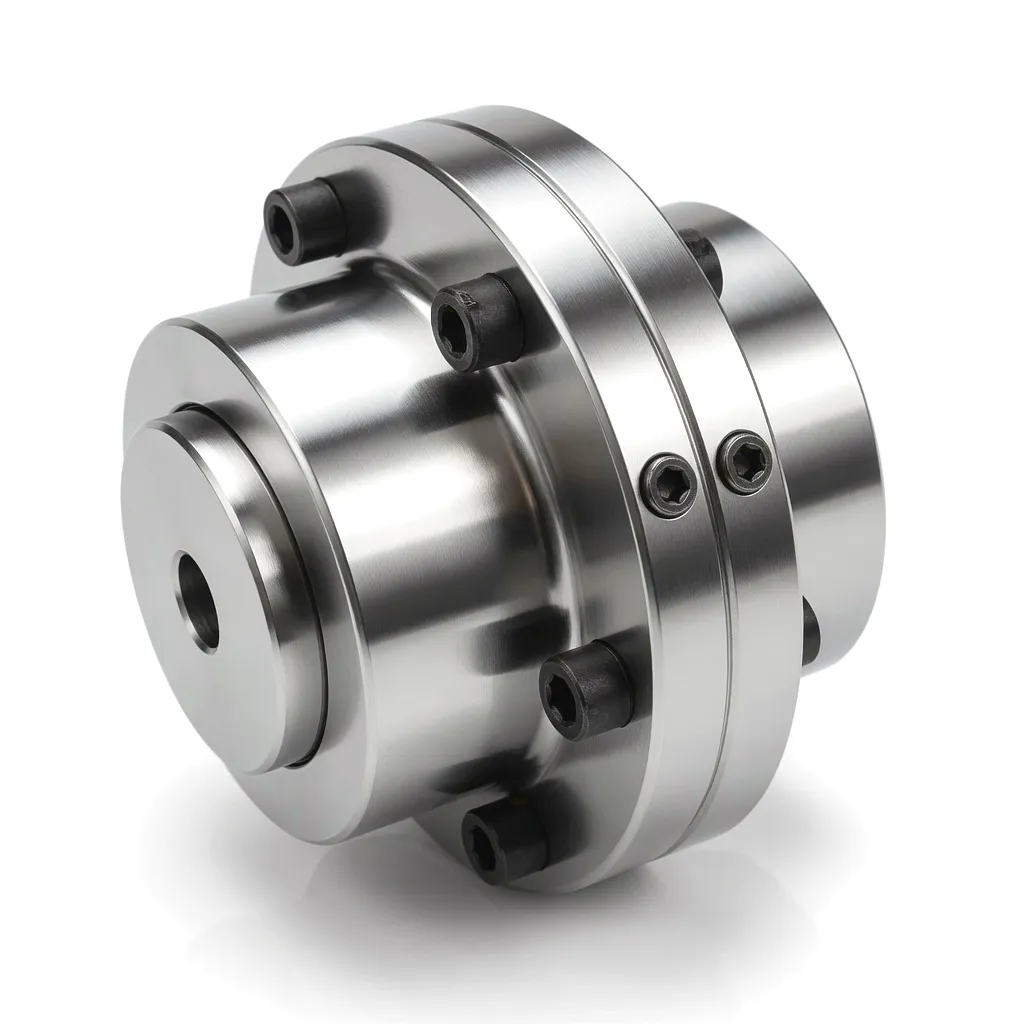
Tees Dock Services operates a fleet of four large portal cranes at their bulk handling terminal on the River Tees, near Middlesbrough. The facility handles in excess of four million tonnes of iron ore, steel scrap, and coking coal annually, supporting the remaining steelmaking capacity on Teesside. The cranes operate on a three-shift continuous cycle during the peak import season, with each machine performing between 1,500 and 2,000 lift cycles per week.
In late 2023, the maintenance engineering team noticed a progressive increase in vibration amplitude on the hoist drive of crane number three — one of the older 25-tonne capacity machines originally installed in 1998. Diagnostic investigation using a portable vibration analyser identified elevated levels at the motor shaft rotational frequency and its harmonics, pointing to the gear coupling between the main hoist motor and the planetary gearbox as the source. Inspection confirmed that the gear tooth flanks within the coupling sleeve had developed significant fretting wear, a consequence of the original coupling being undersized relative to the actual duty cycle the crane had been operating under following a capacity upgrade programme five years earlier.
The engineering team contacted Ever Power through the company’s UK distribution channel and provided the complete drivetrain specification, including the motor nameplate data, gearbox input shaft dimensions, actual measured duty cycle, and the FEM crane duty group (M6). Ever Power’s technical department turned around a full coupling selection calculation within 48 hours, recommending an upgraded gear-type coupling one size larger than the original, incorporating a crowned tooth profile, sealed sleeve with grease nipple access, and a torsional service factor of 2.0 to cover the combined effects of the VFD duty and the cyclic load pattern of bulk grab operation.
The replacement coupling was manufactured, inspected, and despatched within three weeks of the order being placed. Installation was completed during a planned two-day maintenance window, and the crane returned to full production service without incident. In the eighteen months since the refurbishment, crane number three has operated without any drivetrain vibration issues, and the maintenance team has extended the coupling inspection interval from six months to twelve months based on the consistently positive condition monitoring data. The total cost of the coupling upgrade, including installation labour, represented less than fifteen percent of what an unplanned gearbox failure would have cost in parts and crane-off-hire charges.
What Our Customers Say About Ever Power Couplings
“The Ever Power gear coupling on our number three hoist has transformed the vibration signature of that machine. We went from a 12mm/s RMS reading down to under 2mm/s after installation. The technical support during selection was genuinely impressive — they understood our crane duty classification straight away and recommended the correct service factor without us having to fight for it. Delivery to Teesside was within the promised three-week window, which in our experience is rare for custom-machined components.”
“We needed disc couplings to a very specific dimensional envelope for our slewing drives — our crane geometry simply did not allow the use of a standard catalogue product. Ever Power produced three sets of custom disc coupling assemblies with non-standard bolt circle diameters and a special shaft sleeve arrangement. The machining quality was excellent; we measured every critical dimension on receipt and everything was within the tolerances stated on the drawing. The couplings have now been in service for over a year on a busy port crane in Hull with no issues whatsoever.”
“Ever Power supplied flexible beam couplings for the encoder feedback drives on our new portal crane build project in Glasgow. The price was competitive — around thirty percent below what we were quoted by the European alternatives — and the delivery schedule was met precisely. What impressed us most was the product documentation: every coupling came with a full inspection report, material certificate, and traceability number. Our quality team reviewed the documentation and passed it without any queries. We will certainly be returning to Ever Power for our next project.”
Ready to Upgrade Your Portal Crane Coupling System?
Talk to Ever Power’s engineering team today. Whether you need a like-for-like replacement, a custom-engineered solution, or a full drivetrain coupling audit for your UK crane fleet, we have the technical knowledge and manufacturing capability to deliver.
editado por gzl