Application Scenario · Industrial Power Transmission
Couplings in Thermal Power Generation: High-Speed, High-Torque Transmission Across UK Power Plants
Steam turbines, thermal expansion, fatigue resistance — and the precision coupling engineering that keeps the grid alive.
Need a precision-engineered coupling for your power generation application?
Application Scenario 13: Steam Turbine–Generator Drive in Thermal Power Plants
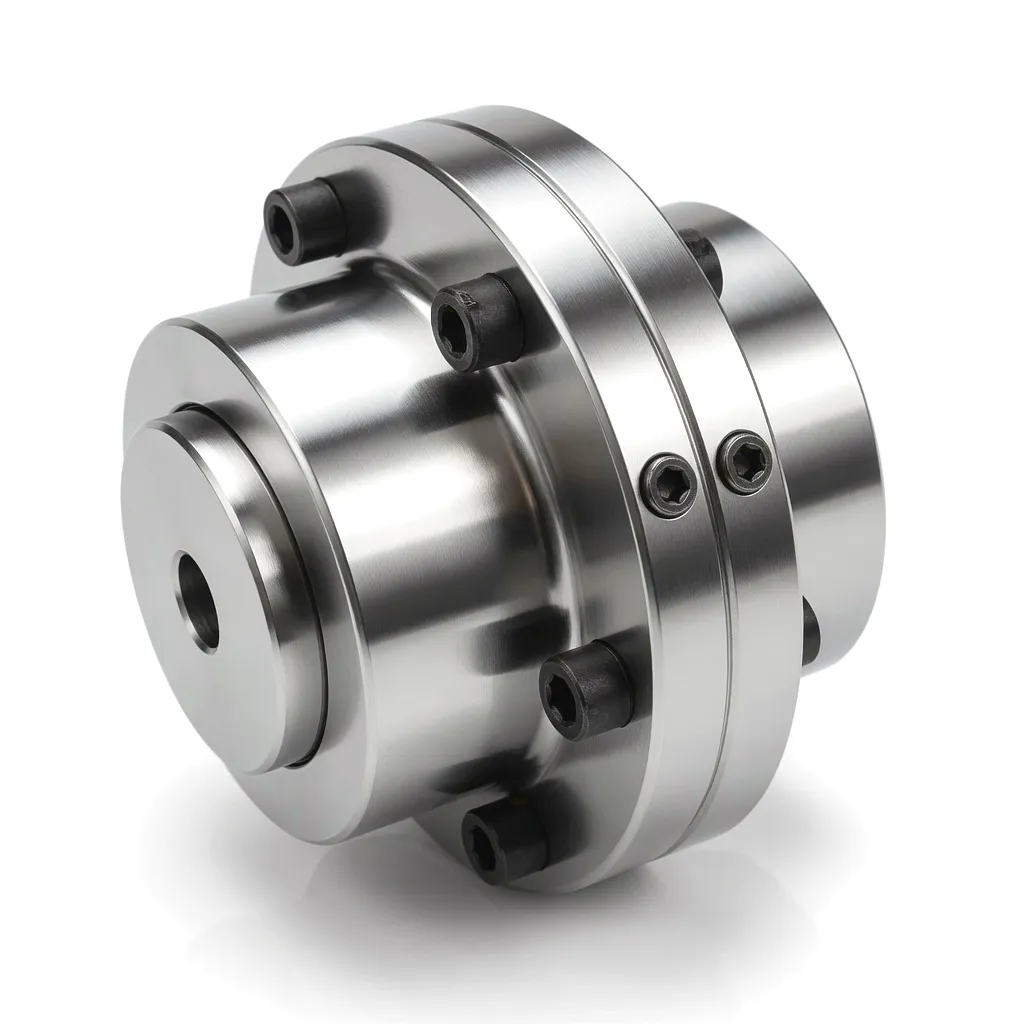
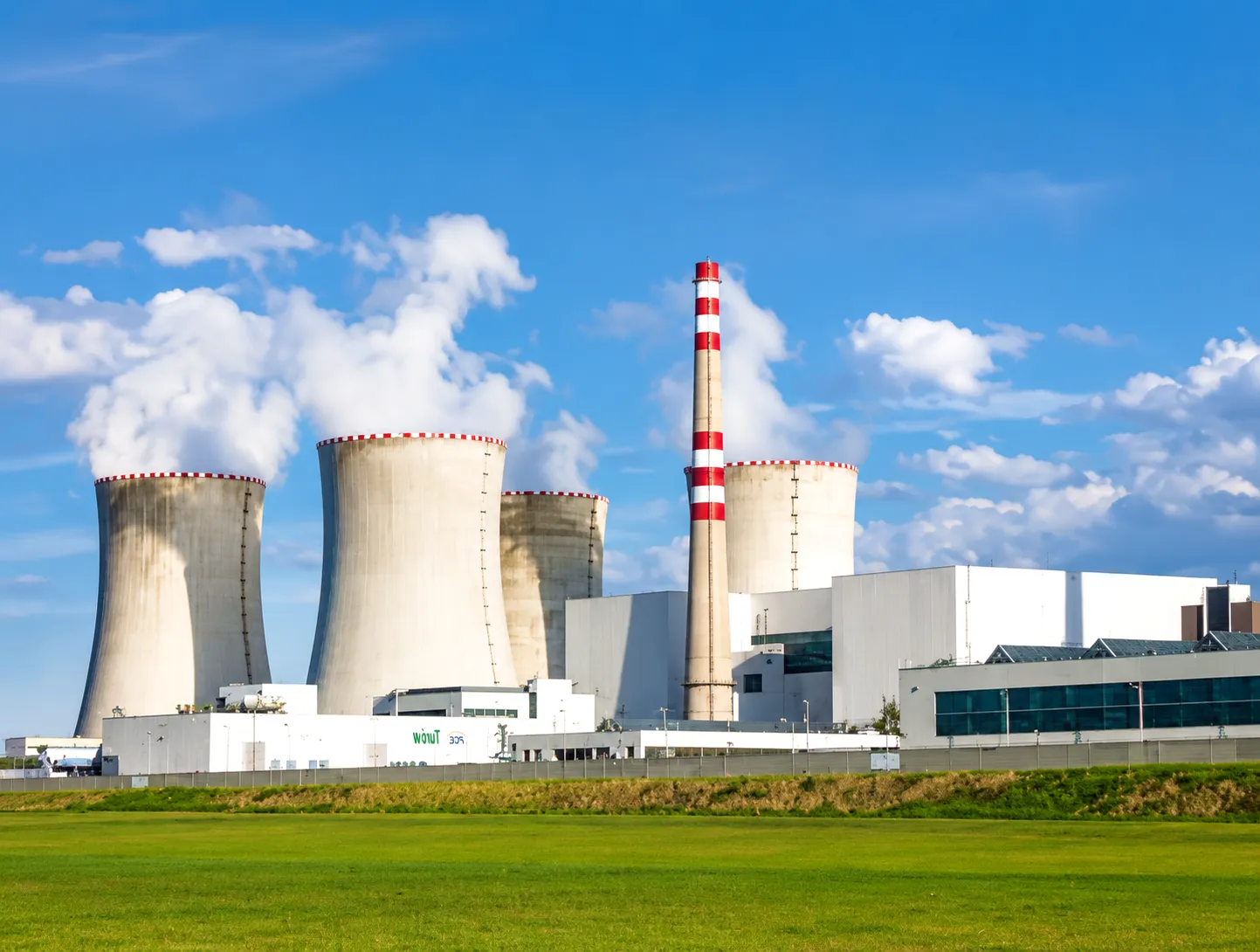 The connection between a steam turbine and its generator is not a rigid bolt-up joint. Thermal power generation creates a constantly shifting mechanical environment. As the turbine rotor spins, high-pressure steam acts on the blades to produce rotational energy, and this energy must be transferred with minimal mechanical loss across a flexible coupling joint to the generator rotor, which converts it into electrical power. The gear-type coupling — or gear coupling — dominates this application globally because it relies on crowned external gear teeth meshing with internal spline teeth housed inside a sleeve, an arrangement that produces a mechanically robust connection while accommodating the misalignment that thermally loaded shafts inevitably develop during operation.
Core Materials Used in High-Power Coupling Manufacturing
Alloy Steel Forgings (42CrMo4)
Hub bodies and shaft sleeves are precision-forged from low-alloy chromium-molybdenum steel. The post-forging heat treatment cycle — quench and temper — delivers tensile strengths typically in the range of 900–1,100 MPa, with good impact toughness at operating temperatures. This material grade is well suited to the fatigue-dominated loading regime found in continuously operating power plant turbine trains.
Case-Hardened Gear Teeth (16MnCr5)
The crown-ground external teeth that carry torque through the coupling are manufactured from carburising grades such as 16MnCr5 or 18CrNiMo7-6. After case-hardening to a surface hardness of 58–62 HRC, the tooth flanks are finish-ground to achieve profile accuracy of DIN class 6 or better. This hard outer layer resists fretting wear during the micro-sliding motion between teeth and sleeve that accompanies misalignment compensation during turbine thermal growth cycles.
Coupling Sleeves and Flanges (34CrNiMo6)
Sleeve bodies for large-bore power generation couplings are machined from high-strength nickel-chromium-molybdenum forgings in grades such as 34CrNiMo6. This material achieves the combination of high static strength, excellent fatigue crack propagation resistance, and notch sensitivity management that are mandatory for rotating components passing through critical speed ranges during turbine start-up sequences at facilities across the UK.
High-Temperature Lubrication Compounds
While not a structural material, the lubrication system within a gear coupling for thermal power service is a material-critical element. Most large turbine couplings circulate ISO VG 46 or VG 68 turbine oil through the tooth mesh cavity. This oil film prevents metal-to-metal contact during the micro-sliding that compensates for misalignment, dramatically extending tooth life and enabling the 100,000-plus operating hours demanded by UK power generators operating under Grid Code compliance requirements.
Core Technical Advantages for Power Generation Service
Triple-Mode Misalignment Compensation
The crowned tooth geometry accommodates parallel offset (typically up to 0.5 mm), angular displacement (up to 1.5°), and axial float simultaneously. This multidirectional compensation capacity is critical for managing the thermally driven shaft movement that occurs across the 400–600 °C turbine operating temperature range common in UK gas and steam power plants.
Superior Fatigue Endurance Life
Power station couplings are designed to an accumulative service life exceeding 100,000 operating hours without replacement of the tooth mesh components, provided maintenance lubricant change intervals are respected. This fatigue endurance target aligns with the extended maintenance outage schedules operated by UK power generators — where unplanned downtime during winter demand periods incurs significant grid balancing penalties.
High-Grade Dynamic Balancing (G2.5)
Every power generation coupling assembly is dynamically balanced as a complete assembled unit at a balance grade of G2.5 or better in accordance with ISO 1940-1. At 3,000 rpm — the synchronous speed of 50 Hz grid-connected generators common throughout England, Scotland, and Wales — residual imbalance in a large coupling can generate significant centrifugal forces. Meeting G2.5 ensures vibration levels remain within the allowable envelope defined in ISO 10816 for large rotating machinery.
Torsionally Stiff, Vibration-Resistant Design
Unlike rubber-element or elastomeric couplings, gear couplings transmit torque through steel-to-steel tooth engagement, yielding a high torsional stiffness value. This stiffness characteristic is important in turbine train torsional analysis: the coupling’s torsional spring constant directly influences the torsional natural frequencies of the complete turbine–coupling–generator rotor system and must be evaluated using finite element torsional analysis to ensure no resonance with steam pulsation frequencies or electrical grid excitation harmonics.
Generous Peak Torque Overload Capacity
Grid synchronisation events subject the turbine shaft train to instantaneous torque spikes that can be several times the rated torque. Gear couplings for power generation are typically rated with a peak torque capacity of 2.5–3.5 times the nominal torque, providing a mechanical safety margin that protects both the coupling itself and the connected turbine and generator shafting from fatigue damage during these transient events, which occur repeatedly across a plant’s operational life.
Compact Dimensional Envelope
For a given torque rating, gear couplings deliver one of the most compact bore-to-OD ratios available in the market. This is particularly relevant during retrofitting projects at older UK power stations — many of which were originally commissioned in the 1970s and 1980s — where the available space envelope between the turbine exhaust bearing pedestal and the generator drive-end bearing is fixed and cannot easily be enlarged without major civil engineering works.
Product Technical and Performance Parameter Table
| Parametru | Gamă standard | High-Spec / Custom | Unit / Standard |
|---|---|---|---|
| Cuplu nominal (Tn) | 500 – 500,000 | Up to 5,000,000 | N·m |
| Capacitate maximă de cuplu | 2.5× Tn | Up to 3.5× Tn | Ratio |
| Viteză maximă de funcționare | 1,500 – 6,000 | Up to 10,000 | rotații pe minut |
| Nealiniere unghiulară | ±0.5° – ±1.0° | Up to ±1.5° | Degrees |
| Parallel Offset Compensation | 0.1 – 0.5 | Până la 1,0 | mm |
| Flotator axial | ±3 – ±15 | Up to ±30 | mm |
| Dynamic Balance Grade | G6.3 | G2.5 / G1.0 | ISO 1940-1 |
| Intervalul diametrelor alezajului | 50 – 400 | Up to 800 | mm |
| Materialul butucului | 42CrMo4 / 34CrNiMo6 | 17-4PH / Custom alloy | EN 10269 |
| Surface Hardness (Teeth) | 58 – 62 | Up to 64 | HRC |
| Design Service Life | >100,000 | 200,000 (with overhaul) | Hours |
| Temperatura de funcționare | -20 până la +120 | -40 to +180 | °C |
| Gear Profile Accuracy | DIN Class 7 | DIN Class 5 / 6 | DIN 3962 |
Industrial Application Scenarios Across UK Power Infrastructure
 Coal-to-Gas Transition Plants (Yorkshire and Humber) — Several large thermal generating sites along the Humber estuary and across Yorkshire are currently mid-life, with generating equipment originally designed for coal-fired steam cycles being adapted for natural gas co-firing or full gas conversion. These conversions frequently involve modifying the turbine shaft train to accommodate a new steam inlet configuration, which shifts the thermal growth profile of the low-pressure turbine rotor. Replacement couplings for these retrofits need to be custom-engineered to match the revised shaft geometry, new torque rating, and altered thermal expansion coefficients — work that demands a coupling supplier capable of both detailed finite element analysis of the rotor dynamic system and the manufacturing precision to deliver bore tolerances of H7/r6 or tighter on large-diameter shafts.
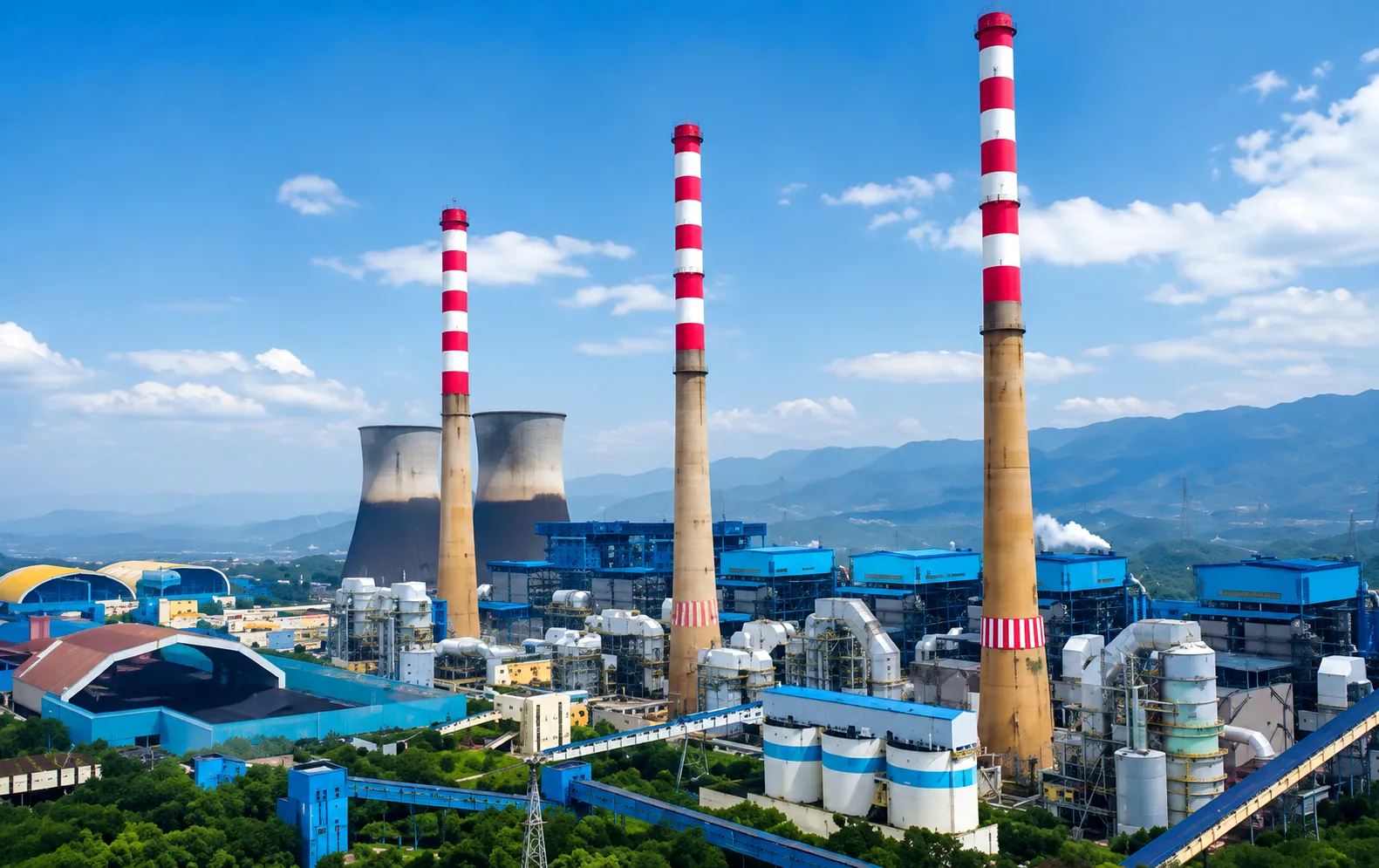 Somerset and Sizewell in Suffolk operate large steam turbine–generator sets whose coupling requirements extend beyond normal industrial standards. Nuclear safety cases impose additional requirements on coupling design, including the ability to withstand the torque spike associated with a full-load electrical rejection event — a scenario where the generator circuit breaker opens instantaneously at full power, transferring the full electrical torque as a mechanical torsional shock through the coupling into the turbine shaft. Nuclear site couplings must be designed to sustain such events without fracture or detachment, and are typically subject to independent third-party engineering review by bodies acceptable to the Office for Nuclear Regulation.
 industrial districts in Sheffield and Birmingham use smaller steam turbines in the 5–50 MW range. These turbines drive generators that export electricity and simultaneously provide process steam to adjacent factories. The couplings used in CHP turbine trains are smaller than utility-scale power plant units, but the duty cycle is no less demanding — many CHP plants run continuously for 8,000 or more hours per year. Short maintenance windows during factory holiday shutdowns mean that the coupling must be designed for rapid access and re-lubrication, features that are built into the sleeve and lubrication fitting arrangement by experienced coupling engineers.
Ever Power: Precision Manufacturing and Customisation Capabilities
Purpose-built for demanding power generation applications
Complete Customisation from Bore to Balance
Ever Power engineers work directly from customer-supplied OEM drawings or generate independent reverse-engineering documentation to produce couplings that replicate or improve upon original equipment specifications. Every dimensional parameter — bore diameter, keyway geometry, tooth count, crown radius, and flange bolt-circle diameter — can be custom-specified. This customisation service means that UK power operators dealing with obsolete OEM couplings from discontinued product lines are not forced into expensive turbine shaft modifications to accommodate a catalogue replacement.
Advanced Machining and Grinding Facilities
The Ever Power manufacturing facility operates CNC horizontal machining centres, CNC gear grinding machines, and multi-axis turning centres capable of processing large-bore hubs up to 800 mm in diameter and shaft sleeves up to 2,000 mm in length. Tooth flank grinding to DIN class 5 is achievable across the full product range, and all critical dimensions are verified on CMM coordinate measuring equipment with full dimensional reports provided to the customer as standard. This level of in-house capability eliminates multi-vendor dependencies that extend lead times.
Comprehensive Testing and Certification
Prior to despatch, every power generation coupling undergoes dynamic balancing at the specified grade, dimensional verification against the agreed inspection plan, and material certification review against mill test certificates traceable to the original forging heat. Non-destructive examination — magnetic particle inspection for ferrous hub components and penetrant inspection for sleeve external surfaces — is available as standard for power generation orders, and Ever Power maintains a quality management system certified to ISO 9001. Full documentation packages, including material certificates and inspection records, accompany every shipment to UK customers.
Reliable UK Supply Chain and Delivery
Ever Power maintains a stockholding of semi-finished coupling blanks in the most common power generation size ranges, enabling significantly shorter lead times for urgent replacement orders than those achievable by OEM turbine manufacturers. For planned outages at UK power stations, a dedicated project management team coordinates the manufacture, inspection, and delivery schedule against the plant’s outage window, with real-time production status updates available to the customer’s engineering team. Express freight options to all major UK ports and distribution hubs are available for emergency supply situations.
Discuss your turbine coupling requirements directly with Ever Power’s engineering team.
Customer Success Story: Sheffield Combined Heat and Power Plant
A district energy operator running a combined heat and power plant in the Lower Don Valley, Sheffield, was experiencing repeated vibration alarms on their 18 MW extraction condensing steam turbine. The turbine, manufactured in the mid-1990s, had been in continuous baseload service for over 22 years. Vibration trend data from the bearing proximity probes showed a progressive increase in 1× vibration amplitude over an 18-month period, accompanied by periodic excursions in coupling cavity temperature as measured by the turbine supervisory instrumentation system.
Root cause analysis by the plant’s rotating machinery engineer identified wear on the gear tooth flanks of the original coupling, with fretting marks extending across approximately 65% of the active tooth face width on both the external hub teeth and the internal sleeve teeth. The coupling’s lubrication fittings had become partially blocked, reducing oil flow through the tooth mesh and accelerating wear rates over the preceding maintenance period. The original OEM coupling manufacturer had discontinued the product line, and direct replacement supply was no longer available.
The operator approached Ever Power with a complete set of CMM-measured dimensional data from the failed coupling and a copy of the original turbine shaft arrangement drawing. Ever Power’s engineering team produced a detailed reverse-engineering proposal within 72 hours, including a revised tooth profile design with an increased crown radius to improve misalignment tolerance — an upgrade that addressed a known limitation in the original design. The replacement coupling was manufactured to DIN class 6 gear accuracy and dynamically balanced to G2.5 grade. Material certification to EN 10269 and full dimensional inspection records were supplied with the product.
The replacement coupling was installed during a five-day planned outage coordinated with Sheffield City Council’s district heating network, which required the plant to remain partially operational on oil-firing during the steam turbine’s unavailability. Following return to service, the 1× vibration amplitude at the turbine drive-end bearing dropped from a pre-outage level of 87 µm peak-to-peak to 14 µm — well within the ISO 10816 acceptance limit for this machine class. The plant has subsequently operated continuously for over 14,000 hours without a recurrence of the vibration excursion condition, and the operator has placed an advance order for a spare replacement coupling to be held in plant stores.
★★★★★★
“The reverse-engineered coupling Ever Power supplied performed better than the original in every measurable parameter. Vibration dropped immediately after installation and has stayed down. The dimensional inspection documentation was exactly what our nuclear safety case team needed — thorough and traceable.”
— Lead Rotating Machinery Engineer, CHP Plant, Sheffield
★★★★★★
“We specified G2.5 dynamic balance and DIN class 6 gear accuracy, and Ever Power delivered both within our outage window. The pricing was competitive against other quotations we received, and the lead time was genuinely shorter than we expected for a custom power generation coupling of this size. Happy to use them again.”
— Asset Management Director, CCGT Station, Yorkshire
★★★★★★
“What set Ever Power apart was the engineering depth behind the quotation. They came back with a proposal that included a torsional stiffness value, a revised crown geometry, and a note flagging a potential improvement in the lubrication fitting arrangement. That tells you it’s an engineering company, not just a catalogue supplier. Delivery to our Birmingham plant arrived exactly on schedule.”
— Maintenance Engineering Manager, Industrial CHP Plant, Birmingham
Featured Coupling Products from Ever Power
High Precision · Flexible
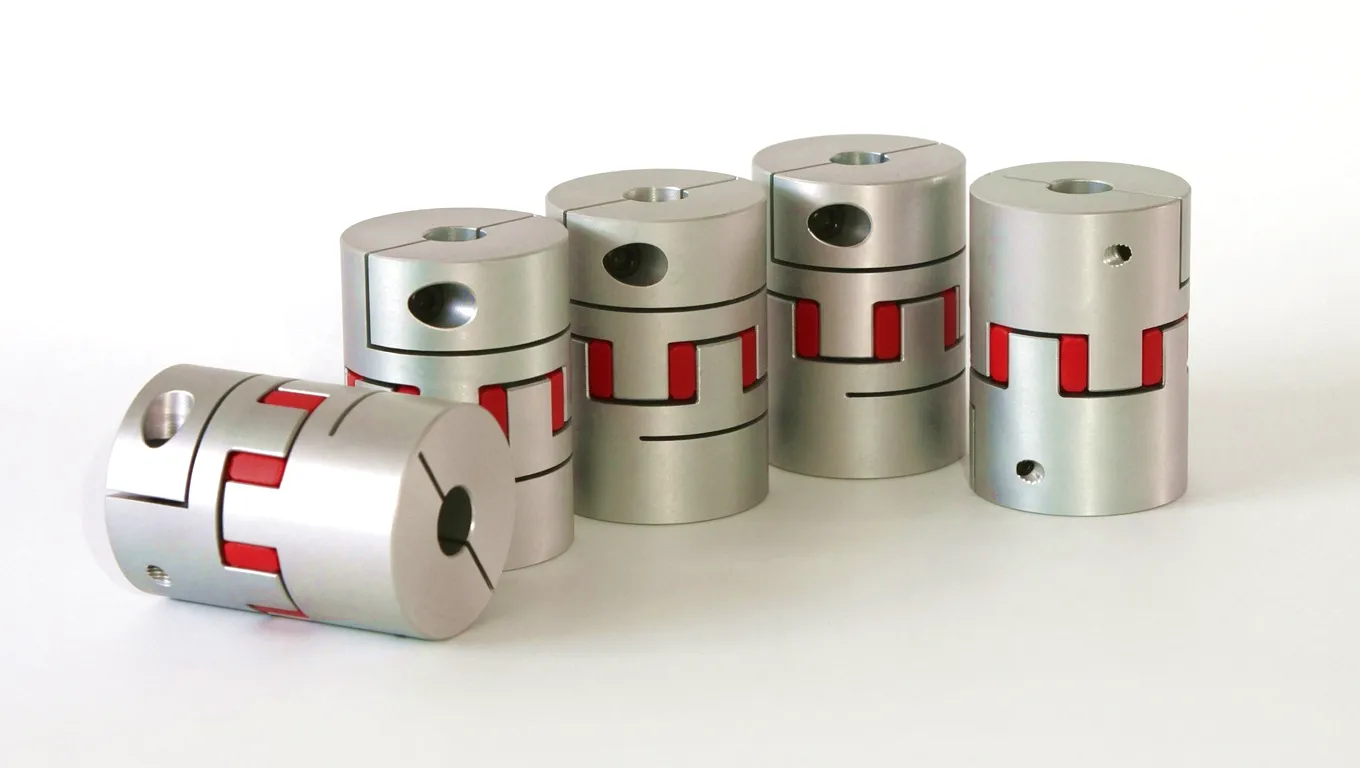
Cuplaj flexibil pentru grinzi
The Flexible Beam Coupling from Ever Power delivers precise torque transmission with excellent angular and parallel misalignment compensation in a single-piece machined aluminium or stainless steel body. Its slotted beam design eliminates backlash while absorbing vibration, making it ideal for encoders, servo motor drives, and motion control applications across UK manufacturing facilities. Available in a wide bore range with custom keyway and set-screw configurations.
High Torque · Zero Backlash
Cuplaj cu disc
Ever Power’s Disc Coupling achieves high torsional stiffness and zero backlash through its thin stainless steel disc pack element, which transmits torque while flexing to accommodate misalignment without lubrication requirements. The all-metal construction makes it suitable for high-temperature environments including steam turbine auxiliary drives, small CHP applications, and process industries across Birmingham, Sheffield, and the wider UK industrial base. Custom disc pack configurations and flange bolt-circle geometries are available to match existing shaft arrangements.
Frequently Asked Questions About Couplings for Thermal Power Generation in the UK
© Ever Power — Precision Coupling Solutions for UK Power Generation and Industrial Applications
editat de gzl