Inginerie de propulsie marină
Cuplaj tip angrenaj în sistemele de propulsie principale marine: fiabilitate inginerească pentru fiecare stare a mării
Analiză tehnică aprofundată | Inginerie marină | Ever Power — Furnizor specializat în Regatul Unit
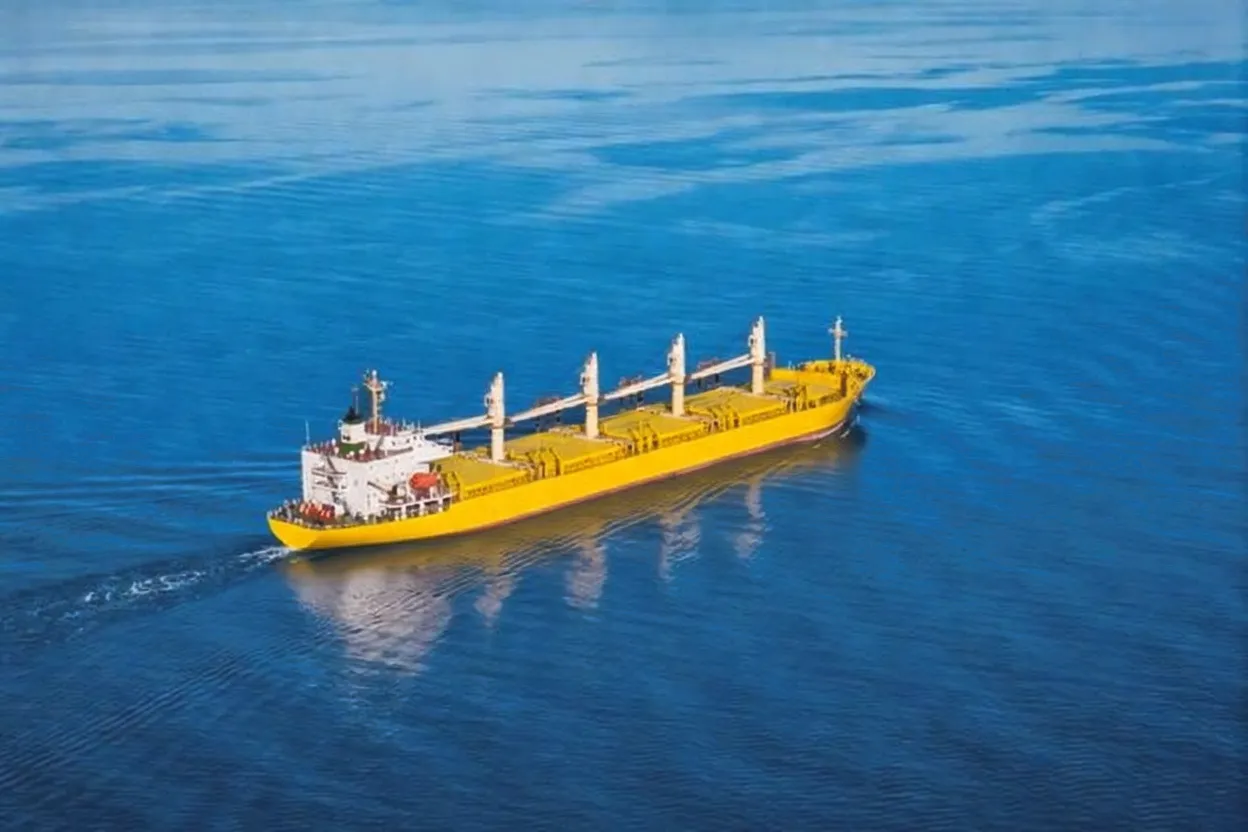 De la docurile uscate din Southampton până la coridoarele de servicii offshore din Aberdeen, cerințele mecanice impuse componentelor de propulsie marină sunt aproape neegalate cu orice întâlnită la mașinile terestre. Un cuplaj de tip angrenaj instalat într-un sistem principal de propulsie marină trebuie să transmită un cuplu enorm - adesea depășind 1.000 kN·m la navele mai mari - în timp ce acomodează simultan nealinierea unghiulară și deplasarea axială cauzate de îndoirea corpului navei, mișcarea motorului și stresul fizic neobosit al navigației oceanice. Instalarea greșită a acestei componente nu este un inconvenient ingineresc; este o defecțiune devastatoare din punct de vedere comercial, care pune capăt călătoriei.
Într-o navă convențională cu motor diesel, aranjamentul este înșelător de simplu ca și concept: motorul principal se conectează prin intermediul unui cuplaj de tip angrenaj la cutia de viteze de reducere, care la rândul ei acționează arborele elicei și spirala. În practică, fiecare dintre aceste conexiuni trebuie să permită o mișcare controlată, rămânând în același timp suficient de rigidă din punct de vedere torsional pentru a transfera întreaga forță de acționare. Cuplajul de tip angrenaj realizează acest paradox prin eleganța dinților angrenajului încoronați - un butuc intern cu dinți angrenaj exteriori se angrenează cu un manșon exterior care poartă dinți angrenaj interiori potriviți, iar ușoară încoronare sferică a acestor dinți permite mișcarea unghiulară și axială fără ca cuplajul să piardă angrenarea sau să genereze momente de încovoiere distructive pe arbore.
Ever Power a petrecut 18 ani rafinând geometria, selecția materialelor și tratamentul suprafeței cuplajelor de tip angrenaj de calitate marină. Echipa noastră de ingineri lucrează direct cu societățile de clasificare din Marea Britanie, arhitecți navali și integratori de sisteme de propulsie pentru a produce componente care îndeplinesc și depășesc standardele de performanță cerute de transportul maritim comercial modern. Indiferent dacă specificați un cuplaj de schimb pentru o navă de aprovizionare cu platformă din Marea Nordului sau comandați o unitate personalizată pentru un feribot de pasageri nou construit, acest ghid oferă baza tehnică de care aveți nevoie pentru a lua o decizie în cunoștință de cauză.
E-mail: [email protected] | Sunt disponibile dimensiuni personalizate și specificații aprobate prin clasificare
Mecanica transmisiei puterii marine
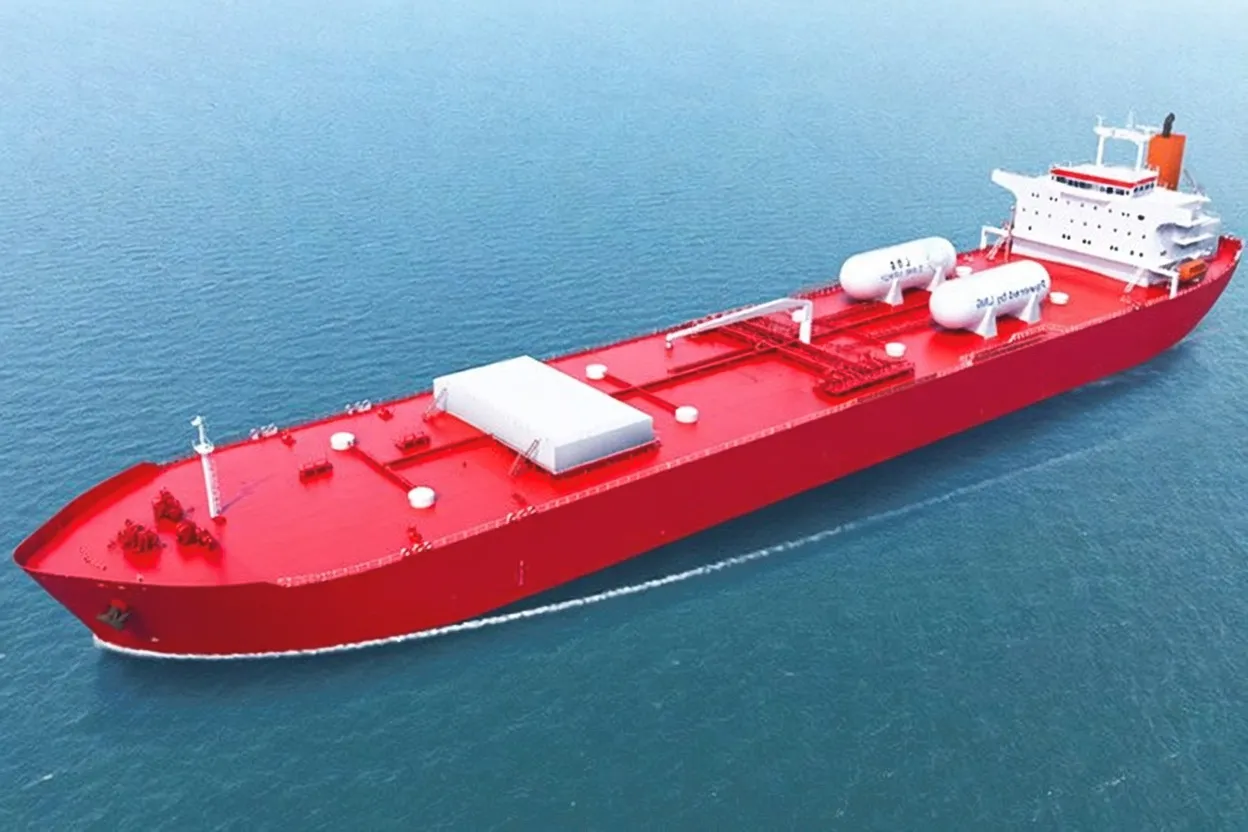 Înțelegerea motivului pentru care cuplajul de tip angrenaj excelează în propulsia marină necesită examinarea forțelor care acționează asupra sistemului de propulsie al unei nave în timpul funcționării în lumea reală. O navă care navighează pe Canalul Mânecii sau care ocolește Hebridele într-o furtună de Forța 8 își flexează continuu coca - în cazul unor vrachiere mai mari, deformarea la mijlocul navei poate ajunge la câțiva centimetri sub sarcina valurilor. Acest lucru introduce o nealiniere unghiulară între axa centrală a arborelui cotit al motorului și arborele de intrare al cutiei de viteze de reducție și între ieșirea cutiei de viteze și arborele elicei. Dacă cuplajul care conectează aceste elemente ar fi rigid, solicitările de încovoiere transmise înapoi în carcasele lagărelor și etanșările arborelui ar provoca defecțiuni premature în câteva luni, nu ani.
Cuplajul de tip angrenaj abordează acest lucru printr-o geometrie cunoscută sub numele de angrenare cu dinți coronați. Fiecare dinte de pe butucul interior al angrenajului este prelucrat cu un ușor profil cilindric sau sferic de-a lungul feței sale. Când apare o nealiniere, dinții coronați se rostogolesc pe fața dinților interni drepți ai manșonului exterior - linia de contact se deplasează, cuplajul pivotează ușor, iar conexiunea mecanică este menținută fără a genera un cuplu de încovoiere. Capacități de nealiniere unghiulară de până la 1,5° per angrenaj sunt tipice pentru cuplajele marine standard, iar o capacitate de deplasare axială de câțiva milimetri este proiectată în mod curent pentru a adapta creșterea termică a trenului de arbori.
Lubrifierea este esențială pentru acest mecanism. Dinții sunt scăldați într-o unsoare marină special formulată - de obicei un complex de litiu NLGI 2 sau un compus de sulfonat de calciu - selectată pentru rezistența la spălarea cu apă și inhibarea coroziunii. Corpul cuplajului este etanșat cu capace de capăt și inele O, iar cavitatea este umplută sub presiune controlată în timpul instalării. Ever Power specifică doar lubrifianți premium compatibili cu medii cu salinitate ridicată pentru toate transporturile de calitate maritimă și furnizăm documentație completă de întreținere care specifică intervalele de re-lubrifiere calibrate în funcție de orele de funcționare ale navei.
Selectarea materialelor și protecția împotriva coroziunii în condiții marine
Mediul marin este una dintre cele mai agresive condiții de funcționare chimic cu care se poate confrunta o componentă mecanică. Concentrațiile de clorură în aer, în apropierea liniei de plutire a unei nave în lucru, pot depăși 100 mg/m³ - un nivel care ar provoca o oxidare rapidă a oțelului carbon netratat în câteva zile. Standardul de testare cu pulverizare cu sare, menționat în mod obișnuit în ingineria marină, ISO 9227, clasifică categoriile de expunere care definesc cerințele minime de acoperire, iar orice cuplaj de tip angrenaj destinat unei aplicații de propulsie marină trebuie specificat în consecință.
Cuplajele de tip angrenaj de calitate marină Ever Power utilizează oțel aliat de înaltă rezistență ca material de bază - de obicei, clase analoage cu 42CrMo4 sau 34CrNiMo6 conform clasificării EN 10083. Aceste oțeluri oferă rezistențe la curgere de peste 900 MPa după tratamentul termic, asigurând capacitatea de încărcare torsională necesară pentru sarcini grele de propulsie, menținând în același timp masa componentelor gestionabilă. Pentru navele foarte mari, unde diametrele exterioare ale cuplajelor depășesc 500 mm, iar masele ansamblului ating 400 kg sau mai mult, echipa noastră metalurgică întocmește documentația completă de trasabilitate, de la certificatul de topire până la certificatul de conformitate al componentei finite, așa cum este cerut de Lloyd's Register și DNV GL.
Protecția suprafeței este aplicată într-un sistem structurat, multistrat. După prelucrarea de precizie și rectificarea dinților angrenajului, corpul cuplajului primește fosfatare cu zinc ca strat de conversie inhibitor de coroziune, urmată de un grund epoxidic bicomponent și un strat superior poliuretanic în culoarea gri argintiu RAL 7001, ca standard - sau în orice culoare RAL personalizată, conform specificațiilor. Suprafețele de contact dintre alezaj și dinți își păstrează finisajul prelucrat, fiind protejate împotriva coroziunii în timpul depozitării și transportului de o peliculă de conservare pe bază de petrol, care este îndepărtată în timpul instalării. Interfețele cu flanșe pot fi furnizate cu elemente de fixare din oțel inoxidabil, ca standard, la comenzile maritime, eliminând problemele legate de coroziunea galvanică la îmbinările de asamblare.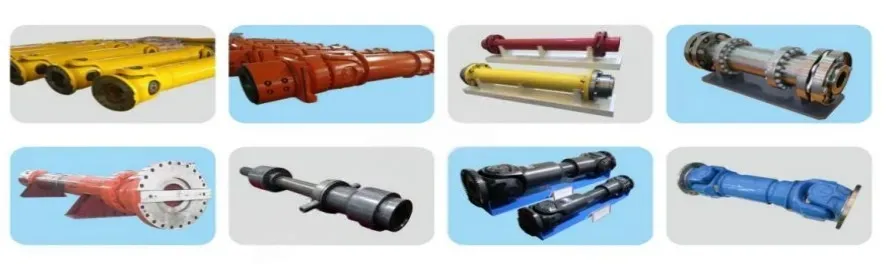
Parametri tehnici — Seria de cuplaje tip angrenaj marin
| Serie de modele | Cuplu nominal (kN·m) | Viteză maximă (rpm) | Nealiniere unghiulară (°) | Deplasare axială (mm) | Interval diametru exterior (mm) | Standardul materialului |
|---|---|---|---|---|---|---|
| MGTC-100 | Până la 25 | 1,800 | 1.5 | ±4 | 120 – 180 | 42CrMo4 |
| MGTC-250 | 25 – 100 | 1,500 | 1.5 | ±6 | 180 – 320 | 42CrMo4 |
| MGTC-500 | 100 – 350 | 1,200 | 1.5 | ±8 | 320 – 480 | 34CrNiMo6 |
| MGTC-1000 | 350 – 900 | 900 | 1.5 | ±10 | 480 – 680 | 34CrNiMo6 |
| MGTC-2000 Personalizat | 900 – 2.200+ | 600 | Până la 1,5 | ±12 | 680 – 950+ | Aliaj personalizat |
Toate valorile sunt cu titlu informativ. Specificațiile finale sunt determinate în timpul revizuirii inginerești a aplicației. Dimensiuni personalizate ale alezajelor, profile ale canalelor de pană și interfețe ale flanșelor sunt disponibile la cerere.
Șase motive pentru care inginerii marini aleg cuplaje de tip angrenaj
Densitate mare de cuplu
Angrenarea dinților angrenajului distribuie sarcina pe mai multe linii de contact simultan. Aceasta înseamnă că un cuplaj de tip angrenaj cu diametru exterior relativ compact poate transmite cupluri care ar necesita un cuplaj elastomeric mult mai mare, economisind spațiu de instalare în spațiile compacte ale camerei motoarelor.
Toleranță la nealiniere
Geometria angrenajului coronat permite o nealiniere unghiulară de până la 1,5° per ochi și o deplasare axială de ±12 mm la modelele din seria grea — capacități care gestionează mișcările dinamice ale arborelui oricărei nave, de la un remorcher din portul Clyde la un vrachier de adâncime.
Durată lungă de viață
Cu o întreținere corectă a lubrifierii, cuplajele tip angrenaj ating în mod curent intervale de service de 15.000 de ore de funcționare între inspecții - aliniate cu ciclurile tipice de doc uscat al navelor. Uzura dinților este graduală și măsurabilă, oferind un avertisment amplu înainte de sfârșitul duratei de viață, spre deosebire de elementele elastomerice care se pot degrada brusc.
Rezistență la coroziune de calitate marină
Acoperirile de protecție multistrat — strat de conversie cu fosfat de zinc, grund epoxidic, strat superior poliuretanic — combinate cu cavități etanșe pentru grăsime și elemente de fixare din oțel inoxidabil asigură performanțe fiabile în medii cu umiditate ridicată și conținut ridicat de sare, tipice operațiunilor offshore din Marea Britanie în Marea Nordului.
Conformitatea cu societățile de clasificare
Fiecare cuplaj din seria marină furnizat de Ever Power este fabricat conform unor proceduri de calitate documentate, compatibile cu cerințele Lloyd's Register, DNV GL, Bureau Veritas și ABS. Certificatele de materiale (3.1B), rapoartele de inspecție dimensională și înregistrările testelor nedistructive reprezintă documentația standard.
Mentenabilitate în serviciu
Designul cu flanșă și manșon divizat utilizat în întreaga gamă MGTC permite regrasarea și inspecția manșonului fără a scoate cuplajul de pe arbore - o caracteristică vitală în sălile motoarelor înguste, unde tragerea unui arbore de elice nu este o opțiune de rutină între docurile uscate programate.
Unde sunt utilizate cuplajele de tip angrenaj în propulsia marină
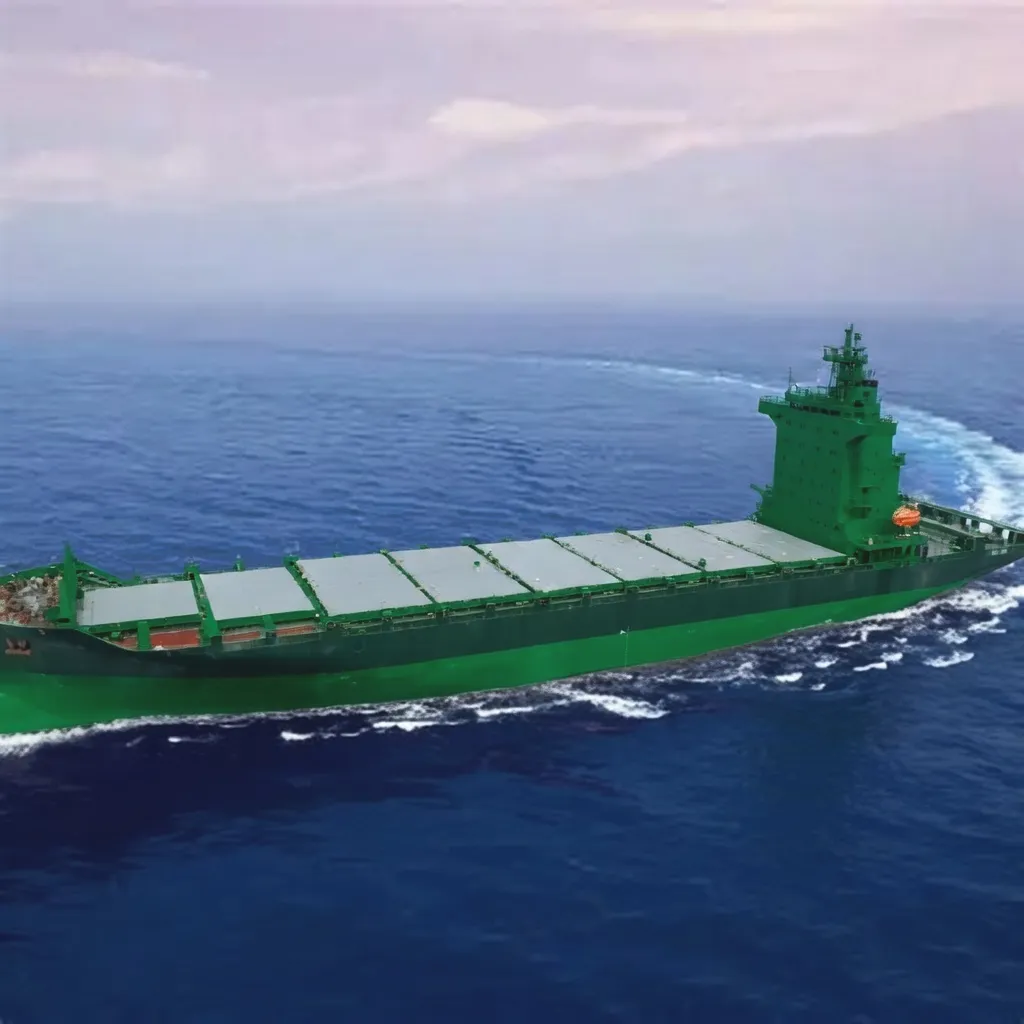 Sectorul propulsiei marine cuprinde o gamă extraordinar de diversă de tipuri de nave, iar cuplajul de tip angrenaj se regăsește peste tot. În feriboturile RoRo și navele de pasageri care operează pe rute precum Dover-Calais, Holyhead-Dublin și Poole-Cherbourg, cuplajul conectează principalul grup motopropulsor diesel sau diesel-electric la cutia de viteze de reducere din centrul pachetului de propulsie. Aceste nave necesită un răspuns rapid la schimbările de sarcină ale motorului, iar rigiditatea torsională a cuplajului de tip angrenaj asigură că răspunsul elicei urmărește îndeaproape puterea motorului - esențial pentru manevrarea sigură în porturile aglomerate.
Navele de asistență offshore (OSV) care operează din Aberdeen, Great Yarmouth și Cromarty Firth prezintă o provocare diferită. Aceste nave utilizează sisteme de poziționare dinamică (DP) care necesită o livrare extrem de precisă a cuplului și un joc aproape zero în sistemul de propulsie. Cuplarea metal-metal a cuplajului de tip angrenaj oferă rigiditatea transmisiei pe care se bazează sistemele de control DP atunci când efectuează corecții fine de direcție și poziție în condițiile Mării Nordului. Performanța la coroziune în aceste medii cu zone de stropire este deosebit de severă, iar specificația extinsă de acoperire marină a Ever Power a fost dezvoltată special pentru serviciul OSV.
Vrachierele, navele de marfă generală și petrolierele care comercializează din porturile din Regatul Unit, inclusiv Grimsby, Tyne și Liverpool, suportă cele mai mari cerințe în materie de sisteme de propulsie. Puterile motoarelor principale, cuprinse între 5 MW și 25 MW, sunt transmise prin ansambluri de cuplare care pot cântări peste 400 kg și trebuie să mențină o geometrie precisă a contactului dinților pe o durată de viață de peste 25 de ani. Filosofia redundanței din proiectarea acestor nave înseamnă că defectarea cuplajului este concepută ca un eveniment gradual, detectabil, mai degrabă decât o fractură bruscă - o cerință pe care tehnologia de tip angrenaj o îndeplinește în mod inerent prin progresia uzurii dinților metal pe metal.
Navele de navigație interioară, remorcherele portuare care navighează în estuarele Tamisei și Humber și bărcile pilot care deservesc porturile din Regatul Unit de la Falmouth la Forth utilizează cuplaje de tip angrenaj mai mici din seria MGTC în instalații compacte cu motoare, unde sunt prioritare transmiterea fiabilă a puterii și rezistența la sarcini de șoc în timpul operațiunilor de remorcare și acostare. Robustețea inerentă a plasei dințate din oțel, combinată cu funcționarea sa lubrifiată, face ca acest cuplaj de tip angrenaj să fie implicit în inginerie oriunde fiabilitatea trebuie garantată non-stop.
Succesul clientului: Modernizarea sistemului de propulsie OSV din Marea Nordului
Navă de asistență offshore | Aberdeen, Scoția, Regatul Unit
Caledonian Marine Contractors Ltd, un operator cu sediul în Aberdeen care operează trei nave de aprovizionare cu platformă și care operează în Marea Nordului Centrală, a contactat Ever Power în 2022 în urma unei opriri neplanificate cauzate de defectarea cuplajului la linia de propulsie de la tribord a uneia dintre nave. Cuplajul original - un design elastomeric de la o terță parte - se degradase rapid din cauza pătrunderii apei în elementul elastomer, un mod comun de defectare în mediile cu spălare cu apă sărată. Defectarea a costat operatorul aproximativ 340.000 de lire sterline în venituri pierdute la închiriere și costuri de urgență la docul uscat.
Echipa de inginerie a aplicațiilor Ever Power a efectuat o evaluare la fața locului în Aberdeen, analizând înregistrările de aliniere a arborelui de propulsie, datele producătorului cutiei de viteze și caracteristicile cuplu/turație ale motorului. Recomandarea a fost un cuplaj de tip angrenaj din seria MGTC-500 personalizat, cu o putere nominală de 280 kN·m, cu diametre alezaj și profiluri de canalizare care se potrivesc exact cu dimensiunile existente ale arborelui și cu pachetul extins de acoperire marină specificat pentru conformitatea cu NORSOK M-501.
În urma instalării pe toate cele trei nave în timpul perioadelor programate în docuri uscate din Methil și Aberdeen, operatorul a raportat zero opriri legate de cuplaje în următoarele 18 luni și aproximativ 42.000 de ore de funcționare combinate. La inspecția la 12 luni, modelele de contact ale dinților au rămas ideale, fără nicio progresie măsurabilă a uzurii. Caledonian Marine a adoptat ulterior seria Ever Power MGTC ca standard al flotei sale pentru viitoarele înlocuiri ale cuplajelor.
Rezumatul rezultatelor
Zero opriri neplanificate în peste 42.000 de ore • Documentație completă Lloyd's Register furnizată • Specificații personalizate pentru alezaj și acoperire livrate în 8 săptămâni • Standardizare a flotei adoptată pentru 3 nave
Ce spun profesioniștii din domeniul maritim
„De doi ani specificăm cuplaje de tip angrenaj Ever Power pentru conversiile navelor noastre din Marea Nordului. Calitatea finisajului dinților angrenajului și completitudinea pachetului de documentație a clasei sunt cu adevărat impresionante. Timpul de livrare către Aberdeen a fost mai scurt decât cel oferit de orice competitor european.”
— R. MacPherson, inginer șef
Operator PSV, Aberdeen, Scoția
„Programul nostru pentru docul uscat din Southampton este încărcat. Ever Power a prelucrat un MGTC-250 personalizat cu găurire de flanșă non-standard în șase săptămâni, inclusiv certificări complete de material 3.1. A ajuns direct în service, fără a fi nevoie de nicio ajustare de aliniere. Așa arată furnizarea profesională de cuplaje tip angrenaj.”
— T. Holloway, inginer naval senior
Operator de feribot RoRo, Southampton, Anglia
„Aveam nevoie de un cuplaj de tip angrenaj pentru sarcini grele pentru instalarea unui motor de turație medie de 4,8 MW pe o navă de marfă nou construită, cu pornire din Liverpool. Ever Power a furnizat un raport tehnic complet de aplicare împreună cu cuplajul, care a fost inclus direct în depunerea noastră la DNV GL. O profunzime tehnică excelentă de la un furnizor care înțelege perfect propulsia marină.”
— D. Sharma, inginer în sisteme de propulsie
Șantierul naval, Tyneside, Anglia
Capacitate de producție și inginerie personalizată Ever Power
Punctul forte al Ever Power, ca furnizor de cuplaje pentru angrenaje, constă în capacitatea noastră de a proiecta, fabrica și livra cuplaje personalizate de calitate marină în termene care corespund realității construcțiilor navale operaționale și întreținerii navelor. Facilitatea noastră de producție operează centre CNC de frezare a angrenajelor și mașini de rectificat profile, capabile să atingă calitatea angrenajelor de gradul 6 DIN 3962 sau mai bună - un standard de precizie cerut de sistemele de transmisie marine de mare viteză, unde chiar și mici erori geometrice se traduc direct în vibrații și sarcini de oboseală.
Capacitatea noastră de servicii personalizate acoperă fiecare dimensiune a specificațiilor cuplajului. Diametrele alezajelor și gradele de toleranță sunt prelucrate conform standardului H7 cel puțin, fiind disponibile alezaje personalizate cu fixare prin frecare pentru instalări prin frecare. Profilele canalelor de pană sunt conforme cu DIN 6885 sau BS 4235, conform specificațiilor. Diametrul diametrului cercului de șuruburi al flanșei, diametrul cercului de șuruburi și numărul de șuruburi sunt prelucrate pentru a se potrivi exact cu cutia de viteze existentă sau cu carcasa volantei motorului. În cazul în care dimensiunile ansamblului sunt constrânse de geometria camerei motorului, echipa noastră va efectua o verificare 3D a interferenței față de desenele dvs. de instalare înainte de a tăia orice material.
Controlul calității la Ever Power urmează un proces etapizat: verificarea materiilor prime (rezistență la tracțiune, impact, duritate), inspecția formei și a pasului dinților angrenajului în timpul procesului, echilibrarea dinamică completă a cuplajului la G 6.3 sau mai mare, inspecția dimensională finală în funcție de desen și testul de presiune înainte de expediere al etanșărilor cu unsoare, acolo unde este specificat. Pentru inspecțiile cu prezență fizică a societății de clasificare, oferim acces complet și coordonăm direct cu inspectorii de la Lloyd's, DNV, BV sau ABS în numele dumneavoastră — eliminând povara administrativă pentru echipa dumneavoastră de achiziții.
[email protected] | Specificații personalizate, documente de clasificare, livrare rapidă în Marea Britanie
Deservirea pieței de propulsie marină din Marea Britanie
Regatul Unit operează într-unul dintre cele mai solicitante medii maritime comerciale din Europa. Flota de nave reglementată de MCA, care cuprinde feriboturi de pasageri, nave de asistență offshore, nave de marfă generale și ambarcațiuni specializate pentru inspecții, necesită componente documentate conform standardelor recunoscute, livrabile în termene de livrare acceptabile din punct de vedere comercial și susținute de consultanță tehnică competentă. Importatorii și arhitecții navali din Marea Britanie îl citează în mod constant pe Ever Power ca un furnizor care înțelege aceste cerințe - nu doar un distribuitor de mărfuri bazat pe cataloage.
Conducta noastră de aprovizionare din Marea Britanie deservește șantierele navale și firmele de inginerie maritimă din Southampton, Portsmouth, Tyneside, Teesside, Barrow-in-Furness, Falmouth, Liverpool, Glasgow și Aberdeen. Documentația vamală este pregătită în mod curent ca parte a pachetului nostru de export, iar opțiunile de transport aerian sunt disponibile pentru piesele de schimb critice în cazul în care o navă este imobilizată. Serie maritimă standard cuplaje sunt disponibile din stoc pentru livrare în două până la cinci zile lucrătoare la orice adresă din Marea Britanie continentală. Unitățile proiectate la comandă au termene de livrare de patru până la zece săptămâni, în funcție de dimensiune și complexitate, fiind disponibilă o producție accelerată la un preț suplimentar pentru urgențe operaționale reale.
Inginerii de achiziții și cumpărătorii tehnici care lucrează pentru armatori, șantiere navale sau contractori de întreținere din Marea Britanie sunt invitați să trimită schițele arborelui, fișa tehnică a cutiei de viteze și curba de performanță a motorului direct echipei noastre tehnice. Returnăm o notă tehnică detaliată a aplicației, o recomandare de componente și o ofertă comercială - de obicei în termen de 48 de ore lucrătoare. Acest serviciu nu costă nimic și nu implică nicio obligație: este pur și simplu modul în care ar trebui să funcționeze ingineria profesională a cuplajelor tip angrenaj.
Întrebări frecvente
Ce dimensiune de cuplaj de angrenaj am nevoie pentru un sistem de propulsie diesel marină de 2.000 kW pe o navă comercială din Regatul Unit?
Selecția depinde de cuplul nominal, nu doar de putere. La 2.000 kW și o turație tipică a motorului principal de 750 rpm, cuplul nominal este de aproximativ 25,5 kN·m. Cu toate acestea, cuplajele de propulsie marină ar trebui dimensionate pentru un factor de serviciu de 2,0–2,5 pentru a lua în considerare tranzițiile de pornire și încărcarea cu gheață a elicei în serviciul de coastă din Marea Britanie. Acest lucru vă plasează în gama noastră MGTC-250. Trimiteți-ne fișa tehnică a motorului și vom confirma dimensionarea și specificațiile alezajului în termen de 24 de ore.
Cât des ar trebui să ung din nou cuplajul tip angrenaj al navei mele de asistență offshore din Marea Nordului care operează în condiții de pulverizare a apei sărate?
Pentru service-ul OSV în Marea Nordului, recomandăm intervale de regrosare de 4.000 de ore de funcționare sau 12 luni, oricare survine primul - comparativ cu intervalul standard de 6.000 de ore pentru aplicațiile în ape adăpostite. Folosiți numai unsori marine cu sulfonat de calciu NLGI 2 sau complex de litiu cu aditivi EP și clasificări de rezistență la apă. Inspectați starea unsorii la fiecare interval; dacă se detectează decolorare, contaminare cu apă sau particule metalice, inspectați suprafețele dinților înainte de repunerea în funcțiune.
Poate Ever Power să furnizeze un cuplaj personalizat de tip angrenaj care să îndeplinească cerințele de clasificare Lloyd's Register pentru o navă de transport marfă de adâncime sub pavilion britanic?
Da. Pachetul nostru standard de documentație maritimă include certificate de materiale EN 10204 3.1, rapoarte de inspecție dimensională, rezultate ale testelor de duritate și certificate de echilibru dinamic. Pentru inspecțiile cu martor Lloyd's Register, ne coordonăm direct cu inspectorul LR desemnat și oferim acces complet la înregistrările noastre de asigurare a calității și la procesele noastre de producție. Dimensiunile personalizate ale alezajelor, modelele de găurire a flanșelor și profilurile canalelor de pană sunt practici standard pentru echipa noastră de ingineri.
Care este intervalul de preț aproximativ pentru un cuplaj de tip angrenaj de calitate marină pentru o navă de marfă de dimensiuni medii care operează din Southampton sau Liverpool?
Prețurile variază semnificativ în funcție de cuplul nominal, dimensiunea alezajului, specificațiile materialului și cerințele de documentație. Ca ghid general, unitățile standard din seria MGTC-250, potrivite pentru navele de marfă de gamă medie, au prețuri cuprinse între 1.800 și 5.500 de lire sterline per ansamblu de cuplare, inclusiv umplerea cu vaselină și documentația standard. Unitățile din seria MGTC-1000 pentru sarcini mari, destinate navelor mari, au prețuri cuprinse între 8.000 și peste 30.000 de lire sterline. Contactați-ne la [email protected] pentru o ofertă specifică bazată pe cerințele dumneavoastră tehnice.
Cum compensează exact un cuplaj de tip angrenaj nealinierea arborelui în sistemul de propulsie al unei nave atunci când coca se flexează pe vreme rea?
Dinții interiori ai butucului roții dințate sunt prelucrați cu un profil în formă de butoi (coronat). Atunci când apare o nealiniere unghiulară între axele arborelui din cauza îndoirii corpului, acești dinți coronați se rostogolesc pe fața dinților interni drepți ai manșonului exterior, în loc să se blocheze la vârful sau rădăcina dintelui. Cuplajul pivotează cu până la 1,5° pe ochi fără a genera momente de încovoiere pe arbore - astfel încât nealinierea este absorbită ca alunecare a feței dintelui, mai degrabă decât ca stres transmis la rulmenți sau etanșări.
Care material este cea mai bună alegere pentru un cuplaj de tip angrenaj utilizat într-o aplicație de propulsie marină cu umiditate ridicată, în ceață salină, în sectorul offshore din Marea Britanie?
Oțelurile slab aliate de înaltă rezistență, cum ar fi 42CrMo4 (seria medie) și 34CrNiMo6 (seria grea), reprezintă alegerea standard în industrie. Acestea oferă o rezistență la tracțiune de peste 1.000 MPa după tratamentul de călire și revenire, rămânând în același timp sudabile pentru repararea carcasei. Oțelul structural trebuie asociat cu sistemul corect de protecție împotriva coroziunii - fosfatare cu zinc plus grund epoxidic plus strat superior poliuretanic, ca minimum - deoarece niciun aliaj de oțel nu este rezistent la coroziune în pulverizare cu sare marină fără un strat protector.
Unde pot găsi un furnizor de cuplaje de tip angrenaj fiabil pentru un proiect de recondiționare a unui șantier naval din Marea Britanie, lângă Aberdeen, Tyneside sau Liverpool, cu termene scurte de livrare?
Ever Power furnizează cuplaje tip angrenaj șantierelor navale și contractorilor de inginerie maritimă din Marea Britanie, cu livrare de rutină către Aberdeen, Newcastle, Liverpool, Southampton, Falmouth și toate adresele din Marea Britanie continentală. Cuplajele marine din seria standard sunt expediate în termen de două până la cinci zile lucrătoare din stoc. Unitățile proiectate la comandă sunt produse în patru până la zece săptămâni. Pentru urgențele din docuri uscate, oferim producție accelerată și livrare prin transport aerian. Contactați-ne [email protected] cu desenul dumneavoastră și vă vom răspunde în termen de 48 de ore lucrătoare.
Când ar trebui înlocuit un cuplaj de tip angrenaj în timpul perioadei de întreținere programată în docul uscat al unei nave comerciale din Regatul Unit pentru a evita defecțiunile la mijlocul călătoriei?
Înlocuirea este indicată atunci când inspecția vizuală relevă o adâncime de uzură a flancului dintelui care depășește 15% din grosimea originală a dintelui, când măsurarea jocului amortizor a crescut dincolo de toleranța inițială de proiectare cu 50% sau mai mult sau când analiza unsorii arată în mod constant concentrații de particule metalice peste pragul de alertă al furnizorului de lubrifiant. Pentru navele comerciale din Marea Britanie aflate într-un ciclu de doc uscat de cinci ani, recomandăm o inspecție completă a cuplajului - inclusiv verificarea profilului dintelui și testul punctual de duritate - la inspecția intermediară și o evaluare a disponibilității pentru înlocuire la inspecția specială, indiferent de aspectul vizual.
Notă: Secțiunea Întrebări frecvente de mai sus este structurată pentru markup-ul FAQPage Schema. Implementați-l prin pluginul SEO WordPress (Yoast SEO sau RankMath) folosind blocul FAQ sau adăugați schema JSON-LD manual în antetul temei pentru eligibilitatea completă pentru rezultatele bogate Speakable + FAQPage.
Sunteți gata să specificați cuplajul dumneavoastră marin?
Trimiteți astăzi schița arborelui, fișa tehnică a cutiei de viteze și cerințele de cuplu echipei noastre de ingineri.
✉ Obțineți o ofertă — [email protected]
Cuplaje tip angrenaj personalizat | Documente de clasificare marină | Livrare în Marea Britanie | Producție rapidă disponibilă
editat de gzl