 Cement production is one of the most mechanically demanding industries on earth. The drive train of a cement mill — whether a traditional ball mill in Birmingham, a vertical roller mill serving a Sheffield concrete manufacturer, or a roller press installation in Leeds — places extraordinary demands on every component in the power transmission chain. At the centre of that chain sits the coupling: a seemingly modest component that, in practice, determines whether a multi-megawatt grinding system runs reliably for years or suffers repeated, costly failures. Understanding how couplings work in cement mill environments, which types are best suited to specific duties, and how to specify them correctly for UK operating conditions is an engineering discipline that blends metallurgy, tribology, dynamics and logistics. This article draws on decades of field experience to give plant engineers, maintenance managers and procurement specialists the technical depth they need to make informed decisions.
How Couplings Work in Cement Mill Drive Systems
 A coupling in a cement mill context does far more than simply bolt two shafts together. Its mechanical function encompasses four distinct roles: transmitting torque from a driving member to a driven member; accommodating angular, parallel and axial misalignment without transmitting corrective loads to the bearings of either machine; providing a controlled degree of torsional compliance to dampen shock loads and dynamic resonances; and — in selected configurations — acting as a sacrificial mechanical fuse that protects the gearbox and motor from catastrophic overloads. Understanding how each of these functions interacts with the specific duty cycle of a cement grinding installation allows engineers to specify with far greater precision than the traditional approach of simply matching shaft diameter and applying a service factor. The coupling must be analysed as a dynamic component within the drive train, not as a static connector.
Core Materials Used in Industrial Coupling Manufacture
The hub bodies and sleeves of industrial gear couplings are forged from medium-carbon chromium-molybdenum alloy steels such as 42CrMo4, heat-treated to tensile strengths of 900–1,100 MPa. This provides the toughness needed to withstand cement mill start-up shocks without brittle fracture, even at the low ambient temperatures common in outdoor gearhouse enclosures across northern England during winter months. Quench-and-temper treatment combined with induction hardening of tooth flanks gives wear life measured in decades rather than years.
For gear teeth in gear-type couplings, case-carburised 20CrMnTi steel with a case depth of 0.8–1.6 mm and a surface hardness of HRC 58–64 provides the optimal combination of surface wear resistance and core toughness. The hard case resists the abrasive action of any dust contamination that enters the gear mesh, while the tough core absorbs the bending fatigue stresses that arise from angular misalignment. This material choice is standard across the cement industry’s most demanding coupling applications globally, and it underpins the long service intervals that modern UK cement plant operators demand.
Snake spring couplings derive their unique torsional compliance from serpentine spring elements manufactured from high-silicon manganese spring steel, typically 60Si2Mn or equivalent EN grades. Heat treatment to a hardness of HRC 42–48 is followed by shot peening of the spring surface to introduce compressive residual stresses that dramatically extend fatigue life under the pulsating loads of ball mill operation. These springs are precision-profiled on CNC grinding centres to achieve consistent load-deflection curves across an entire production batch, ensuring matched performance within each coupling assembly.
Coupling flanges, guard rings and intermediate spacers in medium-duty positions are frequently manufactured from EN-GJS-500-7 spheroidal graphite cast iron (ductile iron), which offers an excellent combination of casting formability for complex geometries, good machinability and sufficient tensile strength at 500 MPa minimum. Where weight reduction is important — for example in the floating spacer elements of long-span spacer couplings bridging wide gearboxes — thin-wall ductile iron castings provide an economical alternative to forged steel without compromising the fatigue performance required by continuous cement mill operation.
Application Scenario: Cement Mill Drive Systems
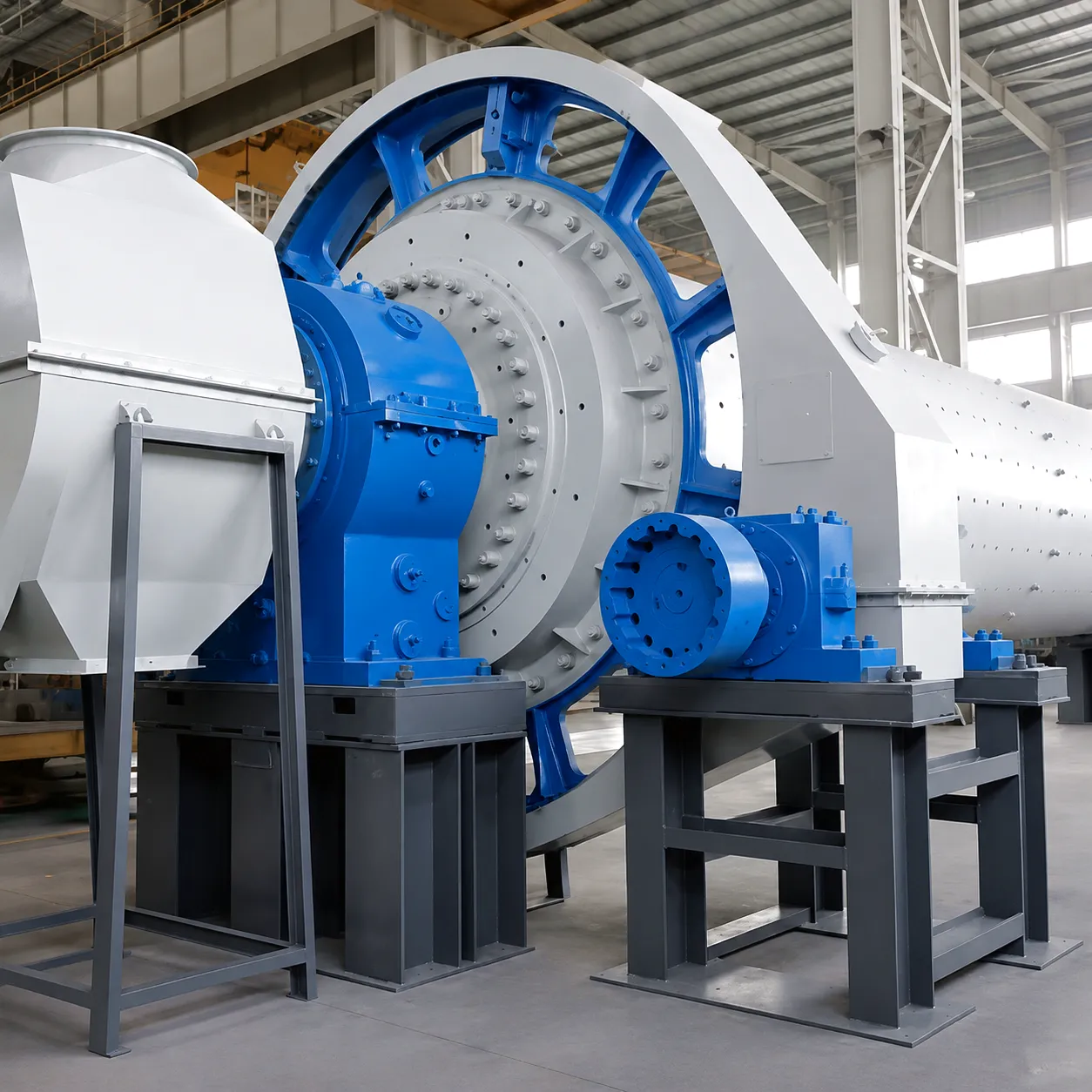
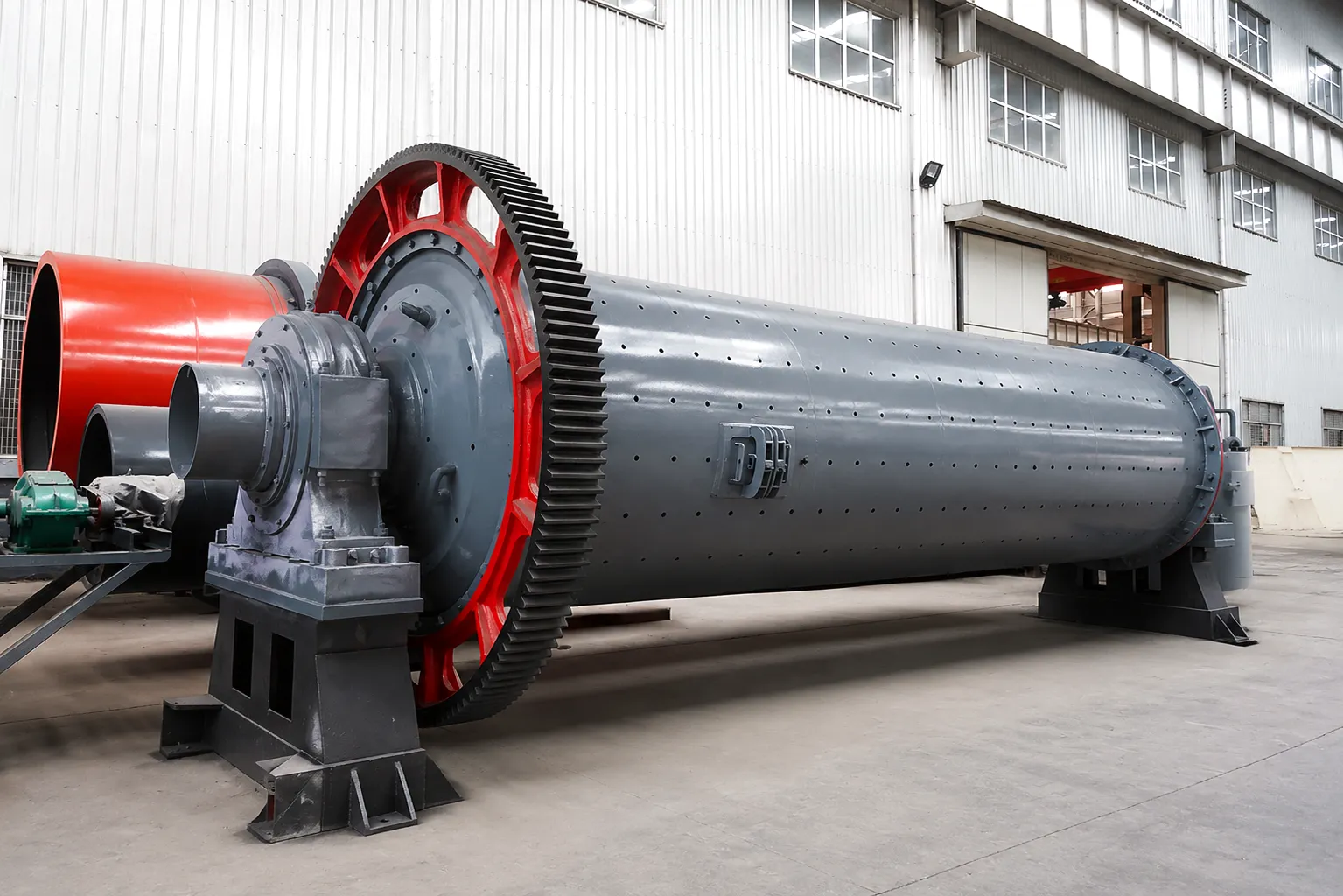
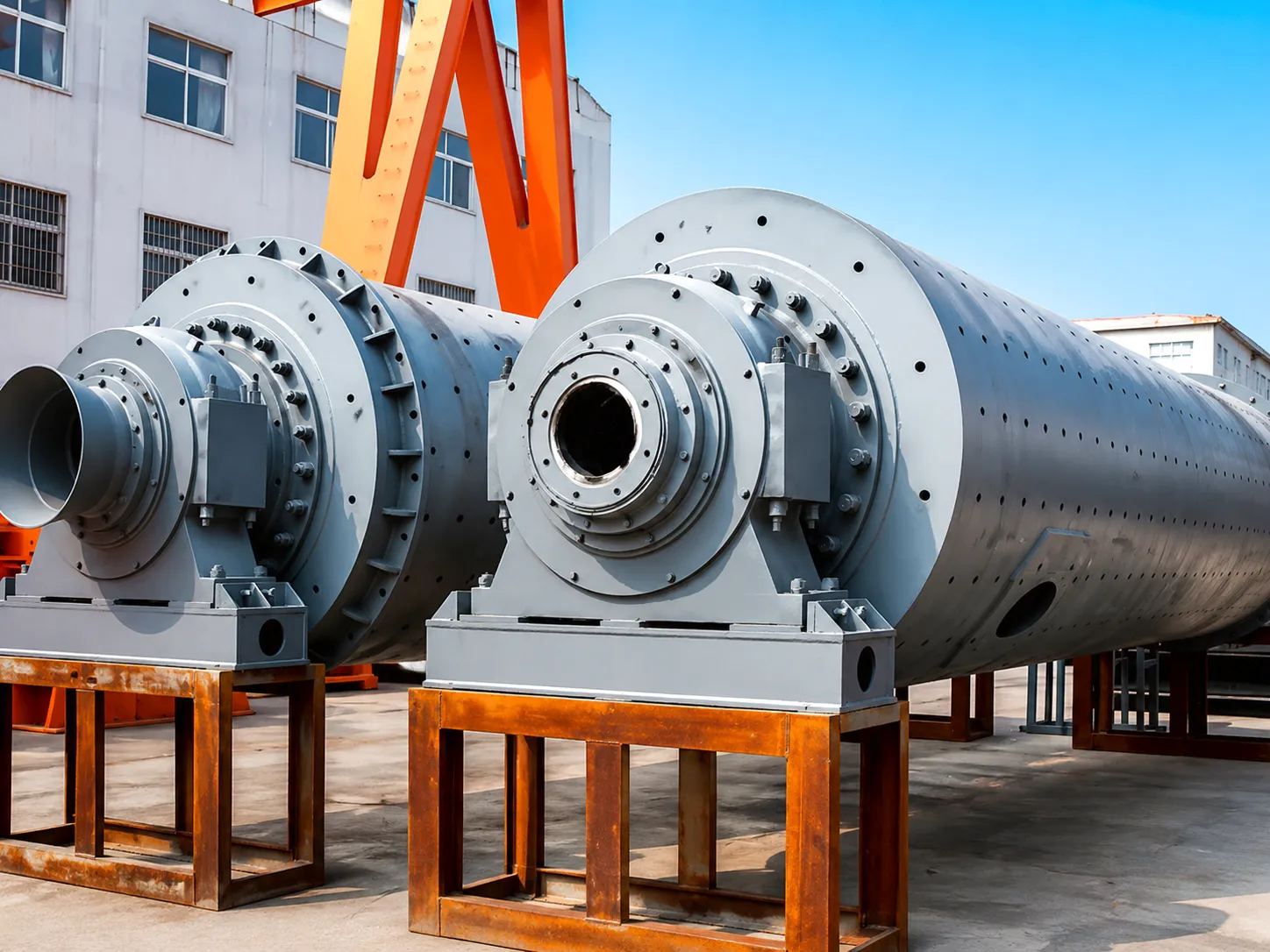 In the cement manufacturing sector, raw meal mills and cement finish mills represent the primary grinding equipment. These machines appear in three main configurations across UK cement plants — the classic ball mill, the vertical roller mill (VRM) and the roller press (RP) — and each imposes a distinct loading signature on its drive coupling. The ball mill, which remains the dominant grinding technology at cement plants from Derbyshire to County Durham, draws its main motor power through a coupling-gearbox-open-gear chain. Main motor ratings at modern UK plants range from 1.5 MW at smaller installations to 7.5 MW at the largest finish mill positions. The coupling must handle not just this continuous rated torque but the dramatically higher peak torque that occurs during every mill start.
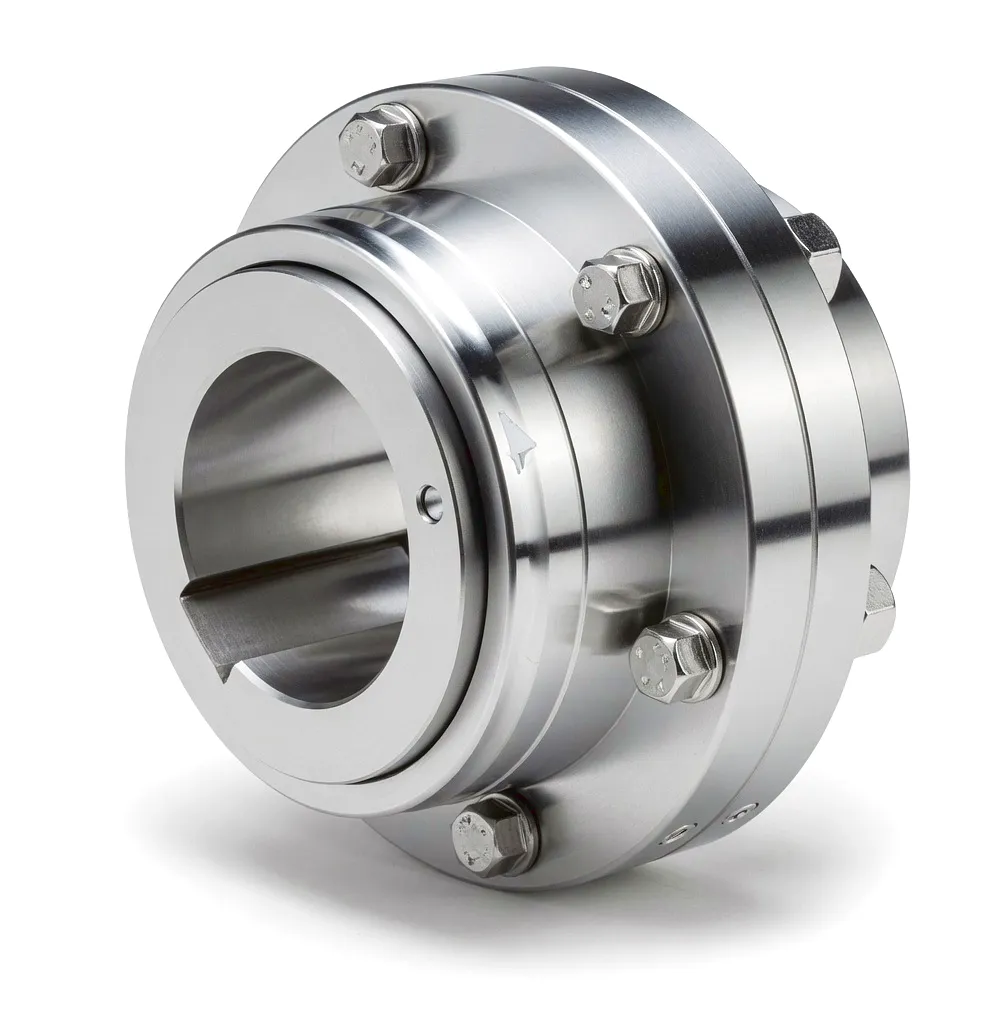
The coupling between the main motor and the primary reduction gearbox on a cement ball mill is arguably the most technically demanding coupling duty in the entire process industry. Operating in a position where it must absorb peak torques of 4 to 8 times rated torque during each mill start, accommodate thermal expansion differentials between the motor and gearbox foundations, and tolerate the torsional vibrations induced by the tumbling charge, this coupling must be specified with exceptional care. Gear-type couplings with crowned-tooth profiles are the most widely deployed solution at UK cement plants, with leading manufacturers specifying crowned external teeth in the range of 14° to 20° pressure angle and profile crowning radii of 3,000–10,000 mm to accommodate angular misalignment of up to 1.5° per gear mesh. For plants operating in Staffordshire’s industrial heartland, where legacy mill foundations may have settled unevenly over decades, this angular accommodation capacity is not merely a theoretical reserve — it is the difference between a coupling that lasts ten years and one that fails in two. Snake spring couplings are gaining ground in this position at smaller UK plants, where their inherent torsional softness reduces dynamic loads on the gearbox bearings and extends gearbox overhaul intervals.
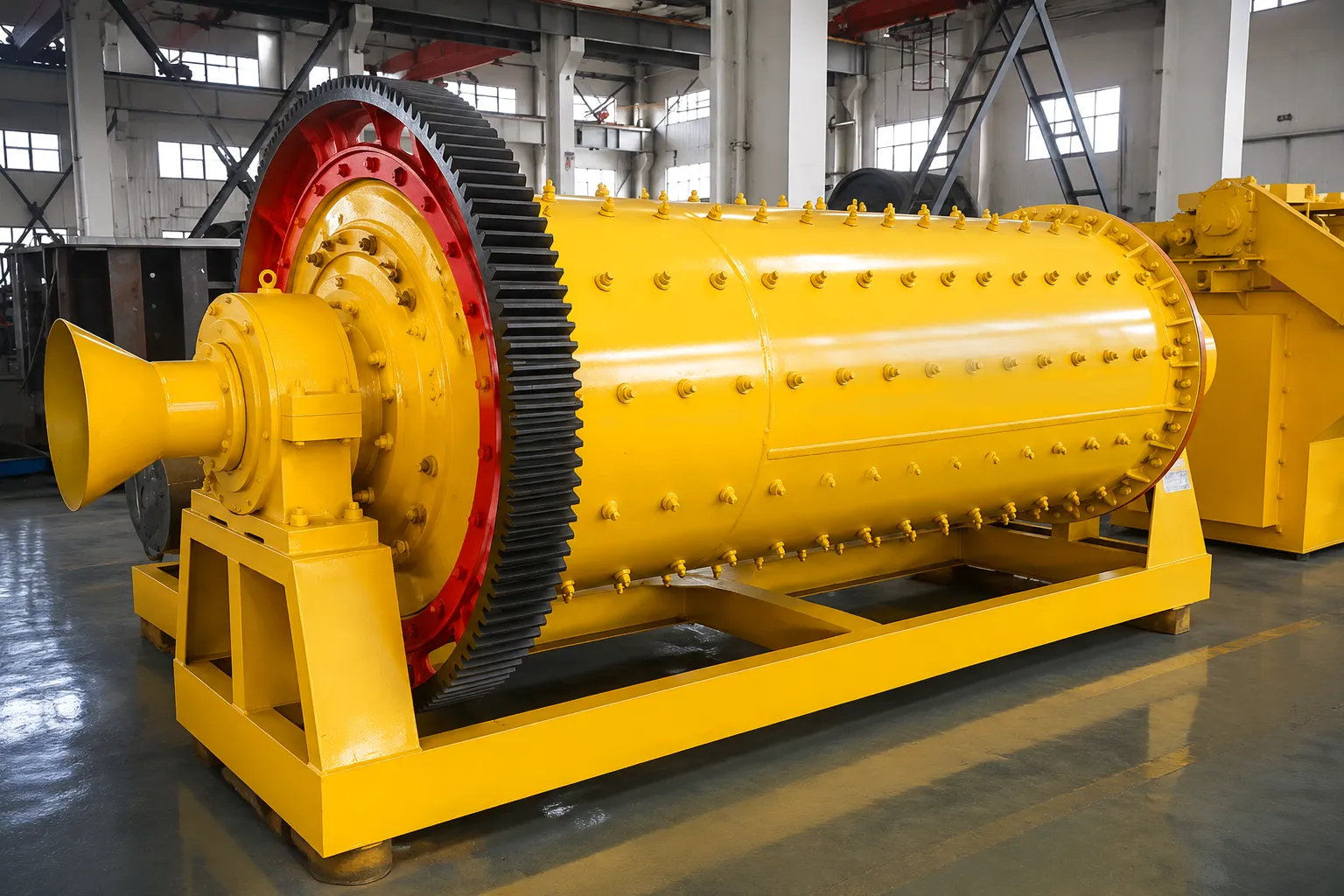 The coupling between gearbox output and the open-gear pinion on a cement ball mill operates in one of the harshest industrial environments encountered in British manufacturing. Cement dust — a mixture of calcium silicates, aluminates and ferrites with particle sizes down to 1 micron — is an effective abrasive that rapidly destroys unprotected metal surfaces. The mill-side coupling at a plant in Sheffield or Wolverhampton may be exposed to airborne dust concentrations exceeding 1,000 mg/m³ during normal operation, particularly at the mill discharge end. A gear-type coupling in this position must feature multi-lip seals with labyrinth passages, heavy-duty grease retention and hardened tooth surfaces. Maintenance philosophy is equally important: the annual shutdown windows that are standard practice at most UK cement plants mean the coupling must sustain 8,000–8,760 operating hours between greasing opportunities. High-consistency greases with good tackiness and anti-washout properties, formulated to NLGI consistency 1 or 2, are typically specified for these positions. The coupling bore must be machined to H7 tolerance to ensure proper interference or transition fit on the gearbox output shaft taper, preventing fretting corrosion under the combined bending and torsional loads.
Vertical roller mills, increasingly preferred for cement raw meal grinding at UK sites for their 30–40% energy advantage over ball mills, present a completely different coupling engineering challenge. The VRM drive train typically arranges the motor vertically or horizontally driving a planetary or bevel-helical reducer that transmits torque directly into the grinding table through a vertical output shaft. In this configuration, the coupling between motor and reducer must accommodate the thermal growth of the motor body in the vertical plane while providing a degree of torsional buffering against the pulsating loads generated by the grinding rollers. SWC series universal couplings are commonly deployed in this application on the horizontal drive shaft configurations where angular misalignment between driving and driven components may reach 5–10° due to the geometric constraints of VRM installation. At a modern cement facility in the East Midlands, where space constraints demand compact drivetrains, the angular compensation capability of a universal coupling at the gearbox input position reduces installation alignment labour significantly and provides a wider tolerance window during future plant modifications. The maintenance engineer’s ability to disassemble and reassemble a coupling under site conditions — without precision alignment equipment or specialist supervision — is a factor that UK plant teams increasingly specify as a procurement criterion.
Roller presses, used for pre-grinding or semi-finish grinding at some of the UK’s highest-capacity cement plants, generate intense shock loads when large clinker nodules pass between the counter-rotating rolls. A rogue clinker piece measuring 150 mm may cause a torque spike of 5–8 times rated value lasting only 50–200 milliseconds, yet this brief event is sufficient to cause plastic deformation in an under-specified coupling or a fatigue crack in an improperly case-hardened gear tooth. The coupling solution for roller press drives in UK cement plants has evolved towards torque-limiting designs — typically featuring either shear-pin elements that sacrifice a replaceable component during overload, or friction-disc arrangements that slip at a preset torque level and re-engage automatically once the obstruction clears. These overload-protection couplings require that the internal torque-limiting mechanism be calibrated to a setting between 1.5 and 2.5 times the rated operating torque, below the torque threshold that would cause damage to the rolls’ bearing housings or gearbox internal components, and above the maximum operational torque peak to avoid nuisance trips during legitimate load variations. UK cement plant engineers working to the requirements of the Provision and Use of Work Equipment Regulations (PUWER) also value torque-limiting couplings as a safety device that prevents dangerous overloads reaching working personnel near the machine.
Core Technical Advantages of Industrial Couplings for Cement Applications
Crowned-tooth gear couplings achieve torque ratings up to 3,600 kNm in a compact envelope, making them the only practical choice for the high-power motor positions of large cement ball mills. The load is distributed across the full tooth width, giving stress levels far below the material fatigue limit even at peak start-up torques.
Angular misalignment compensation of 0.5°–1.5° per gear mesh (double-engagement couplings) and parallel offset up to 3 mm at rated speed accommodates the shaft displacements that arise from thermal growth and structural settlement, without imposing corrective loads that shorten bearing life on the connected machines.
The progressive spring characteristic of snake spring couplings shifts torsional resonant frequencies away from operating speed ranges, dramatically reducing dynamic amplification of periodic load harmonics. Gearbox bearing overhaul intervals have been extended by 40% or more at UK sites following conversion from rigid to snake spring couplings on high-inertia applications.
Double-lip nitrile or fluorocarbon elastomer seals, combined with labyrinth grease retention chambers, prevent ingress of cement dust while retaining high-viscosity gear grease throughout the maintenance cycle. IP55 equivalent sealing performance sustains lubrication film integrity even under the high dust concentrations found at mill discharge ends across UK cement plant environments.
Annual regreasing during scheduled plant shutdowns — the standard maintenance cadence at UK cement plants — is the only routine intervention required by correctly selected and installed gear couplings. Snake spring elements require only periodic spring-wear inspection, with spring replacement achievable within a single shift, minimising planned outage duration and keeping maintenance labour costs under control.
Precision-balanced coupling assemblies achieve rated speeds of 1,000–3,000 rpm at the motor-side position of cement mill drives without generating vibration amplitudes that would exceed ISO 10816 machinery vibration limits. This balance quality requirement is specified to Grade G6.3 or better as standard, with G2.5 available for speeds above 1,500 rpm on 2-pole motor drives.
Produktens tekniska och prestandaparametrar
| Parameter | Gear Coupling (GDF/GE Series) | Snake Spring Coupling (JSA Series) | Universal Coupling (SWC Series) |
|---|---|---|---|
| Nominellt vridmomentområde | 5 – 3,600 kNm | 0.1 – 355 kNm | 10 – 2,000 kNm |
| Max. Operating Speed | 1,000 – 3,600 rpm | 750 – 1,500 rpm | 500 – 1,500 rpm |
| Vinkelfeljustering | up to 1.5° per mesh | 0.5° (torsionally flexible) | up to 45° (universal joint) |
| Parallell offset-tolerans | up to 3 mm | up to 1.5 mm | Compensated by joint angles |
| Axiell rörelse | +/- 3 – 8 mm | +/- 2 – 5 mm | +/- 10 – 30 mm (splined shaft) |
| Navmaterial | 42CrMo4 forged alloy steel | 45# / QT ductile iron | 35CrMo / 42CrMo4 steel |
| Spring / Flexible Element | Crowned involute gear teeth | 60Si2Mn spring steel serpentine | Needle-bearing cross spider |
| Tooth / Surface Hardness | HRC 58 – 64 | HRC 42 – 48 | HRC 58 – 62 (cross pin) |
| Balansgrad | G6.3 (G2.5 on request) | G6.3 standard | G6.3 / G2.5 available |
| Sealing / IP Rating | IP55 (double-lip + labyrinth) | Cover cap, IP44 | Grease-nipple sealed joints |
| Smörjning | NLGI 1–2 gear grease (annual) | Dry / grease as required | Extreme pressure grease (6-monthly) |
Industrial Coupling Solutions from Ever Power
JSA-serien Snake Spring-koppling
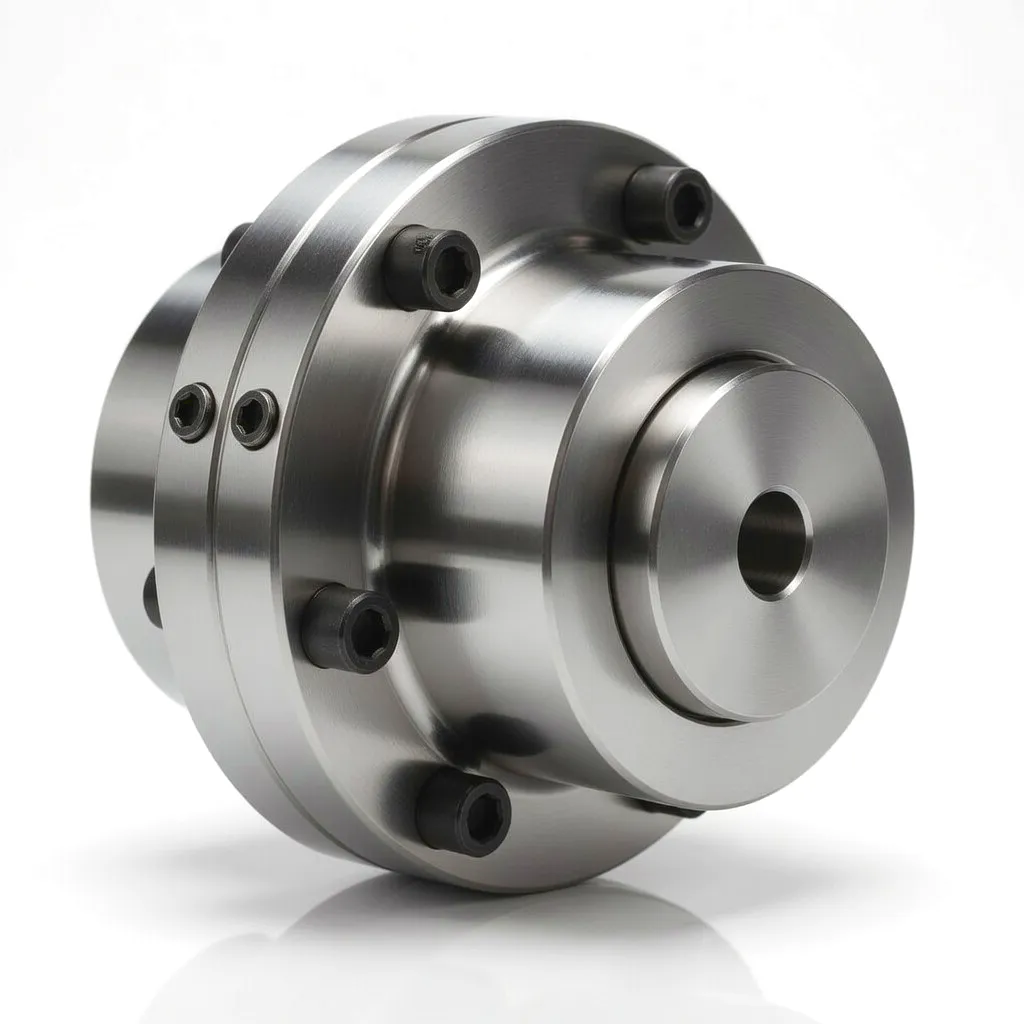
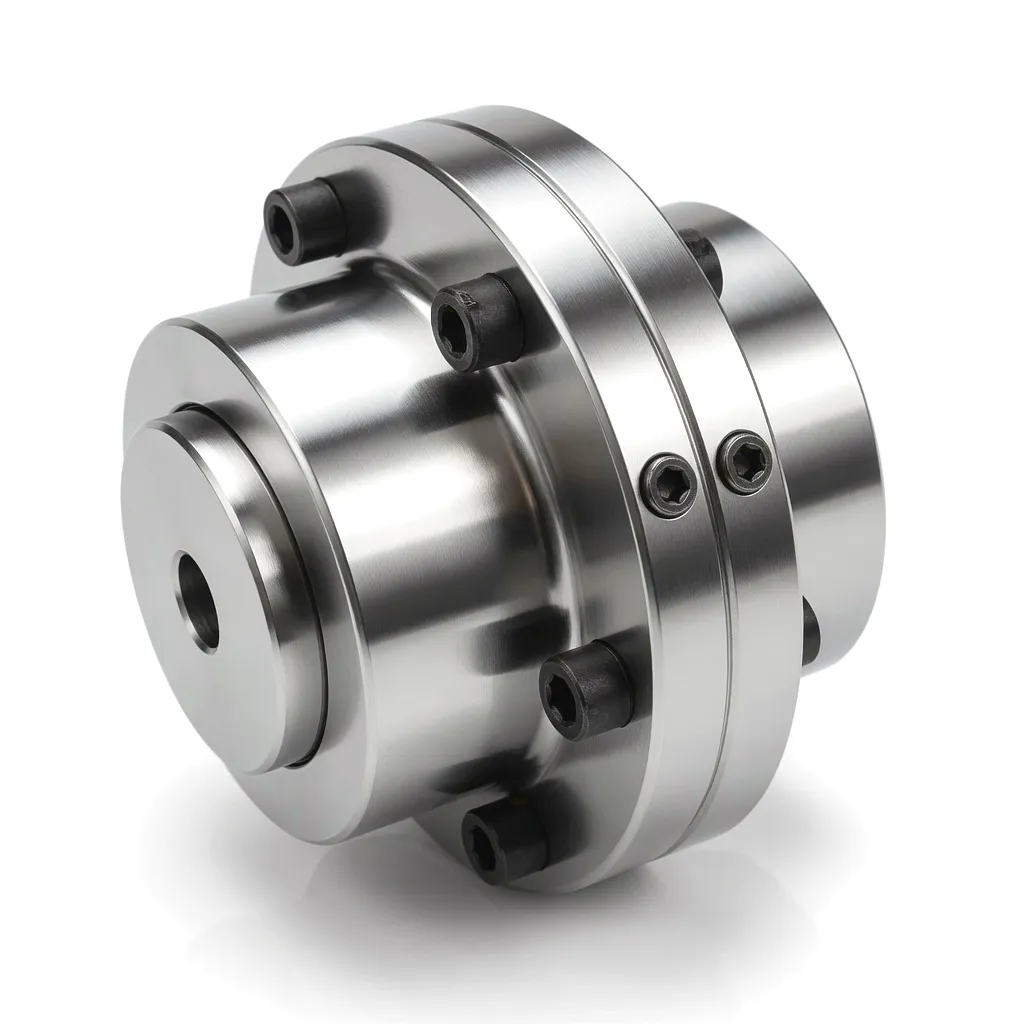
The JSA Series Snake Spring Coupling uses a precision-profiled 60Si2Mn serpentine spring element to provide a progressive torsional stiffness characteristic that reduces dynamic loads on connected gearboxes and motors in cement mill applications. Rated from 0.1 to 355 kNm, the JSA series is ideal for ball mill auxiliary drives, kiln drives and conveyor head pulleys at UK cement plants. The spring element can be replaced on-site without disturbing shaft alignment, keeping planned maintenance downtime to an absolute minimum.
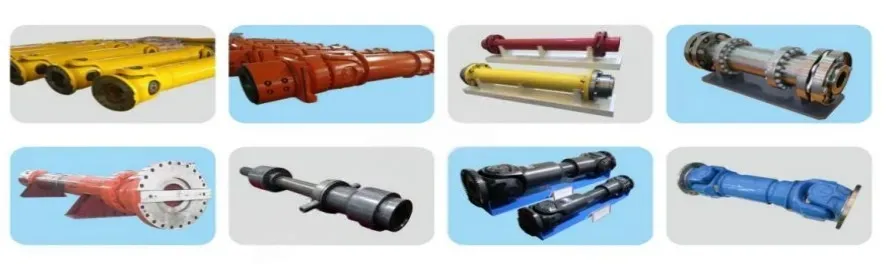
The SWC Series Universal Coupling delivers transmission of high torques across angular displacements of up to 45°, making it the solution of choice for VRM drive shaft connections, kiln tyre drive shafts and roller press feed conveyor inclines where geometric constraints preclude shaft-to-shaft alignment. The needle-bearing cross-joint design minimises friction and power loss while providing wear life comparable to gear couplings in moderate-speed applications. SWC couplings rated to 2,000 kNm are available with custom bore diameters and keyway profiles to match any UK cement plant gearbox specification.
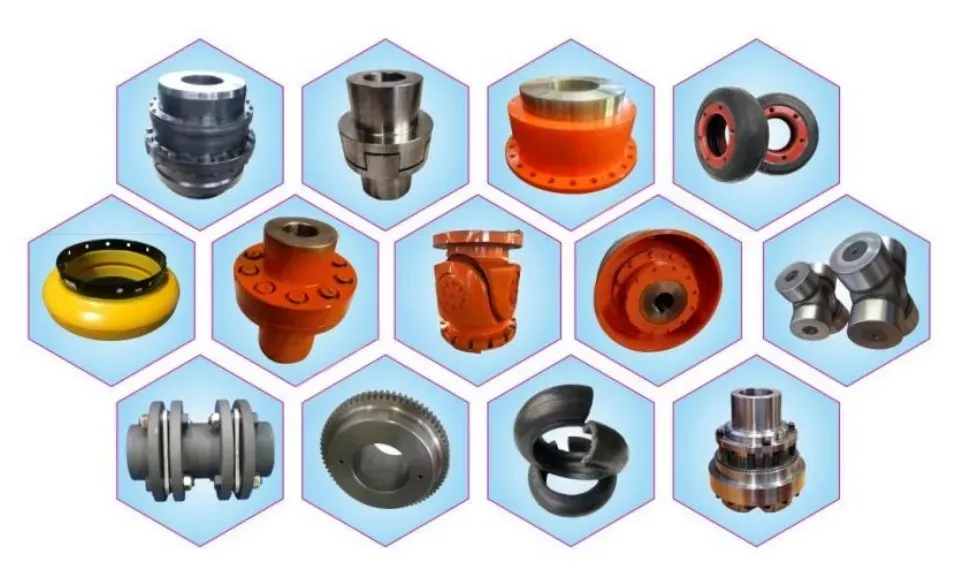
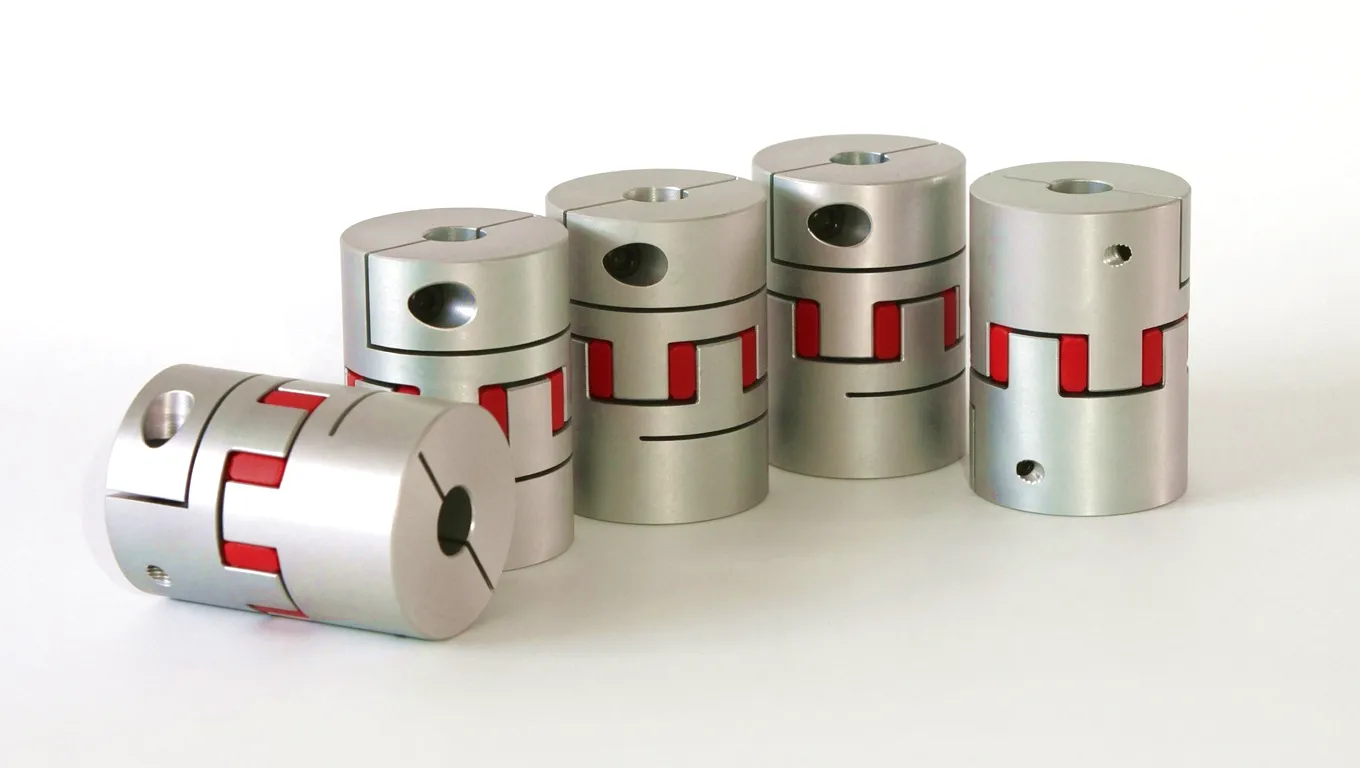 Ever Power operates a state-of-the-art coupling manufacturing facility equipped with the latest generation of CNC machining centres, precision gear grinding machines and automated heat treatment lines. Every coupling that leaves the Ever Power production floor is manufactured under ISO 9001:2015 quality management procedures, with full material traceability from raw steel billet to finished, tested assembly. For UK cement plant operators procuring replacement or upgrade couplings, this traceability provides the audit trail required under BS EN ISO 9001 quality assurance frameworks and supports the UK Health and Safety Executive’s expectations for documented mechanical integrity in heavy process plant.
Customer Success Story: Sheffield Cement & Aggregates Ltd
Sheffield Cement & Aggregates Ltd operates a pair of 3.5 MW closed-circuit cement ball mills at their facility in the Don Valley industrial district. In 2022, the plant’s maintenance manager identified a recurring problem: the OEM gear couplings fitted between the main motors and primary reduction gearboxes were requiring unplanned replacement every 14–18 months, compared to a design life of 5 years. Post-mortem analysis of the failed couplings revealed pitting fatigue on the external tooth flanks and fretting wear on the bore/shaft contact surfaces — both failure modes consistent with dynamic overloading during starts combined with slightly elevated misalignment caused by foundation settlement over time.
The plant engineering team contacted Ever Power through their UK distributor following a technical presentation at a cement industry conference in Birmingham. Ever Power’s applications engineers conducted an on-site measurement programme covering shaft alignment at operating temperature, start-up torque profiling using a torque logger installed on the coupling shaft, and vibration spectrum analysis to characterise the torsional excitation frequencies. The findings confirmed two root causes: a peak start-up torque of 4.7 times rated torque (higher than assumed in the original selection), and a thermal misalignment of 0.8° at operating temperature exceeding the rated capacity of the installed coupling by 60%.
Ever Power engineered a replacement coupling for both mill positions. The solution used a GDF-series double-engagement gear coupling with 42CrMo4 forged hubs, profile-crowned teeth hardened to HRC 60, and enlarged crown radii (12,000 mm) to accommodate 1.2° of angular misalignment per mesh — providing a comfortable margin above the measured 0.8° thermal misalignment. The peak torque capacity was selected at 6.5 times rated motor torque, confirmed by stress analysis against ISO 14691 (Petroleum and natural gas industries — flexible couplings for mechanical power transmission). Both couplings were delivered within six weeks, installed during a planned shutdown and brought back into service with zero commissioning issues.
By the time of writing, the Ever Power couplings have accumulated 26 months of service without any maintenance intervention other than routine annual regreasing. The plant has returned to its planned five-year coupling replacement cycle, eliminating the emergency procurement and installation costs that had been running at approximately £38,000 per unplanned event. The maintenance manager estimates a net saving of £95,000 over the three years since installation, after accounting for the higher procurement cost of the engineered replacement couplings.
“The Ever Power team’s approach was completely different from anything we’d experienced with other coupling suppliers. They didn’t just send a catalogue — they came to site, measured everything, and delivered a technical report before quoting. The couplings have now run 26 months without a single issue. The total cost of ownership is far lower than what we were spending on frequent replacements.”
“We specified a custom bore diameter and an unusual keyway geometry to match our existing gearbox output shaft. Ever Power’s engineering team turned around approved drawings in less than a week and delivered the finished couplings within the six-week lead time they quoted. The dimensional accuracy was exceptional — the bore was within 0.01 mm of the target and the coupling seated perfectly first time.”
“The snake spring coupling installed on our kiln auxiliary drive has completely solved the vibration problem we had been living with for three years. The torsional softness of the JSA series absorbs the pulsating load of the kiln shell wobble without transmitting it into the gearbox. Our gearbox oil temperature dropped by 8°C and the background vibration level at the motor bearing housings fell by over 50%.”
Vanliga frågor
Send your drive train parameters to our engineering team and receive a technically validated coupling recommendation with pricing within 24–48 hours. No obligation, no generic catalogue response.