 Paper manufacturing is one of the most mechanically demanding continuous-process industries in the world. A single papermaking machine can stretch for more than 150 metres from wet-end forming section through to the dry end and calendar stack, transmitting enormous torques across dozens of independently driven sections. Every one of those sections relies on precision mechanical connections — and the coupling sitting between motor and roll shaft has to perform flawlessly, shift after shift, year after year, in conditions that would quickly destroy lesser components. The gear type coupling has established itself as the preferred solution for exactly this class of application, offering a combination of high torque capacity, angular and axial misalignment accommodation, and rugged durability that no alternative can match across the full breadth of paper machine drive requirements.
How Gear Couplings Work: The Engineering Principle
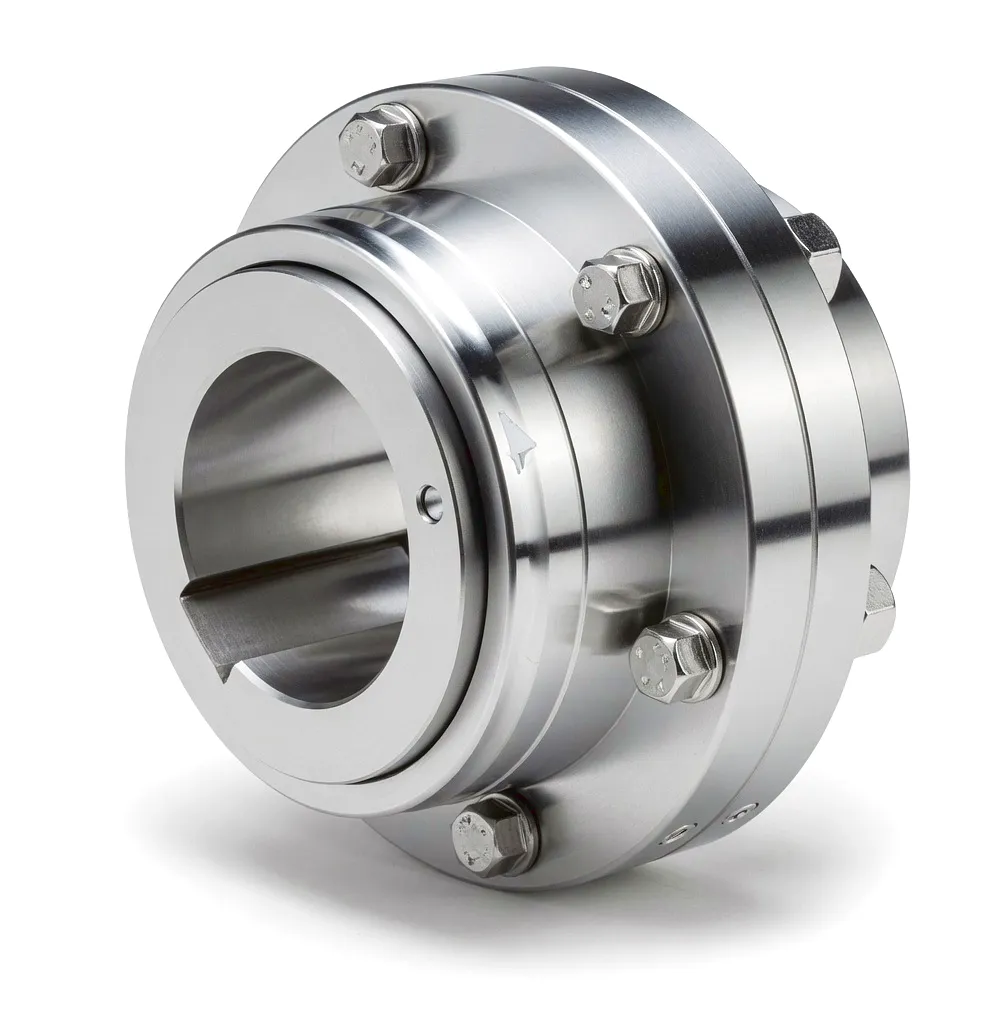
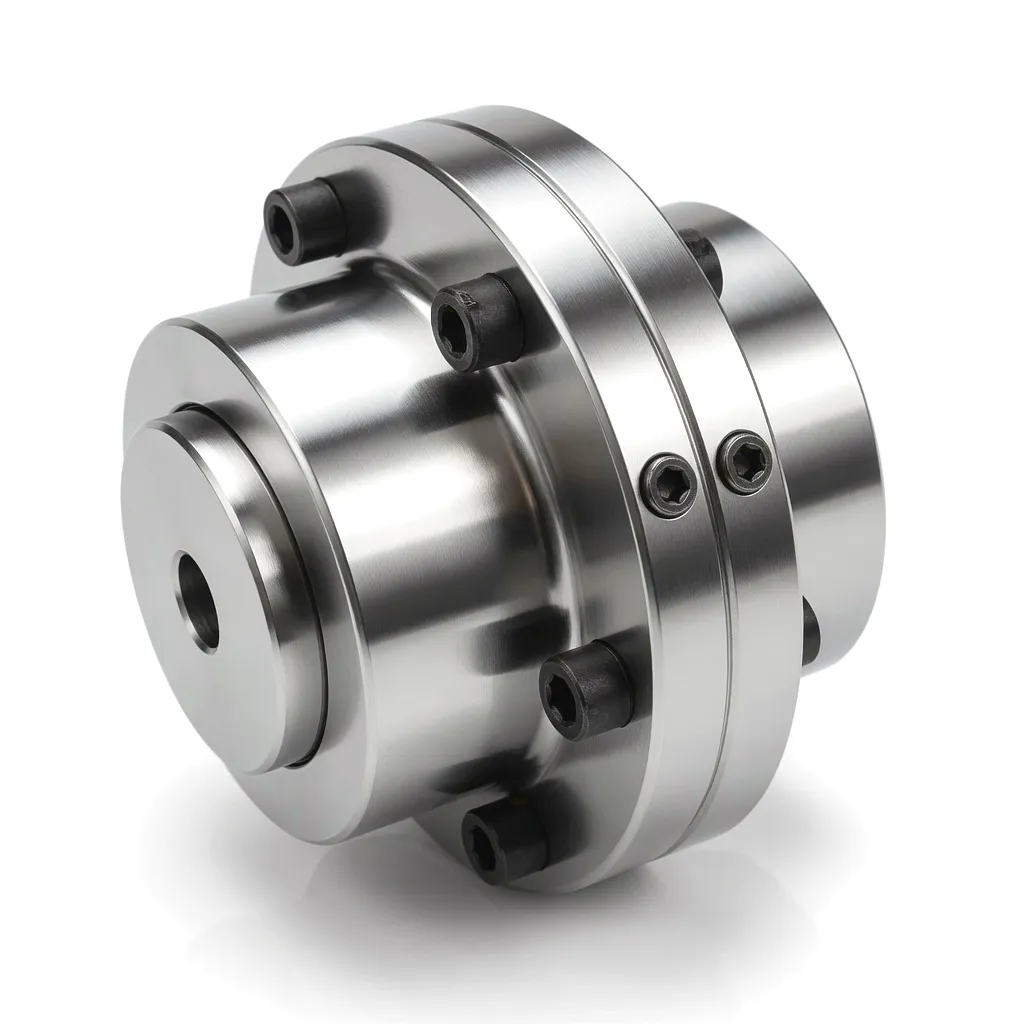
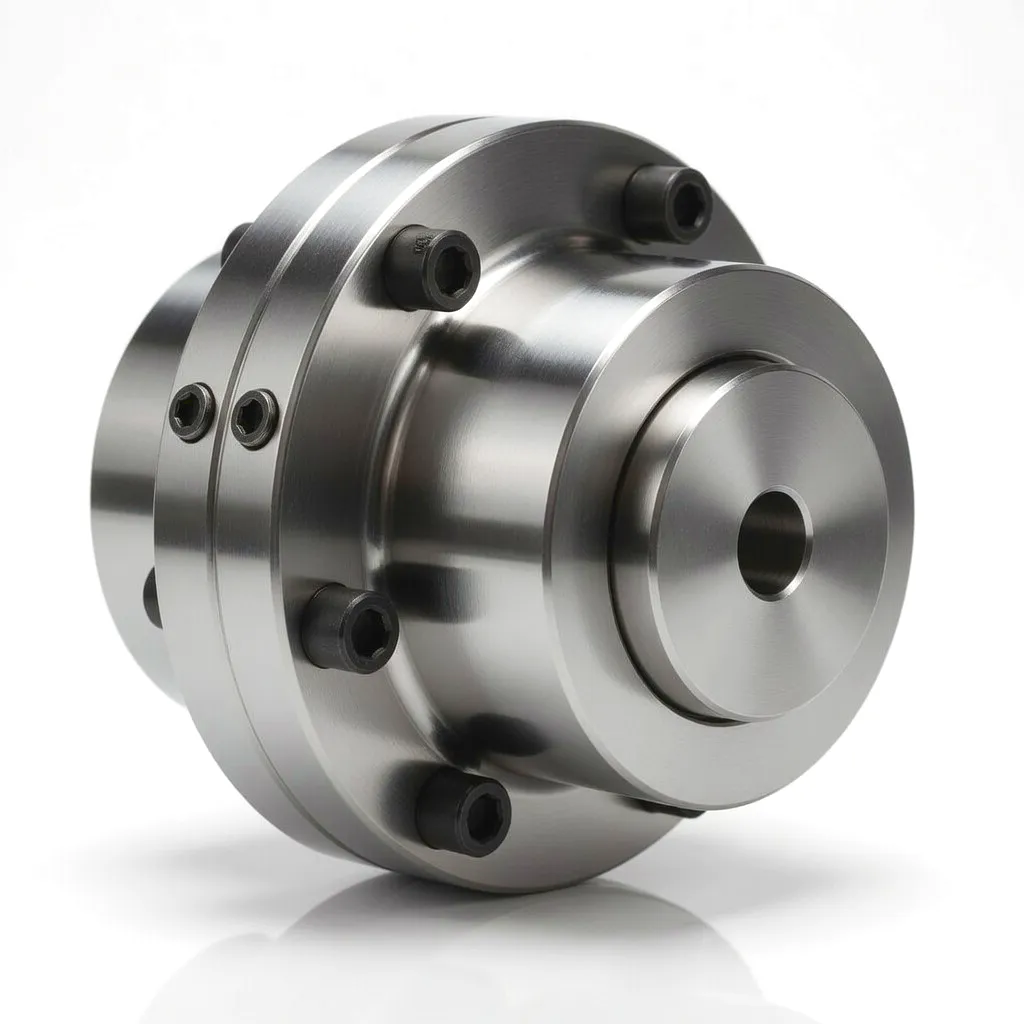 A gear type coupling transmits torque through the meshing engagement of external gear teeth on a hub with internal gear teeth cut into a surrounding sleeve. The hub, which is keyed or interference-fitted to a shaft, carries a crown gear profile — teeth that are slightly convex in the axial direction rather than perfectly straight. This crowned tooth geometry is the crucial feature that distinguishes a gear coupling from a simple splined connection: when the coupling accommodates angular misalignment, the crowned teeth allow relative rocking motion between hub and sleeve without creating destructive edge-loading stress concentrations. The load distributes across the full contact length of multiple teeth simultaneously, producing an exceptionally high torque density for the component’s physical size.
Core Materials: What Gear Couplings Are Made From
Medium-carbon alloy steels such as 42CrMo4 and 34CrNiMo6 are the workhorses of gear coupling manufacture. After rough machining, gear tooth cutting, and heat treatment — typically carburising and case-hardening for hubs, through-hardening for sleeves — these materials achieve surface hardness values of 58–62 HRC at the tooth flanks while retaining a tough, impact-resistant core. This combination of surface wear resistance and core toughness is what allows gear couplings to sustain the shock loads and torque reversals encountered during paper machine start-up sequences or emergency stops without suffering brittle fracture. The tight grain structure produced during controlled heat treatment also provides excellent fatigue resistance at the tooth root, where alternating bending stresses are highest during torque transmission cycles spanning millions of revolutions.
For paper machine positions directly exposed to process water, white water recirculation spray, or steam condensate — particularly common on wet-end press sections and dandy roll drives — stainless steel variants using 316L or duplex grades offer the corrosion immunity that standard alloy steel cannot provide even with protective coatings. The inherent passive oxide layer of austenitic stainless eliminates the risk of pitting corrosion initiating fatigue cracks at the hub bore or external tooth surfaces, which is a recognised failure mode for carbon steel couplings in paper mill wet-end environments. While stainless grades are somewhat lower in achievable surface hardness compared to carburised alloy steel, careful tooth geometry design and premium lubricant selection fully compensate in the torque and speed ranges typical of wet-end drives.
Certain intermediate-speed paper machine positions benefit from gear coupling designs incorporating glass-reinforced nylon spacer elements or flexible polymer seals. These materials reduce the overall system inertia — an important consideration for drives requiring rapid speed adjustment during grade changes — and provide a degree of vibration isolation that attenuates resonant excitation transmitted between adjacent machine sections. The nylon spacer tube used in some high-speed drying cylinder drive couplings must meet exacting standards for dimensional stability under elevated temperature and humidity, since drying section ambient conditions routinely exceed 60°C with near-saturation humidity. Modern engineering polymers compounded specifically for this service have proven reliable over extended intervals in operating UK paper mills.
Core Technical Advantages of Gear Type Couplings
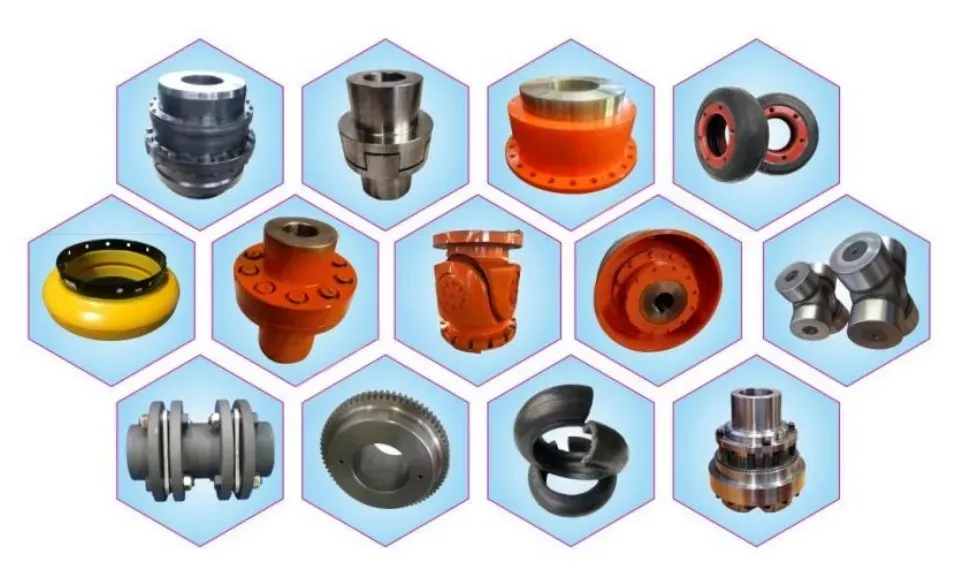
The multi-tooth engagement geometry of a gear coupling distributes transmitted load across numerous contact surfaces simultaneously, achieving rated torque capacities of 3,000 to 2,000,000 N·m within compact outer diameters. For a given bore and outer diameter, a gear coupling can transmit two to four times the rated torque of an elastomeric jaw coupling, making it the only practical option for high-output main section drives on wide paper machines with multi-megawatt motor installations.
Paper machine frames deflect measurably under load, and roll bearing housings shift position as the machine heats up from ambient to operating temperature over start-up periods lasting 30–90 minutes. Gear couplings with crowned tooth profiles accommodate angular misalignment of up to 1.5° per mesh and axial displacement of several millimetres continuously, without generating the destructive radial bearing loads that would result from rigid couplings bridging the same misalignment. This inherent tolerance for shaft position changes is indispensable across long machine trains where precise geometric alignment throughout all operating conditions is physically impossible to maintain.
At drive speeds of 1,000–3,000 RPM, residual imbalance in a rotating coupling generates centrifugal forces that scale with the square of rotational speed. Precision-machined gear couplings for high-speed paper machine applications are dynamically balanced to ISO 1940 Grade G2.5 or better as standard, and can be supplied balanced to G1.0 for the most demanding positions. This rigorous dynamic balancing eliminates the periodic forcing functions that would otherwise excite resonant vibration in roll shafts and bearing systems, directly reducing structural fatigue damage and the incidence of premature bearing failure — both significant maintenance cost drivers in UK paper mill operations.
Gear couplings are designed for in-situ maintenance without disturbing the connected machinery. Extended grease nipples, split sleeve designs, and axially removable spacer configurations allow coupling inspection and relubrication during planned maintenance windows without the need to shift motors or remove roll bearings. For UK paper mills operating on tight production schedules where any unplanned downtime carries significant financial consequences — frequently calculated in thousands of pounds per hour of lost production — this maintainability advantage directly supports operational profitability by enabling rapid coupling service within normal maintenance windows.
Technical Performance Parameters Table
Industrial Application Scenarios: Gear Couplings in Paper Machine Drives
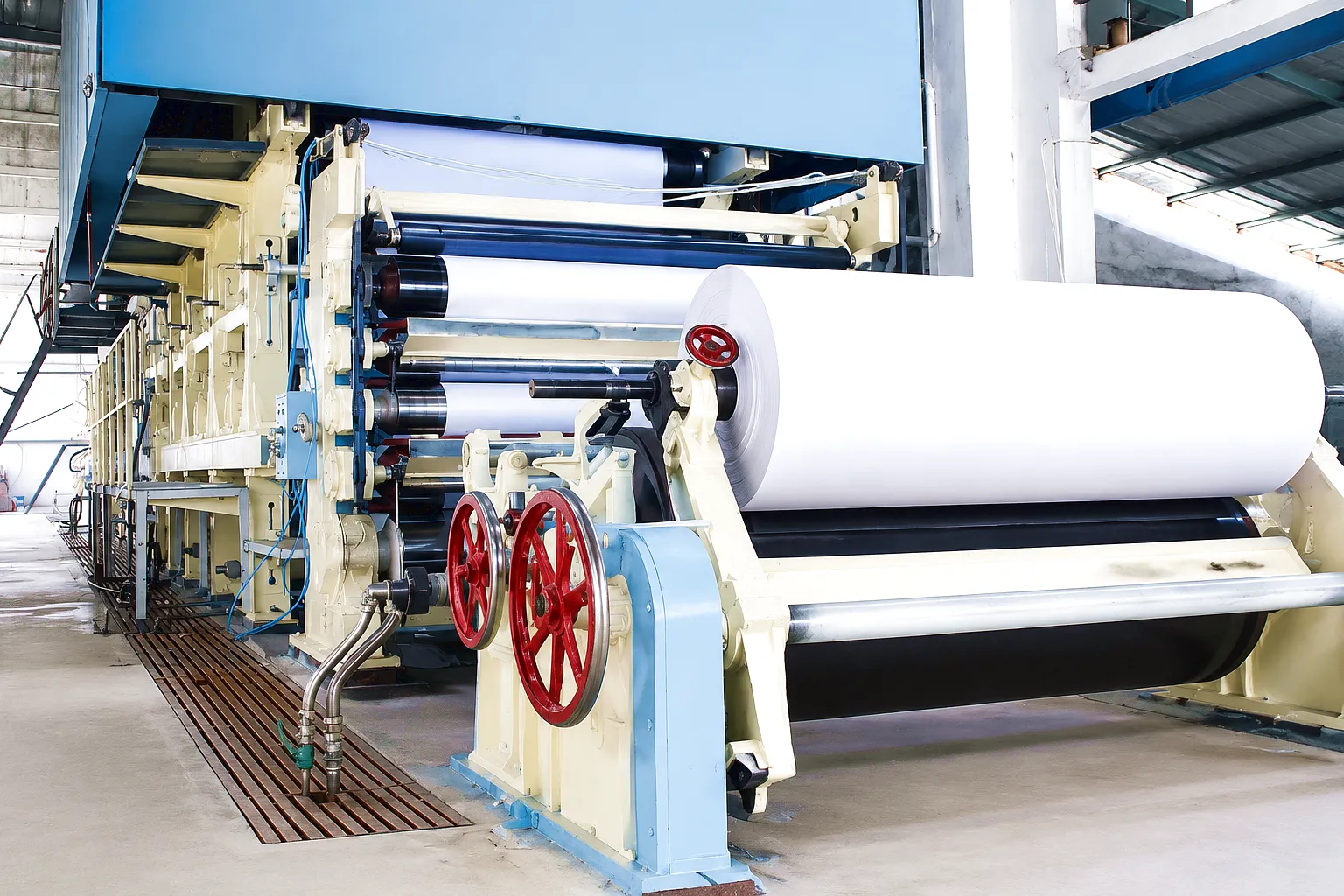
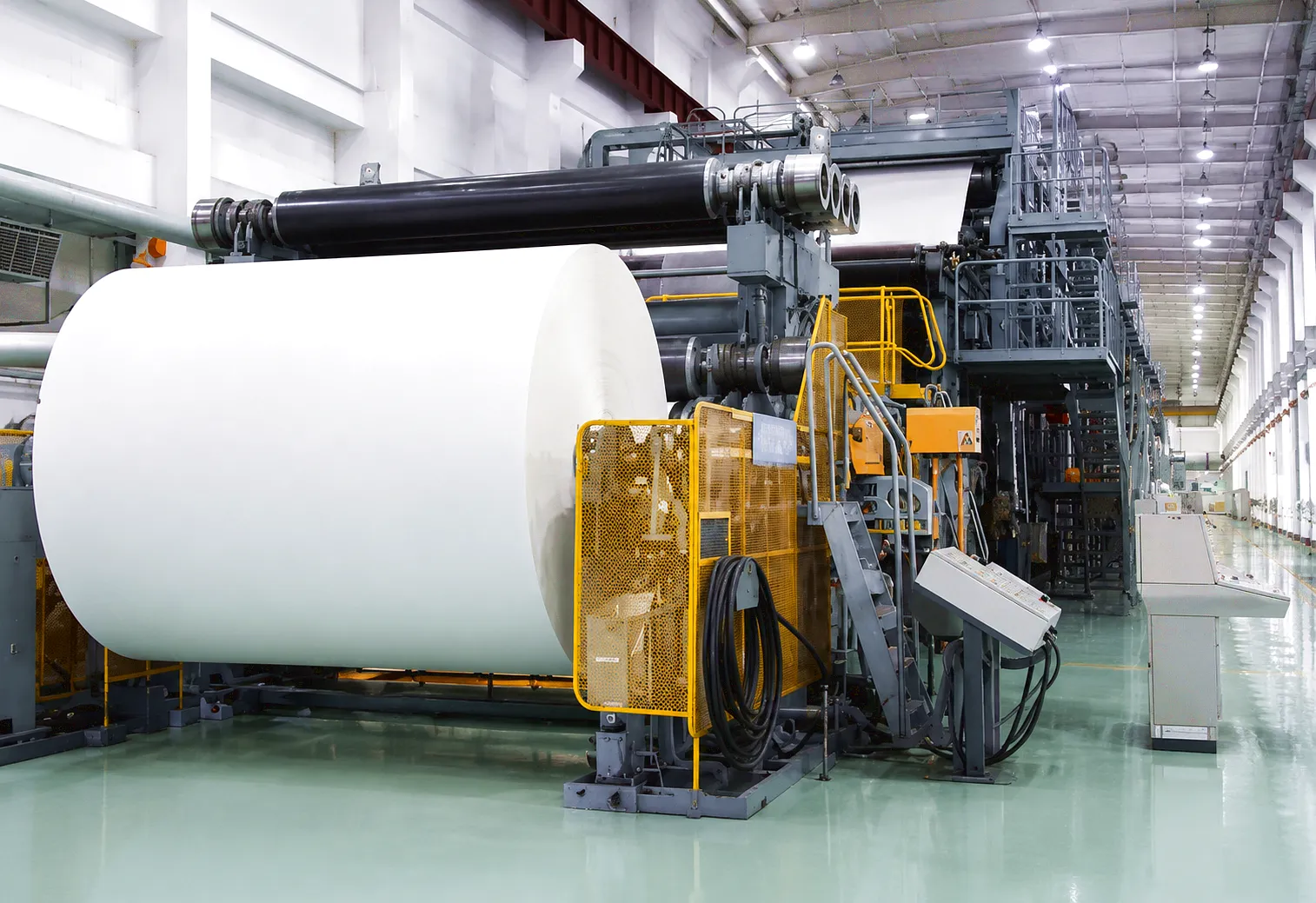
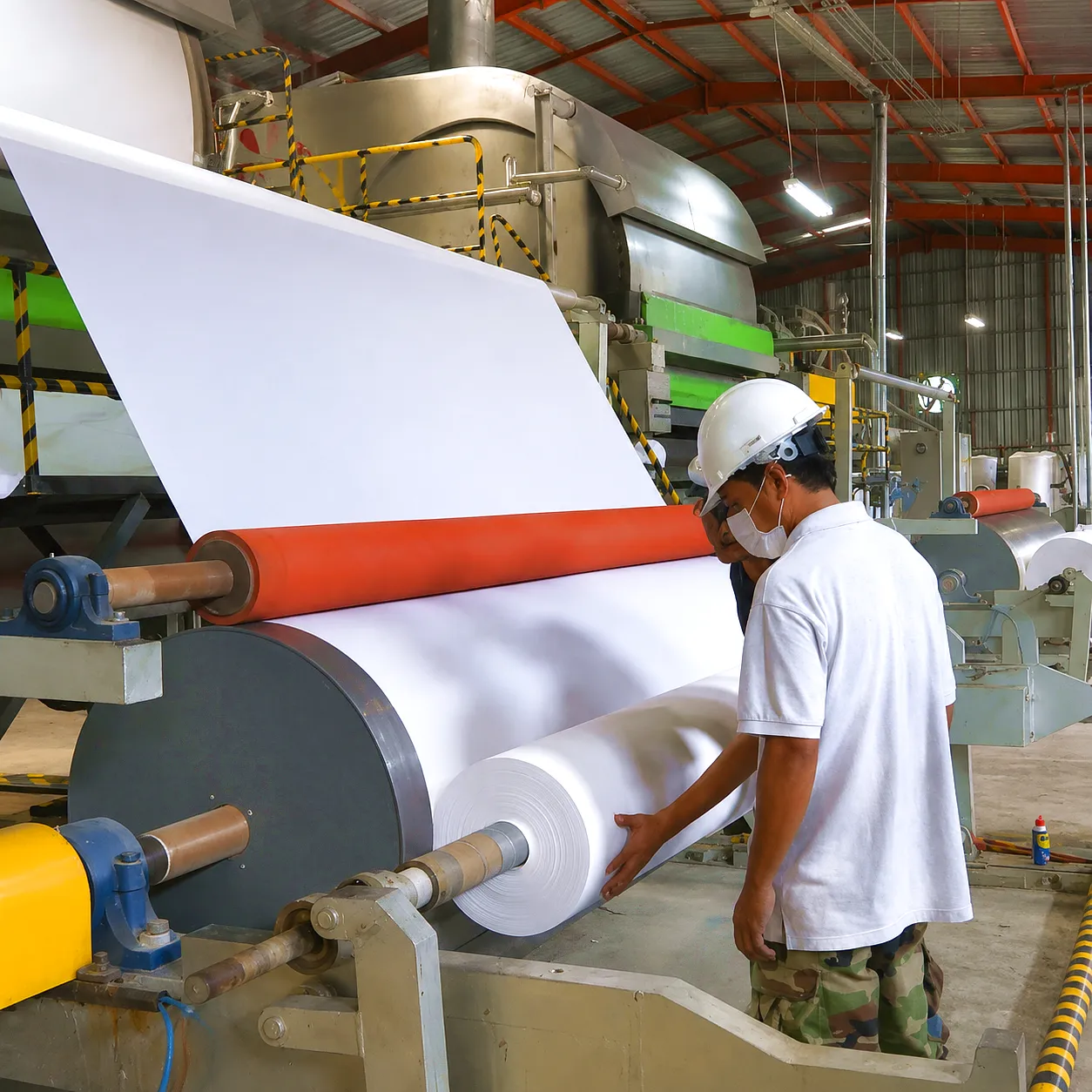
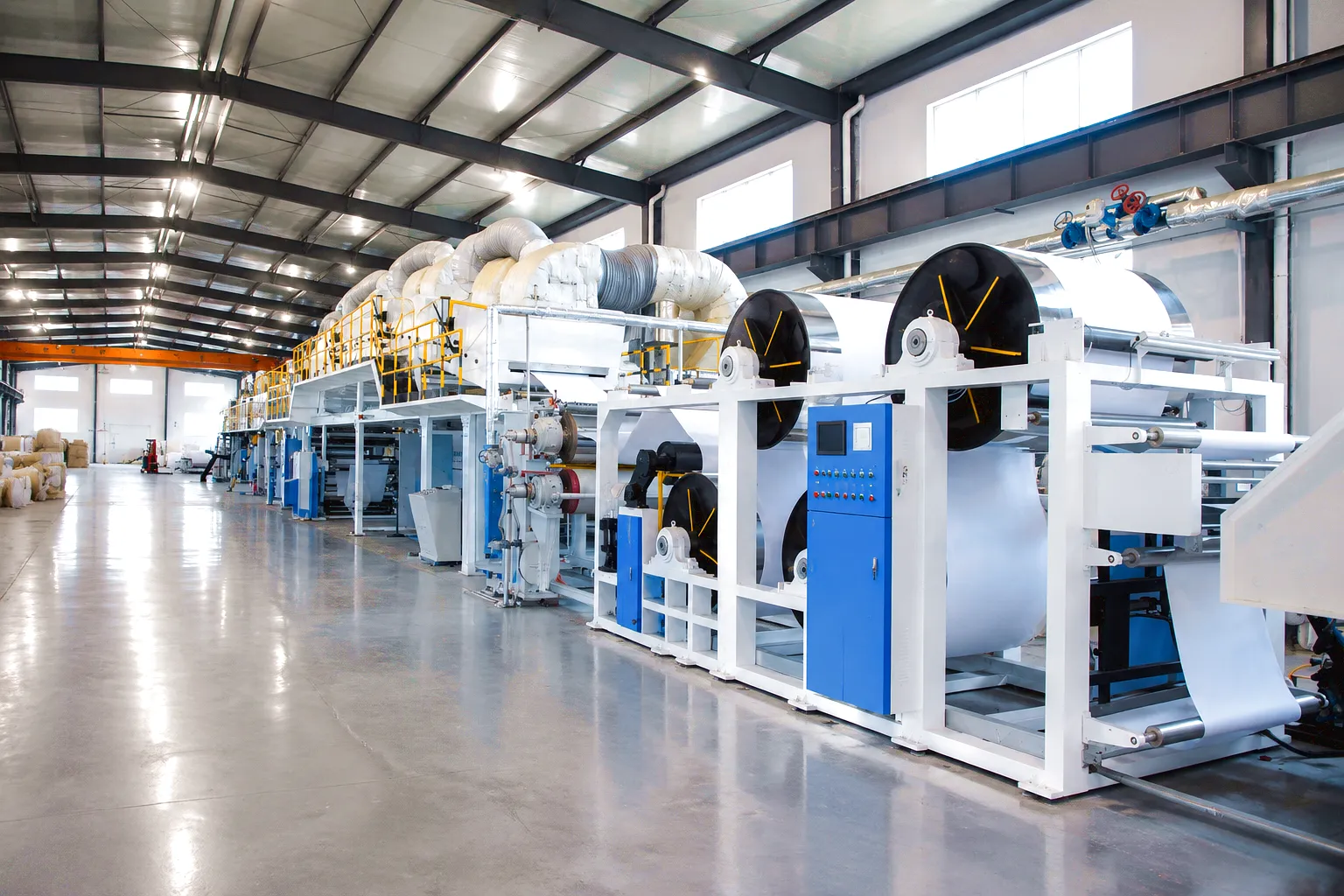
The following application sections detail the specific demands that each region of a paper machine places on its coupling systems, and explain how gear coupling selection and specification responds to those demands.
Ever Power: Manufacturing Capability & Customisation
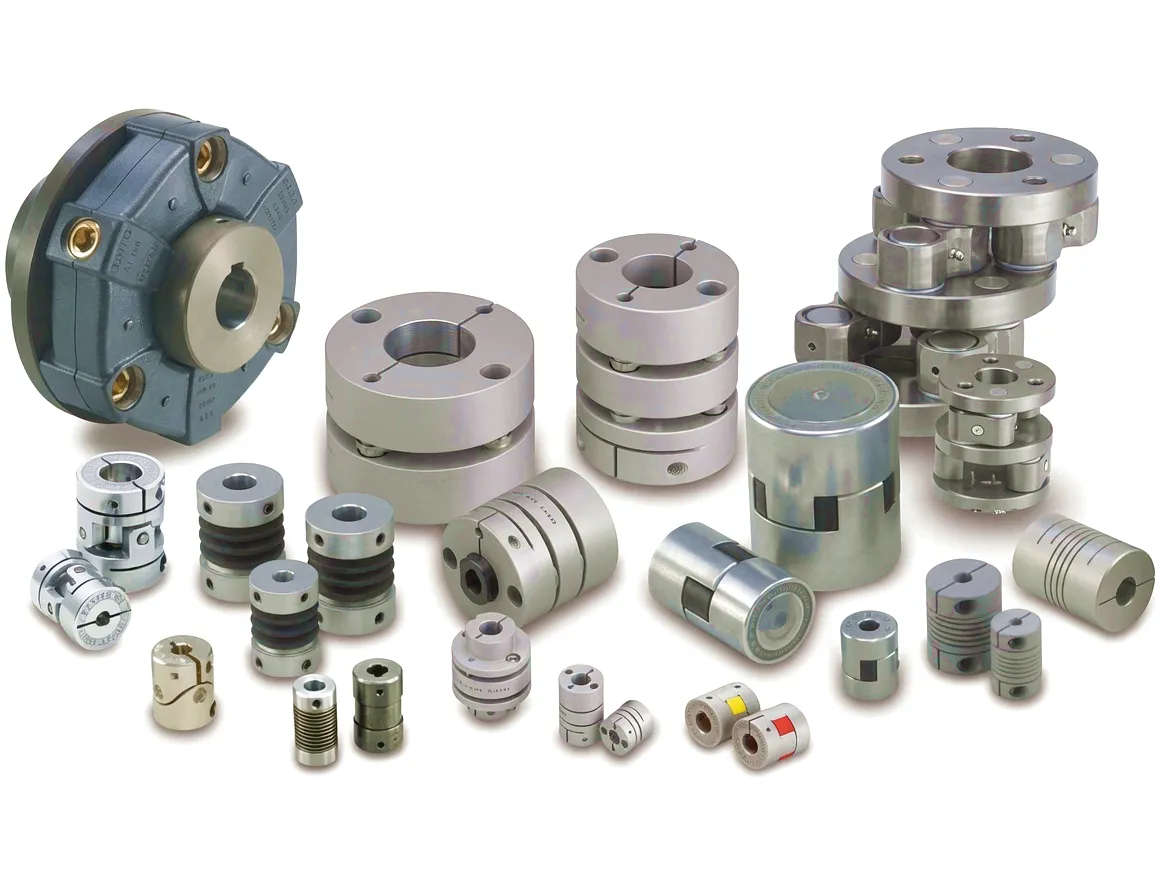
Precision-manufactured gear type couplings engineered to the requirements of paper machine drives and other demanding industrial applications.
Customer Success Story: Shotton Paper Mill, North Wales
Newsprint Production — Drying Section Drive Overhaul
 A newsprint production facility in North Wales operating three high-speed paper machines at web speeds between 1,600 and 1,900 metres per minute was experiencing persistent unplanned stoppages on the drying section of Machine No. 2. Investigation revealed that the legacy elastomeric block couplings originally specified for the drying cylinder drives were degrading within 14–18 months of service under the combination of elevated ambient temperature, humidity, and the shock loading generated by periodic sheet breaks propagating through the drying group. Annual coupling replacement costs, combined with the value of lost production during each unplanned stoppage, were exceeding £180,000 per year on that machine alone — a figure that captured senior management attention and prompted a comprehensive engineering review.
Ever Power’s UK application team engaged with the mill’s maintenance engineering department over a six-week specification process, conducting a full torque and speed survey across all 48 drying cylinder drive positions, measuring actual shaft misalignment values using laser alignment equipment, and recording temperature and humidity profiles within the drying hood over a two-week continuous logging period. The resulting specification called for a bespoke 42CrMo4 gear coupling design with a 12 mm axial travel envelope, IP55-rated grease retention seals, and dynamic balance to ISO G1.0 — a specification not achievable from any standard catalogue range available through UK distributors at the time.
Ever Power manufactured the complete set of 48 coupling pairs within a six-week production run, delivering staged to match the mill’s planned annual shutdown sequence. The first couplings entered service in Month 1; by Month 18 — the point at which the previous product had typically required replacement — zero coupling-related stoppages had been recorded on the retrofitted positions. The 36-month review confirmed full continued operation across all retrofitted positions with no indication of wear progression, representing a calculated saving of over £520,000 against the baseline failure cost profile and a return on the växelkoppling investment within the first 11 months of operation.
Vad våra kunder säger
“The Ever Power gear couplings on our drying section have now been running for nearly three years without a single coupling-related stoppage. The fit and finish quality was immediately apparent when we installed the first batch — the dimensional consistency between pairs was exceptional, which made the alignment checks during installation far faster than we had anticipated. The engineering support throughout the specification process was thorough and genuinely added value.”
“We specified custom stainless sleeve variants for our wet-end press section after repeated corrosion failures on carbon steel units. Ever Power turned around full dimensional drawings for review within four days of receiving our enquiry — faster than any other supplier we approached — and the final product matched the drawings exactly. The stainless couplings are now at 26 months of continuous operation with no grease contamination or corrosion visible at the last inspection.”
“For our calendar section upgrade project, Ever Power produced a bespoke double-engagement gear coupling with hydraulic assembly bores and a flanged spacer configuration that allowed us to achieve the necessary separation between the calendar stack and the drive gearbox output. The dynamic balance certification to G1.0 was delivered with the hardware, and the calendar rolls have run vibration-free since commissioning — a significant improvement over the previous specification that had required corrective balancing within the first six months of operation.”
Vanliga frågor
Ready to Specify Your Gear Coupling Solution?
Send your application data to Ever Power’s engineering team and receive a fully specified, priced coupling design within 48 hours.