 Paper machines rank among the most mechanically demanding long-train equipment in British manufacturing. Spanning dozens to over one hundred metres in operational length, a modern paper machine integrates forming sections, press sections, drying cylinders, calender stacks, and reeling systems — each driven by an independent power train that must synchronise with extreme precision. The gear type coupling sits at the heart of every one of these transmission points, quietly bearing the torque, misalignment, and environmental abuse that would destroy a less capable component within weeks.
In facilities from Scotland’s pulp-and-paper corridor to mills still operating in rural Wales and the English Midlands, plant engineers have for decades specified gear couplings precisely because they combine high torque density with tolerance for angular and parallel misalignment — a combination no other coupling technology matches at comparable cost. Understanding the engineering behind that performance is the first step toward selecting the right unit, specifying the correct lubrication regime, and building a maintenance schedule that keeps the machine running through planned stops rather than costly unplanned shutdowns.
How a Gear Type Coupling Transmits Power Through a Paper Machine
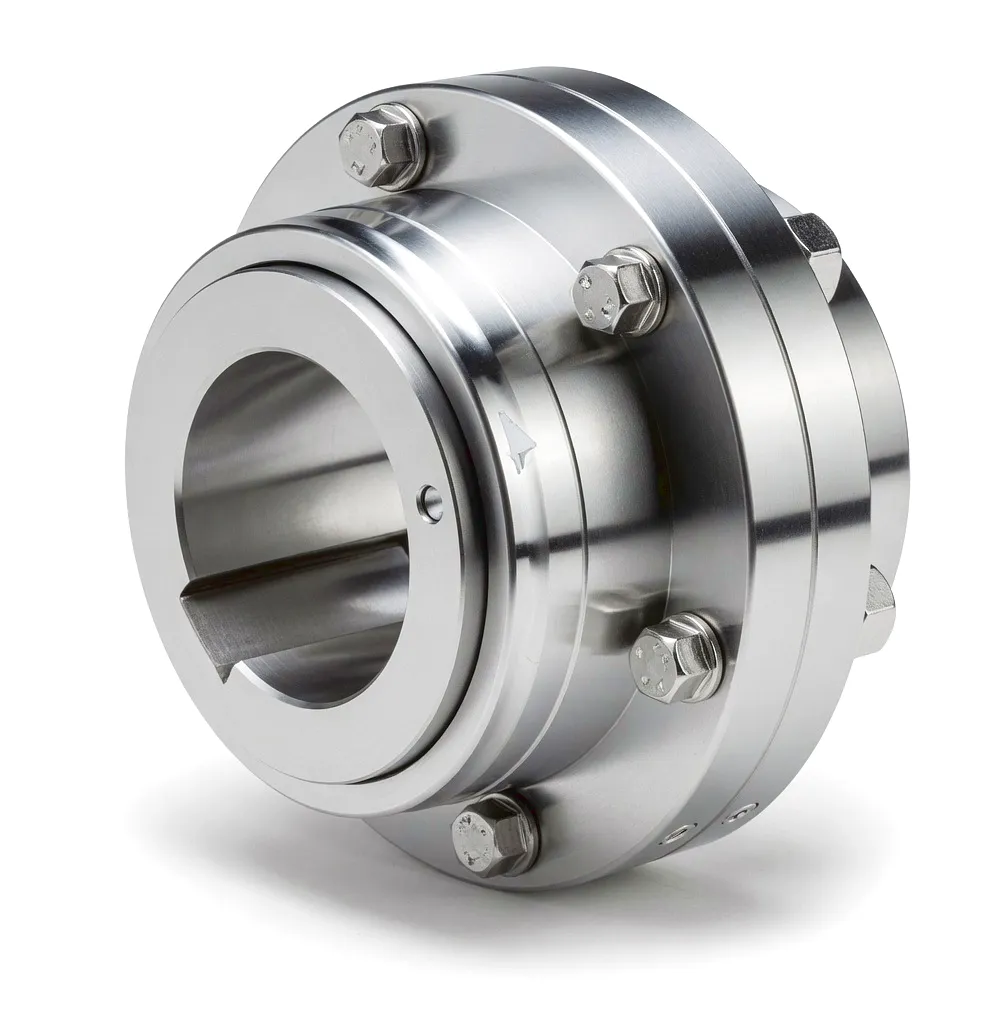
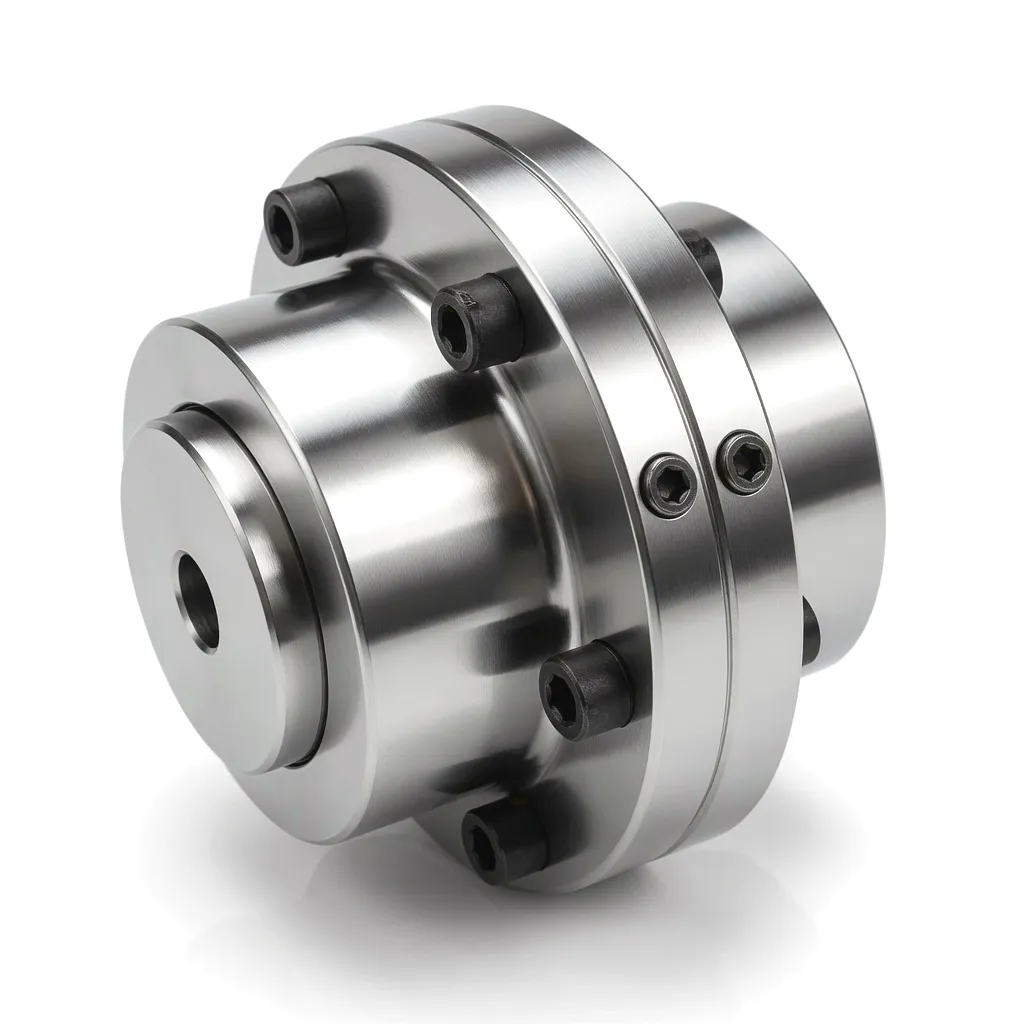
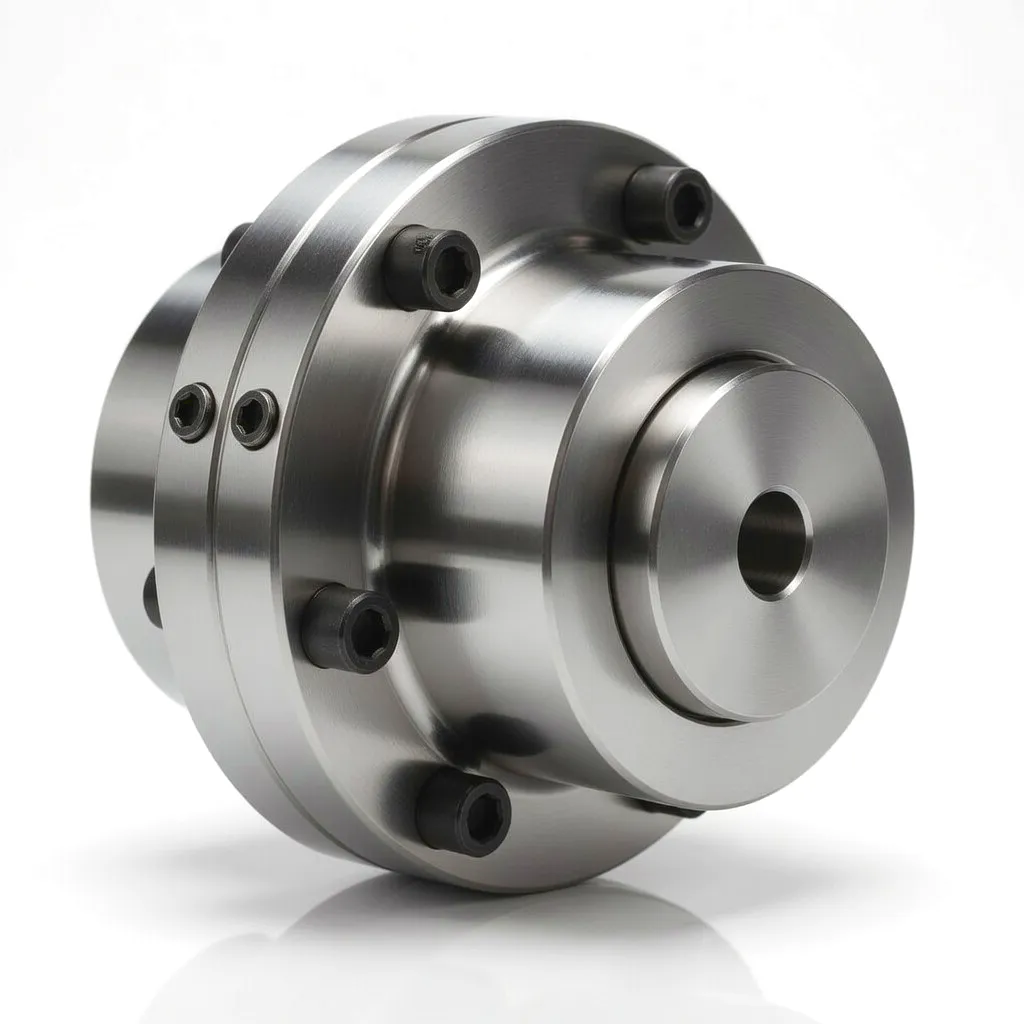 A gear type coupling consists of two hubs, each carrying external involute teeth, and an outer sleeve — or a pair of flanged half-sleeves — carrying matching internal teeth. Torque passes from the driving shaft through the hub teeth, across the gear mesh, and into the sleeve, then back through the opposing hub mesh and into the driven shaft. The involute tooth profile distributes load across the full tooth face width rather than concentrating stress at a single contact line, giving the gear coupling its characteristic torque-per-unit-diameter superiority over jaw, disc, or diaphragm designs.
What makes this mechanism particularly suited to paper machine drive trains is the tooth geometry’s capacity for misalignment accommodation. When angular misalignment exists between the drive shaft centreline and the driven shaft centreline — as inevitably occurs in a long machine subjected to thermal expansion, foundation settlement, and dynamic loading — the crowned tooth flanks of a well-designed gear coupling rock within the sleeve bore. Contact shifts across the tooth face but never leaves the mesh, so power transmission continues without the bending stress penalties that destroy rigid couplings or the fatigue accumulation that limits elastomeric designs at sustained high speed.
Parallel offset is accommodated through a similar rocking motion, though at greater tooth face loading; this is why multi-span drive systems — like the 80-metre drying section of a large tissue machine — rely on two single-engagement gear couplings in series, sometimes called a floating shaft arrangement, to absorb both angular and lateral offset across a long unsupported span. The gear coupling’s cylindrical profile also makes it straightforward to balance dynamically, a non-negotiable requirement on paper machines operating at surface speeds above 2 000 m/min.
Core Materials: Engineered for Paper Mill Environments
Маточини з легованої сталі (42CrMo4 / EN19T)
The driven and driving hubs are precision-forged from chromium-molybdenum alloy steel, heat-treated to Rc 28–34. This grade delivers tensile strength exceeding 900 MPa while maintaining adequate toughness to resist impact loads from the paper web breaking or roll changing. British mill engineers familiar with EN 10083 specifications recognise this as a well-established workhorse material with predictable fatigue behaviour across temperature cycles common to drying sections.
Outer Sleeve: Carbon Steel + Nickel Phosphorus Coating
The outer sleeve, which houses the internal gear teeth, is machined from medium-carbon steel and finished with an electroless nickel-phosphorus (ENP) coating 25–50 microns thick. In the steam-saturated atmosphere of a press section or wet end, bare carbon steel surfaces would corrode within months, and corrosion on gear teeth creates micro-pitting that accelerates wear fatally. The ENP coating provides a hardness of approximately 70 HRC after heat treatment, dramatically extending service life in humid paper mill environments without the dimensional risk of thicker thermal spray coatings.
Stainless Steel Hardware & Sealing Elements
Flange bolts, lockwire holes, and sealing lip-ring retainers are manufactured from A4-grade (316) stainless steel throughout. The lip seals are moulded from fluoro-elastomer (FKM), chosen over nitrile for its resistance to the synthetic paper machine lubricants — high-viscosity EP gear oils and lithium-complex greases — that operate at elevated temperatures in drying cylinder drive arrangements. Every sealing decision is made with the understanding that lubricant retention is directly linked to coupling service life and replacement interval.
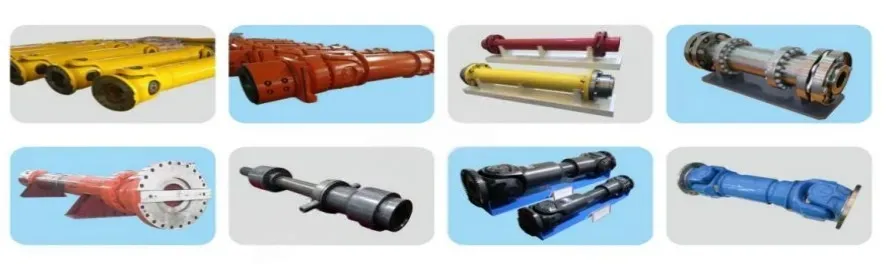
Product Range
Technical Advantages That Matter in Paper Machine Applications
Висока щільність крутного моменту
Gear type couplings transmit substantially more torque per kilogram of coupling mass than disc, jaw, or elastomeric designs. In a paper machine drying section where each cylinder may absorb 50–400 kW of drive power, this advantage translates directly into smaller coupling envelopes, reduced overhung load on drive shafts, and lower bearing reaction forces.
Допуск несуміщення
Angular misalignment capacity of 1.5° per mesh — and up to 3° in a floating-shaft double-engagement configuration — makes gear couplings the natural choice wherever thermal expansion shifts shaft centrelines during warming-up. A tissue machine dryer section running at 150°C surface temperature expands significantly over a cold alignment datum; gear couplings accommodate that shift silently.
Крутіння жорсткість
Unlike elastomeric designs, gear couplings are essentially torsionally rigid, meaning speed ratio between adjacent drive sections remains precise. On a multi-section paper machine where tension profiles in the wet web must be controlled within ±0.5% to prevent sheet breaks, this rigidity is not a luxury — it is a fundamental process requirement that directly affects machine efficiency and paper grade yield.
Збільшений термін служби
With correct lubrication and periodic inspection, a well-specified gear coupling in paper machine service can operate for 5–10 years between scheduled overhauls. This longevity dramatically reduces the total cost of ownership when viewed across a machine running 8 400 hours per year, as is typical in UK integrated mills where every hour of unplanned downtime can cost £25 000 or more in lost production.
Product Technical & Performance Parameter Table
| Параметр | Specification / Range | Notes |
|---|---|---|
| Номінальний крутний момент | 100 N·m – 1 200 000 N·m | Covers wet end rolls to main dryer groups |
| Піковий крутний момент перевантаження | Up to 3 × rated torque (momentary) | Web break / roll-change shock loads |
| Кутове зміщення | Up to 1.5° per mesh (standard); 3° (double-engagement) | Accommodates thermal expansion |
| Паралельне зміщення | 0.25 mm – 5 mm (depending on size) | Floating shaft configurations increase capacity |
| Максимальна робоча швидкість | Up to 5 000 RPM (dynamically balanced) | G6.3 balance grade standard; G2.5 on request |
| Матеріал маточини | 42CrMo4 / 40Cr alloy steel (heat treated) | HRC 28–34; optional stainless or ductile iron |
| Матеріал рукава | 45# carbon steel + ENP coating (25–50 µm) | Corrosion resistant; humidity & steam environments |
| Tooth Module Range | m = 2 – 10 | Custom modules available per order |
| Діапазон діаметрів | 25 mm – 600 mm | Straight, taper, or spline bore options |
| Робоча температура | від -30°C до +200°C | FKM seals required above 120°C |
| Змащення | EP grease (NLGI 2) or splash/circulating oil | Re-greasing interval: 3 000–6 000 hrs |
| Safety Factor | ≥ 1.5 on rated torque (standard design) | Higher factors available for critical drives |
Сценарії промислового застосування
Where gear type couplings deliver measurable value across UK paper manufacturing
Application Scenario 1 — Forming Section Roll Drives in High-Speed Paper Machines
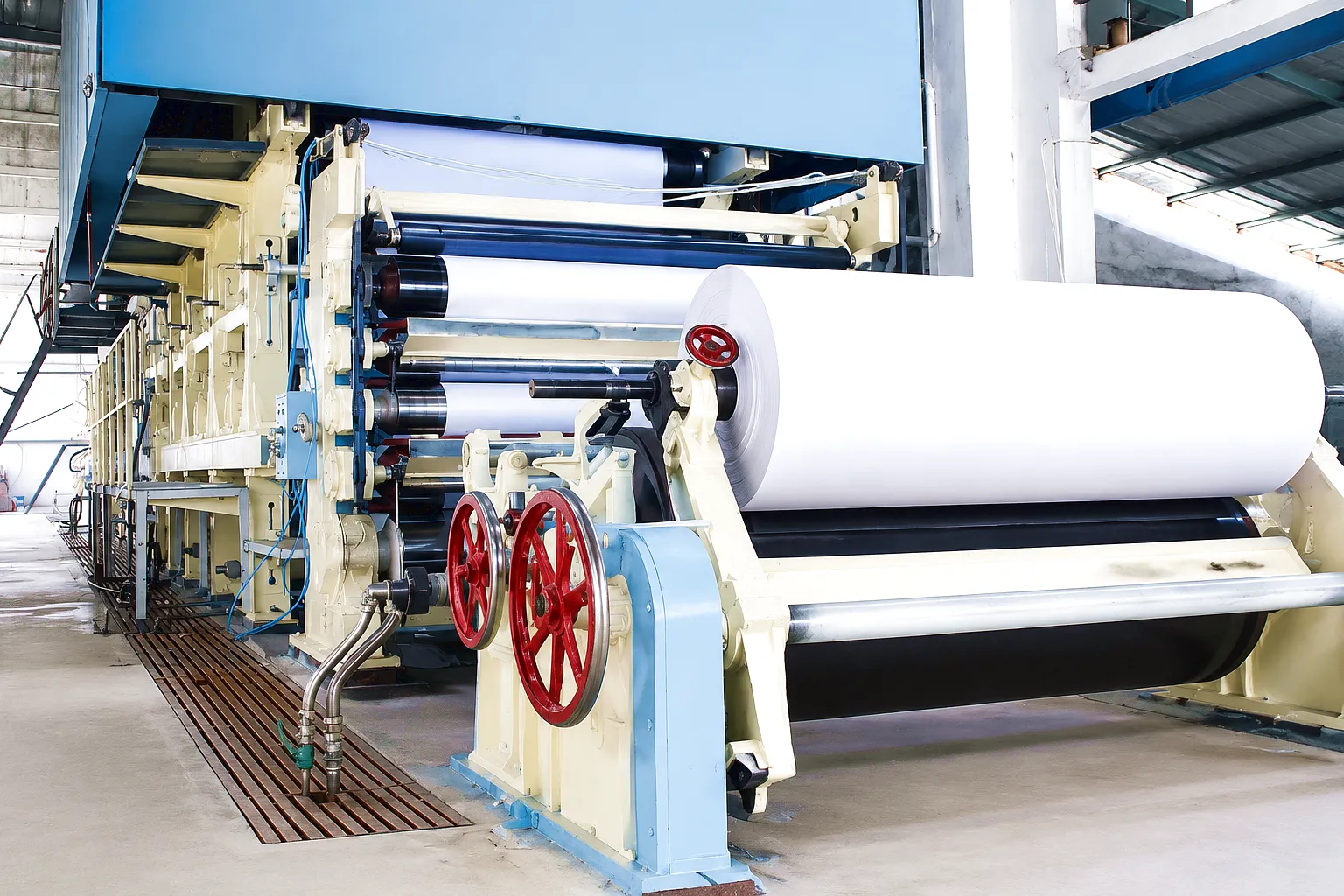
The forming section of a modern fourdrinier or twin-wire paper machine is where a dilute fibre suspension — sometimes less than 1% dry fibre — is deposited onto a moving wire mesh and partially dewatered. Forming rolls, suction rolls, and breast rolls all operate at precisely matched speeds; any variation in rotational speed between adjacent elements produces streak defects, basis weight irregularities, or outright sheet breaks that halt production. In mills such as the tissue-focused operations concentrated around Flintshire in North Wales or the packaging board facilities of South Yorkshire, these machines run continuously for weeks between planned stops, and the coupling specification directly determines how reliably that continuity can be maintained.
Gear type couplings in this section must accommodate the misalignment introduced by roll changing and felt run-off adjustments, which shift shaft centrelines by several millimetres over a maintenance cycle. They must do so while transmitting the precise speed ratio commanded by the sectional drive system, typically a DC or vector-controlled AC drive network where individual sections operate at ratios differing by fractions of a percent. The crowned-tooth gear coupling manages both demands simultaneously, and its near-zero torsional compliance ensures the speed controller’s output is faithfully translated to roll surface velocity without the spring-back characteristic of elastomeric designs.
At operating speeds of 1 500–2 200 m/min, dynamic balance becomes critical. Gear type couplings intended for forming section service are balanced to G2.5 or better after assembly, with the sleeve and hub balanced as a matched set rather than as individual components. This eliminates the excitation frequencies that would otherwise propagate through the machine frame and produce periodic basis weight variation detectable in end-product quality audits.
Application Scenario 2 — Press Section Drives Under Extreme Nip Loading
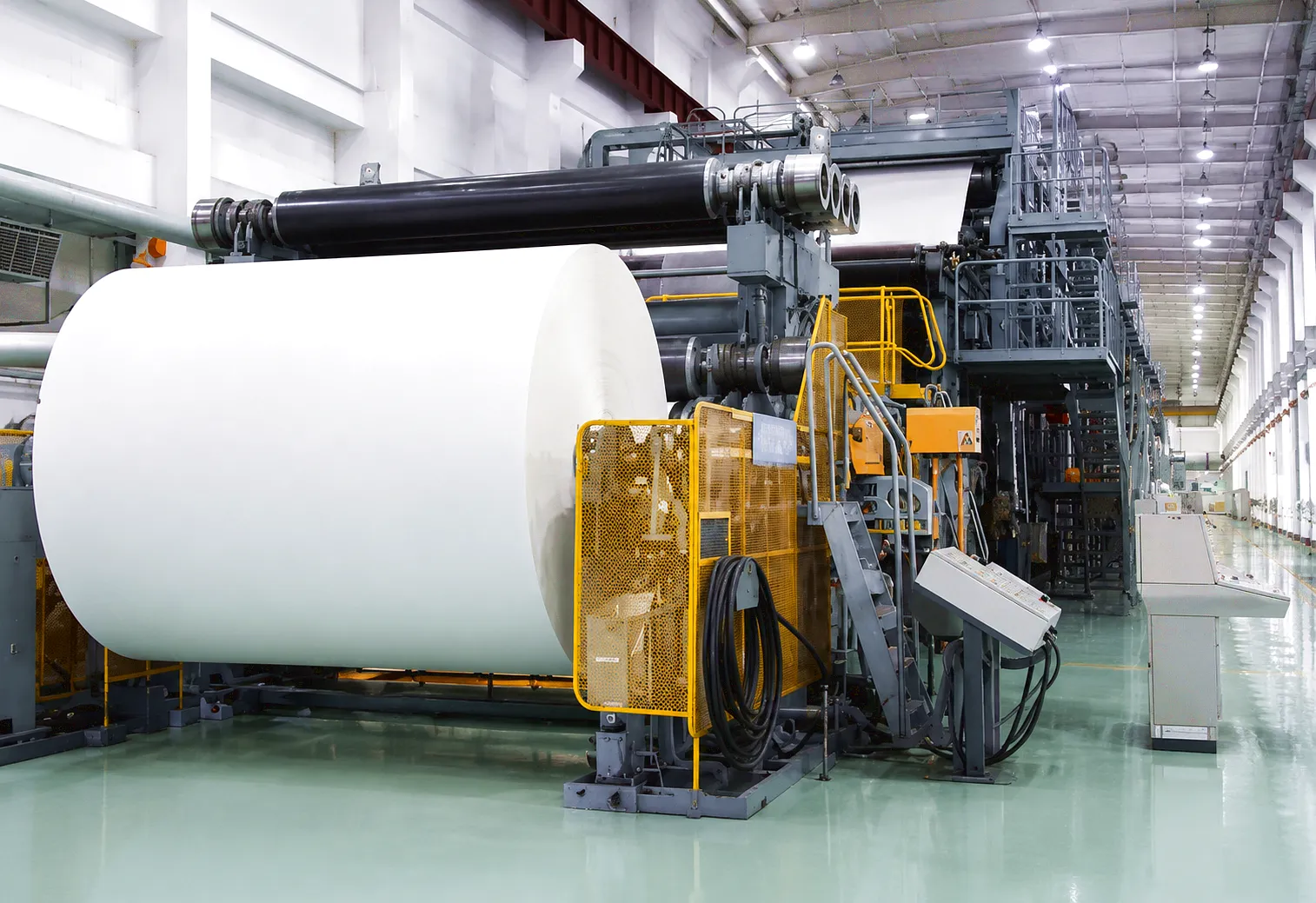
Press rolls apply hydraulic nip loads — often in the range of 100–250 kN per metre of roll width — to mechanically dewater the wet paper web. These nip forces deflect the roll bodies, and compensating designs such as variable-crown and shoe press rolls introduce complex bending mode interactions that can shift shaft end positions by 1–2 mm under full production load. A gear type coupling handling press section duty must therefore accommodate both the static misalignment set during cold alignment and the dynamic offset introduced by nip-load deflection, all while continuously transmitting torques that frequently exceed 200 000 N·m on board-machine roll sets.
The wet-end environment in a press section is genuinely hostile. White water — a mixture of fine fibres, chemicals, and process water — is sprayed, dripped, and thrown onto every surface. Paper machine clothing retention chemicals, biocides, and starch solutions coat couplings unless they are sealed effectively. Modern gear type couplings for press service incorporate labyrinth seals backed by FKM lip seals, creating a two-stage barrier that keeps contaminants out and lubricant in across the 3 000–6 000 hour maintenance intervals typical of integrated UK mills.
High-load compact press designs, including shoe presses now operating in several UK newsprint and tissue facilities, drive the press shoe roll through an articulated drive shaft that introduces large cyclic angular velocity variations. The gear coupling’s ability to transmit through sustained angular misalignment without generating significant cyclic torque variation is what makes it preferable to universal joints in these applications — universal joints at angles above 3° produce a twice-per-revolution torque ripple that excites paper machine vibration modes and eventually causes felt and wire wear.
Application Scenario 3 — Drying Cylinder Group Drives: Thermal Expansion and Long-Span Transmission
The drying section of a large paper or board machine can occupy 60–90 metres of machine length, with drying cylinders arranged in upper and lower rows, each running at steam temperatures of 140–165°C. Drive gears, intermediate shafts, and drying cylinder journals all experience significant thermal expansion during warming from cold shutdown to production speed — a process that typically takes 4–6 hours on a large machine. The resulting shaft centreline movements are predictable in direction but variable in magnitude depending on ambient temperature, steam pressure, and machine speed ramp rate.
Floating shaft gear coupling assemblies — two gear-tooth hubs connected by an intermediate spindle, each end engaging a sleeve bolted to the driven or driving component — are the standard engineering solution for drying section inter-group coupling where spans exceed 600 mm. These assemblies absorb both angular and parallel offset simultaneously, without the reaction forces that would otherwise be transmitted back through the roll journals into the dryer section bearings. At mills in the Birmingham area serving packaging and corrugated board markets, floating shaft assemblies with spans of 800–1 200 mm are routinely specified for dryer section cross-drive arrangements.
Temperature at the coupling itself rarely reaches the cylinder surface temperature, because the coupling is separated from the steam-heated cylinder by a journal and bearing assembly. However, radiated and conducted heat raises coupling operating temperature to 60–120°C in closed dryer hoods — a range where conventional NLGI 2 lithium greases soften unacceptably. Ever Power specifies high-temperature EP greases with drop points exceeding 280°C for drying section applications, extending re-lubrication intervals to 4 000 hours and eliminating the lubricant blowout failures that previously required costly unplanned stops.
Application Scenario 4 — Calender Stack and Reel Drum Drives: Precision Speed Control at High Line Speed
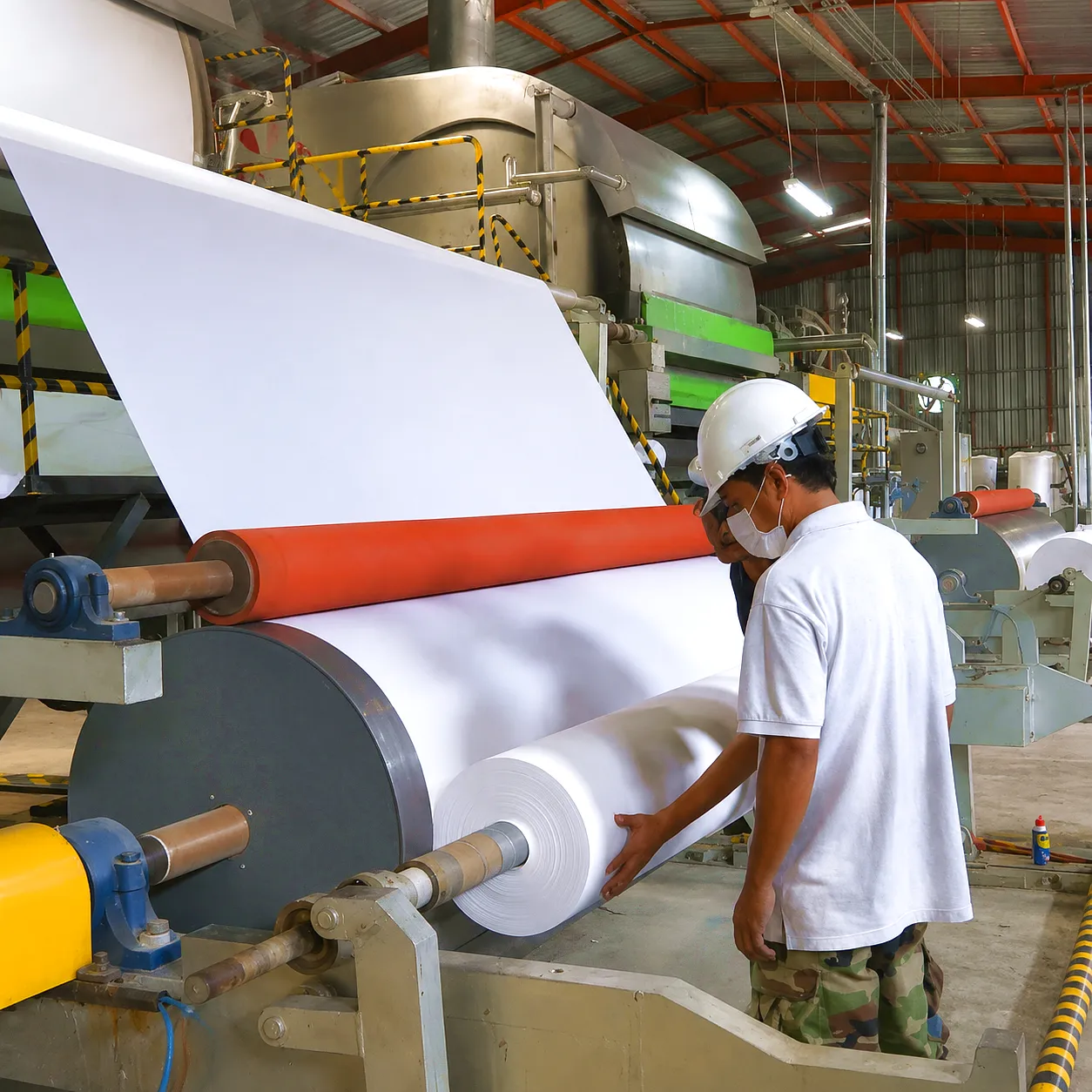
Calender rolls apply controlled pressure to the finished paper surface to achieve target smoothness and gloss values. In a supercalender or soft-nip calender serving coated paper production — a product type significant to mills in the Merseyside and Lancashire corridors — each roll must run at an individually adjusted speed ratio to compensate for nip creep, paper stretch, and roll diameter variation. The gear type coupling’s torsional rigidity ensures that the fine speed adjustments commanded by the sectional drive system are transmitted without the compliance that would smear these precision control signals.
The reel drum at the dry end of the machine winds the completed paper web onto a parent roll that may weigh 50–120 tonnes when full. The reel drum drive must deliver constant surface speed to maintain reel tension as roll diameter grows from core diameter to full-roll diameter — a ratio of 5:1 or more. Drive torque demands fall as diameter increases, but the coupling must accommodate the slight shaft displacement that occurs as the growing roll presses more heavily on the reel drum nip. The gear type coupling’s misalignment capacity handles this without generating the cyclic torque variation that would cause reel tension hunting.
Because the reel area is accessible to operations personnel during normal machine running, safety is a paramount concern. Gear type coupling sleeves specified for reel and calender service incorporate close-fitting outer guards that prevent access to rotating parts without requiring the machine to stop, satisfying the requirements of BS EN ISO 11684 and the guarding provisions of the UK’s Provision and Use of Work Equipment Regulations 1998. This compliance-ready design reduces the project engineering burden for mill safety teams.
Application Scenario 5 — Approach Flow Pump and Fan Pump Drives in Paper Stock Preparation
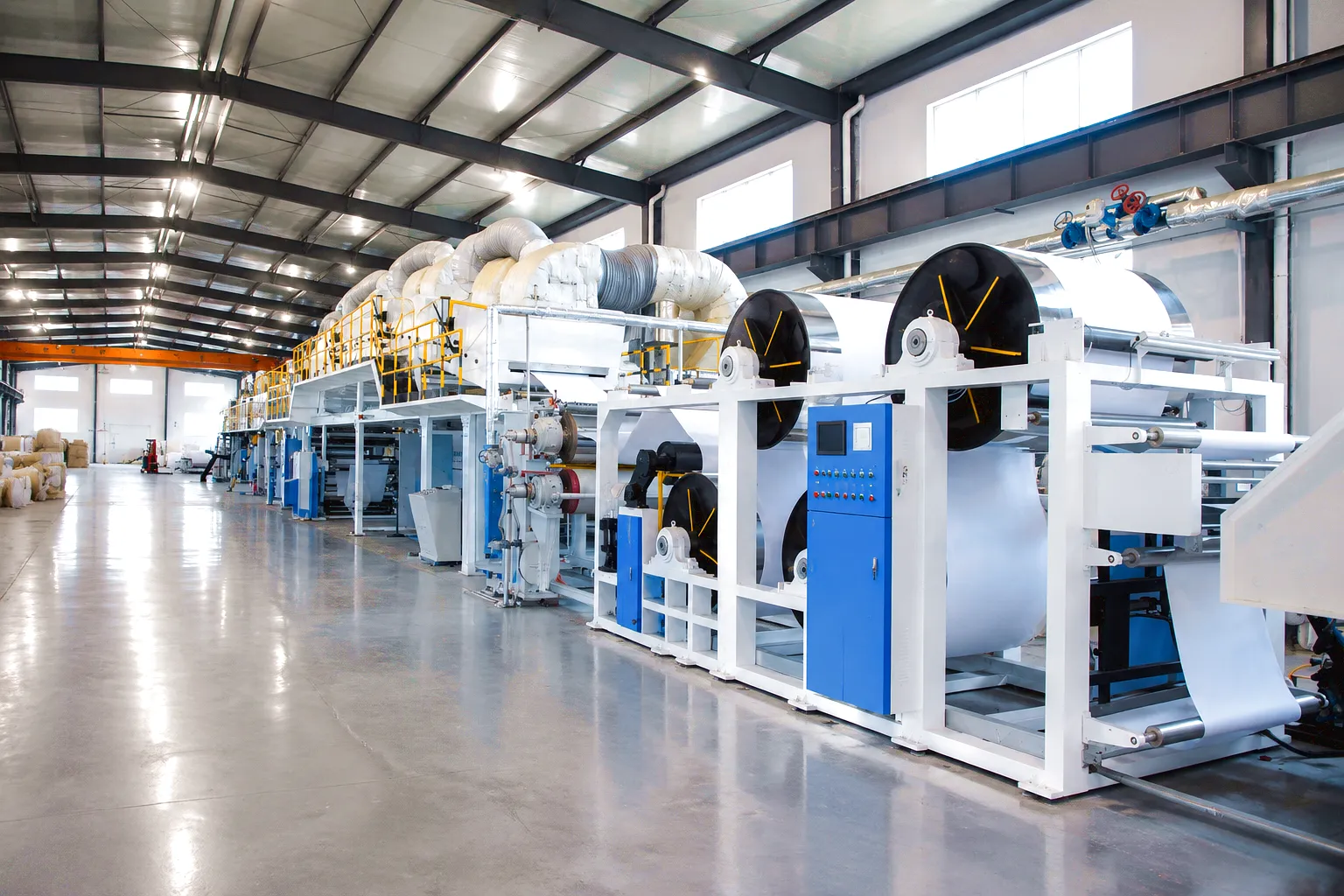
The approach flow system delivers stock at controlled consistency and pressure to the headbox through centrifugal fan pumps whose flow rates can reach 60 000 litres per minute on large newsprint machines. These pumps are coupled directly to high-power motors — commonly in the 1 500–4 000 kW range — and must run without vibration levels that would excite headbox resonances, because headbox pressure pulsations cause cross-direction basis weight variation visible in the finished paper. The gear type coupling between motor and pump shaft absorbs residual misalignment from thermal growth of the pump casing while providing the torsional rigidity needed for clean power transmission.
Paper stock preparation areas in UK mills are classified as humid process areas under local health and safety assessments, requiring equipment with appropriate ingress protection. Gear type couplings for pump service are specified with IP56 equivalent sealing — achieved through the labyrinth-and-lip-seal combination — and with surface treatments appropriate to the dilute acid or alkaline process chemistry present in the stock preparation area. Where kraft pulping chemistry is involved, such as in integrated mills in Scotland operating sulphate pulp lines, the alkali-resistant ENP coating on the coupling sleeve provides an additional margin of protection not available from standard painted or phosphated surfaces.
Gear type couplings in pump service benefit from their inherent ability to accommodate the gradual shaft movement caused by pump impeller wear and re-balancing procedures. When an impeller is replaced and re-balanced during a scheduled maintenance window, the pump centreline may shift by 0.5–1.0 mm relative to the motor centreline. Rather than requiring a full realignment of the motor — a procedure consuming 4–8 hours of maintenance labour — the gear coupling simply accommodates the offset within its normal misalignment range, reducing planned stop duration significantly.
Ever Power: Manufacturing Capability & Custom Engineering
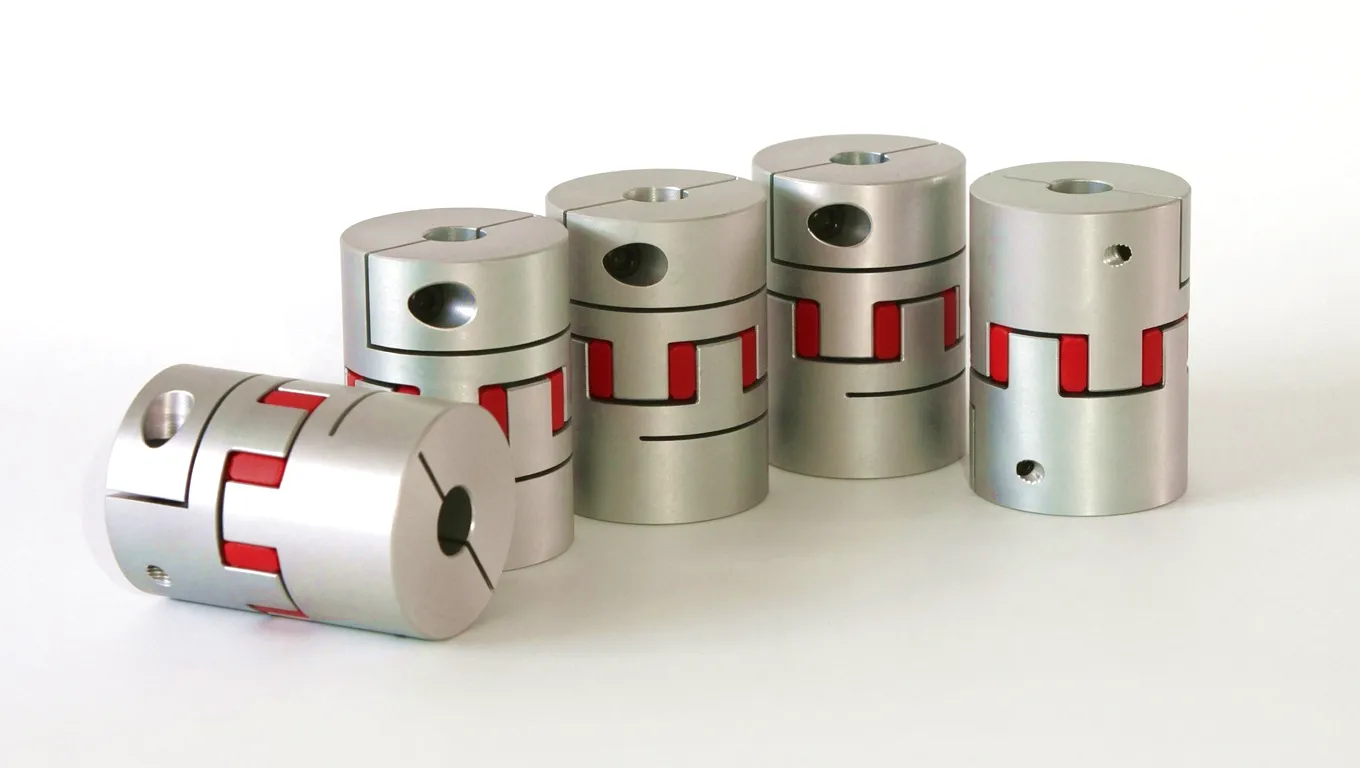 Ever Power operates a vertically integrated precision manufacturing facility equipped with CNC gear-cutting centres, coordinate measuring machines (CMM), and in-house heat treatment lines capable of processing components from 25 mm to 1 200 mm bore diameter. Our design team works directly with mill engineers to develop gear type coupling assemblies that match the exact interface dimensions of existing drive arrangements — eliminating the need for costly adaptor plates or shaft modifications that add installation complexity and potential failure points.
Customisation at Ever Power extends beyond dimensional matching. Material grade selection, tooth profile modification, surface treatment specification, and sealing system configuration are all managed in-house, giving customers access to a single-source supply chain that compresses lead times and simplifies quality documentation. When a Sheffield-area board mill needs a replacement floating shaft assembly with a non-standard span length and a non-standard bore tolerance class, Ever Power’s application engineers produce a drawing, confirm material certification, and ship a finished assembly within timescales that conventional distributors cannot match from imported stock.
All gear type couplings leave the Ever Power facility with a material test certificate (MTC) compliant with EN 10204 3.1, a dimensional inspection report, and — for high-speed applications — a balancing certificate showing residual unbalance per ISO 21940. This level of documentation satisfies the quality management requirements of ISO 9001-certified mills and supports the traceability demands of CE-marked machinery integrators supplying the UK market. For critical drive applications, Ever Power offers third-party witnessed inspection and expedited delivery through established UK freight forwarding partners.
Precision Engineering. Reliable Delivery.
Every coupling leaving Ever Power’s facility is dimensionally verified, surface-condition inspected, and packed to withstand freight conditions on UK-bound international shipments. Our UK logistics partners hold bonded stock of fast-moving standard sizes, enabling same-week despatch for planned maintenance requirements and next-day collection for emergency replacement scenarios.
Історія успіху клієнта
Reducing Unplanned Downtime at a Tissue Machine in Flintshire, North Wales
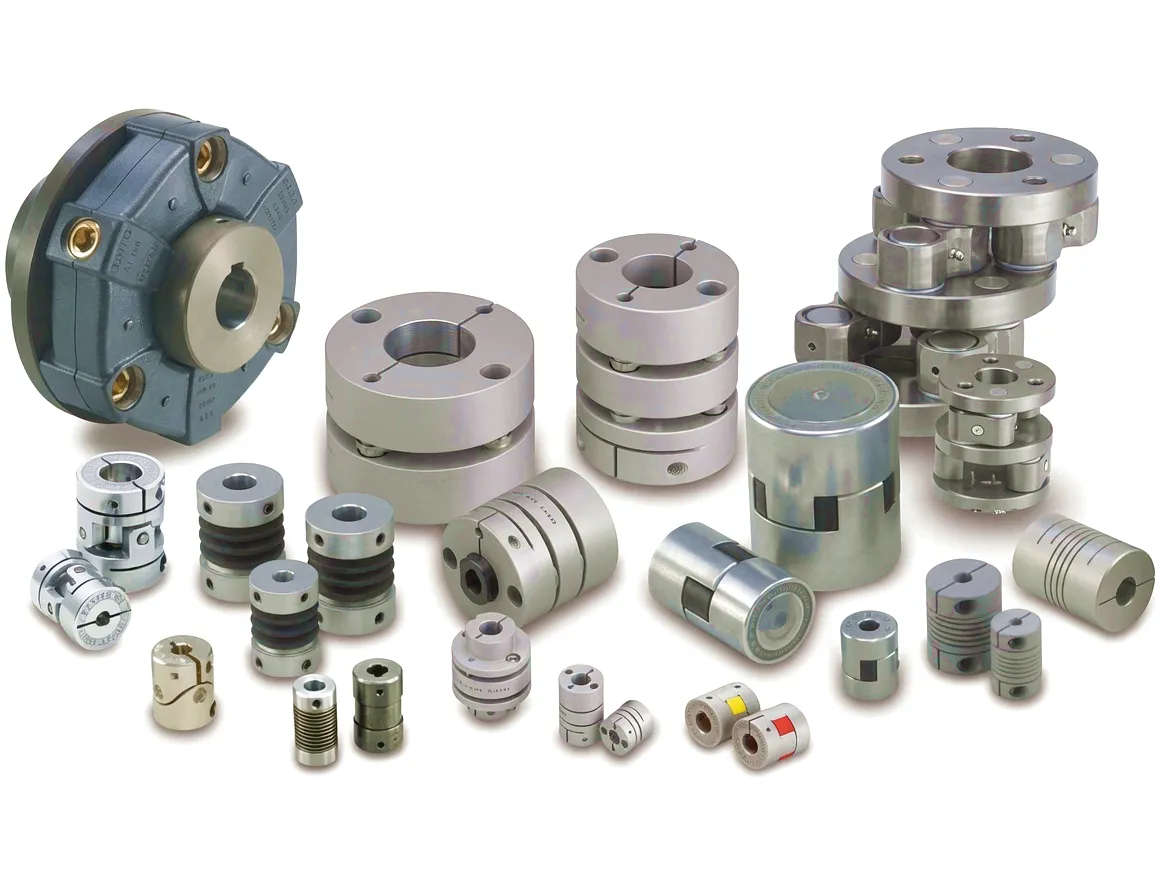 A tissue manufacturing facility in Flintshire, operating a high-speed tissue machine producing premium household paper products for UK retail, had experienced a pattern of coupling failures on its press section that were costing an average of two unplanned stops per month. Each stop carried a typical production loss in the range of £18 000–£22 000, not including maintenance labour or the cost of accelerating planned upstream pulp production to compensate for lost output.
The couplings in service at that point were an elastomeric jaw type — a reasonable initial specification for a moderate-speed machine that had subsequently been upgraded to run at 1 800 m/min. At that line speed, the elastomeric spider elements were generating measurable torsional vibration at frequencies coinciding with press section resonance, causing accelerated bearing wear in the press roll journals and triggering the coupling element failures that led to each stop.
Ever Power’s application team conducted a drive system analysis and specified replacement зубчасті муфти with a 30% rated torque margin above the drive system’s peak demand, balanced to G2.5 and fitted with FKM lip seals to address the contaminated press section environment. The units were manufactured to match the existing shaft bore diameters and keyway dimensions precisely, allowing installation during a planned maintenance weekend without any machining of drive shafts.
Over the following twelve months of operation, the Flintshire facility recorded zero coupling-related unplanned stops. Press section vibration levels measured during routine monitoring fell by 40% compared to the elastomeric coupling baseline, and the next bearing inspection at month 9 found press roll journal bearings in excellent condition — a significant improvement on the quarterly bearing replacements that had been accepted as routine under the previous coupling specification. The financial saving over the twelve-month period exceeded £260 000 in avoided production losses alone, representing a return on coupling investment of over 30:1.
★★★★★
“The gear type coupling Ever Power supplied for our press section drive is the most reliable component in that part of the machine. Twelve months without a single issue — that is not something we achieved with any previous supplier. Their application engineers asked the right questions about our actual drive loading, not just the nameplate data, and the specification they recommended reflected that understanding.”
— Maintenance Engineering Manager, Tissue Machine, Flintshire, North Wales
★★★★★
“We specified a full set of Ever Power floating shaft assemblies for our drying section upgrade project at our facility in Sheffield. The documentation package — material certs, dimensional reports, balance records — was exactly what our quality team needed for CE compliance. Lead time was 6 weeks from order to delivery on a non-standard span length, which is genuinely impressive for bespoke industrial couplings.”
— Capital Projects Engineer, Board Machine, Sheffield, South Yorkshire
★★★★★
“Our approach flow pump couplings had been a recurring maintenance headache for three years. After switching to Ever Power’s gear type design with the sealed housing upgrade, we have gone from a 2 000-hour replacement cycle to a planned 6 000-hour inspection — and the first inspection came back with minimal wear. The total cost saving across four pump drives in the first year alone covered the purchase price several times over.”
— Plant Reliability Engineer, Integrated Paper Mill, Lancashire
Часті запитання
Questions from UK Paper Mill Engineers & Procurement Teams
How do I get a competitive price quote for gear type couplings from a UK-friendly supplier that can deliver to Birmingham or Sheffield?
Send your shaft diameter, speed, rated power, and any dimensional constraints to [email protected]. Ever Power provides a detailed quotation — including material certification and balance grade — within 24 business hours. Delivery to Birmingham, Sheffield, and other UK industrial centres is handled through our established freight forwarding partners, with standard lead times of 4–8 weeks and expedited options for emergency replacements.
What is the typical cost difference between a gear type coupling and an elastomeric coupling for a paper machine press section drive in the UK?
On initial purchase price, a gear type coupling typically costs 1.5–2.5 times the price of an equivalent elastomeric jaw coupling. However, when you account for the extended service life (5–10 years versus 1–2 years for elastomeric elements in a wet press environment), reduced bearing maintenance costs, and the elimination of unplanned stops, the total cost of ownership over a five-year period almost always favours the gear type design significantly — particularly at mills where one unplanned stop costs more than the purchase price of ten couplings.
Which gear type coupling design is best suited for a high-speed tissue machine running at over 2 000 metres per minute in a UK paper mill?
At speeds above 1 800 m/min, dynamic balance becomes the dominant selection criterion. You need a coupling balanced to G2.5 or better as a complete assembly — not just the individual components — with a sleeve made from a single piece of material rather than a bolted two-piece design to eliminate inherent unbalance from assembly variation. Ever Power’s high-speed tissue machine range uses full-length machined sleeves and offers individual assembly balancing at no additional cost for orders of five or more units.
Where can I find a reliable gear type coupling supplier in the UK that offers custom bore sizes and non-standard shaft dimensions for my paper mill upgrade project?
Ever Power specialises precisely in this area. We accept custom bore specifications down to ±0.01 mm, custom keyway configurations, non-standard face dimensions, and custom span lengths for floating shaft assemblies. Our in-house CNC machining capability means we are not dependent on catalogue sizes, and we regularly supply replacement couplings for paper machines where the original manufacturer is no longer active and the dimensional standard is not catalogued anywhere.
How often should gear type couplings be re-lubricated when they are used in the drying section of a paper machine in Scotland or northern England?
Standard re-greasing intervals for drying section gear couplings using NLGI 2 EP grease are 3 000–4 000 hours under normal conditions. In heated dryer hood environments where coupling surface temperature exceeds 80°C, reduce the interval to 2 500 hours or switch to a high-temperature lithium-complex grease with a drop point above 260°C, which allows extension back to 4 000–5 000 hours. Scottish mills with seasonal temperature variation should note that ambient temperature swings affect grease consistency and may warrant a seasonal grade change.
When should a paper mill maintenance engineer in Birmingham or Merseyside consider replacing a gear type coupling rather than just re-lubricating it at the next planned stop?
Replacement is warranted when tooth flank pitting depth exceeds 0.3 mm on visual inspection, when pitch error measured with a pin gauge exceeds the original tolerance class by more than one grade, when sleeve bore wear has allowed measurable radial play in the gear mesh, or when lip seal deterioration has permitted contamination-induced corrosion of the tooth surfaces. Any of these conditions significantly accelerates wear rate and risks a sudden failure. If in doubt, the cost of a replacement coupling is always less than the cost of an unplanned stop.
Ready to Specify the Right Gear Type Coupling for Your Paper Machine?
Ever Power’s application engineers are available to review your drive data and provide a no-obligation coupling specification within 24 hours.
редагування від gzl