Marine-Grade Gear Type Coupling for Ship Main Propulsion Systems: Engineering Excellence at Sea
Robust torque transmission solutions engineered for the demanding marine environments of the United Kingdom and beyond.
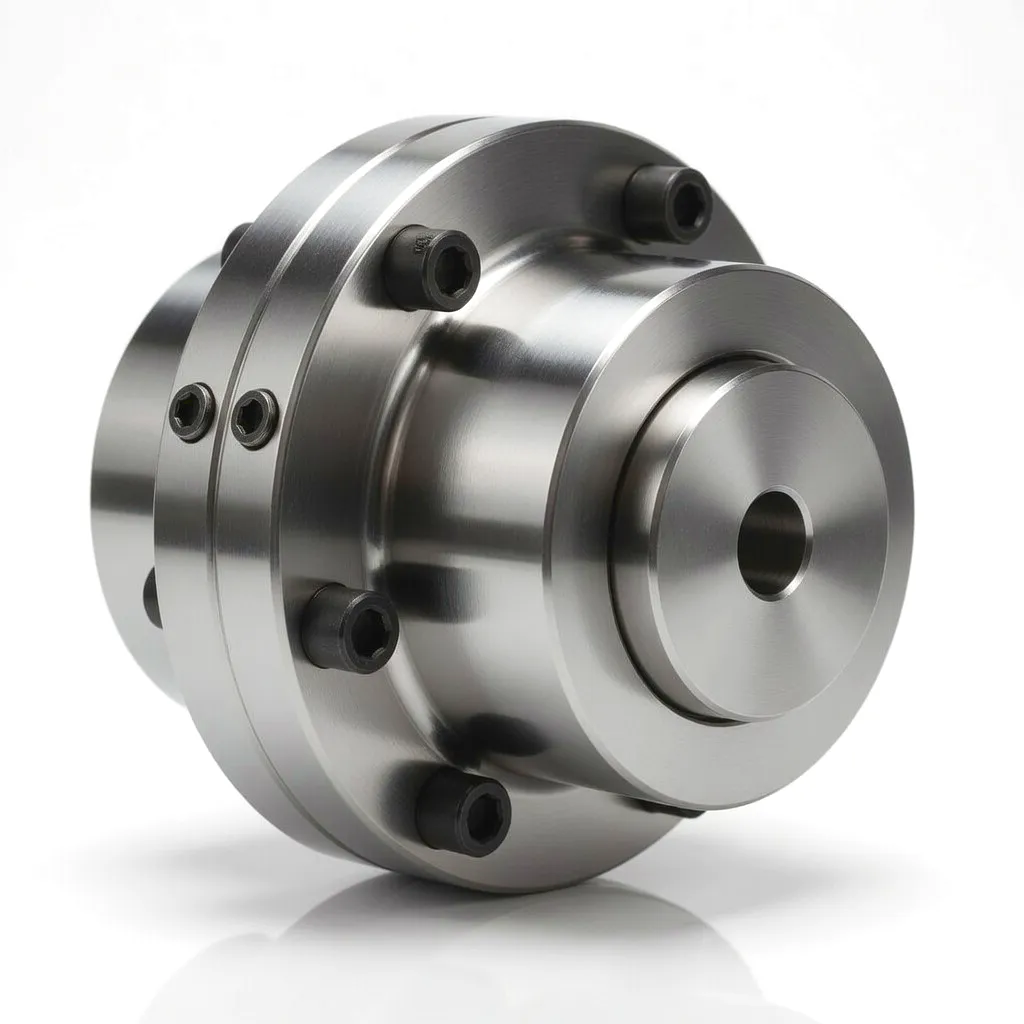 Ship main propulsion systems represent one of the most demanding environments where a gear type coupling must perform reliably for decades. The marine industry across the United Kingdom — from Glasgow shipyards to Portsmouth naval bases — relies heavily on precision-engineered coupling solutions that connect main diesel engines to reduction gearboxes, ultimately driving the propeller shaft. Throughout maritime operations, vessels experience continuous hull flexing, torsional vibrations, and axial displacement that demand exceptional misalignment compensation capability. A high-performance gear type coupling addresses these challenges through its unique crowned tooth geometry, which accommodates angular, parallel, and axial misalignment simultaneously while transmitting massive torque loads. Marine engineers across British shipping fleets recognise that selecting the right gear type coupling directly impacts fuel efficiency, maintenance intervals, and overall vessel reliability in harsh North Sea and Atlantic conditions.
⚙️ Why Marine Engineers Choose Our Gear Type Coupling
Superior Misalignment Compensation
The crowned tooth profile of our gear type coupling tolerates angular misalignment up to 1.5 degrees per gear mesh, plus axial sliding for hull flex compensation. This forgiving geometry protects ship reduction gearboxes from premature bearing wear caused by inevitable shaft displacement during long voyages.
Corrosion-Resistant Construction
Built from high-strength 42CrMo4 alloy steel with specialised surface treatments including zinc plating, phosphate coating, or marine-grade epoxy paint. Each gear type coupling withstands constant salt spray exposure in North Sea conditions while maintaining mechanical integrity for over 25 years of service.
Alta densidad de par
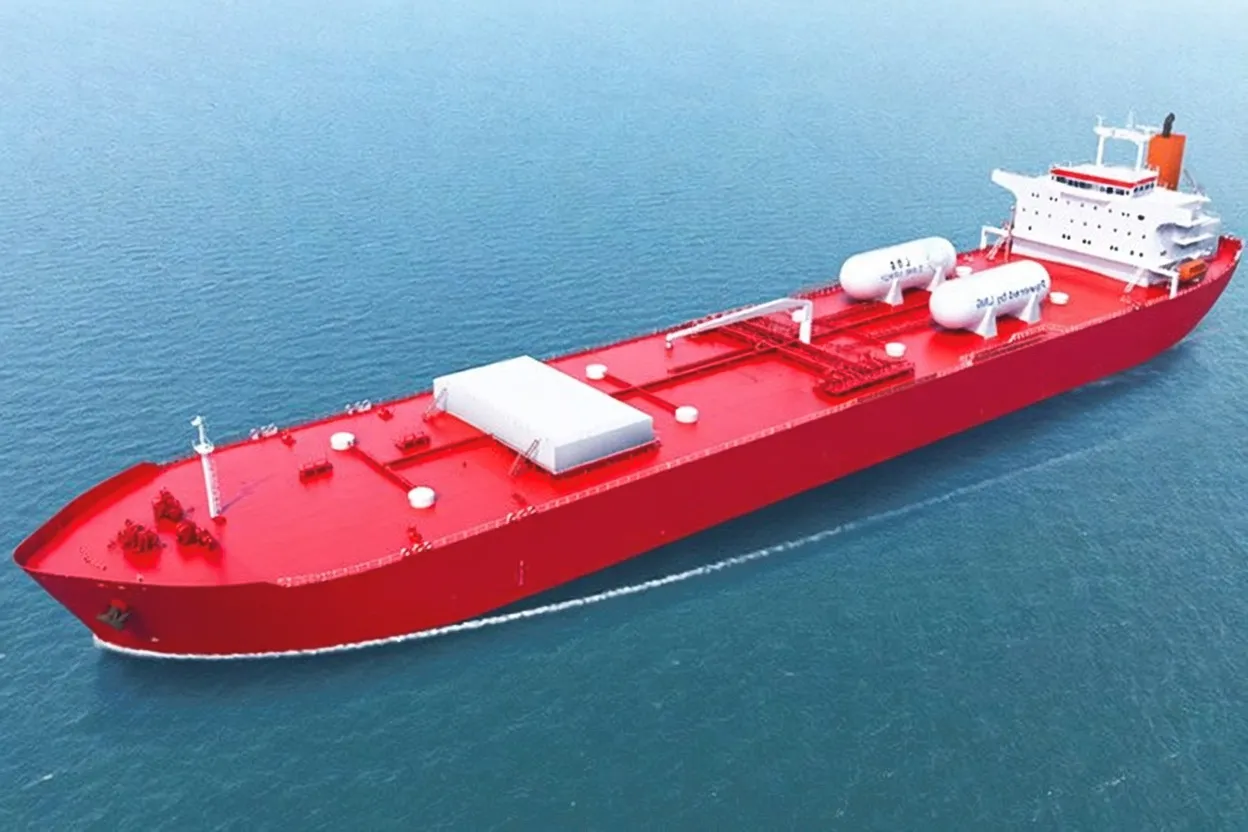
Compact footprint delivers exceptional torque-to-weight ratios essential for marine installations where engine room space is precious. Our gear type coupling range handles loads from 1,000 Nm to over 2,500,000 Nm, suitable for everything from coastal patrol boats to LNG carriers.
Maintenance-Friendly Design
Split-flange configurations allow inspection and servicing without dismantling adjacent equipment. Lubrication points are accessible from standard service positions, reducing dry-dock time and labour costs at British shipyards by up to 40 percent compared to alternative coupling technologies.
Class Society Compliance
Every gear type coupling meets requirements from Lloyd’s Register, DNV-GL, ABS, and Bureau Veritas. Documentation packages include material certificates, dynamic balancing reports, and pressure testing records — essential for vessel certification in UK and EU waters.
Vibration Damping
Tooth contact geometry distributes load smoothly across mating surfaces, attenuating torsional vibration spikes from diesel engine combustion pulses. This protects downstream gearbox components and reduces underwater radiated noise, which matters for naval vessels and research ships.
🔬 How Our Marine Gear Type Coupling Works
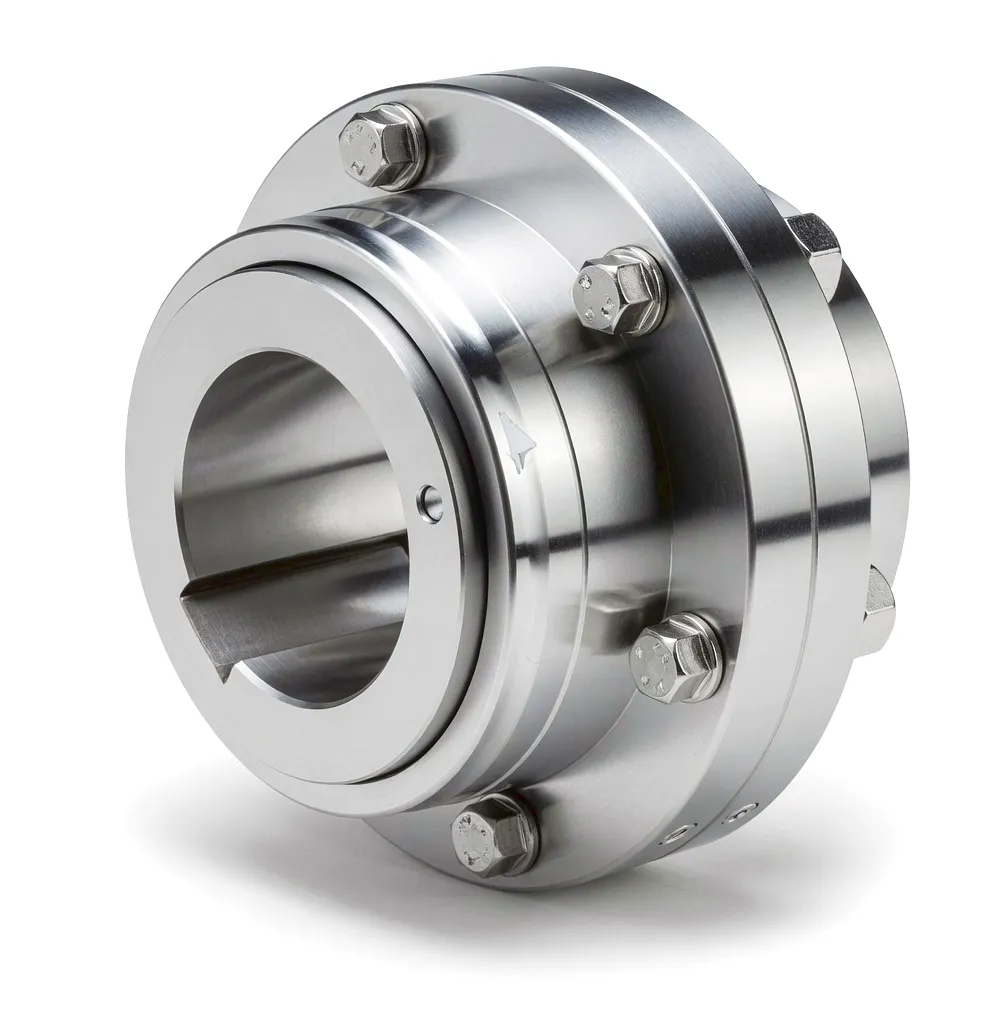
At its core, a gear type coupling consists of two outer sleeves (hubs) with internal straight teeth, engaging two inner shafts (gears) with external crowned teeth. The crowned profile is what makes this coupling category so valuable in marine propulsion: as the engine shaft and gearbox input shaft shift relative to each other due to hull deflection, thermal expansion, or load variations, the tooth contact point migrates along the curved surface without losing meshing engagement.
Marine-grade lubricant — typically a high-viscosity grease meeting Mobil SHC Polyrex 462 specifications or equivalent — fills the coupling cavity, sealed by precision-machined O-rings and labyrinth seals. The lubricant performs three critical functions: it forms a hydrodynamic film between meshing teeth, dissipates frictional heat, and prevents corrosion from condensation moisture.
Material selection drives long-term performance. Hub bodies use forged 42CrMo4 (1.7225 / EN 10083-3) for fatigue strength, while gear teeth are case-hardened to 58-62 HRC for wear resistance. For tropical or high-humidity routes, austenitic stainless steel grades or duplex 2205 become viable upgrades.
📊 Technical Specifications — Marine Gear Type Coupling
| Parámetro | Serie GIICL | GIICLZ Series | WGT Marine |
|---|---|---|---|
| Torque Range (Nm) | 1,000 – 280,000 | 2,500 – 950,000 | 50,000 – 2,500,000 |
| Velocidad máxima (rpm) | 4,500 | 3,800 | 2,200 |
| Desalineación angular | ±1° per mesh | ±1.25° per mesh | ±1.5° per mesh |
| Axial Movement (mm) | ±3 to ±8 | ±10 to ±25 | ±20 to ±50 |
| Material del centro | 42CrMo4 Forged | 42CrMo4 / 35CrMo | 42CrMo4 / Duplex 2205 |
| Tooth Hardness | 58-62 HRC | 58-62 HRC | 60-64 HRC |
| Outer Diameter (mm) | 125 – 620 | 180 – 880 | 320 – 1,450 |
| Weight Range (kg) | 15 – 420 | 45 – 1,250 | 280 – 4,800 |
| Tratamiento de superficies | Zinc Plating | Phosphate + Epoxy | Marine Epoxy + Sacrificial Anode |
| Temperatura de funcionamiento | -20°C to +120°C | -30°C to +150°C | -40°C to +180°C |
| Class Approval | LR, ABS | LR, DNV-GL, ABS, BV | LR, DNV-GL, ABS, BV, CCS, RINA |
🚢 Application Scenarios Across Marine Operations
🛳️ Container Vessels
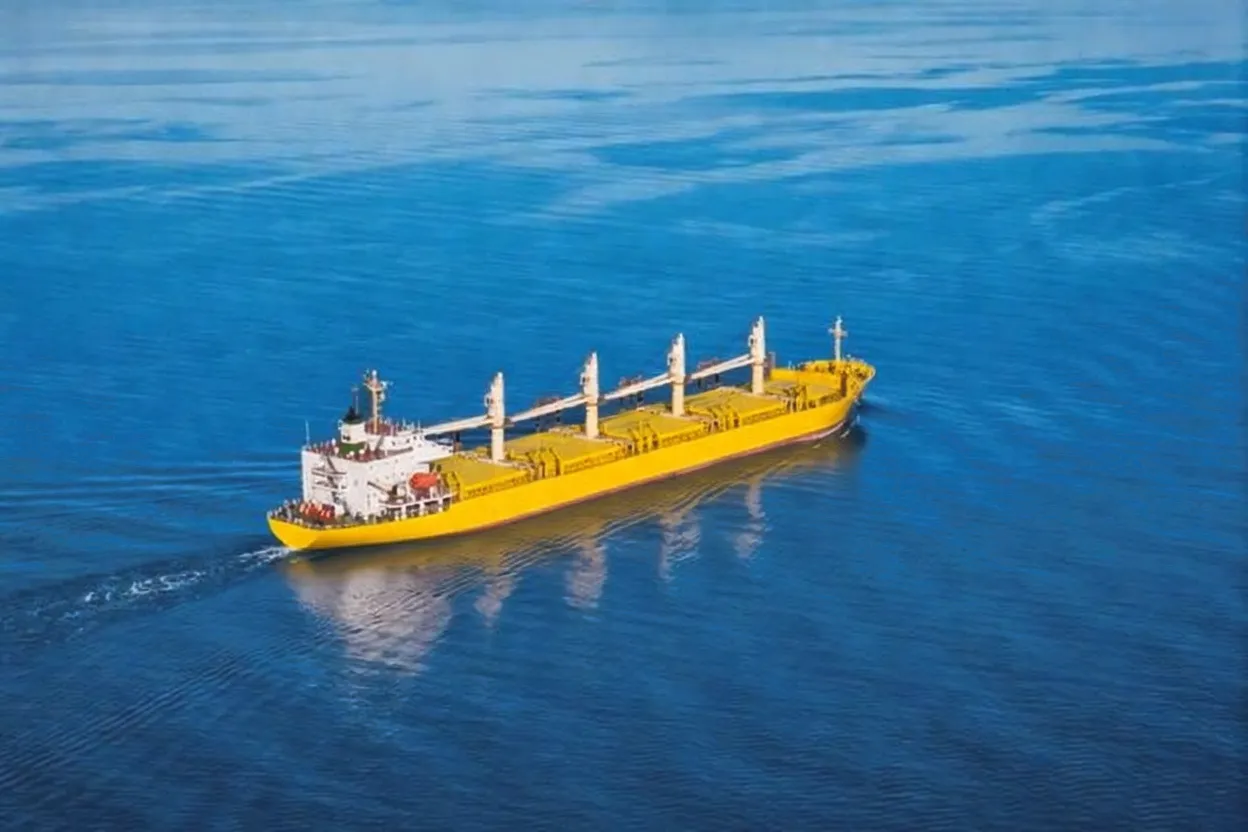
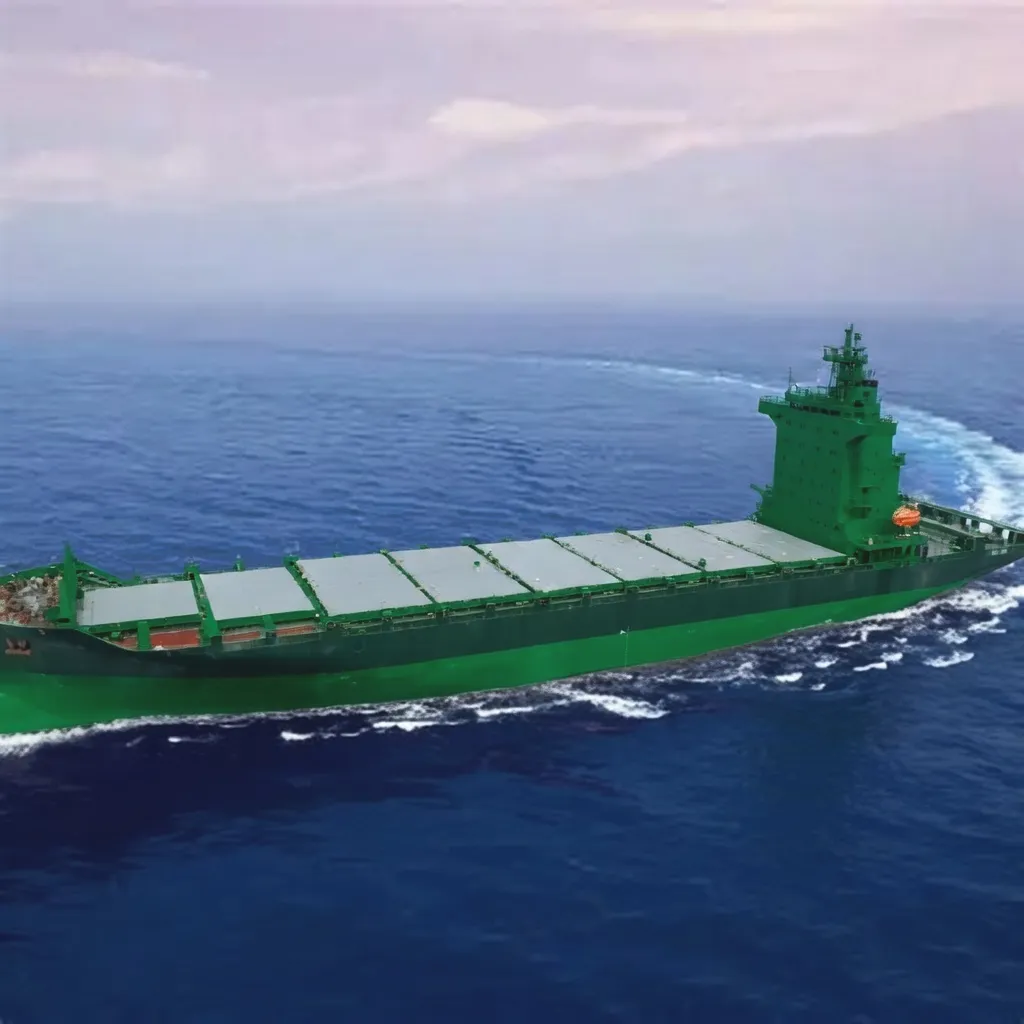
Large container ships operating routes between Felixstowe, Southampton, and continental Europe rely on gear type coupling installations between two-stroke crosshead diesel engines and reduction gearboxes. Typical applications transmit 25,000-80,000 kW of propulsive power with the coupling absorbing thermal growth during transoceanic voyages where ambient water temperatures vary by 30°C.
⛴️ Ferries and Passenger Vessels
Cross-channel ferries operating Dover-Calais routes and Scottish island services demand frequent start-stop cycles. The gear type coupling handles thousands of acceleration cycles per year without measurable wear, ensuring schedule reliability that passengers and freight operators depend upon.
🚤 Offshore Support Vessels
North Sea offshore platforms supporting oil and gas operations require anchor handling tug supply vessels and dynamic positioning ships. The gear type coupling in these applications must handle bollard-pull torque spikes exceeding rated capacity during anchor handling operations, often in heavy weather.
🐟 Fishing Trawlers
Commercial fishing fleets based in Peterhead, Grimsby, and Cornish ports operate medium-speed diesel engines coupled to controllable-pitch propeller systems. The gear type coupling tolerates the shock loads when trawl nets snag underwater obstructions, protecting the gearbox from sudden torque reversals that would damage rigid coupling systems.
🛥️ Naval Surface Ships
Royal Navy frigates, patrol vessels, and survey ships use specialised low-noise gear type coupling designs that minimise underwater radiated noise signatures. These applications combine high power density with stringent acoustic performance requirements achievable only through precision tooth grinding and dynamic balancing to G1.0 standards.
⚓ Tugboats and Workboats
Harbour tugs operating in Liverpool, Bristol, and Tees docks generate extreme bollard pull during berthing manoeuvres. The gear type coupling handles repeated full-load reversals from ahead to astern propulsion without degradation, supporting the demanding duty cycles unique to harbour service operations.
🏆 Customer Success Story — Aberdeen Marine Engineering
Client: Caledonian Shipping Solutions Ltd, based in Aberdeen, Scotland
Industry: Offshore Wind Farm Service Vessels
Desafío: Caledonian Shipping operates a fleet of twelve crew transfer vessels servicing wind farms across the Dogger Bank and Hornsea projects. Their existing rigid flange couplings caused premature gearbox bearing failures averaging 18-month service intervals, costing approximately £85,000 per replacement including dry-docking fees at Peterhead.
Solución: EVER POWER engineered a customised GIICLZ-12 gear type coupling for their twin MTU 16V4000 propulsion systems. Specifications included duplex stainless steel construction, increased axial movement allowance of ±35mm to compensate for hull flex in heavy North Sea conditions, and integrated condition monitoring ports for predictive maintenance integration.
Resultado: Over a 36-month evaluation period, gearbox bearing service life extended from 18 months to over 42 months — a 133 percent improvement. Total fleet maintenance savings reached £1.4 million across twelve vessels. Fuel consumption decreased by 3.2 percent due to improved drivetrain efficiency.
💬 What Our Clients Say
The technical support we received was exceptional. EVER POWER engineers visited our Aberdeen facility, performed torsional vibration analysis on our entire driveline, and recommended specific tooth profile modifications. Three years on, the couplings still perform like new.
— Iain MacGregor, Chief Engineer, Caledonian Shipping
Delivery times were critical for our Mersey ferry refit project. EVER POWER delivered a custom-flanged gear type coupling within seven weeks, fully certified by Lloyd’s Register. Their documentation was impeccable and saved us significant survey costs.
— David Hawthorne, Project Manager, Liverpool Marine Services
Operating our tug fleet in Southampton harbour means constant high-load cycling. The gear type coupling from EVER POWER has run flawlessly for over 18,000 service hours. Their after-sales support team responds within hours, even on weekends.
— Sarah Pemberton, Fleet Operations Director, Solent Towage Group
🇬🇧 Serving the United Kingdom Marine Industry
 Our marine gear type coupling solutions support shipyards, repair facilities, and operators throughout the British Isles. From the bustling commercial ports of Felixstowe, Southampton, and Liverpool to the specialised offshore support hubs of Aberdeen, Peterhead, and Great Yarmouth, EVER POWER maintains rapid response capability across the United Kingdom. We hold consignment stock of common gear type coupling sizes in our European distribution network, enabling next-day shipment to UK ports when emergency replacements are needed.
British naval ports including Portsmouth, Devonport, and Faslane have benefitted from our specialised low-noise gear type coupling variants. Our engineering team understands the unique requirements of UK MOD specifications and works seamlessly with established defence contractors. For Scottish island ferry operators serving the Hebrides, Orkney, and Shetland routes, weather-hardened gear type coupling solutions provide year-round operational reliability despite frequent gale-force conditions.
Compliance with UK Maritime and Coastguard Agency requirements, alongside Lloyd’s Register classification standards developed in London for centuries, means every gear type coupling we supply integrates seamlessly with British vessel certification protocols. Our technical documentation follows British Standards Institute conventions for dimensions, materials, and quality reporting.
🏭 EVER POWER Manufacturing — Custom Engineering Capability
Our 45,000 square metre manufacturing facility houses dedicated production lines exclusively for marine gear type coupling assemblies. Eight five-axis CNC machining centres handle hub bodies up to 1,500mm diameter, while our gear grinding department operates German-built Reishauer and Gleason machines achieving DIN 5 tooth quality grades. In-house heat treatment includes vacuum carburising furnaces ensuring case depth uniformity within ±0.05mm tolerance.
Custom engineering capability is our genuine strength. When standard catalogue gear type coupling specifications cannot match your application, our 24-engineer design team develops bespoke solutions from concept through production. We routinely handle non-standard shaft bores, special flange patterns matching existing equipment, hybrid material combinations, and integrated sensor mounting features for predictive maintenance systems. Lead times for fully customised marine gear type coupling assemblies typically range from 8 to 14 weeks, with prototype validation testing conducted on our 500 kW load test stand.
Quality management follows ISO 9001:2015, ISO 14001 environmental standards, and IATF 16949 automotive precision standards adapted for marine applications. Every gear type coupling undergoes 100 percent dimensional inspection on Zeiss coordinate measuring machines before shipment.
❓ Preguntas frecuentes
How much does a marine gear type coupling cost for UK shipping companies?
Pricing for marine-grade gear type coupling assemblies for UK shipping companies typically ranges from £2,800 for small fishing vessel applications up to £180,000 for large container ship installations. The cost depends on torque rating, materials, classification society approval requirements, and customisation complexity. Request a detailed quote with your specific shaft sizes and torque specifications for accurate pricing.
Which gear type coupling supplier offers fastest delivery to Aberdeen shipyards?
EVER POWER maintains consignment inventory in our European distribution centre, enabling next-business-day delivery to Aberdeen shipyards for standard gear type coupling sizes. Custom-engineered units typically ship within 8-14 weeks. We coordinate directly with Aberdeen harbour logistics partners to ensure smooth customs clearance and dockside delivery scheduling.
What is the typical price quote turnaround for custom marine gear type coupling orders?
Standard catalogue gear type coupling quotations are returned within 24 hours of inquiry receipt. Custom-engineered marine applications requiring full technical analysis typically receive comprehensive quotes within 3-5 business days, including detailed specifications, drawings, classification society approval scope, and proposed delivery timeline tailored to your vessel project schedule.
Where can British marine engineers buy gear type coupling units with Lloyd’s Register approval?
British marine engineers can purchase Lloyd’s Register approved gear type coupling units directly from EVER POWER through our dedicated UK marine sales channel. Every approved product ships with complete documentation packages including Lloyd’s Register type approval certificates, material test reports, and dimensional inspection records ready for vessel survey submission.
How often should marine gear type coupling units be inspected on North Sea vessels?
North Sea vessel gear type coupling inspections typically follow a tiered schedule: visual external inspection every 500 operating hours, lubricant analysis every 2,500 hours, and complete teardown inspection during 5-yearly special surveys. Operating conditions including continuous heavy weather may require more frequent intervals based on torsional vibration monitoring trends.
When should ferry operators replace gear type coupling components after extended channel service?
Channel ferry operators typically replace gear type coupling internal gears when tooth wear measurements exceed 0.3mm or backlash increases beyond 0.5mm beyond original specification. Outer sleeves and seal kits usually require replacement every 10-15 years depending on duty cycle intensity. Predictive monitoring data should guide individual vessel replacement decisions rather than rigid calendar schedules.
What makes a gear type coupling supplier suitable for Royal Navy procurement contracts?
Royal Navy procurement requires gear type coupling suppliers holding defence quality management approvals, NATO codification capability, traceability to material origin, and proven low-noise design experience. Suppliers must demonstrate manufacturing security protocols, technology transfer compliance, and ability to support extended lifecycle through-life support contracts spanning 30+ years of vessel service.
Which gear type coupling design works best for offshore wind farm crew transfer vessels?
Offshore wind farm crew transfer vessels benefit most from GIICLZ series gear type coupling designs with extended axial movement capability of ±25-35mm, duplex stainless steel construction, and integrated condition monitoring ports. This configuration handles the constant hull pounding from wave impact during turbine boat-landing operations across UK offshore wind installations.
How can shipyards in Liverpool source emergency gear type coupling replacement parts quickly?
Liverpool shipyards can source emergency gear type coupling replacements through our 24/7 marine emergency hotline. Standard sizes ship within 24 hours from European stock, while precision-matched replacements for unique installations typically arrive within 5-10 days via air freight. Provide your existing coupling identification plate details for fastest parts matching and shipping coordination.
🚀 Ready to Upgrade Your Vessel’s Propulsion?
Connect with EVER POWER’s marine engineering team for technical consultation and competitive quotations on custom gear type coupling solutions.
Editado por gzl