Gear Type Coupling for Wind Turbine Drivetrains: Engineered Reliability for Offshore & Onshore Farms
High-torque, vibration-damping, fatigue-resistant drivetrain solutions trusted by wind energy operators across the United Kingdom and beyond.
The race toward net-zero has reshaped the wind energy landscape across Britain, from the rolling hills of Scotland to the vast offshore arrays of the North Sea. At the heart of every functioning wind turbine sits a drivetrain that must convert variable, turbulent aerodynamic forces into stable rotational energy. A acoplamiento de tipo engranaje is the unsung component bridging the main shaft, gearbox, and generator — absorbing shock loads, accommodating misalignment, and silently shouldering megawatts of torque hour after hour. With offshore wind capacity in the UK expanding rapidly and turbine ratings climbing toward 15 MW and beyond, the demand for couplings that combine endurance, precision, and serviceability has never been higher. This in-depth guide explores how a properly engineered gear type coupling transforms wind farm reliability, what to look for when specifying one, and why Ever Power has become a preferred partner for renewable energy projects throughout the United Kingdom and Europe.
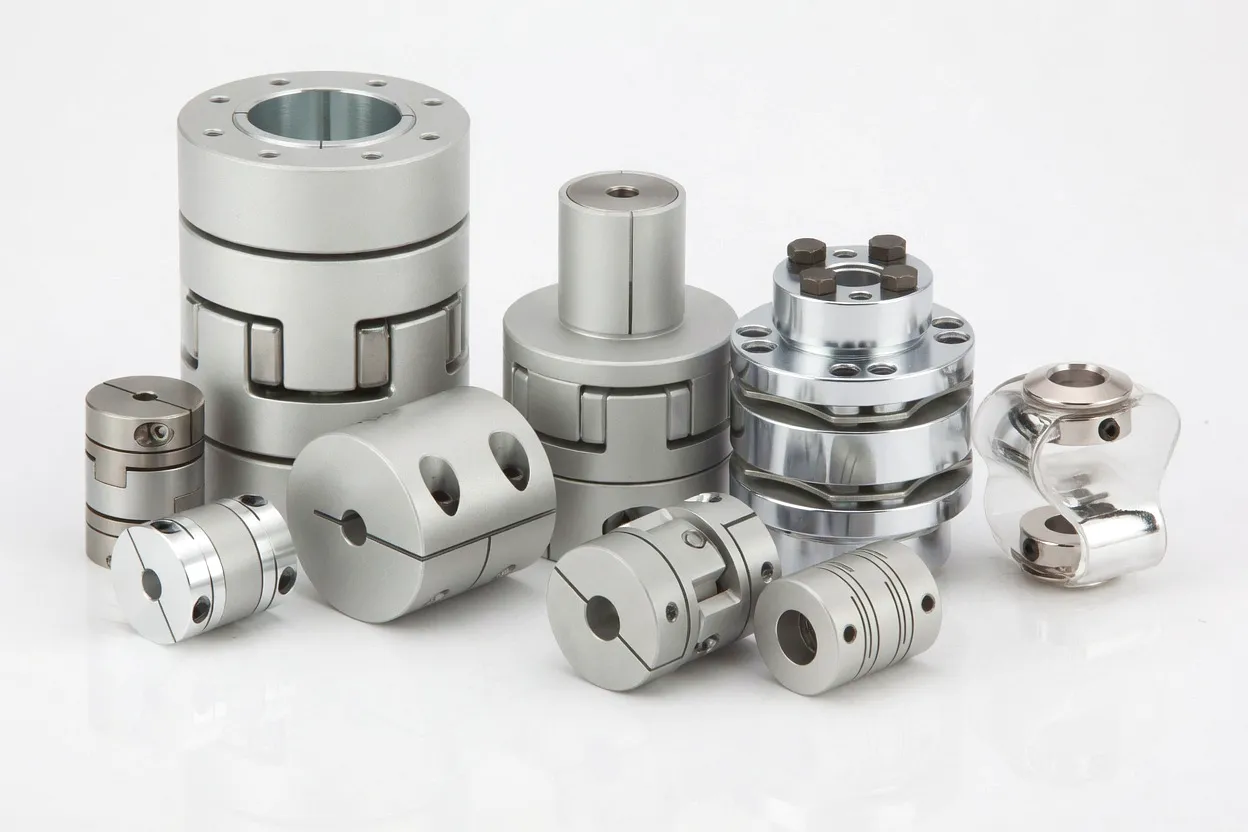
Why Wind Turbines Demand Specialised Gear Type Couplings
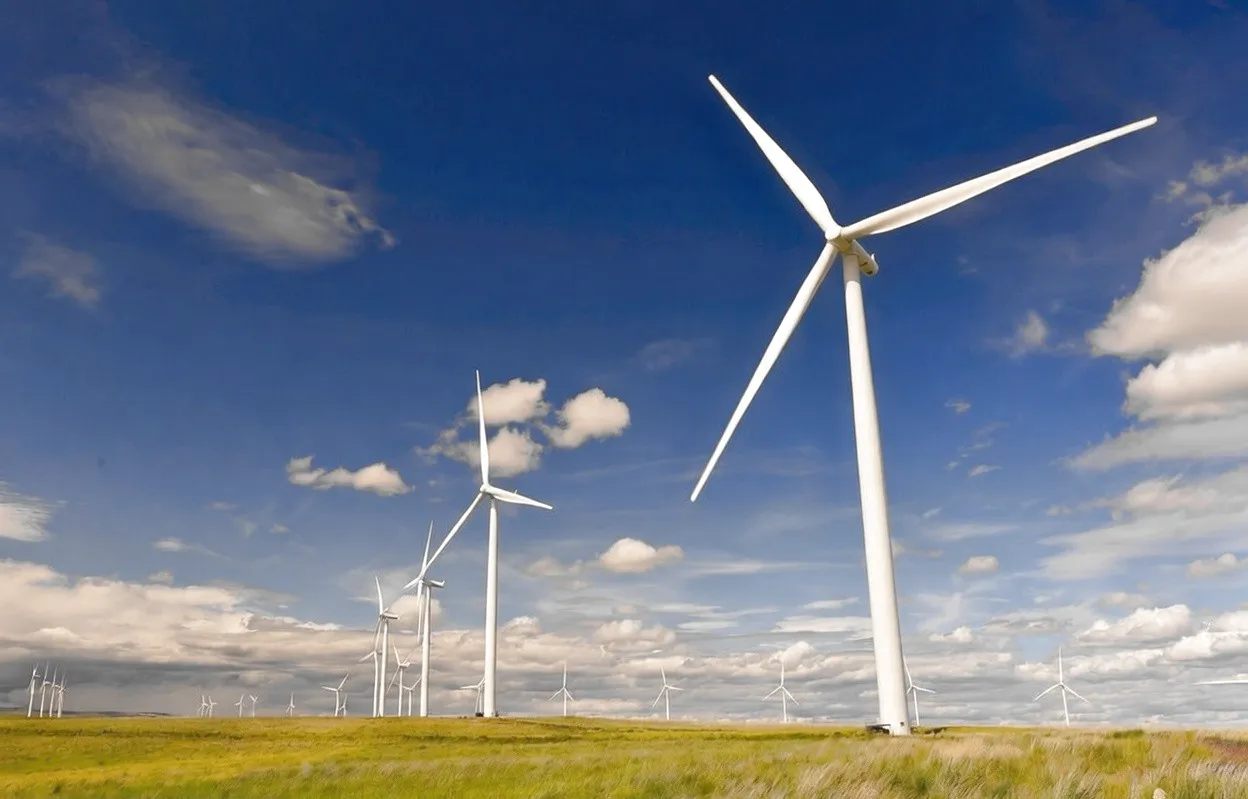
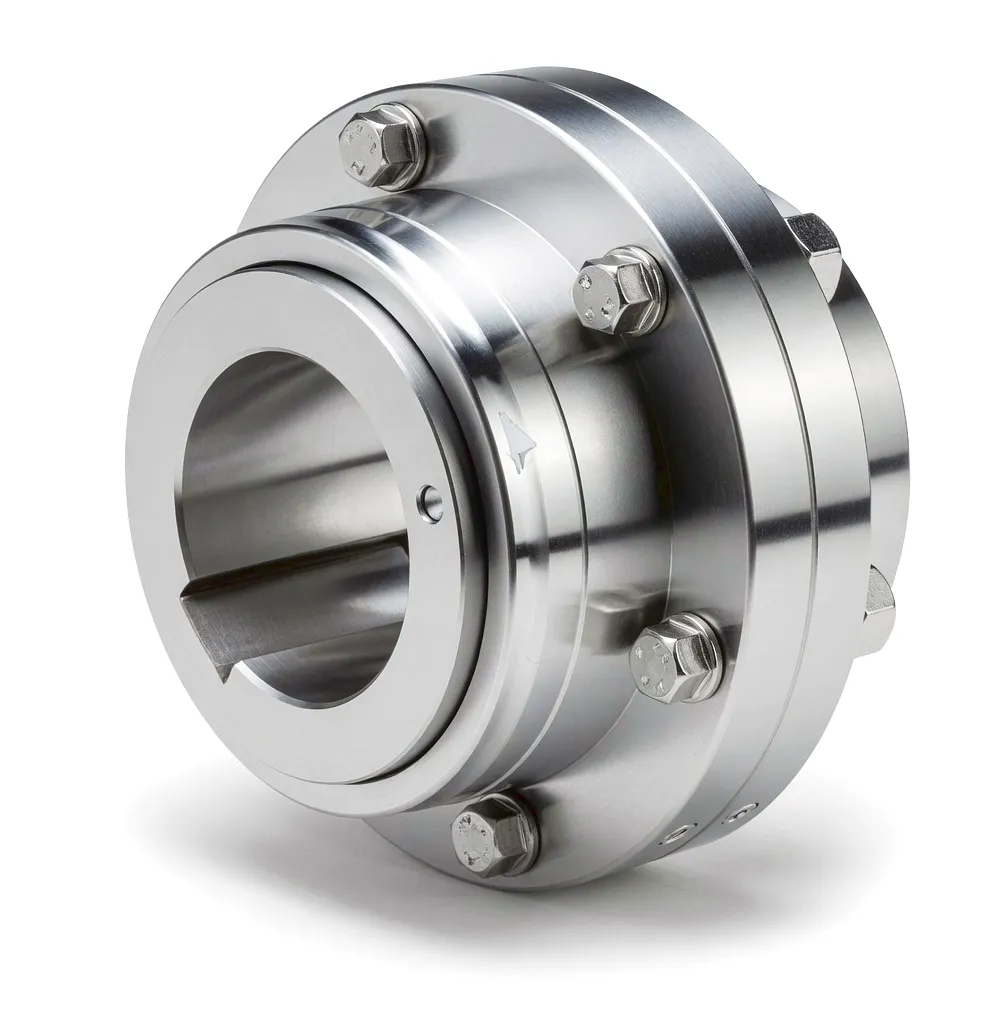 Wind turbine drivetrains operate in one of the harshest mechanical environments imaginable. The rotor captures wind energy at low speeds — typically 12 to 20 revolutions per minute — and the gearbox steps that motion up to the 1,500 RPM range required by the generator. Between each of these stages, a coupling must transmit fluctuating torque while compensating for axial, radial, and angular misalignment caused by tower sway, thermal expansion, and rotor flexing. Aerodynamic torque pulsations from wind gusts, wake turbulence from neighbouring turbines, and yaw correction events all create cyclic loading that punishes inferior connectors. A gear type coupling, with its crowned-tooth meshing geometry, handles these conditions exceptionally well by distributing load across multiple tooth contacts rather than relying on a single elastic element.
Offshore installations magnify these challenges. Nacelle access requires helicopter or jack-up vessel mobilisation, pushing the cost of a single coupling replacement into six figures. British operators servicing assets in Dogger Bank, Hornsea, and the Moray Firth therefore prioritise components with proven service intervals exceeding 60,000 hours. Salt-laden air, condensation cycles, and frequent grid-fault ride-through events demand corrosion-resistant materials and robust sealing. A premium gear type coupling rated for these conditions is not a commodity purchase — it is a strategic reliability investment that protects the entire turbine’s revenue stream.
Core Advantages of Our Gear Type Coupling
Alta densidad de par
Crowned-tooth profiles transmit torque ratings from 1,000 N·m up to 4,500,000 N·m, perfectly suited to multi-megawatt turbines without bulky overdesign.
Tolerancia de desalineación
Accommodates up to 1.5° angular misalignment per hub, ideal for the dynamic flexing experienced in tall offshore towers and floating platforms.
Fatigue Endurance
Forged 42CrMo4 hubs with case-hardened teeth deliver verified fatigue life beyond 20 years under cyclic wind loading per IEC 61400-4 standards.
Low Maintenance
Sealed grease lubrication chambers extend re-lubrication intervals to 5+ years, dramatically lowering offshore O&M costs and helicopter trips.
Cold-Climate Ready
Operational from -40°C to +120°C, certified for Scottish highland farms and Scandinavian-style winter ride-through scenarios.
Compact Footprint
Slim profile fits the tight nacelle envelopes of modern 8–15 MW direct-drive and semi-direct-drive turbine platforms.
Working Principle, Materials & Real-World Scenarios
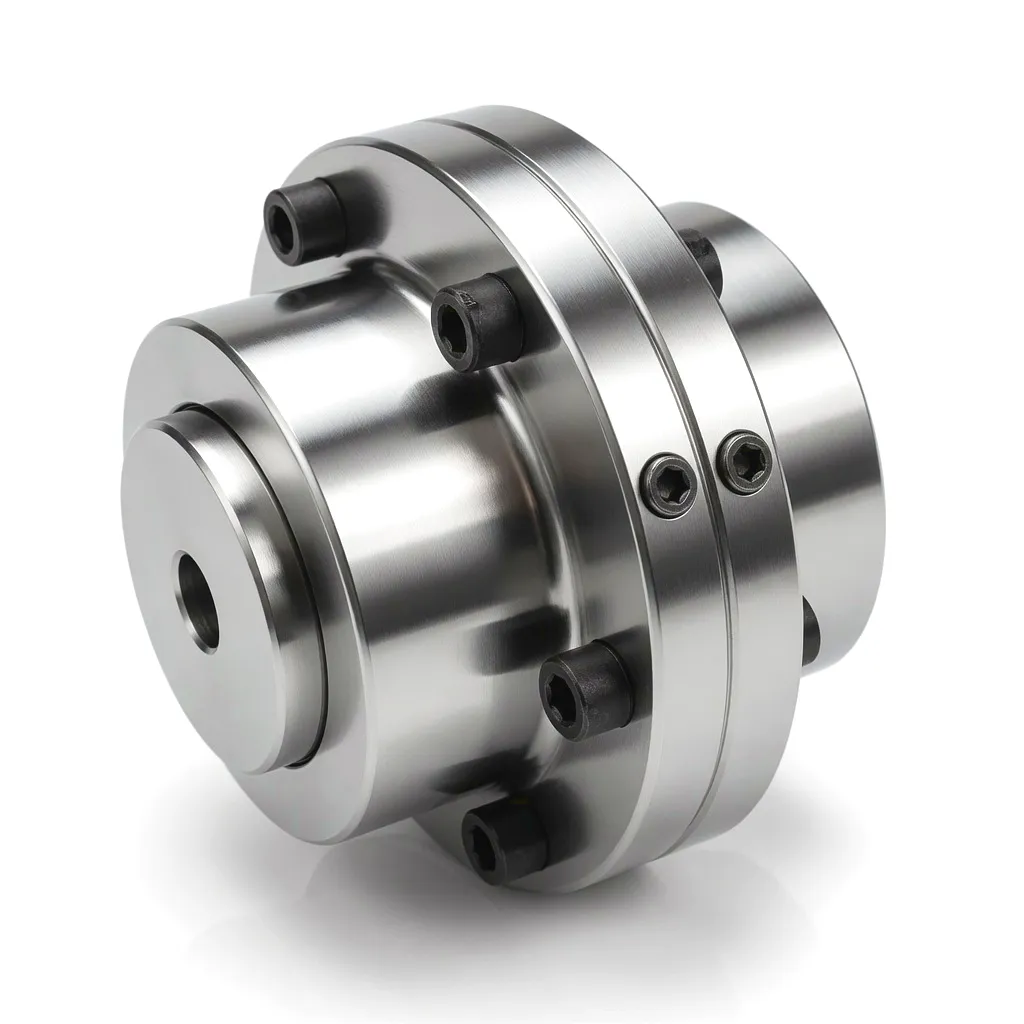
At its mechanical core, a gear type coupling consists of two externally toothed hubs that mate with an internally toothed sleeve. The genius of the design lies in the slightly crowned profile of the external teeth — a geometry that allows the hubs to articulate inside the sleeve, accommodating misalignment while maintaining full torque transmission. As the wind rotor turns the low-speed shaft, the coupling translates that rotation to the gearbox input without rigid restraint, meaning torsional vibrations and bending moments from rotor imbalance are not transmitted directly into delicate gearbox bearings. This single function alone explains why the gear type coupling has remained the workhorse of geared wind turbine architectures despite decades of competing technologies.

Material selection determines whether a gear type coupling survives twenty years or twenty months. Ever Power uses forged 42CrMo4 alloy steel for hubs and sleeves, with the toothed surfaces case-carburised to a depth of 0.8–1.5 mm and quenched to 58–62 HRC. This hardened layer resists pitting and micro-fretting wear that occurs during the millions of small oscillations a wind turbine coupling endures. Sleeves are sealed with double-lip Viton O-rings that retain synthetic EP-2 grease across temperature swings of more than 150°C. For offshore variants, every external surface receives a multi-layer epoxy-zinc coating tested to 1,500 hours of salt-spray exposure per ISO 9227 — a critical defence against the marine atmospheres around the British Isles.
Real-world deployments tell the story best. In doubly-fed induction generator (DFIG) wind turbines — still the dominant onshore architecture across Europe — a gear type coupling sits between the gearbox high-speed shaft and the generator rotor. This is the highest-RPM, highest-vibration position in the drivetrain. In semi-direct-drive machines, a heavier gear type coupling connects the main shaft to a compact one-stage gearbox. Even in retrofit projects, where ageing turbines from the early 2000s are refurbished for an additional decade of life, replacing worn elastomeric or membrane couplings with modern crowned-tooth gear units restores rated performance and extends overhaul cycles.
Technical Specifications & Performance Parameters
Application Scenarios Across Wind Power Architectures
🌊 Offshore Wind Farms
Dogger Bank, Hornsea Three, East Anglia THREE — UK projects deploying 14 MW+ turbines require couplings rated for nacelle confinement, vessel-only access, and IP66 sealing against salt mist intrusion.
⛰️ Onshore Highland Sites
Scottish moorland and Welsh upland farms expose drivetrains to peat-borne particulates, sub-zero winters, and gusty terrain — conditions where sealed gear couplings outperform open elastomeric units.
🔄 Retrofit & Repowering
Ageing 2 MW turbines from the mid-2000s benefit from coupling upgrades that extend service life by 8–12 additional years while improving grid compliance.
🏗️ Semi-Direct-Drive Platforms
Hybrid drivetrains using one-stage gearboxes need high-torque, compact couplings to bridge the medium-speed shaft and permanent-magnet generator.
🧪 Test & Validation Rigs
Manufacturers’ nacelle test benches use precision gear type couplings to replicate field torque profiles during type-certification trials.
🌬️ Floating Offshore Wind
Floating platforms in Scottish waters (Hywind, Kincardine) introduce additional 6-degree-of-freedom motion, demanding maximum misalignment capacity.
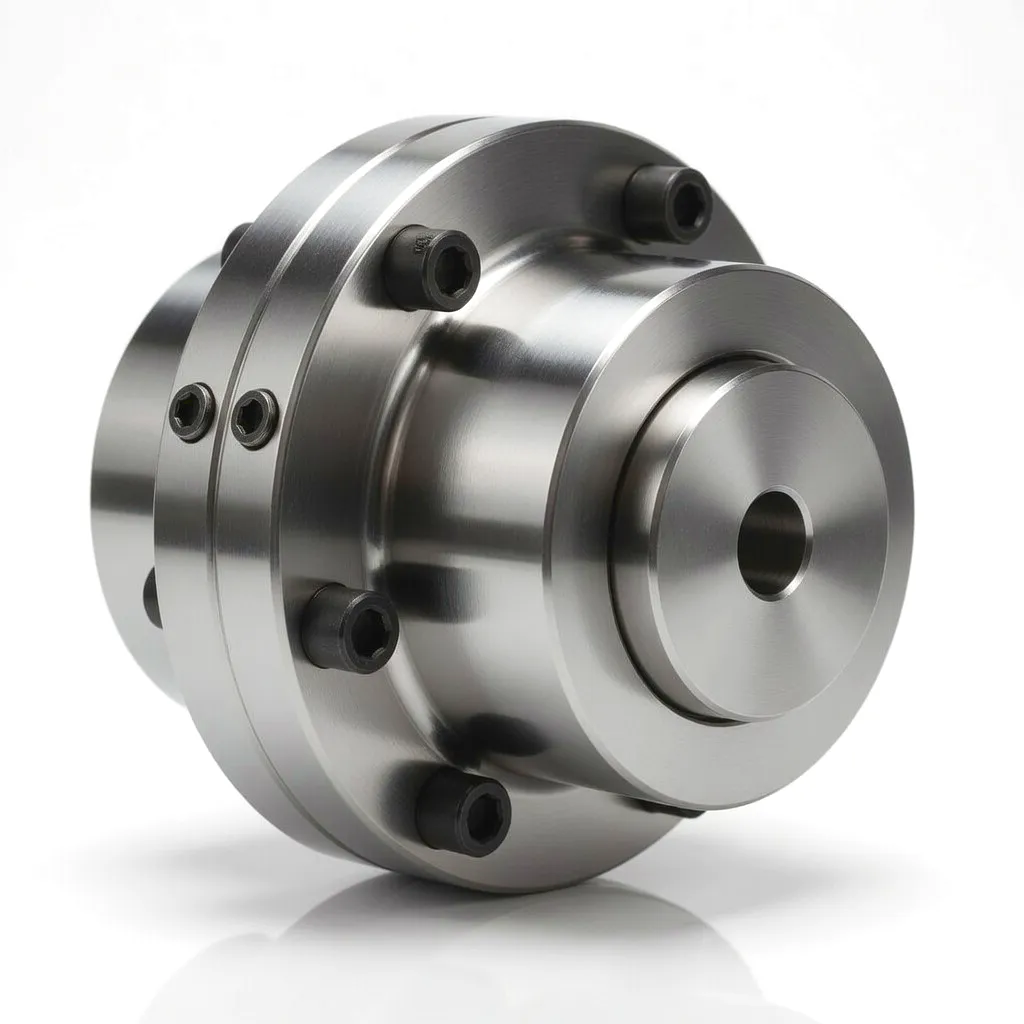
Customer Success Story: North Sea Offshore Wind Operator
🌐 Project: Northern Energy Partners — Yorkshire Coast, United Kingdom
Northern Energy Partners operates a 96-turbine offshore array roughly 45 kilometres east of Hull. The original German-supplied couplings in their 7.5 MW DFIG platforms began exhibiting premature tooth wear after only 38,000 service hours — well short of the 60,000-hour benchmark required for return on investment. Ever Power was engaged in 2024 to design and supply 48 replacement gear type couplings featuring upgraded crowned-tooth profiles, doubled grease reservoirs, and offshore-grade corrosion coatings.
Eighteen months post-installation, vibration monitoring data confirmed a 31% reduction in drivetrain torsional oscillation, zero seal failures, and projected service life extension to 95,000 hours. The operator reported annual O&M savings exceeding £420,000 across the fleet and has since contracted Ever Power for second-tier supply on a neighbouring 1.2 GW expansion.
Lo que dicen nuestros clientes
“The engineering team responded to our shaft-misalignment query within hours. Their gear type coupling has been faultless across three Scottish winters.”
— James W., Asset Manager, Edinburgh, UK ⭐⭐⭐⭐⭐
“Custom bore dimensions, DNV certification paperwork, and on-time delivery to the Aberdeen port. Ever Power simply made the project smoother.”
— Helen B., Procurement Lead, Aberdeen, UK ⭐⭐⭐⭐⭐
“We retrofitted twelve turbines across our Welsh portfolio. Eighteen months on, zero coupling-related downtime. That speaks for itself.”
— David P., Operations Director, Cardiff, UK ⭐⭐⭐⭐⭐
Why UK Wind Operators Choose Ever Power
Serving the British renewable energy sector means more than shipping hardware. Operators across England, Scotland, Wales, and Northern Ireland require partners who understand UK grid code compliance, Crown Estate seabed lease conditions, and the logistical realities of moving heavy components through ports like Hull, Aberdeen, Grimsby, and Belfast. Our network includes representatives within reach of major UK wind hubs, ensuring rapid technical consultation and emergency spares dispatch. Compliance documentation is prepared in alignment with British Standards and DNV/Lloyd’s Register classification expectations, easing the path through commissioning approvals.
UK clients additionally value our willingness to support post-Brexit customs documentation, REACH and UKCA marking requirements, and on-site engineering visits when required. Whether the project sits in the Celtic Sea, the Irish Sea, or the windswept uplands of the Pennines, Ever Power couplings arrive ready to perform — backed by responsive engineering support timed to the British working day.
🏭 Inside Our Factory — Custom Engineering Capability
Ever Power operates a 42,000-square-metre manufacturing complex equipped with CNC gear-grinding machines from Reishauer and Gleason, dedicated heat-treatment furnaces with computer-controlled carburising cycles, and a metallurgical laboratory that verifies every batch of forged blanks. Our team of 280 engineers and machinists brings collective experience exceeding three decades in heavy-industrial transmission components. Whether you require a one-off prototype for a research nacelle or a 200-unit production run for a commercial wind farm, our processes scale seamlessly.
Customisation capabilities include: non-standard bore profiles (keyed, splined, hydraulic shrink-fit, polygon DIN 32711), bespoke length-to-diameter ratios for restricted nacelle envelopes, integrated torque-overload protection, custom marine coatings to client specification, special-alloy hubs for cryogenic environments, and full traceability documentation including 3.1/3.2 material certificates per EN 10204. Every order benefits from dedicated project engineering and CAD/CAE simulation before a single chip is cut.
Preguntas frecuentes
How much does a gear type coupling cost for a 7 MW offshore wind turbine in the UK?
Pricing typically ranges between £18,000 and £42,000 per unit depending on torque rating, bore configuration, and coating specification. For accurate quotation tailored to your turbine model and delivery port, contact our UK sales team directly.
Which supplier provides the fastest gear type coupling delivery to Scottish wind farm projects?
Ever Power maintains stock of standard sizes in our European logistics partner warehouses, with custom production lead times of 6–10 weeks. Delivery to Aberdeen, Inverness, or Glasgow ports typically completes within 14 days from dispatch.
What is the typical service life of a gear type coupling in North Sea offshore wind applications?
Properly specified units routinely achieve 20+ years or 175,000 operational hours when paired with appropriate condition monitoring. North Sea-grade coatings and sealed lubrication extend intervals between major maintenance to 5–7 years.
Where can I find a reliable gear type coupling manufacturer for Welsh onshore wind retrofits?
Ever Power partners with operators across Cardiff, Swansea, and rural Welsh sites. Our engineering team conducts site surveys, supplies retrofit-compatible designs, and provides commissioning support throughout Wales and the wider UK.
When should I replace a gear type coupling on an ageing UK onshore wind turbine?
Vibration analysis indicating tooth backlash above 0.5 mm, visible grease leakage, or audible chatter under load are clear indicators. We recommend inspection at 50,000 hours and replacement scheduling between 100,000–150,000 operational hours.
What torque rating should I request when sourcing a quote for a 5 MW onshore turbine in England?
For a typical 5 MW geared platform, expect nominal torque between 35,000 and 55,000 N·m at the high-speed coupling location, with safety factor of 1.5–2.0 applied. Share your specific turbine OEM and generator details for precise sizing.
How do you certify gear type coupling quality for British offshore wind tender requirements?
Every Ever Power coupling ships with DNV/Lloyd’s Register-aligned documentation, IEC 61400-4 compliance reports, FEA fatigue calculations, and full 3.1/3.2 material certification — meeting Crown Estate and major UK developer tender requirements.
Ready to Power Your Next Wind Project?
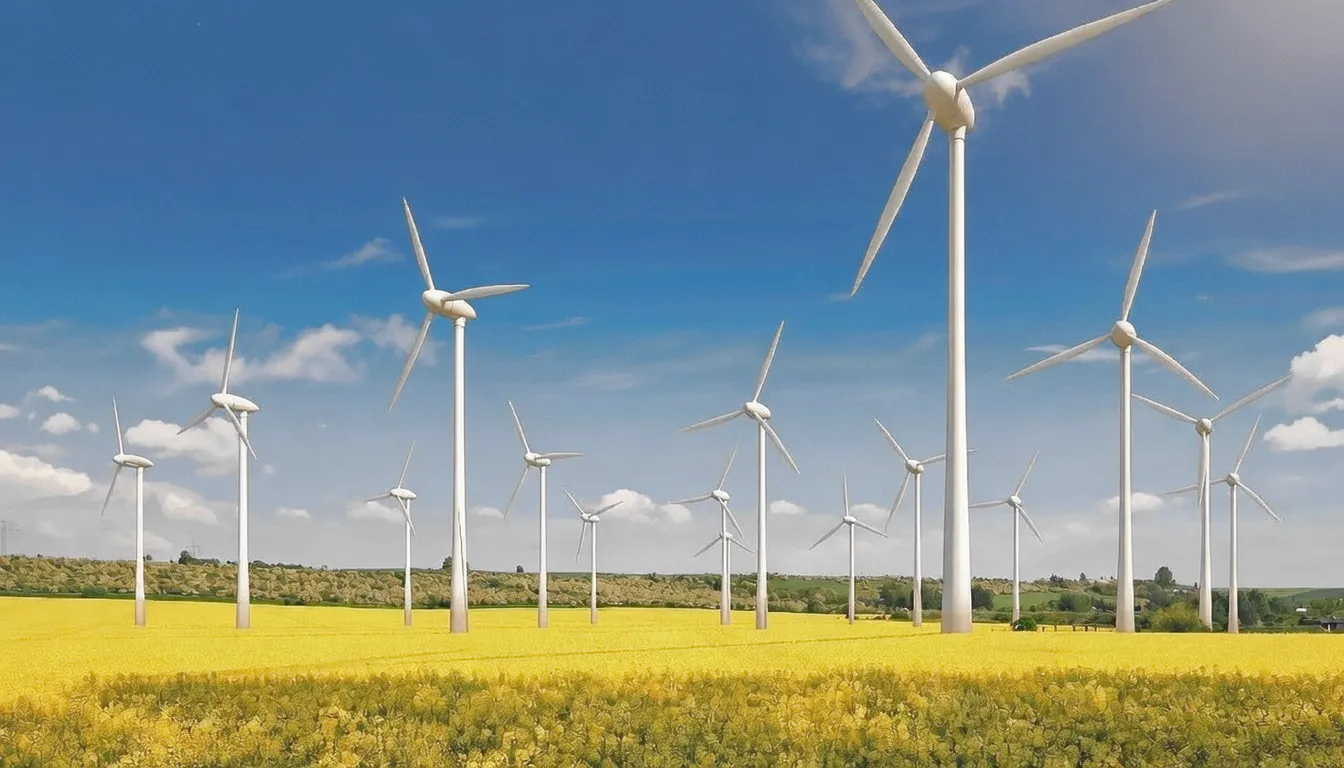
From single-turbine retrofits in the Highlands to gigawatt-scale offshore developments in the North Sea, Ever Power delivers gear type coupling solutions engineered for endurance.
✉️ Request Your Quote — [email protected]
edit by gzl