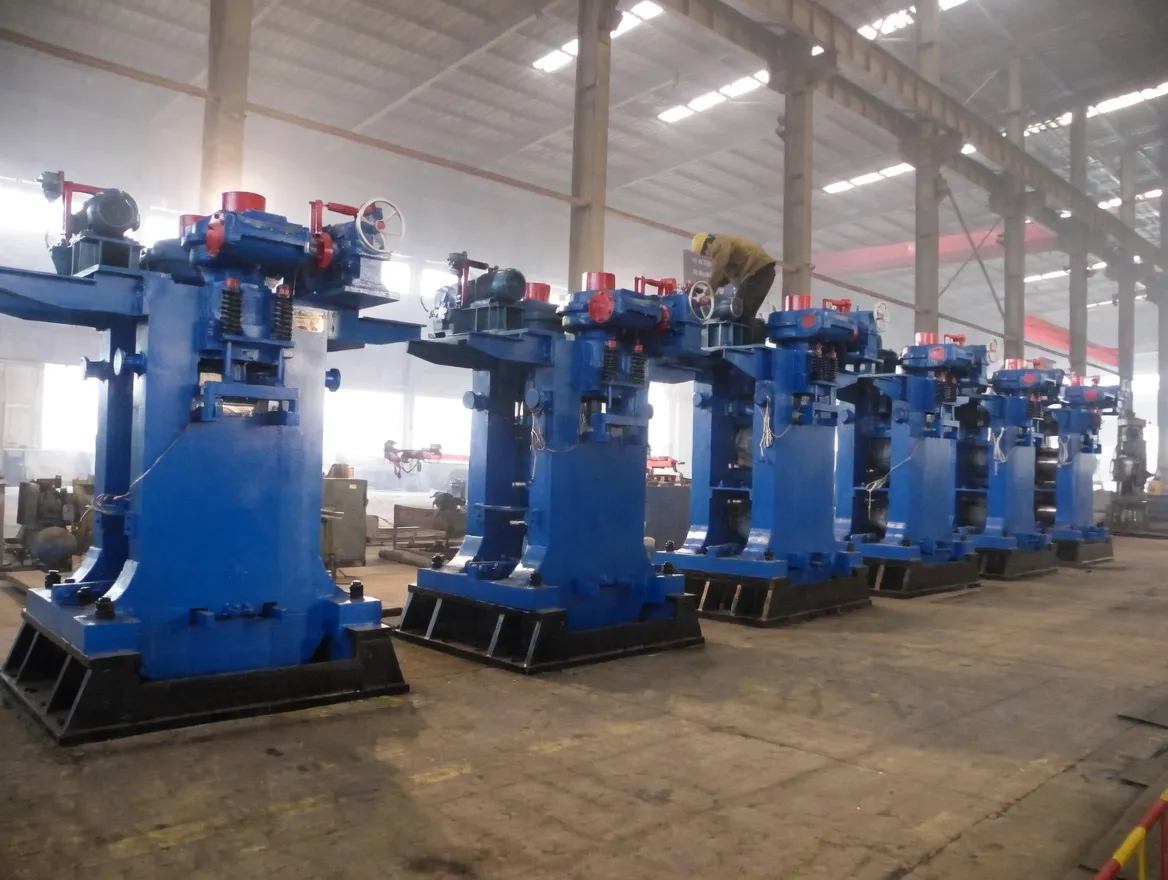
 When a hot-rolling mill bites into a steel slab at 1,200 °C, the torque spike through the drivetrain can reach tens of thousands of newton-metres in milliseconds. This is where the right gear type coupling is not a component choice — it is a production-critical decision that directly determines uptime, safety, and profitability for steel manufacturers across the UK and beyond.
Why Rolling Mills Place Unique Demands on Every Coupling in the Drivetrain
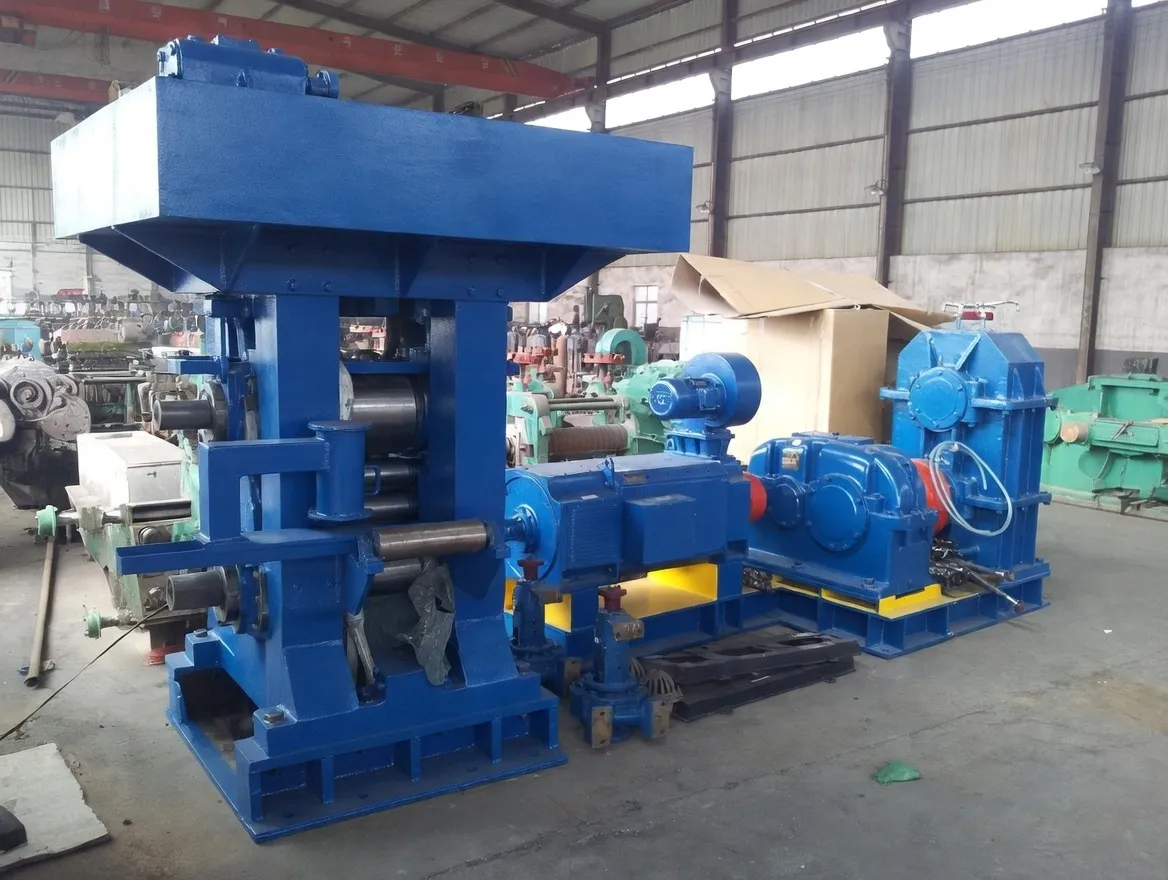 Steel rolling — whether hot-rolling slabs into coil or cold-rolling strip to final gauge — is one of the most mechanically violent processes in industrial manufacturing. A single roughing stand on a hot strip mill can demand a continuous rated torque exceeding 3,000 kN·m, with transient overload peaks two to three times that value during biting events. No flexible coupling in the world can absorb that kind of energy through rubber or elastomeric elements alone. The answer the industry settled on decades ago, and continues to rely on today, is the gear type coupling — specifically designed for high-torque, high-misalignment, shock-load environments.
What makes rolling mills particularly challenging is the combination of stressors acting simultaneously. The main motor accelerates from rest to full speed under load. The roll gap is adjusted between passes, introducing angular and parallel misalignment between connected shafts. Cooling water floods the roll table, creating a highly corrosive environment. Scale particles from the hot slab migrate through the area. Any coupling that cannot survive all these conditions — simultaneously — becomes a production bottleneck. Unplanned coupling failures in a UK steel plant routinely cost tens of thousands of pounds per hour in lost output, reheating costs, and maintenance labour.
The gear type coupling addresses these demands through its fundamental design: crowned involute gear teeth transmit torque through metallic contact while the crowned tooth profile permits controlled angular misalignment of 1° to 1.5° per coupling half without edge loading. The outer sleeve can accommodate axial float, absorbing thermal expansion from hot-rolling operations. With proper sealing and lubrication — typically circulating oil or high-pressure grease — these couplings operate reliably for years under conditions that would destroy any alternative.
Operating Principles, Materials and Construction of Gear Type Couplings
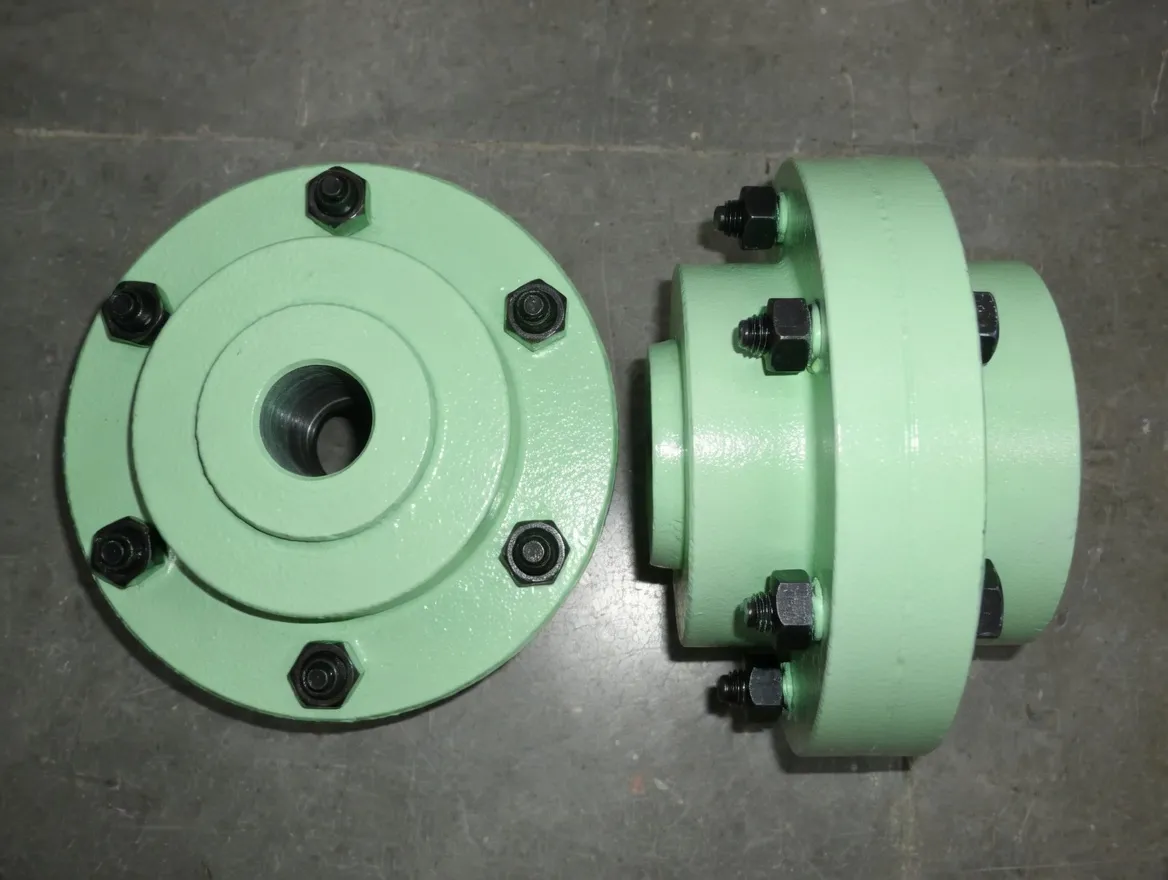 At its core, a gear type coupling consists of two inner hubs — each machined with external crowned gear teeth — and an outer sleeve assembly with matching internal straight teeth. Torque transfers from hub to sleeve through the meshing gear teeth. Because the outer teeth on the hub are crowned (barrel-shaped in the axial direction), the contact pattern shifts as the shaft angle changes, preventing edge stress concentration. This is not a soft-start mechanism; it is a rigid-yet-flexible power path that handles full rated torque at any permissible misalignment angle simultaneously.
Material selection is paramount in rolling mill service. At Ever Power, our standard coupling hubs are manufactured from 42CrMo4 alloy steel (equivalent to EN 1.7225), quenched and tempered to achieve a core hardness of 280–320 HB and a surface hardness of 58–62 HRC after carburising or induction hardening of the tooth flanks. This combination of tough core and hard surface resists both fatigue fracture under cyclic bending loads and surface pitting from the high contact stresses at the gear mesh. Outer sleeves are fabricated from 34CrNiMo6 steel for additional toughness at the bolted joint. All critical dimensions — tooth profile, pitch, crown radius — are verified on Zeiss CMM equipment before despatch.
The lubrication system is integral to coupling life. In hot-rolling applications, we recommend circulating oil lubrication with filtration, maintaining a positive oil film at the tooth mesh under all speed and load conditions. For cold-rolling or lower-speed drives where a central lube system is unavailable, high-performance lithium-complex grease filled in a sealed sleeve cavity delivers acceptable service intervals. Labyrinth seals and o-ring face seals prevent ingress of scale, water, and process contamination that would accelerate wear and cause premature failure.
Technical Performance Parameters — Rolling Mill Gear Type Coupling Range
| Parametri | Light Section Mill | Medium Plate Mill | Heavy Hot Strip Mill |
|---|---|---|---|
| Rated Torque (Tn) | 80 – 500 kN·m | 500 – 3,000 kN·m | 3,000 – 15,000 kN·m |
| Peak Overload Capacity | 2.5 × Tn | 2.5 – 3.0 × Tn | 3.0 × Tn |
| Kulmavirhe | jopa 1,5° | jopa 1,5° | up to 1° |
| Suurin nopeus (rpm) | jopa 1 500 | up to 800 | up to 300 |
| Aksiaalinen siirtymä | ±5 – ±15 mm | ±10 – ±25 mm | ±20 – ±40 mm |
| Navan materiaali | 42CrMo4 | 42CrMo4 / 34CrNiMo6 | 34CrNiMo6 |
| Surface Hardness (Teeth) | 58 – 62 HRC | 58 – 62 HRC | 58 – 62 HRC |
| Recommended Type | WGZ / SWC-BH | WGZ / SWC-DH | WGZ-H / SWC-DH |
| Safety Factor (min.) | 2.5 | 2.5 | 2.5 |
Application Positions Across the Rolling Mill Drivetrain
Main Motor → Gearbox Input
At this position, rotational speed is highest and torque is at its design value. A compact WGZ-type gear coupling handles the angular offset inevitable between a floor-mounted motor and a separate gearbox foundation, while transmitting full drive power without vibration amplification into the motor bearings. Angular misalignment capacity here protects both the motor and the gearbox from harmful bending moments that would otherwise shorten bearing and seal life significantly.
Gearbox Output → Roll Neck
This is the most demanding position in the entire drivetrain. Torque is multiplied by the gear ratio, speed is reduced, and the coupling must accommodate active roll-gap adjustment during production. The SWC-DH or WGZ-H arc-tooth gear coupling is preferred here, with large-diameter hubs to handle the high torque, extended axial float to absorb roll change procedures, and heavy-duty labyrinth sealing against scale and cooling water ingress. Maintenance access windows in the sleeve design allow in-situ grease inspection without full disassembly.
Pinion Stand Connections
Where pinion gearboxes split drive to upper and lower work rolls, gear type couplings link the pinion outputs to each roll spindle. The geometry here is dynamic — chock positions vary as roll diameter changes with wear — making the misalignment compensation of gear couplings absolutely indispensable. In a typical 4-high reversing mill for heavy plate, four gear couplings operate continuously at this position, and their reliability is the single largest factor in planned maintenance scheduling. Our engineering team provides full FEA-backed selection service for pinion coupling sizing in plate and strip mill configurations.
Product Advantages That Drive Measurable Returns in UK Steel Production
Exceptional Overload Tolerance
Metallic gear mesh transmits shock loads without fatigue damage when correctly sized, with overload capacity of 2.5–3× rated torque as standard. Elastomeric alternatives simply cannot match this figure.
Moniakselinen kohdistusvirheiden kompensointi
Angular misalignment up to 1.5° per half, combined with free axial float, accommodates shaft movements during operation without creating radial forces on connected equipment bearings.
Long Service Life, Low Lifecycle Cost
Hardened alloy steel teeth with optimal crown geometry deliver multi-year service life. Replacement of worn tooth sleeves without removing hubs from shafts reduces planned maintenance downtime substantially.
Custom Engineering Available
Non-standard bore sizes, keyway configurations, flanged-spindle interfaces, integrated torque-limiting devices, and special surface treatments for aggressive environments all available from Ever Power’s dedicated engineering team.
Selection Guide: Choosing the Correct Gear Type Coupling for Your Mill Configuration
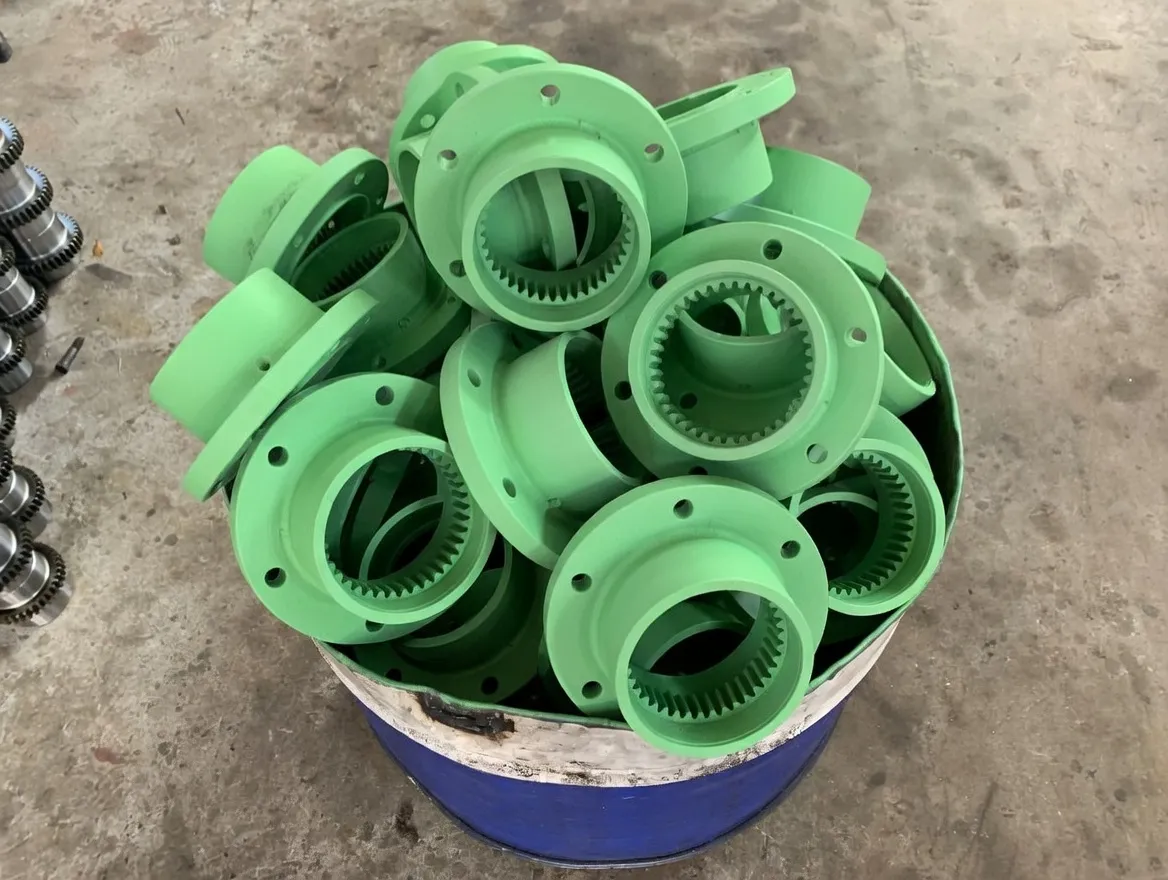 Coupling selection for rolling mill drives is not simply looking up a torque value in a catalogue. You need the calculated equivalent torque — accounting for the service factor appropriate for the load classification of rolling mill drives (typically KA = 2.0 to 3.5 depending on the mill type and presence of reversing duty), multiplied by the transmission ratio to determine load at each shaft. Peak torque during biting events should be estimated from motor stall torque or dynamic analysis of the drive system, not assumed to equal rated torque. Undersizing a gear type coupling on a rolling mill results in premature tooth wear, grease degradation from heat, and ultimately a catastrophic torque failure at the worst possible moment.
For plate mills and reversing roughing stands in the UK steel sector, Ever Power recommends the WGZ-H series (arc-tooth, heavy-duty) or the SWC-DH spindle coupling for direct roll-to-pinion connections. The arc-tooth profile on WGZ-H couplings reduces axial force generation during misalignment compared with straight-tooth equivalents, which is particularly valuable where bearing load budgets are tight on legacy mill housings. For new-build applications, we work directly with drive system integrators and EPC contractors to optimise the coupling specification alongside motor and gearbox selection, avoiding the common pitfall of specifying each component independently and discovering incompatibility during commissioning.
A minimum safety factor of 2.5 on rated torque is mandatory in rolling mill service. For mills with known stall events or reversing duty under load, 3.0 is prudent. Ever Power provides full documentation of safety factor calculations and material certification traceable to EN 10204 3.1, meeting the requirements of UK and EU industrial machinery directives and supporting CE marking compliance for new rolling mill installations.
| Mill Type | Recommended Coupling Series | Key Selection Criterion | Min Safety Factor |
|---|---|---|---|
| Hot Strip Mill (Roughing) | SWC-DH / WGZ-H | Peak torque, axial float | 3.0 |
| Hot Strip Mill (Finishing) | WGZ / SWC-BH | Speed, balance grade | 2.5 |
| Heavy Plate Mill (Reversing) | WGZ-H | Reversing load, sealing | 3.0 |
| Cold Rolling Mill | WGZ / SWC-C | Rated torque, precision | 2.5 |
| Bar & Section Mill | WGZ / SWC-BH | Misalignment, compact bore | 2.5 |
Customer Success: How a Welsh Plate Mill Eliminated Quarterly Coupling Failures
Client: Mid-sized independent steel plate producer, South Wales, UK · Application: 4-high reversing plate mill, 3,200 mm rolling width · Challenge: Repeat coupling failures every 10–14 weeks at pinion-to-roll-spindle connections
The client had been sourcing generic gear couplings from a European distributor. Inspection after each failure revealed consistent tooth-flank spalling starting at the pitch line — a classic sign of insufficient case depth combined with crown radius mismatched to the actual misalignment angle in service. The rolling programme on this mill included stainless steel plate passes, which generate significantly higher torque per unit width than carbon steel, and this was not reflected in the original coupling specification. Failures were occurring on average every 11.5 weeks across four coupling positions, with each replacement requiring a 14-hour mill shutdown.
Ever Power’s engineering team conducted an on-site survey, measuring actual shaft misalignment under operating load using laser alignment equipment and reviewing the complete drive train inertia calculation. The finding: the existing couplings were sized to the nominal rated torque without any stainless steel service factor uplift, and the crown radius was 15% too aggressive for the measured 0.95° operating angle, concentrating stress at the tooth tip. Our recommendation was WGZ-H series couplings with a torque rating 40% above the nominal mill figure, matched crown geometry, extended grease capacity, and a new sealing arrangement to address the scale ingress that had been contaminating the existing lubricant.
Following installation of four Ever Power WGZ-H couplings in Q1 2023, the mill operated for 18 consecutive months without a single coupling-related stoppage at the time of writing. The client estimates annualised savings of approximately £240,000 in maintenance labour, lost production, and slab reheating costs directly attributable to the coupling upgrade. The plant maintenance manager noted that the improved sealing alone — preventing scale contamination of grease — appeared to be as significant as the torque rating uplift in extending service life.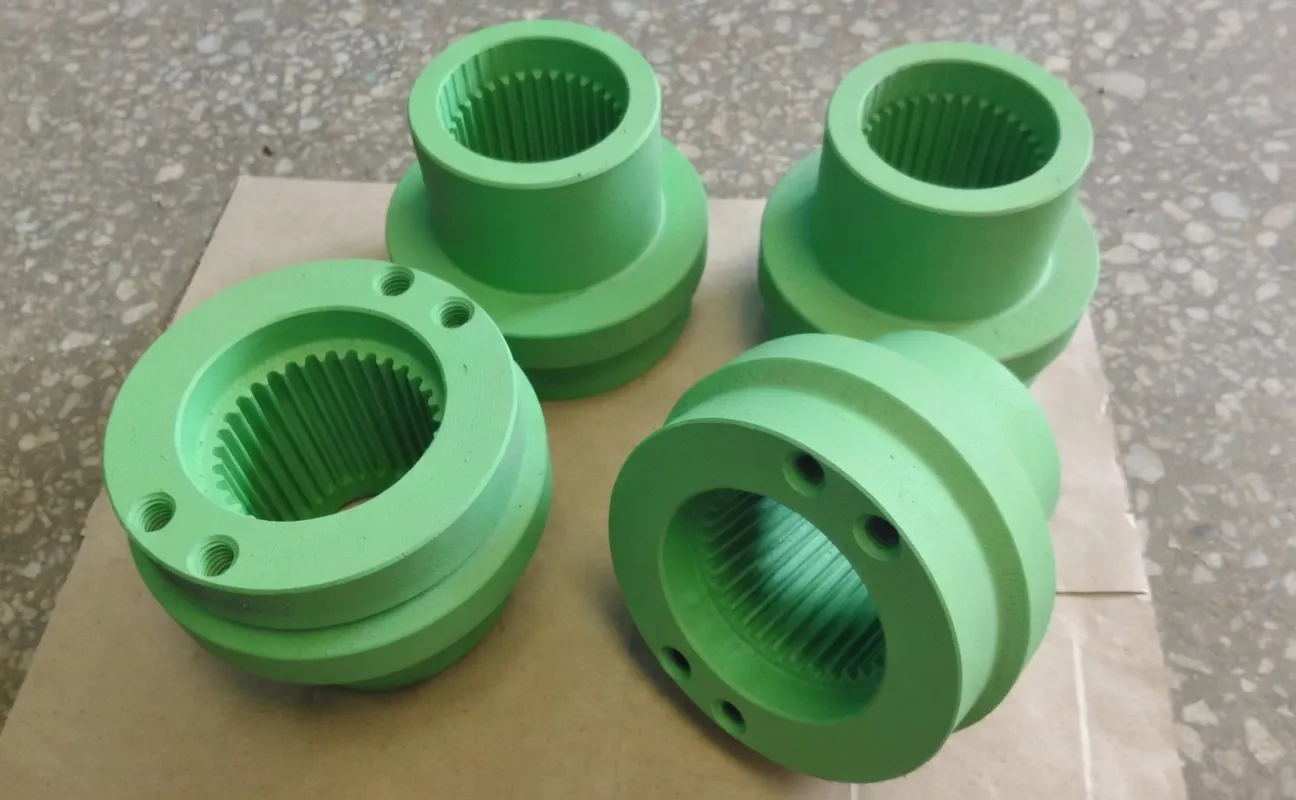
“We had been battling coupling failures at the roughing stand for two years. Since fitting Ever Power WGZ-H units the drives have been completely trouble-free. The selection support from their engineers was exactly what we needed — no generic catalogue sizing, just proper application engineering.”
“The lead time was tight and Ever Power delivered a non-standard bore size with a custom keyway configuration within three weeks. The dimensional accuracy was excellent — zero rework on installation. For our cold-rolling line the coupling upgrade has extended our planned maintenance interval from six months to over a year.”
“We procured six gear type couplings for our bar mill upgrade project. Competitive price, full material traceability to EN 10204 3.1, and documentation that satisfied our CE marking audit without any queries. Will definitely use Ever Power again for the rod mill phase next year.”
Manufacturing Capability and Custom Coupling Design at Ever Power
Ever Power operates a vertically integrated manufacturing facility equipped with CNC gear hobbing, grinding, and profile inspection, capable of producing gear type couplings from 100 mm nominal bore diameter up to 1,400 mm outer sleeve diameter. Our gear grinding centre achieves tooth profile accuracy to ISO 1328-1 Class 5, which is essential for high-speed finishing mill applications where balance and profile precision directly affect vibration levels at the connected motor and gearbox.
Our product customisation capability is a genuine competitive differentiator for rolling mill clients. Standard catalogue sizes cover the majority of applications, but rolling mills frequently present non-standard requirements: unusual shaft spacing, heritage mill housings with imperial bore dimensions, integration with torque-monitoring sensors, or specific surface coatings for aggressive process environments. Our engineering team regularly supplies couplings with interference-fit tapered bores for QD bush mounting, flanged spindle designs for combined axial and torque transmission, and split-sleeve configurations that allow on-site replacement without shaft withdrawal. All custom designs are accompanied by full FEA analysis reports, available to clients on request.
For UK and European steel producers, we offer consignment stock agreements on standard coupling series, ensuring replacement components are available within 48 hours for emergency breakdown situations — a critical provision for mills operating continuous rolling schedules where waiting weeks for coupling delivery is simply not an acceptable option.
Usein kysytyt kysymykset
What is the best gear type coupling for a hot-rolling mill main drive in the UK, and how much does it typically cost for a roughing stand application? +
How do I calculate the correct torque rating when selecting a gear type coupling for a steel rolling mill drive system in the UK? +
Which gear type coupling supplier in the UK can deliver custom non-standard bore sizes quickly for an emergency rolling mill breakdown? +
How often should the grease or oil in a gear type coupling on a rolling mill be changed, and what lubrication type is best for hot-rolling environments? +
What are the signs that a gear type coupling on my rolling mill main drive is about to fail, and when should I schedule a replacement? +
Send Ever Power your shaft dimensions, rated torque, operating speed, and mill type. Our engineering team will return a fully calculated coupling recommendation — including safety factor analysis and material certification options — within 24 hours. No obligation, no generic catalogue response.
✉ Request Engineering Quote — [email protected]