Industrial Power Transmission · UK Engineering
Accouplements à engrenages pour tunneliers : une précision d'ingénierie au service des infrastructures souterraines du Royaume-Uni
From Crossrail to the Thames Tideway Tunnel, the UK’s underground construction renaissance demands drive components engineered to withstand extraordinary torque loads, misalignment, and continuous-duty cycles. Gear type couplings sit at the mechanical heart of every tunnel boring machine — and their specification defines the difference between project success and costly downtime.
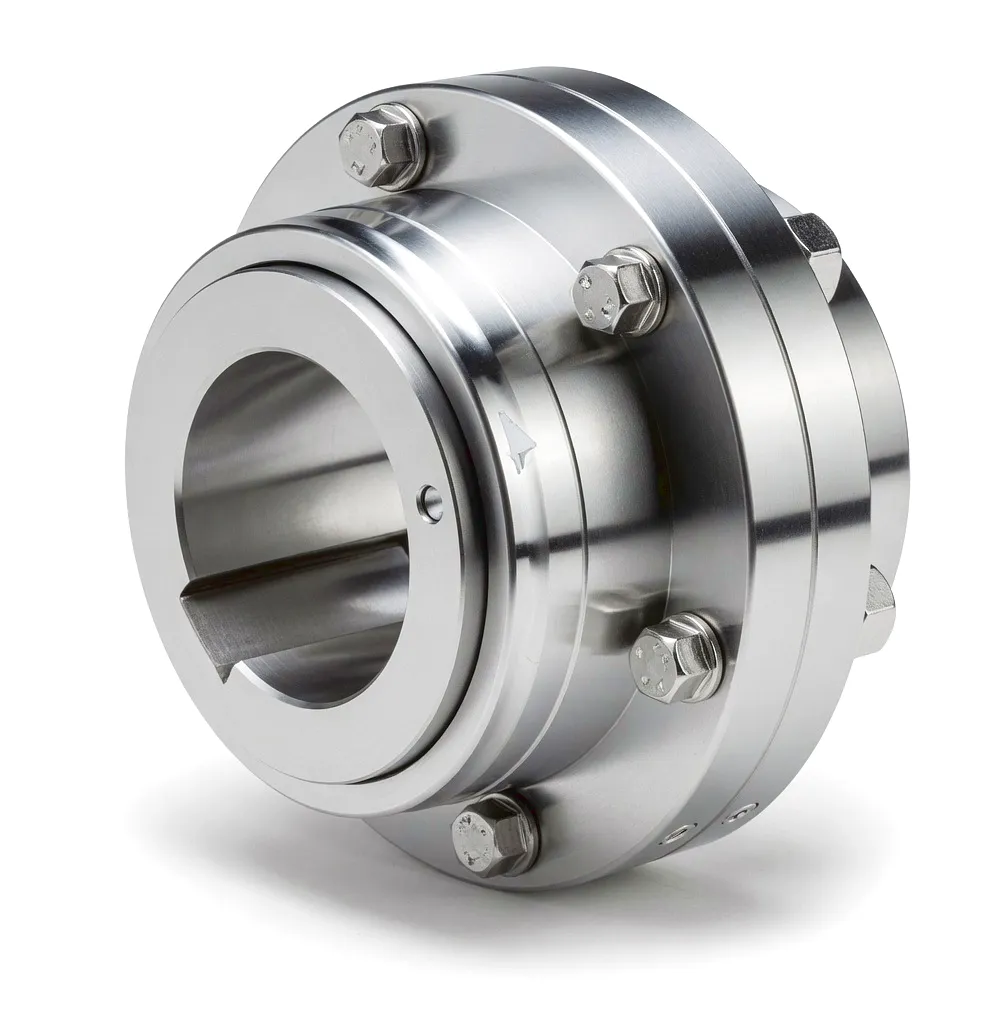 A tunnel boring machine is arguably the most mechanically demanding environment that a rotating drive component can endure. The cutter head — a disc of carbide-tipped tools measuring anywhere from three to fifteen metres in diameter — must rotate against rock face pressures that would buckle lesser equipment in minutes. The entire rotational energy chain, from the electric drive motors through planetary reduction gearboxes to the main bearing and cutter head hub, passes through gear type couplings that must simultaneously transmit peak torques measured in tens of thousands of kilonewton-metres, accommodate shaft misalignment caused by machine deflection and ground settlement, and survive continuous operation in environments saturated with water, clay slurry, and abrasive rock dust. It is no surprise that TBM drive-train engineers in Birmingham, Nottingham, and London regard the selection of a reliable gear coupling as one of the most consequential engineering decisions on any tunnelling project. The wrong specification means unscheduled maintenance halts inside a completed bore — a scenario that can cost a UK contractor hundreds of thousands of pounds per day.
How Gear Type Couplings Work Inside a TBM Drivetrain
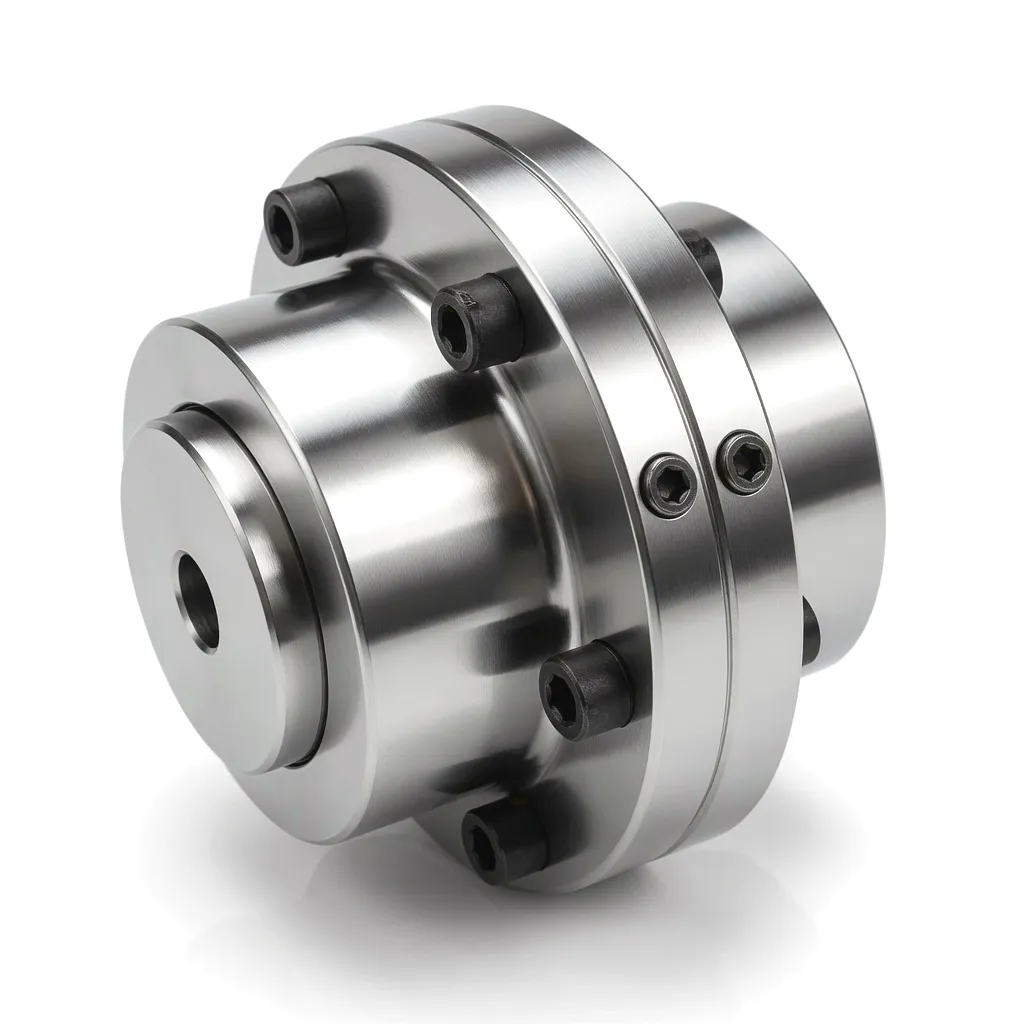
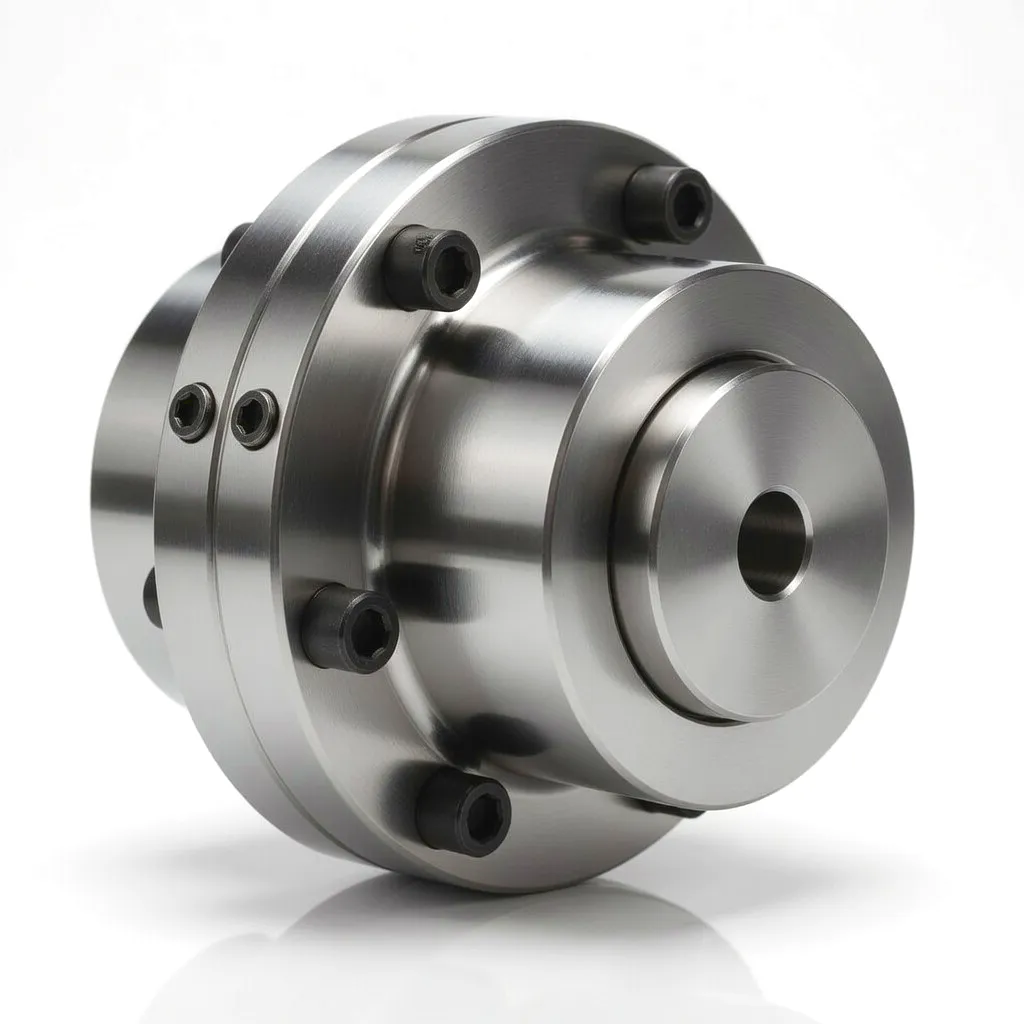 The operating principle of a gear type coupling rests on the controlled meshing engagement between an external gear sleeve — known as the inner hub or gear shaft — and an internal ring gear housed within an outer sleeve or drum. Unlike rigid flanged couplings, the tooth profiles are cut with a deliberate crowned geometry: each external tooth is machined with a slight barrel or convex curvature along its length. This crowned form allows the tooth contact to shift axially and angularly as the two shafts undergo relative displacement caused by thermal expansion, bearing wear, foundation settlement, or the bending loads imposed when a TBM navigates a curved alignment through London Clay or the Chalk Marl beneath Birmingham’s city centre. Lubrication — typically a high-viscosity lithium-complex grease rated for the expected temperature band inside the machine — fills the mesh cavity, forming a hydrodynamic film that prevents metal-to-metal contact at the tooth flanks under peak torque. Sealed end covers retain the lubricant and exclude the abrasive slurry that permeates every crevice of a TBM’s forward section. The overall mechanical arrangement means torque is shared simultaneously across all engaged teeth rather than concentrated at a single contact point, producing a load distribution that makes gear type couplings the preferred selection for the extreme-torque duty cycles found in the main drive and auxiliary systems of large-diameter boring machines operating in the UK’s varied sub-surface geology.
Core Materials in Precision Gear Coupling Manufacture
Alloy Steel (42CrMo4 / EN19T)
The gear hubs and outer sleeves of heavy-duty gear type couplings destined for TBM main drives are predominantly forged from chromium-molybdenum alloy steel, typically conforming to the EN 10083 grade 42CrMo4 — a specification thoroughly understood by UK and European metallurgical suppliers. After rough machining, components undergo quench-and-temper heat treatment to achieve core tensile strengths in the 900–1,100 MPa range, followed by tooth-flank induction hardening to surface hardness values of 50–58 HRC. This combination gives the gear teeth exceptional fatigue resistance under the cyclical torque reversals that occur as a TBM cutter head encounters alternating layers of hard rock and soft fill. Sheffield’s precision engineering sub-contractors, with their long heritage in defence and energy sector forgings, are well positioned to supply raw material for high-specification gear coupling production to these standards.
Carburising Steel (20CrMnTi)
For mid-range auxiliary drive couplings — such as those connecting the screw conveyor drive or the segment erector rotation motor — carburised and case-hardened steels provide a cost-effective balance of a tough, impact-resistant core with an extremely hard, wear-resistant tooth surface. Carburising introduces additional carbon into the tooth surface layer to depths of 0.8–1.5 mm, creating a hardness gradient from approximately 60 HRC at the surface to the softer substrate beneath. This prevents brittle through-hardening fracture while still resisting the adhesive and abrasive wear mechanisms that dominate in lightly-lubricated or contaminated operating conditions — a real concern in the seam-face environments encountered during cross-London soft-ground tunnelling where groundwater ingress is almost guaranteed.
Duplex Stainless Steel
Where TBM drives operate in coastal or tidal zones — as seen in the Thames Estuary crossing projects and the offshore wind-related cable tunnel works around East Anglia — couplings manufactured from duplex or super-duplex stainless steel grades (UNS S32205, S32750) offer dramatically superior resistance to pitting corrosion and crevice corrosion in chloride-saturated groundwater. Although duplex stainless is more expensive per kilogram than alloy steel and presents greater challenges during precision gear tooth hobbing, its elimination of the surface corrosion mechanisms that initiate fatigue cracks in conventional steels often justifies the premium for assets that will remain underground and largely inaccessible for the operational life of the infrastructure.
Ductile Iron (GGG-70 / EN-GJS-700-2)
Flanged end covers, inspection plugs, and non-torque-transmitting housing components are frequently machined from spheroidal graphite cast iron to the EN 1563 grade GJS-700-2. Ductile iron combines the castability and machinability advantages of grey iron with a tensile strength of 700 MPa and elongation at fracture of at least 2%, providing adequate toughness to survive the shock loads transmitted to housing structures during cutter head ground obstructions. Its cost advantage over steel forging for complex near-net-shape components makes it the standard choice for coupling outer drums where the geometry would be prohibitively expensive to machine from billet.
Technical Advantages of Gear Type Couplings for TBM Drives
Product Technical & Performance Parameters
| Paramètre | Gamme standard | Heavy / TBM Series | Unité / Note |
|---|---|---|---|
| Couple nominal | 50 – 5,000 | 5,000 – 50,000+ | kNm |
| Peak Torque (2× rated) | Up to 10,000 | Up to 100,000+ | kNm (instantaneous) |
| Désalignement angulaire | Jusqu'à 1,5° | Up to 3° (double) | Per coupling half |
| Radial Offset | 0.2 – 2.0 | 2.0 – 6.0 | mm |
| Vitesse maximale | 100 – 3,000 | 5 – 500 | rpm (low-speed, high-torque) |
| Matériau du moyeu | 42CrMo4 / 20CrMnTi | 42CrMo4 / S32205 | Heat-treated alloy steel |
| Surface Hardness (teeth) | 48 – 55 HRC | 50 – 58 HRC | Induction hardened |
| Tooth Profile | Involute, crowned | Involute, barrel-crowned | 20° pressure angle typical |
| Type de lubrification | Grease (NLGI 2) | Li-Complex / Synthetic EP | Sealed cartridge or grease nipple |
| Température de fonctionnement | -20 à +80 °C | -30 to +120 °C | Depending on seal / grease grade |
| Plage de diamètres d'alésage | 20 – 260 mm | 260 – 1,200 mm | Custom keyed, splined, or shrink fit |
| Niveau d'équilibrage | G6.3 | G2.5 (dynamic) | Per ISO 21940-11 |
| Axial Travel | ±2 – ±10 mm | ±10 – ±50 mm | Between outer sleeves |
Application Scenarios: Gear Type Couplings in Tunnel Boring Machine Systems
Scenario 1: Cutter Head Main Drive — Motor to Gearbox Connection
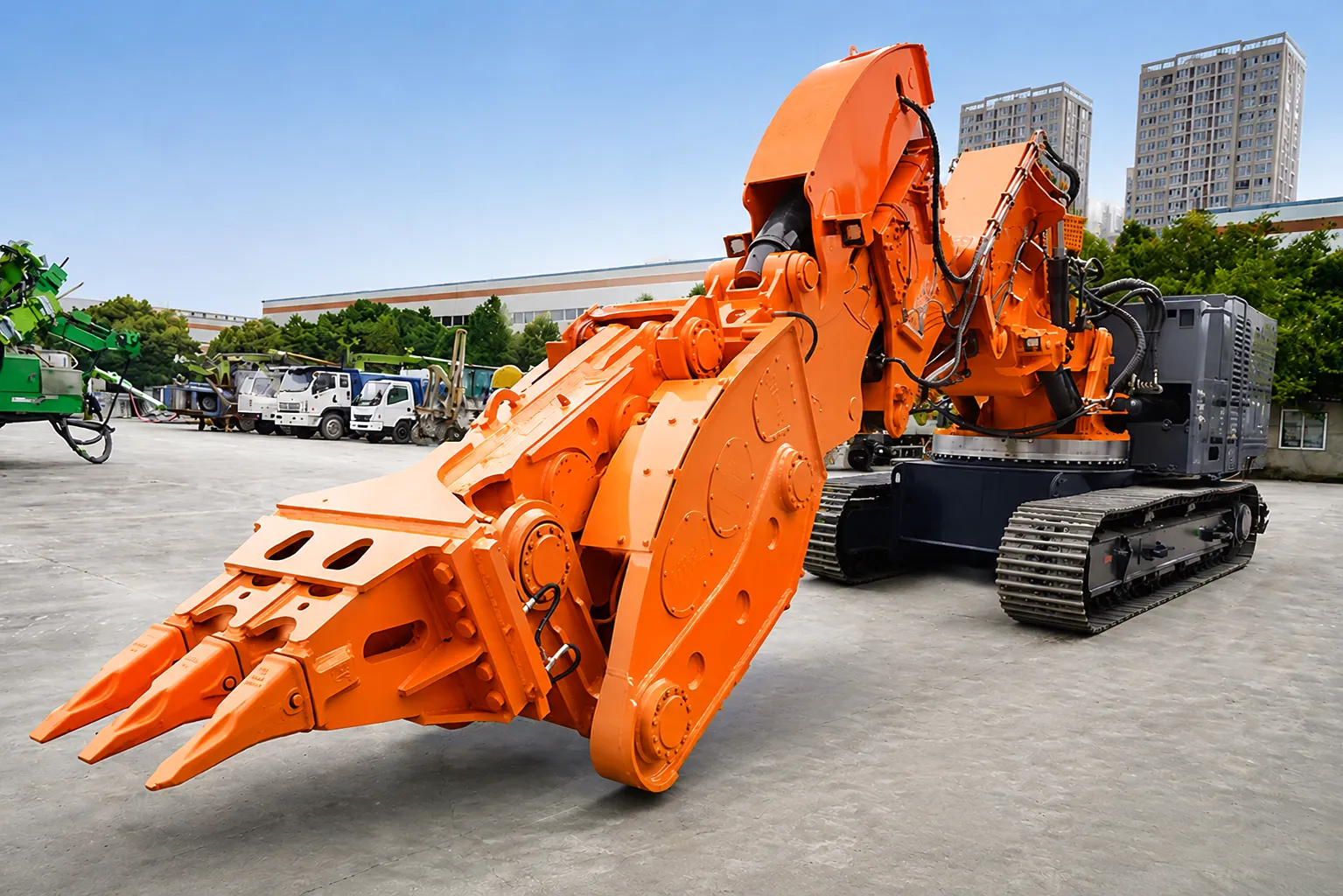 The cutter head of a large-diameter TBM is powered by an array of electric motors — commonly between four and sixteen drive units arranged around the circumference of the main drive annulus — each connected through a planetary reduction gearbox to a pinion that engages the ring gear on the main bearing. Between each electric motor output shaft and its corresponding gearbox input shaft, a gear type coupling manages the torsional and misalignment loads arising from manufacturing tolerances in the drive mounting flanges, thermal growth differentials between the motor frame and gearbox housing, and the vibration transmitted back through the gear train as the cutter head encounters hard inclusions or transitions from soft to hard geology. In a representative 8.8-metre diameter TBM typical of those used on the Tideway project, each of the twelve main drive motors generates approximately 315 kW at 1,500 rpm, making the coupling at this interface responsible for reliably transmitting torques in the range of 2,000–3,200 Nm per motor unit under normal cutting conditions, with peaks several times this value when cutter head stall events occur. The gear type coupling’s inherent ability to tolerate these torque spikes without fatigue accumulation — unlike disc-pack or jaw couplings that can suffer delamination or rubber cracking under repeated overload — makes it the industry-standard choice for this position in the drivetrain.
Scenario 2: Gearbox Output to Main Bearing Pinion Connection
The second critical position where gear type couplings appear in TBM drives is between the output shaft of each planetary reduction gearbox and the drive pinion that meshes with the main bearing ring gear. At this point in the drivetrain, the rotational speed has been reduced to perhaps 8–25 rpm while the torque has been amplified by the gearbox ratio — often 60:1 to 100:1 — resulting in torques at the pinion shaft that may reach 20,000–40,000 kNm on large-diameter machines. The gear type coupling at this interface must not only transmit this enormous torque but must accommodate the relative displacement between the gearbox output shaft centreline and the pinion shaft centreline that arises as the heavy main bearing and cutter head assembly deflects under the net cutterhead face load, which in hard rock conditions may reach 15,000–25,000 kN in the thrust direction. Double-engagement gear couplings with a floating intermediate shaft are commonly specified here precisely because they allow the two connecting shafts to be non-parallel without inducing bending moments large enough to damage gearbox output bearings — a form of protection that becomes critical on projects such as the HS2 tunnel drives through the Chiltern chalk, where the main bearing loads vary significantly as the machine encounters flint nodule bands.
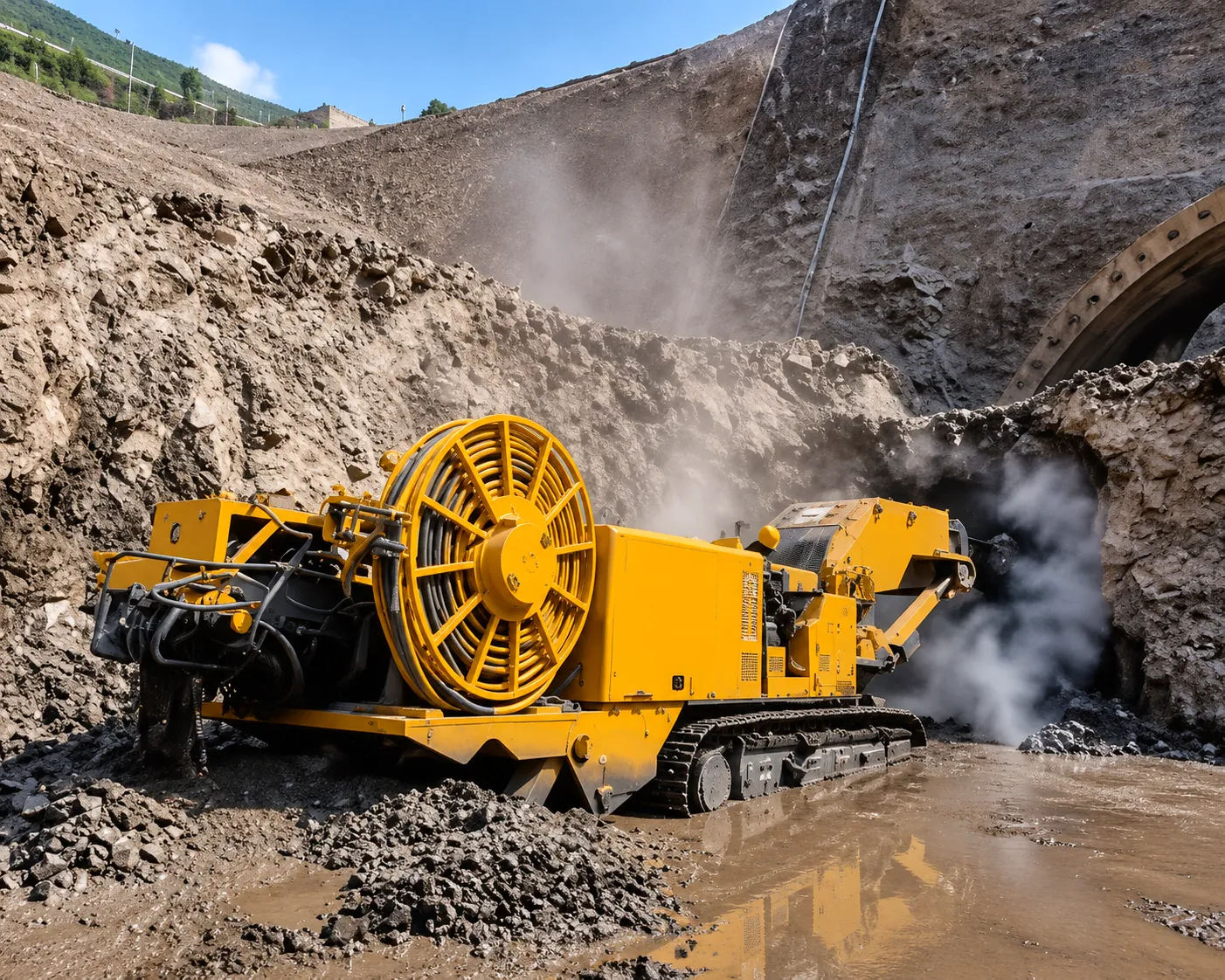 Earth pressure balance (EPB) and slurry TBMs, which are the machines of choice for soft-ground tunnelling in cities such as London, Manchester, and Edinburgh, rely on a screw conveyor to extract conditioned excavated material from the pressurised working chamber at a controlled rate that maintains the face support pressure. The screw conveyor is itself a heavily loaded machine, driven through a dedicated motor and gearbox arrangement, with the output coupling connecting the gearbox to the helical screw shaft. The nature of the material being conveyed — a mixture of soil, groundwater, foam agents, and polymer slurry at pressures that can exceed 3 bar at the intake end — generates highly variable torque loading on the screw shaft as blockages form and clear. A gear type coupling here provides the torsional rigidity needed for responsive speed control while tolerating the axial growth of the screw shaft as it heats during continuous operation. The sealed construction of the coupling is equally important: the environment immediately adjacent to the screw conveyor drive is one of the wettest and most contaminated locations in the entire machine, and any coupling that relies on elastomeric elements or exposed dry-running surfaces will degrade rapidly under these conditions, as maintenance engineers on projects from the Glasgow Sewers Enhancement to the London Water Ring Main have documented.
Scenario 4: Slurry Pump Drive in Slurry Shield TBMs
Slurry shield TBMs — the preferred choice for tunnelling under high groundwater pressure, such as the works beneath the River Thames or the sub-sea sections of tunnels connecting offshore installations around the Humber Estuary — use high-pressure centrifugal pumps to circulate bentonite slurry to and from the cutter face. These slurry pumps operate continuously at pressures up to 10 bar and flow rates of hundreds of cubic metres per hour, driven through close-coupled motor-gearbox-pump arrangements. The coupling between pump gearbox and pump shaft must handle the starting torques generated as the pump comes up to speed against a charged slurry circuit — torques that can reach three to four times the steady-state running value — while accommodating the slight shaft misalignment that develops as the pump casing distorts under internal pressure. Gear type couplings excel in this role because they maintain full torque capacity throughout their misalignment range without the stiffness-misalignment interaction that causes radial bearing loads to increase sharply in disc or diaphragm couplings when shafts are not perfectly aligned.
Scenario 5: Back-Up Train Conveyor and Segment Crane Drives
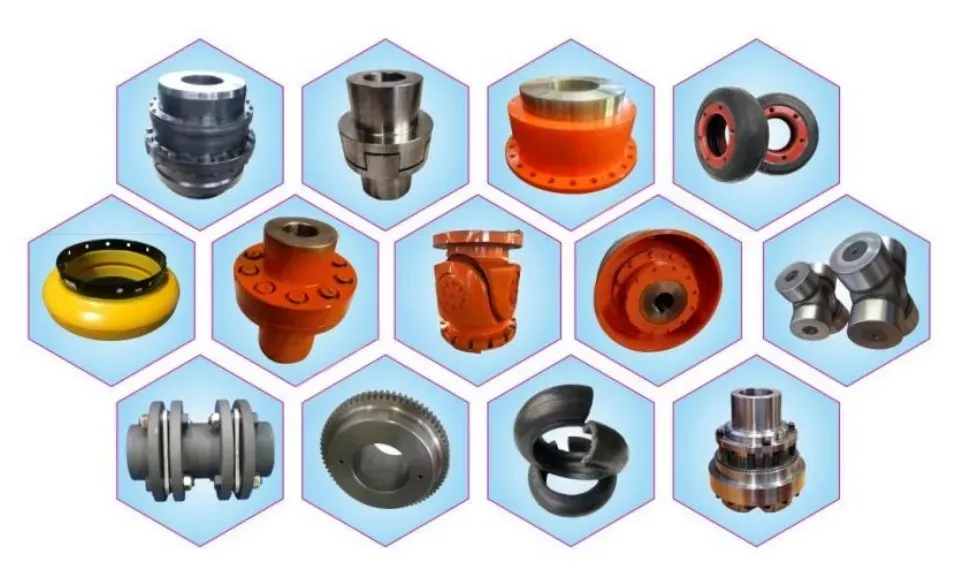
Behind the main shield body, the TBM back-up train — a series of trailing gantries extending 80–300 metres into the completed tunnel — carries auxiliary equipment that is every bit as critical to production rates as the cutter head itself. Conveyor systems for muck removal, segment delivery systems, grout mixers, and overhead segment handling cranes all contain rotating drive systems where gear type couplings provide the mechanical link between motors and driven elements. The operating environment here is less extreme than at the cutting face, but the requirement for long service life without maintenance access is equally demanding; the back-up train operates continuously through shifts and the couplings must tolerate the dynamic loads imposed as the trailing gantries flex over the pre-cast concrete ring segments that form the tunnel lining. For smaller drive duties on the back-up train, lighter gear couplings in the JSA series snake spring coupling range offer a practical solution where the characteristic high spring flexibility absorbs small shocks from segment handling without transmitting them into gearbox bearings.
Ever Power: Precision Manufacturing & Customisation for TBM Drive Couplings
Customisation Capabilities
Special tooth crowning radii for extreme misalignment duty · Bespoke sealing arrangements for submerged or pressurised environments · Split outer sleeve designs for in-situ installation without shaft dismantling · Non-standard flange PCD and bolt patterns to match OEM gearbox interfaces · ATEX-rated non-sparking alloy outer drums for hazardous-zone tunnel environments
Quality & Certification
ISO 9001:2015 Quality Management · Full material traceability EN 10204 3.1 · CE-marked assemblies available · Third-party inspection (Lloyd’s, Bureau Veritas, SGS) facilitated · Dimensional reports and assembly test certificates supplied with every shipment
Ready to discuss your TBM coupling specification? Contact our engineering team for a detailed technical proposal.
Customer Success Story: Midlands Water Infrastructure — Coventry Ring Main Extension
Case Study · Coventry, West Midlands · Water Infrastructure · 2024
 A major regional water utility operating across Coventry and the wider West Midlands commissioned the extension of a potable water transmission main requiring 3.2 kilometres of new tunnel at a depth of 24 metres through a combination of Mercia Mudstone and Jurassic limestone. The project specified an earth pressure balance TBM with a 3.6-metre cutting diameter, powered by eight main drive motors rated at 185 kW each and a gearbox reduction ratio of 82:1, resulting in cutter head torques reaching 18,500 kNm under difficult geological conditions.
The original equipment specified standard disc-pack couplings at the motor-to-gearbox interface. After eight weeks of tunnelling, two of the eight couplings showed disc-pack fatigue cracking attributed to the combination of frequent torque reversals when cutter head rotation direction was briefly reversed to clear blockages, and a shaft angular misalignment at three of the drive positions that exceeded the disc-pack’s rated capacity by approximately 40%. The contractor contacted Ever Power after their UK project engineer identified our gear coupling range through a search for UK-sourced heavy-duty transmission components.
Ever Power’s applications team conducted a remote drivetrain review using the contractor’s motor and gearbox datasheets, completed in forty-eight hours. We proposed a set of eight single-engagement gear type couplings with a 42CrMo4 gear hub, induction-hardened tooth flanks, sealed cartridge grease retention, and a custom flange pattern matching the existing motor and gearbox mounting interfaces. The bore dimensions were produced to H7 tolerance with a parallel keyway to BS 4235, and the assemblies were dynamically balanced to G2.5. Eight complete coupling units were manufactured, assembled, tested, and despatched from our facility within nineteen working days of order placement, arriving at the Coventry site with full EN 10204 3.1 material certificates and assembly test reports.
The replacement couplings were installed during a scheduled maintenance window. From that point through the completion of the 3.2-kilometre drive — a period of approximately seven months — no further coupling-related downtime was recorded. The contractor’s project manager calculated a total saving on unplanned downtime costs exceeding £340,000 compared to the projected failure pattern of the original disc-pack design, attributing the result directly to the torque overload tolerance and misalignment accommodation of the Ever Power gear type coupling assemblies.
★★★★★
“The gear couplings Ever Power supplied for our Coventry water main TBM have run faultlessly through over six months of continuous boring. The tooth engagement tolerates the misalignment at our drive positions that caused repeated failures with our previous coupling type. The technical datasheets provided were detailed enough for our rotating equipment engineers to carry out full verification — that level of documentation is rare from suppliers at this price point.”
— Senior Mechanical Engineer, Midlands Tunnelling Contractor, Coventry
★★★★★
“What impressed me most was the turnaround time. We had an unplanned coupling failure during a critical section of our bore and needed replacements manufactured to a non-standard interface. Ever Power delivered within three weeks including all material certifications. For a bespoke forged and heat-treated assembly in alloy steel, that is genuinely exceptional. The coupling performance in service has been outstanding — no visible wear at our last inspection after 4,000 hours of operation.”
— Plant Director, Heavy Civil Engineering Firm, Birmingham
★★★★★
“We specified Ever Power gear couplings for the screw conveyor drive on our Edinburgh sewer rehabilitation TBM after a recommendation from a colleague in the London Crossrail supply chain. The sealed construction has kept the lubricant in and the clay slurry out through eighteen months of EPB tunnelling. The customised split outer sleeve arrangement Ever Power proposed meant we could install and remove the coupling without disturbing the screw auger — a detail that has already saved us twelve hours of maintenance time. Thoroughly recommend their engineering support team.”
— TBM Fleet Maintenance Manager, Underground Specialist Contractor, Edinburgh
Featured Coupling Products for TBM and Industrial Drive Applications
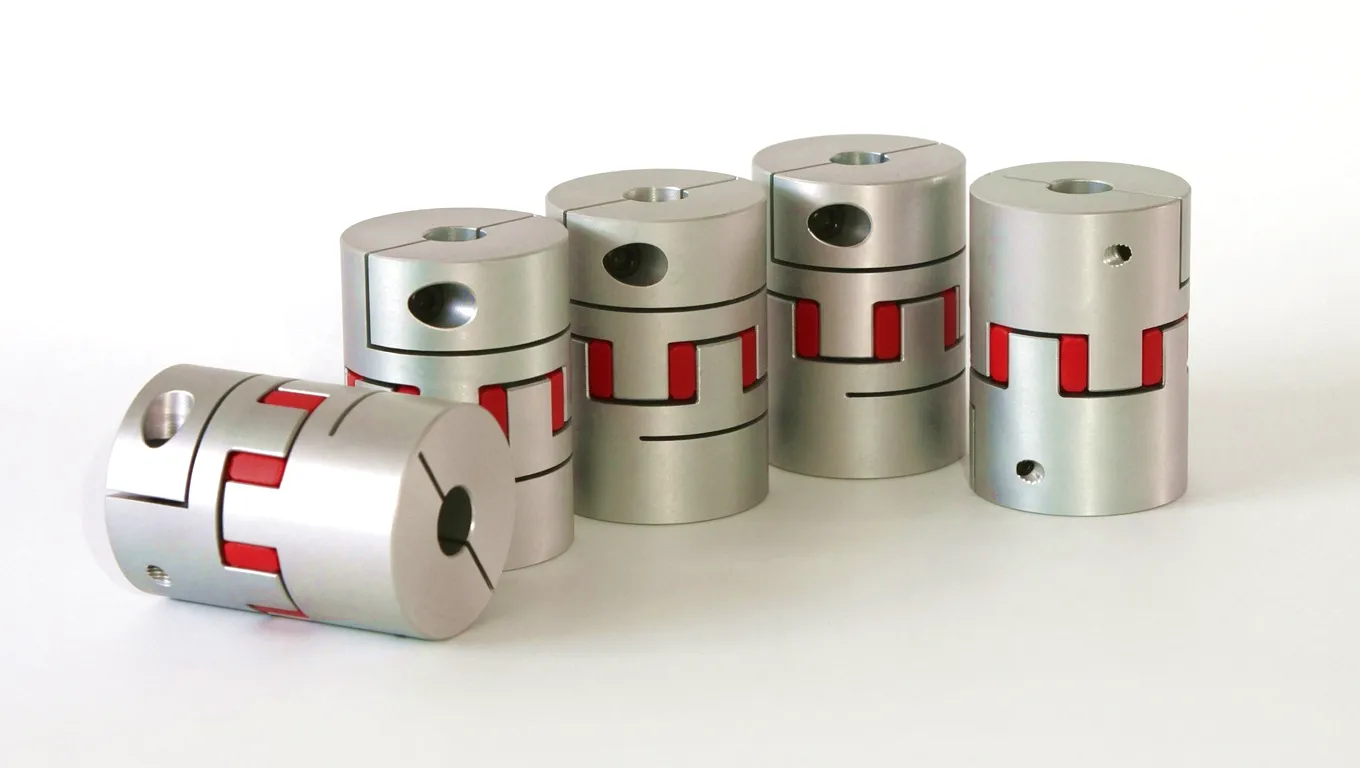
Accouplement à ressort serpent série JSA
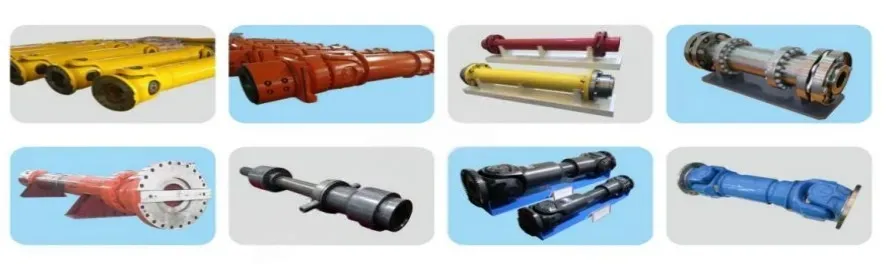
The JSA Series snake spring coupling delivers excellent shock absorption and torsional flexibility through its unique spring-steel element design. Rated for medium-to-heavy industrial duty, this coupling is well-suited to back-up train conveyor drives, segment erector rotation systems, and auxiliary pump drives within TBM installations. The spring element accommodates both angular and radial misalignment while providing a degree of overload protection through controlled spring deflection, and its compact axial length makes installation straightforward in congested back-up train layouts. Ever Power manufactures the JSA Series in bore sizes from 30 mm to 280 mm with customisable keyway profiles.
Accouplement universel série SWC
The SWC Series universal coupling addresses the most demanding angular misalignment scenarios encountered in TBM and heavy industrial drive systems. Its cardan-joint based architecture accommodates continuous angular displacements up to 15°, making it the coupling of choice when significant shaft angularity is inherent to the machine design — such as the angled connections between the TBM steering jacks and their drive motors, or the variable-angle conveyors on road header and raise boring machine installations across the UK’s underground construction sector. The SWC Series is available in welded steel tube and solid steel shaft intermediate shaft configurations, with yoke materials in 42CrMo4 alloy steel, and is fully customisable for bore diameter, yoke PCD, flange bolt pattern, and intermediate shaft length.
Foire aux questions
What is the best type of gear type coupling to use for a tunnel boring machine main drive in the UK?
For TBM main drive applications, a heavy-duty double-engagement gear coupling in 42CrMo4 alloy steel with induction-hardened teeth, synthetic EP grease lubrication, and a sealed cartridge arrangement is the industry standard. The double-engagement configuration compensates for the angular misalignment that develops as the TBM shield deflects under face pressure and steering loads. If you are procuring for a specific project in London, Birmingham, or Manchester, Ever Power can provide a full selection recommendation based on your motor and gearbox interface data.
How much does a custom gear coupling for a TBM drive typically cost from a UK supplier, and how can I get a quote?
The cost of a custom gear coupling for TBM main drive applications depends on bore diameter, rated torque, material grade, sealing specification, and required certifications. Standard production couplings in smaller bore sizes can be priced from a few hundred pounds, while large custom-engineered assemblies with full material traceability and third-party inspection may run to tens of thousands of pounds per unit. To receive an accurate price for your specific TBM project, email your motor and gearbox interface data along with duty cycle parameters to [email protected] — Ever Power’s engineering team will provide a detailed commercial proposal within two business days.
Which gear coupling supplier in the UK can deliver custom TBM drive couplings with material certificates within three weeks?
Ever Power has a demonstrated track record of delivering custom gear coupling assemblies with EN 10204 3.1 material certificates and full assembly test documentation within fourteen to twenty-two working days for bore sizes up to 500 mm. We hold semi-finished forged blanks in common alloy steel grades as strategic stock, which significantly compresses lead times compared to suppliers who buy forgings to order. UK tunnelling contractors working on infrastructure projects from the Thames Tideway to HS2 have relied on this rapid supply capability to minimise unplanned downtime costs.
How do I know when a gear type coupling on a TBM screw conveyor drive in a Sheffield water tunnel project needs replacing?
Condition monitoring for gear couplings in TBM screw conveyor drives typically involves three approaches: periodic grease sampling and analysis for metal particles (wear debris) from the tooth mesh, vibration spectrum analysis looking for sidebands at tooth mesh frequency and its harmonics, and periodic dimensional inspection of tooth flank wear depth during scheduled maintenance windows. In most TBM specifications, gear coupling inspection is tied to cutter inspection intervals — typically every 100–200 cutting hours. Replacement is recommended when tooth flank wear exceeds the manufacturer’s published limit (usually 15–20% of original tooth thickness) or when grease analysis shows a rapid increase in steel particle concentration indicating accelerated wear.
Where can I find a reliable gear coupling manufacturer who can supply stainless steel couplings for a coastal tunnel drive in East Anglia at a competitive price?
For coastal and tidal zone tunnel boring applications in East Anglia or the Humber Estuary area, duplex stainless steel gear couplings (UNS S32205) are the recommended specification to resist the chloride-induced corrosion that quickly compromises standard alloy steel components. Ever Power manufactures gear couplings in duplex and super-duplex stainless grades with the same precision tooth hobbing and crown grinding processes applied to alloy steel assemblies. Commercial proposals are available upon receipt of technical specifications; contact [email protected] with your duty cycle and environmental data for a competitive price quotation.
What technical information does Ever Power need from me to provide an accurate gear coupling quotation for my tunnelling project in the UK?
To generate an accurate and detailed gear coupling proposal for your UK tunnelling project, Ever Power’s engineering team requires the following: motor and gearbox interface drawings showing shaft diameters, keyway dimensions, and flange face geometry; the rated and peak torque values at the coupling location; the expected operating speed range; the required angular and radial misalignment accommodation; environmental conditions (temperature, presence of water, chemical exposure); any applicable certification requirements (CE marking, third-party inspection agency, material standard); and your target delivery timeline. Submitting this information to [email protected] allows our applications engineers to produce a specification review and commercial proposal typically within forty-eight hours.
How does a gear type coupling differ from a disc coupling when used in a TBM gearbox output shaft application, and which is better for UK heavy tunnelling projects?
A disc coupling transmits torque through a pack of thin flexible metal laminae that deflect to accommodate misalignment — generating restoring forces proportional to the degree of misalignment. In high-torque, low-speed TBM gearbox output applications, the restoring moments generated by a disc coupling under typical TBM misalignment conditions can substantially overload the gearbox output bearing and the main bearing inner race. A gear type coupling, by contrast, transmits torque through multiple teeth in mesh that slide against each other to accommodate misalignment without generating parasitic bending loads. For UK heavy tunnelling projects where the gearbox and main bearing are subject to dynamic deflections under varying face load, gear type couplings are strongly preferred by TBM design engineers and are specified as standard by the major European TBM manufacturers.
Ready to Engineer a More Reliable TBM Drive?
Ever Power’s gear coupling specialists serve tunnelling and underground construction projects across the UK from Birmingham to Edinburgh. Send us your technical requirements and receive a full engineering proposal and competitive price within 48 hours.
✉ Contact Ever Power Engineering
édité par gzl