
Kopling Gear Laut Berkinerja Tinggi untuk Propulsi Utama Kapal
Engineered for North Sea conditions, trusted by UK shipyards, built to outlast the vessel itself.
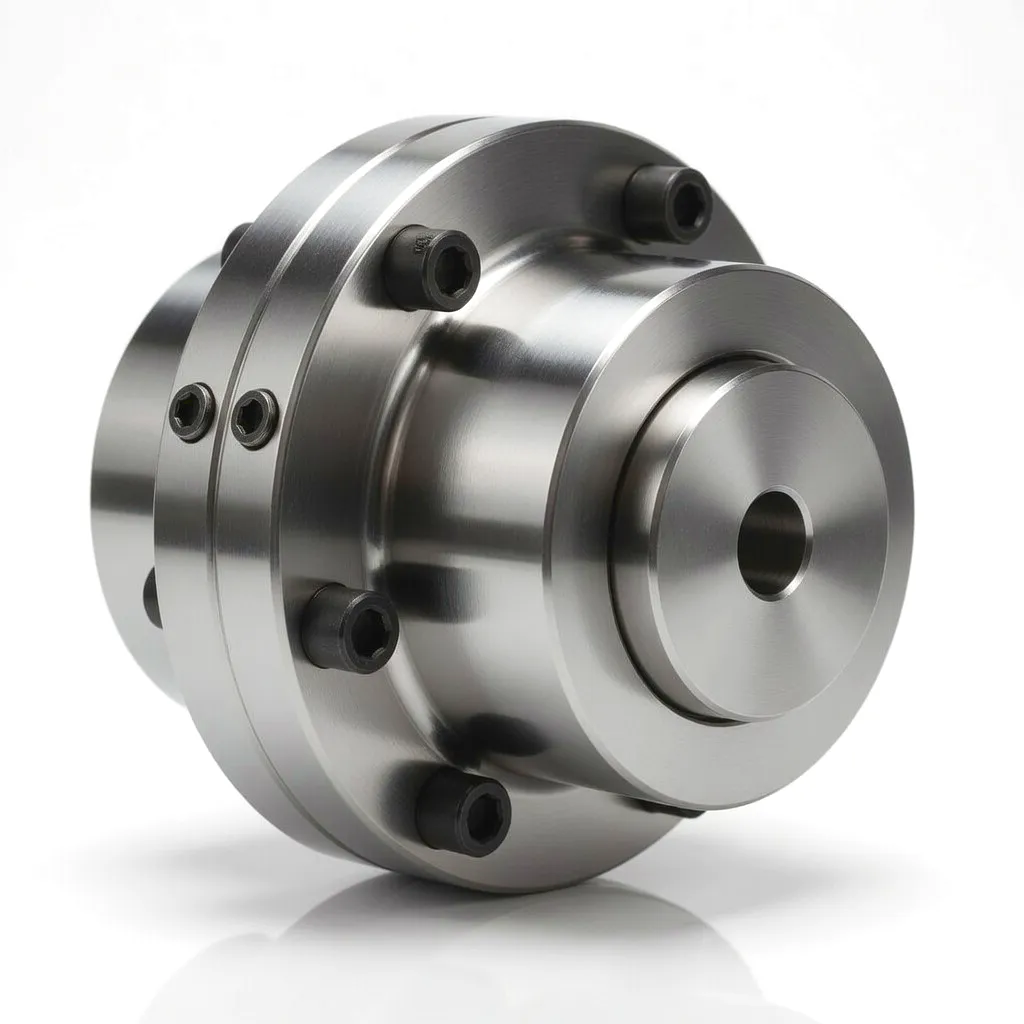 Marine propulsion shafting endures conditions few mechanical systems ever face. Hull flex during rough Atlantic crossings, thermal expansion between cold seawater and a hot diesel main engine, salt spray clawing at every exposed surface — each factor demands a transmission component built without compromise. A purpose-built gear type coupling sits at the heart of this challenge, transmitting torque between the prime mover and the reduction gearbox while absorbing the angular and axial misalignments that the open ocean forces upon a vessel’s drive line. For shipowners and naval architects across the United Kingdom, from Aberdeen offshore vessel operators to Portsmouth refit yards, choosing the right gear type coupling is rarely about catalogue numbers. It is about understanding service life, classification society approvals, and the supplier’s ability to deliver tailored solutions on time.
This guide is written for technical buyers, port engineers, drydock superintendents, and OEM designers who need a clear, application-focused view of how a marine gear type coupling earns its place in the propulsion train. Drawing from nearly two decades of field commissioning and ship repair coordination, the discussion below explains what genuinely matters — and what merely sounds impressive on a brochure.
Need a Marine Gear Coupling Quotation Sized to Your Vessel?
Why Marine Propulsion Demands a Specialised Gear Type Coupling
A merchant vessel underway behaves nothing like a stationary industrial pump. The hull twists. Engine mounts settle. Seasonal temperature swings between a Scottish winter and a Mediterranean summer cause the shafting to expand and contract along its entire length. Without a coupling that tolerates these movements, fatigue cracks would appear in flanges and bearings within months. The gear type coupling — sometimes called a curved tooth coupling — uses crowned external gear teeth on hubs that mesh with internal teeth in a sleeve, allowing several degrees of articulation per half coupling while transmitting enormous torque values.
For commercial shipping registered under the UK flag, classification society requirements from Lloyd’s Register, DNV, and Bureau Veritas dictate that every coupling between the main engine and propeller must demonstrate predictable behaviour under shock loads, reversing torques, and steady-state operation. A specialised marine gear type coupling meets these criteria while remaining serviceable by ship’s crew during voyage repairs — a quality that catalogue couplings designed for factory floors simply cannot match.
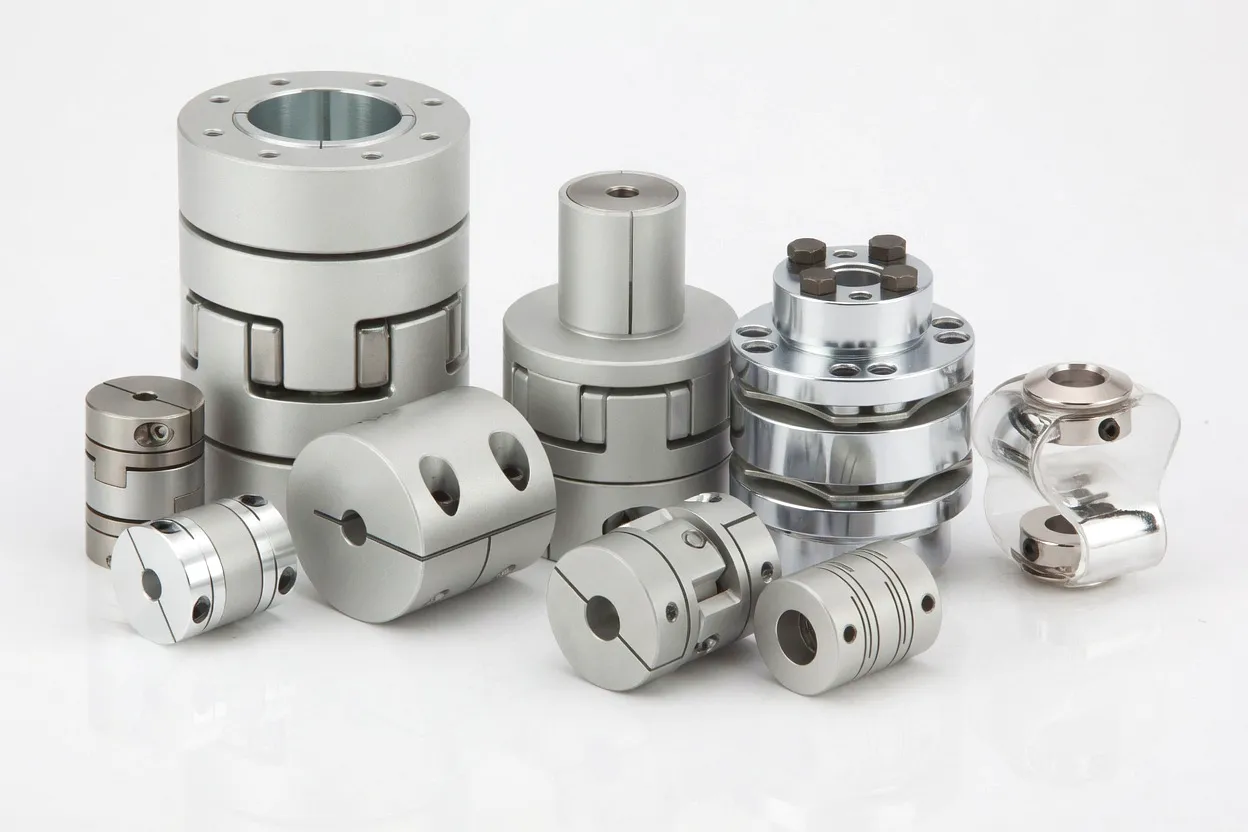
Core Advantages Built Into Every Unit
High Misalignment Tolerance
Compensates angular misalignment up to 1.5 degrees per gear mesh and parallel offsets that would destroy rigid flange connections, letting the propulsion shaft flex with hull deformation.
Corrosion-Resistant Construction
Alloy steel hubs receive zinc plating, phosphating, or marine-grade epoxy coating, paired with corrosion-inhibiting grease selected to survive salt spray and bilge humidity.
Kepadatan Torsi Tinggi
Crowned gear teeth distribute load across the entire engagement face, allowing compact assemblies to carry torques in excess of 800 kNm — perfect for slow-speed two-stroke diesel mains.
Class-Society Approvable
Documentation packages prepared for Lloyd’s Register, DNV, BV, ABS, RINA and KR audits, including material certificates, NDT reports, and dynamic balancing records.
Long Service Intervals
Properly lubricated assemblies routinely operate eight to twelve thousand running hours between scheduled inspections, aligning with vessel drydock cycles.
Reversing-Duty Compatible
Backlash is engineered to handle ahead-astern manoeuvring without tooth hammer, an essential characteristic for tugboats, ferries, and offshore supply vessels.
Operating Principle, Materials & Construction
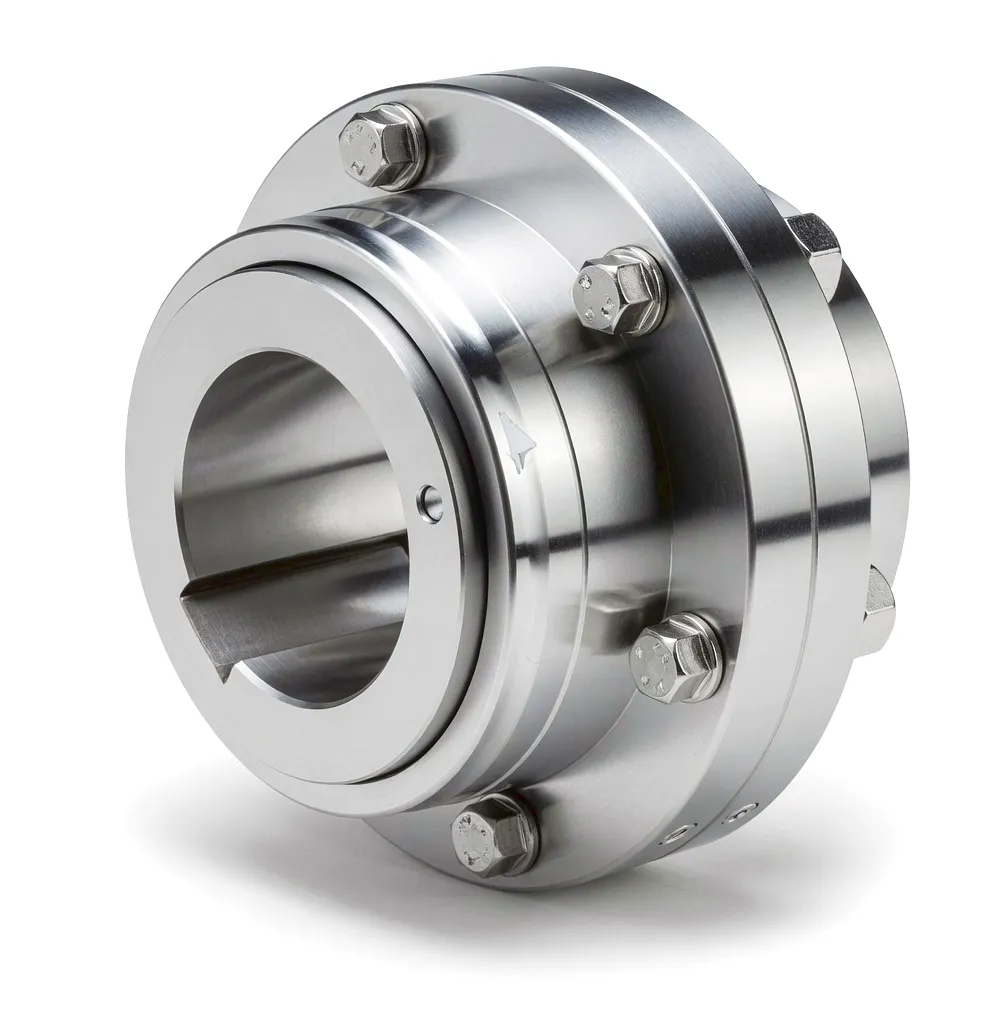
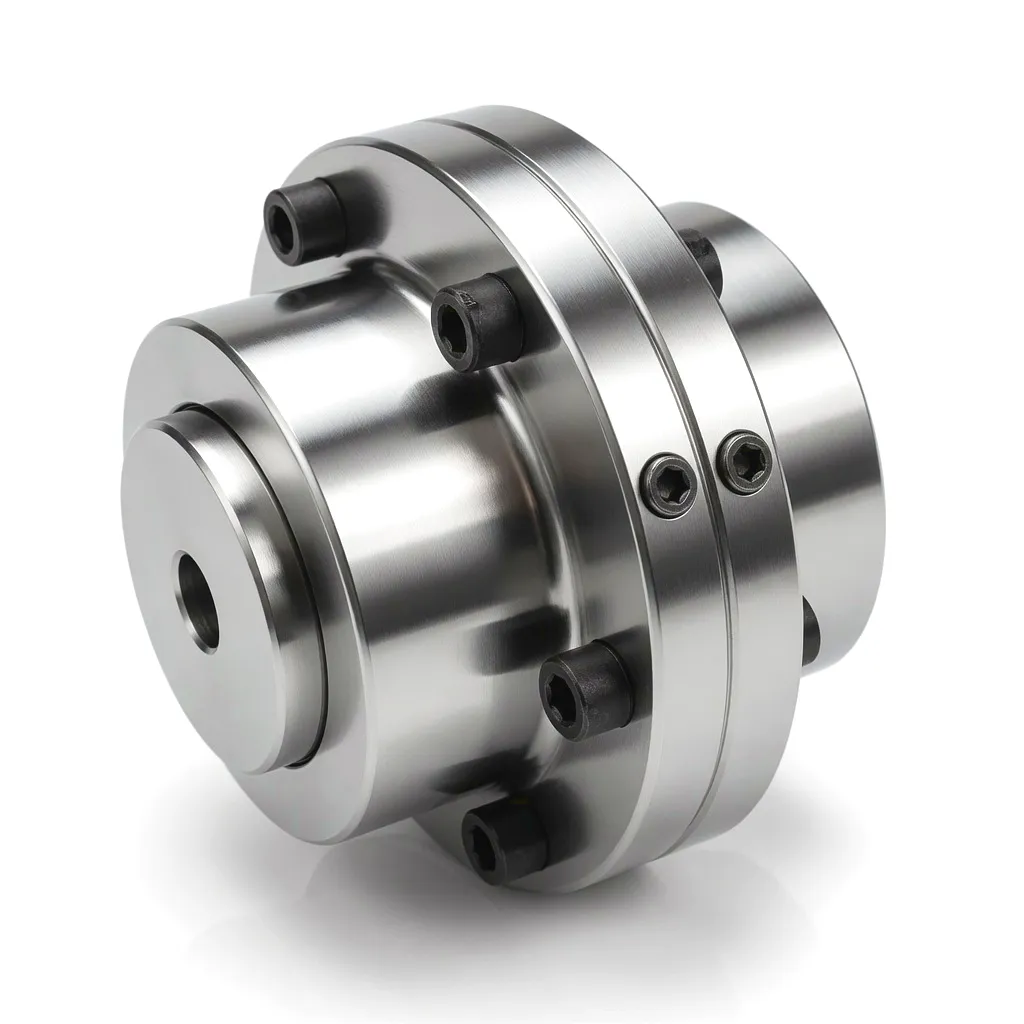
A marine gear type coupling consists of two toothed hubs keyed to the driving and driven shaft ends, surrounded by one or two outer sleeves carrying matching internal teeth. The external teeth on each hub are crowned along their length, meaning the tooth profile bulges slightly in the middle and tapers toward the edges. This crowning allows the sleeve to tilt relative to the hub without binding, accommodating misalignment as the shaft articulates. Lubrication is contained within the sleeve by elastomer seals, and grease is replenished at predetermined intervals through screw-in plugs.
Material selection drives reliability. Hubs are typically forged from 42CrMo4 or 40Cr alloy steel, normalised, machined, then surface-hardened to HRC 50-58 on the tooth flanks via induction or nitriding. Sleeves use the same grade, often through-hardened to a lower core hardness for ductility. For vessels operating in particularly aggressive environments — chemical tankers, fishing trawlers handling acidic catches, or warships demanding shock survivability — stainless variants in 17-4PH or duplex grades are available, and Ever Power has supplied both to UK refit yards within the past three years.
Technical Specification Table
| Parameter | Rentang Standar | Heavy-Duty Marine Range |
|---|---|---|
| Nominal torque | 2.5 – 180 kNm | 180 – 1,200 kNm |
| Bore diameter | 25 – 200 mm | 200 – 720 mm |
| Maximum speed | up to 6,000 rpm | up to 2,500 rpm |
| Angular misalignment per mesh | 0.5 – 1.0 degree | 1.0 – 1.5 degree |
| Axial float capability | ±3 mm | ±8 to ±25 mm |
| Hub material | Baja paduan 42CrMo4 | 42CrMo4 / 17-4PH stainless |
| Tooth surface hardness | HRC 50 – 55 | HRC 55 – 58 |
| Surface treatment | Zinc / Phosphate | Marine epoxy + zinc undercoat |
| Lubrication interval | 6,000 hours | 8,000 – 12,000 hours |
| Operating temperature | -20 to +120 deg C | -40 to +150 deg C |
| Dynamic balancing | ISO 1940 G6.3 | ISO 1940 G2.5 |
| Class society approvals | Optional | LR / DNV / BV / ABS / CCS |
Real-World Applications Across Marine Sectors
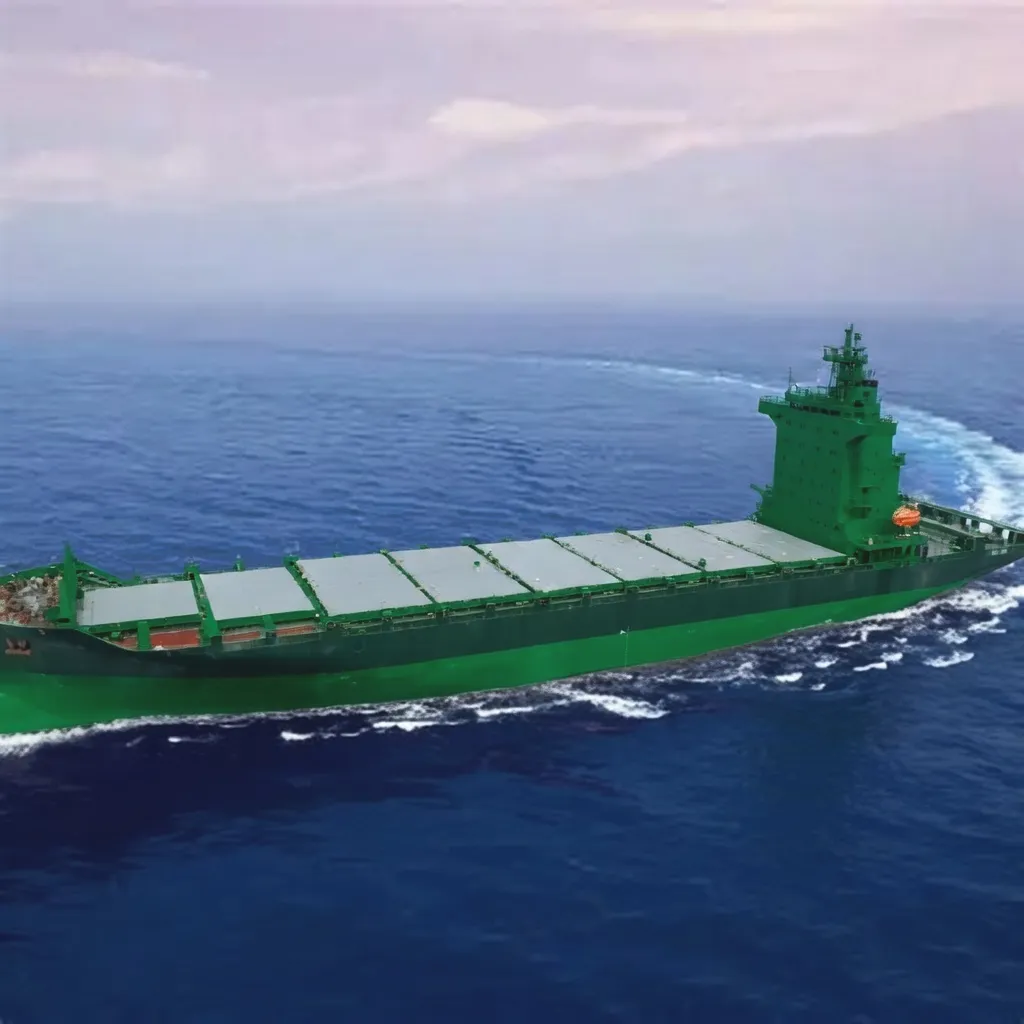
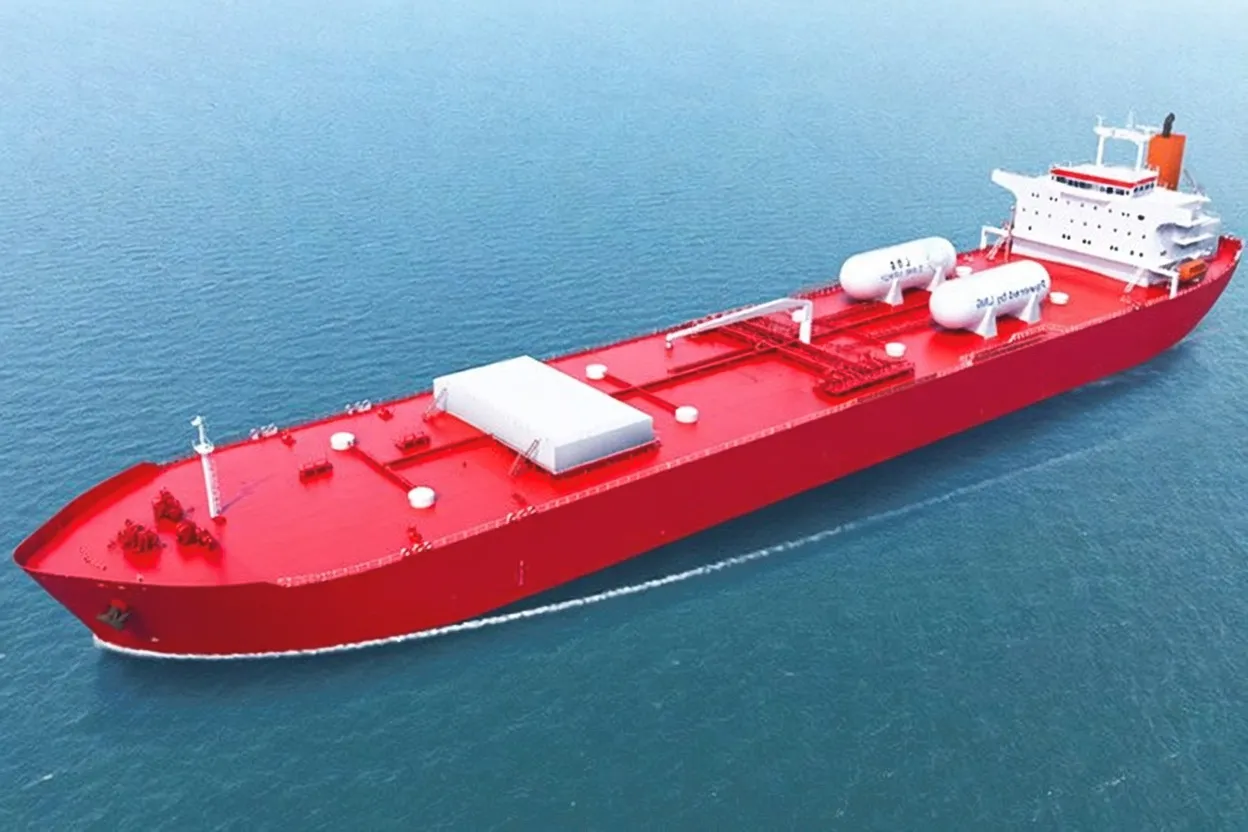
Merchant Cargo Vessels
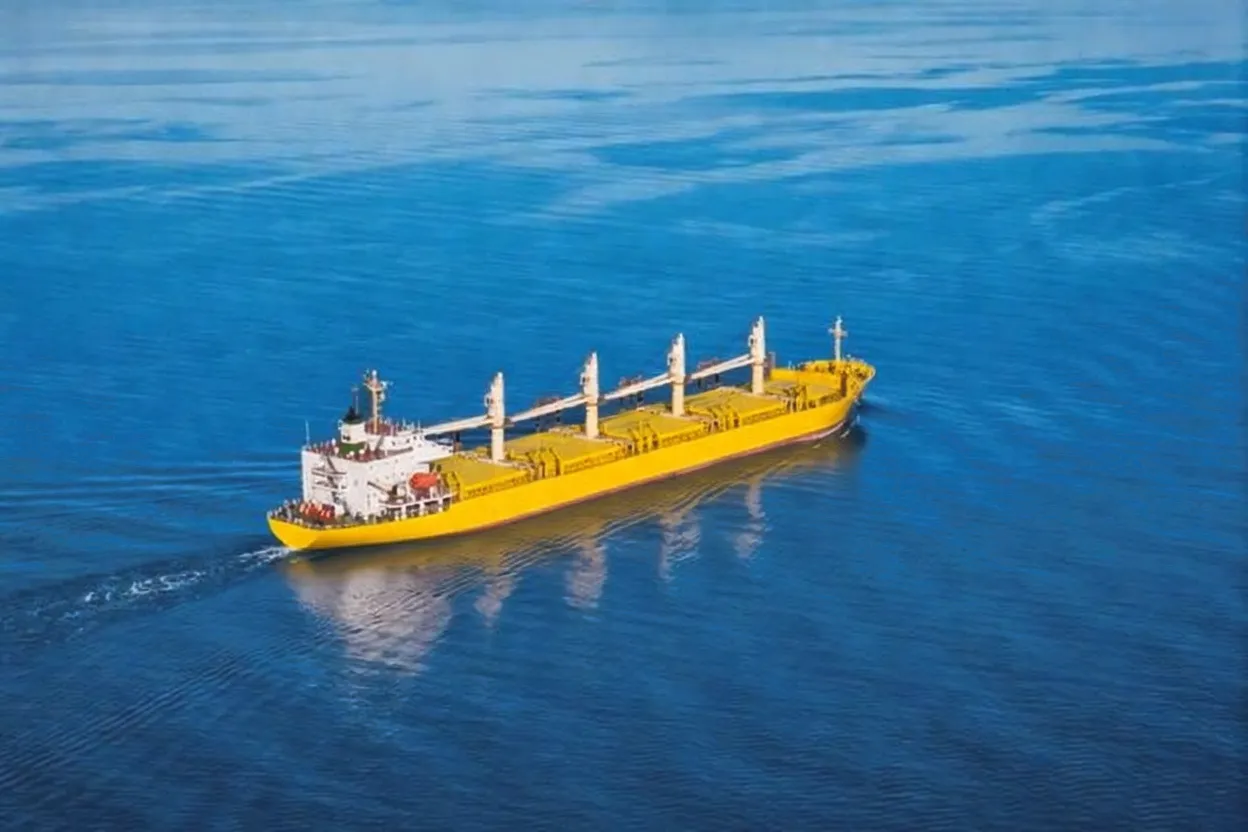
Bulk carriers, container ships, and general cargo vessels rely on these couplings between the slow-speed main engine and the propeller shaft, handling continuous duty across transoceanic voyages from Felixstowe to Singapore.
Offshore Supply & Anchor Handlers
Vessels servicing North Sea oil and gas platforms experience constant load reversals during dynamic positioning, making backlash control and shock absorption non-negotiable.
Tugs & Harbour Workboats
Bollard pull operations demand instantaneous full-torque engagement and rapid reversal — duty cycles that punish lesser couplings within a single docking season.
Cross-Channel Ferries
Dover-Calais and Portsmouth-Caen ferry operators schedule multiple turnarounds per day; couplings must absorb manoeuvring transients without affecting departure punctuality.
Fishing Fleet & Trawlers
Scottish and Cornish fishing vessels rely on robust drive lines that survive net-fouling shocks and the corrosive cocktail of fish hold leakage and seawater.
Naval & Auxiliary Patrol Craft
Royal Navy support vessels and customs patrol boats specify shock-rated coupling assemblies that comply with naval defence standards for survivability.
Customer Success Story: Aberdeen Offshore Supply Vessel Refit
Client: North Sea Marine Services Ltd, based out of Aberdeen, Scotland
Kapal: 78-metre platform supply vessel, twin medium-speed diesel propulsion, total installed power 5,400 kW
Tantangan: The original couplings, fitted in 2009 by the building yard, had reached end-of-life. Continuous dynamic positioning duty in the East Shetland Basin had eroded the tooth flanks far beyond serviceable limits. The owner needed replacement units delivered within seven weeks to fit the booked drydock slot at Aberdeen Inverness Yard, with full DNV class society documentation.
Larutan: Ever Power reverse-engineered the existing flange interface from drawings supplied by the operator, manufactured two custom heavy-duty marine gear type coupling assemblies in 42CrMo4 with marine epoxy coating, and arranged DNV witness inspection at the works in week five. Air freight delivery to Aberdeen was completed eight days ahead of the drydock window.
Hasil: Vessel returned to charter service on the original date. After 4,200 operating hours, scheduled inspection revealed wear measurements well within the predicted curve. Total project cost came in nine percent below the European OEM quotation the operator had been considering.
What Our Clients Say
“Lead time discipline was the deciding factor. They committed to a date, hit it, and the DNV paperwork was watertight. We have specified the same supplier on two subsequent refits.”
— Technical Superintendent, Aberdeen, Scotland
“Our trawler crews are not gentle with machinery. The sambungan have been through four seasons of demersal fishing without a single hot-grease incident. That is reliability you can budget against.”
— Fleet Engineer, Peterhead Fishing Cooperative
“The engineering team understood our ferry’s reversing duty profile from the first technical call. Custom drawing turnaround was inside three working days, and the units balanced beautifully on first run.”
— Chief Engineer, Portsmouth Ferry Operator
Selecting the Right Marine Gear Type Coupling: A Practical Checklist
 Specification mistakes are expensive to correct at sea. Veteran marine engineers and procurement officers usually evaluate seven dimensions before signing off on a coupling order. Continuous duty torque should be calculated from engine MCR rather than nameplate average, and an appropriate marine service factor — typically 1.75 to 2.25 for unrestricted ocean service — applied on top. Peak transient torque under crash-stop or grounding shock must be considered separately, often using class society guidance for the vessel’s intended trading route.
Shaft bore tolerances need to align with the existing forging dimensions of both the engine output flange and the gearbox input shaft. Keyway specifications follow ISO 286 standards in the UK and EU markets, while older vessels of American or Korean build may use ANSI keyways requiring conversion sleeves. Where retrofits are concerned, dimensional surveys at the drydock — performed before the order is placed — eliminate the costly surprise of discovering machined surfaces are out of tolerance during installation.
Documentation requirements vary by flag state and class society, but a serious supplier provides material test certificates per EN 10204 3.1 or 3.2, ultrasonic inspection reports, dynamic balancing certificates, hardness test records, and a final dimensional inspection report as standard. Anything less should be treated as a warning sign.
Ever Power Manufacturing: Customisation Built Around You
The Ever Power factory operates 14,000 square metres of dedicated coupling production area, equipped with CNC gear shapers up to 1,200 mm pitch diameter, induction hardening cells, gear grinding machines maintaining DIN class 5 accuracy, and a metrology laboratory with twin coordinate measuring machines. Quality management runs under ISO 9001:2015 with additional API Q1 supplementary documentation available for offshore drilling sector clients.
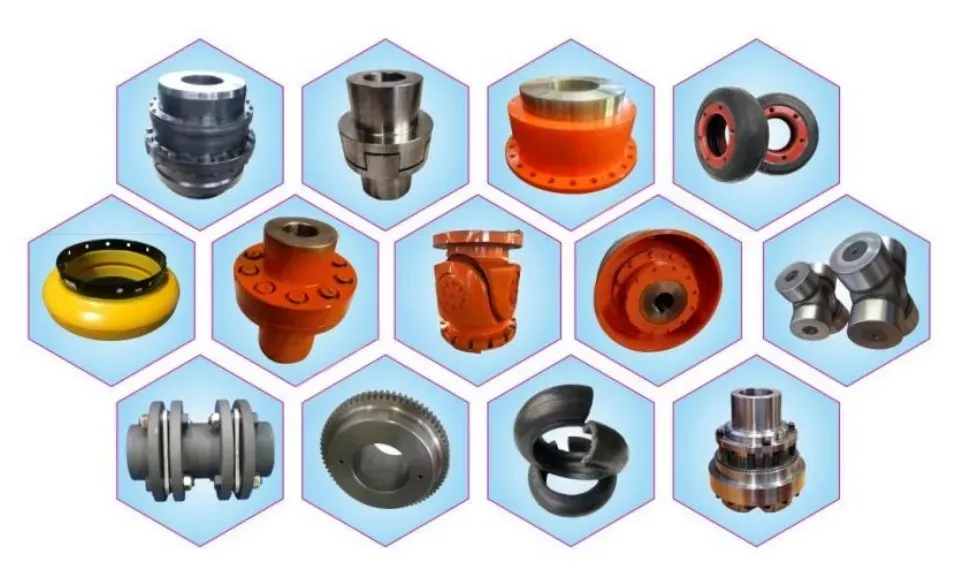
Full customisation includes non-standard bore diameters, special tapered fits, hydraulic mounting features, integrated brake discs, electrically insulated variants for cathodic protection compatibility, and bespoke flange patterns matching legacy equipment from European, Japanese, or American gearbox manufacturers. Reverse engineering from worn samples or partial drawings is a routine service rather than an exception.
Engineers based in our UK technical liaison office speak directly with naval architects, shipyard project managers, and ship owners’ superintendents in real time, removing the time-zone friction common with overseas supply chains. Sample units for prototype evaluation can be despatched within four weeks; serial production typically runs to six or eight weeks depending on complexity.
Serving Shipyards and Operators Across the United Kingdom
 British marine engineering has a heritage and a present that few nations match. From the Clyde shipbuilders of Glasgow to Harland and Wolff in Belfast, from Cammell Laird on Merseyside to Babcock’s facilities at Rosyth and Devonport, the demand for high-integrity drive train components is constant. Ever Power supports this ecosystem through dedicated UK-market logistics arrangements, including stockholding agreements with Manchester-based distribution partners for the most commonly specified frame sizes, and direct freight forwarding to Tilbury, Southampton, Immingham, and Aberdeen port complexes.
Technical conversations are held in working hours that match UK business time, technical specifications quoted in metric units with Imperial conversions where helpful, and contracts written under English law where the customer prefers. Currency invoicing in GBP, EUR, or USD is available at order placement. After-sales support extends to on-site commissioning assistance through a partner network covering all major British shipyards.
Pertanyaan yang Sering Diajukan
How much does a marine gear type coupling cost for a UK offshore supply vessel propulsion refit?
Pricing for a single heavy-duty marine coupling between 150 and 400 kNm typically ranges from £8,500 to £32,000 depending on bore size, surface treatment, and class society documentation requirements. Aberdeen-based supply vessel projects often involve paired units and freight handling, so a comprehensive quotation including delivery to your nominated UK port is the most accurate way to budget.
Where can I find a reliable supplier of custom gear couplings for British shipyard projects?
Ever Power supplies custom marine couplings directly to British shipyards on the Clyde, Mersey, Tyne, and at Rosyth, with UK-based technical liaison and stocking arrangements through Manchester distribution partners. Reverse engineering and bespoke flange interfaces are standard offerings, and DNV, LR, and BV certifications are produced as part of every classed marine order.
What is the typical lead time to quote a replacement gear coupling for a fishing trawler in Scotland?
A formal commercial quotation with technical drawings is normally returned within three working days of receiving the existing coupling drawing or a dimensional survey. For Scottish fishing fleet vessels operating out of Peterhead or Fraserburgh, urgent emergency quotations can be turned around in 24 hours when sample dimensions are supplied by photograph and measurement sheet.
Which marine gear coupling specification suits a Portsmouth cross-channel ferry with frequent reversing duty?
Cross-channel ferries with frequent ahead-astern duty cycles benefit from heavy-duty curved tooth designs with reduced backlash, marine epoxy coating, and service factor uplift to 2.0 minimum. For Portsmouth and Dover route operators, sleeve-type assemblies with integral lubrication ports and Lloyd’s Register approval are the configuration most commonly specified during refit work.
When should a marine propulsion gear coupling be inspected during a UK drydock cycle?
Marine propulsion couplings should be visually inspected at every annual class survey and fully opened for tooth flank measurement at intermediate or special survey, normally every two and a half years. Grease sample analysis between drydocks is a low-cost early warning, particularly recommended for vessels with operating profiles outside the original design assumptions.
What price difference exists between standard catalogue and custom marine gear couplings for UK buyers?
Custom marine coupling assemblies typically command a 15 to 35 percent premium over equivalent standard catalogue units, reflecting bespoke engineering effort, dedicated tooling, and reduced production batch sizes. For UK ship operators commissioning unique flange interfaces or class society documentation, this premium is usually offset by installation savings and avoided drydock extensions.
How do I request a budgetary quote for a tugboat propulsion coupling supplier serving Liverpool ports?
Send the vessel’s engine make and model, gearbox ratio, propeller shaft diameter, and operating profile by email to the Ever Power sales address. Liverpool harbour tugboat operators usually receive a budgetary quotation within two working days, with detailed engineering drawings and lead time confirmation following once the technical specification is locked.
Ready to Discuss Your Marine Propulsion Project?
Speak with an application engineer who has commissioned coupling installations on vessels working out of every major British port. No call centre scripts — direct technical conversation, sized to your project.
diedit oleh gzl