Kopling Tipe Roda Gigi Tugas Berat untuk Sistem Penggerak dan Penggulungan Pabrik Kertas
Engineered for continuous high-torque service in pulp and paper production lines across the United Kingdom
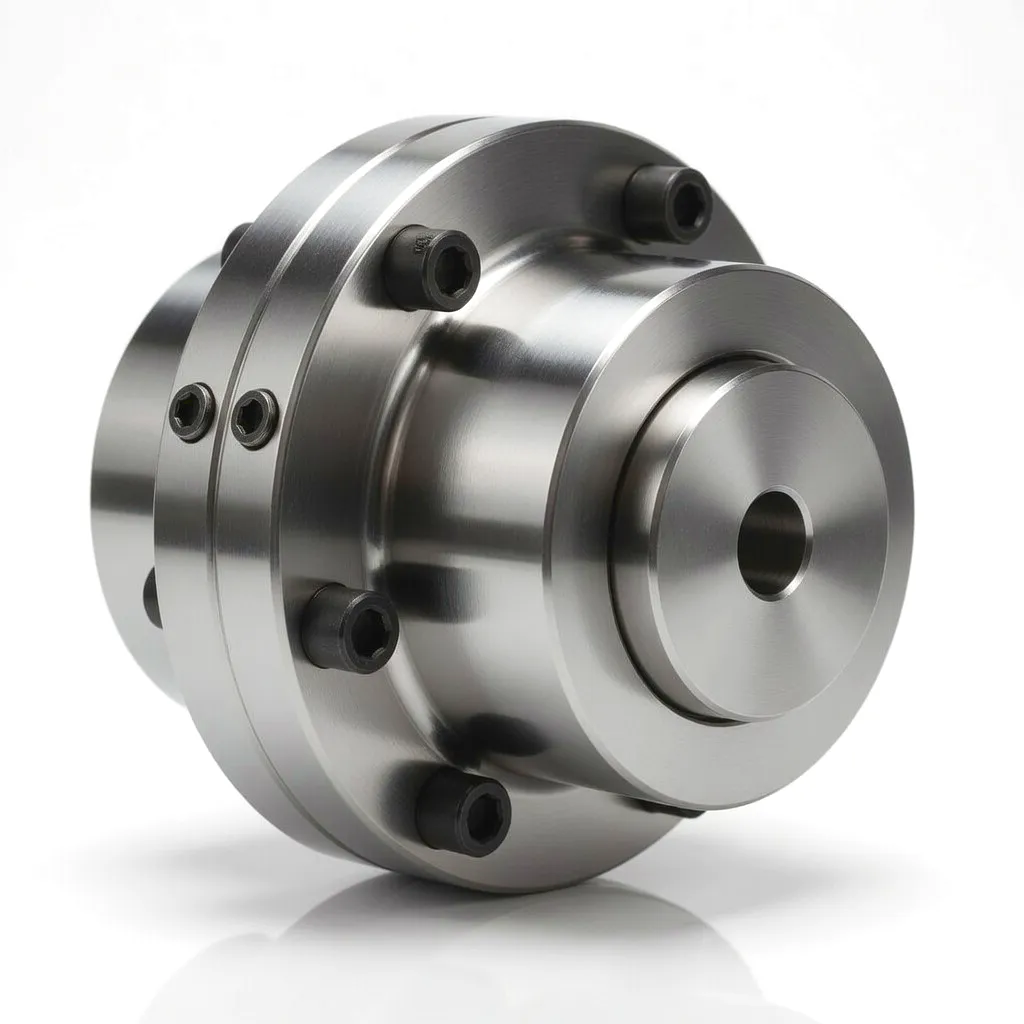 The pulp and paper sector across Britain has always relied on robust mechanical components to keep production lines humming around the clock. Among these components, the gear type coupling occupies a position of quiet importance, transmitting torque between motors and massive rolls under conditions that would defeat lesser hardware. Moisture, vibration, thermal cycling, and unpredictable load spikes all conspire against rotating equipment in paper mills, yet a properly specified gear type coupling absorbs these stresses without complaint. For procurement engineers and maintenance managers evaluating drivetrain components, understanding how this specific coupling category performs inside paper machines, winders, and calenders helps shape smarter purchasing decisions. This article walks through the engineering logic, application detail, and supplier considerations that surround the modern gear type coupling, with particular focus on double engagement variants used in horizontal close-coupled drive arrangements common throughout paper production lines in the UK and beyond.
Why Paper Producers Choose This Drive Component
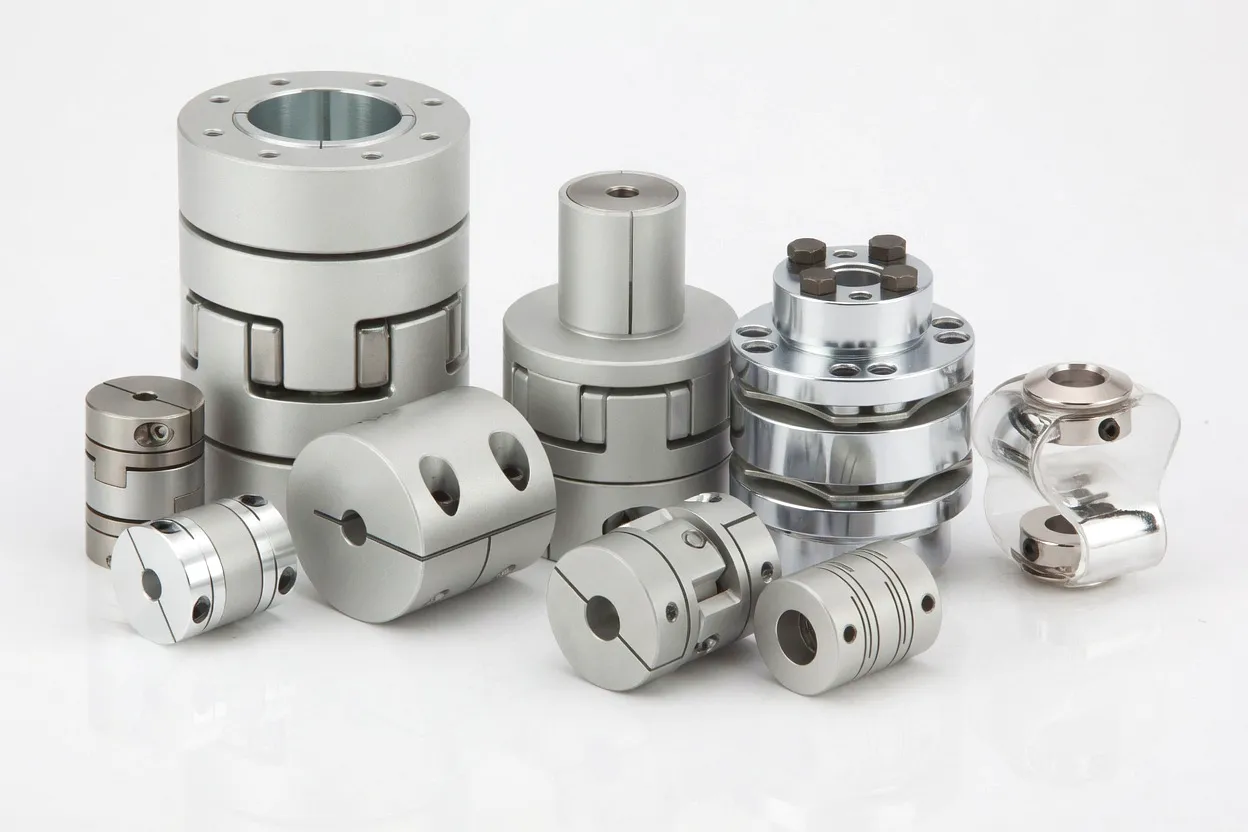 Paper machines run nonstop. Downtime in a Tier-one mill can cost tens of thousands of pounds per hour, so every shaft connection has to survive without complaint. A standard rigid or jaw coupling cannot accommodate the inevitable misalignment that develops as massive cast-iron rolls deflect under load, as foundations settle, or as thermal expansion shifts bearing housings by fractions of a millimetre. This is where the gear type coupling earns its reputation. By using crowned external teeth on a hub meshed with internal teeth on a sleeve, the design permits angular misalignment up to 1.5 degrees per gear mesh, and axial movement of several millimetres, all while transmitting torque values measured in tens or hundreds of thousand newton-metres.
For a winding station handling 30-tonne rolls of newsprint or kraft paper, the torque demand surges every time the diameter changes. Lesser couplings flex, fatigue, and fail. A heavy-duty gear type coupling, by contrast, carries the load through hardened steel teeth that share contact across a wide engagement face. The result is a connection capable of running for years between scheduled overhauls, even in the high-humidity environment near the wet end of the machine. This durability makes the gear type coupling the default choice for British paper producers operating critical drives.
Kepadatan Torsi Tinggi
A modern gear type coupling concentrates remarkable torque transmission capability into a compact envelope, freeing valuable floor space around the press section while delivering up to 250 kN·m through hardened tooth meshes.
Wet-End Resilience
Stainless labyrinth seals and fluoroelastomer lip rings on every premium gear type coupling protect internal lubrication from the splash and condensate that define the headbox, wire, and press section environments.
Service-Friendly Build
Split sleeves and standardized fastener patterns let fitters separate the gear type coupling without disturbing motor or gearbox alignment, shortening planned outage windows in busy paper plants.
Toleransi Ketidaksejajaran
Crowned tooth profiles on each gear type coupling hub absorb angular, parallel, and axial misalignment without imposing parasitic loads on driven shaft bearings or motor bearings.
Inside the Mechanism: Principle, Material, Construction
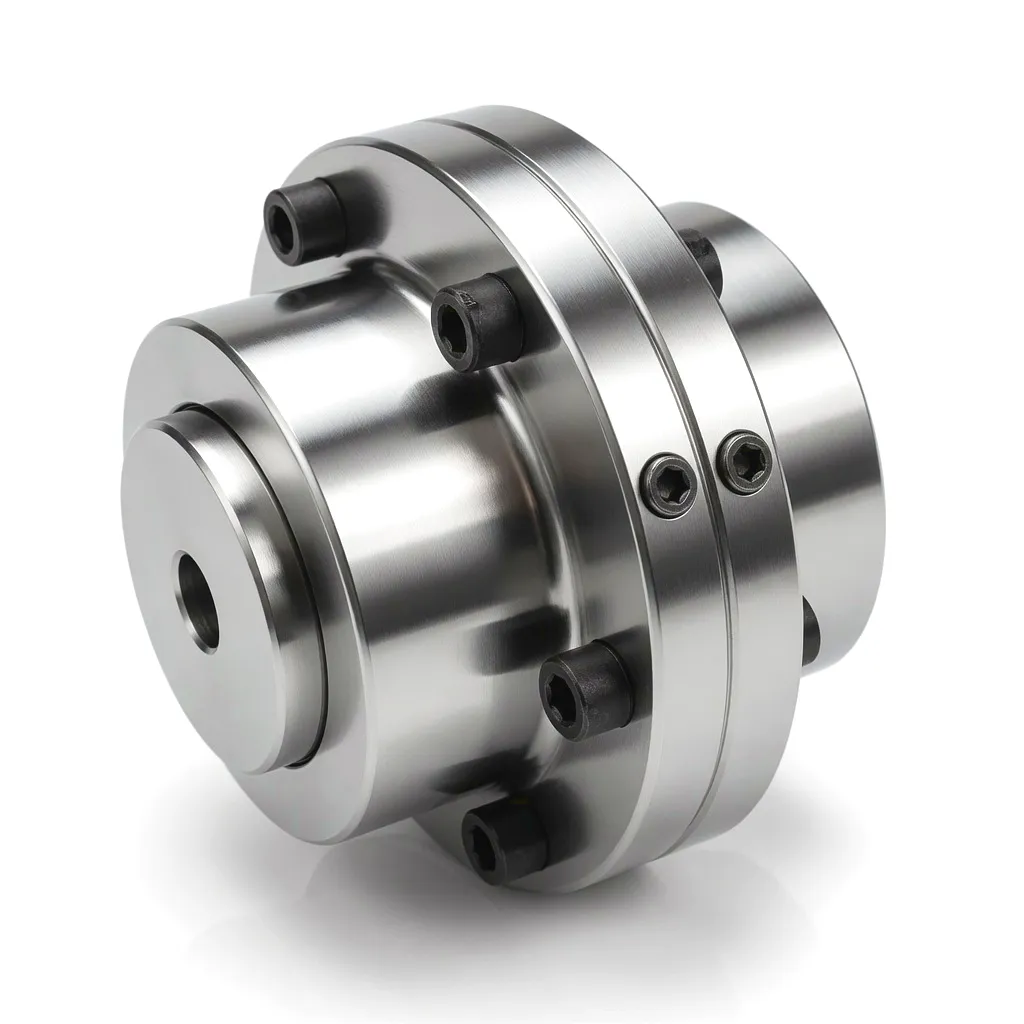
The mechanical principle behind every gear type coupling is elegantly simple, yet the execution demands precision manufacturing. Two hubs mount on the driving and driven shafts respectively. Each hub carries external teeth machined with a crowned profile, meaning the tooth flanks curve gently away from the centreline. Sliding over these hubs is a sleeve or pair of sleeve halves with matching internal teeth. When the assembly bolts together, the meshing teeth transmit torque while the crown of the external teeth allows them to rock within the sleeve, accommodating misalignment without binding.
A double engagement gear type coupling carries this principle to its logical conclusion by using two sets of meshing teeth, one at each hub. This arrangement doubles the misalignment capacity and lets the entire coupling pivot around a central axis. Paper machine drives, where motors and reducers sit alongside long roll assemblies, frequently demand this double-engagement geometry because no installation is ever perfectly straight.
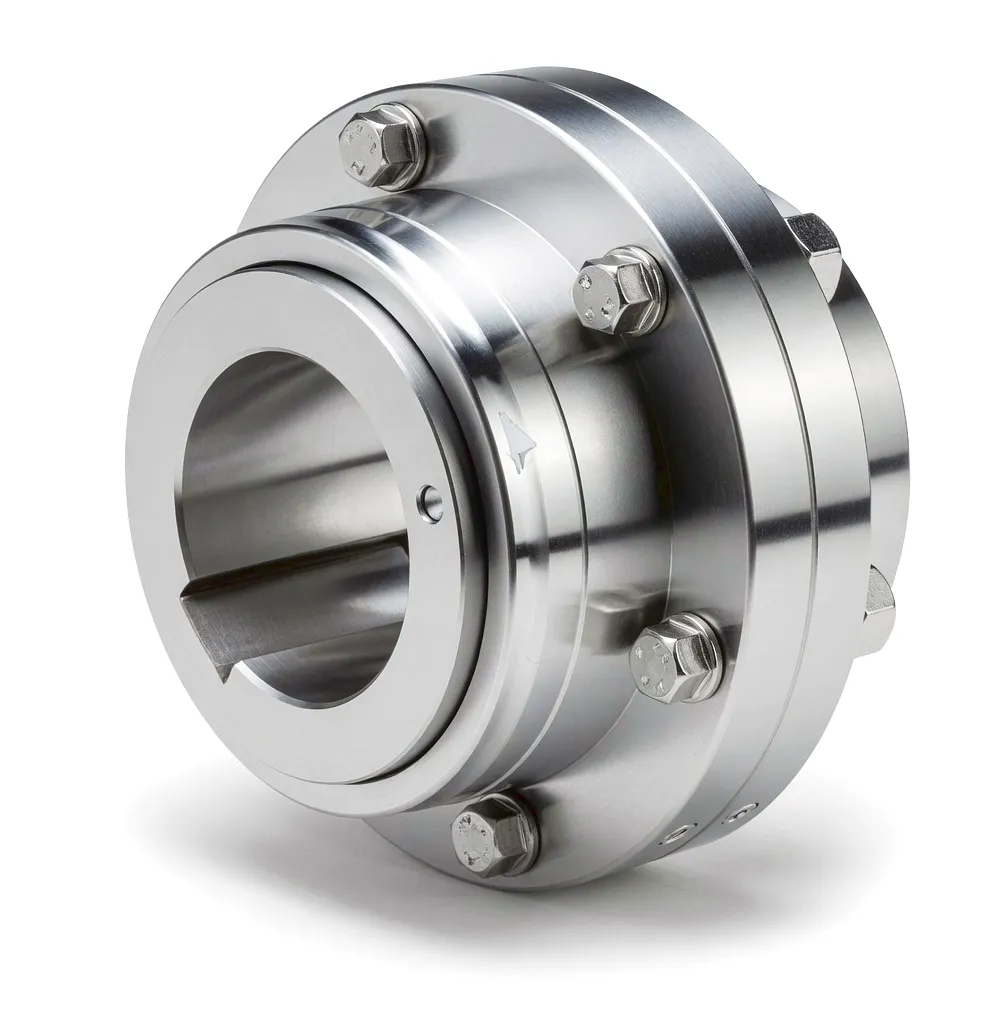
Material selection underpins durability. Hubs and sleeves are typically forged from medium-carbon alloy steel such as 42CrMo4, then heat-treated to a core hardness around 28 to 32 HRC while the teeth themselves are induction-hardened or carburized to 55 HRC or higher. This produces a tough core that resists shock loading paired with a wear-resistant tooth surface. Fasteners are graded for cyclic fatigue, gaskets are made from oil-resistant nitrile or fluoroelastomer compounds, and the entire gear type coupling is shipped pre-greased with NLGI 2 lubricant suitable for the duty cycle expected in heavy industrial service.
Sealing matters enormously in paper plants. Steam, water spray, and fibrous slurry constantly threaten lubrication. A premium gear type coupling uses double-lip seals with stainless retainer rings, and many heavy-duty variants include grease ports for periodic relubrication without disassembly. Some designs incorporate a labyrinth feature that further shields the internal teeth from contamination ingress. Understanding these construction details helps engineers compare suppliers fairly, since a budget gear type coupling might use lower-grade steel, looser tolerances, and basic seals, all of which compromise service life in punishing paper mill environments.
Technical Specification Reference Table
Hard numbers matter when specifying mechanical components for a paper mill drive. The table below outlines typical performance ranges for a heavy-duty gear type coupling in the size brackets most relevant to paper machine sections, winders, and calenders. Real-world selection should always begin with a discussion of service factor, ambient conditions, and motor characteristics with a qualified application engineer. The values shown represent indicative ranges and may vary by configuration. Many bespoke gear type coupling builds extend beyond these standard envelopes when extreme torque or unusual environmental factors are involved.
| Parameter | Size 1 (Small) | Size 2 (Medium) | Size 3 (Large) |
|---|---|---|---|
| Torsi Terukur | 2.5 kN·m | 45 kN·m | 250 kN·m |
| Max Bore Diameter | 80 mm | 220 mm | 480 mm |
| Kecepatan Maksimum | 5,500 rpm | 3,200 rpm | 1,500 rpm |
| Ketidaksejajaran Sudut | 1.5° / mesh | 1.5° / mesh | 1.0° / mesh |
| Pergeseran Paralel | 2.0 mm | 4.5 mm | 8.0 mm |
| Bahan Hub | 42CrMo4 | 42CrMo4 | 42CrMo4 forged |
| Tooth Hardness | 55-58 HRC | 55-58 HRC | 56-60 HRC |
| Seal Type | Nitrile lip | FKM + Labyrinth | Stainless Labyrinth |
| Lubricant | NLGI 2 EP grease | NLGI 2 EP grease | Oil bath optional |
| Suhu Operasional | -20 to +120 °C | -20 to +120 °C | -30 to +150 °C |
Application Scenarios Across the Paper Machine
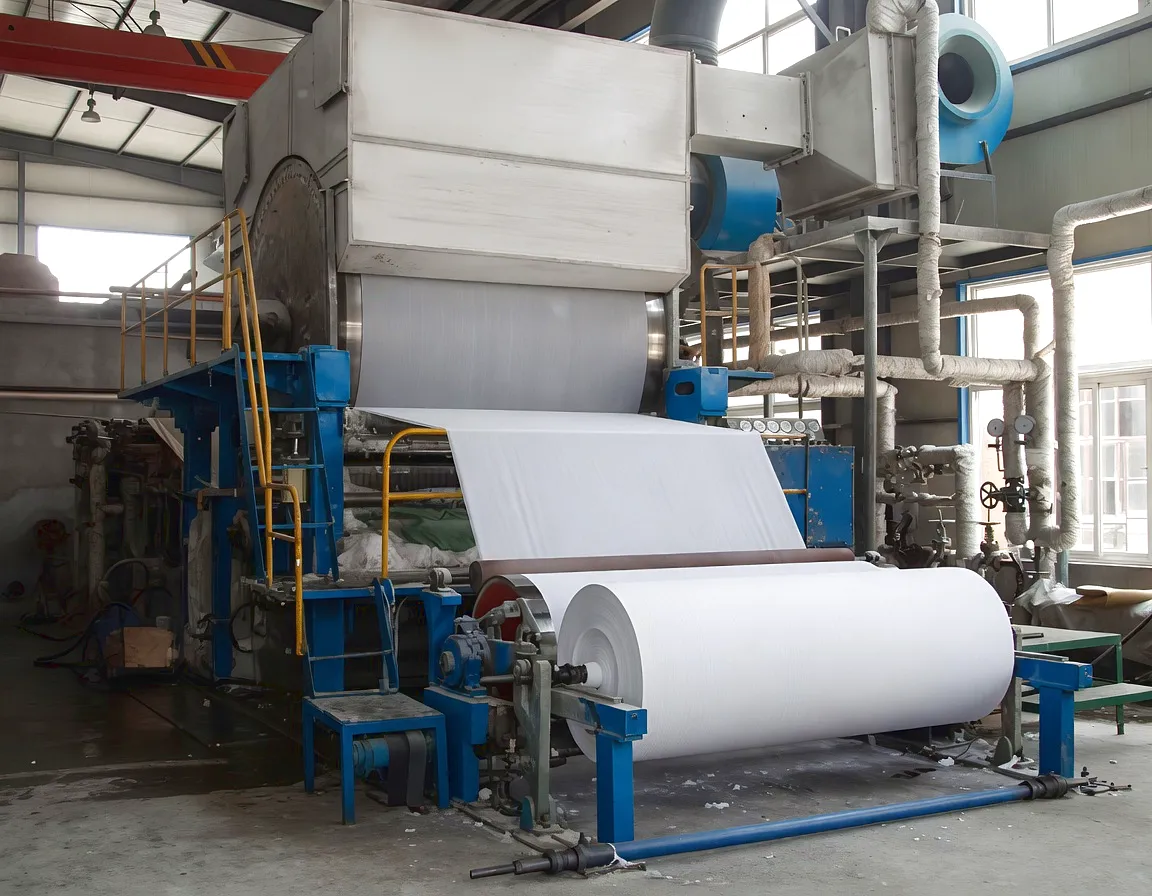
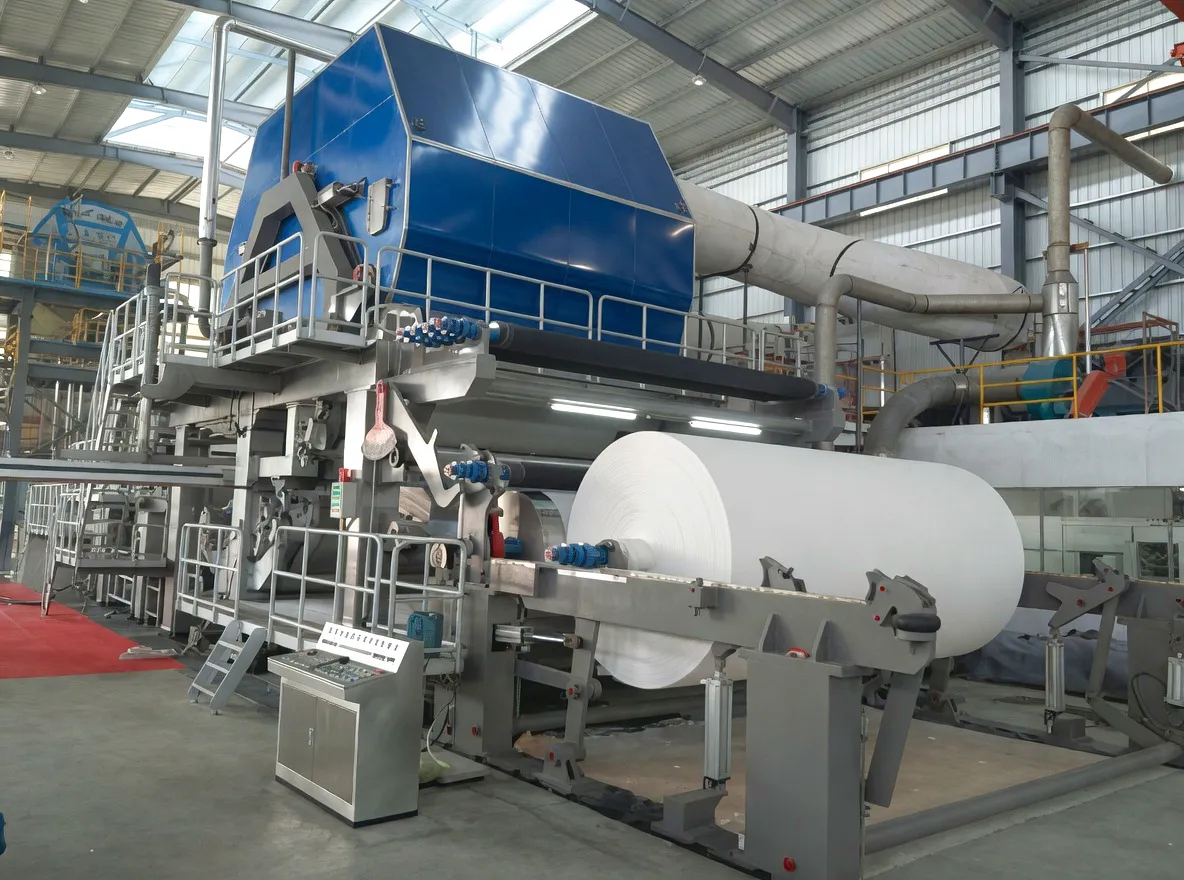
A paper machine is not a single piece of equipment but a sequence of interconnected sections, each with its own drive requirement. The headbox feed pump runs at modest torque and high speed. Press section rolls carry massive linear load. Dryer cylinders demand consistent torque under fluctuating thermal conditions. Each of these sub-systems benefits from the right gear type coupling matched to the unique duty profile. Choosing wisely upfront prevents the costly drive-train failures that plague mills using under-specified hardware.
Wire Section Drives
The gear type coupling sits between the drive motor and the breast roll or couch roll. Constant rotation under wet conditions exposes the coupling to splash and condensate, so sealing integrity is paramount. The double engagement geometry tolerates minor shaft deflection occurring as wire tension and water load fluctuate during operation.
Press Section Rolls
Where rolls measure two metres in diameter and weigh upwards of forty tonnes, torque demand peaks. A premium gear type coupling rated for this duty transmits up to 250 thousand newton-metres without distress. The crowned tooth profile proves essential, as the sheer mass of the rolls causes shaft sag that simpler couplings cannot accommodate.
Dryer Cylinder Trains
Cylinder shells run at elevated temperatures, and thermal growth changes shaft alignment as the machine warms from cold start. The gear type coupling absorbs axial growth without imposing thrust loads on motor bearings, protecting expensive electrical equipment from premature failure. High-temperature grease keeps the teeth running cool.
Winder & Rewinder Stations
Parent reels and slitter-rewinders depend on the gear type coupling to handle frequent torque reversals. As roll diameter grows during winding, inertia and applied torque change continuously. A reliable gear type coupling provides the cushioning effect needed to protect drive motors and gearboxes from transient loads.
Calender Stack Drives
Where paper sheet passes between heated rolls under intense pressure, the gear type coupling maintains consistent surface speed across multiple driven nips. Any backlash or torsional irregularity translates directly into surface defects on the finished sheet, so precision-machined teeth and tight tolerances are non-negotiable here.
Pulping & Stock Prep
Refiner drives, agitator gearmotors, and pump skids in the wet end stock preparation island all benefit from a gear type coupling sized for shock loading. Sudden viscosity changes generate transient torque spikes that conventional flexible couplings cannot survive over extended duty cycles.
Aberdeen Mill Case Study: From Recurring Failure to Three-Year Uptime
Client Profile: A papermaker in Aberdeen, Scotland, operating a mid-sized integrated kraft mill with combined newsprint and packaging-grade output of approximately 240,000 tonnes per annum.
The Problem: Recurring failures on the press section drive. The original equipment manufacturer’s coupling had been overhauled three times in eighteen months, with each rebuild lasting only six months before tooth wear and seal degradation forced another shutdown. The maintenance team estimated annual downtime cost approaching 180,000 pounds, not counting labour and parts spend.
The Diagnosis: Engineers from Ever Power conducted an on-site survey, measuring shaft alignment, vibration signatures, and operating temperatures across a full production week. The data showed thermal cycling and persistent splash exposure were degrading seal life faster than expected. The standard gear type coupling specified by the original builder simply lacked the sealing system required for this environment.
Solusinya: A custom-engineered heavy-duty gear type coupling with stainless steel labyrinth seals, upgraded fluoroelastomer lip seals, and grease ports positioned for in-service relubrication, designed and manufactured within ten weeks. The new gear type coupling featured a slightly oversized tooth count to spread contact stress and extend wear life under the high torque conditions of the press section.
Hasilnya: Eighteen months on, the gear type coupling remains in service with no signs of seal degradation or tooth wear. Scheduled grease replenishment now takes thirty minutes rather than the four-hour rebuild previously required every six months. The reliability manager projects annual savings of approximately 165,000 pounds across reduced downtime, lower parts consumption, and freed-up maintenance hours. The Aberdeen example shows that treating coupling selection as an engineering exercise rather than a commodity purchase pays back many times over.
What Customers Say
“We swapped four legacy couplings on our dryer section for the Ever Power gear type coupling line last autumn. Vibration dropped, alignment held through the heat-up cycle, and our shift fitters now spend zero time troubleshooting drive faults. A proper engineering result.”
— Reliability Manager, integrated paper mill, Yorkshire
“Their application engineers actually understood our winder duty cycle. They came back with a gear type coupling specification that matched our torque reversal profile precisely. Lead time was honoured to the day. Quality documentation arrived bundled with the shipment.”
— Procurement Lead, tissue producer, North West England
“Pricing was competitive against the European OEM, but what won us over was the willingness to engineer a non-standard bore size on a tight schedule. The gear type coupling slipped into place without any rework on our existing shafts. Genuine custom capability.”
— Maintenance Engineer, packaging board mill, West Midlands
Inside the Ever Power Factory: Custom Engineering as Standard
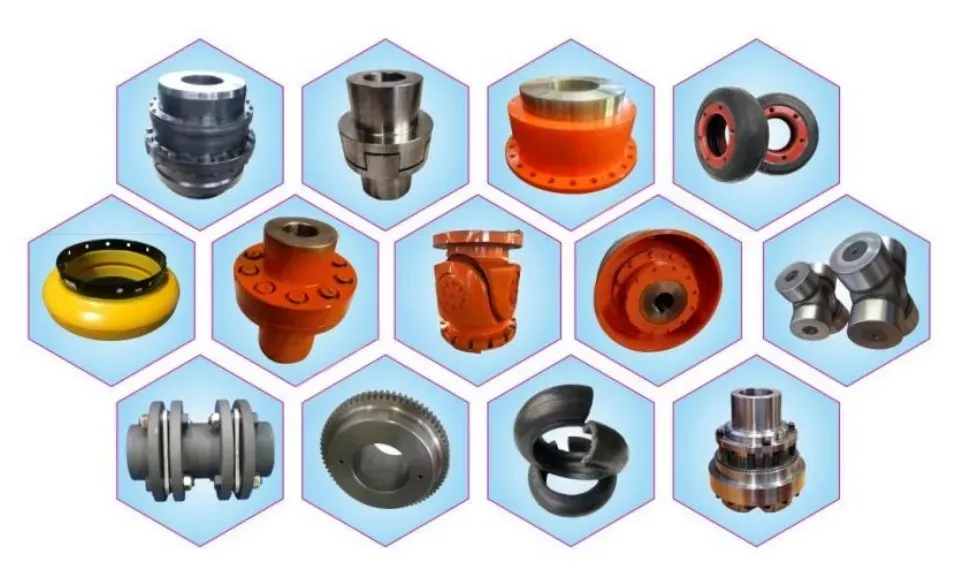
Manufacturing a gear type coupling that performs reliably in a paper mill demands more than off-the-shelf production. Ever Power operates an in-house facility equipped with CNC gear cutting machines, induction hardening stations, and dedicated quality laboratories. Every gear type coupling that leaves the works undergoes dimensional inspection, hardness verification, and balance testing prior to dispatch.
Custom engineering forms a central pillar of the company’s offering. When a paper producer presents an unusual shaft size, an awkward installation envelope, or an extreme service factor requirement, the application engineering team responds with a tailored gear type coupling design.
Computer-aided design tools coupled with finite element analysis allow the team to verify torque transmission paths, predict stress concentrations, and confirm fatigue life before any metal is cut. Most bespoke gear type coupling projects move from initial enquiry to delivered product within six to ten weeks, depending on size and complexity. The factory also stocks a wide range of standard frame sizes for rapid dispatch when an emergency replacement is needed.
Inventory management is geared to the paper, steel, mining, and cement sectors, where unplanned downtime costs run high and fast turnaround on a replacement gear type coupling can save substantial sums. For UK paper mills evaluating new suppliers, the combination of in-house manufacturing, application engineering capability, and emergency stock holding makes Ever Power a logical partner. Material certificates, dimensional reports, and torque test data accompany every gear type coupling shipment, supporting traceability requirements common in regulated industries.
Need a Custom Specification?
Send us your shaft data, torque profile, and environmental conditions. A reply lands within one working day.
United Kingdom Engineering Support and Logistics
Procurement teams across the British Isles increasingly seek suppliers who combine technical depth with responsive service. Ever Power maintains direct engineering support for paper mills in England, Scotland, Wales, and Northern Ireland, with regional account handlers covering enquiries from Manchester, Aberdeen, Cardiff, Belfast, and the Midlands manufacturing corridor. Quotations for a standard gear type coupling typically arrive within two working days, while custom designs receive a preliminary technical response within five.
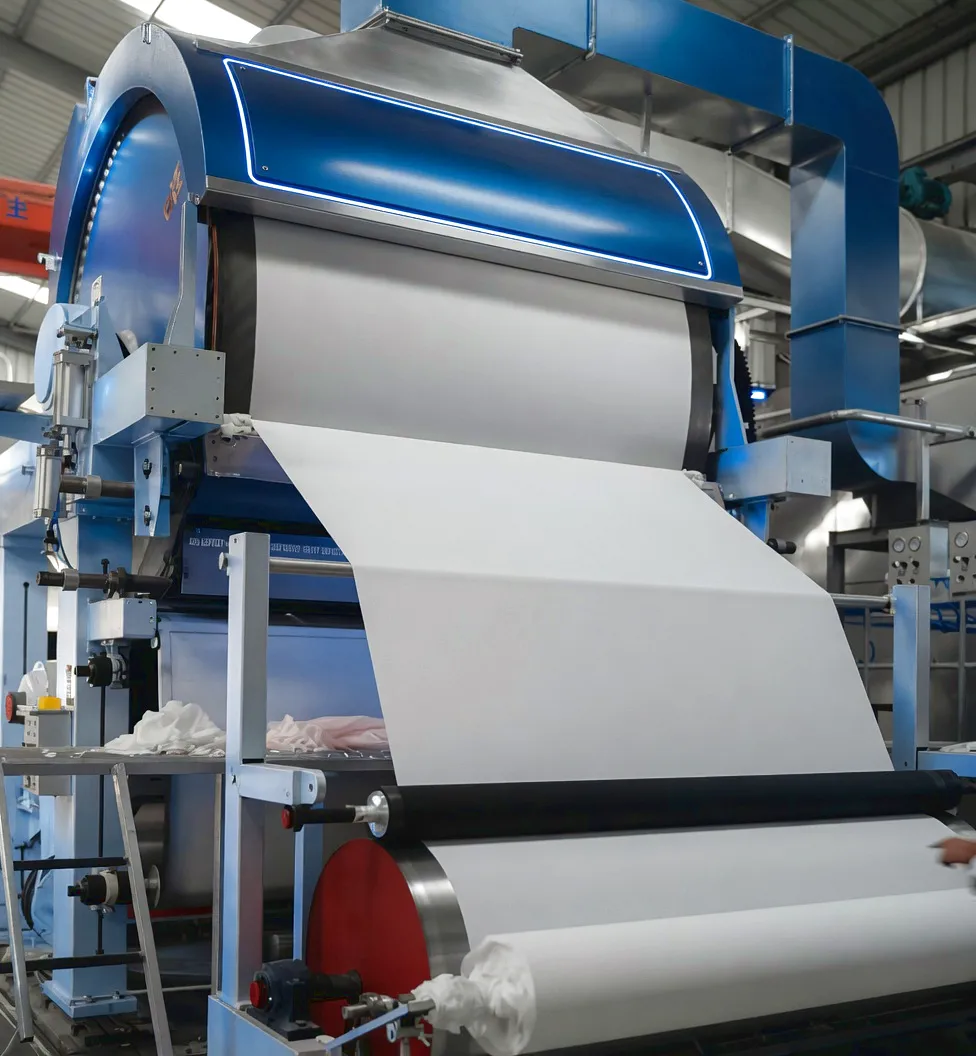 British paper producers operate under cost pressures that demand both quality and value. The Ever Power gear type coupling range delivers both, with build standards aligned to ISO 9001 and dimensional tolerances meeting or exceeding AGMA Class 8. Documentation is supplied in English to UK procurement standards, and pricing is quoted in pounds sterling to simplify budget tracking. Logistics support extends to in-country stockholding for high-volume items, allowing emergency dispatch of a gear type coupling to UK customers within twenty-four hours of order release.
For installations in remote locations or offshore facilities, Ever Power coordinates with established UK freight partners to ensure secure, tracked delivery. After-sales support includes on-site technical visits when warranted, with engineers travelling to advise on installation, alignment, or troubleshooting. For paper mill operators in regions such as Yorkshire, Lancashire, the Scottish Highlands, and the Severn Valley, this combination of regional responsiveness and global manufacturing scale provides a compelling alternative to traditional European suppliers. Sourcing a gear type coupling from Ever Power means accessing world-class engineering with British market sensibility built in.
Pertanyaan yang Sering Diajukan
How much does a heavy-duty gear type coupling cost for a UK paper mill press section?
Pricing depends heavily on size, torque rating, and customisation level. A standard mid-size gear type coupling for press section duty in a British paper mill typically falls between 2,800 and 7,500 pounds. Larger custom builds with stainless seals and oversized hubs can exceed 15,000 pounds. Request a written quotation with full specifications for accurate budgeting.
Where can I find a reliable gear type coupling supplier serving Yorkshire and Lancashire paper mills?
Ever Power supplies UK paper manufacturers across Yorkshire, Lancashire, the Scottish Highlands, and the West Midlands. The company combines factory-direct manufacturing pricing with regional engineering support and emergency stock dispatch within twenty-four hours. Reach out by email to begin a technical conversation about your specific drive train requirements.
What is the typical lead time for a custom gear type coupling quote from a UK industrial supplier?
For standard sizes, expect a written quotation within two working days. Custom engineered units typically require five working days for a preliminary technical proposal. Manufacturing lead time on a fully custom gear type coupling runs six to ten weeks, with expedite options available for genuine emergency replacements at British mill sites.
Which type of gear type coupling works best for paper winder torque reversal duty?
A double engagement gear type coupling with carburized teeth and an oversized service factor handles winder reversals best. The double-mesh geometry absorbs cyclic loading without fatiguing the tooth root, while elevated hardness on the working flanks resists the micro-pitting that develops during repeated direction changes typical in slitter-rewinder operation.
When should I order a replacement gear type coupling before drive failure occurs?
Order a replacement gear type coupling as soon as condition monitoring shows rising vibration trends, grease contamination, or measurable tooth backlash. Plan ordering eight to twelve weeks before the scheduled outage window so emergency premium freight charges can be avoided. UK stocked items can ship within one working day if planned ahead.
What price difference exists between a standard and a sealed gear type coupling for wet-end paper duty?
A premium sealed gear type coupling with stainless labyrinth seals and fluoroelastomer lip rings typically commands a fifteen to twenty-five percent price premium over a standard nitrile-sealed version. Given the difference in service life under wet-end conditions, the premium normally pays back within twelve months through reduced rebuilds and avoided downtime.
How do I choose the right gear type coupling size for a 2 MW paper machine drive motor?
Calculate continuous torque from motor power and shaft speed, multiply by a service factor of 1.75 to 2.5 for paper duty, then match to the next standard frame size up. For a 2 MW drive at 750 rpm, expect a gear type coupling rated near 60 to 80 kN·m. Share data with an application engineer for confirmation.
Can a UK gear type coupling supplier match the dimensional drawings of a German OEM original?
Yes. With a complete dimensional drawing or sample part, Ever Power can reverse-engineer and produce a fully interchangeable gear type coupling that drops into the original installation envelope. Material specifications, surface treatments, and tolerance bands are replicated or upgraded as requested, and full inspection documentation accompanies the delivery.
© Ever Power Industrial — Specialists in heavy-duty drive train components for the global paper sector. edit by gzl