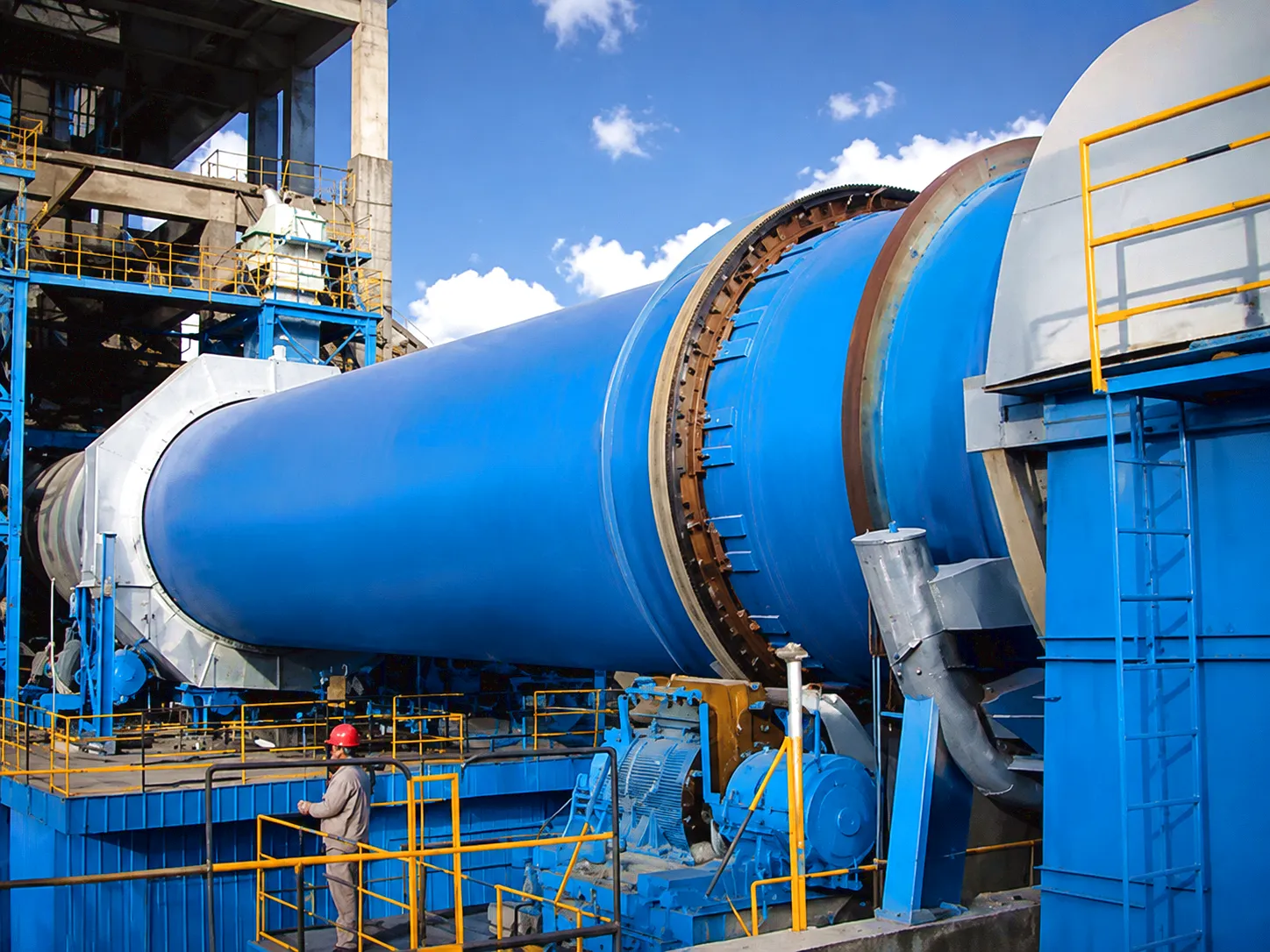
 The cement rotary kiln stands as one of the most mechanically demanding pieces of equipment in heavy industry. Rotating continuously at temperatures that can exceed 1,400 degrees Celsius, these enormous cylindrical furnaces process raw limestone, clay, and other minerals into the clinker that eventually becomes Portland cement. Every revolution of the kiln shell depends on an unbroken chain of mechanical power transmission — and at the heart of that chain sits the coupling. Without a coupling engineered to handle enormous torque loads, significant thermal expansion, and the perpetual vibration that arises from kiln shell deformation, even the most robust drive train will fail prematurely, triggering costly shutdowns across a production line that never wants to stop. For cement plants in Birmingham, Sheffield, and along the Humber estuary — regions where domestic construction demand keeps kilns running around the clock — choosing the wrong coupling is not a theoretical risk. It is a measurable financial one.
Working Principle of Couplings in Rotary Kiln Drive Systems
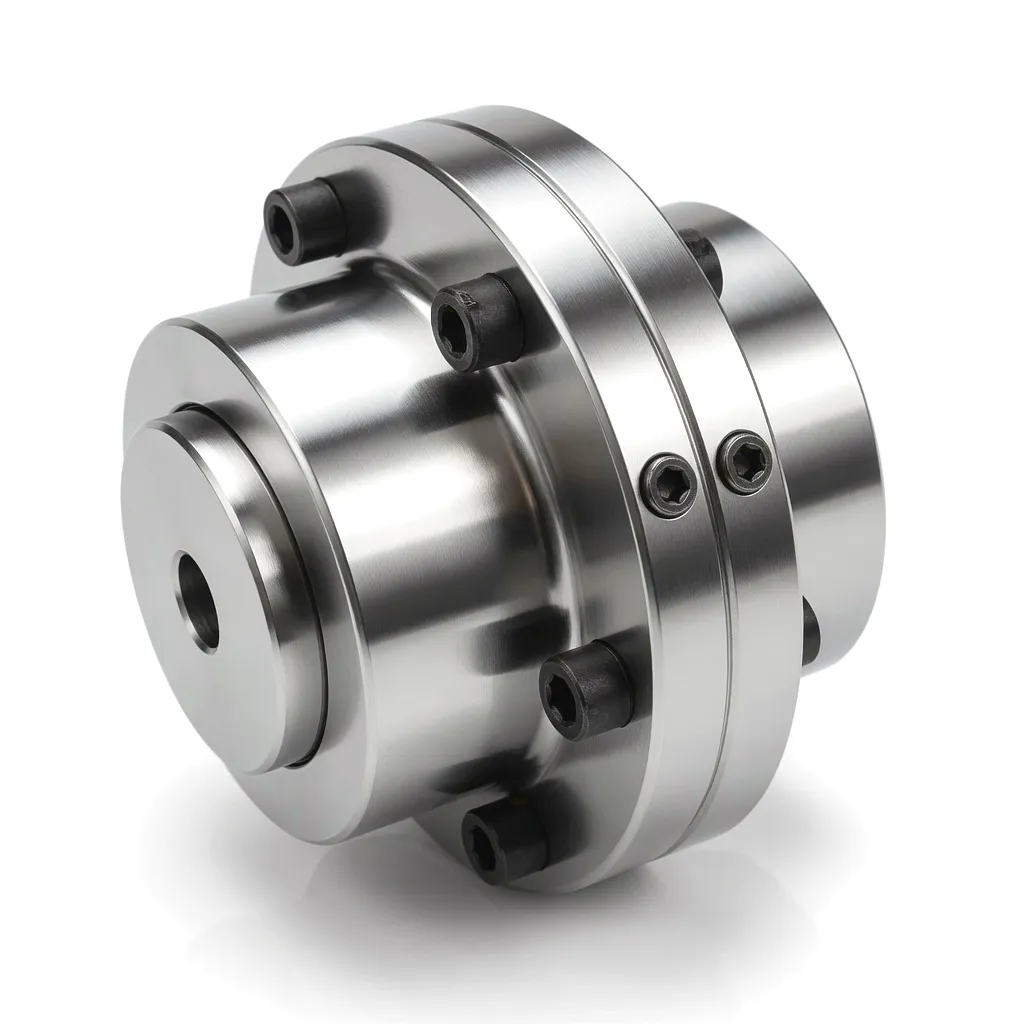 A coupling in a cement rotary kiln drive train serves as the mechanical interface between the output shaft of a motor or gearbox and the driven shaft connected to the kiln’s ring gear assembly. The fundamental principle involves transmitting rotational torque from the driving element to the driven element while tolerating the three classical forms of shaft misalignment: angular, parallel (radial), and axial. In kiln applications, all three forms appear simultaneously and change dynamically as the kiln shell temperature fluctuates over a production cycle.
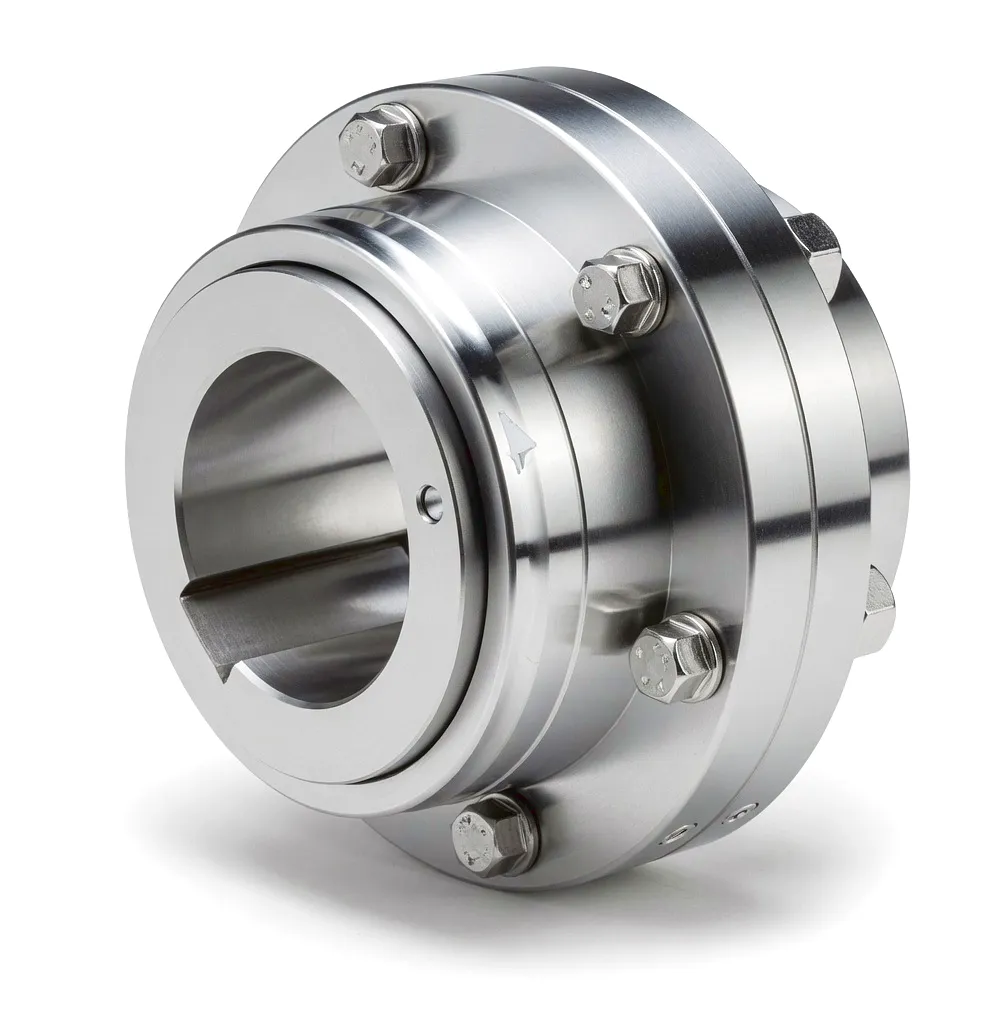
Gear-type couplings achieve this through hardened and ground external gear teeth on each hub, which mesh with internal gear teeth on a sleeve. As the two shafts shift relative to one another, the crowned tooth profile — a deliberate convex curvature machined onto each tooth — allows the gear mesh to rock and slide without generating destructive stress concentrations. The result is a coupling that can transmit torque loads measured in hundreds of kilonewton-metres while simultaneously accommodating angular misalignments of up to 1.5 degrees per coupling half and axial displacement of several millimetres, all without transmitting these deviations as bending moments back into the connected bearings.
In dual-drive kiln configurations — common in larger British cement plants where two motor-gearbox combinations share the load — the coupling also plays a critical load-sharing function. Flexible disc couplings positioned between the two drive outputs prevent torque imbalances from creating damaging torsional oscillations. The corrugated or slotted metal disc packs at the heart of these couplings deflect elastically under torque differential, essentially acting as a torsional spring that smooths out any instantaneous speed differences between the two drive trains and ensures the ring gear tooth loading remains evenly distributed.
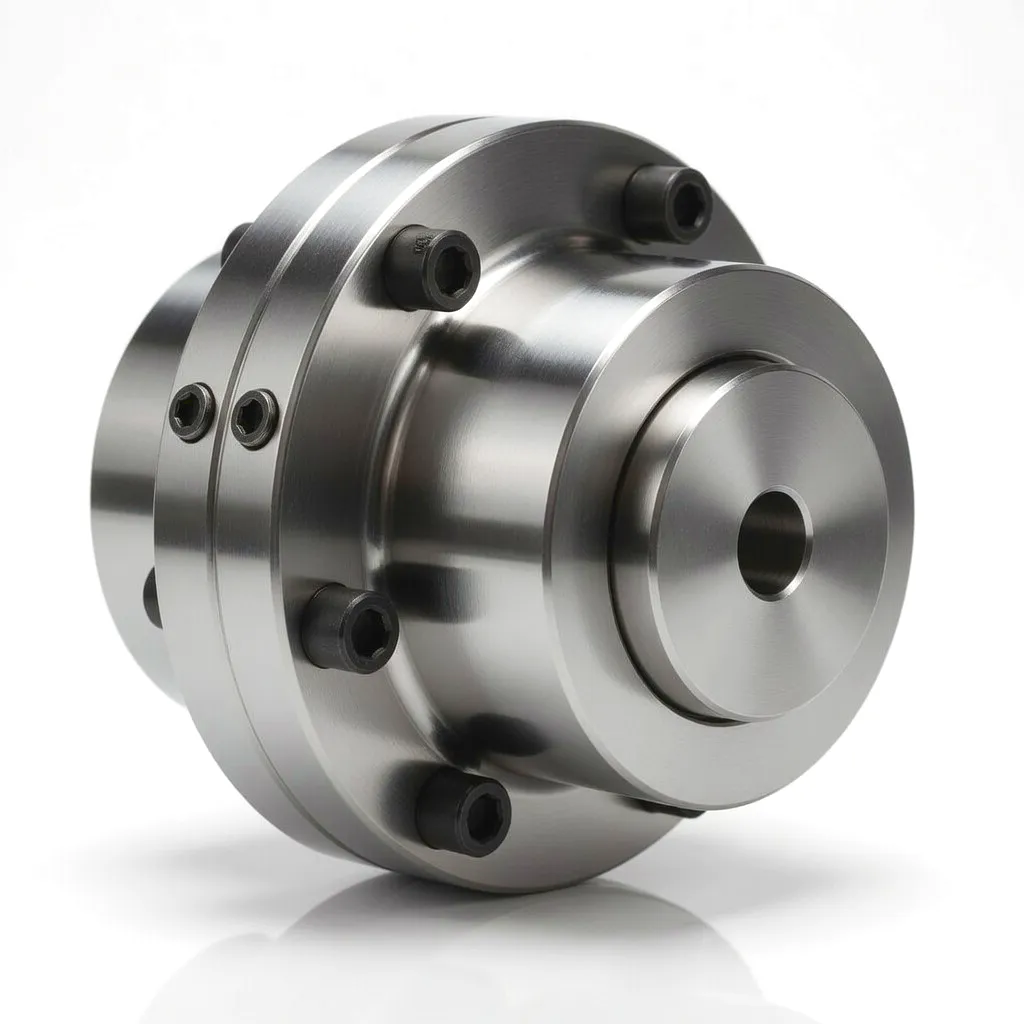 The material selection for a cement kiln coupling is not an afterthought — it is a fundamental engineering decision that determines service life in one of the harshest industrial environments on earth. Hub bodies are predominantly manufactured from alloy steels with carbon content typically in the range of 0.35% to 0.50%, with chromium-molybdenum grades such as 42CrMo4 (the European equivalent of the widely specified 4140 grade) being especially common for heavy-duty gear coupling hubs. This material combination delivers the tensile strength needed to withstand peak torque events — such as kiln start-up under load — alongside sufficient toughness to resist the impact shock that occurs when large clinker formations break free inside the kiln barrel.
Why Engineers Specify These Couplings for Cement Kilns
Gear-type designs transmit torques exceeding 2,500 kNm within a compact radial envelope, making them ideal for space-constrained kiln drive arrangements where the foundation plinth dimensions are fixed by civil construction.
Angular misalignment acceptance up to 1.5 degrees per gear mesh, combined with radial offset capacity of 2 to 4 mm, protects bearings and gearbox output shafts as the kiln shell undergoes thermal bow during warm-up cycles.
The inherent compliance of crowned gear teeth, or the elastic deflection of stainless disc packs, absorbs torque spikes that arise during kiln starting or when large clinker rings collapse suddenly, protecting both drive motors and downstream ring gear assemblies.
Split-sleeve coupling designs allow gear mesh inspection, lubrication replenishment, and sleeve replacement without uncoupling the connected shafts — a significant advantage in kiln pit installations where shaft removal is a multi-day scaffolding operation.
Steel and alloy construction means no degradation of coupling rated capacity at the elevated ambient temperatures found near kiln firing hoods and cooler inlets, unlike elastomeric couplings whose rubber elements soften and lose torsional stiffness above 80 degrees Celsius.
With correct lubrication intervals maintained, case-hardened gear coupling hubs routinely achieve operational lives of 80,000 to 120,000 running hours in kiln applications — significantly outlasting elastomeric coupling elements that may require replacement every 18 to 24 months under continuous heavy-duty service.
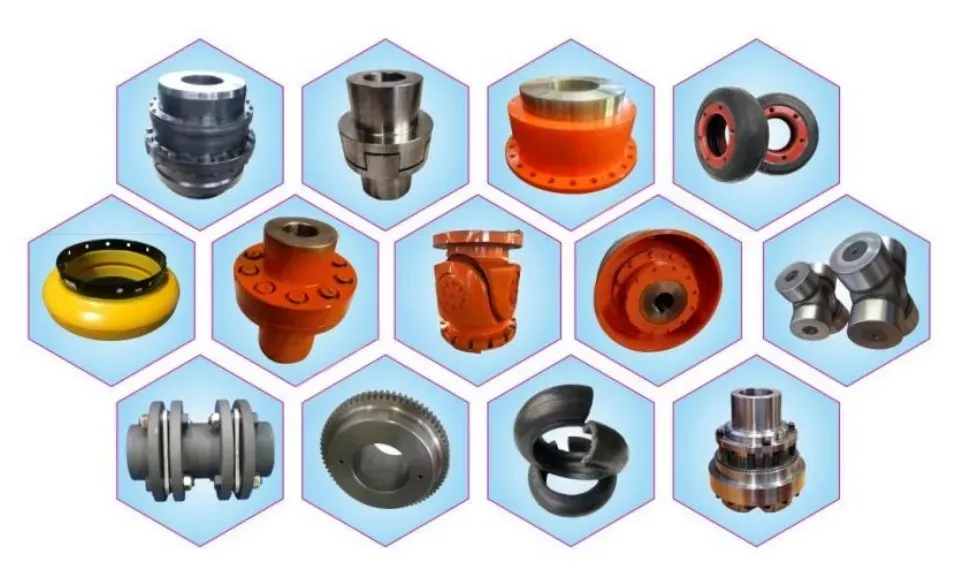
Coupling Technical and Performance Parameters — Cement Kiln Duty
| Parameter | Gear Coupling (Kiln Main Drive) | Disc Coupling (Dual Drive Sync) | Flexible Beam Coupling (Aux Drive) |
|---|---|---|---|
| Rated Torque Range | 250 kNm to 2,800 kNm | 50 kNm to 600 kNm | 0.5 Nm to 180 Nm |
| Ketidaksejajaran Sudut | Up to 1.5 deg per mesh | Up to 1.0 deg | Up to 5.0 deg |
| Radial Offset Capacity | 2 to 4 mm | 0.3 to 1.5 mm | 0.5 to 2.0 mm |
| Perpindahan Aksial | +/- 6 to 15 mm | +/- 1 to 3 mm | +/- 3 to 8 mm |
| Bahan Hub | 42CrMo4 alloy steel (carburised) | 42CrMo4 / EN24T | 6061-T6 aluminium alloy |
| Disc / Flexible Element Material | N/A (gear mesh) | 17-7 PH stainless steel | Spring steel / beryllium copper |
| Max Operating Speed | 1,500 to 3,000 RPM | Up to 8,000 RPM | Up to 10,000 RPM |
| Suhu Operasional | -20 deg C to +150 deg C | -40 deg C to +200 deg C | -50 deg C to +120 deg C |
| Surface Hardness (Teeth/Disc) | 58 to 62 HRC | 40 to 48 HRC | 38 to 44 HRC |
Where Couplings Perform in the Cement Rotary Kiln Process
The cement rotary kiln is not a single-coupling application — it is an ecosystem of interconnected drive positions, each of which places subtly different demands on the coupling installed within it. Understanding these positions is essential for any maintenance engineer or procurement specialist in the UK cement sector seeking to match coupling type to operational requirements.
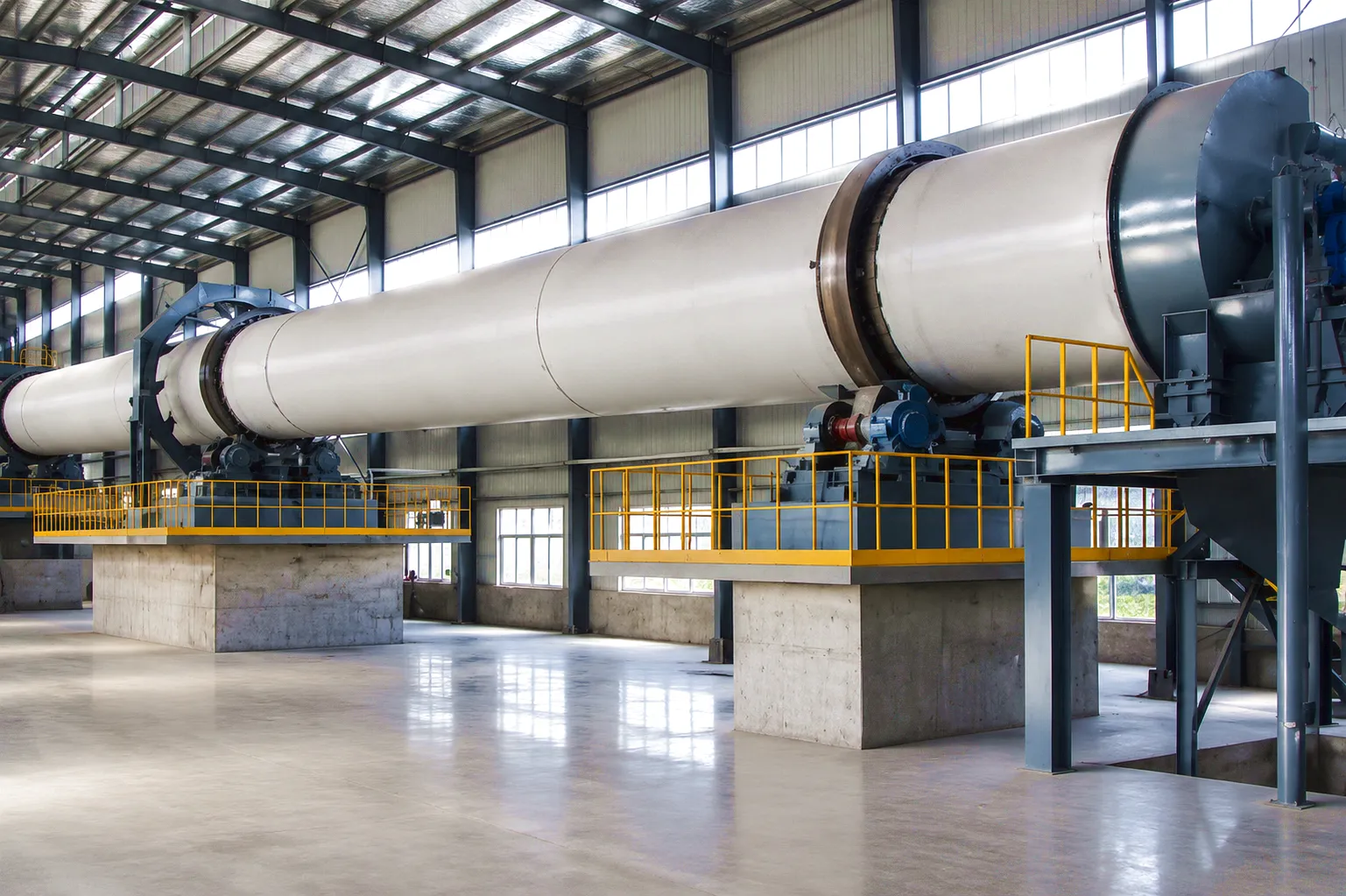
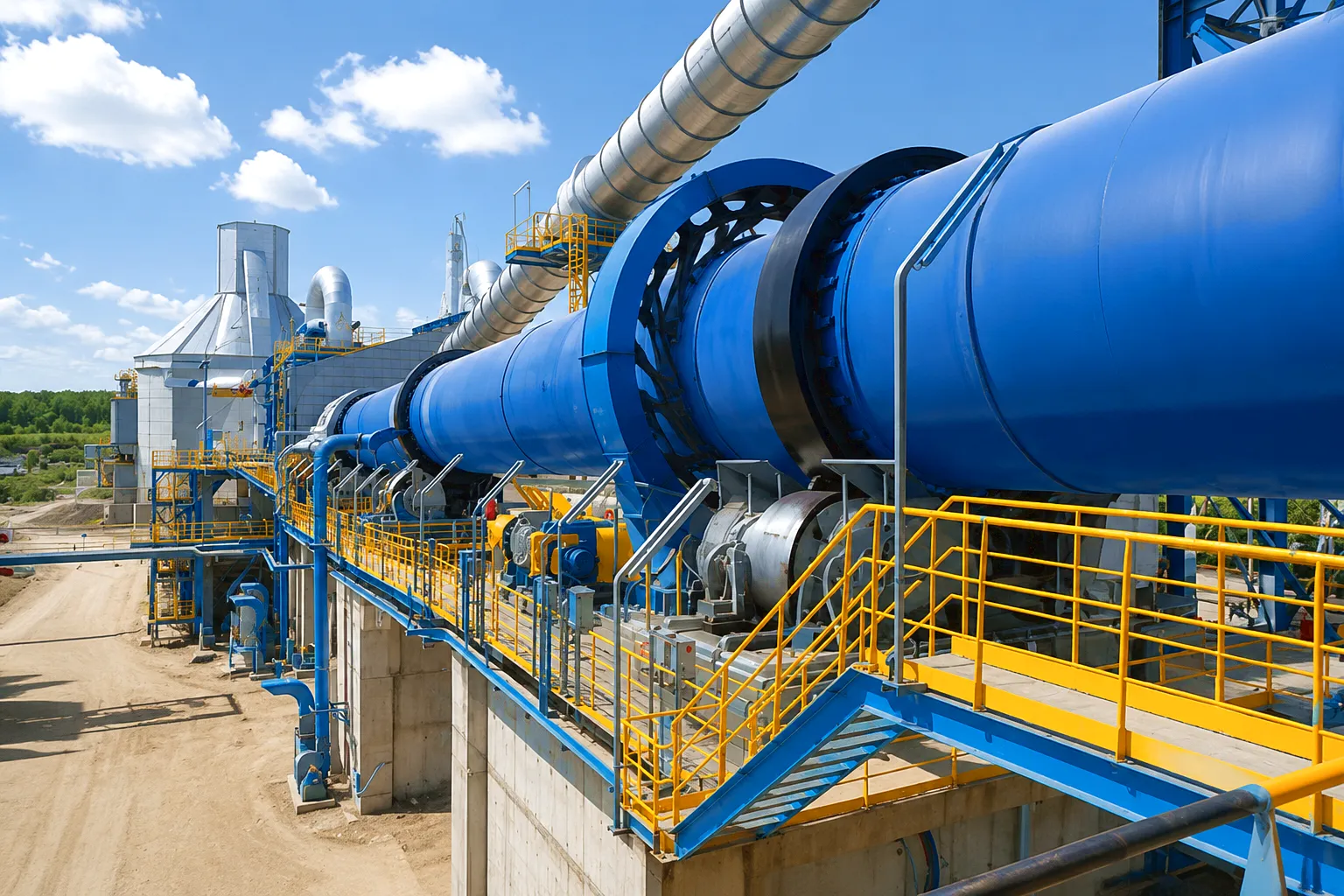
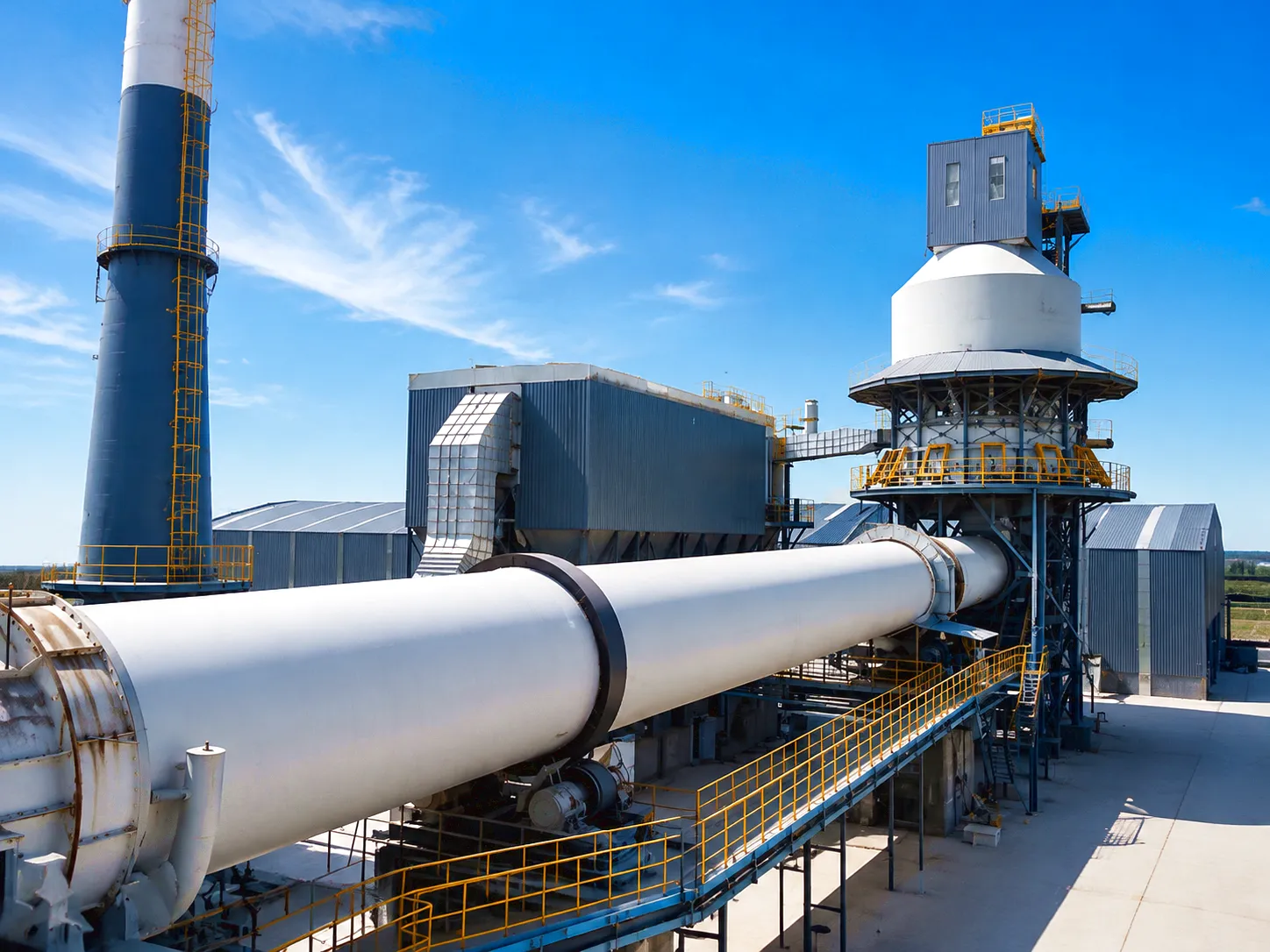
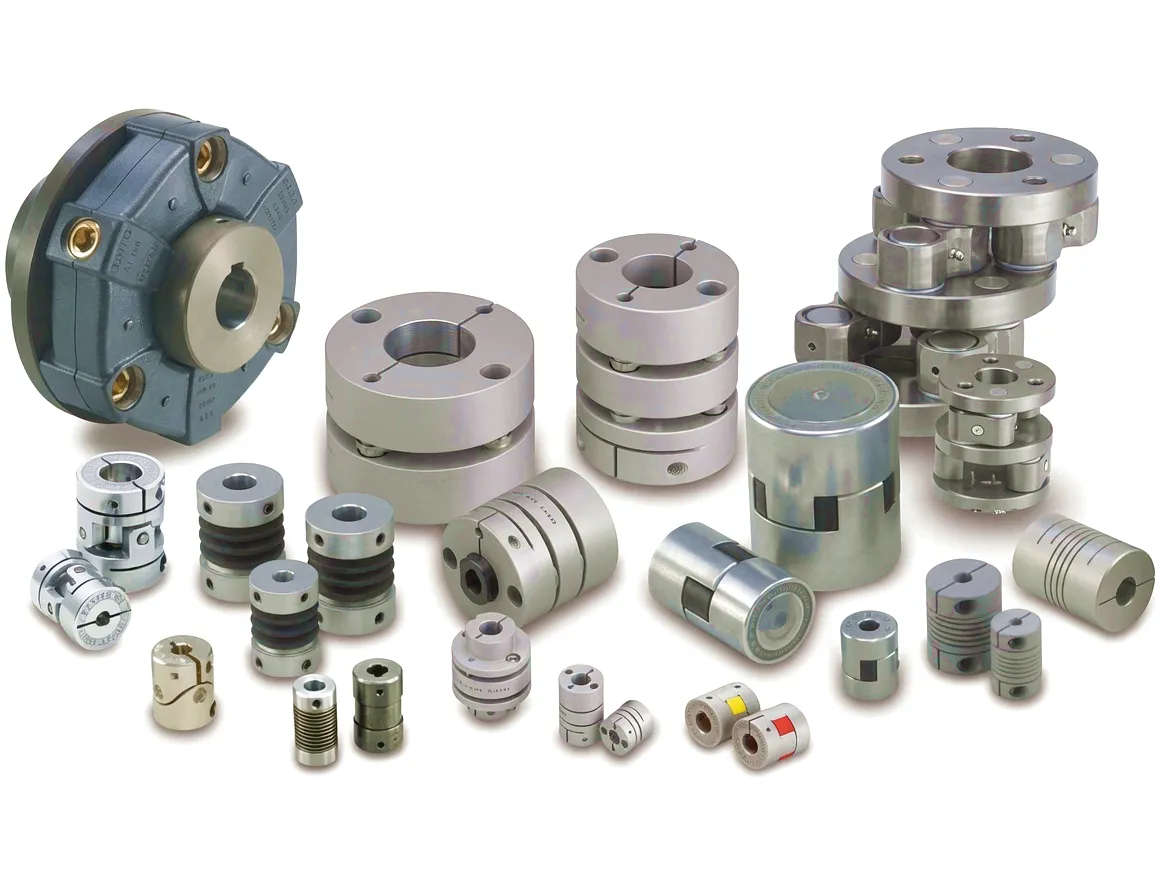
Coupling Products for Kiln and Heavy Industrial Applications
Precision-machined helical beam design with zero backlash for servo-driven auxiliary positioning systems, instrumentation, and auxiliary kiln barring drives. Available in aluminium, stainless steel, and titanium alloys. Angular misalignment to 5 degrees, torsional stiffness optimised per OEM specification.
High-performance stainless steel disc pack coupling for kiln dual-drive synchronisation, compressor drives, and turbomachinery. Maintenance-free, oil-free, spark-resistant construction. Rated to 600 kNm, operating temperatures to 200 deg C, API 671 available for critical plant service duty.
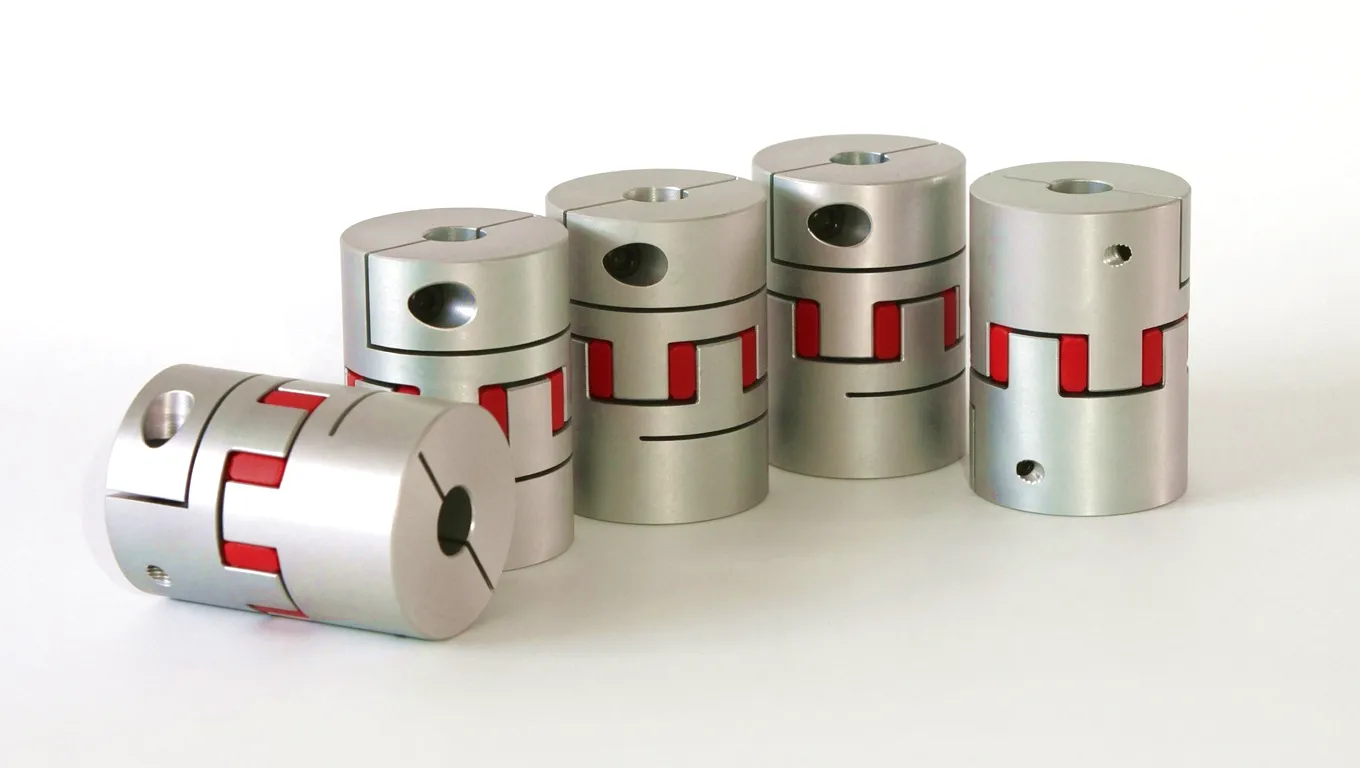 Ever Power has built its reputation in the coupling sector through a commitment to precision manufacturing and deep application engineering that goes well beyond catalogue product supply. The company’s manufacturing facility encompasses a full in-house process chain — from raw forging procurement through CNC turning, gear hobbing, carburising heat treatment, precision grinding, and dynamic balancing — that ensures every coupling leaves the factory to a dimensional accuracy standard that catalogue suppliers simply cannot match from stockholding. For cement kiln applications where shaft diameters, keyway configurations, and bore tolerances are as individual as the plant itself, this in-house capability is the difference between a coupling that fits perfectly on installation day and one that requires expensive machining rework on site.
Sheffield Cement Works: Eliminating Gear Coupling Failures in a Dual-Drive Wet-Process Kiln
 A major integrated cement producer operating a 180-metre wet-process rotary kiln at its South Yorkshire facility was experiencing recurring gear coupling failures at the main gearbox output shaft position. The failures, occurring approximately every 14 to 18 months on average, were manifesting as tooth fatigue fractures in the coupling sleeve, with post-failure analysis consistently identifying the root cause as insufficient crowned tooth geometry — leaving the original coupling design unable to accommodate the angular misalignment generated as the kiln shell heated from cold to process temperature during start-up cycles. Each coupling failure resulted in an unplanned shutdown lasting between 48 and 72 hours, with direct production loss costs and contractor labour for replacement mounting to a six-figure sum per incident.
The plant’s maintenance engineering team engaged Ever Power to conduct a coupling application review. Ever Power’s engineers carried out a thermal distortion analysis using the kiln’s own operating data — shell temperature profiles, bearing housing displacement measurements recorded during the previous start-up cycle, and pinion shaft alignment survey results — to quantify the actual angular and radial displacement demand being placed on the coupling during the critical warm-up phase. The analysis revealed that the original coupling’s crowned tooth profile was generating through-tooth bending stresses during peak misalignment that were 38% above the material’s endurance limit, explaining the observed failure pattern with precision.
Ever Power designed a replacement gear coupling with a significantly enhanced crown radius on both hub gear sets, a wider tooth face width to distribute the load more effectively, and a modified tooth module to reduce the contact stress concentration at the tooth tip during angular displacement. The replacement coupling was manufactured to H7 bore tolerance to match the existing gearbox output shaft, with a keyway cut to BS 46 standard, and was delivered to the Sheffield site within six weeks of order placement — a lead time that the plant’s procurement team described as essential to avoiding another unplanned production loss during the interim period.
Since installation of the Ever Power coupling, the Sheffield facility has completed 26 months of continuous kiln operation without a coupling-related shutdown — a performance record that has already exceeded three times the previous mean time between failures. The maintenance engineering team has since requested a review of coupling specifications at two further positions within the kiln drive train, with a view to standardising on Ever Power’s design across the facility.
“The crown geometry analysis Ever Power performed on our application was genuinely impressive — they identified the exact failure mechanism our own team had been chasing for two years. The replacement coupling has now run through three complete kiln campaigns without any sign of distress. It is the most cost-effective maintenance investment we have made at this plant in a decade.”
“We needed a coupling to BS 46 keyway standard that matched a non-standard 315 mm bore — exactly the kind of requirement that catalogue suppliers turn away. Ever Power quoted within 24 hours, confirmed the design within a week, and delivered on time. The quality documentation package was complete and ready for our ISO 9001 maintenance records on arrival.”
“After switching our dual-drive sync position to Ever Power disc couplings, the ring gear vibration signature has dropped dramatically — our predictive maintenance data shows a reduction in the 1x and 2x mesh frequency amplitudes of around 60%. The couplings are genuinely performing exactly as the Ever Power application engineers predicted they would.”
Questions About Couplings for Cement Kiln Applications
Ready to Specify the Right Coupling for Your Cement Kiln?
Send Ever Power your application data and receive a detailed technical proposal within 24 hours. Custom bore, any standard, any torque range.