Offshore platform drilling rigs represent one of the most demanding and unforgiving engineering environments on earth. Thousands of metres below sea level, or perched on a floating structure buffeted by North Sea swells, every mechanical component must perform without compromise, 24 hours a day, across years of continuous operation. At the heart of these machines — driving rotary tables, top drives, drawworks, mud pumps, and compressors — sits a deceptively simple yet critically important component: the coupling. Far from a mere connector, a correctly engineered coupling in an offshore drilling context is the defining line between a smooth production cycle and catastrophic downtime that can cost operators in the Aberdeen or Humber estuary region tens of thousands of pounds per hour. This article explores the engineering science behind couplings in offshore drilling rigs, the material choices that define their performance envelope, the technical parameters procurement engineers should demand, and the real-world application data that underpins confident purchasing decisions for UK-based offshore operations.
How Couplings Function on an Offshore Drilling Platform

At its most fundamental level, a coupling transmits rotational torque and angular motion from a driver — typically an electric motor or diesel engine — to a driven machine such as a mud pump, rotary table, or centrifugal compressor. What makes the offshore drilling context unique is that this basic function must be performed under conditions that compound misalignment, shock loading, vibration, corrosive saltwater exposure, and extreme temperature variation simultaneously. A drilling rig’s top drive system, for example, generates rotational speeds up to 400 RPM while applying torque loads that can exceed 100,000 Nm during hard formation drilling. Any coupling connecting the motor shaft to the drill string gearbox must absorb periodic torsional impulses from bit bounce, accommodate the slight angular misalignment that inevitably develops as the rig structure flexes under wave motion, and do all of this while resisting the relentless attack of saline atmosphere that corrodes unprotected steel within weeks.
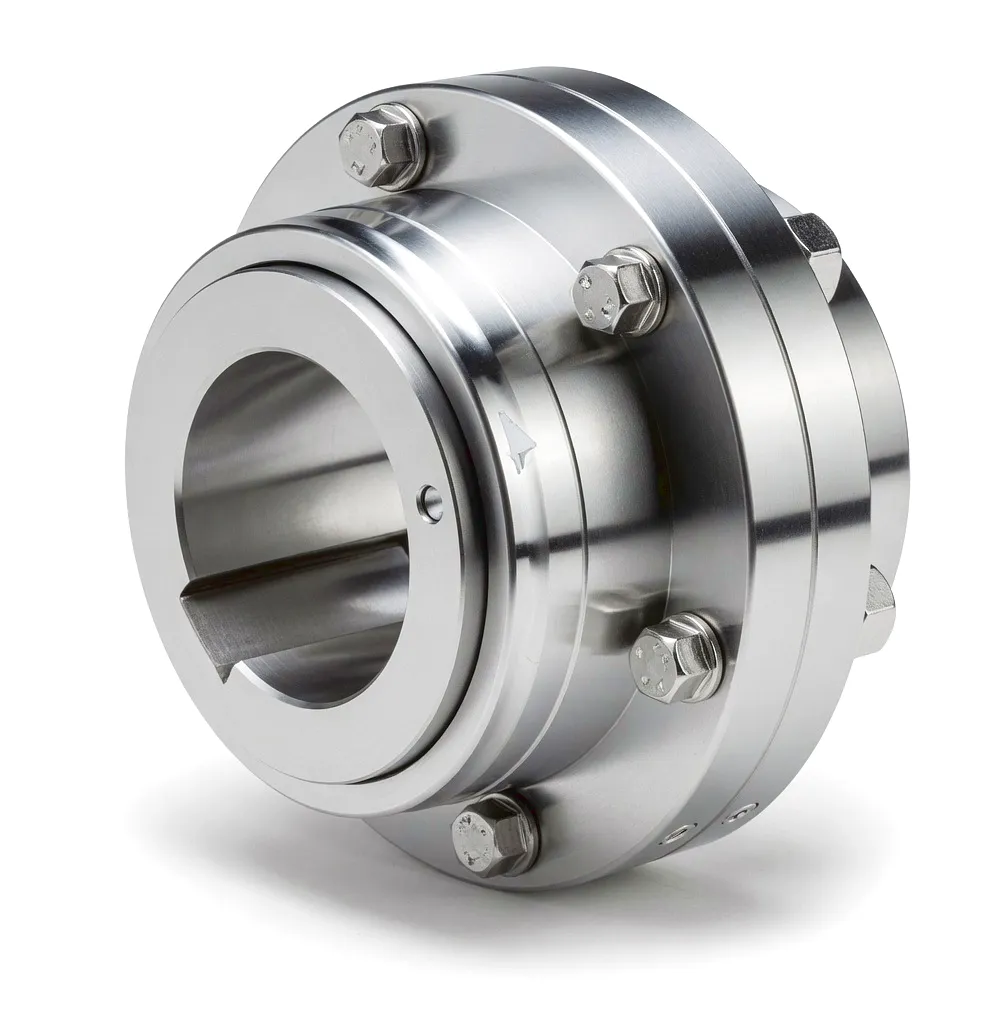
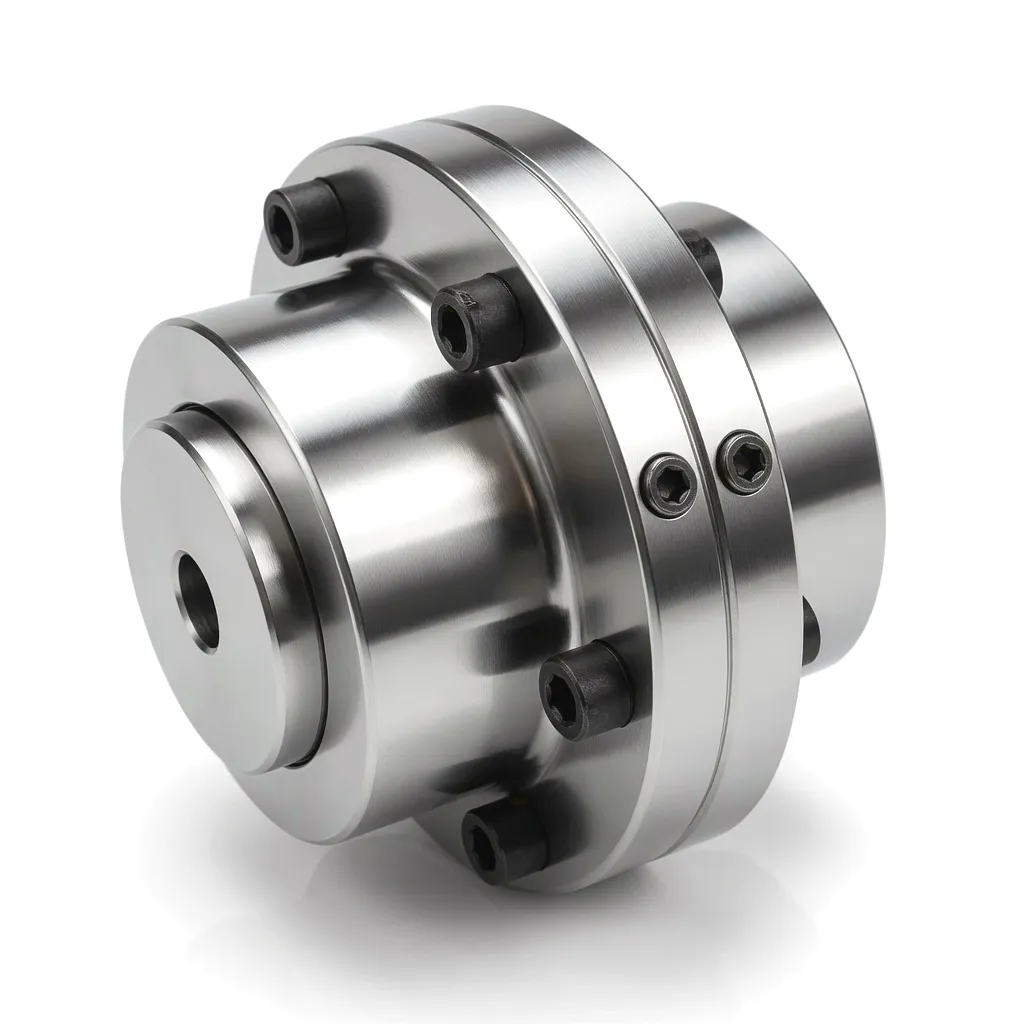
Gear-type couplings achieve this through a precision-engineered meshing interface between external gear teeth on the coupling hub and internal teeth on the outer sleeve. The involute tooth profile allows a controlled degree of angular and parallel offset — typically up to 1.5 degrees of angular misalignment — while maintaining a full-contact load-bearing surface at every point in the rotation cycle. This distributed load transmission is fundamentally different from a rigid coupling, where any misalignment creates cyclic bending stress on the connected shafts. Drawworks brakes, crown block sheaves, and derrick-mounted travelling blocks all generate dynamic load spikes; the coupling’s elastic elements or lubricated tooth interface absorbs these spikes before they propagate into gearboxes or motor windings. Engineers specifying couplings for UKCS (UK Continental Shelf) drilling operations routinely account for API 671 and API 7K standards, which set the baseline performance expectations for power transmission equipment on drilling rigs.
Core Materials Used in Offshore Drilling Couplings
The workhorse material for gear hubs and sleeves. Chromium-molybdenum alloy steel delivers tensile strength above 1,000 MPa after quench-and-temper heat treatment, essential for top-drive applications where peak torque transients are severe. Widely used in Sheffield-manufactured precision components.
Used for coupling flanges and exposed hardware in topsides installations. The dual austenitic-ferritic microstructure provides superior chloride stress corrosion resistance — critical in North Sea spray zones where standard 316L can fail within 18 months. Pitting resistance equivalent number (PREN) above 35 is the minimum benchmark.
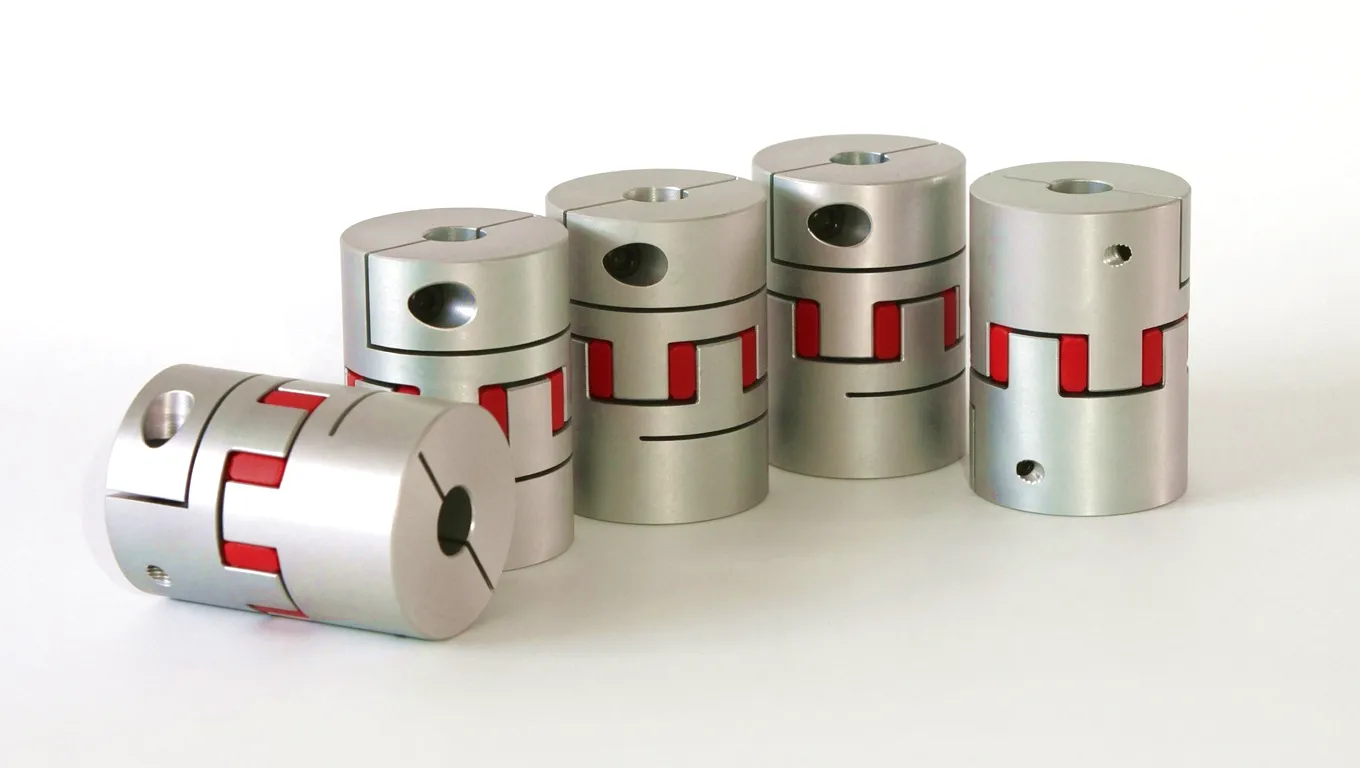
Spider elements in jaw-type flexible couplings use polyurethane (Shore 92A–98A) for high-load shock absorption, or NBR (nitrile rubber) where oil contamination is probable. On mud pump drives, elastomeric elements damp the pulsation-driven torsional resonance that would otherwise fatigue flanged connections at 3–5 Hz forcing frequencies.
Disc couplings on high-speed gas compressor trains use multi-layer carbon fibre or stainless steel disc packs. Carbon composite discs reduce rotating mass by up to 40% versus steel, lowering gyroscopic loads on vertical shaft arrangements common in semi-submersible platform compressors. Fatigue life exceeds 10^7 cycles at rated torque.
Application Scenarios: Where Couplings Are Critical on an Offshore Drilling Platform
Application Scenario 1 — Top Drive System Torque Transmission
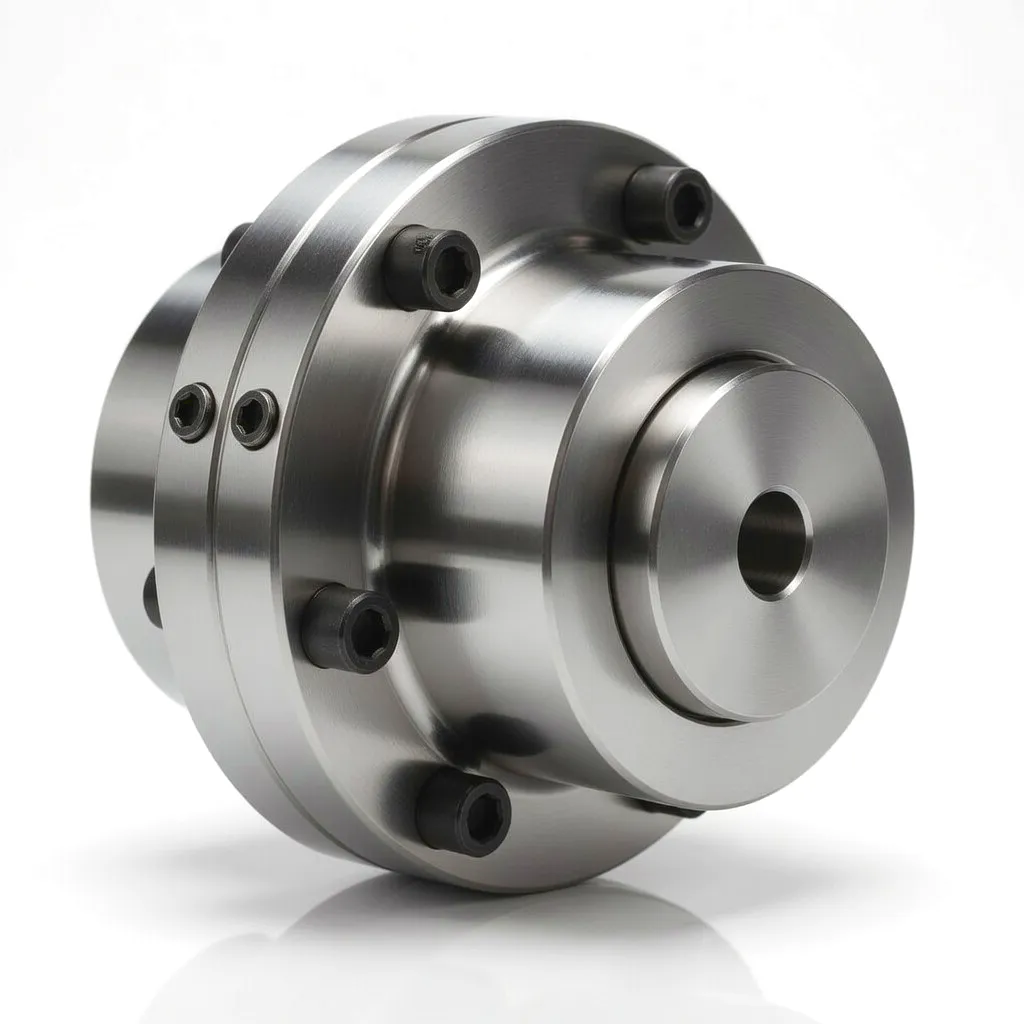
The top drive is the primary rotary power unit on modern offshore drilling rigs, replacing the conventional rotary table in high-performance configurations. A typical top drive on a semi-submersible operating in the central North Sea generates sustained torque outputs between 60,000 and 120,000 Nm, with transient spikes up to 200% of rated torque during the point of bit engagement with hard sandstone or anhydrite formations. Gear-type couplings in this application must transmit this torque while accommodating up to 0.5 mm of parallel shaft offset caused by thermal growth in the drive motor housing. They must also tolerate the 1.0–1.5 degree angular misalignment that develops as the travelling block frame deflects under hook load. The continuous rotation at 50–200 RPM in an oil-mist atmosphere demands that coupling lubricant retention be engineered through labyrinth seals rated for positive pressure differentials, ensuring that seawater ingress — with its conductivity and corrosive potential — never reaches the meshing teeth. UK operators running rigs from Aberdeen-based management companies have standardised on gear-type couplings meeting API 671 Fourth Edition requirements for these drives, with mandatory third-party inspection at the point of manufacture.
Application Scenario 2 — Triplex Mud Pump Drive Trains

Triplex mud pumps are the circulatory heart of a drilling rig, maintaining hydrostatic pressure in the wellbore while carrying drill cuttings back to surface. They are also among the most coupling-hostile environments on the platform. Each pump generates a torque pulsation at three times the crankshaft frequency — typically 9–15 Hz at normal operating speeds — which creates torsional resonance in the drive train unless the coupling introduces sufficient damping. Elastomeric jaw couplings with polyurethane spider elements are the standard engineering solution for this application, because the elastomer’s internal damping coefficient (loss factor typically 0.1–0.2) converts torsional oscillation energy into heat rather than transmitting it to the electric motor or diesel engine. On a 2,200 HP mud pump set — the size commonly found on a deepwater semi-submersible drilling unit working in UK waters — the coupling must handle a rated torque of approximately 45,000 Nm with a service factor of 2.5 applied to account for pulse loading, giving a design torque of 112,500 Nm. The elastomeric elements also provide electrical isolation between pump and motor, which is a non-negotiable safety requirement under ATEX and UKEX regulations governing hazardous zone equipment on offshore installations.
Application Scenario 3 — Drawworks Drum and Brake System Integration
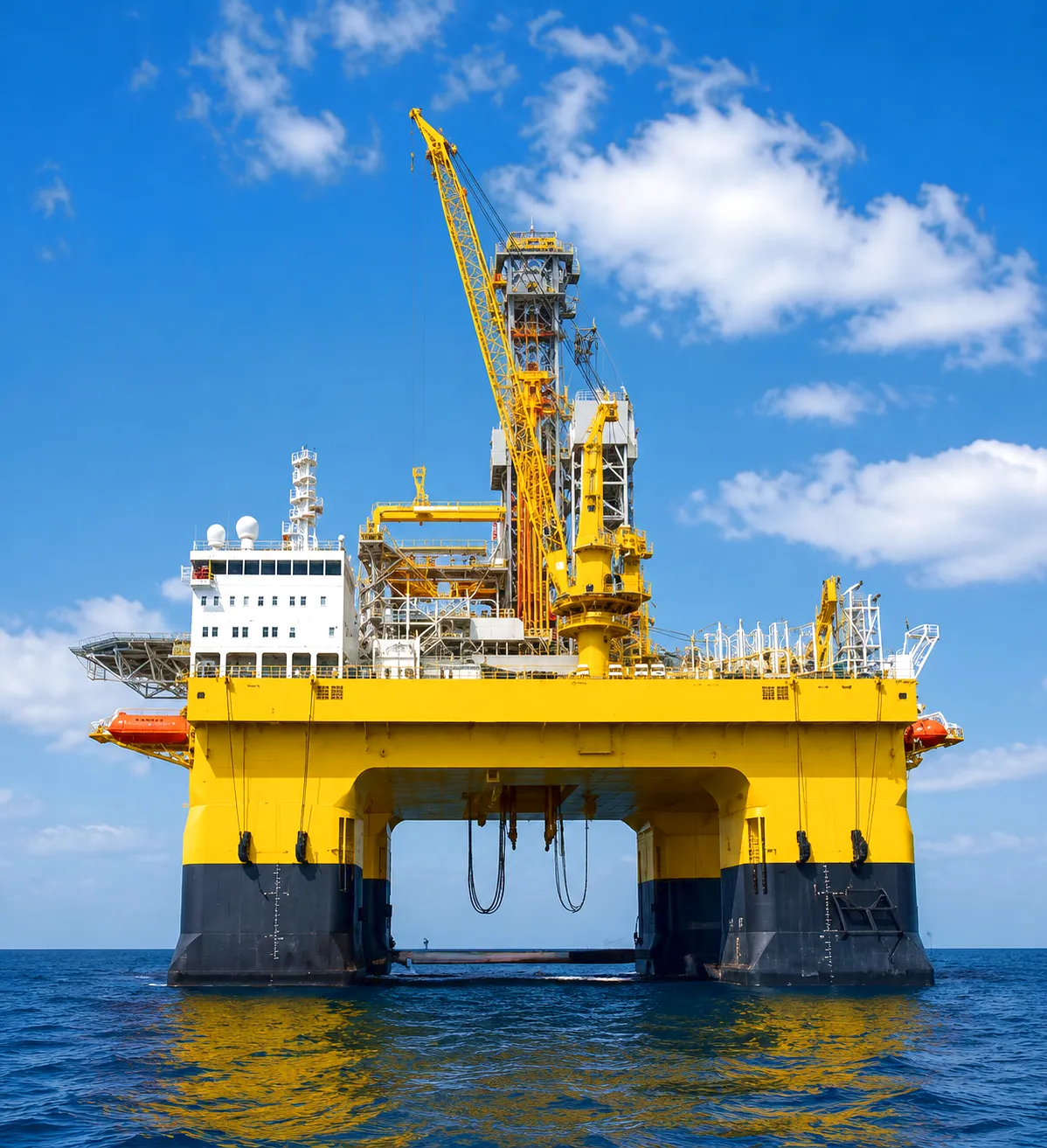
The drawworks is the hoisting machine that raises and lowers the drill string and casing strings — some of which weigh over 500 metric tonnes in deepwater operations. The coupling connecting the electric motor to the drawworks gearbox faces a demanding duty cycle: frequent starts under load, abrupt application of dynamic braking, and occasional emergency stops where the motor is reversed to arrest runaway string descent. The duty cycle severity factor for drawworks couplings on a jack-up rig working the southern North Sea — such as those serviced from Great Yarmouth or Lowestoft — typically puts them in ISO 14691 Duty Class KA3, the most demanding category reserved for applications with extreme shock loading. Gear-type couplings in this service are selected with a design torque three times the rated motor torque, and gear tooth hardness is specified at HRC 58–62 to resist the micro-pitting wear that accelerates under high-cycle reversing loads. Regular grease replenishment via flush-and-fill ports is maintained on a 2,000-hour service interval aligned with rig maintenance schedules, ensuring that coupling gear mesh oil film integrity is never compromised even as water contamination gradually degrades the lubricant’s film strength.
Application Scenario 4 — Topsides Gas Compression and Injection Systems
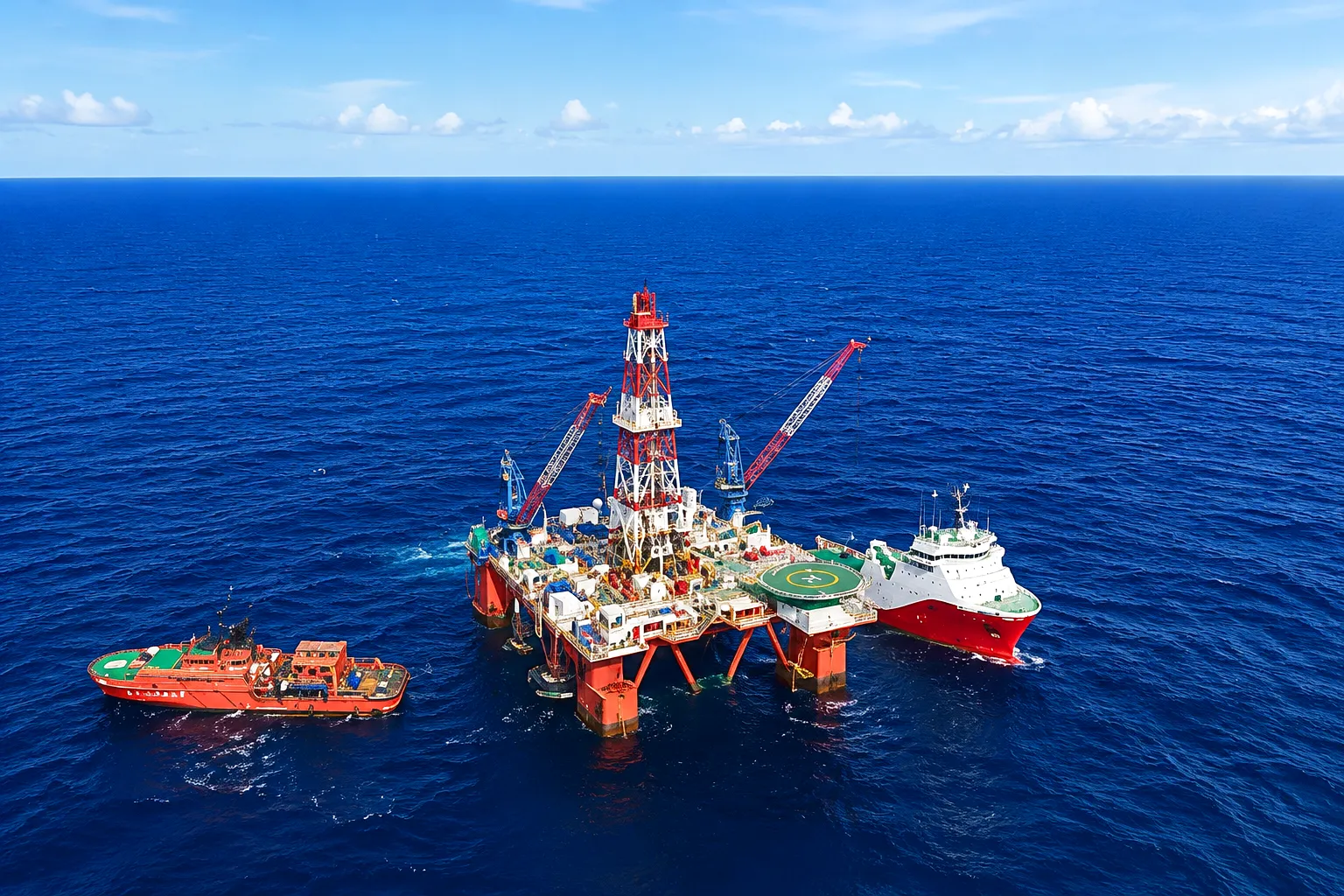
Gas compression modules on offshore production platforms — including FPSO (Floating Production Storage and Offloading) vessels operating in the North Sea and West of Shetland fields — use high-speed centrifugal or reciprocating compressors driven by gas turbines or variable-frequency electric motors. The coupling in these trains is not simply a torque connector; it is a dynamic tuning element that must be engineered to ensure the coupled train’s torsional natural frequency sits well clear of excitation harmonics from the compressor stage count and turbine blade passing frequencies. Disc-pack couplings are the engineering choice for high-speed gas compression: their all-metallic construction tolerates process gas temperatures up to 200 degrees Celsius without the creep failure that would afflict an elastomeric element, and their zero-backlash design eliminates the fretting fatigue that causes gear tooth pitting under bi-directional load reversals during compressor surge events. A torsional analysis (per API 684) is mandatory for any compression train coupling specification on a UKCS installation, and suppliers are increasingly required to provide finite element analysis (FEA) data demonstrating disc pack stress margins at the rated continuous torque as well as the transient torque associated with compressor surge and emergency shutdown events.
Product Technical and Performance Parameters for Offshore Drilling Couplings
| Parametro | Gear-Type Coupling | Giunto a disco | Mandibola / Elastomerico | Offshore Standard |
|---|---|---|---|---|
| Rated Torque Range (Nm) | 500 – 500.000 | 100 – 200,000 | 50 – 50,000 | API 671 / ISO 14691 |
| Max. Speed (RPM) | 4,000 | 25,000+ | 6,000 | API 684 (torsional) |
| Disallineamento angolare | Up to 1.5 deg | Up to 0.5 deg | Up to 1.0 deg | ISO 10441 |
| Materiale del mozzo | 42CrMo4 / 34CrNiMo6 | 17-4PH / Carbon CFRP | GJS-400 / 42CrMo4 | NACE MR0175 |
| Temperatura di esercizio | -30 to +120 degC | -50 to +250 degC | -40 to +100 degC | DNV GL / Lloyd’s |
| Intervallo di diametro del foro (mm) | 20 – 600 | 15 – 400 | 10 – 200 | API 7K / BS EN 1092 |
| Surface Finish / Protection | Phosphate + EP grease | Passivation / HVOF | Zinc primer + topcoat | ISO 12944 C5-M |
| Backlash | Moderate (tooth clearance) | Zero backlash | Low (elastomer) | ISO 14691 |
Core Technical Advantages of Offshore-Grade Couplings
Gear-type couplings distribute load across the full tooth face width, reducing peak Hertzian contact stress compared to pin or jaw alternatives. In a 100,000 Nm top-drive application, this means individual tooth loads remain below the material endurance limit even at 20,000 hours of service, eliminating the sub-surface fatigue cracks that precede tooth fracture.
Unlike rigid flanged connections, gear-type and disc couplings accommodate angular and offset misalignment without transmitting bending moments to the connected shaft bearings. On a floating platform subject to wave-induced structural deflection, this decoupling of mechanical misalignment from shaft stress is the primary reason bearing replacement intervals extend from under 6 months to over 3 years.
Modern offshore couplings use labyrinth seals and O-ring retained grease cavities that maintain lubricant integrity for 2,000–4,000 hours between service intervals. The elimination of frequent manual re-greasing reduces maintenance man-hours at height — a significant cost reduction in offshore operations where every man-hour of maintenance activity requires safety permitting, job hazard analysis, and working-at-height protocols.
All couplings deployed in Zone 1 and Zone 2 hazardous areas on offshore drilling rigs must meet UKEX (UK Explosion Protection) regulations, which now govern equipment placed on the market in Great Britain following Brexit. Properly certified couplings carry a UKEX marking alongside the legacy ATEX CE mark, ensuring compliance with the Dangerous Substances and Explosive Atmospheres Regulations 2002 (DSEAR) for UK installation sites.
Featured Products for Offshore and Industrial Drive Trains
Precision-machined from a single billet of 2024-T4 aluminium alloy or stainless steel, the Flexible Beam Coupling delivers zero-backlash torque transmission with helical-cut beam sections that provide angular and parallel misalignment compensation without introducing bearing side loads. Ideal for servo-driven positioning axes, encoder mounts, and precision pump drives on offshore control systems. Bore ranges from 4 mm to 40 mm, rated torque 0.3 to 50 Nm.
Engineered for high-speed turbomachinery and precision compressor trains, the Disc Coupling transmits torque through multiple layers of precision-stamped stainless steel disc packs. The all-metallic construction eliminates the temperature sensitivity and creep concerns associated with elastomeric elements, maintaining constant torsional stiffness from -50 to +250 degrees Celsius. Zero backlash and exceptional balance capability (G2.5 grade) make this the coupling of choice for integrally geared compressor trains and gas turbine-driven centrifugal pumps.
Ever Power: Precision Manufacturing and Customisation for Offshore Coupling Demands
Ever Power operates a state-of-the-art manufacturing facility where every coupling destined for offshore service undergoes a rigorous production pathway that begins with traceable material certification and ends with witnessed performance testing. The engineering team at Ever Power includes specialists in rotordynamic analysis who provide torsional stiffness and mass moment of inertia data for every coupling model, enabling customers’ engineering teams to complete the API 684 torsional analysis without sourcing additional data. For UK-based oil and gas operators managing assets in the central North Sea, the West of Shetland basin, or the Irish Sea, Ever Power’s ability to supply coupling assemblies pre-fitted with the correct hub bore, keyway, and interference fit for the specified shaft geometry eliminates the costly, time-critical machining operations that are notoriously difficult to execute on offshore installations under UKCS safe working conditions.
Ever Power’s customisation capabilities extend across the full coupling product range. Customers can specify non-standard bore diameters down to 0.001 mm tolerance, custom tooth profile modifications for elevated misalignment service, alternative coating systems such as HVOF tungsten carbide for abrasive environments, and integrated condition monitoring fittings for wireless vibration sensor retrofit. The company’s supply chain team maintains an extensive stock of coupling subcomponents — including gear sleeves, hubs, disc packs, and elastomeric elements — to support the rapid delivery requirements of offshore maintenance windows. Typically, standard coupling assemblies ship within 5–7 working days from confirmed order, while fully custom units with third-party witnessed testing can be delivered within 4 weeks, an interval that aligns with the planned maintenance turnaround cycles of most UK North Sea operators. Ever Power holds ISO 9001:2015 certification across all manufacturing operations, and all coupling products destined for offshore service are manufactured in compliance with PED 2014/68/EU equivalent standards.
Aberdeen-Based Operator Eliminates Recurring Top-Drive Coupling Failures on North Sea Semi-Submersible
 A drilling contractor operating a fifth-generation semi-submersible rig from Aberdeen had been experiencing repeated gear coupling failures on the top-drive system at intervals of 8–12 months. Each failure resulted in an average of 36 hours of unplanned downtime — costing the operator approximately GBP 420,000 per incident when lost revenue, helicopter parts flights, and offshore maintenance labour were fully costed. The root cause investigation conducted by the operator’s Aberdeen-based engineering team identified two concurrent failure mechanisms: (1) micro-pitting of gear teeth driven by water contamination of the grease lubricant through inadequate seal design in the OEM coupling, and (2) high-cycle fatigue of the coupling sleeve, driven by an undetected torsional resonance at the fourth harmonic of the top-drive rotation frequency.
Ever Power’s technical team was engaged to supply a replacement gear coupling assembly with an upgraded seal system and a modified tooth profile with 15% greater tooth face width, which increased load distribution and reduced peak Hertzian stress below the material fatigue threshold. A full torsional analysis — including the modified coupling’s revised torsional stiffness — was conducted by Ever Power’s rotordynamic team and submitted to the operator’s verification engineer prior to order placement. The coupling bore was precision-machined to the exact shaft dimension with an H7/r6 interference fit, and a hydraulic-assist withdrawal groove was machined into the hub to permit removal without shaft damage during future planned maintenance. The replacement coupling has now accumulated 22 months of continuous service without failure, eliminating three successive unplanned downtime events and delivering a confirmed cost saving of approximately GBP 1.26 million against the historical incident rate.
“The torsional analysis pack Ever Power provided was exactly what our verification engineer needed — comprehensive, clear, and referenced to API 684. The coupling itself has been running fault-free for nearly two years. We will not go back to the OEM supplier.”
“Ever Power machined the hub to our exact shaft drawing within three weeks, including witnessed FAT. The hydraulic withdrawal groove was a detail we asked for at late notice and they incorporated it without any delivery penalty. Exactly the kind of supplier responsiveness we need for offshore procurement.”
“The upgraded seal design completely resolved our grease contamination problem. After 22 months we pulled the coupling during a planned shutdown — the tooth mesh showed minimal wear and the grease was still clean. That level of sealing performance is genuinely exceptional for a North Sea topsides environment.”
Selection Criteria for Offshore Drilling Coupling Procurement
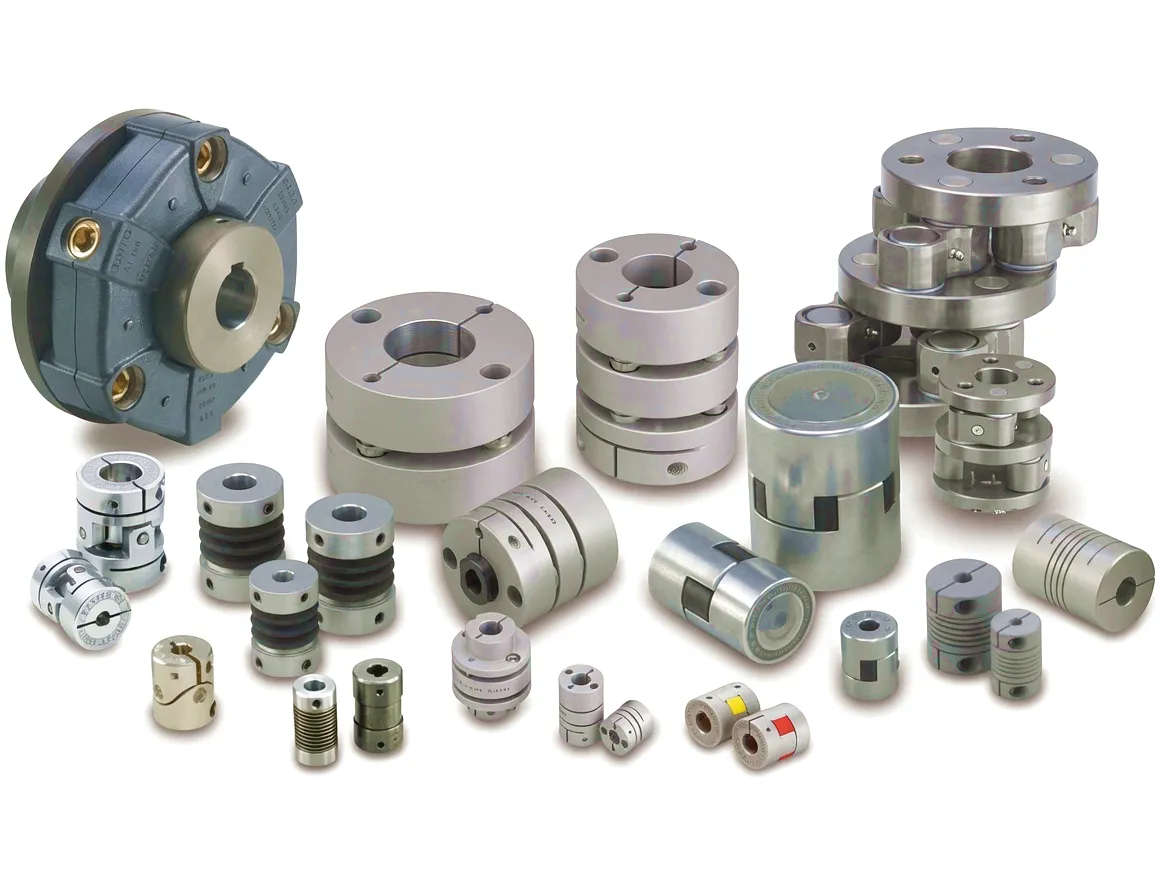
Procurement engineers in the UK oil and gas sector typically apply a five-stage evaluation process when specifying couplings for offshore drilling machinery. The process begins with a detailed duty analysis — capturing rated torque, peak torque transient, speed range, misalignment envelope, and thermal environment. From this data, a service factor calculation is made in accordance with the machinery category and duty class defined in ISO 14691. The coupling type is then shortlisted based on whether the application demands torsional damping (favours elastomeric), torsional stiffness and high speed (favours disc-pack), or high torque density at moderate speed (favours gear-type). Material selection follows, with corrosion resistance requirements driving the choice between alloy steel, stainless steel, or composite construction. The final stage is documentation: for UKCS installations, a coupling procurement package typically includes the manufacturer’s material traceability records, dimensional inspection certificate, balance report, pressure test certificate for sealed lubrication systems, and a UKEX or ATEX certificate of conformity. Ever Power supplies all five documentation elements as standard, without additional charges — an important distinction when project engineering budgets are under pressure.
Frequently Asked Questions: Couplings for Offshore Drilling Rigs (UK Market)
Share your duty specification with Ever Power’s technical team and receive a fully engineered coupling recommendation with API documentation pack — within 24 hours.
✉ Get a Quote — [email protected]
modifica a cura di gzl