How Offshore Couplings Work: Principle and Mechanical Logic
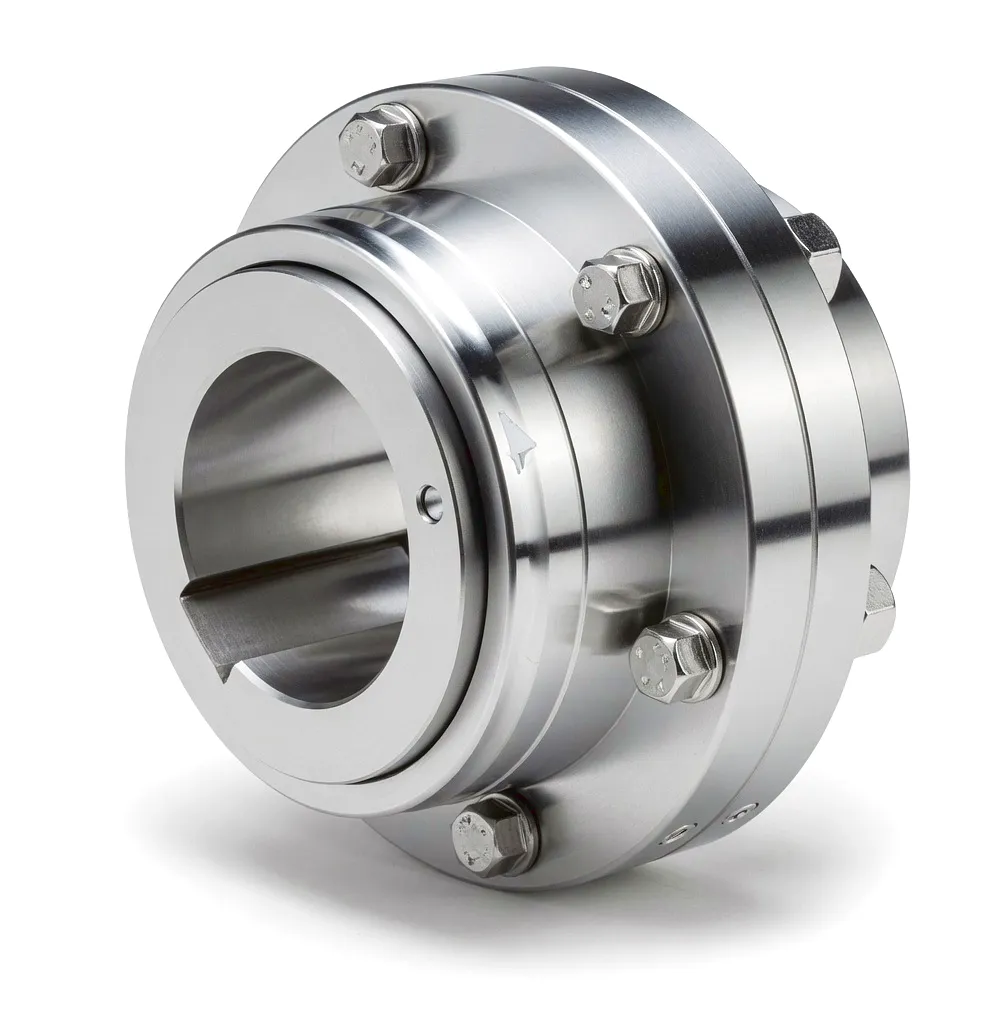
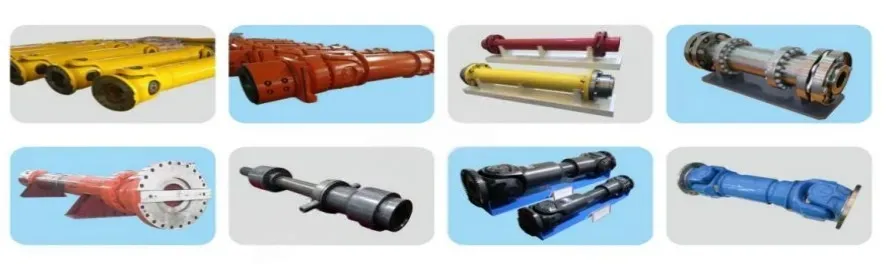
In a gear-type coupling, torque is transmitted through crowned external gear teeth on the hubs meshing with internal gear teeth on the outer sleeve. The involute tooth profile, typically manufactured to DIN or AGMA standards with a 20-degree pressure angle, distributes the load across multiple tooth contacts simultaneously, achieving high torque density within a compact envelope. The crowned tooth geometry — where the tooth faces are spherically relieved rather than straight — is the key feature that allows gear couplings to accommodate angular misalignment of up to 1.5 degrees per coupling half without generating excessive edge loading. This principle makes gear couplings the dominant choice for main drive shafts on draw-works and rotary tables on offshore rigs, where both high torque and continuous angular misalignment are unavoidable.
Disc couplings operate on an entirely different mechanical principle. Thin metallic laminate discs — typically austenitic stainless steel or Inconel alloy packs — flex tangentially under torsional loading, creating a spring-like compliance that accommodates both angular and axial misalignment without any sliding contact. Because there is no metal-to-metal rubbing in normal operation, disc couplings generate no wear debris, require no lubrication, and produce zero backlash. These characteristics make them the preferred solution for precision-drive systems on offshore platforms where clean operation and zero backlash are critical, such as directional drilling motor test benches, dynamic positioning thruster drives, and marine compressor units where vibration signature must be tightly controlled for both equipment health and acoustic reasons.
On a drilling platform, the drive train is not a constant-torque system. The drill string encounters unpredictable formation changes — from soft shale to hard calcite — that produce instantaneous torque reversals and shock loads. If these impulses travel unattenuated back up the drive train, they can crack gear teeth, fracture bearing races, and fatigue motor windings within a matter of weeks. Flexible couplings with polyurethane, neoprene, or rubber elements interposed between the drive and driven flanges introduce controlled stiffness and damping. The element deforms elastically to absorb peak loads, then releases the stored energy gradually, smoothing the torque waveform delivered to the motor. The selection of element hardness — measured in Shore A — is a critical engineering parameter that must be matched to the torsional natural frequency of the entire drive train to avoid resonance amplification rather than attenuation.
Core Materials: What Makes Marine-Grade Couplings Different
Product Advantages: Why Engineered Couplings Define Offshore Uptime
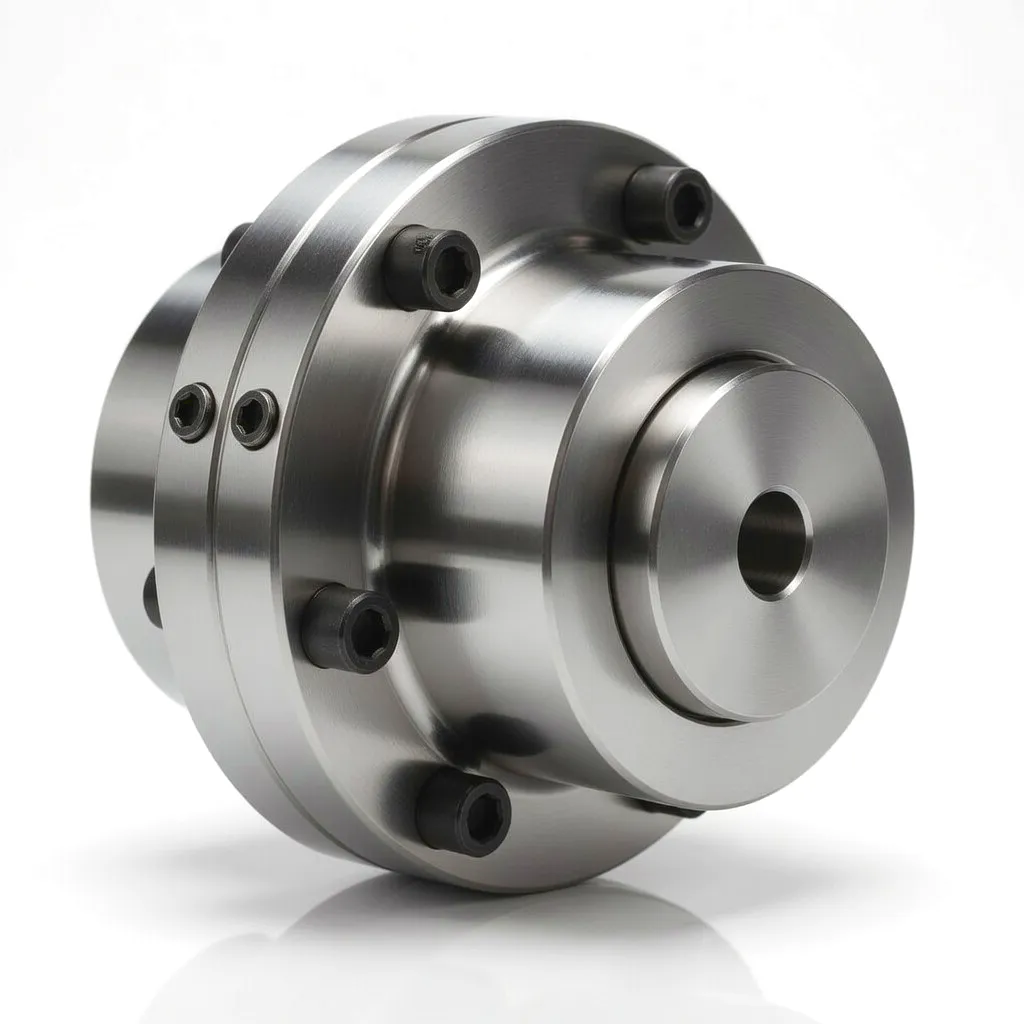
Marine-grade gear couplings from the EP series deliver rated torques from 800 Nm up to 2,800,000 Nm in a single coupling, with peak overload capacity of 2.5 times rated torque for up to 1,000 cycles. This makes them capable of surviving the worst-case torque events that occur when a drill bit encounters a hard formation while the drawworks motor is operating at maximum power output — conditions that have destroyed lesser couplings and resulted in costly drive train rebuilds at facilities from the Cromarty Firth to the Humber.
Disc-pack coupling designs achieve true zero backlash through the continuous metallic load path of the laminate pack. Positional accuracy at the drill string is directly linked to coupling backlash, making this feature critical for directional drilling operations where wellbore trajectory deviation is measured in fractions of a degree. Zero backlash also eliminates the low-frequency clatter that backlash-affected couplings produce during torque reversal, which can trigger false vibration alarms in condition monitoring systems and cause unnecessary shutdowns.
Disc-type couplings in particular require no scheduled lubrication, no periodic gear tooth inspection, and no re-greasing during service intervals — a critical advantage on platforms where maintenance window scheduling is dictated by weather, well programme, and helicopter availability rather than the preferences of a maintenance engineer. Some offshore operators on the UK continental shelf have reported disc coupling service lives exceeding seven years of continuous operation without any mechanical intervention, representing a total maintenance cost of zero beyond the initial fitment check.
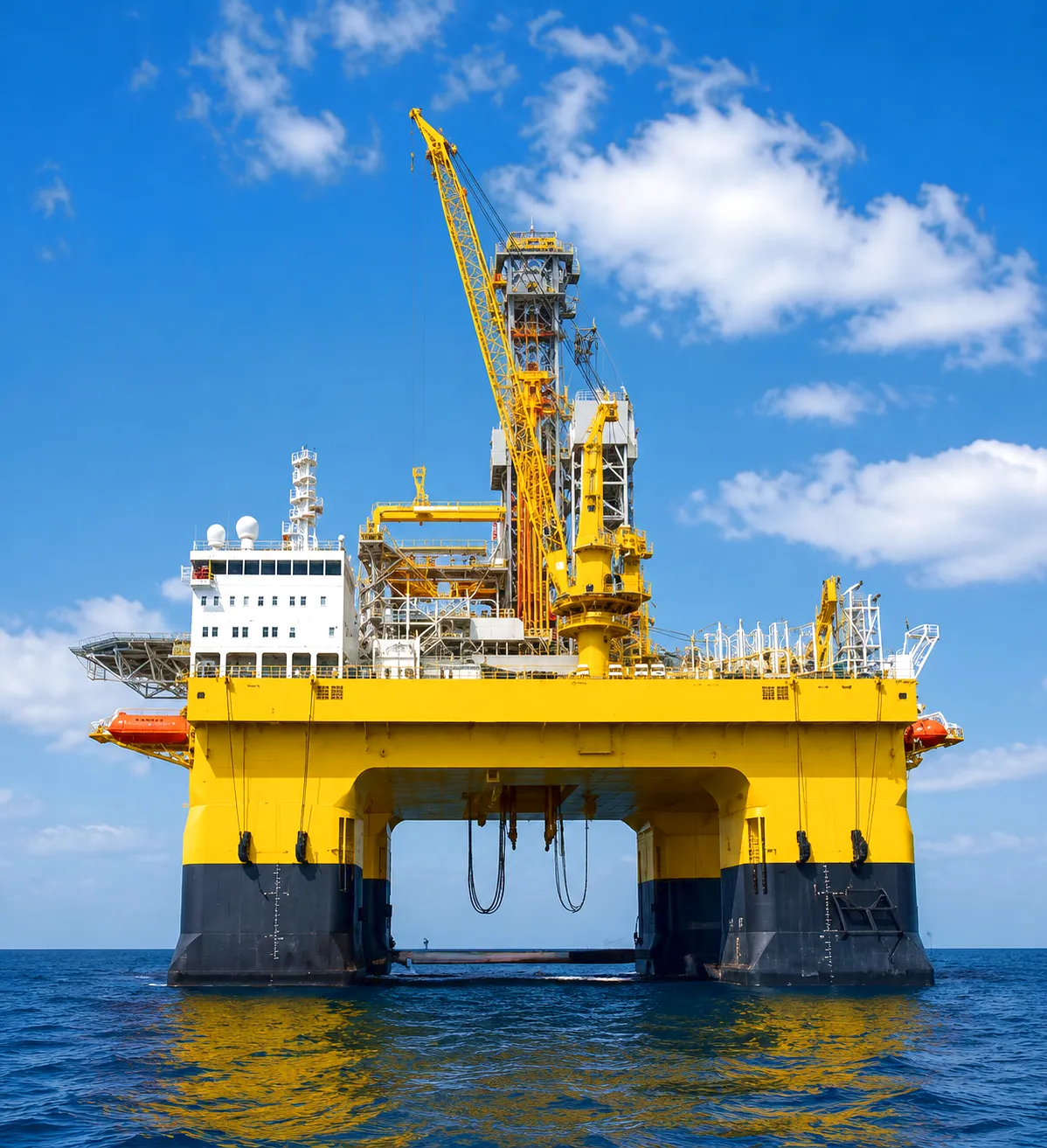
Offshore platforms flex. The structural steel deck of a semi-submersible in a North Sea storm deflects measurably under wave loading, and even fixed-jacket platforms experience seasonal differential settlement of foundation piles. This structural movement is transmitted to drive-train alignment as angular and parallel shaft offset that changes over time and cannot be eliminated by careful initial alignment alone. High-misalignment gear couplings accommodate angular values up to 3 degrees and parallel offset up to 4 mm, allowing the drive train to remain operational through platform motion events that would crack rigid couplings and destroy close-tolerance shaft seals.
Technical and Performance Parameter Table for Offshore Couplings
Industrial Application Scenarios on Offshore Drilling Platforms
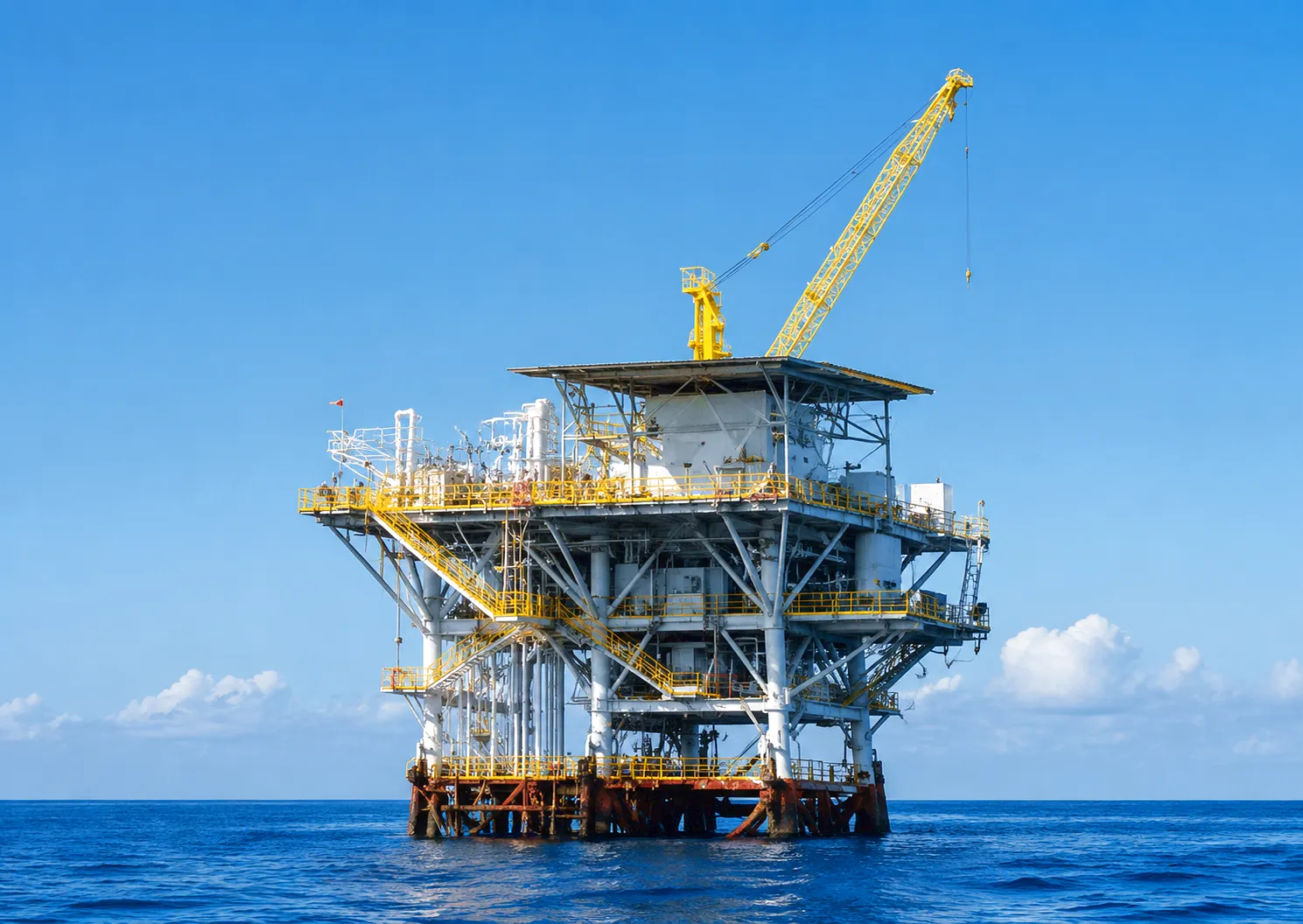
The mechanical architecture of a modern offshore drilling rig involves dozens of distinct drive systems, each with its own torque profile, speed range, misalignment challenge, and environmental exposure level. Understanding which coupling type serves which system — and why — is the foundation of a reliable offshore mechanical specification.

Ever Power: Precision Manufacturing and Offshore Customisation Capability
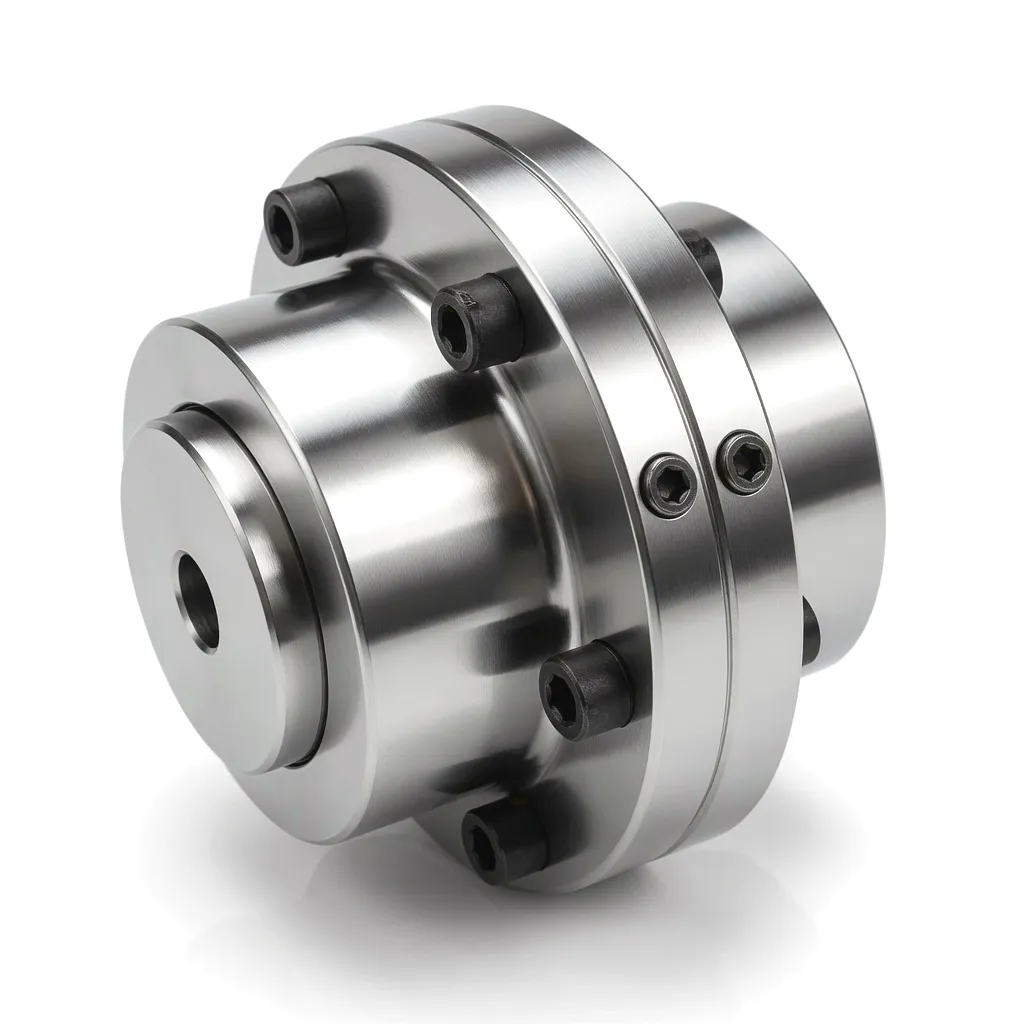
Ever Power operates from a 60,000 square metre precision engineering facility equipped with CNC gear grinding, five-axis machining centres, and coordinate measuring machines calibrated to ISO 10360 standards. The manufacturing operations are underpinned by a quality management system certified to ISO 9001:2015, and the engineering team — more than 150 qualified engineers — provides coupling selection, torsional analysis, and API 671 documentation as standard services for offshore procurement teams.
Customisation capability is the distinguishing feature that makes Ever Power the partner of choice for offshore projects where standard catalogue products are inadequate. The engineering team routinely handles non-standard bore diameters and keyway configurations, special face-to-face dimensions constrained by OEM gearbox mounting envelopes, dual-material assemblies combining stainless steel sleeves with alloy steel hubs, rapid-exchange cartridge designs that allow offshore field replacement in under 30 minutes without special tools, and corrosion protection packages specified to ISO 12944 category C5-M for full marine immersion environments. With more than 3,000 offshore and industrial projects in the reference portfolio and over 68 patents covering coupling design innovations, Ever Power delivers both the engineering depth and the manufacturing discipline that offshore procurement engineers expect from a Tier 1 component supplier.
UK-based procurement teams can draw on Ever Power’s supply chain logistics infrastructure for time-critical offshore deliveries, with dedicated shipping routes to the Aberdeen Dyce logistics hub and Humberside freight terminal covering the main North Sea operational bases. Factory-to-deck lead times on standard offshore coupling variants are 6 to 8 weeks from order confirmation, reducing to 3 to 4 weeks for registered customers with framework agreements in place.
Featured Coupling Products for Offshore Applications
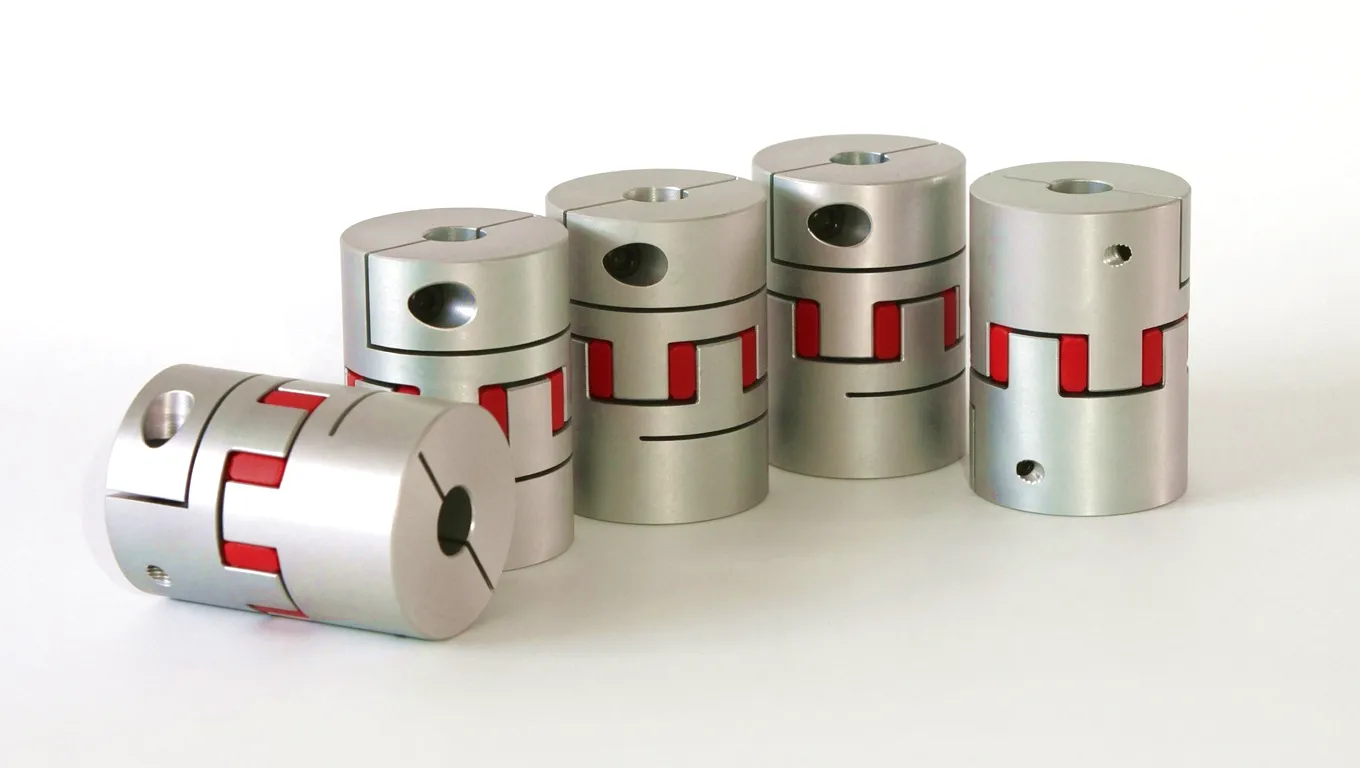
The Flexible Beam Coupling from Ever Power is a precision one-piece helical-cut design machined from solid high-strength aluminium or stainless steel alloy. The helical beam geometry provides controlled torsional flexibility — accommodating angular misalignment to 5 degrees and parallel offset to 0.5 mm — while maintaining zero backlash throughout its service life. This makes it particularly well suited to offshore servo motor systems, encoder drives, and dynamic positioning feedback transducers where backlash and hysteresis cannot be tolerated. The compact, lightweight construction and maintenance-free operation make it an attractive solution wherever installation space is constrained and maintenance access is restricted.
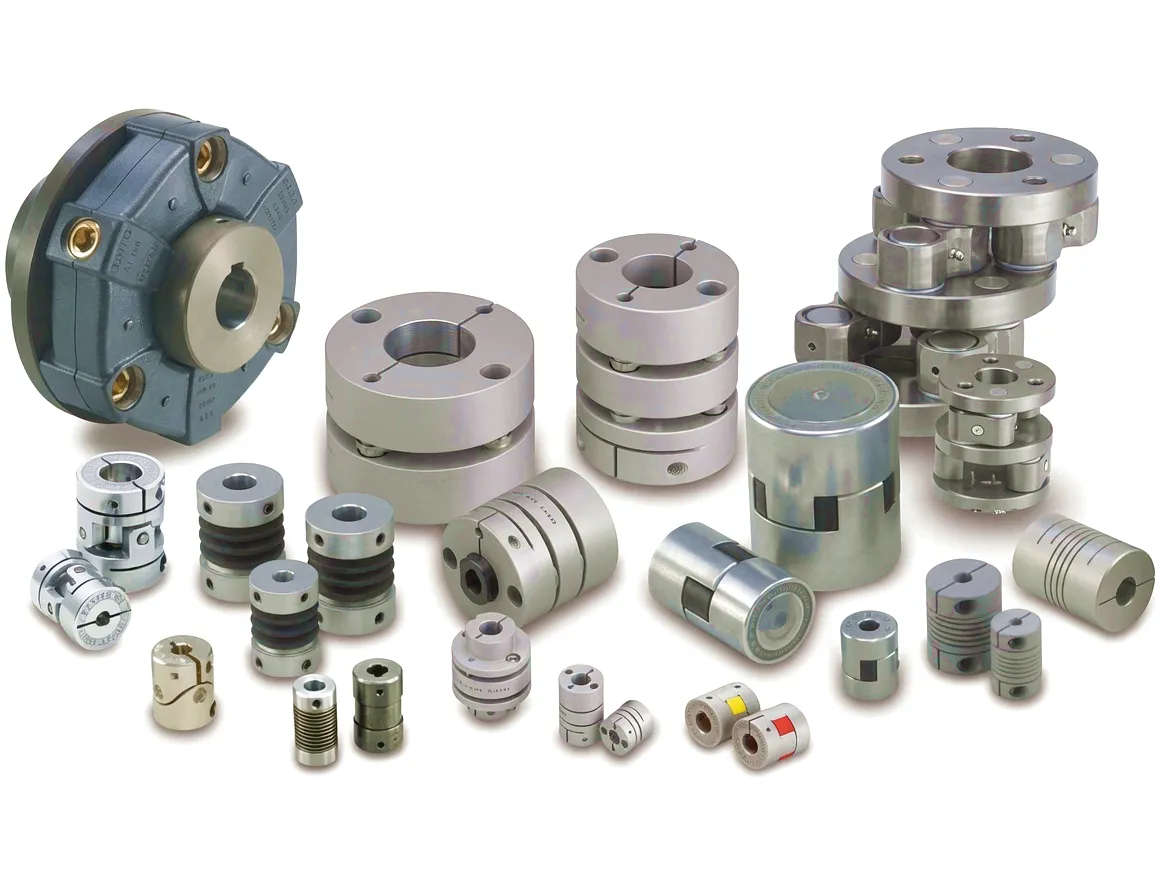
The Ever Power Disc Coupling is engineered for demanding high-speed, high-torque offshore applications where lubrication-free operation and precise torsional characteristics are non-negotiable requirements. Manufactured with austenitic stainless steel or Inconel disc packs in a multi-bolt configuration, the coupling transmits torque through pure metallic flexure with no contact wear, no backlash, and no periodic greasing requirement. Angular misalignment to 1 degree per element and axial float to plus or minus 4 mm are accommodated by the laminate pack geometry. Available in single-disc and double-disc spacer configurations, with custom spacer lengths to satisfy API 686 in-situ pump maintenance requirements. Rated to API 671 with full documentation on request.
Customer Success Story: Aberdeen-Based Drilling Contractor
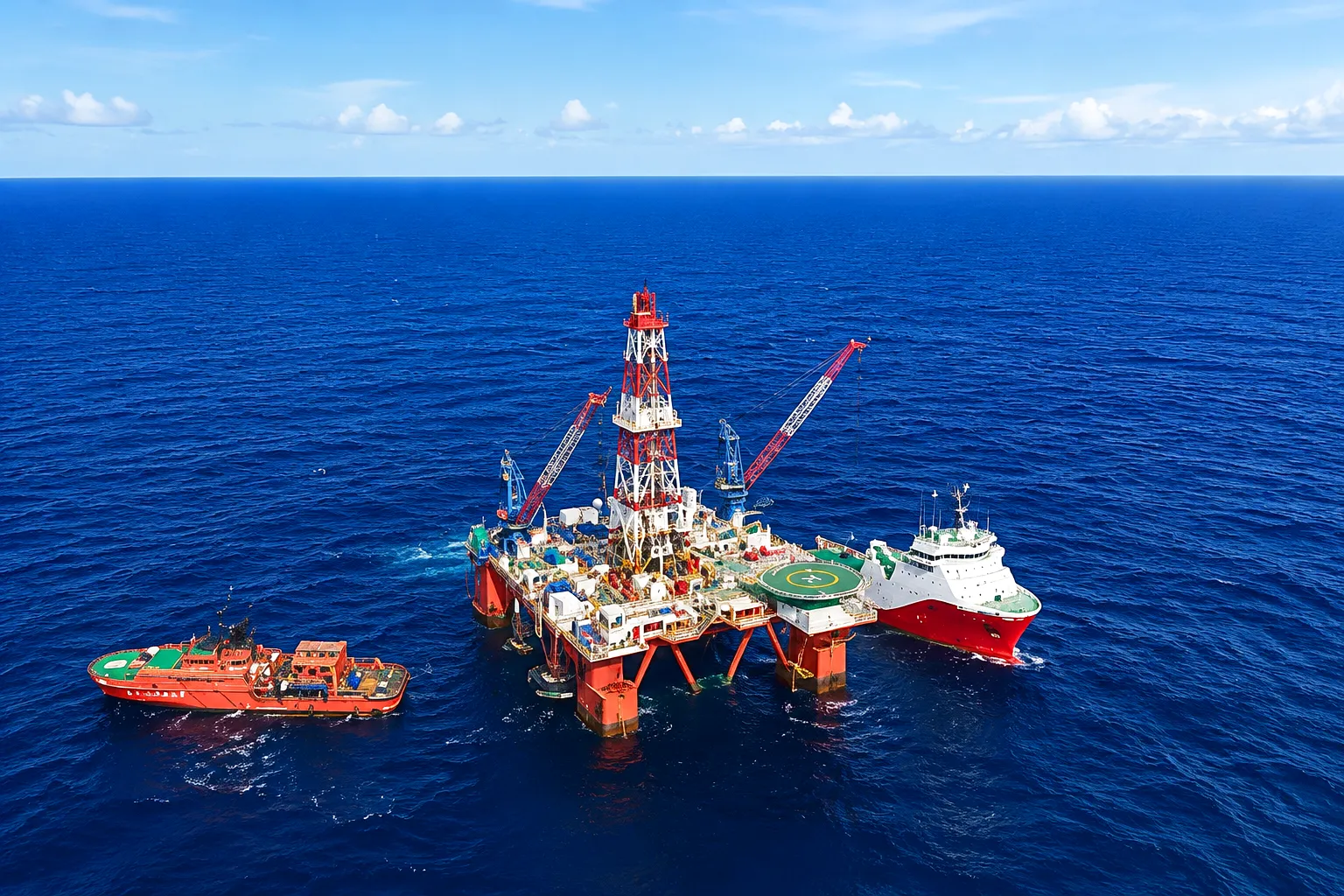
A major contract drilling company operating a semi-submersible rig in the Central North Sea sector, approximately 200 kilometres east of Aberdeen, was experiencing repeated gear coupling failures on three of its four 1,650 kW mud pump drives. The failures — gear tooth fractures and grease seal blow-outs — occurred on average every four months, requiring full mud pump shutdown, crane lifts to access the coupling, complete disassembly, and replacement parts sourced from the existing supplier with average delivery lead times of six weeks from their Stavanger warehouse. The operational cost of each failure event, accounting for downtime at North Sea day rates, maintenance labour, spare parts, and logistics, exceeded GBP 480,000. With three drives failing cyclically and a fourth showing similar symptoms, the engineering management team in Aberdeen initiated a root-cause investigation and parallel supplier evaluation.
Ever Power’s application engineering team conducted a full torsional vibration analysis of the pump drive system using shaft geometry data, motor inertia certificates, and the pump crankshaft torsional compliance data provided by the drilling contractor’s engineers. The analysis identified a torsional resonance at 3.8 Hz — near the third harmonic of pump speed at typical operating RPM — that was amplifying gear tooth loads to 2.3 times the steady-state design value every crankshaft revolution. The original coupling had been selected from a standard catalogue based on rated torque alone, without torsional analysis.
Ever Power designed a replacement coupling assembly with a torsional stiffness 38% lower than the original, shifting the system resonance to 2.1 Hz — well below the third harmonic of minimum operating speed. The hub material was upgraded from standard carbon steel to 34CrNiMo6 with an electroless nickel bore treatment, and the seal arrangement was changed to double-lip design with marine-grade EP grease. Custom interface flanges were machined to match the original pump and motor bolt circles, allowing a direct bolt-in replacement without any modification to the pump or motor mounts — a critical requirement for offshore installations where structural modifications require full HSE notification and classification society approval.
The four Ever Power replacement coupling sets were installed during a planned maintenance halt at Lerwick, Shetland, and the rig returned to the Central North Sea. At the 26-month post-installation audit, all four couplings remained in service without any unplanned intervention. The grease seals showed no signs of degradation, gear tooth wear measurements taken by borescope camera fell within the original manufacturing tolerance band, and no coupling-related vibration anomalies had been detected by the continuous vibration monitoring system. The total saving against the previous failure pattern — accounting for eliminated downtime, avoided parts and logistics, and the value of continuous drilling production — was calculated by the contractor’s engineering management team at approximately GBP 3.6 million over the 26-month period.
“The torsional analysis Ever Power provided was more detailed than anything we had seen from our previous supplier. They identified the resonance problem we had been chasing for eighteen months in a single technical review session. The replacement couplings have been running without any issue since installation — genuinely impressive engineering support.”
“We specified Ever Power disc couplings for our top-drive retrofit on two rigs working off the Shetland coast. The API 671 documentation package was complete on first submission with no queries from our QHSE team — that alone saved us three weeks of back-and-forth with the previous supplier. The product performance has been exactly as calculated.”
“The custom spacer coupling Ever Power manufactured for our generator set retrofit was delivered in four weeks and fitted without any modification to the engine or alternator mounts. The vibration levels at the generator terminals dropped by 62% compared to the original coupling, and we have not had a single instance of voltage instability related to mechanical vibration in the eighteen months since installation. The pricing was highly competitive against European alternatives.”
Frequently Asked Questions About Offshore Drilling Platform Couplings
Contact Ever Power’s offshore coupling engineering team for a technical consultation, torsional analysis, and competitive quotation. Serving UK continental shelf operators from Aberdeen to the Humber.