Respond within 24 hours · Custom specifications welcome
How Couplings Work in a Malt Grinder Drive System
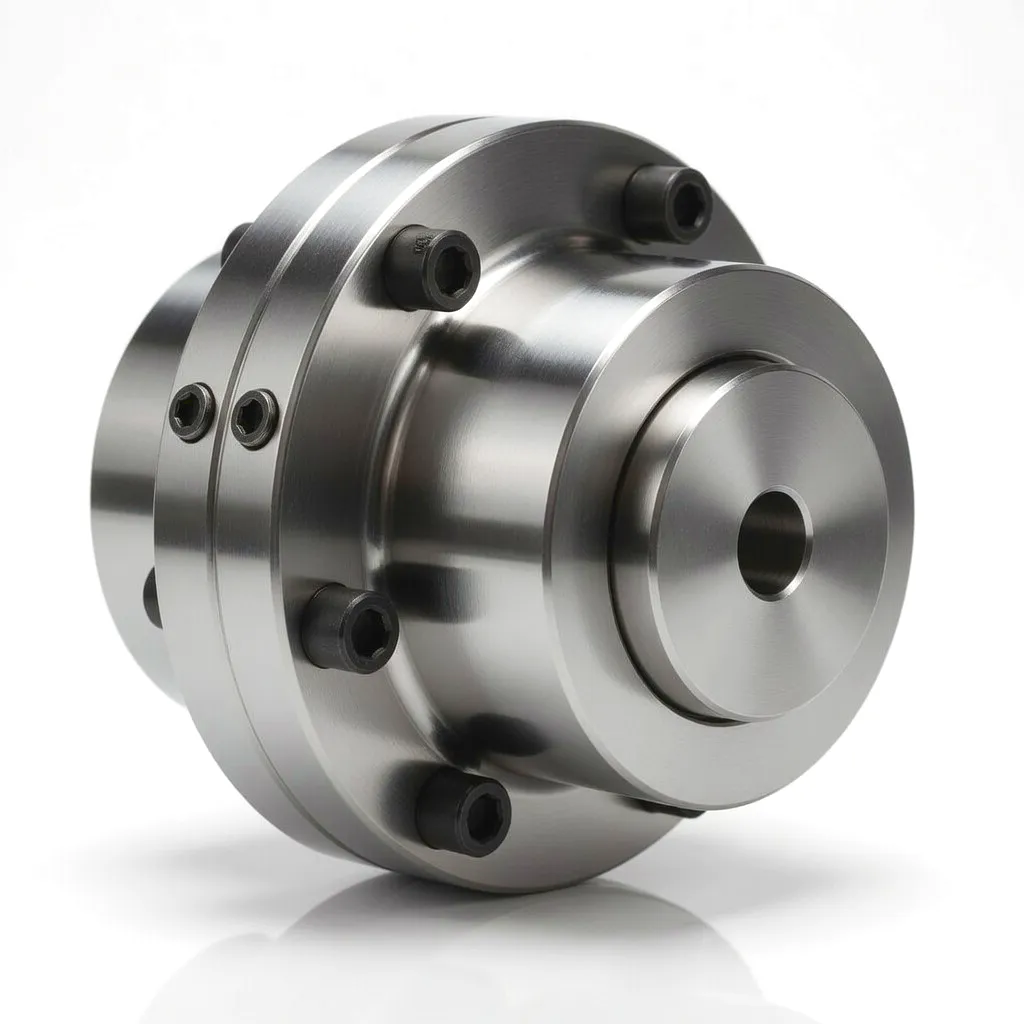
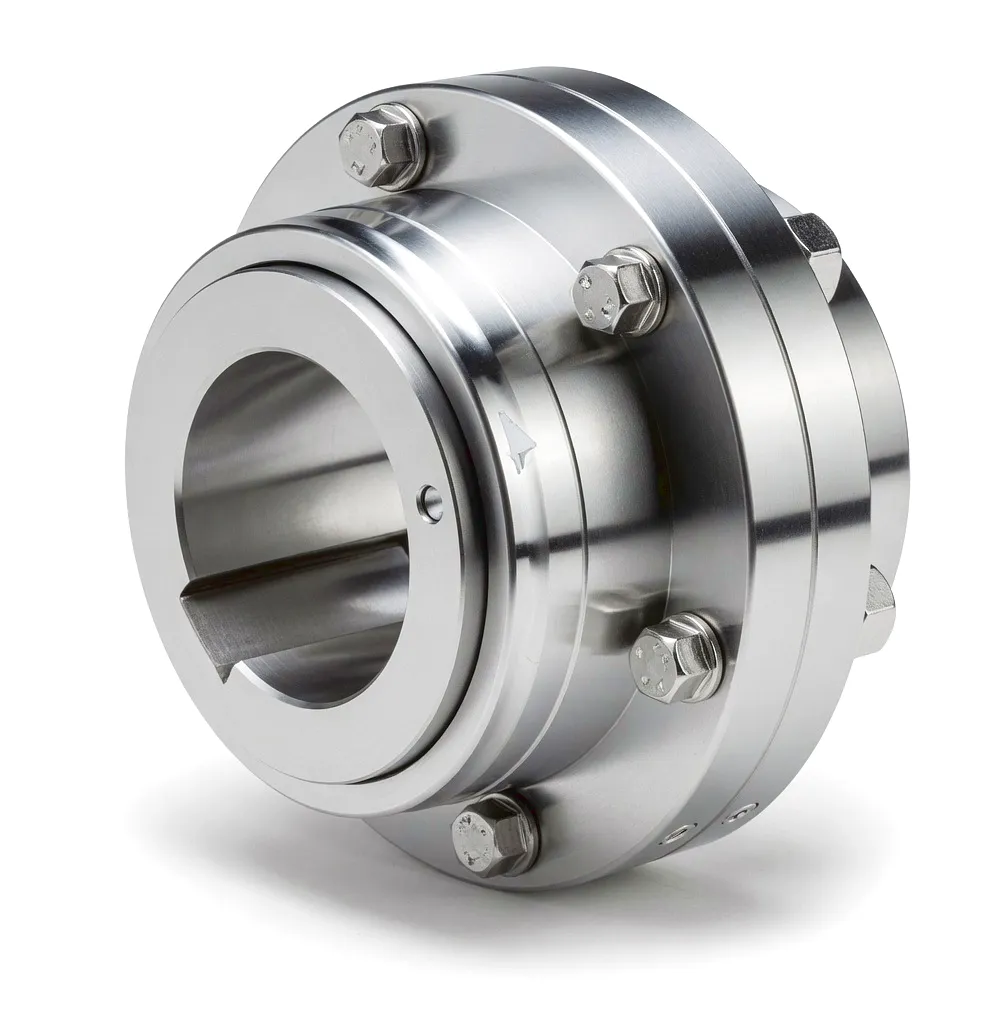
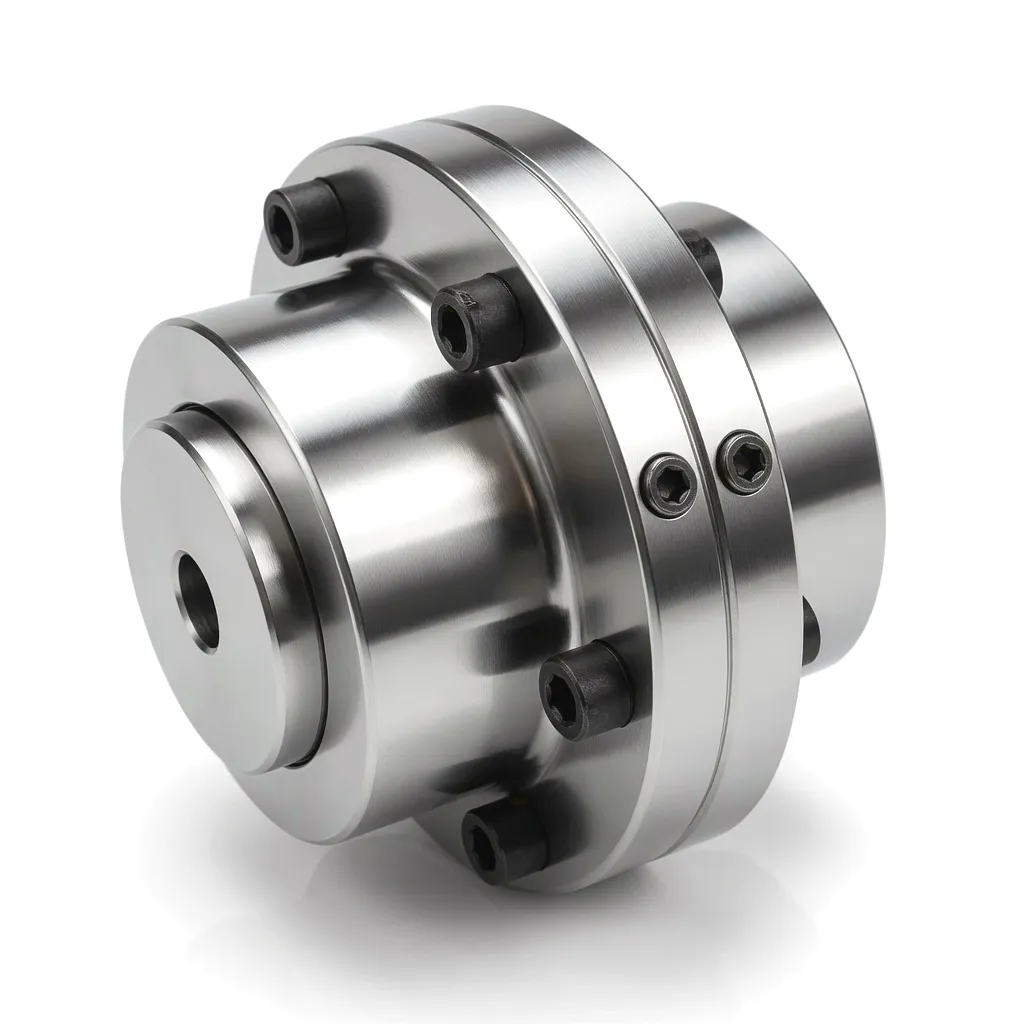
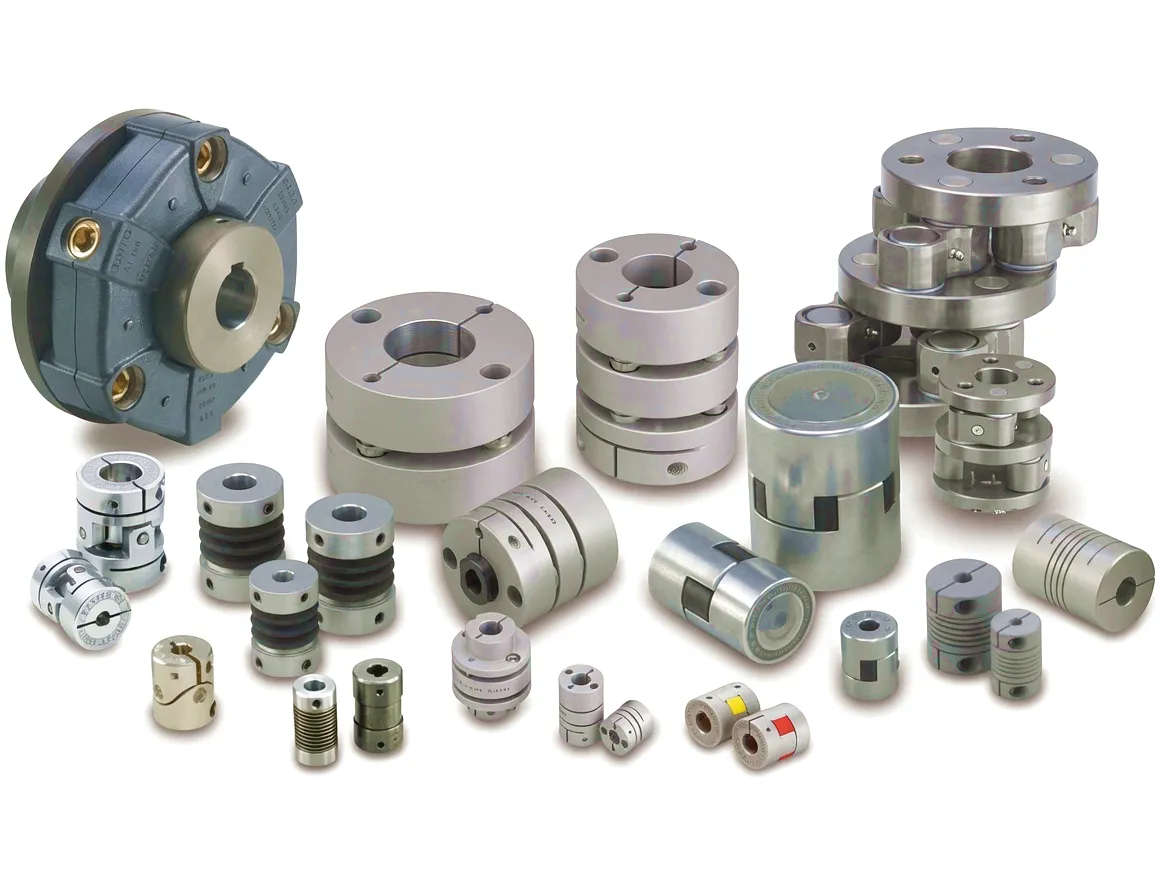
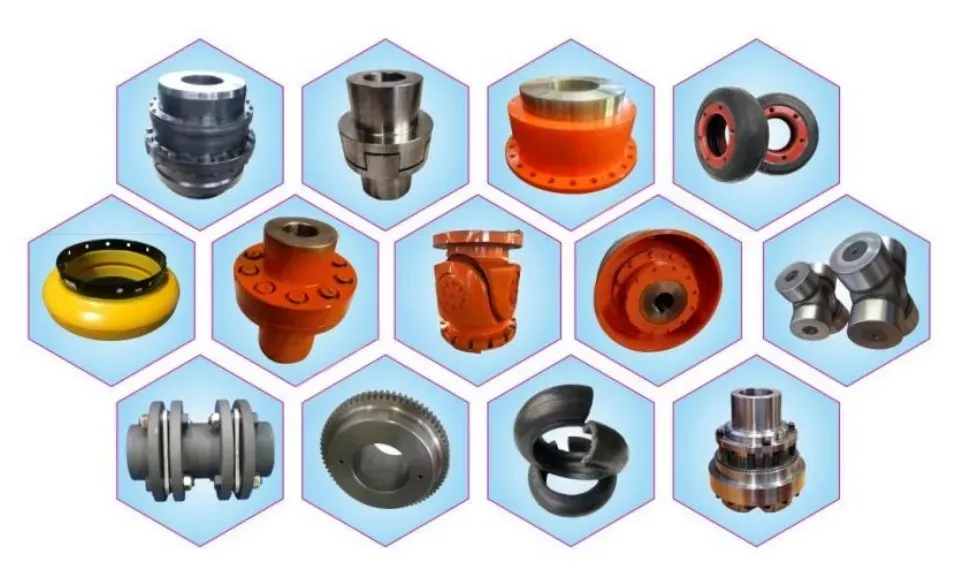
Gear-type couplings achieve this through meshing between an externally toothed inner hub (the sleeve) and an internally toothed outer hub (the flange), with involute tooth profiles machined to close tolerances. The slight crowning applied to gear teeth allows the sleeve to rock within the flange, accommodating angular misalignment of up to 1.5 degrees per tooth mesh without generating undue radial loads. Flexible beam couplings achieve misalignment compensation through helical slots machined into a monolithic metallic cylinder, creating a compliant beam structure. Disc couplings use a series of thin metallic laminae bolted alternately to driving and driven flanges; the laminae flex in bending to accommodate misalignment while transmitting torque entirely through tension — an elegant principle that eliminates friction wear and the need for lubrication.
Core Materials in Coupling Manufacture
Alloy Steel (42CrMo4 / EN19)
The primary hub and sleeve material for high-torque gear couplings. 42CrMo4 offers tensile strengths of 900–1,100 MPa after quench-and-temper treatment, making it the standard choice for malt grinder couplings transmitting more than 500 Nm. The chromium-molybdenum alloying provides deep hardenability and fatigue resistance critical in cyclically loaded milling drives. British manufacturers specify this material to BS EN 10083-3 for full material traceability.
Stainless Steel (316L / 17-4PH)
Specified for applications where couplings are exposed to condensation, steam cleaning, or grain dust saturated with moisture — conditions common in malthouses along the River Trent corridor in Nottinghamshire. 316L offers superior pitting corrosion resistance in chloride-containing atmospheres, while 17-4PH precipitation-hardened stainless delivers yield strengths approaching 1,100 MPa, making it viable for smaller-diameter, high-performance disc couplings used in precision milling lines.
Polyurethane & NBR Elastomers
Used as flexible spider inserts in jaw couplings or as torsion elements in elastomeric designs. Polyurethane Shore 64A–98A grades offer excellent oil resistance and damping across the 5–200 Hz vibration range typical of malt mill drives. NBR (nitrile butadiene rubber) provides additional resistance to grain oils and fatty acids. Elastomeric elements are the primary wear component and are designed as easily replaceable consumables, allowing in-field service without shaft removal — a significant operational advantage in busy UK craft brewery environments.
Ductile Cast Iron (GGG-50 / GGG-70)
Used for flange bodies in medium-duty gear couplings where cost efficiency is a priority and operating speeds are below 1,500 rpm. Ductile iron GGG-50 offers a tensile strength of approximately 500 MPa combined with good machinability and vibration-damping properties from its graphite nodule microstructure. For larger malt grinder installations in Sheffield’s industrial food processing sector, GGG-70 (700 MPa tensile) provides the step-up in strength needed for multi-roll grinding lines without the cost premium of alloy steel throughout.
Core Technical Advantages of Modern Industrial Couplings
Why engineering teams in the UK food processing and grain milling industries increasingly specify precision couplings
Alta densità di coppia
Gear couplings deliver up to 4,200 Nm in compact envelopes, meeting the surge torque demands of single-pass malt grinding.
Angular & Parallel Misalignment Tolerance
Up to 1.5 degrees angular and 0.5 mm parallel offset tolerance protects bearings in installed milling equipment over extended service life.
Zero-Backlash Precision
Disc and beam coupling designs transmit torque with virtually zero angular backlash, maintaining roll gap consistency for repeatable malt particle size distribution.
Long Maintenance Intervals
Sealed grease-packed gear couplings achieve 8,000–12,000 hour service intervals. Dry-running disc and beam variants require no lubrication maintenance whatsoever.
Compact Envelope Design
High power-to-size ratio suits tight machine-room layouts common in UK urban craft brewery installations and historic converted malt mill buildings.
Ease of Customisation
Bore diameter, keyway, flange bolt pattern, and element hardness all configurable to OEM dimensions — critical for retrofit projects on legacy UK malting equipment.
Product Technical and Performance Parameters
| Parametro | Gear Coupling | Giunto a disco | Giunto flessibile per travi | Mandibola / Elastomerico |
|---|---|---|---|---|
| Rated Torque Range | 80 – 4,200 Nm | 10 – 2,800 Nm | 0.5 – 180 Nm | 5 – 1,400 Nm |
| Capacità di coppia massima | Up to 3× rated | Up to 2.5× rated | Up to 2× rated | Up to 3× rated |
| Max Operating Speed | Fino a 6.000 giri al minuto | Up to 10,000 rpm | Up to 8,000 rpm | Up to 4,500 rpm |
| Disallineamento angolare | Up to 1.5 deg | Up to 0.5 deg | Up to 3 deg | Up to 1 deg |
| Parallel Offset Tolerance | Up to 0.5 mm | Up to 0.15 mm | Up to 0.6 mm | Up to 1.0 mm |
| Bore Diameter Range | 16 – 180 mm | 6 – 120 mm | 4 – 50 mm | 8 – 100 mm |
| Materiale del mozzo | 42CrMo4 / GGG-50 | 17-4PH / 316L SS | 6061-T6 Al / SS | GGG-50 / 42CrMo4 |
| Lubrication Required | Yes (grease) | NO | NO | NO |
| Temperatura di esercizio | -30 to +120 C | -50 to +280 C | -40 to +200 C | -20 to +80 C |
| Backlash | Low (0.05–0.2 deg) | Near-zero | Zero | Moderate (0.5–2 deg) |
Application Scenario: Malt Grinder Drive Systems in UK Brewing and Distilling
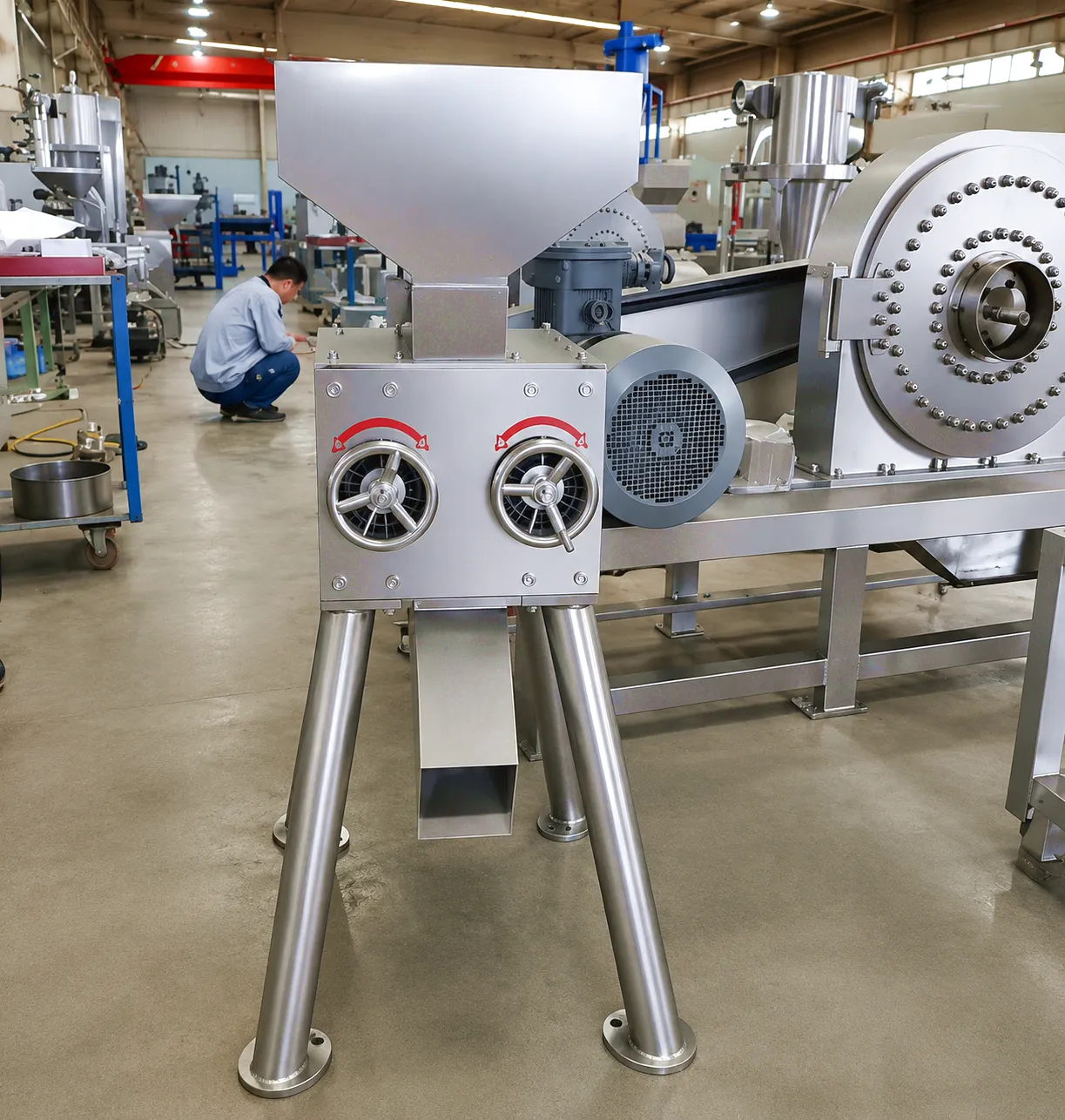
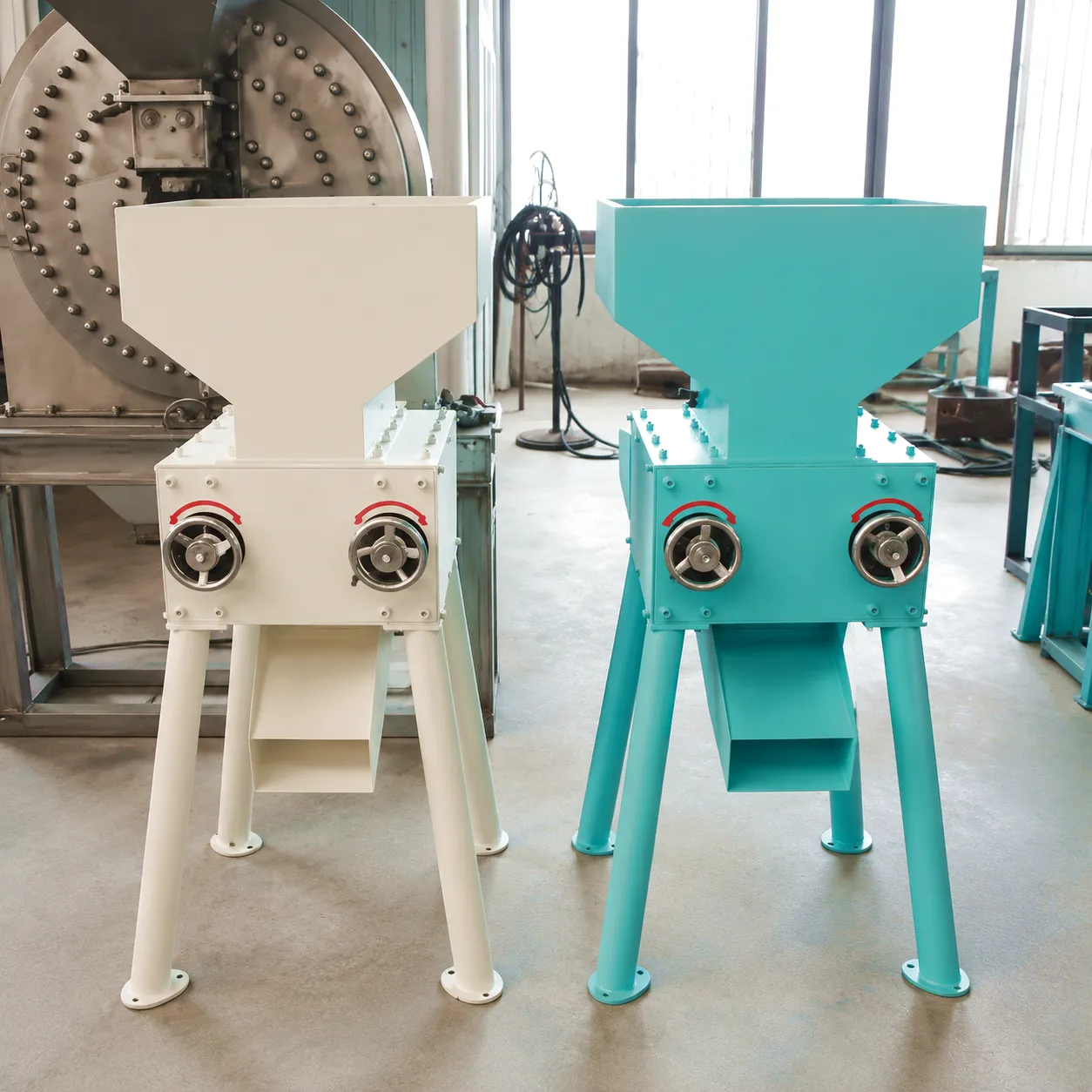
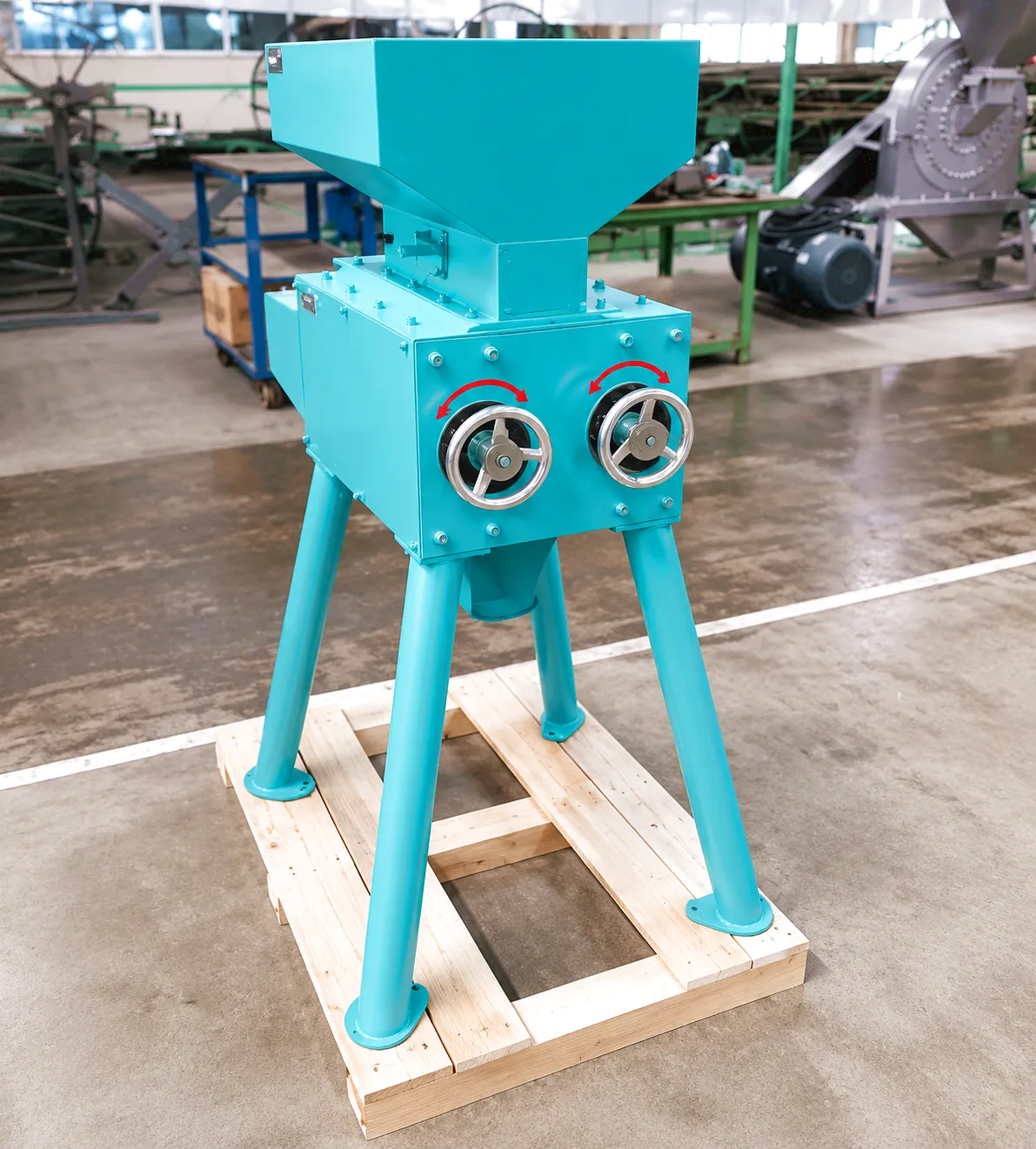
Roller Drive Shaft Coupling
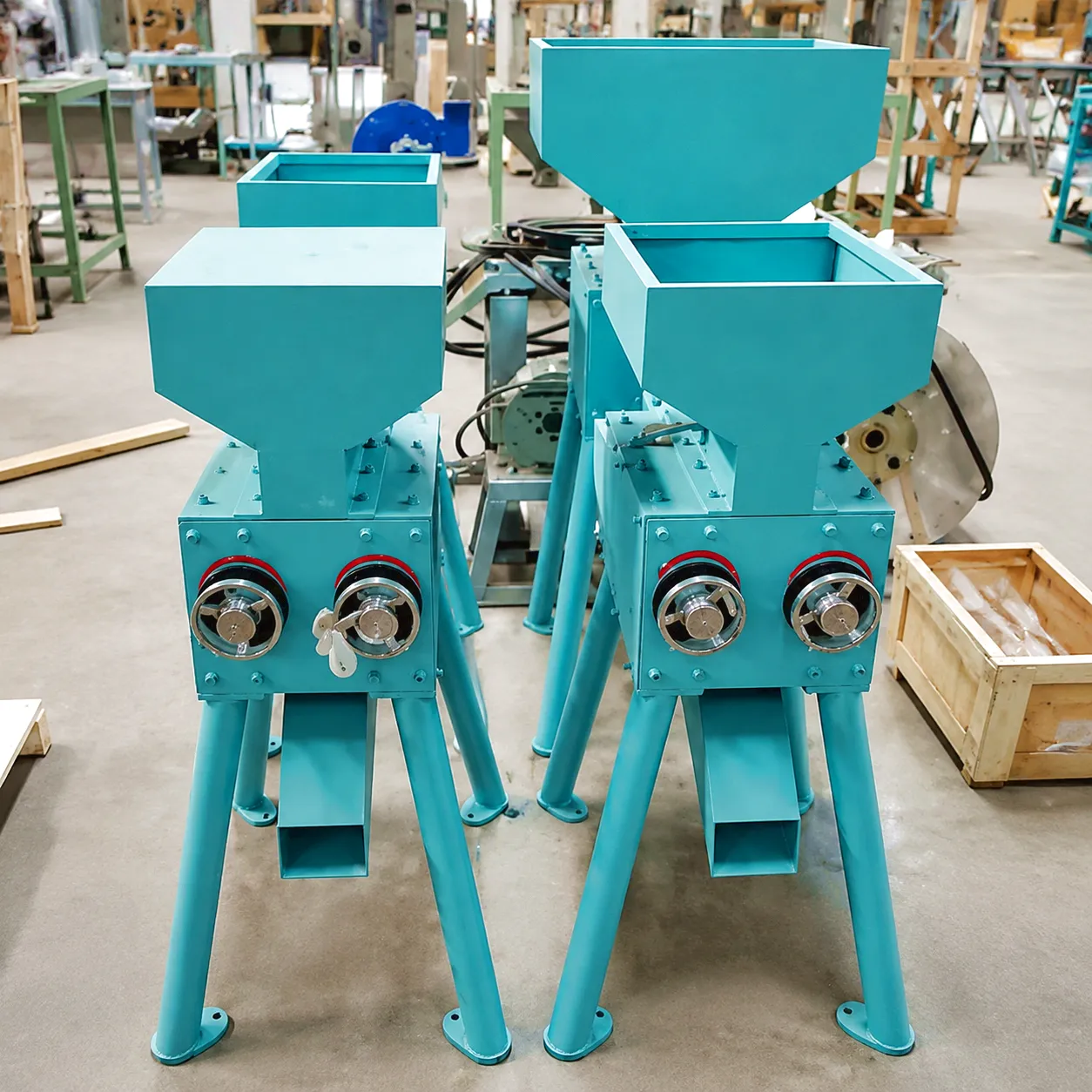
The shaft connecting the gearbox output to the first active roll is the primary coupling location. Gear couplings rated 200–800 Nm are typical for commercial-scale maltings producing 5–20 tonnes per hour. The sealed grease cavity must withstand the dusty, moist atmosphere of a malt dust extraction system. Operators at UK maltings in Burton-on-Trent and Bury St Edmunds commonly specify couplings with integral shaft seals to prevent grain dust contamination of the grease, extending the re-greasing interval from 500 to over 2,000 operating hours. This apparently small feature delivers a meaningful cost reduction over a 12-month production cycle when the cost of a maintenance visit, including grain feed interruption, is factored in.
Inter-Roll Coupling (Roll-to-Roll Synchronisation)
On four-roller and six-roller malt grinders, a secondary coupling transmits drive from the primary roll to successive roll pairs via an inter-roll shaft arrangement or a secondary gearbox. Here, the coupling must maintain precise angular synchronisation — any backlash in this transmission link directly translates to speed variation between rolls, causing inconsistent milling gaps and variable particle size distribution in the grist. This is where zero-backlash disc couplings prove their value. By using alternating flange connections through a metallic laminate pack, the disc coupling transmits bidirectional torque without the play inherent in gear teeth clearance, maintaining roll-to-roll speed synchronisation within ± 0.02 percent over the full load range.
Coupling Performance in Craft Brewery Malt Mills — UK Context
The UK craft brewing sector has seen extraordinary growth over the past decade, with over 1,800 operational craft breweries by 2025 — many investing in in-house malt milling capability rather than purchasing pre-milled grist from commercial maltsters. These smaller-scale operations, clustered in cities like Bristol, Leeds, Manchester, and Edinburgh, present a distinct coupling selection challenge. In-house craft brewery malt mills are typically smaller in throughput (0.5–3 tonnes per hour) but operated intermittently — a few hours each brew day — and often in converted spaces with limited maintenance access.
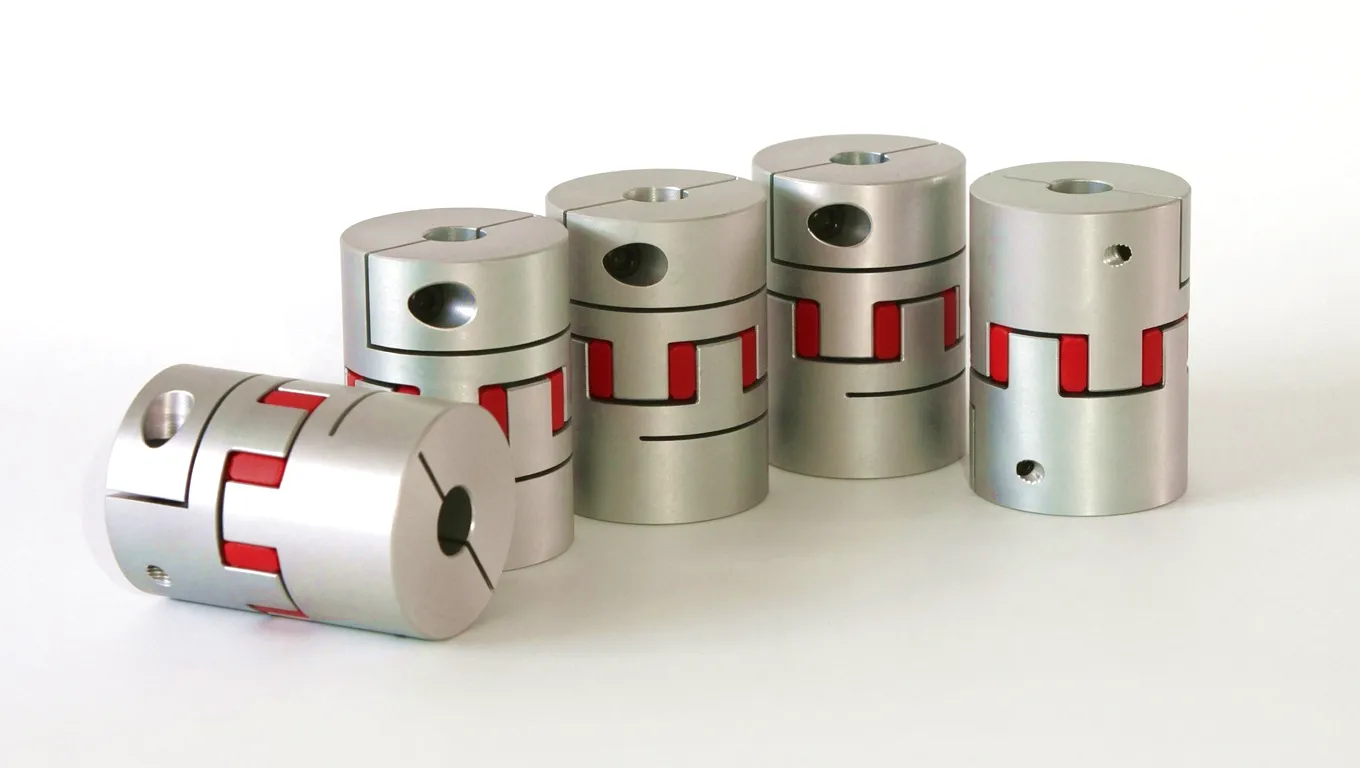
For this application profile, flexible beam couplings and jaw couplings offer a compelling proposition. The tool-free elastomeric insert replacement on jaw couplings means a brewery’s non-specialist maintenance staff can restore drive function in minutes without disconnecting shafts, an important operational resilience feature when the entire brew day schedule depends on milling completion. Beam couplings, machined from single aluminium or stainless steel billets, offer zero maintenance for years in the relatively light-duty cycle of craft-scale milling, making them particularly suitable for the growing number of micro-distilleries in Scotland where the malted barley throughput for single-malt whisky production is modest but the mechanical precision demands are high due to the direct impact of milling consistency on fermentation efficiency and spirit character.
Featured Coupling Products for Malt Grinder Applications
Two precision-engineered solutions for grain milling drive systems — available from Ever Power with full customisation support.
Giunto flessibile per travi
Machined from a monolithic aluminium or stainless steel billet, the Flexible Beam Coupling delivers zero-backlash torque transmission with three-dimensional misalignment compensation — making it the ideal solution for smaller craft brewery malt mills and precision whisky distillery milling lines. No lubrication required, no wear elements to replace. Available in bore sizes 4–50 mm with keyway or clamp-style hub connection. The helical beam geometry provides linear spring behaviour, ensuring consistent torque transmission without stick-slip across the full operating speed range of your malt mill drive system.
Giunto a disco
The Disc Coupling uses alternating metallic laminae to transmit torque in tension — an inherently frictionless, lubrication-free mechanism that makes it the preferred choice for inter-roll synchronisation drives on multi-roller malt grinders and for high-speed reduction gearbox output connections in large commercial maltings. Available in torque ratings from 10 to 2,800 Nm in stainless or carbon steel disc packs. Maintains near-zero backlash at all load levels, ensuring the roll-speed synchronisation precision demanded in modern brewing quality management systems. The disc pack is field-replaceable without shaft removal, minimising planned maintenance downtime.
Manufacturing Excellence
Ever Power: Precision Coupling Manufacturing for UK Industrial Demands
Ever Power operates from a 60,000 m² precision manufacturing facility housing more than 150 specialist mechanical engineers and a dedicated coupling design division with over 68 registered patents in drive transmission technology. The facility runs ISO 9001, ISO 14001, and ISO 45001 certified quality management processes, meaning every coupling delivered to UK brewing, distilling, and food processing customers carries documented material traceability, dimensional inspection records, and surface treatment certification as standard — not as an optional premium.
Ever Power’s customisation capability sets it apart in the UK industrial supply chain. Where standard catalogue items impose compromises in bore diameter, keyway specification, or flange bolt pattern, Ever Power’s engineering team works directly with UK OEM customers and end-user maintenance departments to produce fully bespoke coupling assemblies. Retrofit applications — replacing obsolete coupling designs on legacy malt grinders from British manufacturers no longer in production — are a particular strength, with the team routinely reverse-engineering dimensional data from worn components or engineering drawings to produce exact replacement or improved-specification alternatives with typical lead times of 4–6 weeks for custom items.
The supply chain logistics are structured for UK market efficiency. Ever Power maintains UK-based stock of high-runner coupling sizes through established freight partnerships, with DDP (Delivered Duty Paid) shipment options available to customer sites across England, Scotland, Wales, and Northern Ireland. Documentation supporting CE marking compliance, REACH material declarations, and UK PSSR 2000 pressure equipment safety records is included as standard with every shipment.
Customer Success Story: Burton-on-Trent Commercial Malting Operation
“The Ever Power gear couplings have transformed the reliability of our primary grinder drive. We went from budgeting for quarterly coupling replacements to genuinely not thinking about this part of the drivetrain at all. The custom torque rating they specified has held up against everything this line throws at it, including several oversized barley deliveries that previously would have guaranteed a failure.”
James R., Engineering Manager
Commercial Malting Operation, Burton-on-Trent
“We specified Ever Power disc couplings for the inter-roll shafts on the recommendation of our process engineer, who had used them on a cereal processing line in Sheffield. The improvement in grist consistency has been quantifiable — our brewhouse efficiency has improved by approximately 2.3% since the installation, which at our throughput is not a trivial figure. The DDP shipping arrangement made the procurement process completely straightforward.”
Patricia M., Production Director
Craft Malt Supplier, Yorkshire
“What impressed me most was the engineering support during the selection process. The Ever Power team didn’t just supply a coupling to our initial brief — they reviewed our actual torque data, identified that our service factor was too low, and recommended a higher-rated unit before we even placed an order. That proactive approach saved us from repeating the original specification error. Four-week lead time on a custom bore and keyway was also better than anything our existing UK suppliers could offer.”
David K., Maintenance Supervisor
Distillery Equipment Division, Edinburgh
Domande frequenti
Common queries from UK brewing, distilling, and food processing engineers about coupling selection for malt grinder drives
What type of coupling should I use for a malt grinder drive in a UK commercial malting facility with heavy shock loading?
⌄
For heavy shock-load malt grinder applications in commercial UK maltings, a gear-type coupling rated to at least 1.8 times the motor’s full-load torque is the standard recommendation, with an additional service factor for shock category 3 (heavy shock) applied per ISO 14691 guidelines. The coupling must also incorporate integral lip seals to exclude malt dust from the grease cavity. If roll-speed synchronisation is critical — as in multi-roller systems — combine a gear coupling on the primary drive shaft with a zero-backlash disc coupling on inter-roll shafts.
How much does a custom-specification coupling for a malt mill drive typically cost, and where can I get a price from a reliable UK supplier?
⌄
Custom coupling pricing varies considerably with torque rating, bore diameter, material, and quantity. As a general guide, standard gear couplings for malt grinder drives in the 200–800 Nm range typically fall in the £180–£650 per unit range from a precision manufacturer. Disc couplings in comparable ratings are typically £250–£900. Highly custom specifications — non-standard bores, special materials, or oversized flanges — can add 30–60% to catalogue pricing. For an accurate quote tailored to your specific malt grinder model and drive arrangement, contact Ever Power directly at [email protected] with your shaft diameter, required torque rating, and shaft centre distance.
Which coupling type is best for a small craft brewery malt mill in Sheffield or Leeds where maintenance access is very limited?
⌄
For craft brewery malt mills in urban UK settings where maintenance access is tight and staff are not specialist mechanical engineers, a jaw coupling with polyurethane elastomeric spider is often the most practical choice. The spider element can be replaced without removing either shaft, requiring only standard hand tools and approximately 20 minutes of work. For slightly higher precision requirements — whisky distillery malt mills where particle size consistency directly affects fermentation yield — a flexible beam coupling offers zero-maintenance, zero-backlash drive in a compact envelope that fits most legacy malt mill shaft configurations.
How often should I replace or service the coupling on a malt grinder operating two shifts per day in a Birmingham food processing plant?
⌄
On a two-shift daily operation running approximately 16 hours per day, a well-specified sealed gear coupling should be re-greased every 2,000–3,000 hours (roughly every 4–6 months) and inspected for tooth wear and seal condition annually. If the coupling is correctly rated for your actual peak torque — including shock factor — and the shaft alignment is verified after each bearing change, a quality gear coupling can deliver 5–7 years of service life before tooth replacement is needed. Disc and beam couplings in the same duty cycle require no lubrication maintenance and are typically inspected annually for disc pack fatigue cracking, with disc pack replacement typically required at 3–5 year intervals in normal service.
Where can I find a reliable coupling supplier in the UK who can provide custom bore sizes and fast delivery for malt processing equipment?
⌄
Ever Power serves UK customers across the brewing, distilling, and food processing sectors with custom coupling specifications, DDP delivery, and full CE and REACH documentation. Custom bore and keyway specifications are accommodated with typical lead times of 4–6 weeks, while high-runner standard sizes are often available from stock for express shipment. Contact [email protected] with your specifications and site location in the UK for a tailored lead time and price commitment.
What are the signs that a coupling on a malt grinder is failing and needs urgent replacement before a production breakdown?
⌄
Common early warning indicators include unusual vibration or roughness transmitted to the motor frame or gearbox casing (typically a sign of tooth wear or elastomeric element degradation), audible knocking or clicking at load reversals (indicating excessive backlash due to tooth or element wear), visible grease leakage from gear coupling seals (indicating seal failure and potential contamination ingress), and a deterioration in grist particle size consistency on the mill output (often the earliest practical indicator of inter-roll coupling backlash increase). Any of these signs warrants an inspection and coupling assessment before the next planned shutdown rather than waiting for complete failure, which in a surge-loaded malt grinder can cause collateral damage to gearbox and motor bearings significantly more expensive than the coupling itself.
Ready to Specify?
Get a Precision Coupling Quote for Your Malt Grinder Drive
Send your shaft diameter, torque requirement, and operating speed to our engineering team. Custom specifications, CE documentation, and DDP UK delivery available.
modifica a cura di gzl