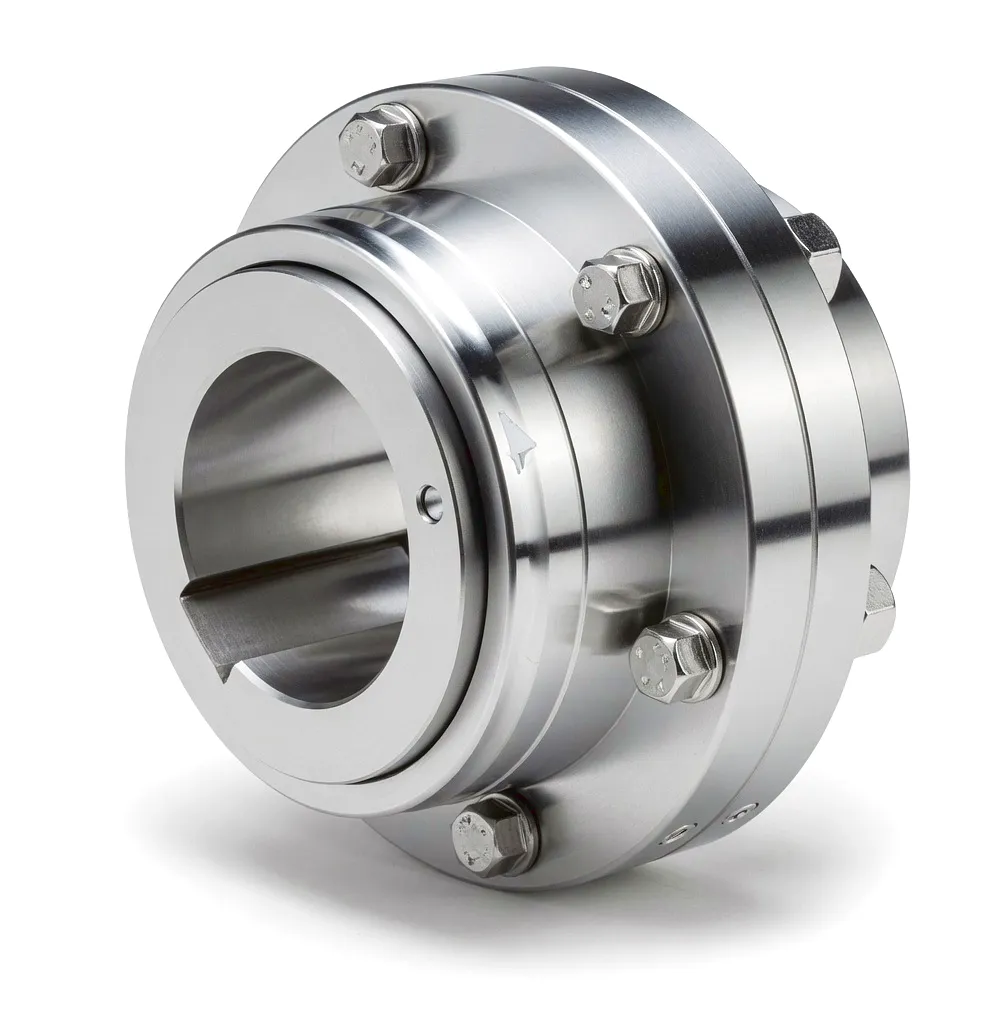
How Couplings Work in Cement Mill Drive Trains
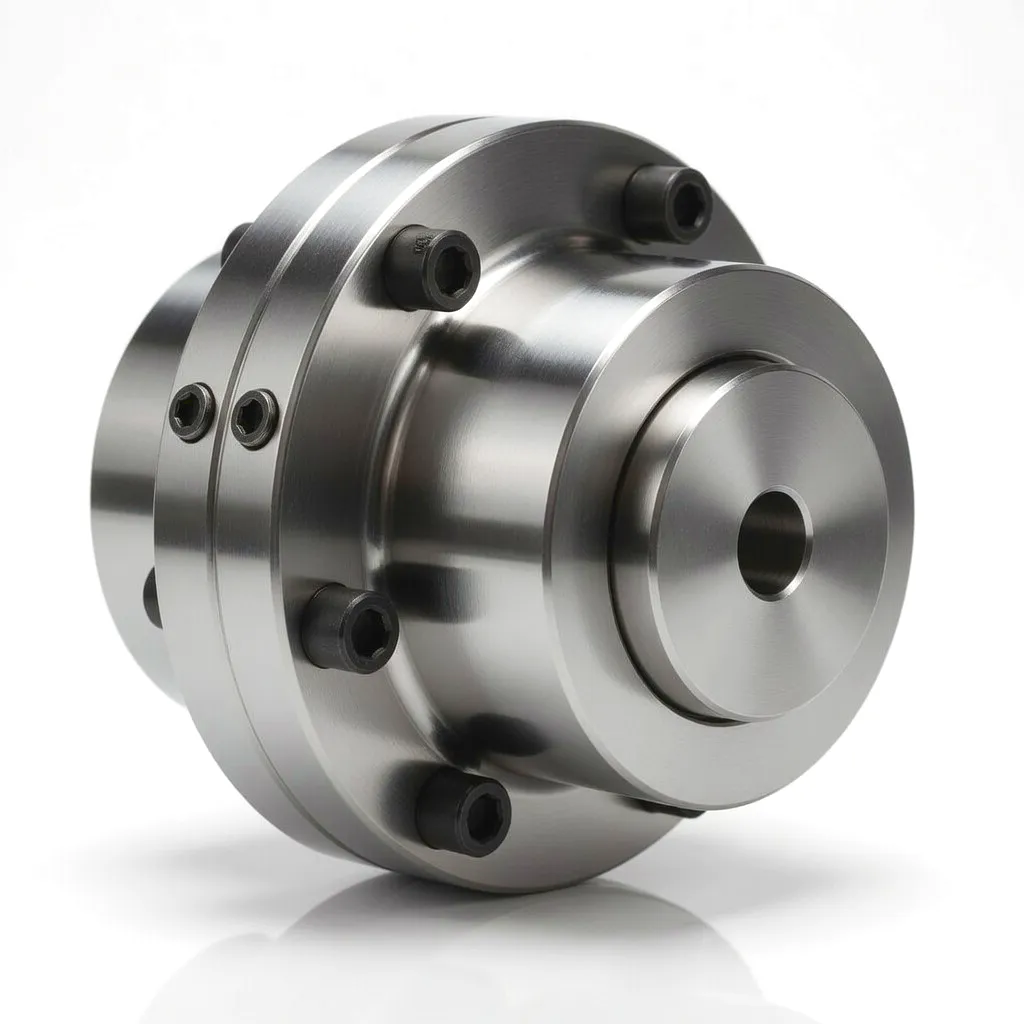
Core Materials Used in Cement-Grade Couplings
The hub bodies and sleeve flanges of heavy-duty gear couplings are manufactured from quenched-and-tempered alloy steels. 42CrMo4 delivers tensile strengths above 1,000 MPa combined with excellent fatigue resistance — essential for components subjected to cyclic torque reversals. In UK cement mills operating in the Midlands or North West, where ambient temperature swings are significant, this steel grade maintains dimensional stability throughout the thermal cycle.
The coupling gear teeth themselves are typically manufactured from carburising-grade steels such as 20CrMnTi, which after carburising and quenching achieve a surface hardness of HRC 58–62 with a core that remains tough and impact-resistant. This combination is particularly valuable in cement mill applications where abrasive dust contamination — even with excellent sealing — can cause minor wear over extended service intervals. The hard tooth surfaces resist adhesive and abrasive wear while the tough core prevents tooth fracture during shock loading events.
Ductile cast iron is widely used for the outer sleeve of gear couplings in medium-power applications, offering a good balance between strength, machinability, and cost. Its natural damping capacity — approximately ten times higher than steel — provides an additional buffer against vibration transmission. For UK cement plants prioritising economical maintenance cycles, ductile iron sleeves offer a lower replacement cost compared to fully forged steel components while still meeting the mechanical demands of the application.
Sealing integrity is arguably the single most critical factor determining coupling longevity in cement environments. Dust-resistant shaft seals and end-cap gaskets are manufactured from nitrile rubber (NBR) or fluoroelastomer (FKM) compounds, selected for their resistance to lubricating greases, elevated temperatures, and the alkaline chemistry of cement dust. FKM seals, in particular, are specified in kiln-area installations where continuous operating temperatures may reach 120 °C or above, ensuring that grease retention remains reliable throughout annual service intervals.
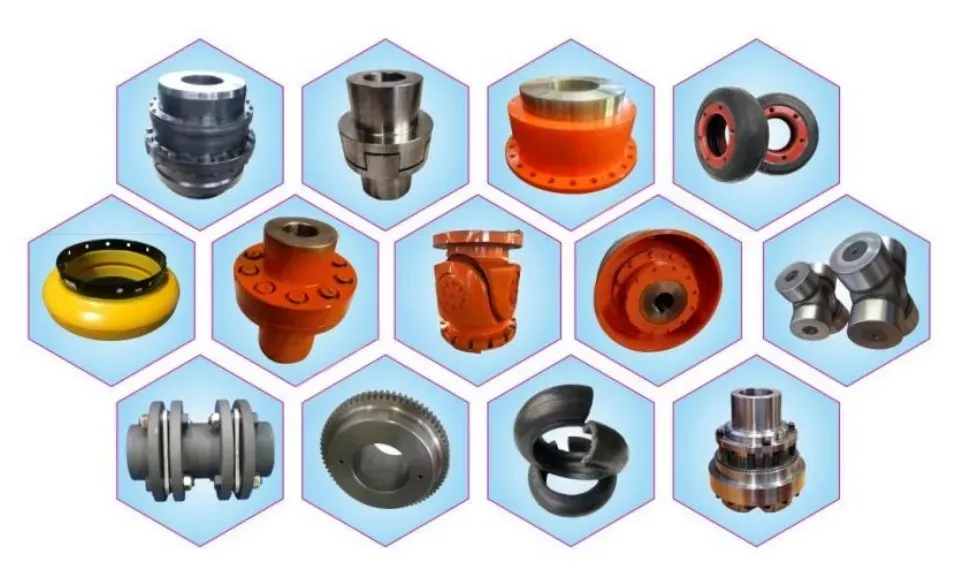
Application Scenario: Cement Mill Drive System
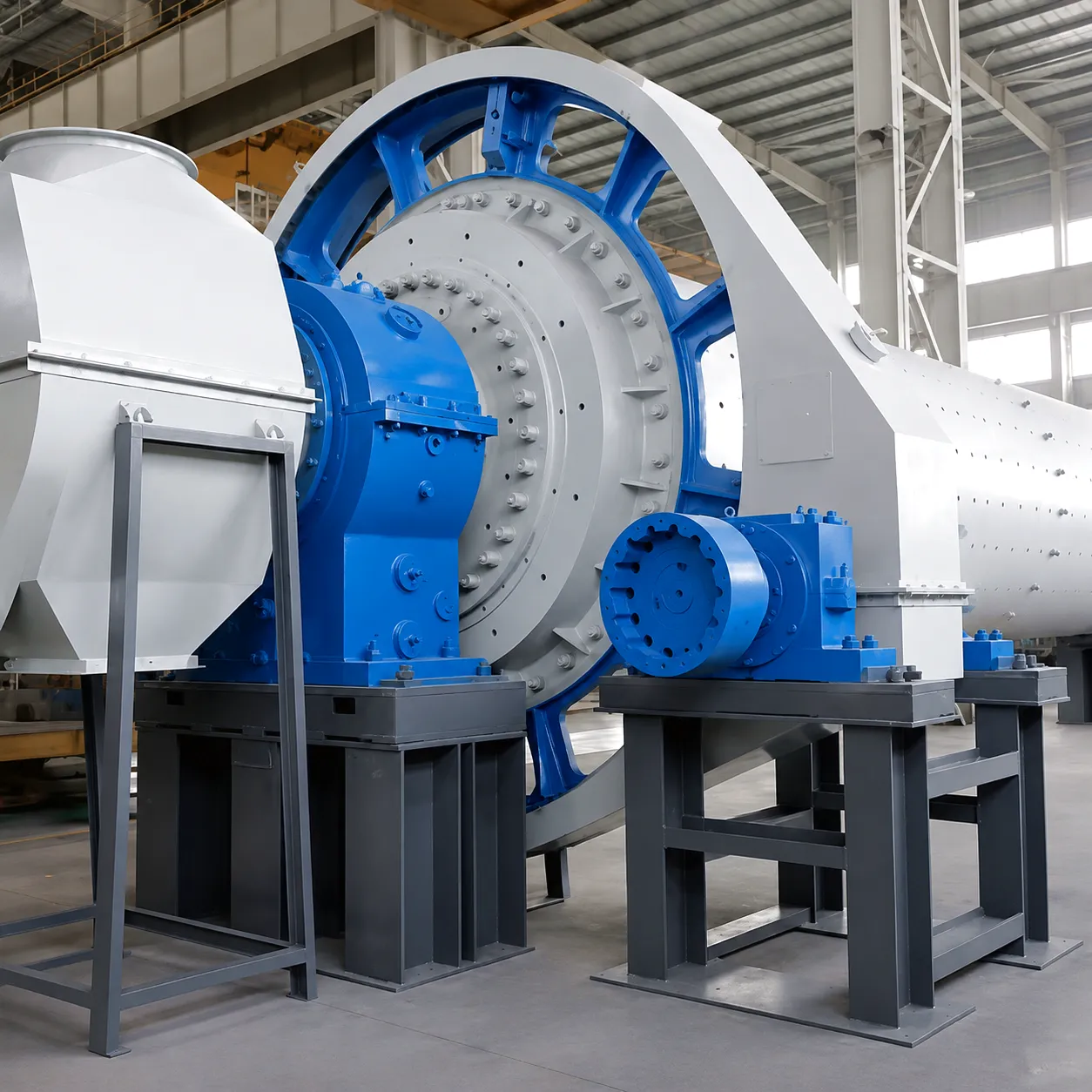
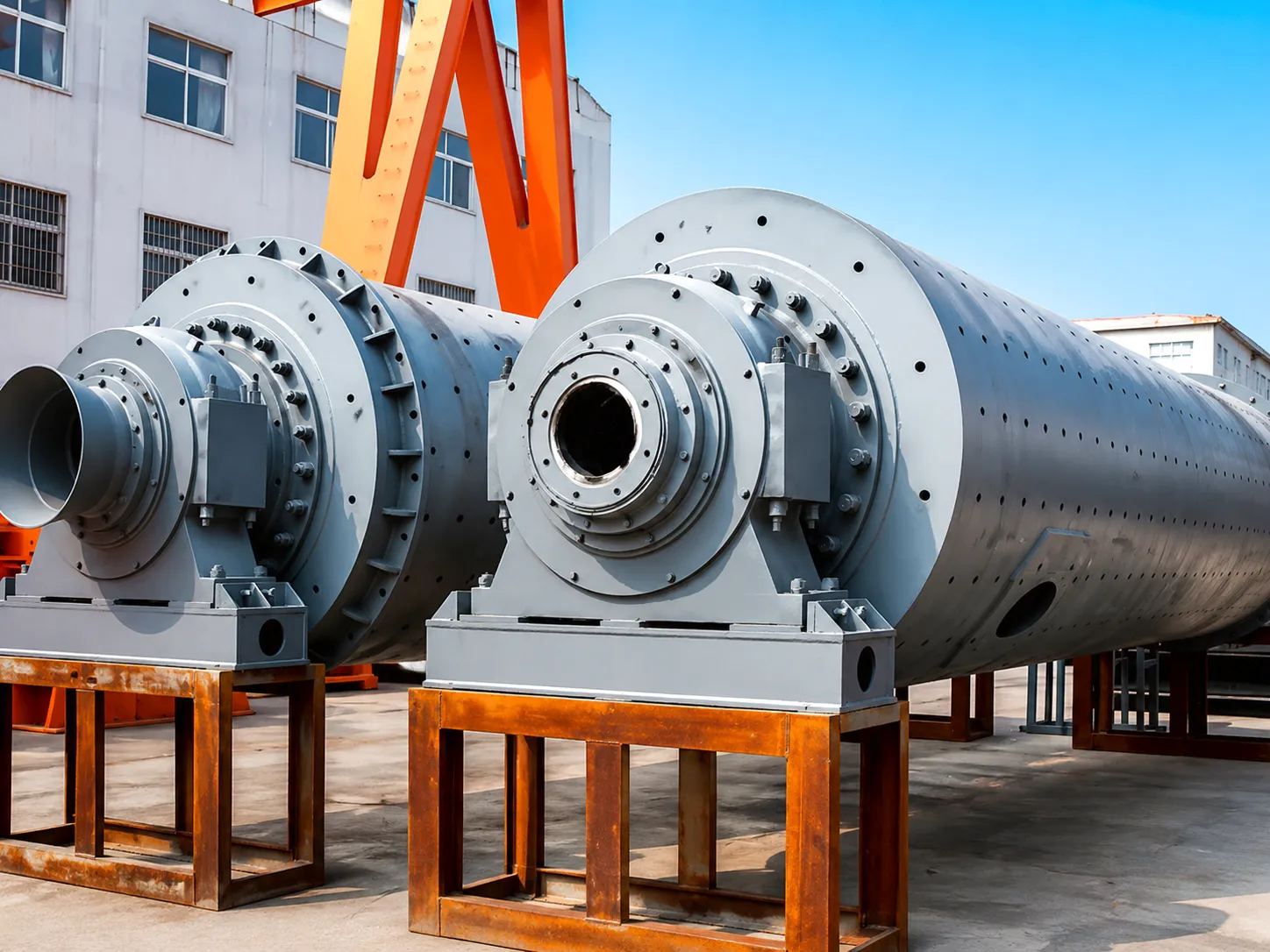
Principali vantaggi tecnici dei giunti industriali per applicazioni nel settore del cemento.
Gear-type couplings transmit torque through multiple tooth contacts simultaneously, achieving exceptionally high torque capacity relative to their physical envelope. This is critical in cement mill retrofits where the coupling must fit within the existing drive house without civil modifications.
Engineered to withstand transient torque peaks of 3–5 times nominal rating during mill starts without plastic deformation, providing a controlled overload margin that protects the more expensive gearbox and motor from shock damage.
Crowned-tooth gear geometry simultaneously handles angular misalignment up to 1.5°, parallel offset, and axial float — reducing bearing loads caused by inevitable shaft misalignment due to thermal growth and foundation settlement in large cement plant structures.
Multi-stage labyrinth seals combined with positive grease retention baffles prevent cement dust ingress into the lubricated gear mesh, extending service intervals from months to years and supporting the annual maintenance cycle common in UK cement production schedules.
Grease-lubricated gear couplings with high-capacity grease reservoirs and positive retention seals operate reliably for twelve to twenty-four months between re-lubrication intervals — ideally aligned with typical UK cement plant annual kiln and mill maintenance shutdowns, minimising production disruption.
Alloy steel construction with controlled thermal expansion coefficients ensures dimensional stability across operating temperature ranges from ambient UK conditions (typically 5–25 °C in drive houses) to elevated temperatures near kiln or clinker cooler equipment, where ambient readings regularly exceed 80 °C.
Tabella di riferimento dei parametri tecnici e prestazionali del prodotto
The following table provides representative technical parameters for heavy-duty gear-type couplings and universal couplings as applied in cement mill drive systems. Custom configurations are available from Ever Power to match specific mill power ratings, shaft dimensions, and installation constraints.
| Parametro | Gear Coupling (JSA Series) | Giunto universale (serie SWC) | Unit / Note |
|---|---|---|---|
| Intervallo di coppia nominale | 500 – 500.000 | 1,000 – 2,000,000 | N·m |
| Coppia di sovraccarico di picco | Up to 3.5 × Tn | Fino a 2,5 × Tn | Times rated torque |
| Disallineamento angolare | Fino a 1,5° | Up to 25° | Lauree |
| Spostamento assiale | ±3 to ±15 mm | Variable (per shaft length) | mm |
| Intervallo di velocità operativa | 0 – 3,600 | 0 – 1.500 | RPM |
| Materiale del mozzo | 42CrMo4 / 34CrNiMo6 alloy steel | 45# steel / 42CrMo4 | Quench & tempered |
| Gear Tooth Hardness | HRC 58–62 (surface) | HRC 58–62 (yoke pins) | Carburised & quenched |
| Intervallo di diametro del foro | 20 – 560 mm | 30 – 620 mm | Custom bores available |
| Temperatura di esercizio | -20 to +120 °C | -30 to +100 °C | FKM seals for high temp |
| Tipo di lubrificazione | High-viscosity lithium grease | Grease / Splash oil | NLGI Grade 2–3 |
| Service Interval | 12 – 24 months | 12 – 18 mesi | Aligned with plant shutdown |
| Dust Ingress Protection | IP55 equivalent (with seals) | IP44 – IP54 | Cement dust rated |
| Certificazione | ISO 14691, CE Mark | ISO 9001, CE Mark | UK PSSR compliant |
Additional Industrial Application Scenarios for Heavy-Duty Couplings
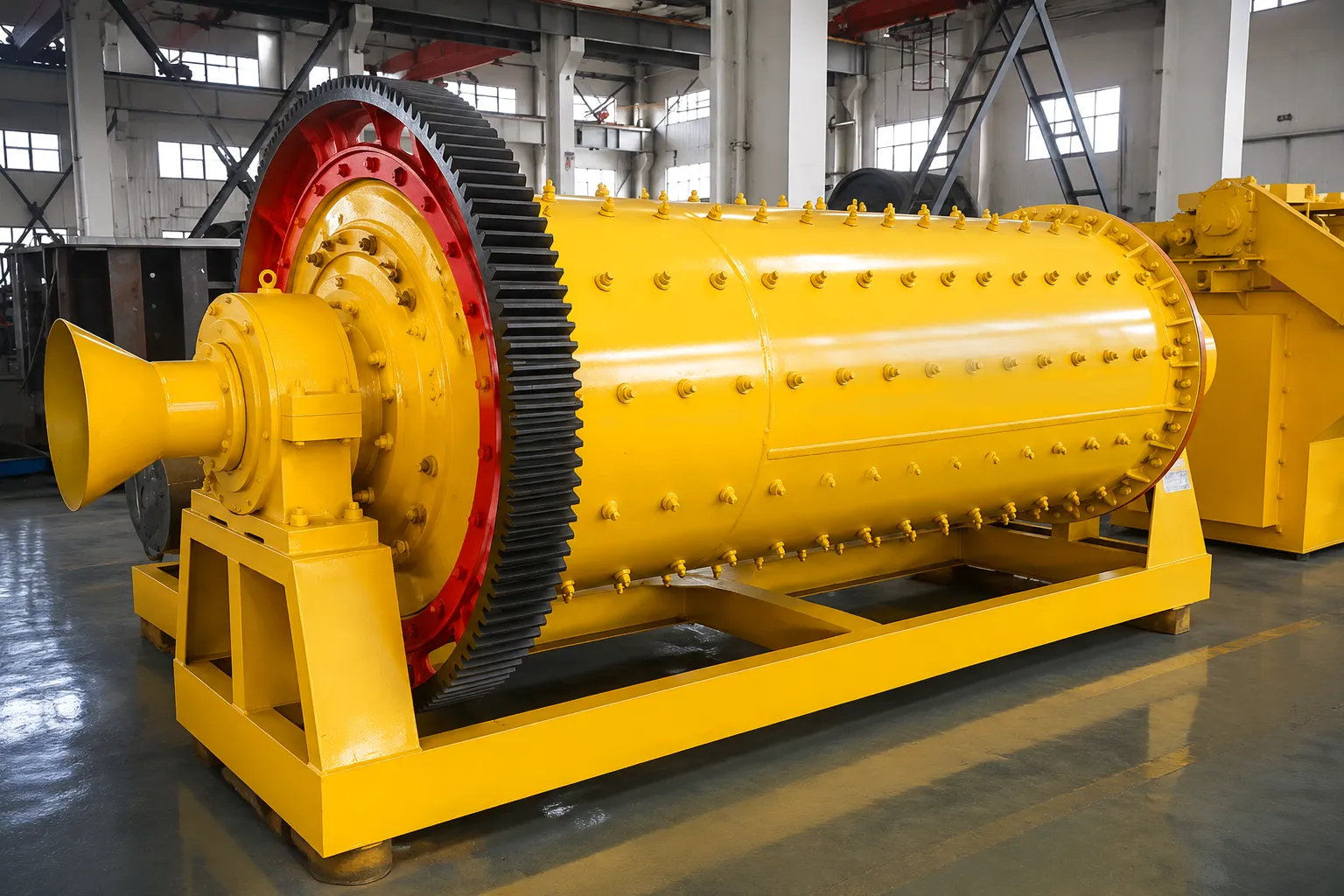
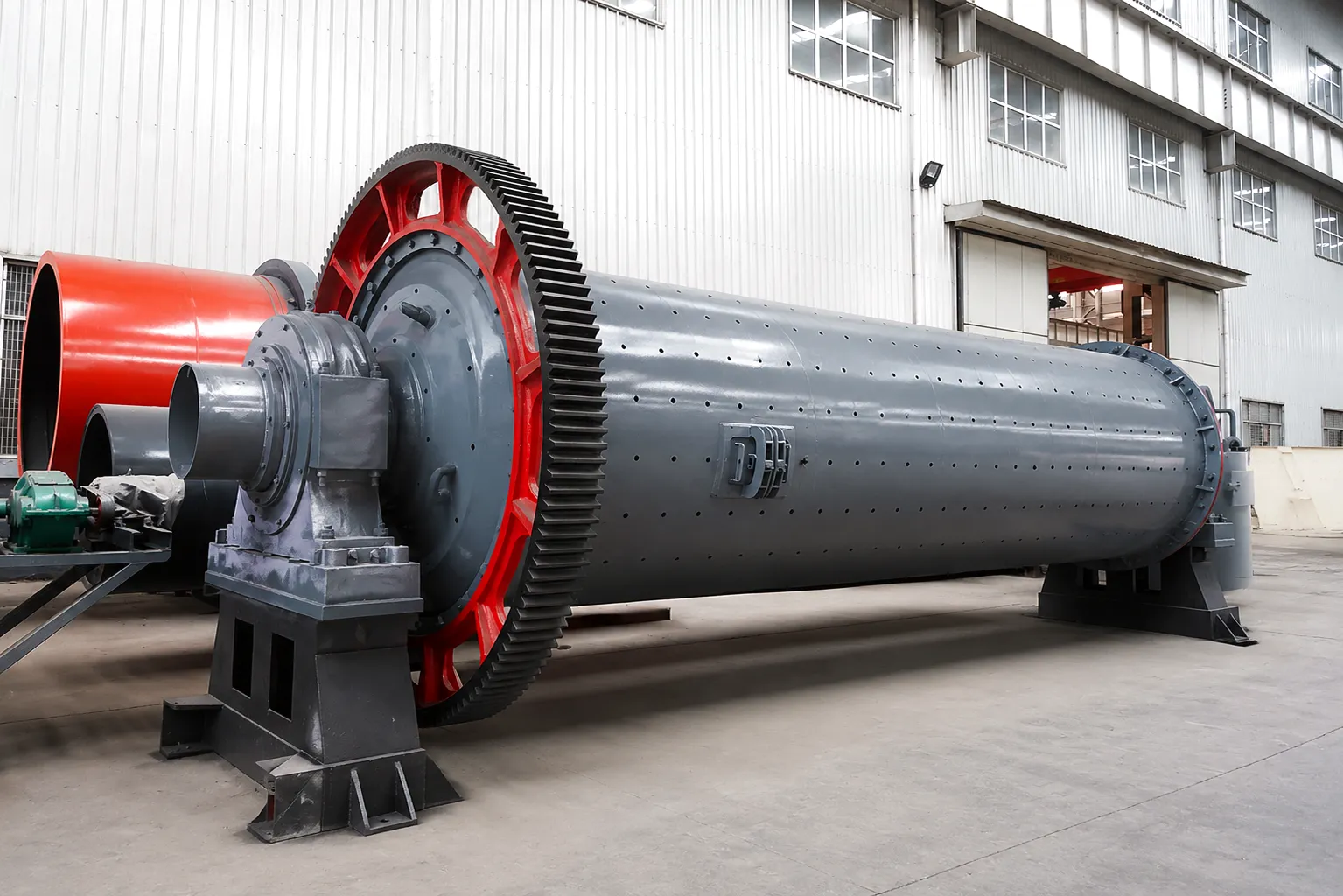
Every coupling produced at Ever Power undergoes dimensional inspection, material certificate verification, and load-capacity confirmation before dispatch. For UK customers, full CE marking documentation, material traceability certificates, and dimensional inspection reports are provided as standard — meeting the requirements of UK Pressure Systems Safety Regulations and the Provision and Use of Work Equipment Regulations relevant to power transmission components in heavy industry.
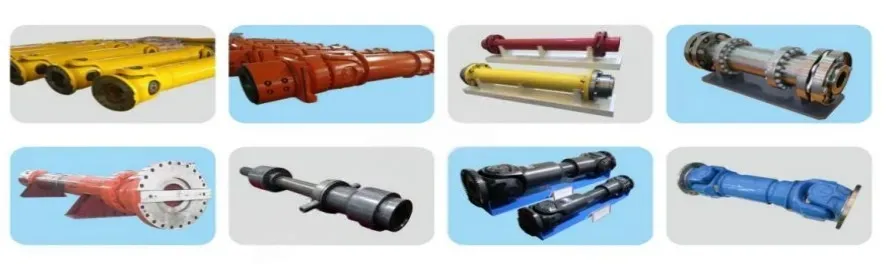
Ever Power: Precision Manufacturing & Customisation Capabilities
Ever Power’s coupling manufacturing operation is built around the understanding that no two cement plants are identical. Mill power ratings, shaft centre distances, gearbox flange configurations, and installation clearance constraints vary from site to site — and off-the-shelf catalogue couplings frequently require compromises that reduce reliability margins. Ever Power’s customisation capability addresses this directly: from modified bore sizes and keyway configurations to entirely bespoke hub geometries designed around customer-supplied dimensional drawings, the company’s engineering team works within customer timelines and budget constraints to deliver coupling solutions that are genuinely fit for purpose rather than merely fit for purpose “within catalogue range.”
The manufacturing process begins with raw material procurement from certified steel mills with full material traceability, progresses through forging or casting of hub blanks, precision turning and hobbing of gear teeth to ISO 1328 accuracy grades, carburising and quenching in atmosphere-controlled furnaces, and concludes with CMM-verified dimensional inspection. Surface treatments including black oxide phosphating, zinc phosphate primer, and polyurethane topcoat are applied according to the corrosion environment specified by the customer — a particularly important consideration for UK cement plants in coastal or estuarine locations such as those found along the Thames Estuary or the Humber Estuary.
Supply chain reliability is another area where Ever Power distinguishes itself from competitors. With finished goods stock maintained for standard JSA and SWC series couplings up to 250 kN·m nominal torque, and expedited manufacturing lead times for custom sizes, UK customers can expect delivery windows of two to six weeks for standard configurations and six to twelve weeks for fully custom designs — timescales that align with typical UK cement plant planned shutdown planning horizons. Documentation packages for UK compliance, including CE declarations of conformity, material test certificates to EN 10204-3.1, and dimensional inspection reports, are prepared as standard for all export orders.
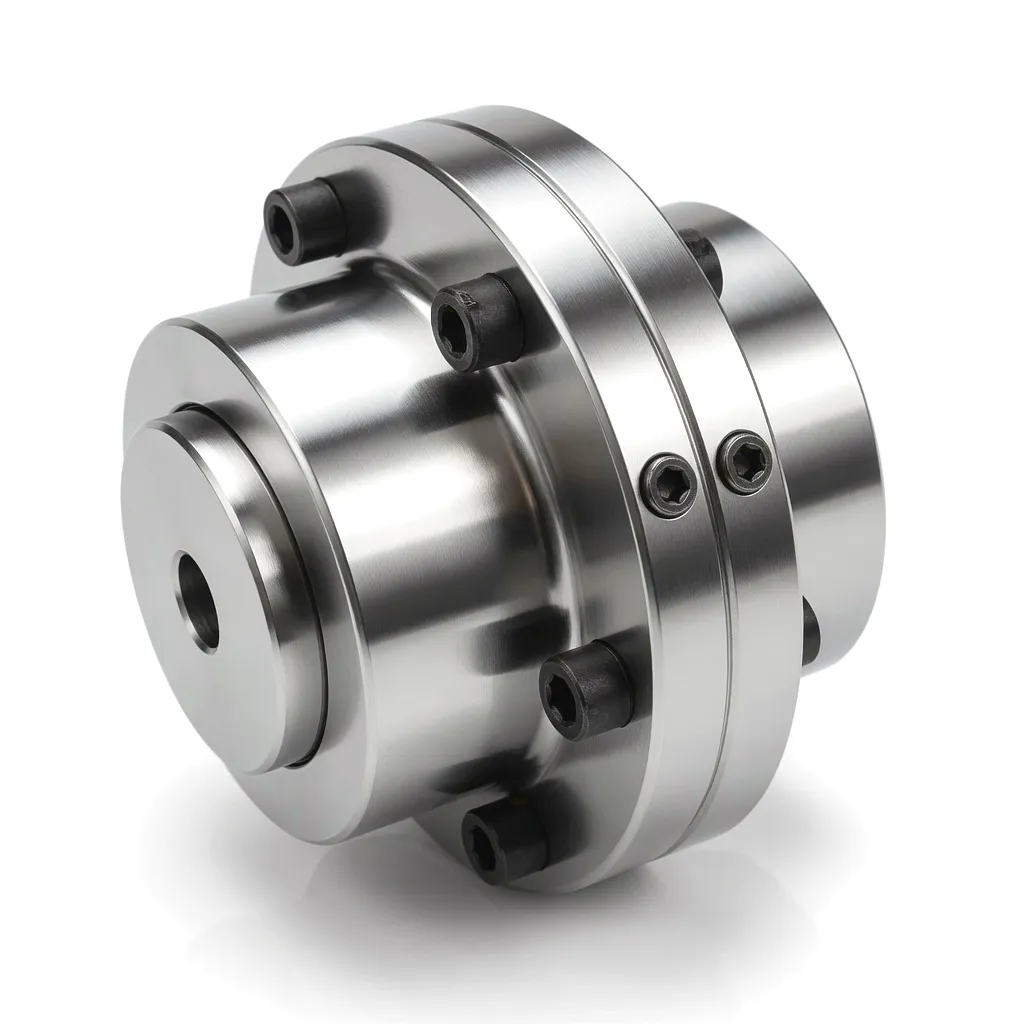
Share your shaft drawings and torque requirements — our engineers will specify the optimal coupling configuration within 48 hours.
Featured Coupling Products
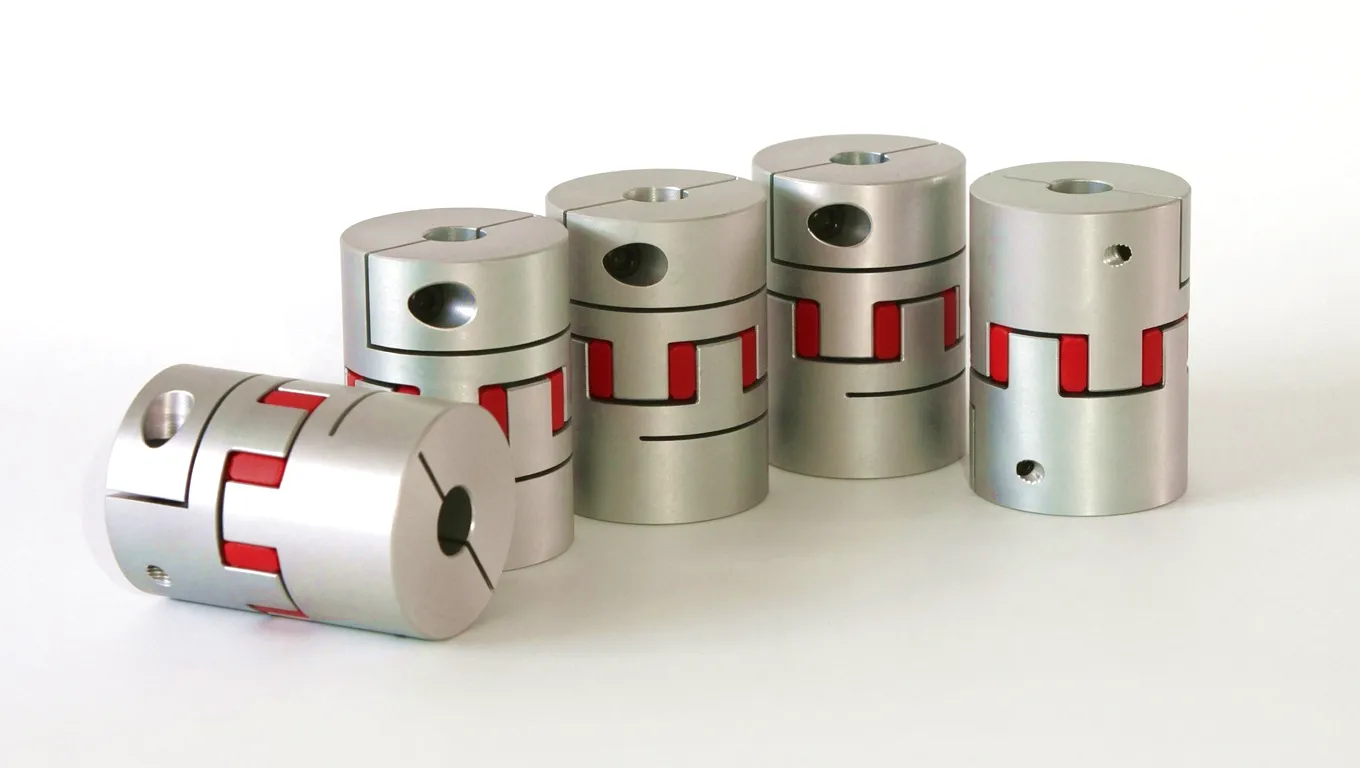
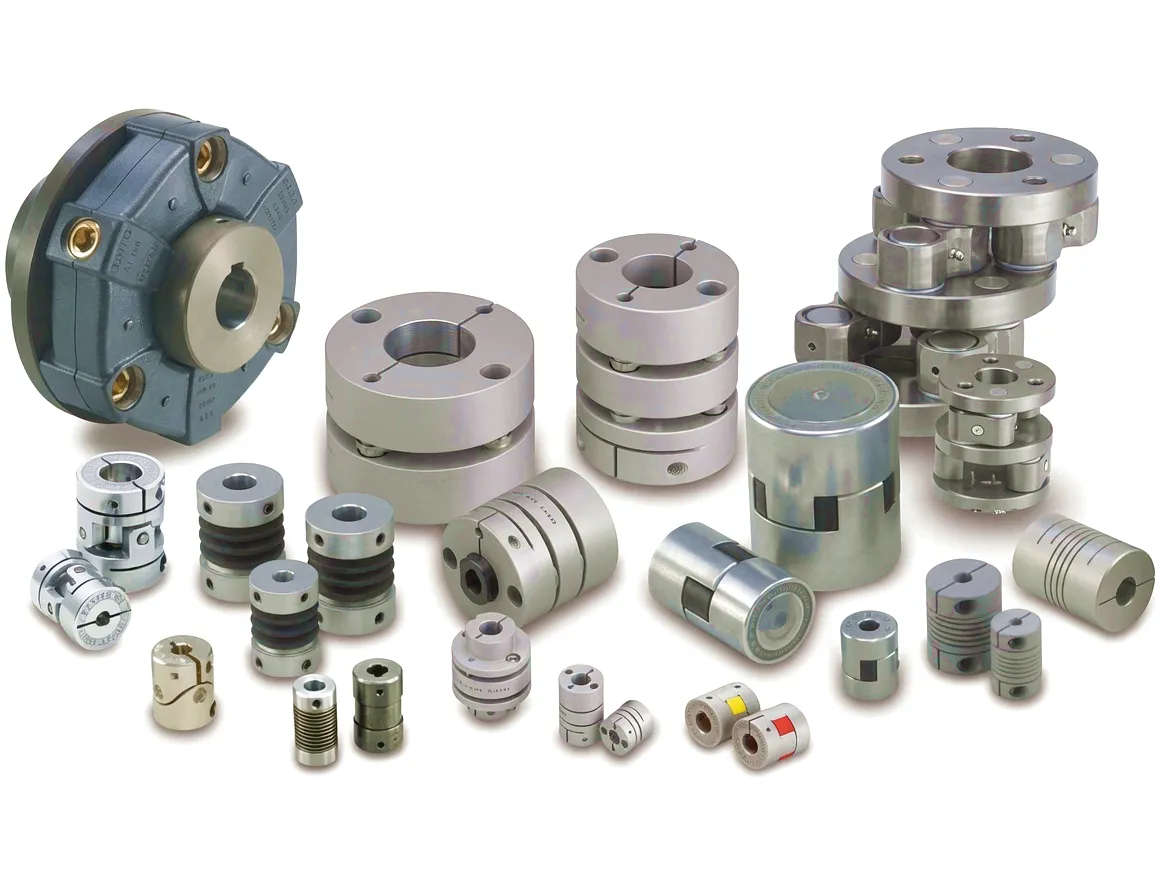
Two flagship solutions from the Ever Power heavy-duty coupling range — engineered for cement, mining, steel, and power generation environments.
Customer Success Story: Birmingham Cement Works
A major cement production facility in the Birmingham metropolitan area — operating two 3.8 MW ball mills producing approximately 180 tonnes per hour of finished cement — had experienced recurring failures of their existing coupling units at the primary motor-to-gearbox interface. The failures were characterised by accelerated seal wear, grease purging from the coupling cavity, and eventual abrasive pitting of the gear teeth due to cement dust contamination. The average service life of each coupling unit was sixteen months, and each replacement required a planned shutdown of thirty-six hours — an unacceptably high operational cost for a plant running three-shift, seven-day production schedules.
The plant’s engineering team approached Ever Power through a technical enquiry detailing the failure mode, the operating environment, and the dimensional constraints imposed by the existing drive house layout. Ever Power’s application engineering team reviewed the site data and proposed a custom-configured JSA series gear coupling with upgraded FKM labyrinth seals, an increased grease reservoir volume, and a modified hub bore to accept the existing motor shaft keyway without modification. The custom configuration was developed within two weeks of the initial enquiry, and prototype units were delivered to Birmingham within six weeks of order placement — meeting the plant’s planned annual shutdown window.
Dopo l'installazione su entrambi i mulini, lo stabilimento di Birmingham ha completato un intero ciclo di produzione di ventiquattro mesi senza alcun arresto imprevisto dovuto ai giunti, il doppio della precedente durata media di servizio. I campionamenti del grasso effettuati dopo dodici mesi hanno confermato che il sistema di tenuta FKM aveva impedito qualsiasi ingresso misurabile di polvere di cemento, e l'ispezione dei denti degli ingranaggi a ventiquattro mesi ha mostrato livelli di usura inferiori di circa il sessanta percento rispetto a quelli registrati sulle unità precedenti nello stesso intervallo. La riduzione complessiva dei costi di manutenzione del sistema di trasmissione nell'arco di due anni è stata calcolata al trentuno percento, il che rappresenta un periodo di ammortamento inferiore a nove mesi sull'investimento nei giunti. Da allora, lo stabilimento di Birmingham ha standardizzato l'utilizzo dei giunti Ever Power serie JSA su tutti e sei i suoi mulini per la macinazione di cemento e materie prime.
"Dopo due anni di utilizzo su entrambi i mulini, senza alcun arresto imprevisto, l'aggiornamento delle guarnizioni FKM specificato da Ever Power per il nostro stabilimento di Birmingham ha davvero trasformato la nostra pianificazione della manutenzione. Siamo passati da riparazioni di emergenza reattive a una vera e propria manutenzione programmata. I dati sulla capacità di coppia forniti si sono dimostrati accurati per tutto il periodo di picco di produzione annuale."
"Abbiamo richiesto una modifica personalizzata dell'alesaggio e una configurazione di foratura della flangia non standard per adattarla alle flange del nostro riduttore esistente: una richiesta che la maggior parte dei fornitori non accetta senza lunghi tempi di consegna. Ever Power ci ha fornito un pacchetto completo di disegni entro dieci giorni e ha consegnato i componenti conformi in sei settimane. La precisione dimensionale è stata verificata con la nostra macchina di misura a coordinate (CMM) e corrispondeva perfettamente ai disegni. Per un acquirente con sede nel Regno Unito, questa è l'affidabilità della catena di fornitura di cui abbiamo bisogno."
“I giunti universali della serie SWC che abbiamo scelto per il nostro laminatoio di Rotherham hanno già completato tre cicli di laminazione senza necessità di sostituire i cuscinetti trasversali: le unità del fornitore precedente, invece, richiedevano la sostituzione dei cuscinetti a ogni ciclo. Il prezzo era competitivo, la consegna puntuale e i certificati dei materiali EN 10204-3.1 sono arrivati con la spedizione senza alcun sollecito. Ever Power è ora il nostro fornitore di riferimento per i giunti in tutte le applicazioni gravose.”
Domande frequenti
Risposte alle domande più frequenti poste dagli acquirenti del settore ingegneristico e dai team di manutenzione degli impianti nel Regno Unito in merito ai giunti industriali per applicazioni nel settore del cemento, minerario e dei processi pesanti.
La scelta del giunto corretto dipende da diversi fattori specifici del vostro mulino per cemento: la potenza nominale e la velocità del motore, il diametro dell'albero di ingresso del riduttore e lo standard di connessione, il multiplo della coppia di avviamento prevista e lo spazio di installazione disponibile. Per mulini a sfere con coppie di avviamento fino a cinque volte la coppia di funzionamento e per ambienti polverosi, si raccomandano giunti a ingranaggi con tenuta migliorata. Contattate il nostro team tecnico con esperienza nel Regno Unito per ricevere un report di selezione del giunto basato sui dati specifici del vostro mulino.
Il prezzo dei giunti per mulini di cemento personalizzati varia significativamente in base alla coppia nominale, alle specifiche del materiale e alla complessità della personalizzazione. I giunti a ingranaggi standard della serie JSA per applicazioni in mulini con coppie nominali da 100 kN·m a 500 kN·m hanno prezzi competitivi e vengono generalmente spediti entro quattro-sei settimane. Le configurazioni completamente personalizzate con fori speciali, flange non standard o sistemi di tenuta migliorati comportano un costo aggiuntivo e richiedono da sei a dodici settimane. Richiedete un preventivo formale con i vostri disegni dimensionali per ottenere un prezzo preciso e una stima dei tempi di consegna da Ever Power.
Ever Power fornisce giunti di accoppiamento con marcatura CE, completi di dichiarazioni di conformità CE, certificati di prova dei materiali secondo la norma EN 10204-3.1, rapporti di ispezione dimensionale e certificati di verifica della precisione degli ingranaggi, come documentazione standard per tutti gli ordini di esportazione nel Regno Unito. Questi documenti soddisfano i requisiti delle normative britanniche in materia di salute e sicurezza applicabili alle apparecchiature di trasmissione di potenza nelle industrie del cemento e di processo. Il nostro pacchetto di documentazione viene preparato e spedito insieme a ogni spedizione, eliminando i ritardi e le comunicazioni di follow-up che si verificano comunemente con fornitori meno organizzati.
Se specificato e installato correttamente, un giunto a ingranaggi per impieghi gravosi della serie JSA dovrebbe garantire un funzionamento continuo affidabile per ventiquattro-trentasei mesi su un mulino a sfere o un mulino a rulli verticali in un cementificio del Regno Unito. Ciò presuppone che vengano rispettate le specifiche di lubrificazione, che la rilubrificazione venga effettuata agli intervalli di manutenzione programmati e che il sistema di tenuta venga ispezionato durante ogni fermo impianto annuale. I giunti sottodimensionati rispetto alla coppia di avviamento effettiva del mulino o che non garantiscono un'adeguata tenuta contro la polvere si guastano frequentemente entro dodici-diciotto mesi, indipendentemente dal produttore.
Un giunto a ingranaggi trasmette la coppia attraverso l'ingranamento dei denti e compensa piccoli disallineamenti (tipicamente fino a 1,5° angolari) in un pacchetto compatto ad alta densità di coppia, ideale per i collegamenti motore-riduttore in spazi ristretti all'interno del locale azionamento. Un giunto cardanico (albero cardanico) utilizza giunti a croce e cuscinetti per gestire grandi disallineamenti angolari fino a 25° e lunghe distanze tra gli assi, tipicamente specificato per i collegamenti di azionamento di forni, collegamenti di laminatoi e qualsiasi applicazione in cui i componenti di azionamento non possono essere disposti coassialmente. In un tipico mulino a sfere per cemento, si potrebbe specificare un giunto a ingranaggi all'uscita del motore e un giunto cardanico nell'albero di trasmissione intermedio tra il riduttore e il pignone a ingranaggi aperti, dove i disallineamenti strutturali sono maggiori.
Ever Power accetta richieste direttamente via e-mail e fornisce preventivi formali, inclusi disegni dimensionali, specifiche dei materiali e tempi di consegna, entro quarantotto ore per le configurazioni standard. Per i progetti di accoppiamento personalizzati, una proposta tecnica preliminare viene in genere emessa entro cinque giorni lavorativi. Gli acquirenti del Regno Unito possono contattare il team di vendita all'indirizzo [email protected] fornendo i dati dimensionali dell'albero e i requisiti di coppia per ricevere una proposta di accoppiamento completamente ingegnerizzata con prezzi competitivi e un'opzione di consegna confermata in sei settimane per configurazioni in stock e con consegna rapida.
Comunicaci le dimensioni dell'albero, i requisiti di coppia e le condizioni del sito. Il nostro team di ingegneri ti fornirà una soluzione di accoppiamento tecnicamente specificata e completa di documentazione entro 48 ore.