Industrial Drive Technology

セメントロータリーキルン用カップリング:業界で最も過酷な環境における卓越したエンジニアリング

From the scorching heat of calcination to the relentless torque of continuous rotation, cement rotary kilns place extraordinary mechanical demands on every connected component — none more critical than the coupling.

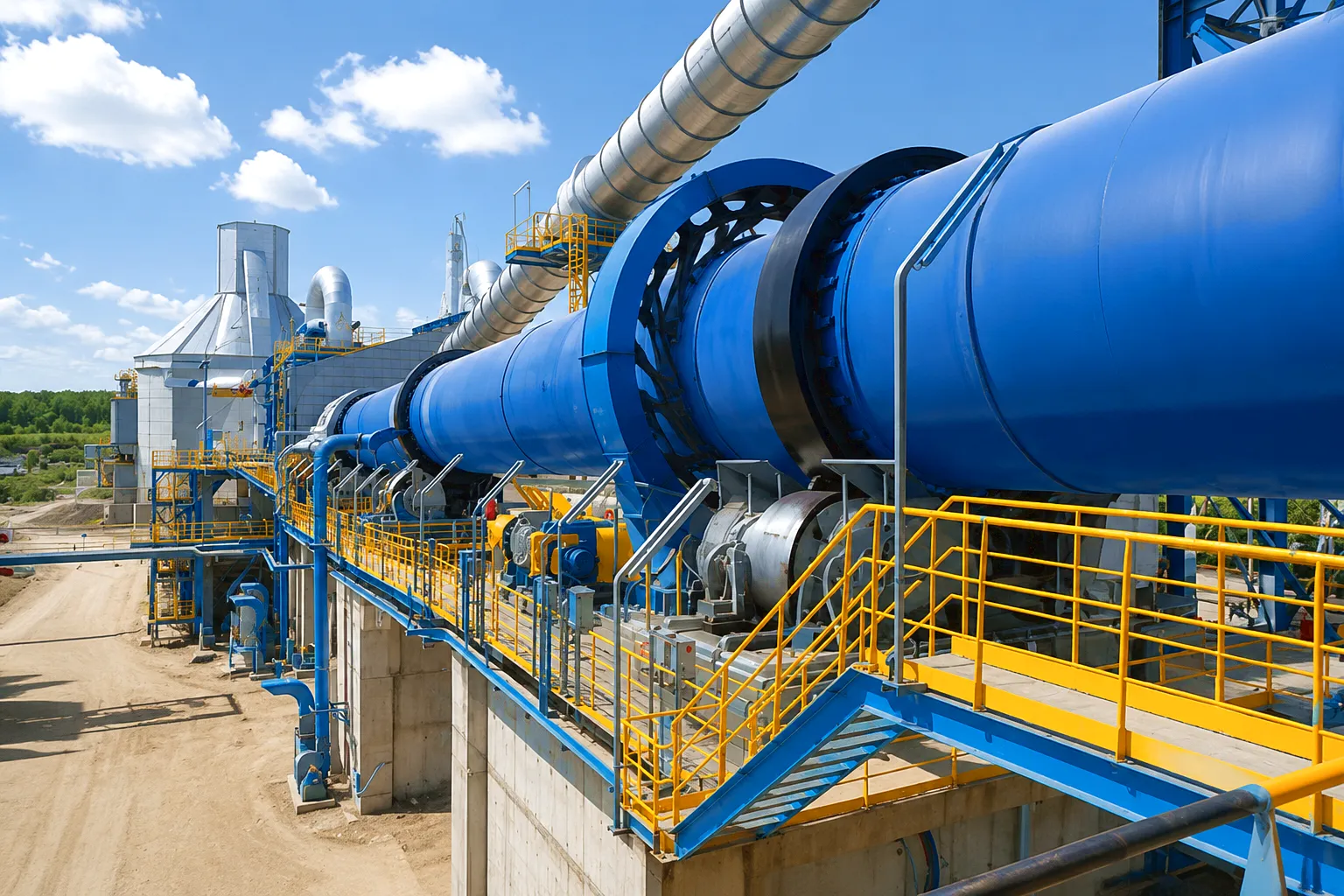
Industrial coupling for cement rotary kiln drive system

The cement industry stands as one of the most energy-intensive manufacturing sectors in the United Kingdom, with facilities stretching from Hope Valley in Derbyshire to Dunbar in East Lothian driving millions of tonnes of clinker through the fire every year. At the heart of every rotary kiln — whether burning traditional coal or transitioning to alternative fuels — lies a mechanical power transmission chain whose reliability directly governs plant availability, output tonnage, and maintenance cost per tonne. Within that chain, the coupling occupies a position of outsized influence. It connects the drive motor and gearbox to the kiln’s bull gear ring, absorbing misalignment, damping shock loads, and protecting upstream drive components from the kiln’s inherent process vibrations.

Unlike the relatively steady torque profiles found in pump or fan drives, a cement rotary kiln generates cyclical torque fluctuations caused by the tumbling charge inside the drum, thermal distortion of the shell, and the variable friction between the riding rings and support rollers. Ambient temperatures near the hot-end bearings can exceed 250 °C, while the cold-end drive typically sits in an enclosed house where grease and oil mist accumulate. Any coupling solution must perform faultlessly across this entire range — and do so for years between planned overhauls rather than monthly interventions. The right coupling selection can extend a kiln’s continuous run between maintenance stops from roughly six months to well over eighteen months, a difference that translates directly into hundreds of thousands of pounds of recovered production value for a medium-capacity UK cement plant.

✉  Get a Quote Now

Send your coupling requirements — our engineers respond within 24 hours

How Couplings Work in Cement Rotary Kiln Drive Systems

Torque Transmission

A coupling physically joins the output shaft of the planetary or parallel-shaft gearbox to the pinion shaft driving the kiln’s bull gear. It transmits rated torque — commonly ranging from 50 kNm to over 500 kNm on large UK cement kilns — while tolerating the angular and parallel shaft misalignment that arises from thermal expansion of the kiln shell. Flexible element couplings achieve this through an intermediate resilient component — rubber blocks, polyurethane spiders, disc packs, or gear teeth — that deforms elastically to accommodate misalignment without transmitting bending moments back to the gearbox output bearing. This elastic deformation also acts as a low-pass mechanical filter, attenuating high-frequency vibration spikes before they reach the motor windings.

🔥

Thermal & Shock Management

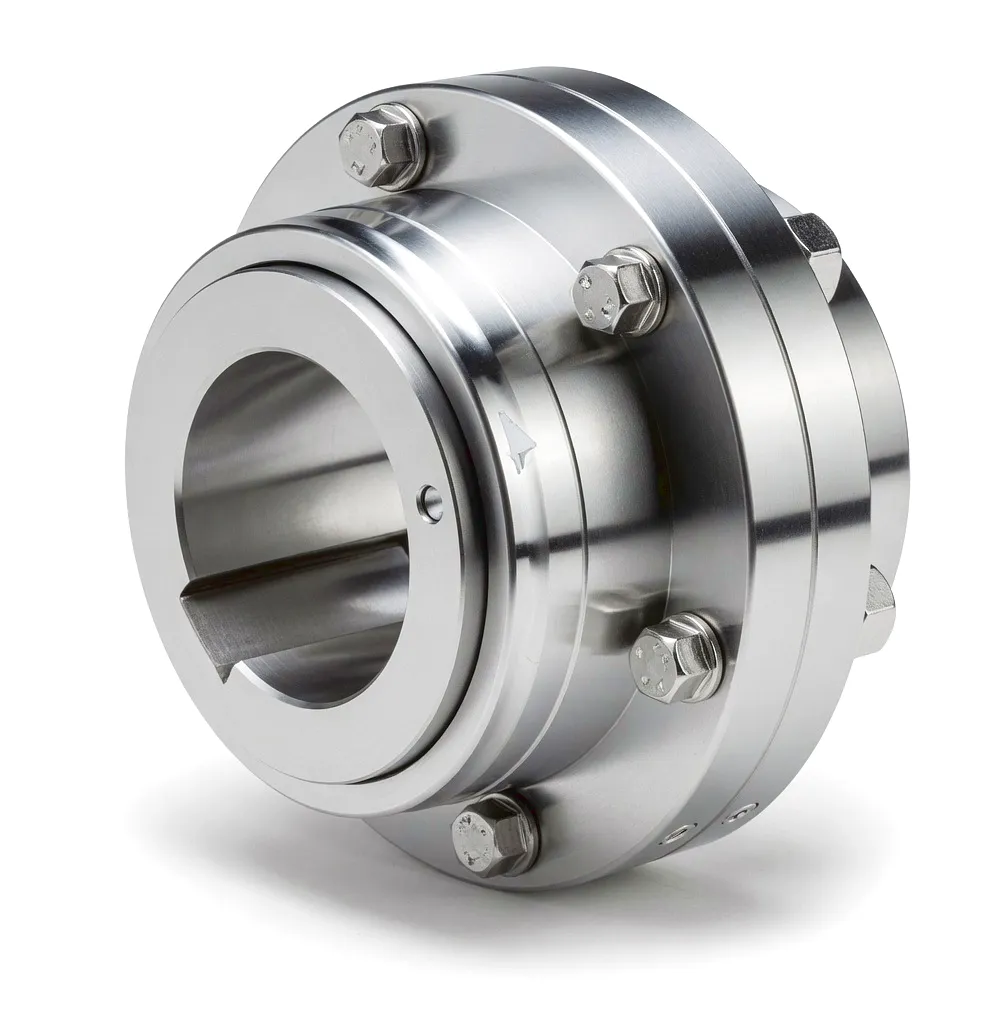
During a kiln start-up sequence, the static friction between the charge material and the shell wall produces a breakaway torque that can be two to three times the normal running torque. A well-engineered coupling with appropriate torsional stiffness damps this spike before it reaches the gearbox gear teeth, extending gear life significantly. Equally, when a kiln trips and the motor decelerates rapidly, the inertia of the rotating shell — which can weigh thousands of tonnes — attempts to continue driving forward. The coupling’s torsional compliance absorbs part of this reverse shock energy, preventing catastrophic tooth fracture in the gearbox. Gear-type couplings achieve this through precisely ground involute tooth profiles lubricated with high-temperature EP grease, while disc pack couplings use thin stainless steel laminations that flex axially and angularly without metal-to-metal sliding contact.

📈

位置ずれ補正

A 70-metre kiln shell heats unevenly as process conditions change, causing the riding rings to shift their position relative to the support rollers by several millimetres over a single shift. This dynamic misalignment is transferred through the bull gear and pinion directly to the coupling. Modern high-capacity gear-type couplings tolerate angular misalignment up to 1.5 degrees per gear mesh, with a total system misalignment capacity of 3 degrees when both sleeve halves are engaged. Disc pack couplings used in larger, higher-speed applications accommodate angular misalignment through the bending compliance of each disc lamination, maintaining near-constant velocity transmission at all misalignment angles within the rated range — an important attribute for preserving the smooth rotation demanded by fine grinding circuits downstream of the kiln.

Materials That Withstand the Kiln Environment
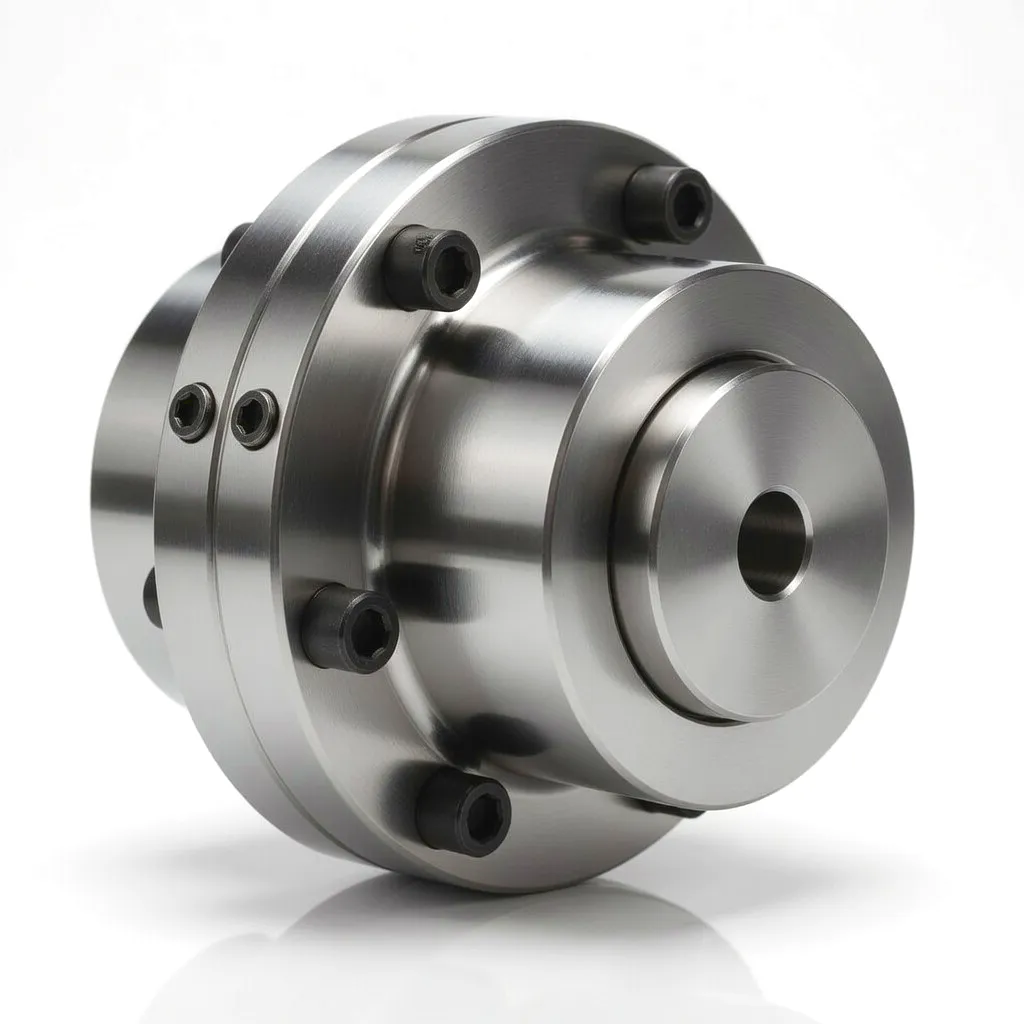
High-performance coupling materials for cement kiln drive

The material selection for cement rotary kiln couplings is not a procurement afterthought but an engineering discipline in its own right. The outer hub and sleeve bodies on gear-type couplings destined for kiln service are typically manufactured from medium-carbon steel grades such as C45 or 42CrMo4 — the latter offering tensile strengths in the region of 900 MPa to 1,100 MPa after quenching and tempering, providing the fatigue resistance necessary to survive decades of cyclical torque reversals. Where corrosion protection is required, surfaces are treated with phosphate conversion coatings or, in particularly aggressive cement dust environments, thermal spray zinc coatings that outperform conventional paint systems by an order of magnitude.

The gear teeth themselves — the critical load-carrying interface in a gear-type coupling — are case-hardened by induction or carburising processes to achieve surface hardness of 55 to 62 HRC while retaining a tough, ductile core. This case depth, typically 0.8 mm to 2.0 mm depending on tooth module, prevents surface pitting and micropitting under the high Hertzian contact stresses generated at maximum torque. Tooth geometry is generated on CNC gear hobbing and grinding machines to AGMA Class 8 or DIN 6 tolerances, ensuring the involute profile deviation and pitch error remain within bounds that allow the EP gear grease to maintain a coherent oil film at operating temperatures.

For disc pack couplings employed in higher-speed intermediate shaft applications within the kiln drive train, the disc laminations are precision-stamped from martensitic stainless steel (typically 1.4028 or 1.4034 grades) in thicknesses from 0.3 mm to 0.8 mm. The stainless composition provides both the corrosion resistance necessary in an environment permeated with calcium carbonate dust and the high cyclic fatigue limit — generally above 550 MPa in alternating bending — needed to survive millions of flexure cycles per year without crack initiation. Elastomeric couplings used on auxiliary drive and barring gear applications employ natural or neoprene rubber elements that resist the oil mist common in drive house environments while providing the high torsional damping coefficient needed to absorb start-up shock.

Core Technical Advantages for Cement Kiln Drive Applications

高トルク密度

Gear-type couplings deliver rated torques exceeding 500 kNm within compact envelope dimensions, minimising the shaft centre distance penalty in retrofit projects where the original drive house layout imposes strict space constraints.

🔥

Thermal Resistance

Gear-type and disc pack variants maintain full rated torque capacity at continuous operating temperatures up to 120 °C and peak temperatures up to 200 °C, with no degradation of transmission efficiency — a critical attribute in the hot-end drive zone of a cement kiln.

🔧

Shock Absorption

Torsional compliance values in the range of 5 to 40 kNm/rad provide meaningful energy absorption during kiln start-up overload events and sudden trip scenarios, reducing the peak tooth load on gearbox internals by up to 35% compared with rigid flange connections.

🔒

Low Maintenance

Modern continuous-lubrication gear couplings with labyrinth seals retain grease fill for 18 to 24 months under kiln operating conditions, aligning lubrication intervals with planned annual outages and eliminating the unplanned downtime caused by grease loss through legacy lip-seal designs.

Interchangeability

Standardised hub bore diameters and keyway dimensions conforming to ISO 14, DIN 6885, and BS 4235 specifications allow direct-replacement sourcing without bespoke machining, shortening emergency repair windows from days to hours for UK maintenance teams during unplanned shutdowns.

📊

Efficiency

Disc pack and gear-type couplings achieve mechanical power transmission efficiencies above 99.5% under normal operating conditions, contributing measurably to the overall kiln drive energy balance — an increasingly important metric as UK cement producers face rising energy costs and carbon reduction commitments under the UK ETS scheme.

Product Technical and Performance Parameters

The table below covers the principal performance data for gear-type and disc pack couplings in cement rotary kiln drive applications. All figures reflect Ever Power’s standard manufacturing specifications; non-standard ranges are available on request.

パラメータGear-Type CouplingディスクパックカップリングFlexible Jaw Coupling
Rated Torque Range10 kNm – 600 kNm5 kNm – 300 kNm0.5 kNm – 50 kNm
Peak / Breakaway Torque2.5 x Rated2.0 x Rated1.8 x Rated
角度ずれ許容範囲Up to 1.5 deg per meshUp to 1.0 degUp to 4.0 deg
Parallel / Radial Offset0.2 mm – 1.5 mm0.1 mm – 0.8 mm0.5 mm – 3.0 mm
Max. Continuous Speed1,500 rpm (large bore)6,000 rpm3,000 rpm
動作温度-30 °C to +200 °C-40 °C to +150 °C-20 °C to +100 °C
ハブ素材42CrMo4 / C45 Steel42CrMo4 / StainlessGGG50 Ductile Iron
Flexible Element MaterialCase-hardened alloy steelStainless 1.4028 discsPolyurethane / NR rubber
穴径範囲50 mm – 560 mm20 mm – 300 mm10 mm – 200 mm
伝送効率> 99.5%> 99.8%> 98.5%
Lubrication Interval (kiln duty)18 – 24 monthsMaintenance-free12ヶ月

Application Scenario: Cement Rotary Kiln — Detailed Drive Positions
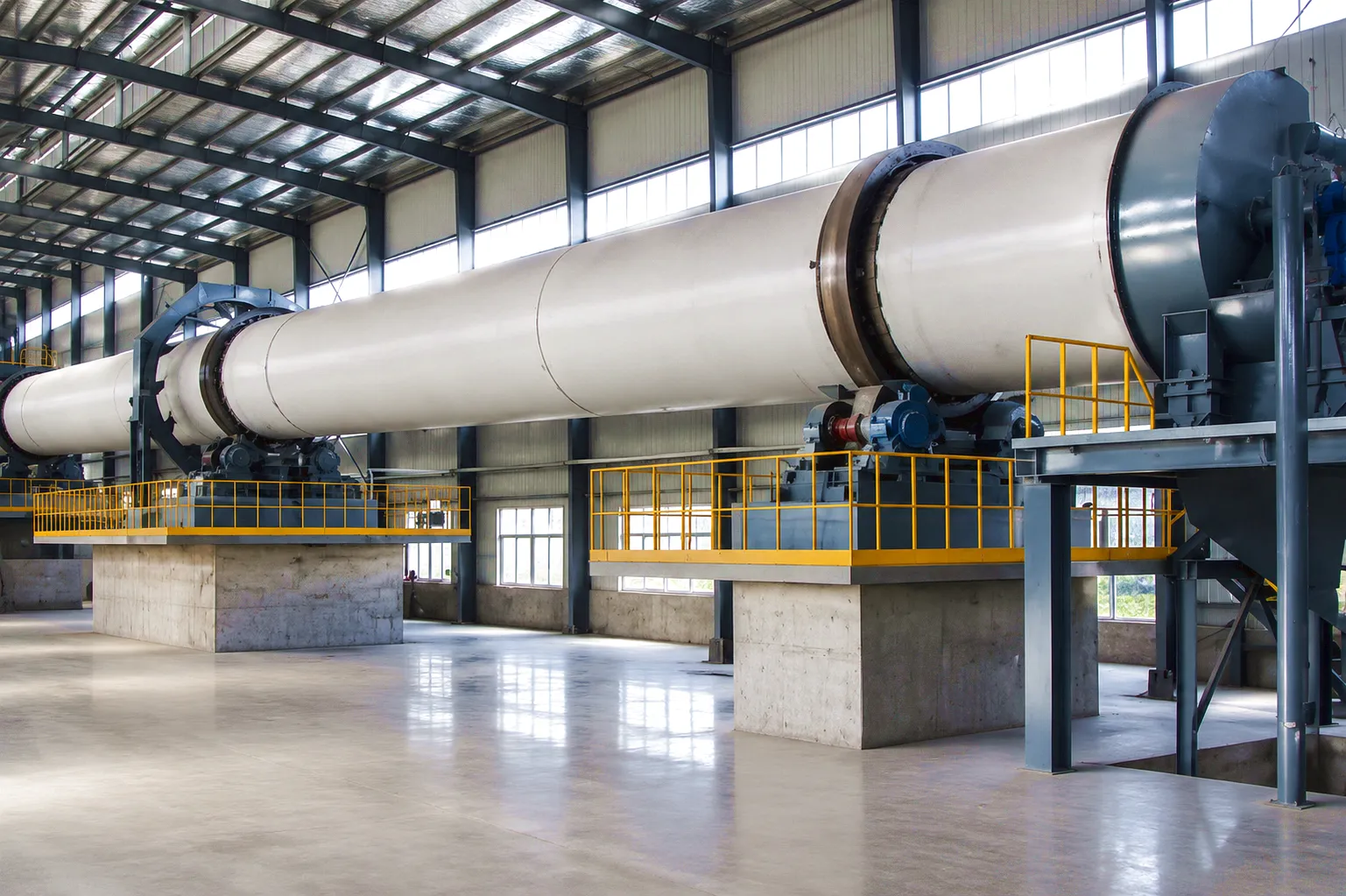
Main drive coupling on cement rotary kiln

Main Drive Coupling — Gearbox Output to Pinion Shaft

This is the highest-stakes coupling position in the entire cement rotary kiln drive train. The gearbox output shaft — rotating at a speed of typically 15 to 80 rpm on the kiln side of the final reduction stage — connects to the pinion shaft through a coupling that must handle rated torques frequently exceeding 200 kNm on UK 4,000-tonne-per-day clinker production lines. The coupling at this position must additionally accept the kiln’s inherent dynamic misalignment, which arises from differential thermal growth between the concrete foundations and the steel drive structure and can reach 2 to 4 mm of parallel offset between planned maintenance outages. Gear-type couplings with crowned tooth profiles are the established solution for this position, combining high torque density with the misalignment tolerance essential for sustained reliable operation. In plants such as those operated in the South East and East Midlands of England, maintenance teams have reported that upgrading from straight-tooth gear couplings to crowned-tooth units extended tooth service life from roughly three years to eight years or more — a compelling return on investment when the alternative is a full kiln-down repair programme lasting several days.

Intermediate shaft disc pack coupling in cement plant

Intermediate Shaft — Motor to Gearbox High-Speed Coupling

Between the variable-speed drive motor and the input shaft of the speed-reducing gearbox, the coupling must handle considerably lower torque magnitudes but significantly higher rotational speeds — commonly 750 to 1,500 rpm on the motor side of a typical cement kiln installation. The load pattern at this position is dominated by the cyclic torque variation transmitted back through the gear train from the kiln charge, which the motor inverter system partially compensates but cannot eliminate entirely. Disc pack couplings have become the preferred solution at this position throughout the UK cement industry over the past two decades, their maintenance-free operation, zero backlash, and constant-velocity transmission characteristics offering clear advantages over gear-type units at these higher speeds. The stainless steel disc packs tolerate the combined angular and axial displacement created by motor thermal growth without imposing radial loads on the motor’s drive-end bearing, a failure mode that accounted for a significant proportion of motor bearing replacements in plants that previously used rigid flange couplings with inadequate alignment protocols.

Auxiliary Drive and Barring Gear Coupling

Every cement rotary kiln in commercial operation is equipped with an auxiliary drive — also called a barring gear or creep drive — that rotates the kiln shell at very low speed (typically 0.1 to 1.0 rpm) during start-up, shutdown, and maintenance periods to prevent permanent thermal distortion of the shell. The coupling on the auxiliary drive must accommodate a particularly arduous duty cycle: it engages and disengages frequently, operates through the full misalignment range created by a cold kiln shell, and must transmit the very high breakaway torque required to overcome the static friction of a fully or partially charged kiln. Flexible jaw couplings with polyurethane spider elements are widely specified for this duty, their high radial misalignment capacity, simple field inspection, and replaceable elastomeric element making them ideally suited to the irregular maintenance windows that govern auxiliary drive service in UK cement plants. The polyurethane spider element, typically with a Shore D hardness of 92, provides sufficient torsional stiffness to prevent resonance with the barring gear’s mechanical drive components while absorbing the transient shock loads generated during clutch engagement.
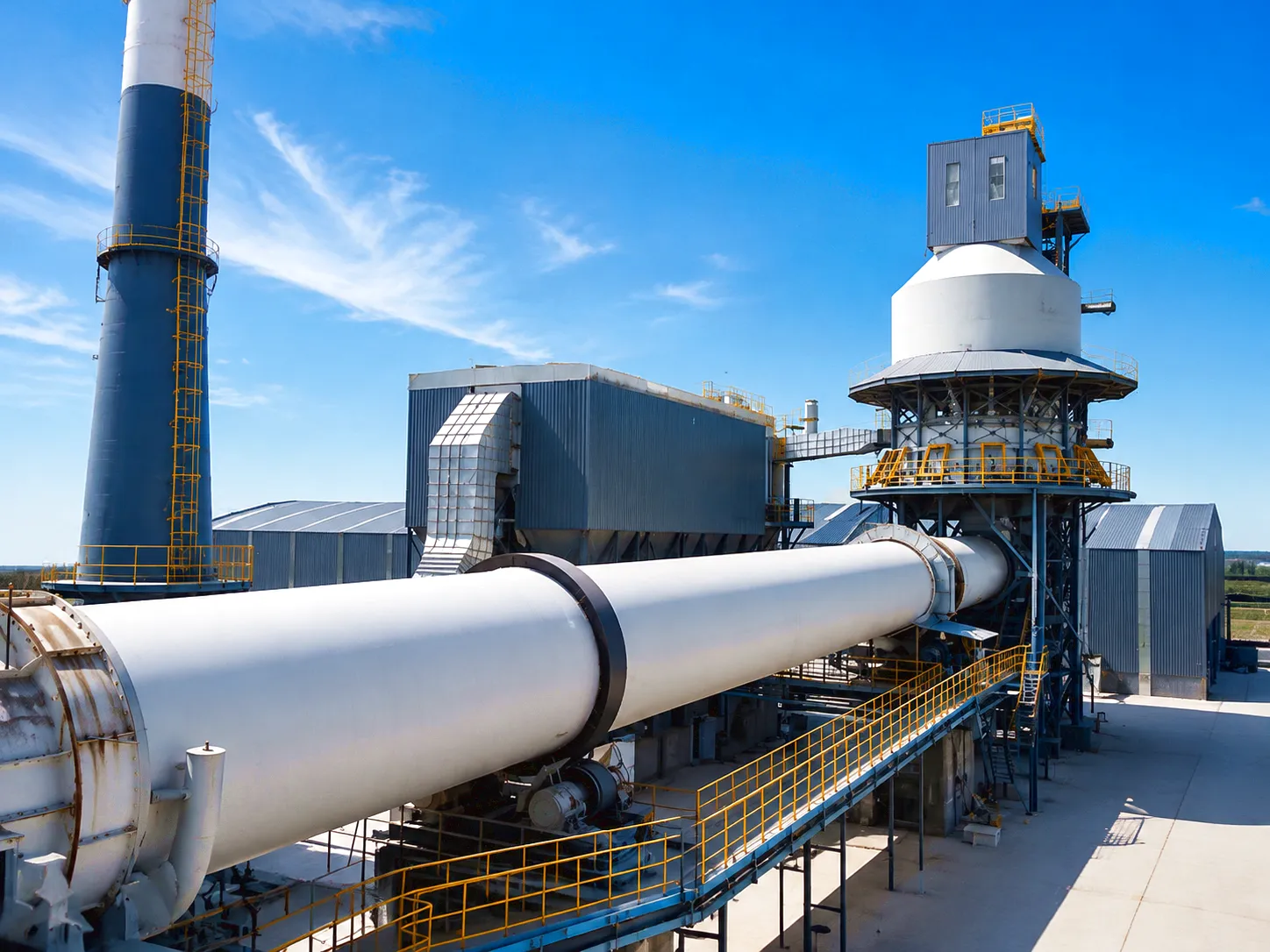
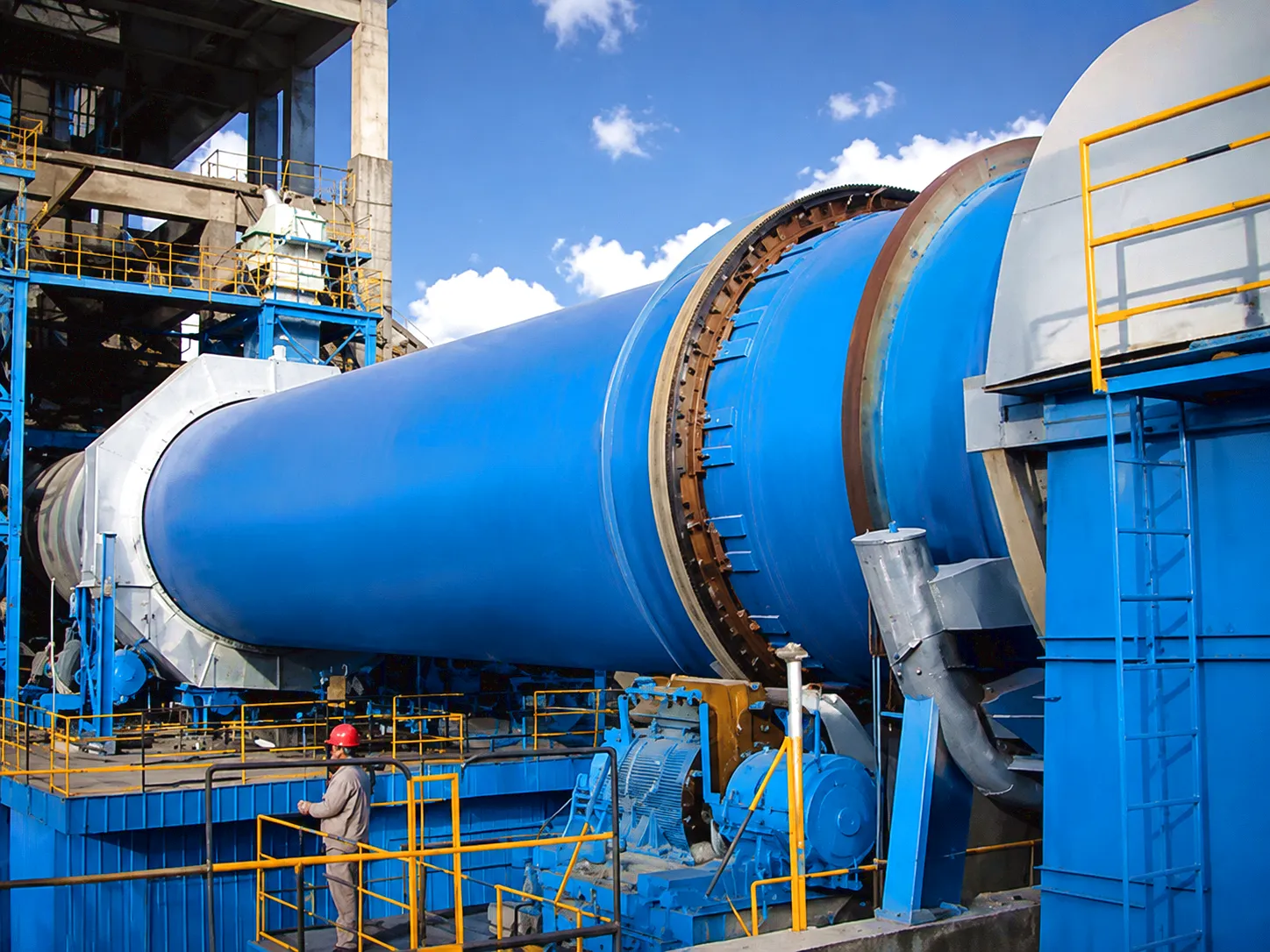
Coupling in cement raw mill drive

Preheater Fan and Kiln Cooling Fan Drive Couplings

The large induced-draft fans serving the preheater tower and the clinker cooler in a modern dry-process cement line are integral components of the kiln system and share its demand for reliable, vibration-tolerant coupling solutions. Preheater fans handling gas temperatures up to 400 °C at the cyclone outlets must drive through couplings that can accommodate the significant thermal growth of the fan shaft relative to the motor-gearbox assembly. In Sheffield and Birmingham area cement-affiliated plants handling co-processing of industrial waste as alternative fuels, the fans also experience higher-than-average vibration excitation from partial flow imbalance in the preheater, making the coupling’s vibration attenuation characteristic particularly valuable. For these fan drive positions, elastomeric couplings with neoprene or EPDM rubber elements provide outstanding vibration damping in combination with the radial misalignment tolerance needed to survive the thermal cycling of daily temperature swings between ambient and process conditions, without requiring the precision laser alignment protocols that disc pack solutions demand at installation.

Coupling in cement ball mill grinding drive

Cement Ball Mill and Roller Press Coupling Applications

The grinding circuit downstream of the rotary kiln places comparable or even higher demands on coupling technology, as ball mills and vertical roller mills generate continuous cyclic torque variation from the impact and grinding action of the mill charge. On the high-capacity horizontal ball mill drives common in UK integrated cement plants — typically rated at 1,500 kW to 6,000 kW — the coupling at the mill entry flange must handle torques in the same range as the kiln main drive while operating in an environment heavily contaminated with fine cement dust that can accelerate seal and grease degradation if not adequately protected. Labyrinth-sealed gear couplings with synthetic polyurea grease fill have proven particularly robust in these conditions, their wide grease retention volume and smooth labyrinth path preventing the cement dust ingress that causes fretting corrosion under conventional lip seals. For UK maintenance teams managing both the kiln and the grinding circuit from a single drive spares philosophy, standardising on gear-type couplings across both duty positions simplifies inventory management, reduces the technical training burden, and shortens mean-time-to-repair when emergency replacement becomes necessary during a production outage.

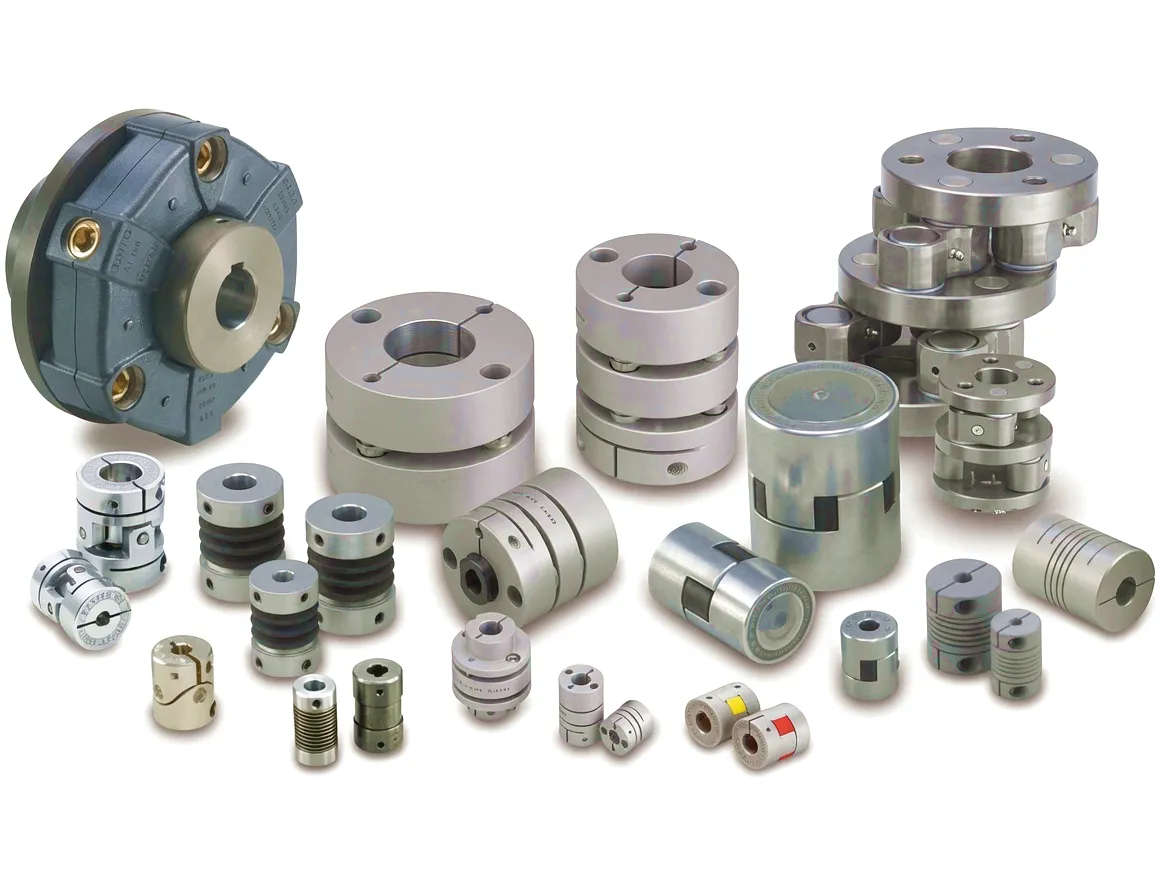
Our Coupling Product Range

Precision engineered couplings Ever Power

Custom Engineering — From Stock to Bespoke in 10 Days

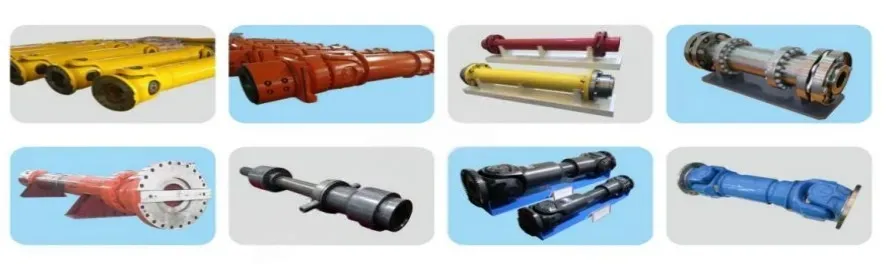
Featured Coupling Products for Cement Industry Drive Systems
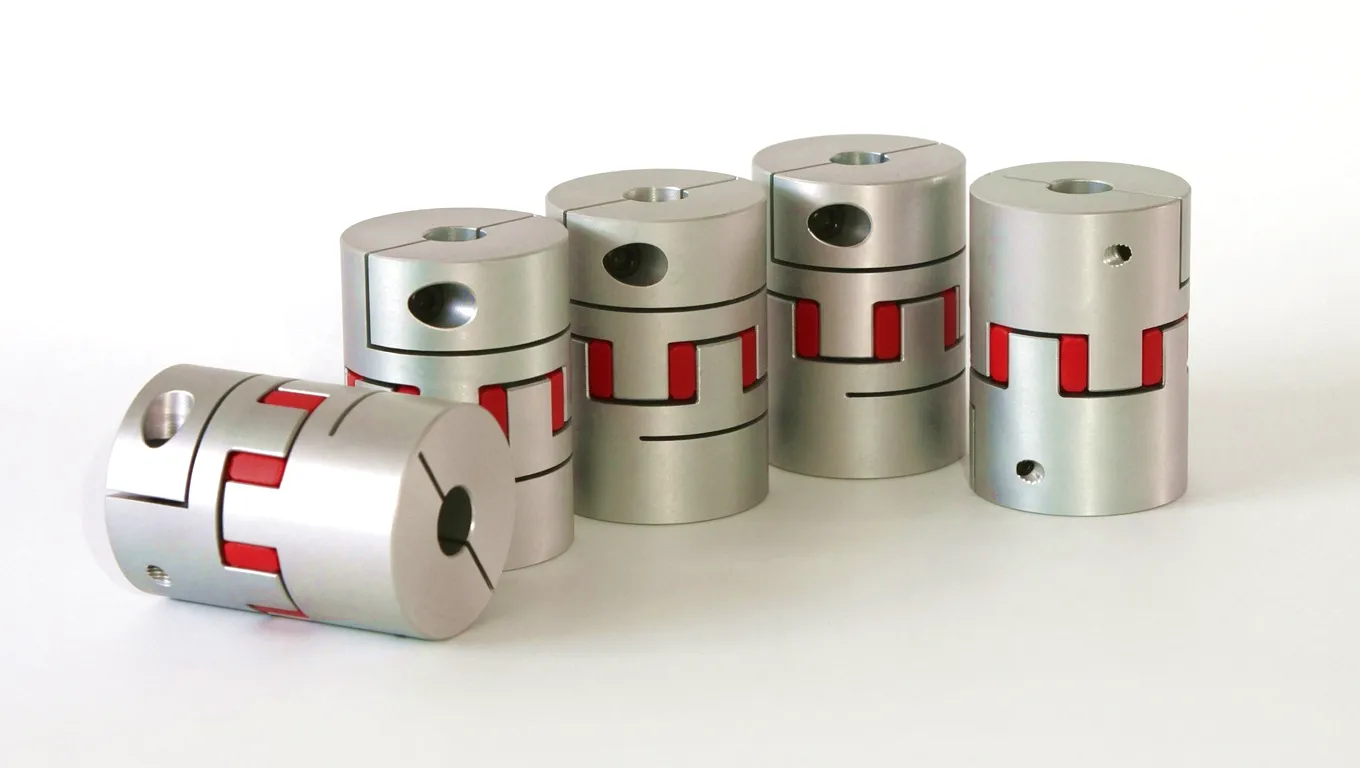
フレキシブルビームカップリング

フレキシブルビームカップリング

The Flexible Beam Coupling from Ever Power provides precise, zero-backlash torque transmission in a single-piece machined aluminium or stainless steel body. Its helical cut pattern generates torsional compliance while maintaining excellent angular and parallel misalignment capacity, making it the preferred coupling for encoder drives, servo motors, and precision measurement applications within the cement plant instrumentation and weighing circuits. The compact, clamp-style hub design allows tool-free replacement during maintenance windows, delivering measurable productivity benefits at UK cement plants where multi-shift maintenance crews manage tight planned outage schedules.
View Flexible Beam Coupling →

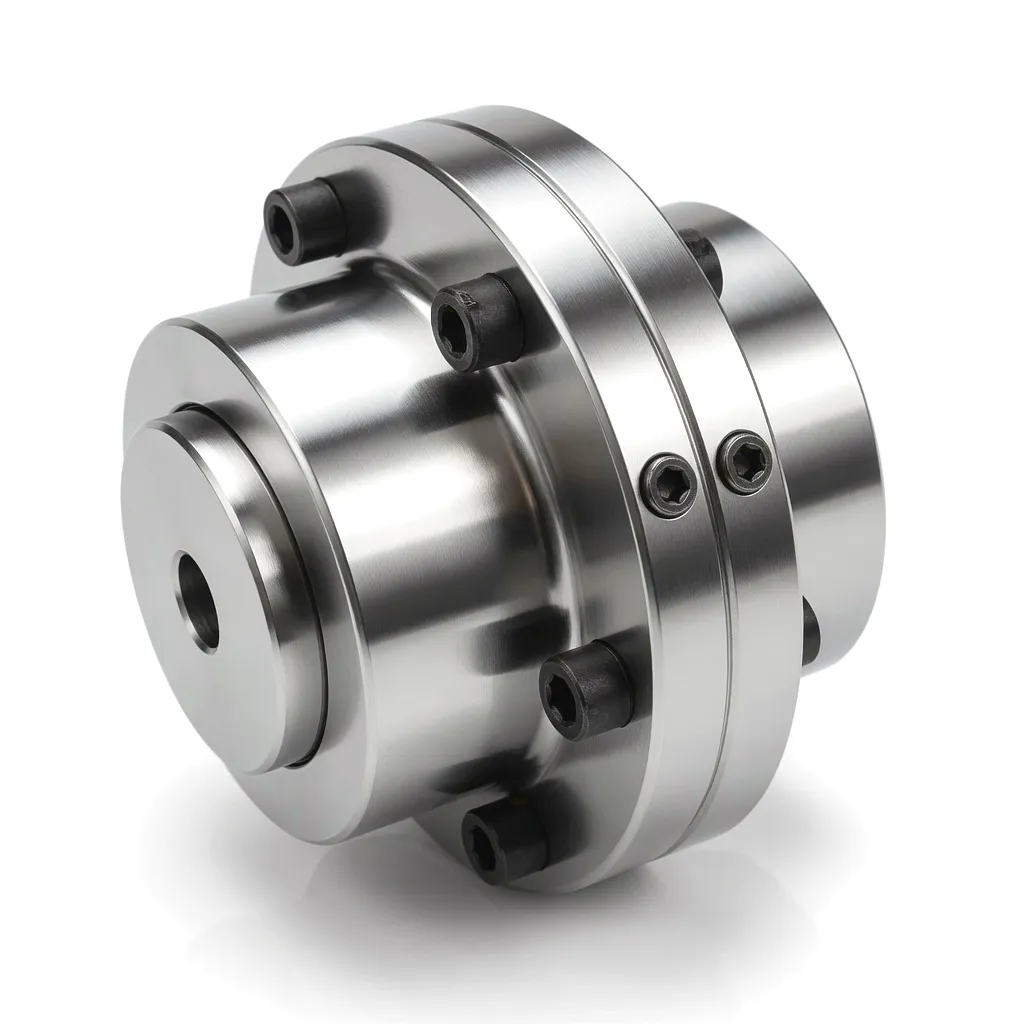
Disc Coupling for cement kiln drives

ディスクカップリング

The Disc Coupling represents Ever Power’s premium solution for high-speed, high-precision applications in the cement production process, including motor-to-gearbox connections on kiln main drives and high-speed fan drives. Manufactured from laser-cut stainless steel disc packs bolted alternately to the driving and driven flanges, this coupling transmits torque through metallic tension in the disc elements rather than sliding or elastomeric deformation, achieving transmission efficiencies above 99.8% with no maintenance requirement over multi-year service intervals. Its torsionally stiff characteristic makes it ideal for variable-speed drive systems where precise speed control and zero backlash are prerequisites for stable kiln operation and process optimisation.

View Disc Coupling →

Manufacturing Excellence

Ever Power: Custom Coupling Solutions for Cement Industry Drive Systems

Ever Power has engineered and manufactured industrial couplings for heavy-duty rotary equipment for over two decades, building a reputation for precision manufacturing and reliable customisation that has made the company a preferred supplier to cement producers, mineral processors, and heavy industrial operators across the United Kingdom, Europe, and worldwide export markets. The company’s manufacturing facility employs CNC gear hobbing and grinding centres capable of producing gear-type coupling teeth to AGMA Class 8 and DIN 6 tolerances, ensuring the dimensional accuracy that determines load distribution quality and service life in demanding cement kiln applications.

Ever Power’s customisation capability extends across every engineering dimension of a coupling specification: bore diameters and keyway geometries can be machined to exact customer drawings using ISO H7 fit tolerances or customer-specified interference fits; outer envelope dimensions are adjusted to satisfy drive house space constraints that retrofits inevitably impose; tooth module and number of teeth are calculated using proprietary software to achieve the optimum balance between surface durability and torsional stiffness for the specific load spectrum of each kiln drive. Non-standard materials — including duplex stainless steel, titanium alloy, and high-nickel iron for corrosive or extreme-temperature environments — are sourced through an audited supplier network that supports the supply chain traceability requirements of ISO 9001-certified cement producers.

The company’s quality assurance programme encompasses 100% dimensional inspection of all machined surfaces, material certification (EN 10204 Type 3.1 mill certificates available as standard), and hardness mapping of case-hardened gear teeth to verify case depth uniformity — a requirement increasingly specified by UK and European cement group procurement teams as part of their supplier qualification programmes. Lead times for standard sizes are typically 2 to 4 weeks ex-works, with expedited production available for emergency kiln-down situations, supported by the company’s established air freight partnerships with major UK logistics carriers for rapid international delivery when required.
✉  Get a Custom Quote from Ever Power

Ever Power coupling manufacturing facility

20+

Years Manufacturing

500+

Coupling Types Available

ISO

9001 Certified

48時間

Emergency Dispatch

Customer Success Story: Peak District Cement Works, Hope Valley, Derbyshire

🏭

Challenge: Recurring Main Drive Coupling Failures on Kiln No. 3

Location: Hope Valley, Derbyshire | Industry: Integrated Cement Manufacturing

A large integrated cement works in Hope Valley, Derbyshire — one of the UK’s most significant limestone-rich production regions — was experiencing an unacceptable pattern of main drive coupling failures on its No. 3 wet-process kiln. The existing straight-tooth gear coupling, which had been in continuous service for several years, was showing premature fretting corrosion on the gear teeth and persistent grease loss through the lip seals, requiring unplanned maintenance interventions every four to five months. Each unplanned stop cost the plant approximately 48 hours of lost production — a significant commercial penalty at a time when UK cement demand was running ahead of the site’s planned maintenance programme.

The plant’s chief mechanical engineer approached Ever Power for a detailed root-cause review and replacement recommendation. Ever Power’s engineering team conducted on-site measurements of the drive shaft alignment under both cold and hot operating conditions, discovering that the kiln shell’s thermal growth was producing 3.2 mm of combined parallel and angular misalignment at the coupling — well in excess of the straight-tooth unit’s design rating. Additionally, the existing lip seal was found to be incompatible with the high-temperature EP grease specification required at the coupling’s operating position near the kiln hot zone.

Ever Power supplied a custom-designed crowned-tooth gear coupling with a 340 mm bore diameter, enhanced labyrinth sealing rated to 200 °C continuous, and a synthetic polyurea grease fill specified for 24-month service intervals. The hub bores were machined to the customer’s exact shaft drawing tolerances, and the coupling was dynamically balanced to G 6.3 grade before despatch. Installation was completed during the plant’s next scheduled two-day maintenance window, with full laser alignment verification carried out to within 0.1 mm of target. The upgraded coupling has now operated through three consecutive annual maintenance intervals without requiring any intermediate intervention, extending the reliable running period from less than five months to over thirty-six months — a transformative improvement in plant availability for this critical kiln asset.
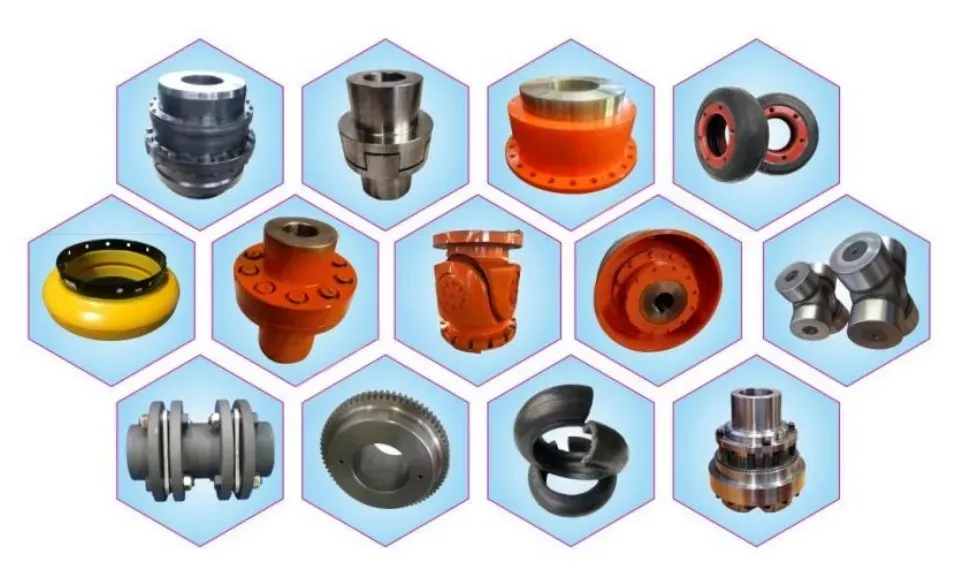
Ever Power coupling product range

What Our Customers Say About Ever Power Couplings

★★★★★

“The crowned-tooth gear coupling Ever Power supplied for our kiln No. 3 main drive has been outstanding. We went from four unplanned coupling-related stops per year to zero in the thirty-six months since installation. The labyrinth seal design has completely resolved the grease retention problem that plagued the previous unit. The technical support we received from Ever Power during the engineering review and installation was exactly what we needed from a supplier in this class of application.”

— Chief Mechanical Engineer, Integrated Cement Works, Hope Valley, Derbyshire

★★★★★

“We specified disc pack couplings from Ever Power for the motor-to-gearbox connection on our two kiln main drives and our cement mill drive during a major plant upgrade programme. The quality of manufacture — measured against our incoming inspection requirements for tooth pitch deviation, bore cylindricity, and balance grade — was excellent across all supplied units. Delivery lead times were committed and maintained even when we accelerated the project timeline, which is exactly the supply chain performance a plant of our scale demands.”

— Procurement Manager, Large Cement Group Plant, West Yorkshire

★★★★★

“Ever Power provided us with a bespoke coupling solution for an unusual shaft configuration on our auxiliary drive barring gear — a non-standard bore combination that no standard catalogue product covered. Their engineering team produced detailed drawings within forty-eight hours of receiving our dimensional data, confirmed the torsional stiffness calculations against our load spectrum, and delivered the finished components in three weeks. The coupling has performed faultlessly through two full annual maintenance cycles. We will not hesitate to return to Ever Power for future requirements across our UK plant portfolio.”

— Plant Engineering Director, Specialist Cement Producer, County Durham

Frequently Asked Questions — Couplings for Cement Rotary Kilns in the UK

What type of coupling is best suited for the main gearbox-to-pinion drive on a cement rotary kiln operating in the UK, and how do I determine the correct torque rating for my specific kiln?

For the main gearbox-to-pinion position, crowned-tooth gear-type couplings are the industry-standard choice across UK cement plants, offering the highest torque density combined with the angular and parallel misalignment capacity necessary to tolerate kiln shell thermal growth. To determine the correct torque rating, begin with the gearbox rated output torque, then apply service factors from AGMA 9000 or ISO 14691 that account for motor type, start frequency, and load spectrum characteristics — typically yielding a coupling selection torque 1.5 to 2.5 times the nominal running torque. Ever Power’s engineering team can assist with this calculation if you provide your motor rating, gearbox ratio, kiln shell diameter, and production tonnage target.

How much does a replacement main drive gear coupling typically cost for a cement rotary kiln in the UK, and where can I get a competitive supplier quote quickly?

Main drive gear coupling pricing for cement kiln duty varies considerably depending on bore diameter, torque rating, material specification, and customisation requirements. As an illustrative range, medium-capacity gear couplings suitable for kilns producing 2,000 to 4,000 tonnes per day of clinker are priced broadly between £8,000 and £45,000 depending on size and specification. High-capacity units for kilns above 5,000 tonnes per day capacity can exceed £80,000. For a competitive and accurate quotation that reflects your specific kiln drive configuration, contact Ever Power at [email protected] with your shaft drawings and operating data — responses are typically provided within 24 business hours.

Which coupling supplier in the UK can manufacture a custom gear coupling with a non-standard bore diameter and deliver it within three weeks for an emergency kiln repair at a cement plant in Sheffield or Birmingham?

Ever Power maintains expedited manufacturing capacity specifically for emergency cement kiln repair situations, with the ability to produce non-standard bore gear couplings machined to customer-supplied shaft drawings within 10 to 15 working days in the majority of size ranges. For projects in Sheffield, Birmingham, and across the Midlands and Yorkshire industrial belts, air freight and overnight road carrier services used by Ever Power typically deliver within 24 to 48 hours of despatch. Contact Ever Power at [email protected] providing your shaft drawings, bore diameter, keyway dimensions, torque rating, and required delivery location to receive a firm programme commitment.

How often should gear couplings on a cement rotary kiln main drive be inspected and regreased, and what signs indicate that the coupling needs replacing before the next planned UK maintenance outage?

Modern labyrinth-sealed gear couplings on kiln main drives should be inspected for external grease leakage and seal condition at each planned minor maintenance opportunity — typically every three to six months in UK cement operations — and regreased at intervals not exceeding 18 to 24 months using the grease type specified by the coupling manufacturer. Key warning indicators that suggest replacement before the next outage include: abnormal noise such as irregular clicking or grinding during rotation; measurable increase in drive motor current draw without corresponding production increase; visible grease leakage through the sleeve seal; detection of metallic debris particles during a grease sample analysis; or vibration amplitude readings at the drive end gearbox bearing that have increased by more than 50% from baseline. Any of these symptoms should prompt immediate investigation and coupling removal for internal inspection of tooth surface condition.

What is the difference between a gear-type coupling and a disc pack coupling for cement kiln drives, and which one offers better value for a UK cement plant looking to reduce annual maintenance costs?

Gear-type couplings transmit torque through meshing of internally and externally toothed elements lubricated with high-temperature grease, offering very high torque density and excellent misalignment capacity but requiring periodic lubrication maintenance. Disc pack couplings transmit torque through metallic disc elements bolted alternately to each flange, operating without lubrication and providing torsionally stiffer, zero-backlash performance suited to precision speed-controlled applications. For the main kiln drive at the bull gear pinion connection — where maximum torque density and misalignment tolerance are paramount — gear-type couplings typically offer superior value. For motor-to-gearbox intermediate shaft positions running at higher speeds in variable-speed drive configurations, disc pack couplings deliver lower lifetime maintenance cost through their maintenance-free operating characteristic. Many UK cement plants achieve the best overall outcome by using gear-type coupling at the low-speed pinion drive and disc pack at the high-speed input — an approach that Ever Power can support with coordinated supply of both coupling types.

Who provides reliable industrial coupling supply and technical engineering support for cement plants in the North of England and Scotland, including bespoke sizing and same-drawing manufacturing capability?

Ever Power provides comprehensive technical and supply support to cement plants across the North of England — including Yorkshire, Lancashire, Cumbria, and the North East — as well as Scotland’s industrial manufacturing base around Edinburgh, Glasgow, and Dunbar. The company’s engineering support service includes remote load analysis, coupling selection calculations, shaft alignment consultation, and on-request site engineering support. For bespoke manufacturing requirements, Ever Power’s CNC machining capability covers non-standard bore sizes, special keyway profiles, flange drilling patterns, and balance grades to suit any existing shaft configuration. Contact the technical team at [email protected] with your plant location, coupling application details, and any existing drawings or dimensional data to begin a no-obligation engineering review.

Ready to Solve Your Cement Kiln Coupling Challenge?

Send Ever Power your shaft drawings and load data and receive a full engineering review with coupling recommendation within 24 hours — no obligation, no sales pressure, just genuine technical expertise from a team that understands cement kiln drives.

✉  Contact Ever Power Engineering Team

[email protected]  |  Response guaranteed within 24 business hours

gzlによる編集