Malt Grinder Coupling — UK Industrial Guide

Sprzęgła do młynów słodowych: Ukryty silnik stojący za każdym idealnym naparem

A precision guide for UK brewing engineers, procurement managers, and plant operators on selecting, specifying, and maintaining couplings in malt grinding applications.

Coupling for malt grinder application

In the brewing industry across the United Kingdom — from the ale-proud heartlands of Burton-on-Trent to the craft malt houses of Edinburgh and the large-scale processing facilities scattered through Birmingham and Sheffield — the mechanical coupling is one of the least glamorous yet most operationally critical components in the entire production chain. A malt grinder runs for hours under sustained load, grinding kilned barley and other malted grains at precise rotational speeds to achieve the exact grist profile that determines wort quality and ultimately beer character. When the coupling between the drive motor and the grinding rolls fails, or simply transmits torque unevenly, the consequences ripple through every downstream stage: irregular particle size, inconsistent lauter bed permeability, yield losses, and unplanned downtime that no production manager wants to explain to a sales team already committed to a delivery schedule.

Couplings in malt grinding equipment need to reconcile a demanding set of competing requirements. They must transmit significant torque — often ranging from a few hundred to several thousand newton-metres depending on mill size — while simultaneously accommodating the shaft misalignment that inevitably develops as the grinder frame settles, bearings wear, or thermal cycling causes differential expansion. The environment inside a maltings or brewery is not gentle: fine malt dust infiltrates every crevice, humidity fluctuates seasonally, and wash-down procedures expose components to moisture and cleaning chemicals on a regular basis. A coupling that cannot survive these conditions reliably will drive maintenance costs upward and erode the competitive edge that modern UK brewing and distilling businesses work hard to maintain.

✉ Get a Quote Now

Fast response within 24 hours • UK & international enquiries welcome

How Couplings Work in Malt Grinder Drive Systems

Understanding the mechanical principles behind coupling selection

Coupling working principle diagram

At the mechanical level, a coupling joins two rotating shafts so that torque generated by the prime mover — typically an AC induction motor or a variable-frequency drive-controlled unit — is transferred to the driven shaft of the malt grinding roll assembly. The physics involved is straightforward in principle but demanding in practice. The coupling must maintain a continuous transmission path under cyclically varying loads because malt grain hardness is not uniform: whole grain barley, partially modified malts, and specialty malts such as crystal or roasted variants all present different resistance profiles as they enter the crushing zone between the grinding rolls.

Flexible couplings achieve this by incorporating an elastomeric or metallic intermediate element — sometimes called a spider, a disc pack, or a gear mesh — that deforms elastically as load fluctuates, absorbing peak torque spikes and preventing them from being transmitted destructively into motor bearings or gearbox internals. Gear-type couplings, which are widely specified in heavier malt processing applications, use precision-cut external gear teeth on two hubs that mesh with internal teeth on a surrounding sleeve. The slight curvature given to the tooth profiles — crown angle or spherical crowning — allows the coupling to tolerate angular and parallel shaft misalignment simultaneously, which is particularly valuable in older brewery buildings where floors settle unevenly and alignment must be checked and corrected during scheduled maintenance windows rather than continuously.

Torque Transmission

Continuous and shock-load torque transferred via gear mesh or elastomeric element between motor and grinding rolls, maintaining drive continuity across varying grain hardness profiles.

Kompensacja odchylenia

Crowned gear teeth or flexible disc elements accommodate angular misalignment up to 1.5 degrees and parallel offset up to several millimetres, protecting motor and gearbox bearings from induced radial loads.

🛠
Vibration Damping

Elastomeric elements in jaw or tyre couplings attenuate torsional vibration originating from grain particle fracture events, reducing fatigue loading on connected shaft components and roll bearings.

Materials Engineering: What Goes Into a High-Performance Malt Grinder Coupling

Material selection determines service life, hygiene compliance, and resistance to the brewery environment
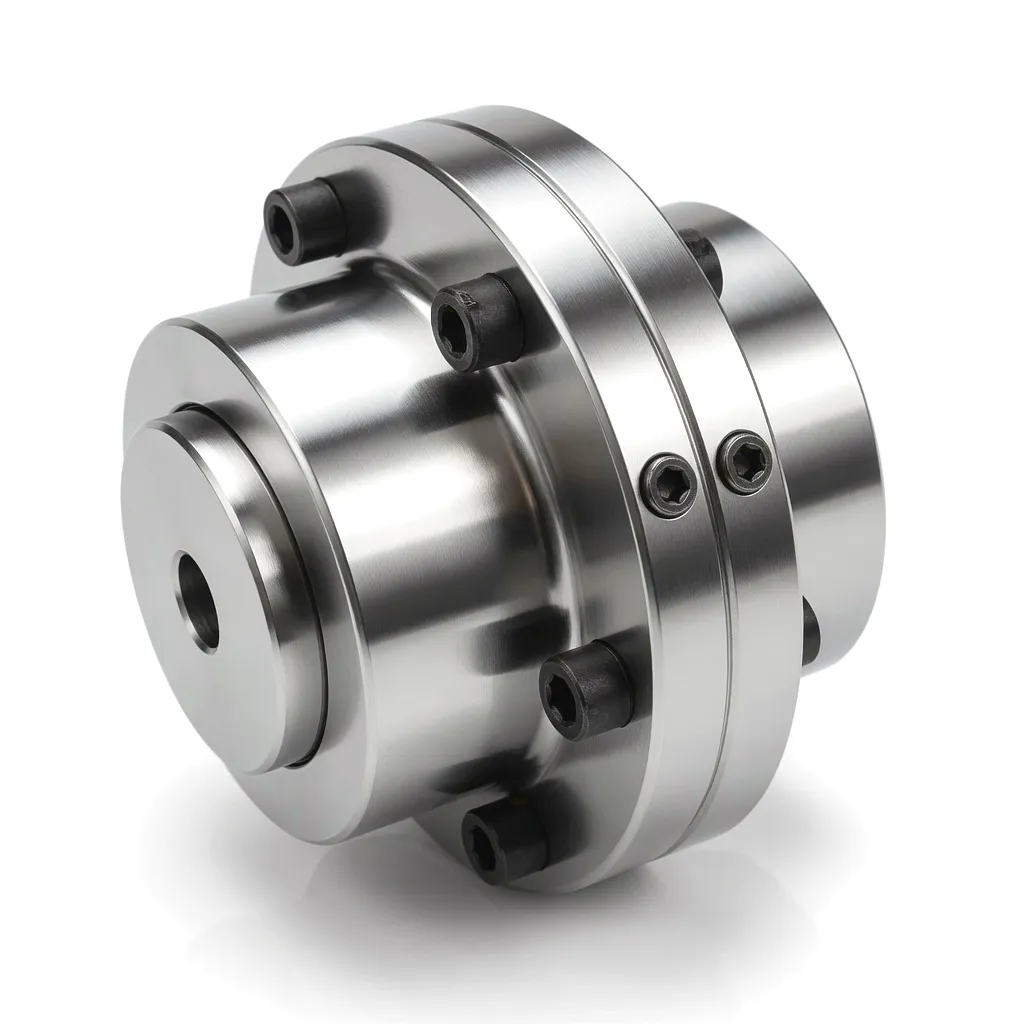
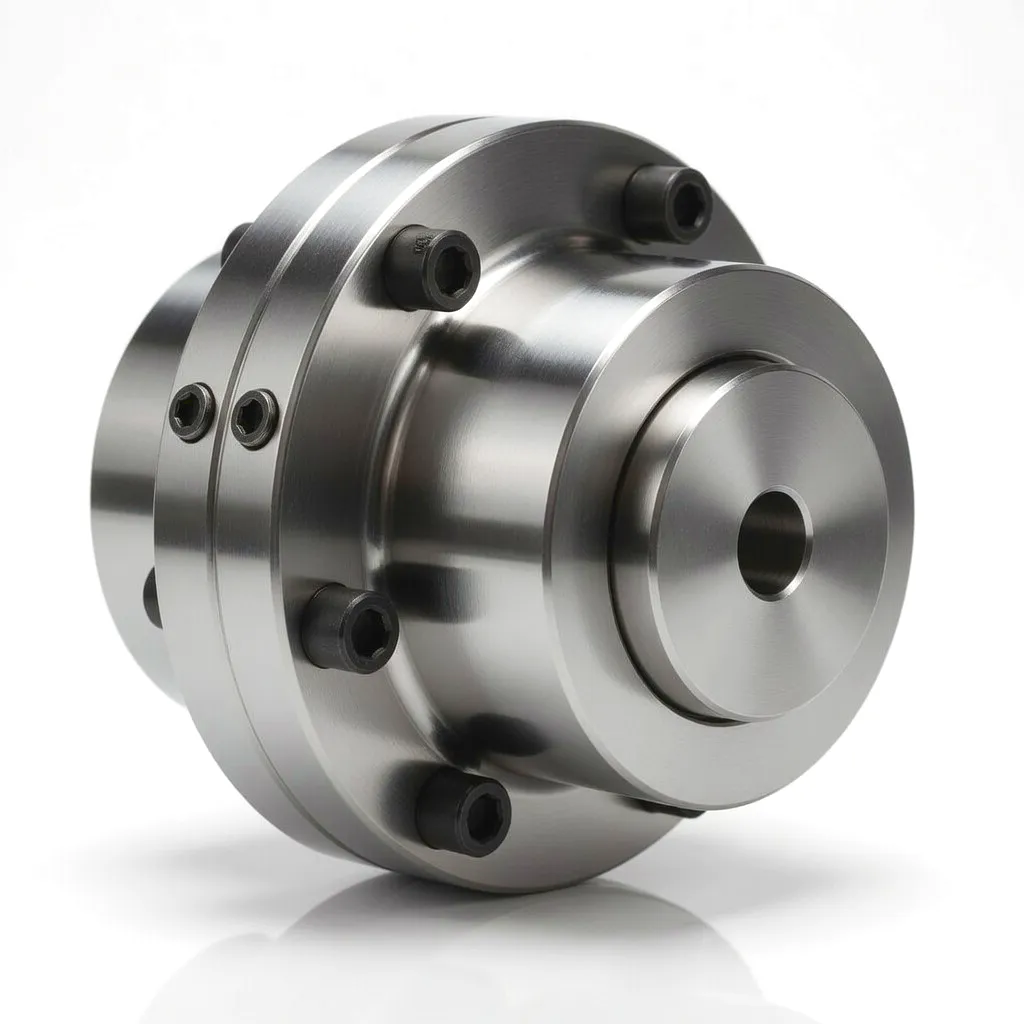
Coupling materials and construction

Material selection for couplings used in malt grinding is not simply about mechanical strength ratings. The operating environment introduces a unique set of chemical and physical challenges that must be addressed from the outset of any specification process. The presence of fine malt dust — which is mildly hygroscopic and can form abrasive slurries when combined with moisture — means that hub bore surfaces, keyway interfaces, and any exposed gear teeth must be protected against both corrosion and wear simultaneously. UK food and beverage processing facilities are also increasingly subject to rigorous hygiene audit requirements under BRC Global Standards and SALSA certification schemes, which creates an additional obligation to avoid coupling materials that could corrode, delaminate, or contaminate the product environment.

Carbon steel remains the dominant hub material for gear-type couplings deployed on the main drive shafts of larger industrial malt mills. Grades such as C45 or 42CrMo4 (equivalent to EN 10083 specifications widely referenced by UK mechanical engineers) offer an excellent balance of machinability, hardenability, and fatigue resistance. The gear teeth on carbon steel hubs are typically induction-hardened to achieve surface hardness values in the range of 50 to 58 HRC, which extends the useful service life of the coupling considerably even under the repetitive load reversals associated with batch milling operations. For coupling sleeves, which experience more complex stress states due to internal tooth bending loads, high-strength alloy steel forgings are preferred over castings because the grain flow in forged components provides superior fatigue crack resistance.

Carbon Steel (C45 / 42CrMo4)

Hub bodies and sleeves; induction-hardened teeth; excellent fatigue resistance and machinability for precise bore tolerancing to H7 or JS7 fit.

316L Stainless Steel

Wash-down zone applications; food-grade surfaces; resists malt acids, caustic cleaning agents, and continuous moisture exposure without pitting or crevice corrosion.

Polyurethane / Hytrel Elastomer

Spider elements in jaw couplings; absorbs torsional shock; retains resilience from -40 C to +120 C; compatible with malt oils and dilute cleaning fluids.

Spring Steel Disc Packs

Disc couplings for variable-speed mill drives; zero-backlash transmission with high torsional stiffness; ideal for precise roll gap control on craft malt mills.

Zinc-nickel plating and phosphate-with-oil surface treatments are increasingly specified on UK projects to extend corrosion protection beyond what standard zinc plating provides, particularly in Scottish Highland distillery environments where altitude, rainfall, and cold temperatures combine to accelerate oxidation of unprotected carbon steel surfaces.

Product Advantages: Why Gear-Type Couplings Lead in Malt Grinder Applications

Technical benefits that translate directly to reduced downtime and lower total cost of ownership

Wysoka gęstość momentu obrotowego

Gear-type couplings achieve torque ratings of up to 4,600 Nm and beyond within compact envelope dimensions, making them ideal for retrofit into existing malt mill frames without requiring structural modifications to the surrounding steelwork or drive train layout. This is particularly valuable in Victorian-era maltings buildings common across the English Midlands, where headroom and access are often restricted.

Maintenance-Friendly Design

Split-sleeve designs allow the coupling to be inspected, lubricated, or replaced without dismounting the connected motor or gearbox shafts. For busy production sites in locations such as Sheffield’s brewing and food processing districts, this means planned maintenance windows can be scheduled and completed within a single shift, avoiding the multi-day shutdowns that full shaft removal would otherwise demand.

Tolerancja odchylenia

Crowned gear tooth profiles allow angular misalignment of 0.5 to 1.5 degrees and parallel offset compensation of 0.1 to 0.5 mm within a single coupling unit. These tolerances reduce the precision burden during installation and re-alignment after mill maintenance, which translates directly into shorter downtime and lower labour costs for the engineering team on site.

Długie okresy międzyserwisowe

With appropriate lubricant selection and a maintenance regime aligned to the mill manufacturer’s recommendations, gear-type couplings routinely achieve service intervals of 8,000 hours or more between inspections. Continuous-lube or sealed-for-life variants extend this further, reducing the total number of planned interventions and their associated labour costs over the coupling’s operational lifespan.

Absorpcja obciążenia udarowego

During motor start-up and any sudden jam events caused by oversized grain material entering the mill nip, the coupling acts as a mechanical fuse and buffer. Elastomeric elements absorb peak transient loads that could otherwise spike to three or four times the nominal torque, protecting the motor windings and gearbox internals from fatigue damage that shortens service life and creates costly component replacement cycles.

Speed and Bore Flexibility

Gear-type couplings are available across a wide range of bore diameters and speed ratings, making them compatible with both the direct-drive variable-frequency drive arrangements favoured by modern craft malt mills and the belt-and-pulley indirect drive systems still common in traditional floor maltings operations across East Anglia and the Scottish Lowlands.

Technical Performance Parameters — Coupling Series for Malt Grinder Drives

Indicative data for gear-type and flexible disc coupling variants; consult Ever Power engineering for application-specific sizing
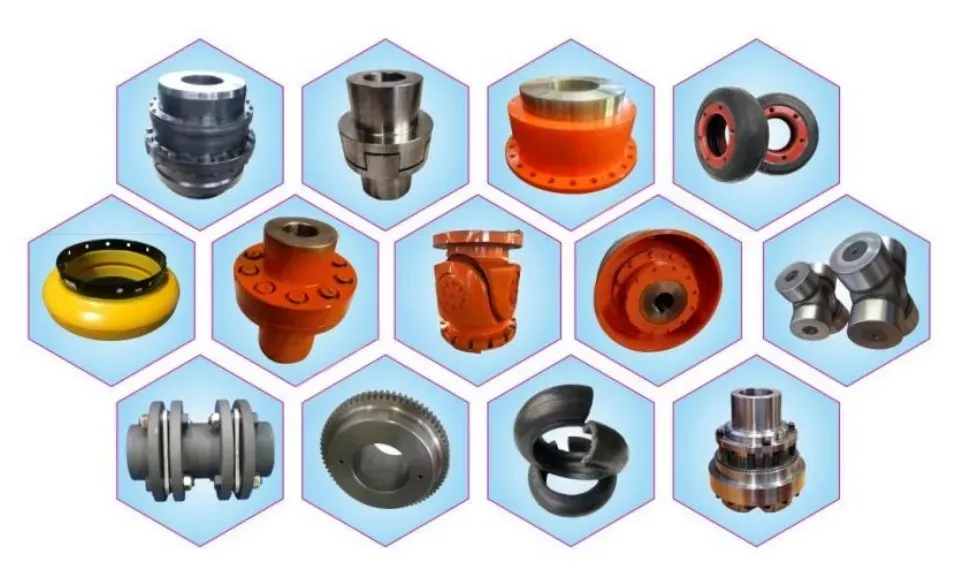
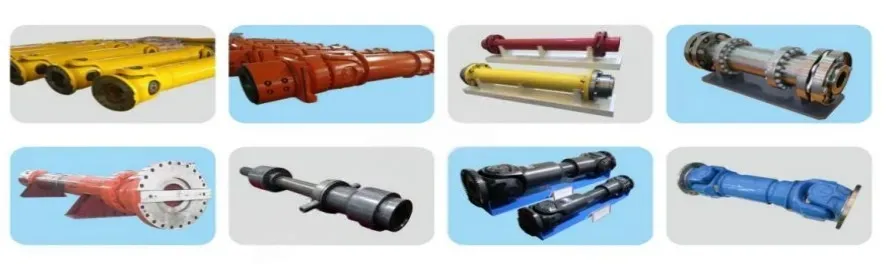
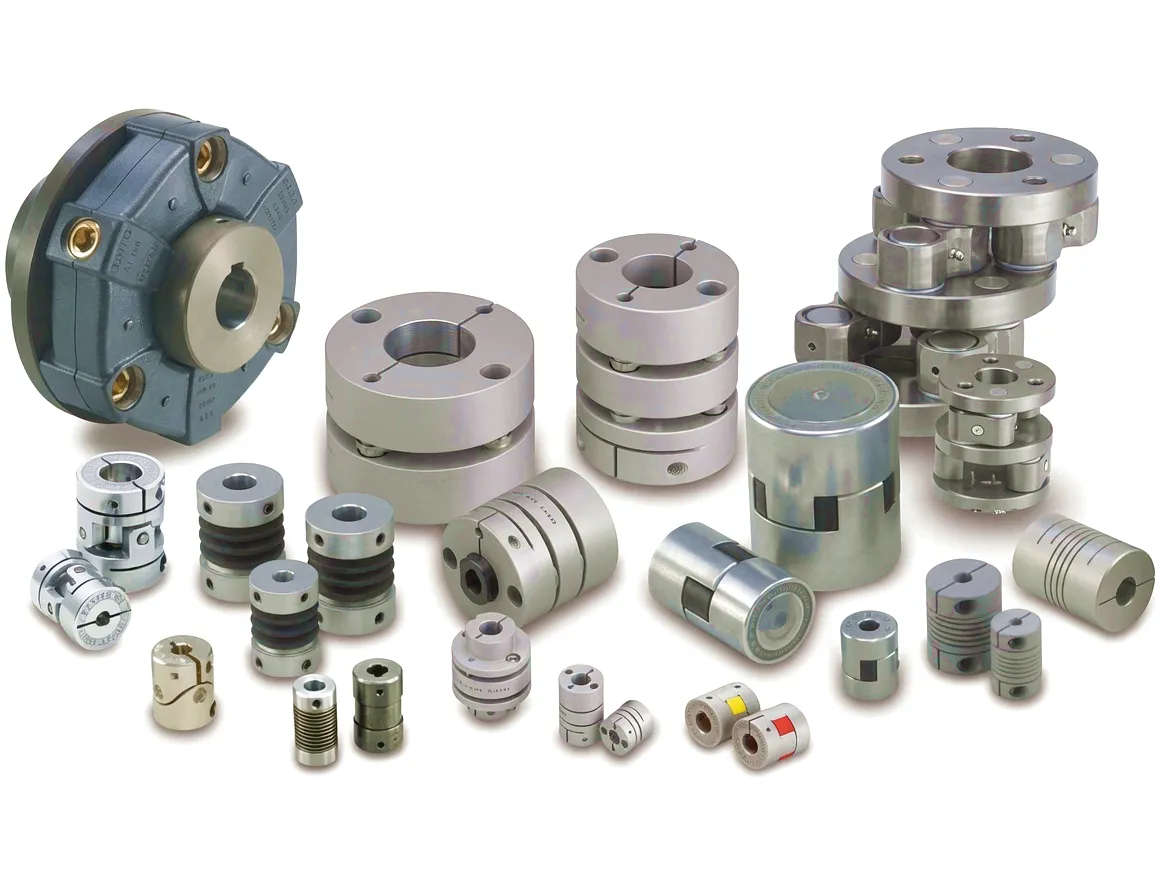
Coupling product collection

Standard Coupling Range

Coupling product set

Precision Coupling Series

ParametrGear-Type Coupling (Standard)Gear-Type Coupling (Heavy Duty)Disc Coupling (Precision)Jaw Coupling (Flexible)
Nominal Torque (Nm)160 to 4,0004,000 to 45,00050 to 12,0005 to 3,500
Peak / Shock Torque (Nm)Up to 2 x NominalUp to 2.5 x NominalUp to 3 x NominalUp to 3.5 x Nominal
Maksymalna prędkość (obr./min)1,000 to 3,600500 to 2,200Up to 8,000Do 4500
Niewspółosiowość kątowaUp to 1.5 degUp to 1.0 degUp to 1.0 degUp to 3.0 deg
Parallel Offset (mm)0.10 to 0.500.10 to 0.350.05 to 0.250.50 to 2.00
Zakres otworu piasty (mm)20 to 12080 to 25010 to 1406 to 90
Materiał piastyC45 / 42CrMo4 Steel40CrNiMoA Alloy SteelC45 / SS316L OptionGG25 Cast Iron / SS304
Obróbka powierzchniZn-Ni Plated or PhosphatedZn-Ni Plated + OilPassivated (SS) or Zn-NiPaint or Zn Plated
SmarowanieGrease (NLGI 2+)Grease / Oil BathNone (maintenance-free)None (elastomer element)
Temp. Range (deg C)-20 do +100-20 do +120-50 to +280-40 to +120
Torsional StiffnessHighVery HighVery High (zero-backlash)Low to Medium

Application Scenarios: Couplings Across the Malt Grinding Industry

How UK brewing, distilling, and food processing sectors deploy couplings in malt grinder drive trains

Application Scenario 1

Two-Roll Malt Mill Drive in Commercial Brewing Facilities
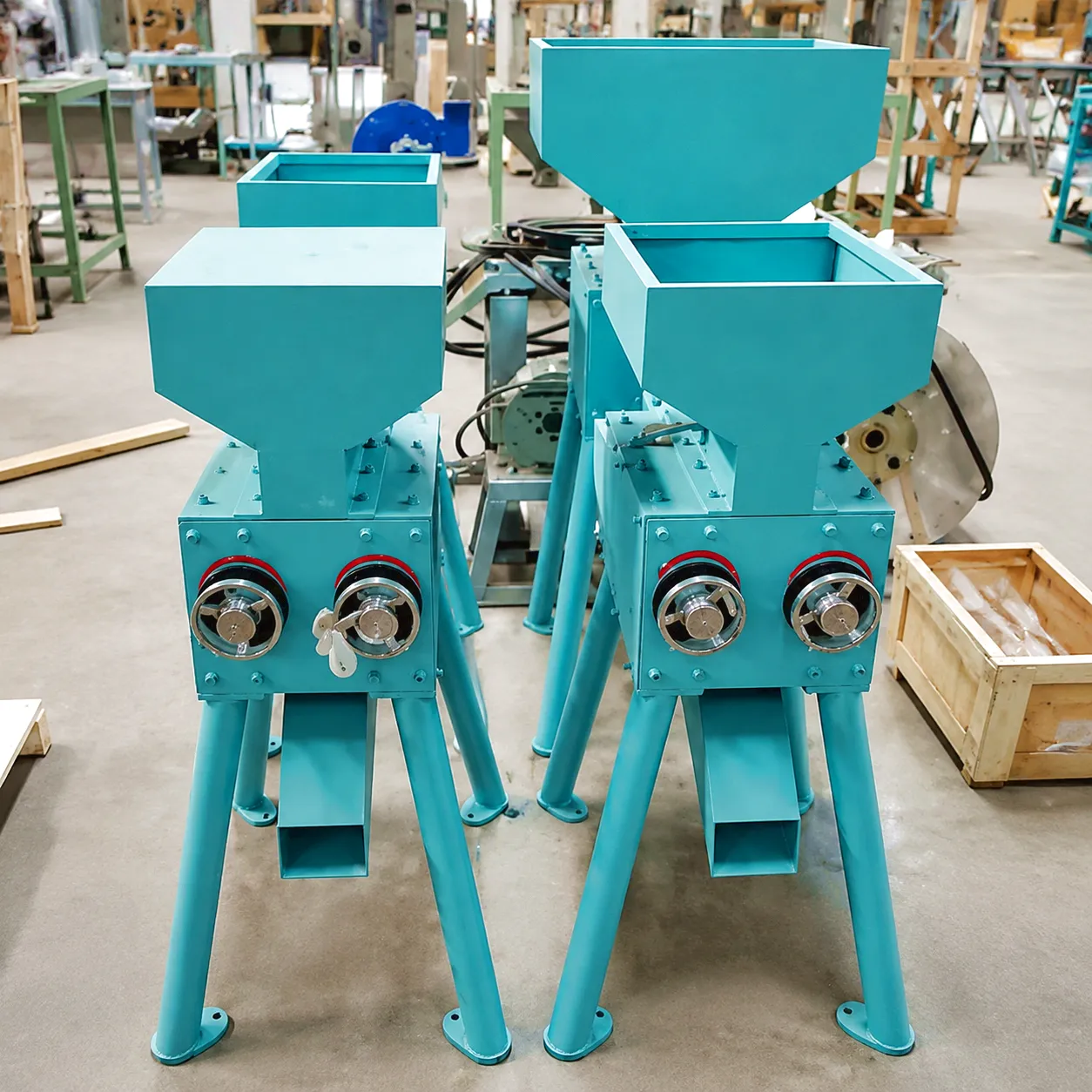
Two-roll malt mill drive coupling application

The two-roll malt mill is the workhorse of the commercial brewing industry across England, Scotland, and Wales. In facilities ranging from microbrewery scale — often operating with 500 kg to 2,000 kg per hour grain throughput capacity — to large regional breweries processing multiple tonnes per hour in continuous operation, the coupling between the electric motor and the fixed or adjustable roll shaft is subject to relentless duty. Gear-type couplings selected for this application must handle not only the sustained torque demand of crushing malted barley but also the intermittent shock loading generated when a stone, a lump of compacted malt, or an oversized husk cluster enters the crushing nip and momentarily jams the rolls before being expelled. Birmingham’s growing craft brewing scene, which now includes dozens of independent production facilities in the Jewellery Quarter and Digbeth districts, has seen significant investment in two-roll mill upgrades over the past five years, and coupling replacement or upgrade is a recurring item in the maintenance budgets of these operations. Specifying a coupling with a service factor of at least 2.0 above the nominal motor torque is standard practice in this application, and many engineers prefer 2.5 when direct-on-line motor starters without soft-start functionality are in use.

Application Scenario 2

Six-Roll Hammer Mill Drive for Distillery Grist Production
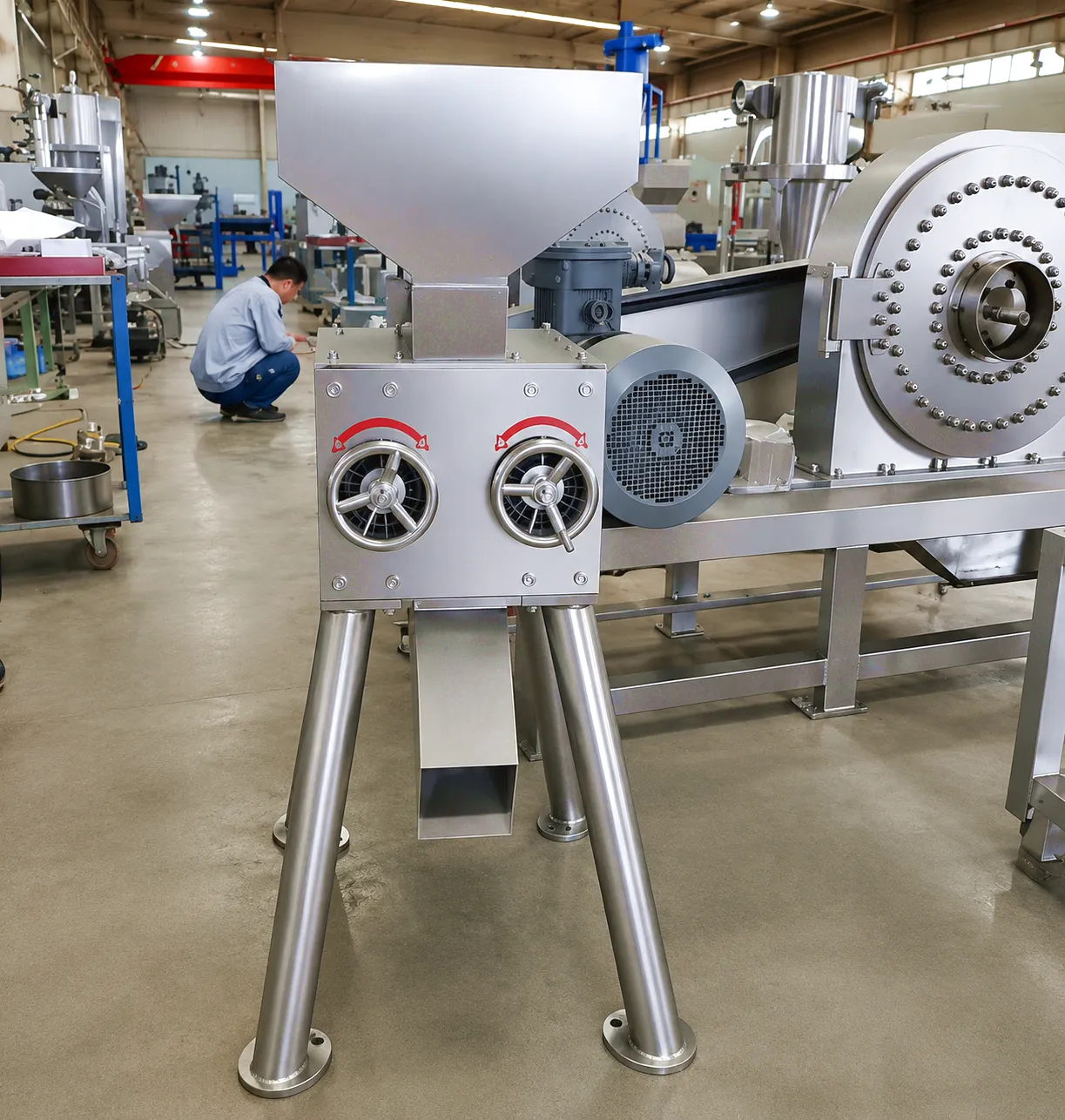
Six-roll hammer mill distillery coupling

Scotland’s distilling industry — which generated over 6 billion pounds in export value in 2024 and encompasses hundreds of registered Scotch whisky distilleries from the Speyside valley to the Campbeltown peninsula — demands a higher degree of grist consistency than the commercial brewing sector. Malt grist for whisky distilling must achieve a precise particle size distribution, typically expressed as a percentage of flour, grits, and husks, that is tightly controlled to optimise wort run-off time in the mash tun and achieve maximum fermentable extract recovery. The six-roll mill, which processes the malt through three successive pairs of rolls each set at a progressively finer gap, places the coupling on the first-stage roll at the highest risk because this position receives unscreened whole grain with the greatest potential for jam events. Heavy-duty gear-type couplings with forged steel sleeves and large crowned tooth profiles are the preferred solution here, often manufactured to ISO 14691 standards and fitted with continuous grease lubrication systems that supply fresh lubricant to the gear mesh during operation, preventing the lubricant degradation caused by frictional heat that is common in sealed-for-life units running under high continuous load in warm mill rooms.

Application Scenario 3

Craft Microbrewery Variable-Speed Malt Mill with Disc Coupling
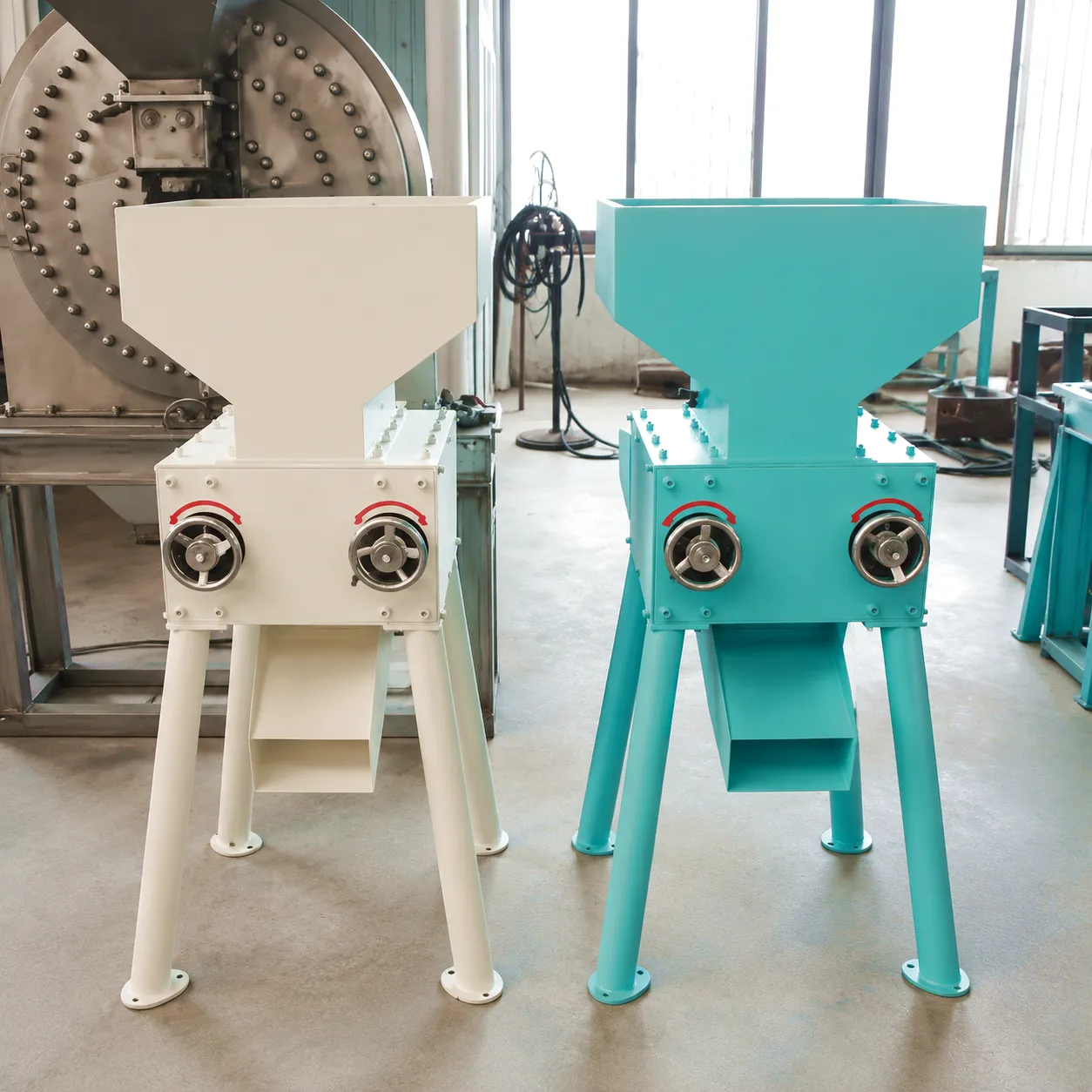
Craft microbrewery variable speed malt mill coupling

The rapid expansion of craft brewing across English cities including Manchester, Leeds, Bristol, and Nottingham has created a new segment of malt grinding equipment operating under very different duty conditions from the large industrial installations described above. Craft microbreweries typically process smaller grain batches, often between 50 kg and 500 kg per brew, using compact two-roll or three-roll mills driven by variable-frequency controlled motors that allow the brewer to adjust mill speed in real time to suit different grain types — pale malt, wheat malt, rye, and adjuncts such as oats or corn all have different optimal grinding speeds. For these applications, disc couplings offer a compelling set of advantages. The metallic disc packs provide zero-backlash torque transmission, which means the mill roll speed tracks the VFD output signal precisely without the angular play that can introduce positional error in applications where the roll gap is controlled automatically by a PLC feedback loop. The stainless steel construction options available for disc couplings also align well with the hygiene requirements increasingly imposed on craft brewery equipment under SALSA and BRC audit frameworks, where the use of food-safe materials in the drive train is beginning to be scrutinised alongside the more obvious food contact surfaces.

Application Scenario 4

Malt Flour Production for Food Industry Applications in Sheffield
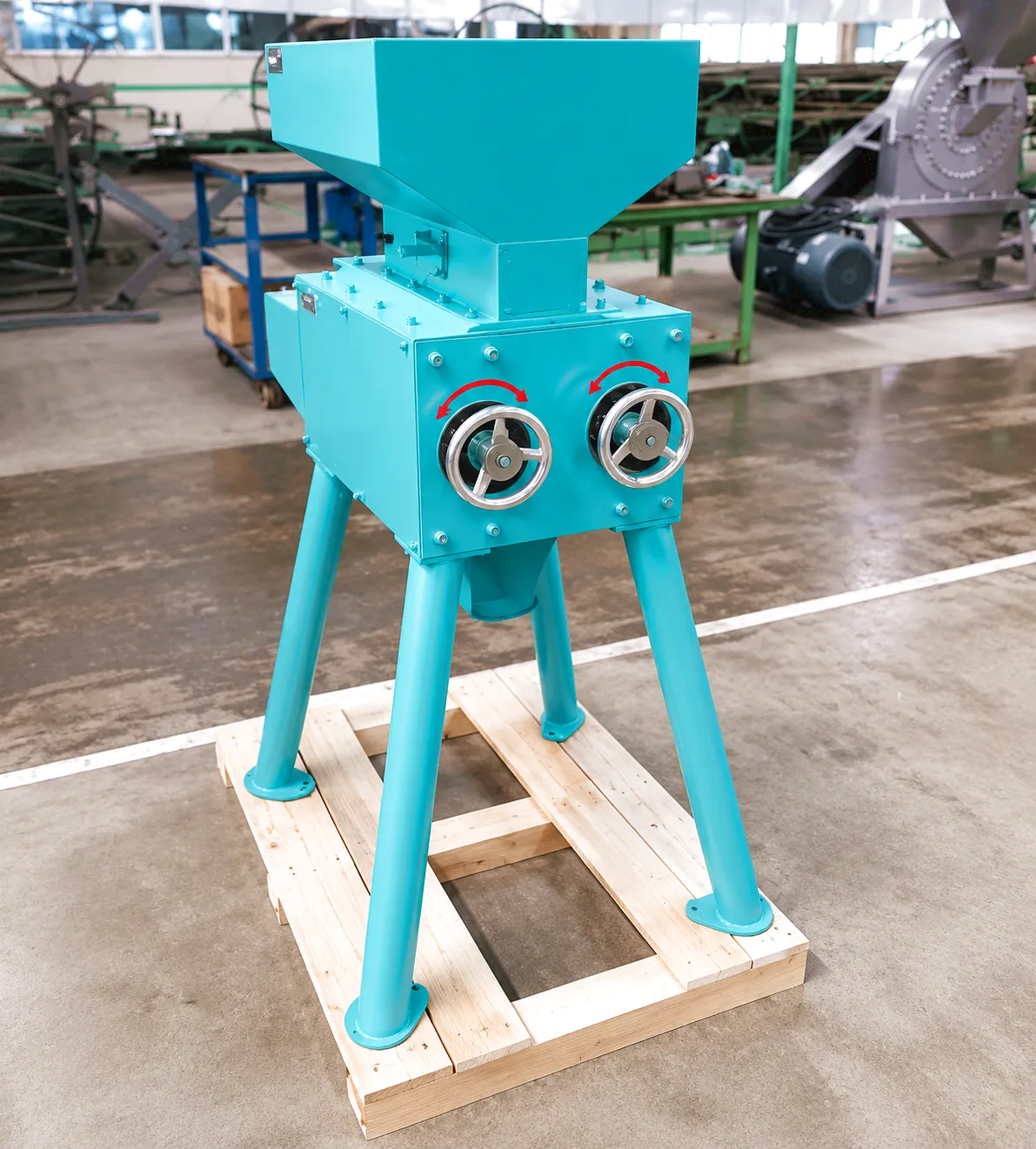
Malt flour production food industry coupling Sheffield

Beyond the brewing and distilling sectors, malted grain grinding also serves the food ingredients industry, where malt flour and malt extract are produced for use in baked goods, breakfast cereals, infant nutrition formulations, and flavouring compounds. Sheffield — historically associated with steel manufacturing but now home to a diversified advanced manufacturing and food technology cluster — hosts several food ingredient producers who operate continuous malt flour mills alongside other grain processing lines. The coupling requirements in these applications differ from brewery duty in one important respect: the mill is often expected to run continuously for multiple shifts, sometimes 24 hours per day, with planned shutdowns only during scheduled weekly maintenance windows. This continuous duty regime places exceptional demands on coupling service life and lubricant retention. Sealed gear-type couplings with improved sealing systems that prevent malt dust ingress while retaining grease through millions of operating cycles are the preferred solution in these facilities. Ever Power engineers have worked directly with food processing clients in South Yorkshire to develop coupling specifications that meet the sustained duty requirements while complying with the traceability documentation that food safety regulators expect for critical drive train components in HACCP-controlled processing environments.

Featured Coupling Products for Malt Grinder Applications

Two precision-engineered coupling solutions from Ever Power, built for demanding grain processing environments

Recommended for Malt Mills

Elastyczne sprzęgło belki

The Flexible Beam Coupling from Ever Power is a precision-machined single-body coupling designed for low to medium torque applications requiring zero-backlash performance. Manufactured from high-strength aluminium alloy with helical beam cuts that provide the compliance element, this coupling type is particularly well suited to the servo-driven and stepper-motor driven roll gap adjustment systems increasingly fitted to modern craft malt mills. The beam coupling accommodates angular misalignment up to 3 degrees and parallel offset while maintaining a continuous torque path, making it an excellent choice for the feed screw drives and conveying mechanisms that transport grist away from the mill rolls towards the collection bin or mash vessel.

View Flexible Beam Coupling →

High Precision Solution

Sprzęgło tarczowe

The Disc Coupling range from Ever Power delivers zero-backlash torque transmission through metallic spring steel disc packs that flex to accommodate misalignment while transmitting torque with exceptional stiffness and precision. For malt grinder applications where a variable-frequency drive is used to maintain precise roll surface speed regardless of load variation, the disc coupling ensures that speed signals from the VFD translate directly and accurately into grinding roll rotation without the angular lag or positional uncertainty that elastomeric coupling elements can introduce. Disc couplings are also well regarded by process engineers in food ingredient production facilities for their clean design, which minimises dust trap areas and simplifies the wash-down procedures required under HACCP food safety management protocols.

View Disc Coupling →

Manufacturing Excellence

Ever Power: Precision Couplings Engineered for the Most Demanding UK Malt Grinding Environments
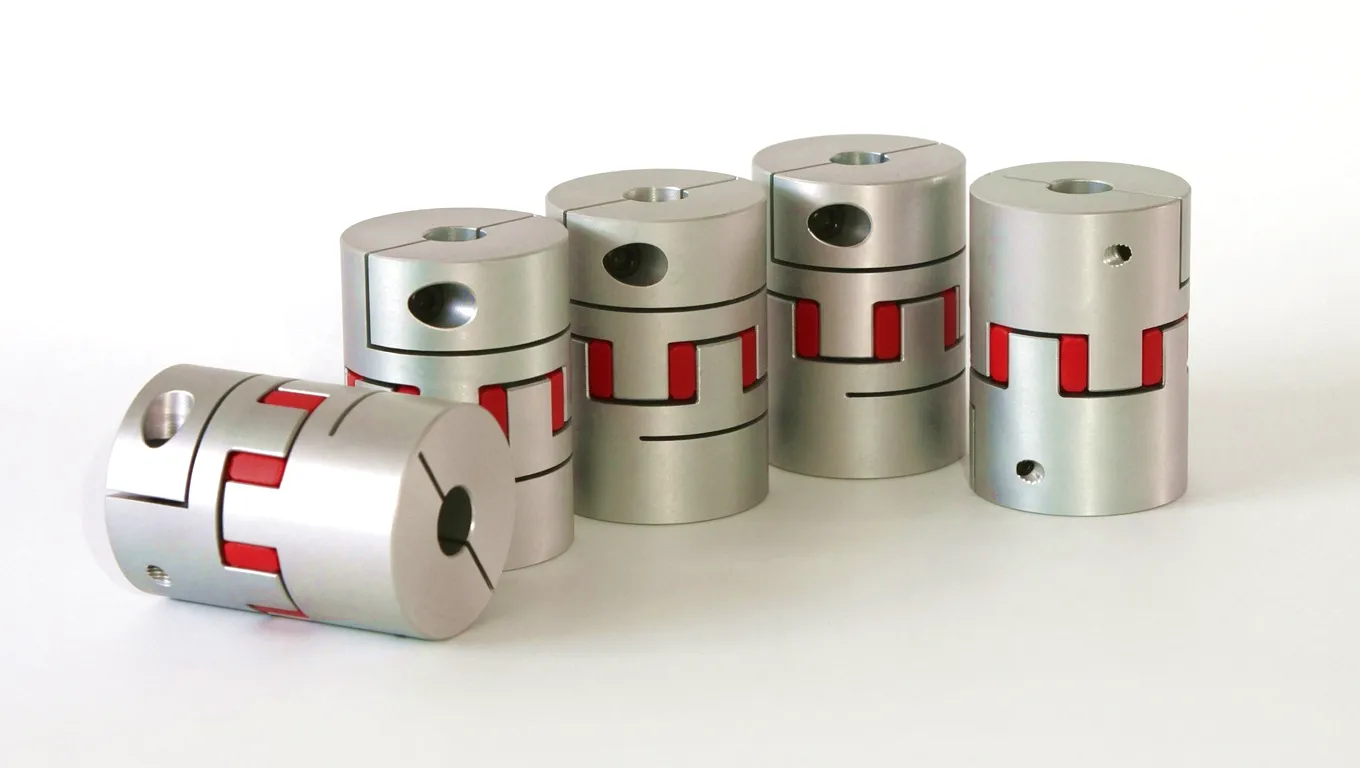
Ever Power operates from a manufacturing campus covering over 60,000 square metres, with dedicated production lines for gear-type couplings, disc couplings, beam couplings, and the full range of flexible shaft connection components used in food processing, brewing, distilling, and industrial malt grinding applications. The facility holds ISO 9001 quality management certification, and all coupling components are manufactured to DIN, ISO, and AGMA standards applicable to the UK and European export markets.

Customisation is one of Ever Power’s core engineering capabilities. When a brewery engineer in Burton-on-Trent needs a coupling with a non-standard bore diameter and keyway combination to suit a legacy motor shaft that does not conform to metric standards, the Ever Power engineering team can machine bespoke hub bores to tolerance grades of IT6 or better, supply keyway slots to DIN 6885 profile specifications, and provide full dimensional inspection reports with each batch. For distillery clients in Scotland requiring stainless steel external surfaces for hygiene compliance, Ever Power manufactures complete coupling assemblies in SS316L with electropolished external surfaces that meet surface roughness values of Ra 0.8 micrometres or better, compatible with the spray wash-down procedures used in maltings and still-house environments.

Supply chain reliability matters greatly to UK buyers. Ever Power maintains a buffer stock programme for its most commonly specified coupling sizes, allowing shipment within five to ten working days for standard catalogue items. For custom-engineered couplings, the team provides confirmed lead time quotations within 24 hours of receiving a complete technical specification, which allows UK procurement managers to plan maintenance schedules and equipment upgrades with confidence. DDP Incoterms delivery to UK ports or directly to site is available, and the Ever Power export team handles all customs documentation for post-Brexit import clearance.

Ever Power coupling manufacturing facility

60,000
m² Facility
3,000+
Projects Completed
10,000+
Customers Worldwide
68+
Patents Held
150+
Engineers on Team
ISO 9001
Quality Certified
✉ Get a Custom Coupling Quote from Ever Power

[email protected] • Technical drawings accepted • NDA available on request

Customer Success Story: Thornbridge Malt Processing, Sheffield

How a Sheffield food ingredient producer eliminated a chronic coupling failure problem and cut annual maintenance costs by 38%
Case Study • Sheffield, South Yorkshire
Thornbridge Malt Processing Ltd — Continuous Malt Flour Production Line Upgrade
Przemysł
Food Ingredient Manufacturing
Lokalizacja
Sheffield, South Yorkshire, Wielka Brytania
Aplikacja
Continuous 24/7 malt flour milling, 4-roll reduction mill, 55kW direct drive
Wynik
38% reduction in annual coupling maintenance costs; zero unplanned stoppages over 14 months

Thornbridge Malt Processing Ltd operates a 24-hour malt flour production facility on the eastern outskirts of Sheffield, supplying the UK baking and ready-to-eat cereal sectors. The company’s core production line centres on a four-roll malt reduction mill capable of processing 8 tonnes per hour of kilned barley malt into flour fractions with a consistent particle size distribution. When Thornbridge’s engineering maintenance manager contacted Ever Power in early 2024, the facility was experiencing coupling failure on the first-stage roll drive at an average interval of just 11 weeks. The original coupling — a standard elastomeric jaw type sourced from a European distributor — was failing because the continuous 24-hour duty cycle was degrading the polyurethane spider element faster than the manufacturer’s catalogue data suggested, a discrepancy the Ever Power engineering team attributed to the combination of elevated ambient temperature in the mill room during summer months and the high torsional oscillation frequency generated by the roll surfaces impacting grain at approximately 960 rpm.

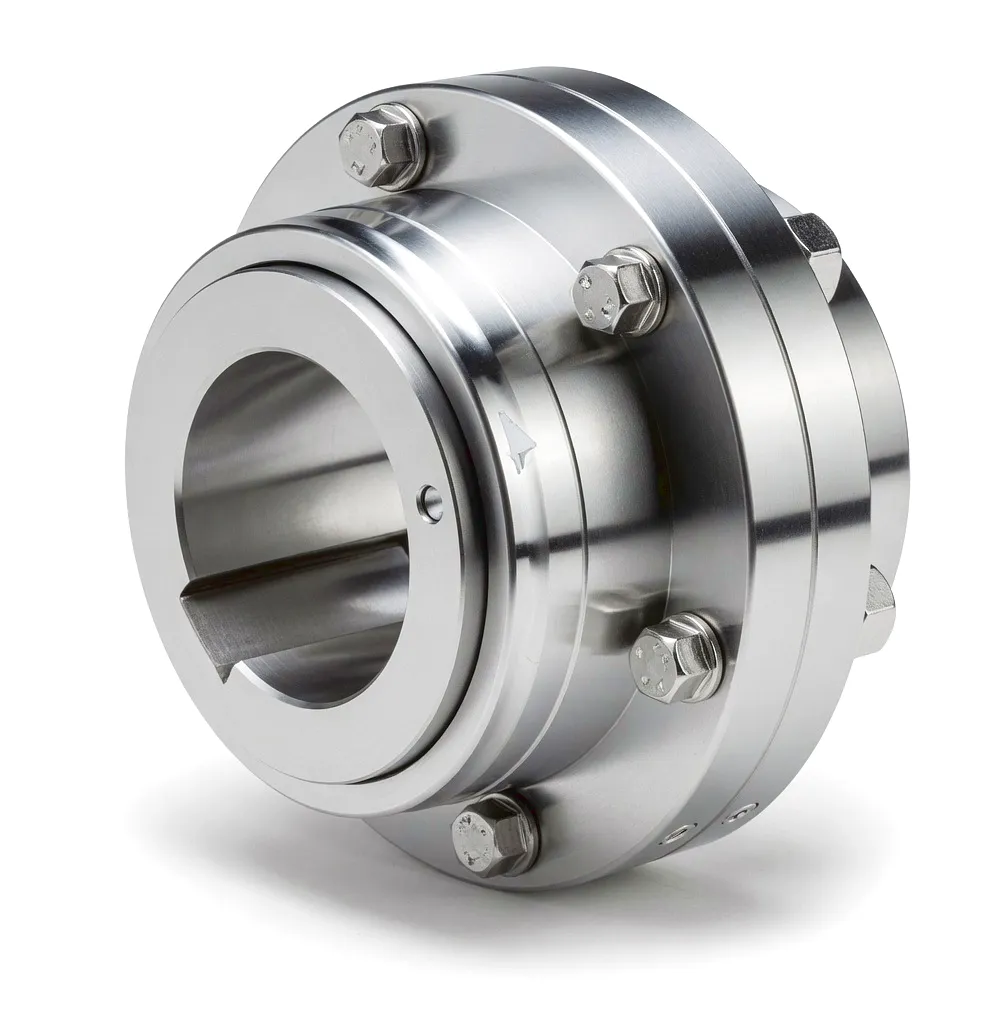
After a site visit and a detailed load analysis covering the motor’s actual torque signature during grain infeed, Ever Power recommended replacing the jaw coupling with a sealed gear-type coupling in 42CrMo4 alloy steel with a continuous-grease lubrication system and induction-hardened crown gear teeth. The bore was machined to match Thornbridge’s existing shaft and keyway dimensions, avoiding any modification to the motor or roll shaft. Installation was completed during a single 8-hour planned maintenance window, and the new coupling entered service without any alignment concerns — the crowning geometry accommodating the 0.4 mm parallel shaft offset that had been identified during the site visit as a secondary contributor to the premature spider wear on the previous coupling design.

Over the following 14 months of operation monitored by Thornbridge’s maintenance team, the Ever Power gear coupling required only one planned grease replenishment at the 8,000-hour inspection interval and showed no signs of wear that would necessitate replacement within the next scheduled major overhaul period. The total annual maintenance cost for the first-stage drive coupling fell by 38% compared with the previous three-year average, and production scheduling confidence improved significantly because the engineering team could plan coupling inspections rather than reacting to unplanned failures that had previously caused up to 6 hours of lost production per incident.

Co mówią nasi klienci

★★★★★

“The gear coupling Ever Power supplied for our first-stage roll drive has now been running continuously for over a year without a single unplanned stoppage. The tooth crown geometry and the sealed grease system were exactly what we needed for 24-hour production. Custom bore machining was accurate to within 0.01 mm of our specification — genuinely impressive.”

RH
Richard H.
Engineering Maintenance Manager, Malt Flour Producer — Sheffield, UK
★★★★★

“We trialled the disc coupling from Ever Power on our VFD-controlled craft malt mill and the improvement in roll speed stability was immediately apparent. The zero-backlash characteristic allows our PLC-controlled roll gap system to hold the target grist profile much more consistently than the elastomeric coupling it replaced. The stainless steel option also passed our BRC hygiene audit without any queries.”

SK
Stuart K.
Head Brewer and Equipment Manager, Craft Brewery — Leeds, UK
★★★★★

“The response time from Ever Power’s export team was outstanding. We provided a legacy shaft drawing on a Monday morning and received a confirmed dimensional quotation with delivery commitment by Tuesday afternoon. The coupling arrived DDP at our Speyside facility within nine working days, which fitted exactly within our planned maintenance window for the distillery shutdown. The quality of the machined surfaces matched the drawing callouts perfectly.”
AM
Angus M.
Distillery Maintenance Engineer — Speyside, Scotland

Ever Power coupling precision manufacturing

Precision Manufacturing

Coupling product detail

Product Detail

Coupling assembly

Assembly Quality

Coupling range overview

Range Overview

Często zadawane pytania

Answers to the questions UK engineers and procurement teams ask most about couplings in malt grinding applications

What type of coupling is best suited for a two-roll malt mill drive in a Birmingham brewery running direct-on-line motor starts?
For a two-roll malt mill using direct-on-line motor starts without a soft-starter, a gear-type coupling with a service factor of at least 2.5 above the rated motor torque is the standard engineering recommendation. This service factor accounts for the high inrush torque produced at start-up, which can reach three to five times the full-load motor torque for a fraction of a second. Elastomeric jaw couplings can also be used but should be specified with a hard spider element grade to limit deflection under start-up peaks. The crowned gear tooth design of a gear-type coupling additionally compensates for the shaft misalignment that frequently develops in older brewery buildings in Birmingham and other English Midlands manufacturing cities where floor settlement and frame distortion are common maintenance issues.
How much does a custom-bored gear coupling for a malt grinder cost, and can I get a competitive price from a UK-serving supplier?
Pricing for custom-bored gear couplings in malt grinder applications varies depending on the nominal torque rating, bore diameter, material grade, and any special surface treatment requirements such as zinc-nickel plating or stainless steel construction. For a standard carbon steel gear coupling in the 500 to 2,000 Nm range with a custom bore, indicative unit prices from competitive suppliers typically fall between GBP 200 and GBP 800 plus shipping, depending on quantity and lead time. For stainless steel variants or heavy-duty forged alloy steel units, pricing is correspondingly higher. The most effective way to obtain an accurate, competitive price from a technically capable supplier such as Ever Power is to submit a drawing or dimensional specification via email to [email protected], which allows the engineering team to confirm the exact part number or custom configuration and provide a firm quotation within 24 hours.
Where can I find a reliable coupling supplier in the UK who can deliver stainless steel couplings for distillery malt grinding equipment quickly?
UK distillery operators in Scotland and England have several options for sourcing stainless steel couplings for malt grinding equipment, ranging from UK-based mechanical component distributors to direct-from-manufacturer sourcing via established export channels. Ever Power ships DDP to UK ports and directly to distillery sites, including Highland and island distillery locations in Scotland, with confirmed lead times of five to ten working days for standard stainless steel coupling sizes and ten to fifteen working days for custom-bored configurations. This delivery performance is competitive with UK-held distributor stock for custom specifications and allows engineers to plan coupling replacements accurately within shutdown windows. All customs and import documentation is handled by the Ever Power export team, removing the administrative burden from the UK buyer’s procurement function.
Which coupling design is recommended for a variable-frequency drive malt mill in a Sheffield food processing plant where hygiene certification is required?
For a VFD-driven malt mill in a Sheffield or South Yorkshire food processing facility operating under BRC or SALSA certification requirements, a disc coupling in SS316L stainless steel with electropolished external surfaces represents the most comprehensive solution. The disc coupling delivers zero-backlash speed transmission, ensuring accurate roll surface speed tracking across the VFD operating range, while the stainless steel material and smooth external geometry minimise malt dust accumulation and facilitate wash-down without crevice corrosion risk. The Ever Power disc coupling range includes SS316L options with electropolished finishes that achieve surface roughness values compatible with the food equipment hygiene standards referenced in BRC Issue 9 and SALSA food safety audit protocols. For applications where higher misalignment tolerance is needed alongside hygiene compliance, jaw couplings with FDA-compliant polyurethane spider elements represent an alternative worth evaluating.
How do I calculate the correct torque rating when selecting a gear coupling for my malt grinder drive system in a UK brewery?
The starting point for coupling torque selection is the rated output torque of the drive motor, calculated as 9,550 multiplied by the motor power in kilowatts divided by the shaft speed in revolutions per minute. This gives the nominal full-load torque in newton-metres. For malt grinder applications, this nominal value must then be multiplied by a service factor that reflects the severity of the duty. Standard two-shift brewery milling with infrequent shock loading typically warrants a service factor of 1.5 to 2.0. Continuous 24-hour operation in a food ingredient facility, particularly where direct-on-line starting is used, requires a service factor of 2.0 to 2.5. The resulting design torque is the minimum coupling rating that should be specified. For gear couplings, both the nominal torque rating and the peak torque rating must be confirmed to be adequate for the application. If you are uncertain, the Ever Power engineering team can perform the calculation on your behalf given motor nameplate data and details of the starting method in use.
When should I replace the coupling on my malt grinder, and what signs of wear should I look for during inspection in a Scottish distillery environment?
For gear-type couplings in malt grinding service, the primary inspection trigger should be the lubricant condition inside the coupling sleeve, which should be checked at the manufacturer-specified interval — typically 4,000 to 8,000 operating hours. Signs that require immediate coupling replacement include visible gear tooth pitting or spalling visible when the sleeve is removed, lubricant that has turned black or gritty (indicating contamination by fine malt dust through a degraded seal), audible metallic rattle or clicking during low-load operation, or increased vibration readings from a proximity probe or accelerometer mounted on the adjacent bearing housing. In Scottish distillery environments where seasonal temperature cycles are wide, pay particular attention to seal condition in autumn when temperature drops cause seals to stiffen and lose compliance, creating pathways for moisture and dust ingress that accelerate internal corrosion in the weeks before the heating season begins.
Who is the best coupling manufacturer to get a quote from for a custom malt grinder coupling for an existing six-roll mill at a Speyside distillery in Scotland?
For a custom gear coupling to fit an existing six-roll malt mill at a Speyside distillery, the key selection criteria for a manufacturing supplier are dimensional accuracy on custom bore work, material certification for food and drink processing environments, confirmed export lead time to Scotland, and a responsive technical support team that can interpret legacy drawings or measure from a sample part. Ever Power meets all four criteria: the manufacturing team can machine custom bores to IT6 tolerance grade from drawings or sample dimensions, material test certificates are provided as standard, DDP delivery to Scottish locations including Speyside is available within ten to fifteen working days for custom orders, and the export technical team responds to enquiries within 24 hours. To begin the process, send your drawing or sample dimensions along with the motor nameplate data to [email protected] and a detailed quotation will be returned promptly.

Ready to Specify the Right Coupling for Your Malt Grinder?

Send your motor nameplate data and shaft dimensions to Ever Power. Our engineering team will confirm the correct coupling specification and deliver a competitive, itemised quote within 24 hours.

✉ Request a Coupling Quote

[email protected] • DDP delivery to UK sites • Custom bore machining available

edytuj przez gzl