 The cement rotary kiln stands as one of the most mechanically demanding machines in modern heavy industry. Stretching anywhere from 50 to over 200 metres in length and rotating at deliberately slow but relentlessly constant speeds — typically between 0.5 and 5 revolutions per minute — these massive cylinders impose extraordinary mechanical stresses on every connected component. At the mechanical heart of this process sits the coupling: a precision-engineered link between the driving motor or gearbox and the kiln itself. In cement plants across Birmingham, Sheffield, and the broader UK manufacturing belt, coupling failure is not merely a maintenance inconvenience. It represents lost production, safety exposure, and cost that can run into six-figure sums within a single shift.
How Couplings Work in a Cement Rotary Kiln Drive Train
Principle & Mechanical Function
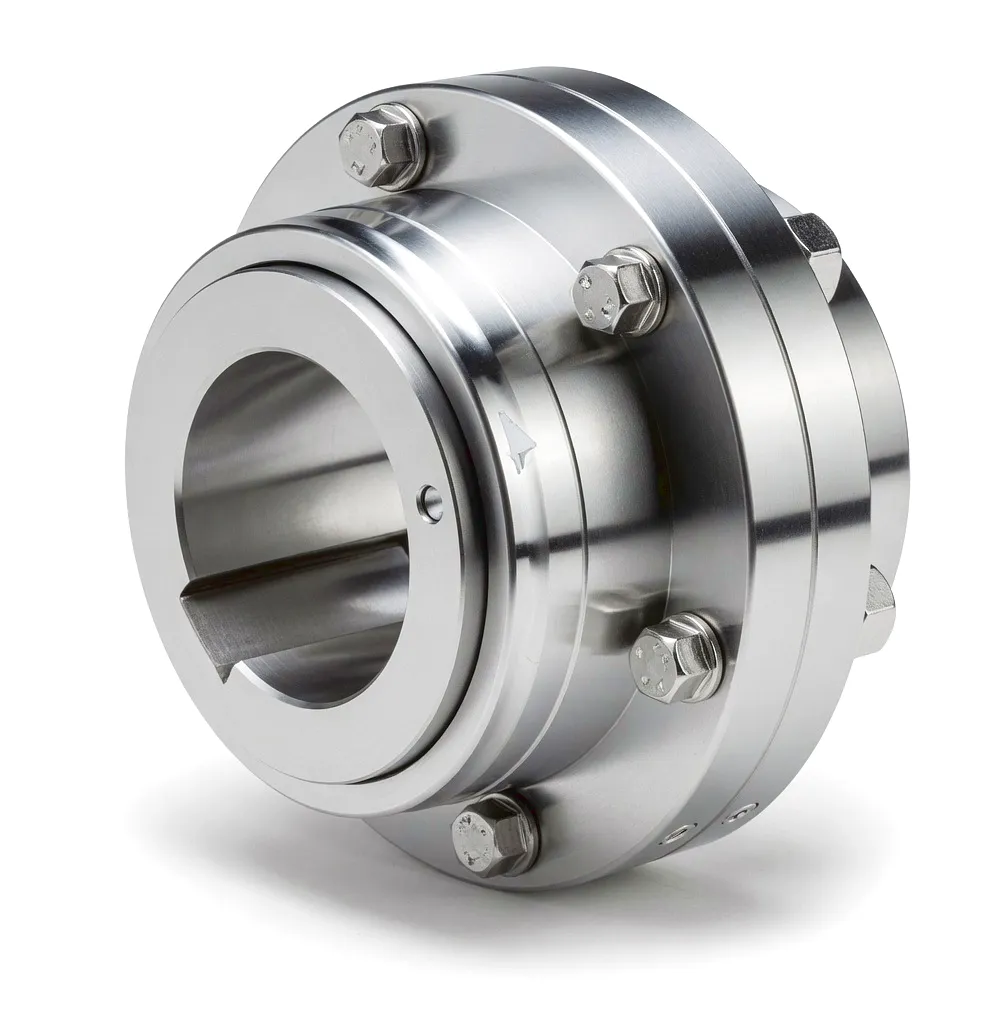
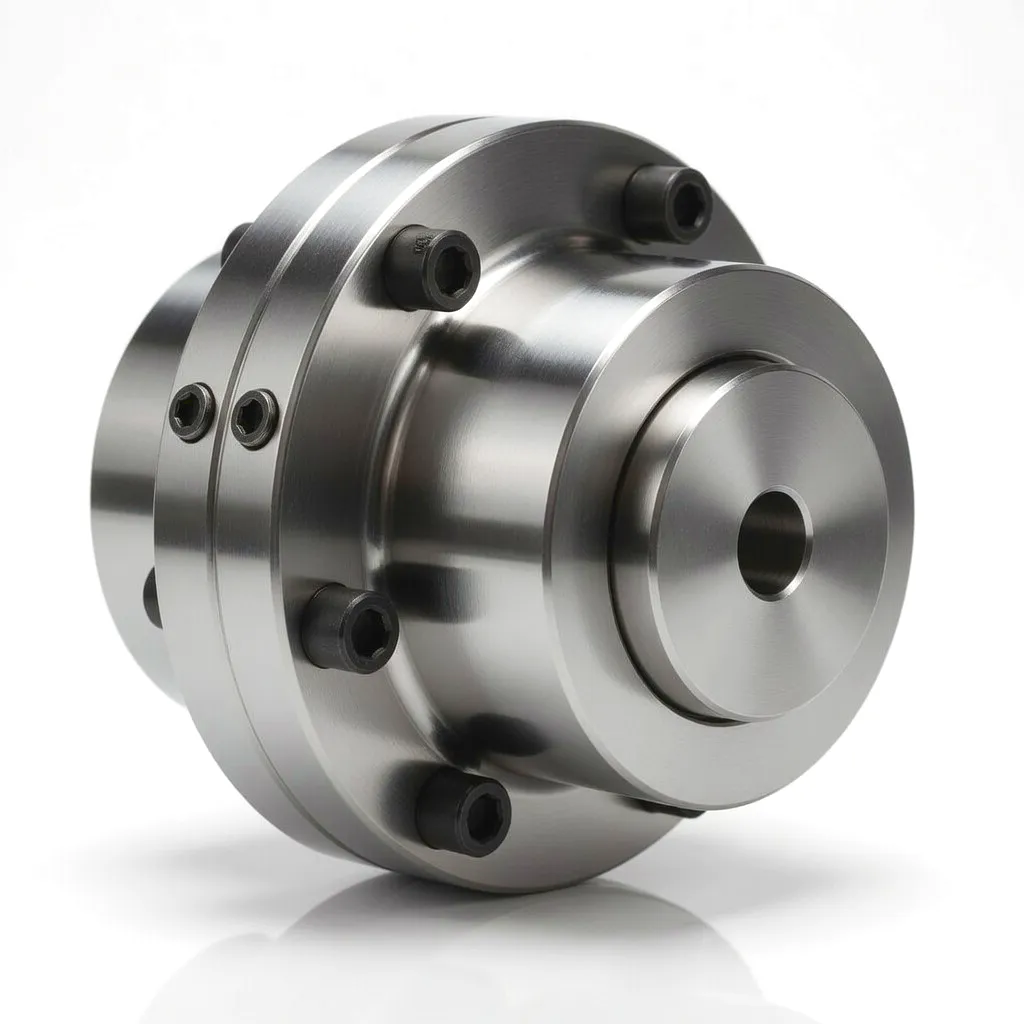 A rotary kiln drive system typically consists of an electric motor, a fluid coupling or mechanical coupling at the motor output, a gear reducer, and then a further coupling between the reducer output shaft and the kiln’s main gear ring. Each coupling in this chain performs the same fundamental job — transmitting rotational torque from one shaft to another — but it must do so while tolerating the inevitable imperfections of real-world installation and thermal operation. No two shafts in a live cement plant are ever in perfect alignment. Thermal expansion of the kiln shell, foundation settlement, and bearing wear all introduce offsets and angular discrepancies that a rigid connection would transmit as destructive bending moments. The coupling absorbs, accommodates, and dissipates these misalignments before they can damage the motor shaft, the gear teeth, or the kiln trunnions.
Core Materials Used in Kiln Coupling Manufacturing
Material Engineering for Extreme Duty
Alloy Steel Hubs (42CrMo4 / EN19)
The primary structural element in heavy-duty kiln couplings is invariably a chromium-molybdenum alloy steel such as 42CrMo4 (EN19 in UK designation). This material offers tensile strength in the range of 900 to 1,100 MPa after heat treatment, combined with excellent fatigue resistance under the cyclic loading characteristic of rotary equipment. Its relatively high chromium content provides surface hardness when carburised or nitrided, which is critical for gear coupling tooth flanks that must withstand decades of meshing contact in partially lubricated conditions. UK fabrication facilities in Sheffield, historically the heart of British special steel production, have long been associated with supplying precisely this grade for heavy-industry coupling forgings.
High-Grade Stainless Steel Disc Packs
Disc couplings intended for kiln service use lamination packs manufactured from precipitation-hardened stainless steel, commonly 17-4PH (Condition H900) or 15-5PH. These materials combine the corrosion resistance required in dusty, sometimes humid cement environments with the high yield strength — typically exceeding 1,000 MPa — needed to maintain elastic deflection behaviour under high cyclic torque. The disc geometry is precision-stamped and edge-deburred to eliminate stress concentrations that could initiate fatigue cracks. When assembled into a pack, the individual laminations share load collectively, providing a fail-safe behaviour: even if one lamina develops a fatigue crack, the remaining members continue to carry the torque safely, giving operators a visible warning before catastrophic failure.
Polymer & Elastomeric Elements
Where vibration damping is a primary concern — particularly on auxiliary drive arrangements or in plants where the main motor exhibits torque pulsation — flexible element couplings incorporate polyurethane or natural rubber inserts. Polyurethane compounds with Shore A hardness values between 80 and 98 offer an excellent balance of load capacity, damping coefficient, and temperature stability up to approximately 80°C. Natural rubber elements, though less common in new installations, continue to serve reliably in legacy cement plants across the East Midlands and Yorkshire, where refurbishment budgets often favour like-for-like replacement. These polymer elements also provide electrical isolation between shafts, which is occasionally significant in plants with stray-current concerns from variable-frequency drives.
Surface Treatments & Protective Coatings
Coupling hubs and flanges in cement kiln service are routinely subjected to zinc-phosphate pre-treatment followed by high-build epoxy primer and polyurethane topcoat, providing corrosion protection in the alkaline, dust-laden atmosphere found inside clinker cooler buildings. Gear tooth surfaces may additionally receive ion-nitriding treatment to a depth of 0.3 to 0.6 mm, raising surface hardness to 600 to 700 HV while leaving the core tough enough to absorb shock. These surface engineering choices are not optional extras but fundamental to achieving the 50,000-plus operating hours expected between major overhauls in modern cement production environments.
Key Technical Advantages for Rotary Kiln Service
Why Coupling Selection Determines Plant Performance
1
Wysoka tolerancja odchylenia
Modern gear-type couplings engineered for kiln service routinely accommodate angular misalignment of 1.5 to 2.5 degrees and parallel offset of 3 to 8 mm simultaneously. This tolerance envelope protects the motor bearings and gearbox output shaft from the bending moments generated by thermal growth of the kiln shell — movements that in a large kiln can amount to several millimetres over a single production cycle from cold start to full operating temperature. Without this accommodation, the forces transmitted back into the driveline would progressively fatigue the output shaft and eventually cause catastrophic failure at the keyway or bearing seat.
2
Absorpcja obciążenia udarowego
Start-up of a rotary kiln is a particularly aggressive event. The static friction of a kiln that has been stationary for maintenance, combined with the inertia of a shell that may weigh several thousand tonnes, creates an impulsive torque demand at the moment of engagement that can be three to five times the nominal running torque. Couplings designed for kiln service incorporate service factors of 2.0 to 3.0 above the rated torque for precisely this reason. Elastomeric element types also contribute active damping, reducing the peak transmitted force and protecting the gear reducer from the shock that might otherwise chip or fracture hardened gear teeth.
3
Compact Envelope & Low Maintenance
Space around kiln drive stations is frequently constrained by existing civil structures, instrumentation runs, and access platforms. Compact-geometry couplings that fit within the radial and axial envelope of the gearbox output and kiln pinion shaft allow retrofit without civil modification — a significant consideration in UK cement plants where many drive stations date from the 1970s and 1980s and were designed around equipment that is no longer available. Sealed gear coupling designs with grease lubrication intervals of 6,000 to 8,000 hours further reduce the maintenance burden on plants operating with lean engineering teams, which has become increasingly typical across the UK’s cement sector over the past decade.
4
Temperature Resistance & Dust Sealing
Operating temperatures in the vicinity of the kiln shell can consistently exceed 60 to 80°C in ambient air, with radiant heat from the shell surface pushing component surface temperatures higher still. Couplings for this environment use high-temperature grease formulations with a dropping point above 200°C, preventing lubricant bleed-out that would leave gear teeth running dry. Labyrinth seals machined to close tolerances between the hub and sleeve prevent cement dust ingress, which in unprotected gear couplings can form an abrasive paste with residual grease and accelerate tooth wear to failure within months rather than years.
5
Long Operational Life & Low Total Cost
When correctly specified and maintained, heavy-duty couplings in cement kiln drives achieve service lives of 80,000 to 120,000 operating hours — equivalent to 10 to 15 years of continuous production. Over this period, the coupling’s contribution to total drivetrain maintenance cost is remarkably low relative to the gear reducer, motor, and kiln mechanical components it protects. The economics become compelling when a plant considers that an unplanned kiln stoppage in a UK cement plant can cost between GBP 50,000 and GBP 200,000 per day in lost production, emergency labour, and expedited parts procurement, compared with the modest cost of a correctly specified coupling replacement during a scheduled shutdown.
Technical & Performance Parameter Table
Typical Specification Range for Cement Rotary Kiln Coupling Selection
Industrial Application Scenarios: Couplings Across the Cement Rotary Kiln System
Where Coupling Technology Makes the Critical Difference
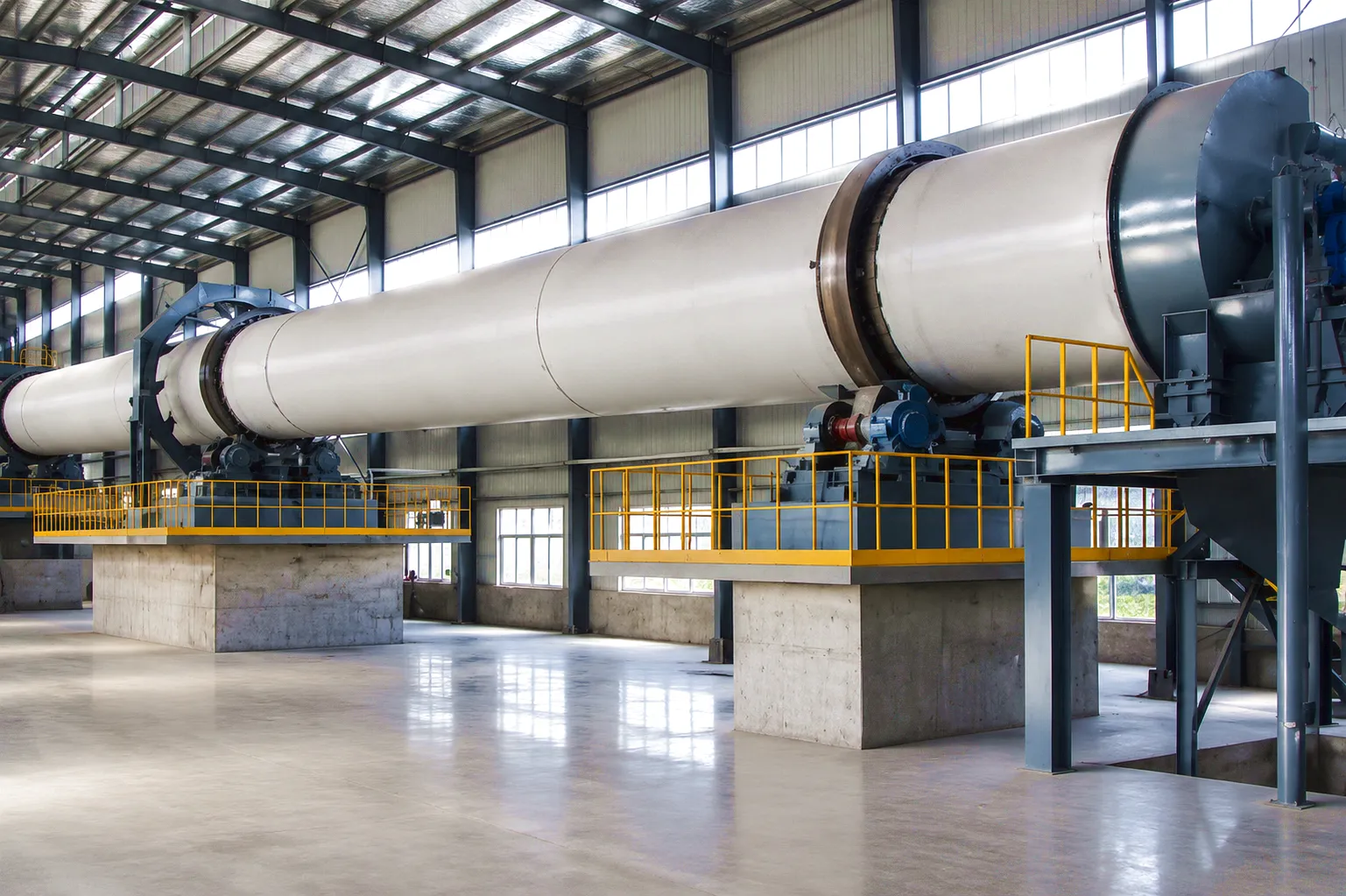 Application 1 — Cement Rotary Kiln Main Drive Station
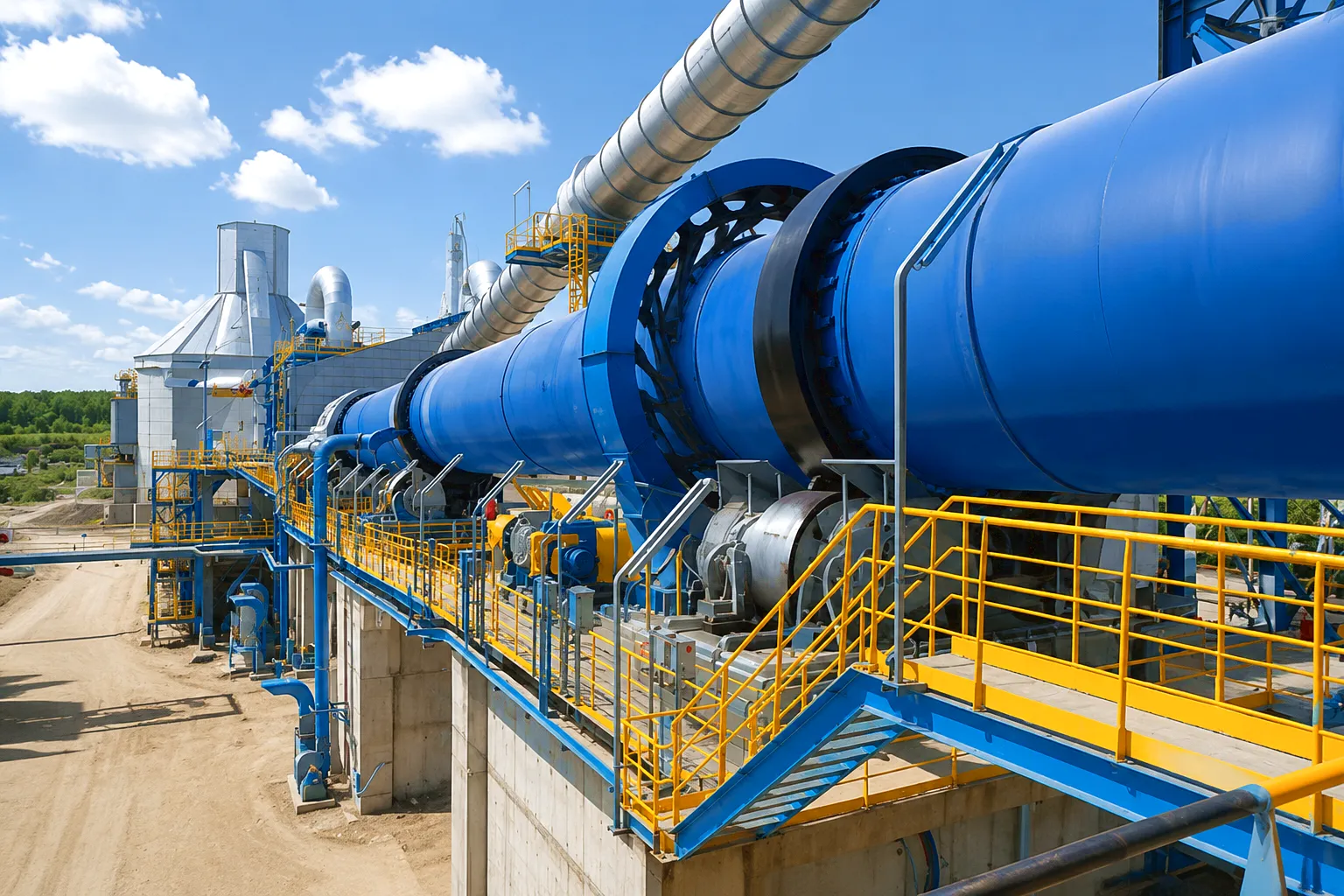 Application 2 — Auxiliary (Inching) Drive for Maintenance and Shell Rotation
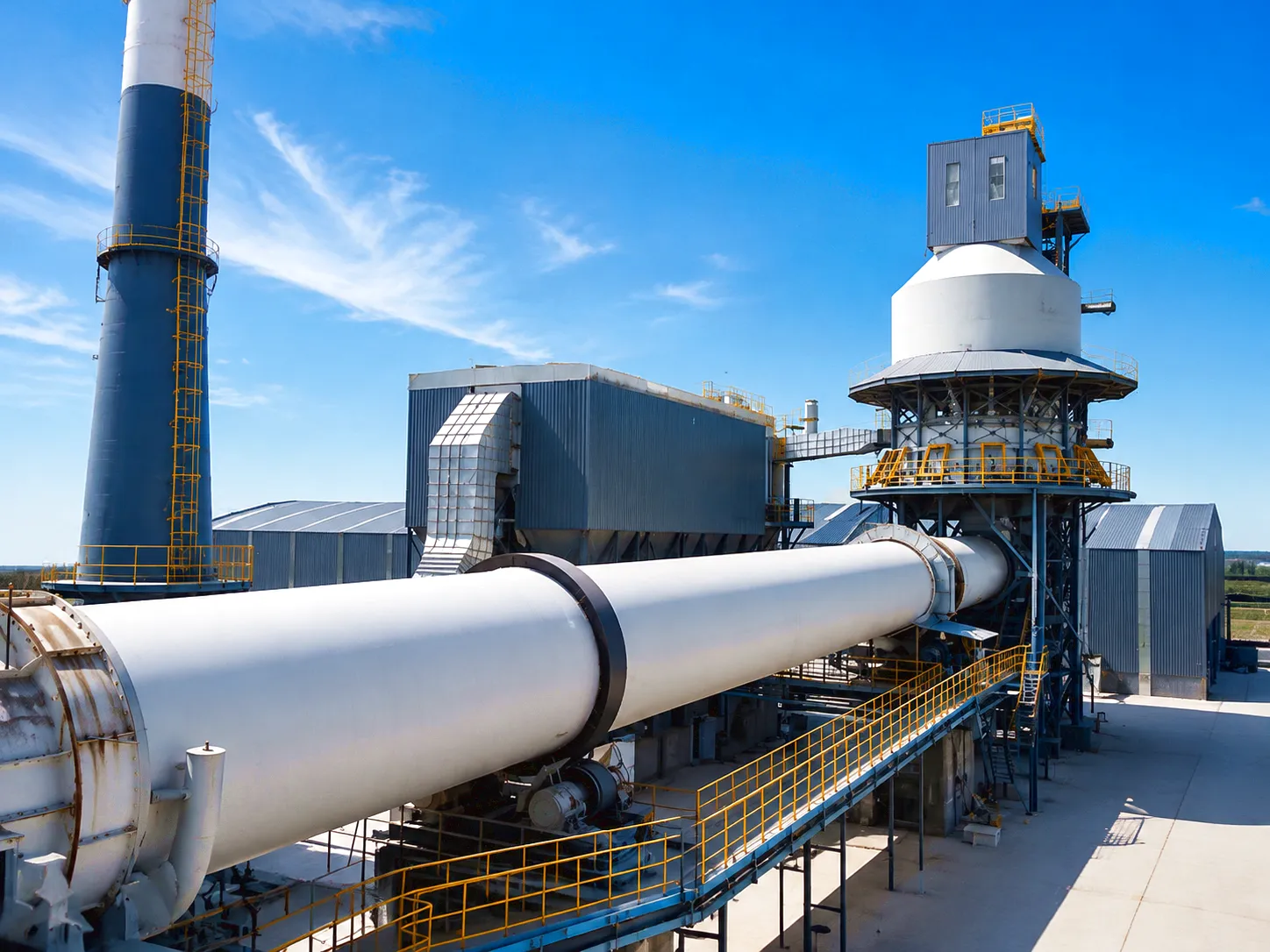 Application 3 — Clinker Cooler Drive and Grate Drive Couplings
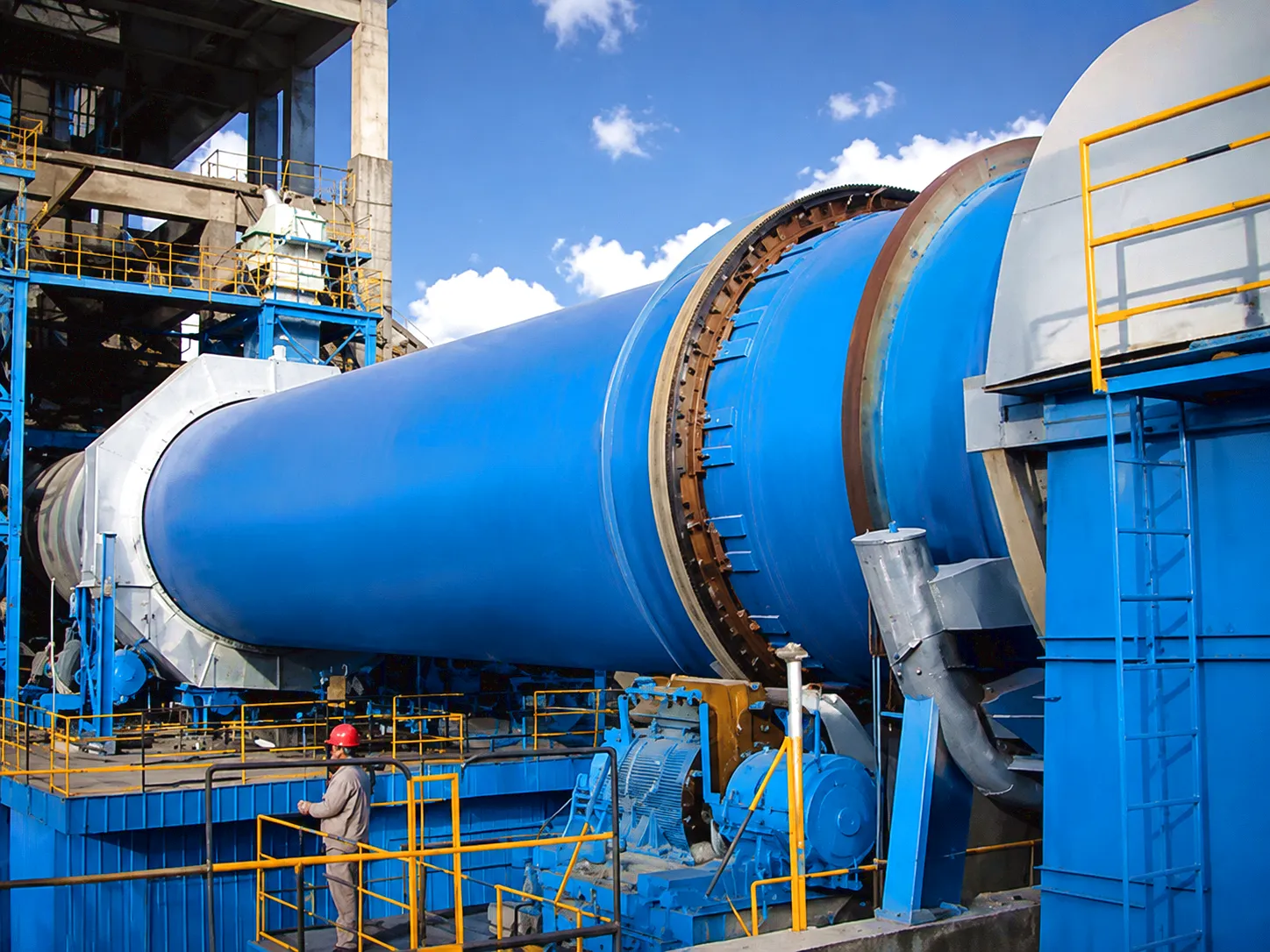 Application 4 — Raw Mill and Cement Mill Drive Couplings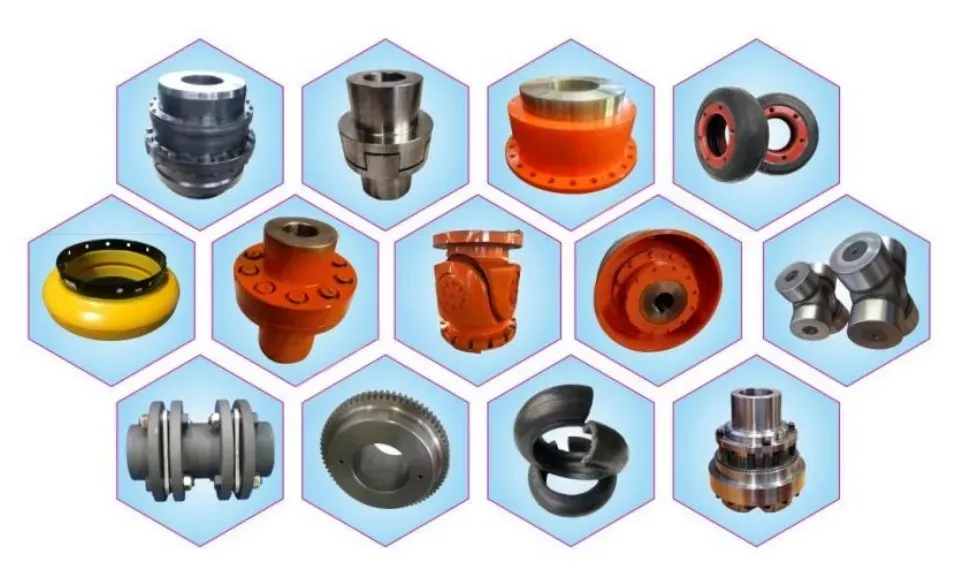
Ever Power coupling product family — engineered for the most demanding industrial applications
Featured Coupling Products for Cement Industry Applications
Precision-Engineered Solutions from Ever Power
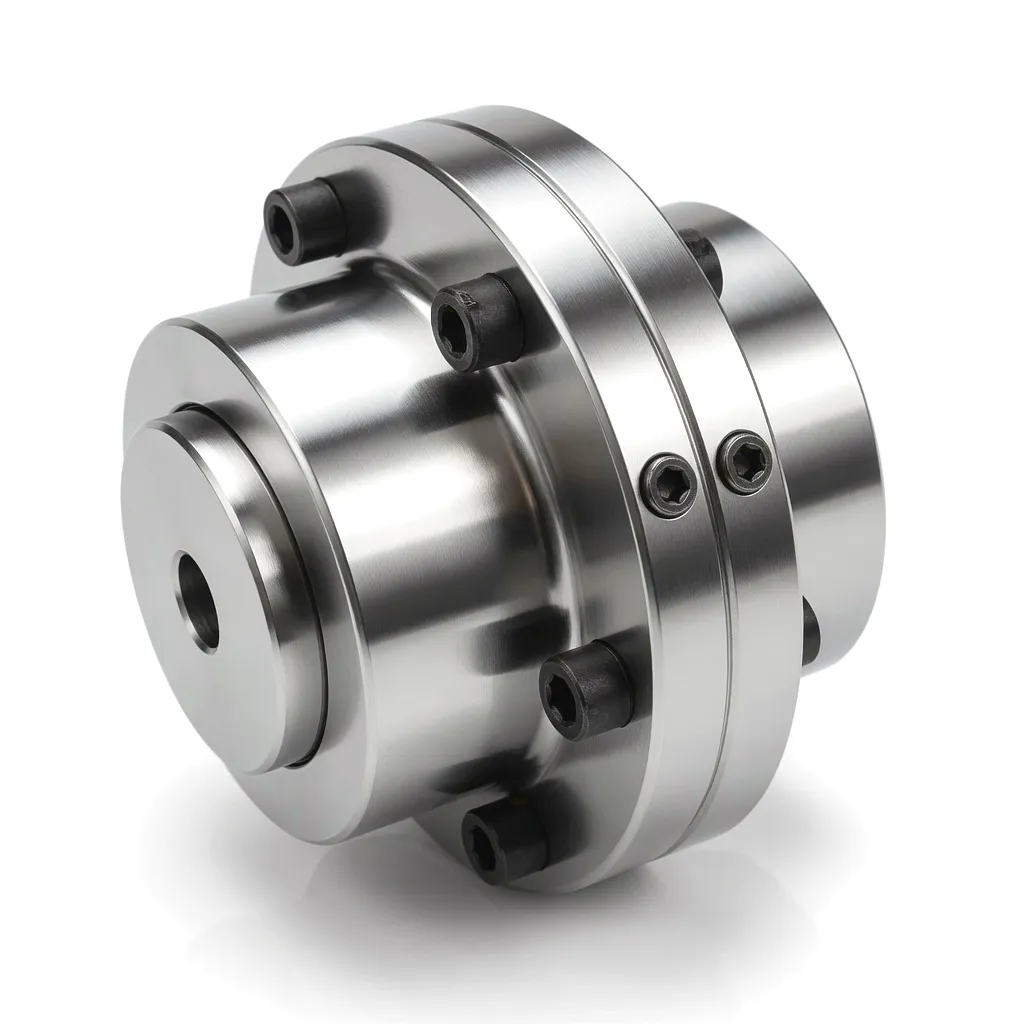
Produkt
Elastyczne sprzęgło belki
The Flexible Beam Coupling from Ever Power is a precision single-piece coupling machined from solid aluminium or stainless steel billet, featuring helical beam cuts that provide angular and parallel misalignment compensation with zero backlash. Ideal for auxiliary drive systems, instrumentation drives, and smaller kiln ancillary equipment where positional accuracy is critical. Its maintenance-free design and compact envelope make it a strong performer in space-constrained drive stations found in older UK cement plants.
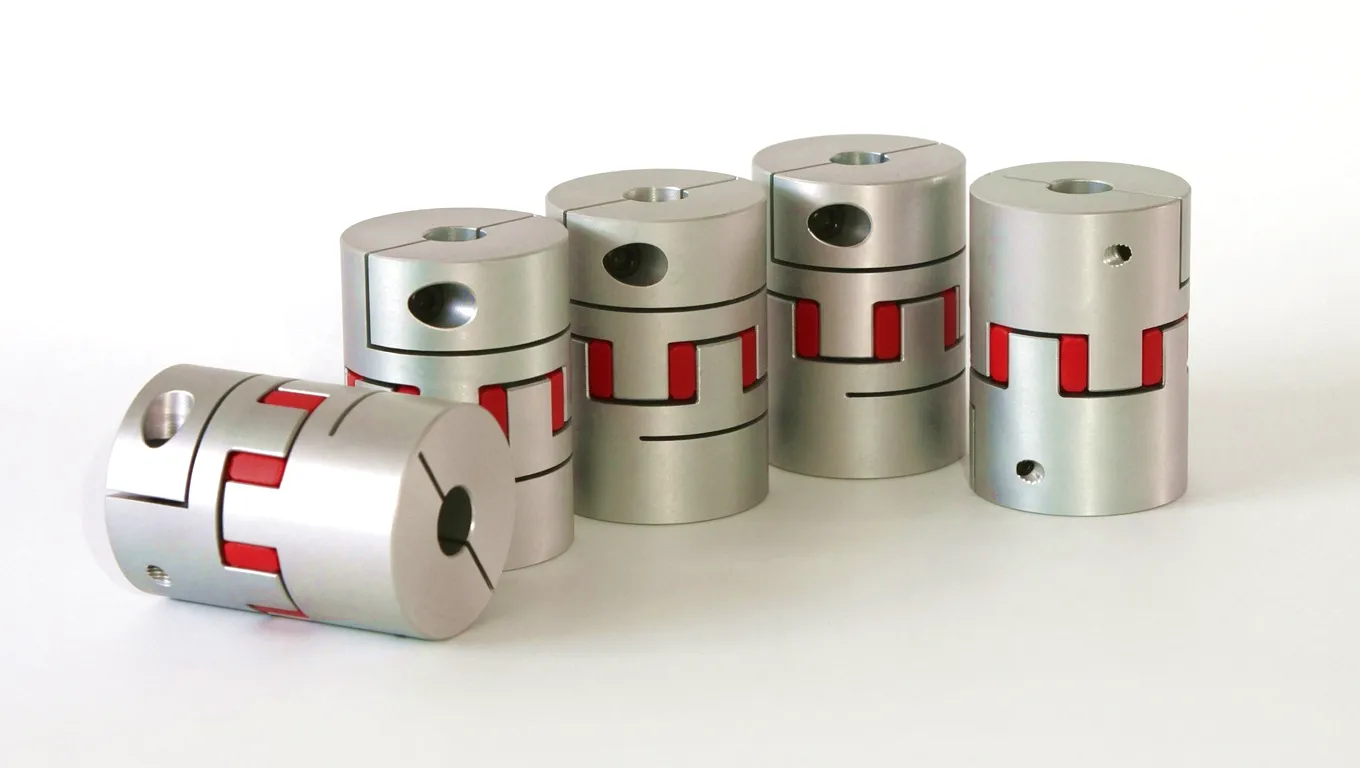
Produkt
Sprzęgło tarczowe
The Ever Power Disc Coupling delivers high-performance torque transmission with zero backlash and complete freedom from lubrication requirements. Its precision-stamped stainless steel disc packs are engineered for exceptional fatigue life under the cyclic loading typical of kiln and mill drive service. The maintenance-free metallic flexible element withstands the temperature extremes, dust ingress, and shock events of cement plant environments. This coupling is the preferred solution for cement producers across England’s North-West and Yorkshire regions seeking to extend maintenance intervals and reduce drivetrain inspection frequency.
Ever Power — Manufacturing Capability & Custom Engineering
Precision Manufacturing for the World’s Most Demanding Industrial Applications
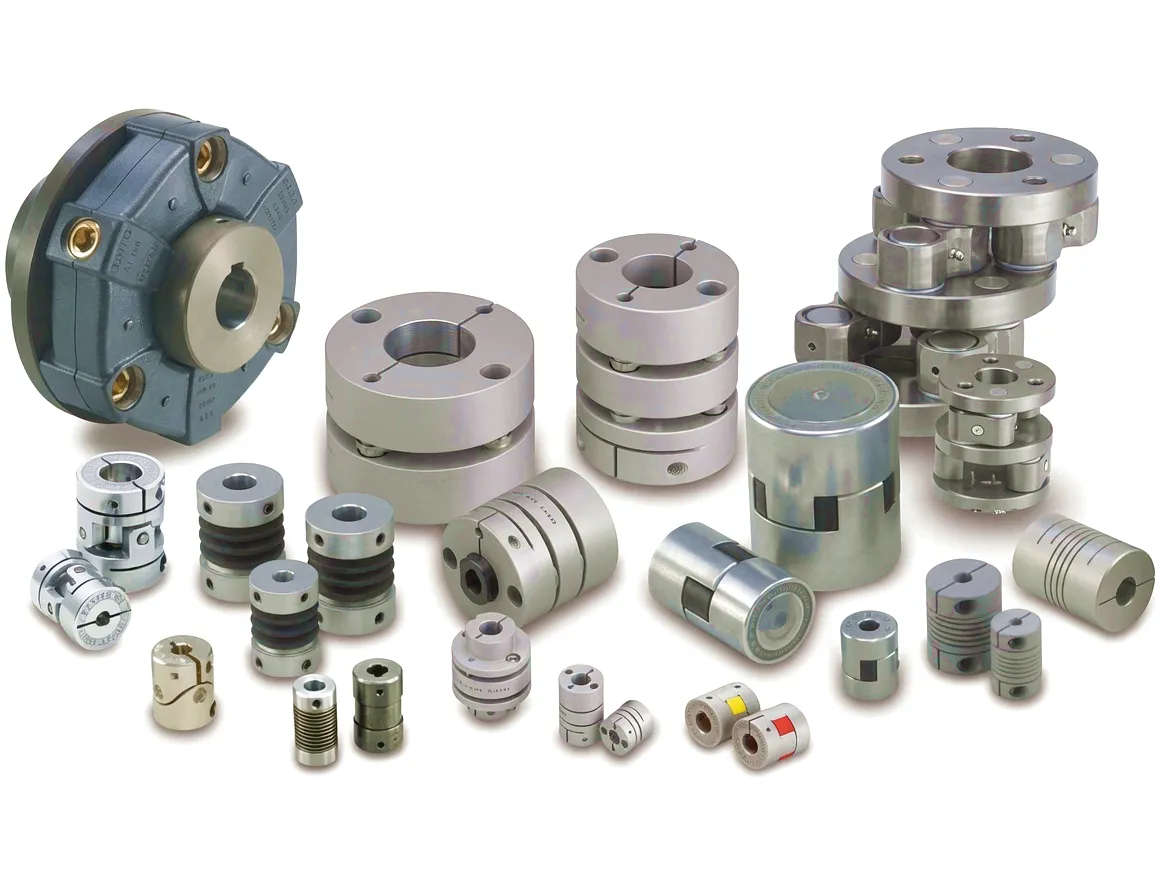 Ever Power operates a comprehensive coupling manufacturing operation encompassing precision forging, CNC turning and milling, gear grinding, heat treatment, and surface engineering within a single integrated facility. This vertical integration of production processes gives Ever Power complete control over every quality parameter — from the initial inspection of incoming billet material through to the final dimensional verification and dynamic balance check before despatch. For cement industry clients across the United Kingdom and continental Europe, this means that a custom coupling specification can be translated into a delivered component in a timeline that meets the demands of a planned shutdown window, without the uncertainties inherent in multi-supplier supply chains.
8 — 12 weeks
Typical lead time for custom kiln couplings including full engineering review and qualification testing
ISO 9001
Certified quality management system covering design, manufacture, and inspection at all production stages
500+ mm
Maximum bore capacity in production, covering the full range of cement kiln pinion and reducer output shaft sizes
✉ Request a Custom Quote from Ever Power Engineering
Contact: [email protected] | Fast response from our technical team
Customer Success: Sheffield Integrated Cement Works — Main Kiln Drive Coupling Upgrade
How Ever Power Engineering Transformed a Chronic Reliability Problem into Multi-Year Stability
A major integrated cement manufacturing facility near Sheffield, operating a 4.5 by 72-metre wet process kiln producing approximately 800 tonnes of clinker per day, had been experiencing accelerating wear on its main drive coupling over an 18-month period. The original coupling, a third-party gear type installed during a 1998 drive station upgrade, was showing evidence of tooth fretting, grease bleed-out through deteriorated seals, and progressive angular wear — symptoms that maintenance engineers attributed to a combination of accumulated thermal misalignment and the use of an incorrect grease specification introduced during a contract maintenance changeover two years earlier.
The plant’s engineering manager contacted Ever Power after finding that the original coupling manufacturer could no longer supply a direct replacement within the scheduled shutdown window of three weeks. Ever Power’s technical team conducted a reverse-engineering survey using dimensional data provided by the plant, cross-referenced against the original drive system engineering documentation, and produced a complete specification for a replacement gear coupling within four working days. The replacement unit — manufactured in 42CrMo4 steel with ion-nitrided tooth flanks, a new-generation labyrinth seal arrangement, and specified high-temperature grease — was delivered to the Sheffield site within nine weeks of order, ahead of the scheduled shutdown start date.
Installation was completed in two working days by the plant’s own maintenance team, guided by Ever Power’s step-by-step assembly and alignment documentation. The kiln returned to production at full load and has since operated for over 22,000 hours without any coupling-related incident. The plant’s maintenance engineering team estimates that the total maintenance cost saving — calculated against the projected cost of continuing with accelerating coupling wear leading to eventual unplanned failure — exceeds GBP 340,000 over the first three years of post-installation operation, excluding the avoided production loss value of a potential emergency kiln stoppage.
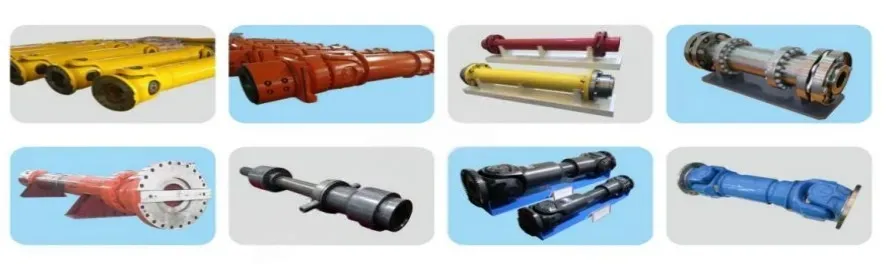
What the Plant Team Said
★★★★★
“The reverse-engineering turnaround was genuinely impressive. We gave Ever Power our shaft dimensions and drive ratios on a Tuesday morning and had a full technical proposal with drawings by Thursday. No other supplier we approached could match that responsiveness. The coupling itself is running smoothly after over 22,000 hours — we will absolutely be returning to them for the auxiliary drive replacement next year.”
Plant Engineering Manager
Integrated Cement Works, Sheffield, South Yorkshire
★★★★★
“We had concerns about fitting a non-OEM coupling into a drive station designed for a specific geometry. Ever Power’s engineers walked us through the dimensional verification process step by step and provided installation drawings that made the assembly straightforward for our team. The labyrinth seal design is a significant upgrade over what we had before — no more grease contamination on the pinion shaft area.”
Senior Mechanical Maintenance Technician
Integrated Cement Works, Sheffield, South Yorkshire
★★★★★
“From a procurement perspective, the total cost of the Ever Power coupling — including engineering review, manufacturing, and delivery — came in below what we had budgeted based on the previous OEM quote. The nine-week delivery exceeded our expectations for a custom-engineered component. We are now working with their team to review coupling specifications across our three other drive stations as part of our five-year maintenance programme.”
Procurement Manager
Cement Manufacturing Group, Yorkshire
Frequently Asked Questions — Couplings for Cement Rotary Kilns
Technical & Commercial Guidance for UK Cement Plant Engineers and Procurement Teams
Ever Power — Precision Coupling Engineering
Ready to Specify the Right Coupling for Your Cement Kiln?
Our engineering team responds within 48 hours with technical analysis and competitive pricing tailored to your kiln’s exact drive configuration.
✉ Get a Free Engineering Quote
edytuj przez gzl