 Cement production is among the most mechanically demanding industries on earth. The grinding circuits inside a modern cement plant — ball mills, vertical roller mills, roller presses — operate continuously under enormous torque loads, aggressive dust environments, and thermal stresses that few other industrial settings can match. A single unplanned shutdown of a cement mill in Birmingham or Sheffield can cost an operator tens of thousands of pounds in lost output, emergency labour, and delayed delivery contracts. The mechanical coupling sitting between the drive motor and the reduction gearbox is therefore far from a minor component; it is one of the most consequential pieces of hardware in the entire production chain.
How Couplings Transmit Torque in High-Load Mill Drive Systems
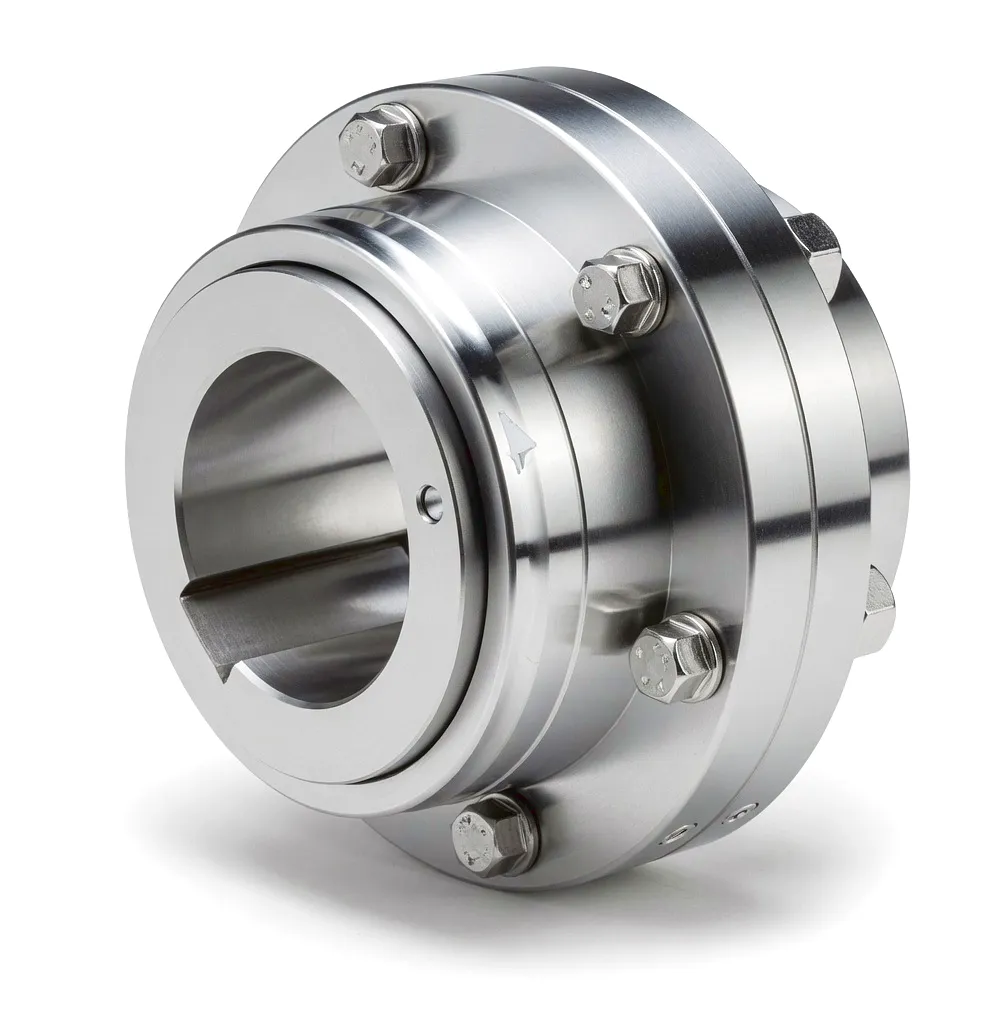
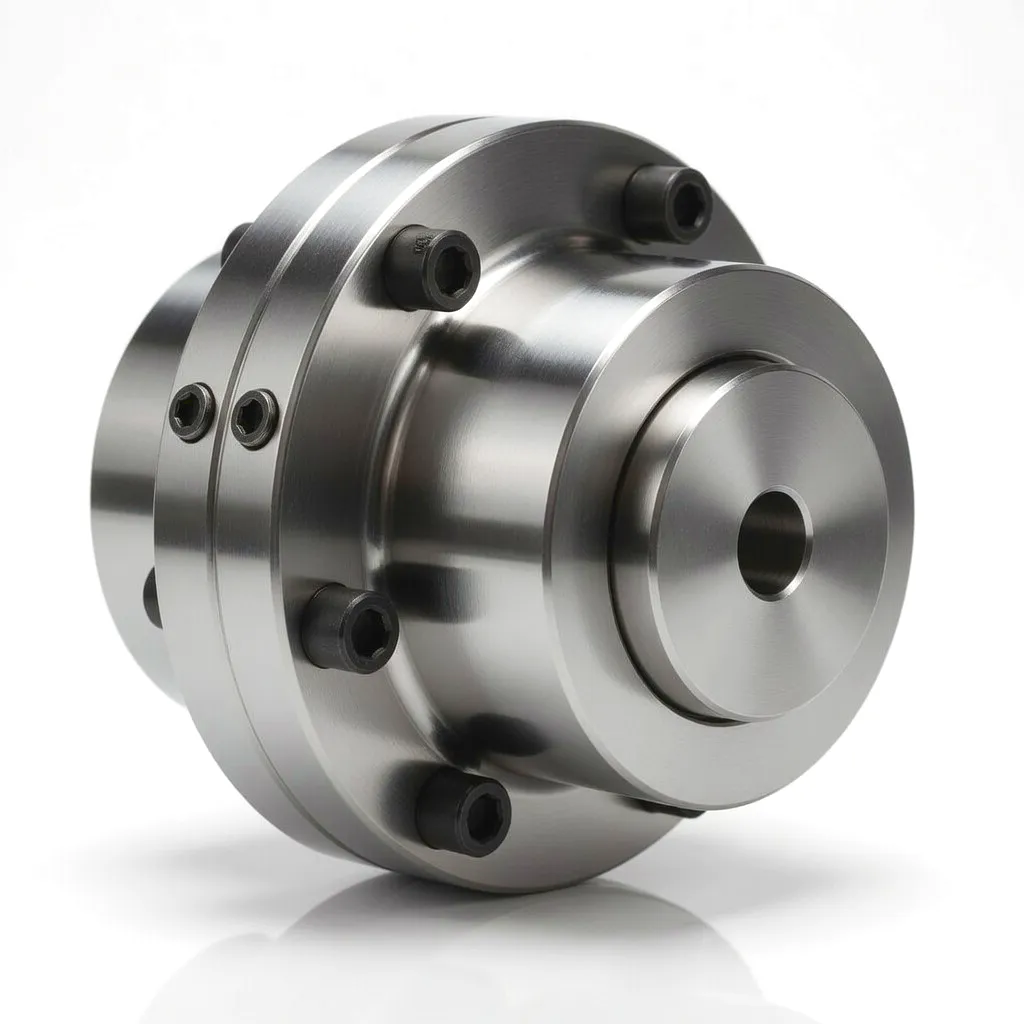
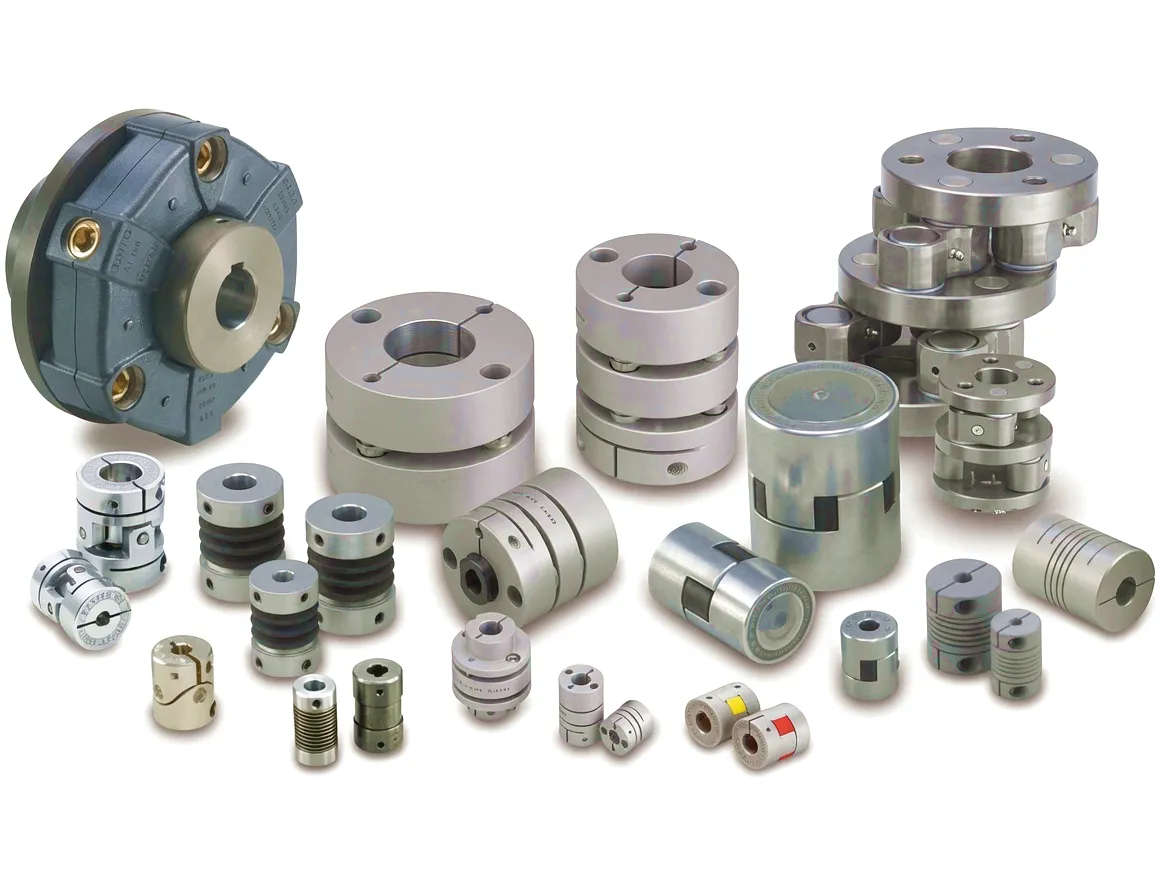
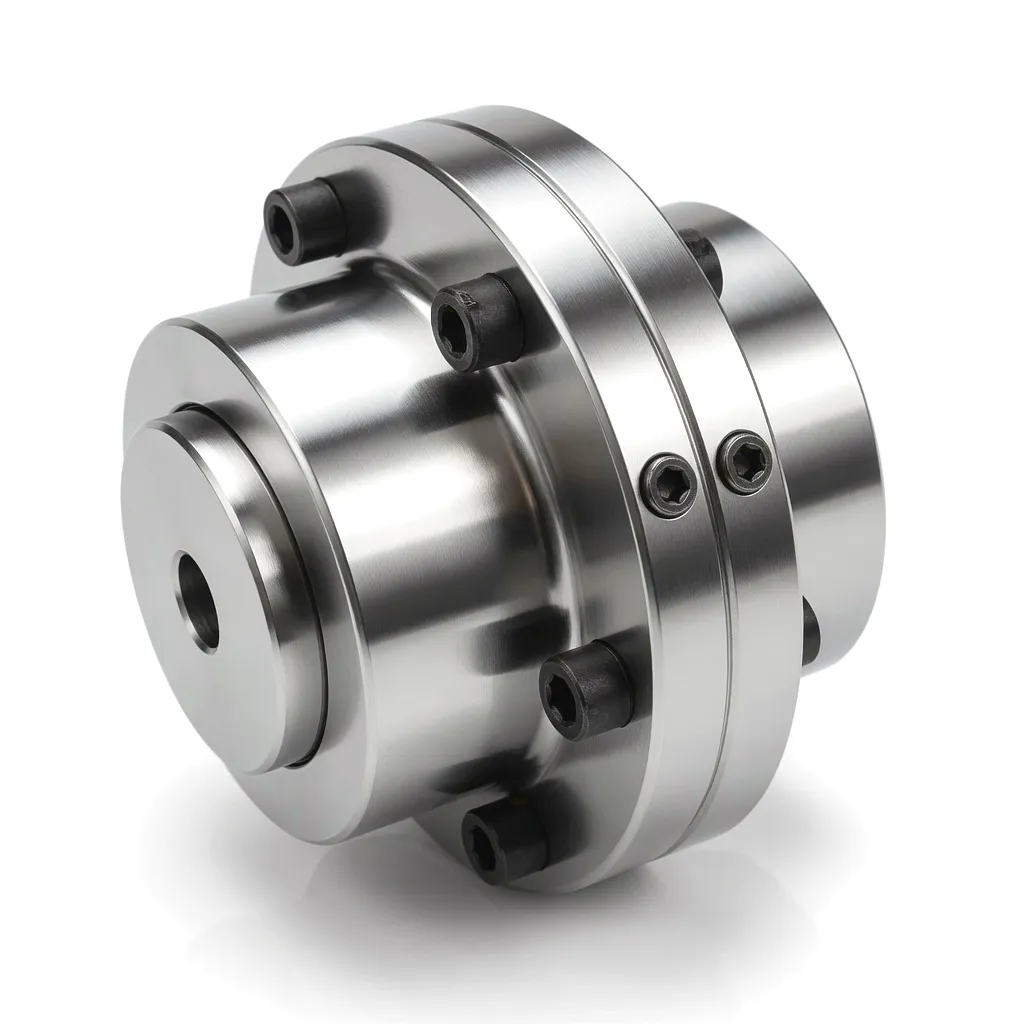
An internal gear sleeve meshes with crowned external gear teeth on each hub. The convex crown profile of the external teeth allows angular deflection up to 1.5° per gear mesh while maintaining full tooth contact across the face width. Torque is transferred by the compressive load between meshing flanks rather than friction, making this design exceptionally efficient even at very high torques. The tooth geometry is manufactured to DIN 5480 or ISO 4156 spline standards, and the internal bore of each hub is machined with tight H7/k6 or H7/n6 interference fits to ensure zero relative movement between hub and shaft under cyclic loading. Grease or oil lubrication retained by labyrinth seals keeps the contact zone protected from clinker dust ingress, extending service intervals to 12 months or beyond in typical cement environments.
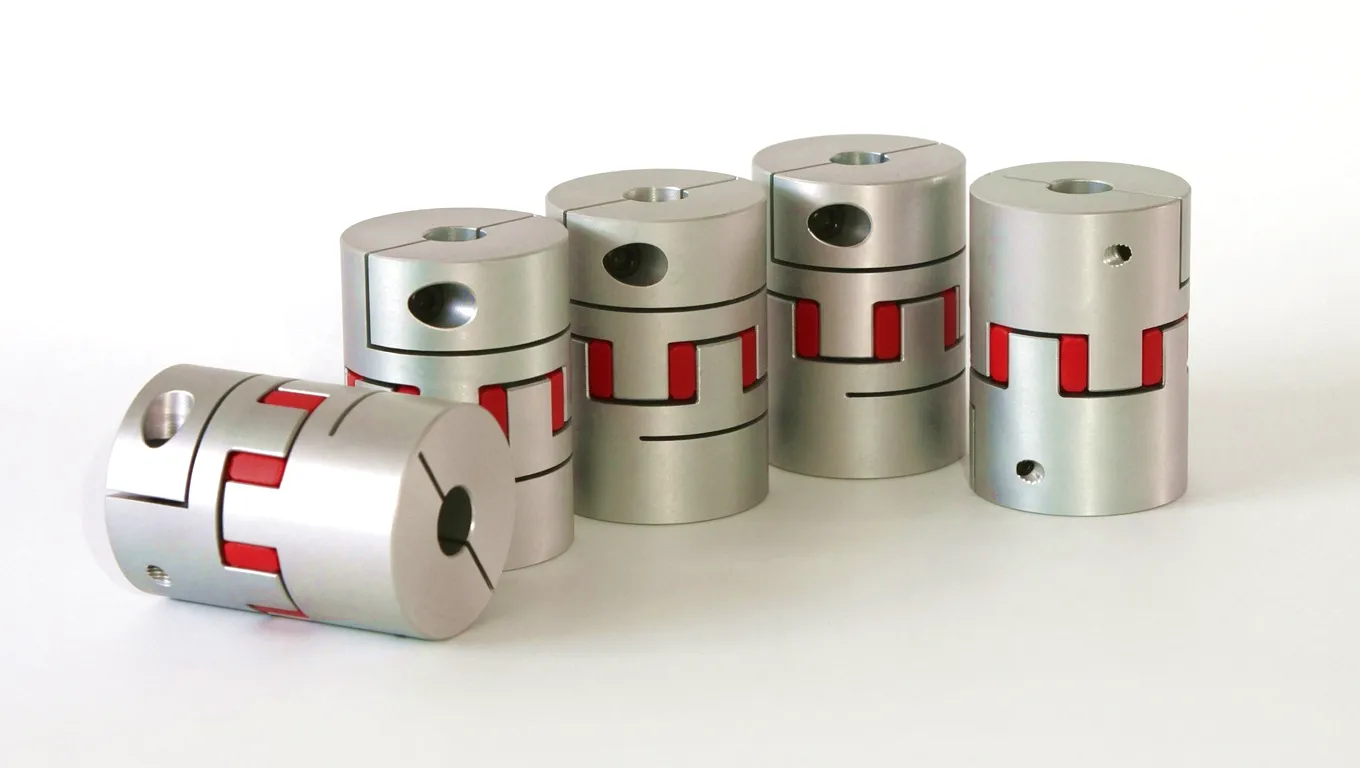
The snake spring coupling uses a continuous sinusoidal steel spring wound between facing serrated coupling flanges. When torque is applied, the spring segments compress progressively against the serrations, creating a non-linear stiffness characteristic: the coupling is soft at light loads (absorbing vibration and minor shock) and progressively stiffer at high torques (providing positive torque limitation at overload). This dual-stiffness behaviour makes snake spring couplings particularly well-suited to ball mill applications in cement plants, where the grinding media inside the mill creates a rolling mass that generates significant torsional pulsations during steady-state operation. Unlike rubber element couplings, the steel spring is unaffected by elevated ambient temperatures near kiln sections, maintaining its elastic properties at temperatures up to 120°C with appropriate grease selection.
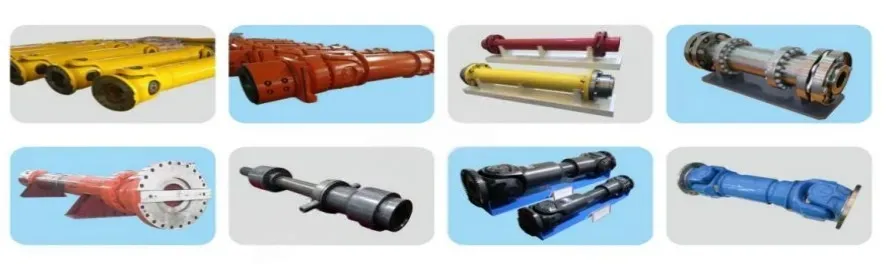
The SWC-series universal coupling — known in British engineering practice as a Cardan or cross-shaft coupling — transmits torque through a cross-and-bearing assembly that allows large angular misalignment (up to 15° to 35° depending on the series). In cement mill applications, SWC universal couplings are frequently deployed as intermediate shafts connecting non-collinear drive elements: for example, the output of a primary gearbox that is offset relative to the mill pinion shaft due to site layout constraints. The joint geometry means that torque is transmitted even through significant angular deflection, with a velocity ratio that is theoretically constant only when used in double-joint configuration with equal input and output angles. For cement plant applications, the flange and tube diameters are typically sized to exceed 1.5 times the calculated maximum torque, providing a built-in safety margin against the short-duration impulse torques that occur when large grinding balls tumble against the mill end wall.
Core Materials in High-Duty Coupling Manufacturing
The workhorse material for gear coupling hubs and sleeves. Quench-and-tempered to achieve tensile strengths of 900–1100 MPa. Excellent fatigue strength under the cyclic bending and torsional loads experienced by cement mill drive trains. After rough machining, parts are heat-treated and then finish-ground to achieve the tooth profile tolerances required for smooth power transfer.
Used exclusively for the serpentine spring element in snake spring couplings. The silicon-manganese composition delivers high elastic limit combined with excellent fatigue endurance. Springs are precision-formed, heat-treated to approximately 42–48 HRC, and shot-peened to induce compressive residual stresses that resist fatigue crack initiation at the surface. For elevated-temperature service near cement kiln sections, heat-resistant alloy spring steels can be substituted.
Cast steel is selected for large-diameter flanges and intermediate sleeves where complex geometries make forging impractical. ZG310-570 provides a minimum yield strength of 310 MPa with adequate ductility to absorb the shock pulses generated by ball mill grinding media. All castings undergo ultrasonic inspection and magnetic particle testing before machining commences, ensuring structural integrity in safety-critical components.
Sealing rings in gear coupling assemblies are manufactured from nitrile rubber (NBR) for standard service, or fluoroelastomer (FKM/Viton) where chemical compatibility with high-performance synthetic gear greases is required. The seal geometry follows a lip-and-retainer design that maintains contact force even as the seal compound ages, preventing the gradual grease loss that is a common cause of premature gear coupling failure in dusty cement environments.
Technical Performance Parameters — Cement Mill Coupling Series
Data applicable to standard product ranges. Custom specifications available on request.
| Parametri | Gear Coupling (WGⅡ) | Snake Spring (JSA) | Universal (SWC) |
|---|---|---|---|
| Nimellismomentti (Tn) | 250 – 2,500,000 N·m | 100 – 710,000 N·m | 1,000 – 4,000,000 N·m |
| Peak Torque (Tmax) | Up to 3 × Tn (momentary) | 1.5 – 2 × Tn | 2 – 2.5 × Tn |
| Suurin nopeus (rpm) | 1,500 – 6,000 | 500 – 1,800 | 100 – 1,000 |
| Kulmavirhe | ≤ 1.5° per mesh | ≤ 1° | ≤ 35° (double joint) |
| Radiaalinen linjausvirhe | ≤ 0.6 mm | ≤ 0.5 mm | Via angular capacity |
| Aksiaalinen kellunta | ± 5–15 mm | ± 3 – 8 mm | ± 10 – 60 mm |
| Operating Temp Range | -30°C to +120°C | -20°C - +120°C | -40°C to +150°C |
| Navan materiaali | 42CrMo4 forged steel | 45# / 42CrMo steel | 42CrMo4 / ZG310 |
| Pintakäsittely | Phosphate + EP grease | Shot peen + grease fill | Zinc phosphate primer |
| Reiän halkaisija-alue | 25 – 620 mm | 20 – 380 mm | 50 – 800 mm |
| Vääntöjäykkyys | Rigid (no elastic element) | Progressive (spring) | Rigid (needle bearings) |
| Voiteluväli | 12 months / 8,000 hrs | 6 – 12 months | 500 – 1,000 hrs (bearing) |
Why Coupling Selection Defines Mill Reliability — Core Technical Advantages
Cement mills are notoriously difficult to start. The static friction of the grinding media, combined with the inertia of the mill shell and its contents, means that start-up torques can momentarily reach three to four times steady-state values. A properly selected snake spring coupling or gear coupling with torque-limiting features dissipates these transient energy spikes without transmitting them to the gearbox. This protection measurably extends gearbox life — Birmingham plant operators have documented 40% reductions in gearbox bearing failures after upgrading from rigid flanged couplings to sprung designs.
In cement plant environments, the concrete foundations supporting mill drives are subject to ongoing settlement and thermal cycling. A gear coupling accommodates up to 1.5° of angular misalignment per mesh, meaning a double-engagement design handles up to 3° of total angular error without imposing parasitic radial forces on the motor or gearbox bearings. This capability is not just a theoretical specification; it directly translates into reduced bearing temperature, quieter operation, and extended seal life — each of which contributes to the long maintenance intervals that UK plant operators depend on.
Abrasive dust is the enemy of any lubricated mechanical component. Gear couplings for cement service are sealed with labyrinth-and-lip seal combinations that maintain a positive grease barrier even in the fine PM10 dust environments typical of raw meal grinding. The labyrinth creates a tortuous path that prevents dust ingress by displacement rather than compression, which means the seal effectiveness does not degrade as the sealing element wears. This approach has proven superior to simple O-ring designs in the Sheffield and Leeds industrial zone installations where particulate levels regularly exceed standard ambient guidelines.
Scheduled maintenance shutdowns in cement plants are tightly managed events; adding a coupling replacement to an already complex turnaround schedule is costly in labour, crane hire, and lost production. Modern gear couplings designed for cement service carry lubrication recommendations of 8,000 to 12,000 operating hours, aligning with annual overhaul cycles. The tooth geometry is designed with a minimum safety factor of 1.5 against pitting failure at the rated torque, ensuring that wear remains negligible between regreasing events rather than progressive and unpredictable.
Industrial Application Scenarios for Couplings in Cement Mill Drive Systems
Each grinding and conveying circuit within a cement plant presents a distinct coupling specification challenge. The scenarios below reflect real operating conditions found across the UK cement industry.
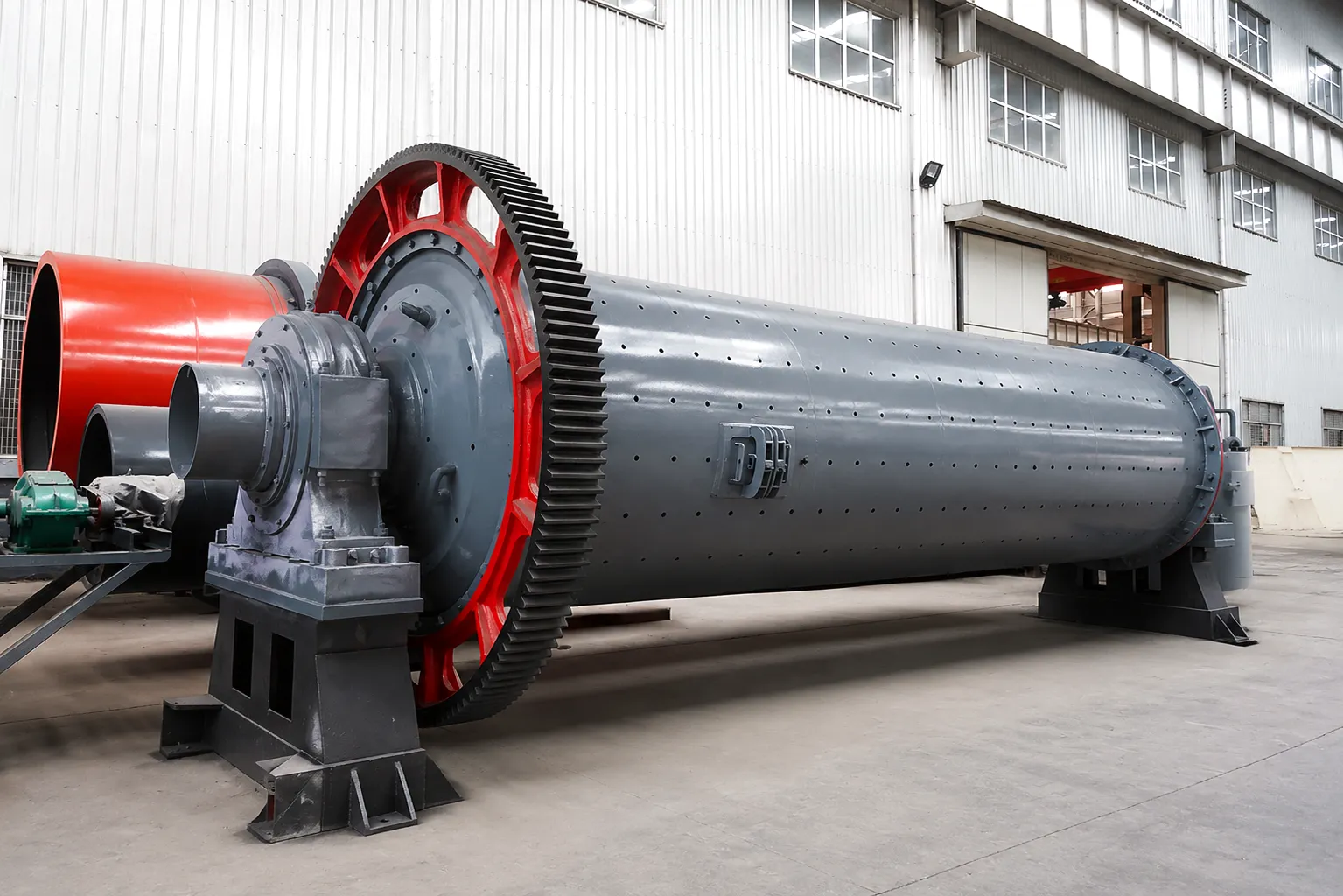
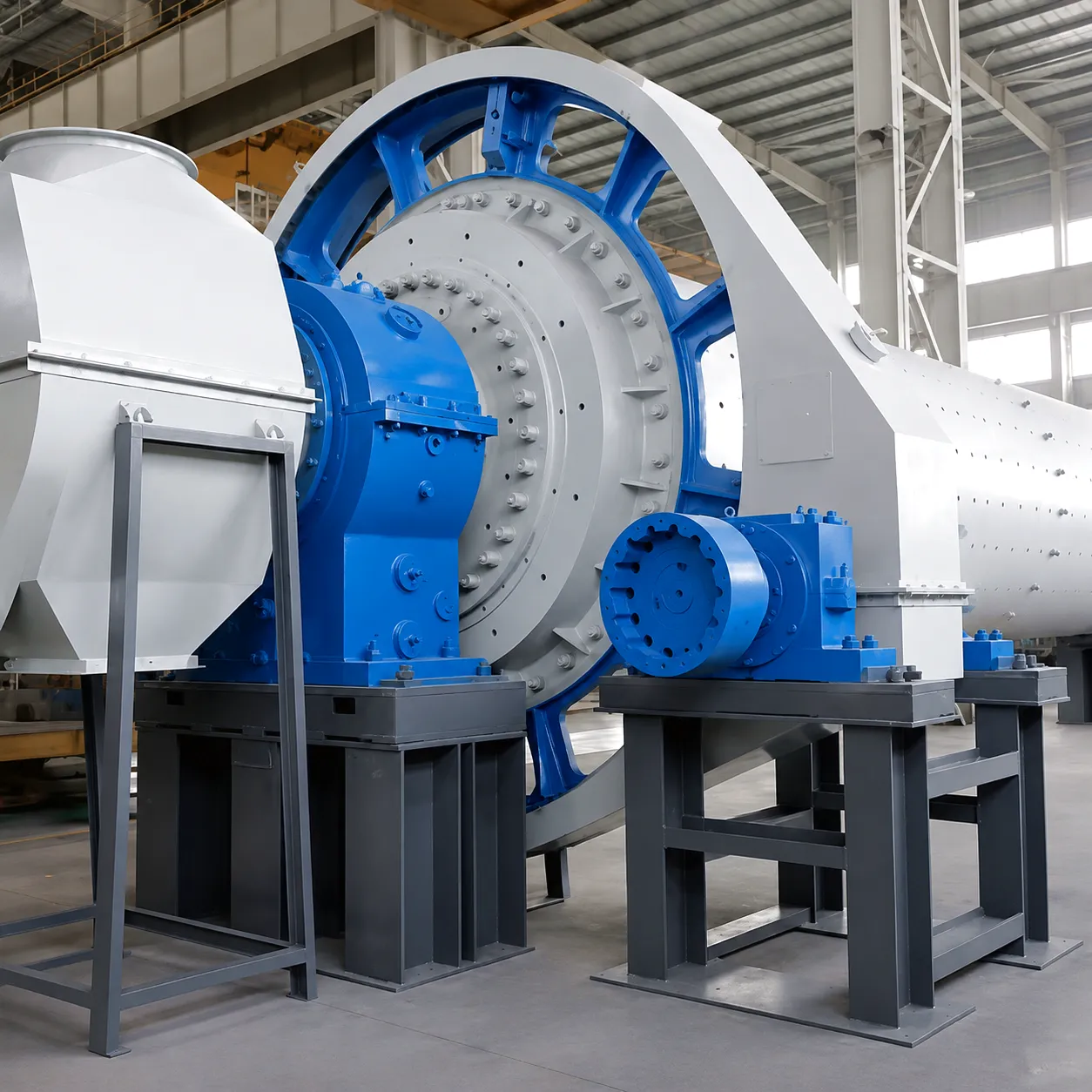 The ball mill remains the dominant comminution technology in UK clinker grinding circuits, with tube mills ranging from 3 MW to over 8 MW installed at integrated works such as the Hope Valley plant. The main drive shaft operates at low speed — typically 15 to 22 rpm at the mill pinion — but carries enormous torque. The drive system places a large gear coupling between the synchronous motor output flange and the primary gearbox input. During direct-on-line start, the motor develops three to four times its full-load torque in the first 200 milliseconds, generating a torque impulse that the coupling must absorb without yielding.
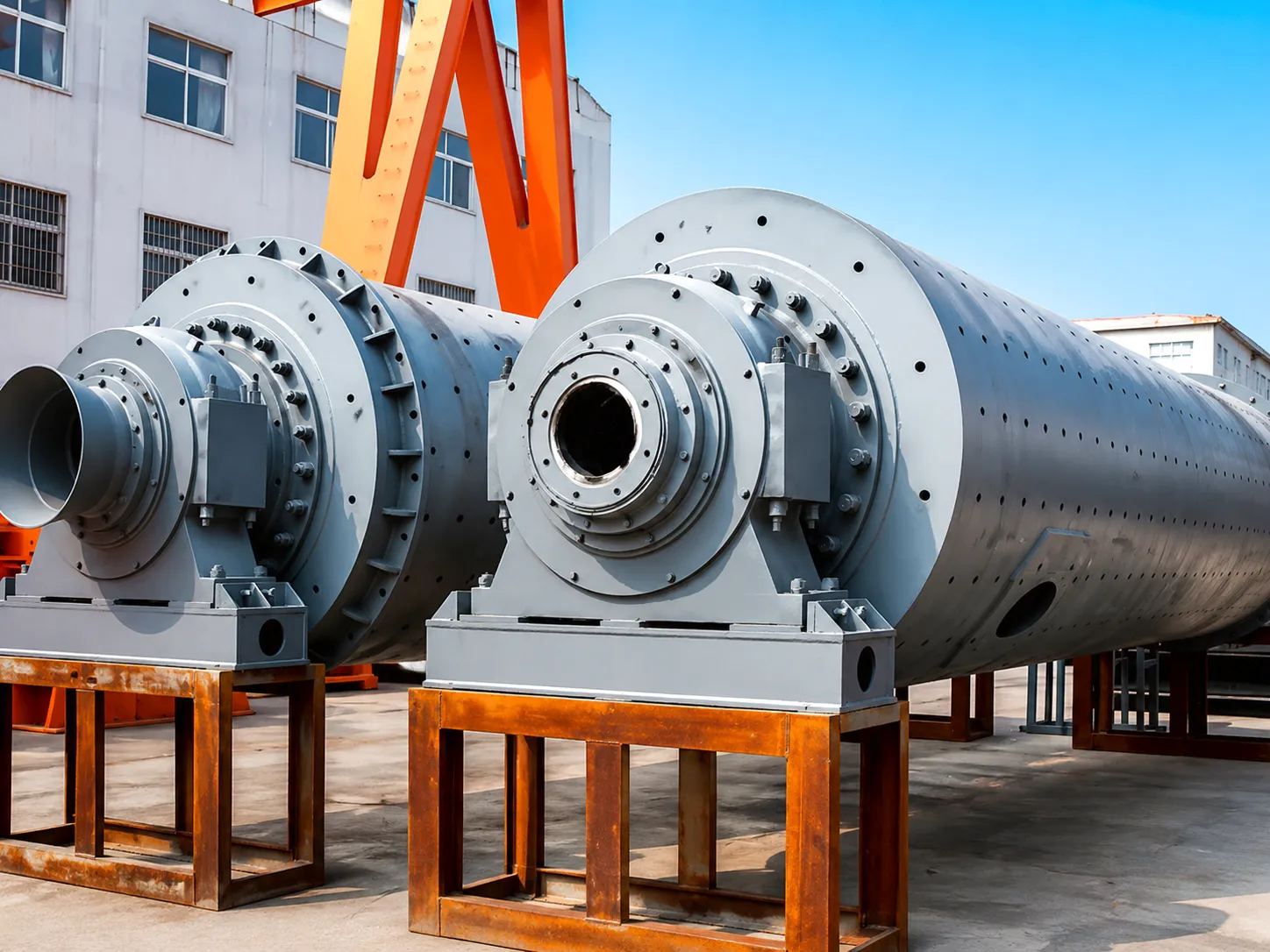 Roller presses are increasingly deployed in UK cement plants as pre-grinders upstream of ball mills, improving overall specific energy consumption. In a roller press drive system, each roll is driven by its own motor and gearbox combination, and the two rolls must operate synchronised to achieve efficient inter-particle crushing. The torsional pulsations generated by material entering and exiting the grinding gap are intense and irregular, creating a vibration environment that quickly fatigues conventional rigid couplings. Snake spring couplings excel here because of their progressive torsional stiffness: at low differential torques — during synchronisation and light loading — the spring is compliant, absorbing the vibration without transmitting it upstream to the motor frame or downstream to the gearbox output shaft.
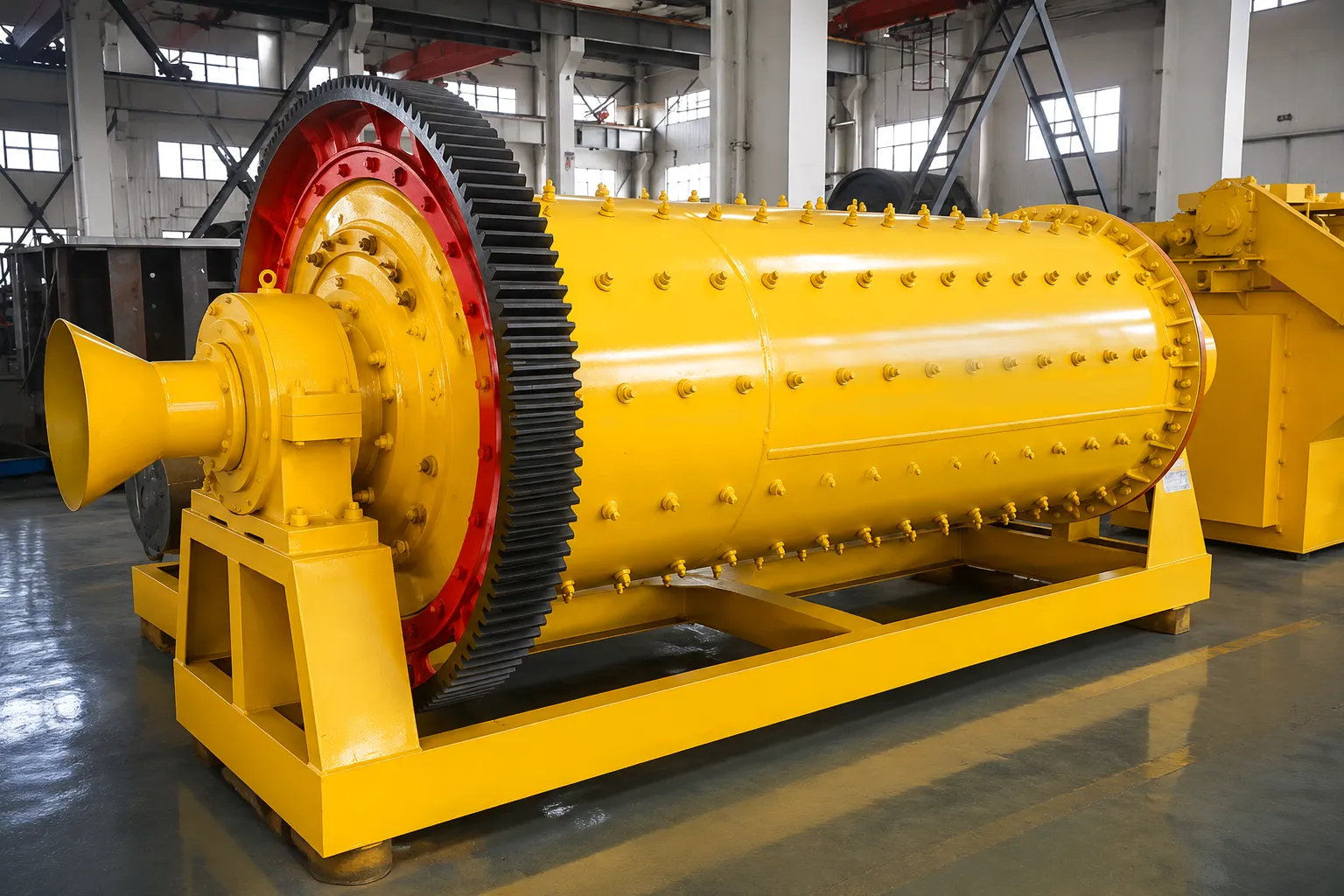 Vertical roller mills are the preferred technology for raw meal preparation in modern UK cement works because of their superior energy efficiency and drying capacity. The drive arrangement is unique: a large planetary or bevel-helical gearbox is mounted directly beneath the grinding table, and the input shaft of this gearbox must be connected to the motor in a configuration that accommodates the large vertical offset between the motor centreline and the gearbox input. SWC series universal couplings — Cardan-type driveshafts with flanged end connections — are well-established in this role, transmitting torques from 500 kW to 6 MW across angular offsets that would be impossible for a conventional gear coupling to handle.
 Beyond the grinding mills themselves, couplings are critical components throughout the bulk material handling infrastructure that feeds and serves the grinding circuits. Clinker conveyors, pan conveyors, and high-capacity bucket elevators represent some of the most severe applications for couplings because they are subject to very high shock loads when lumps of over-sized material enter the conveyor chain or bucket assembly. A bucket elevator filling with dense clinker fragments creates a load impulse that can be three to five times the calculated steady-state design torque.
Our Coupling Product Range
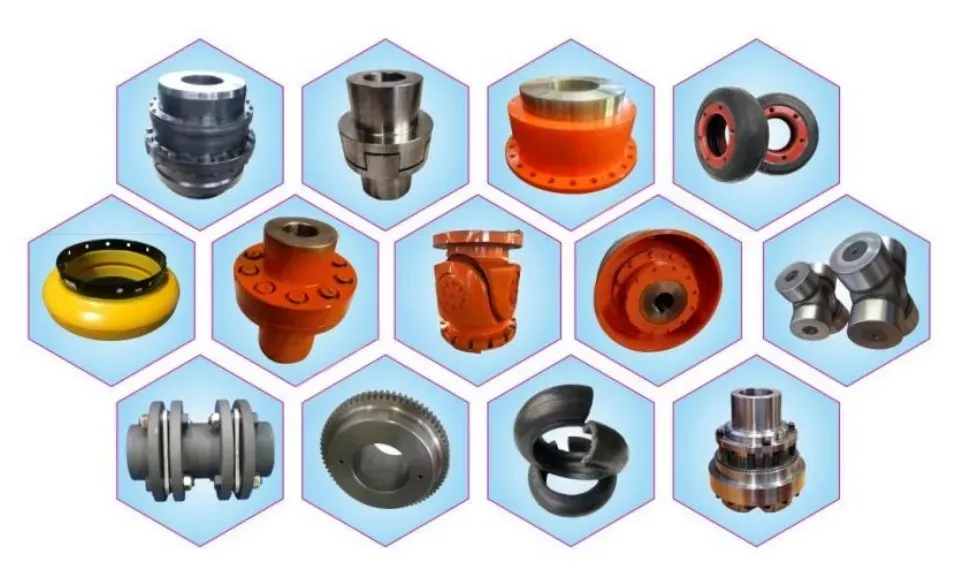
Featured Products for Cement Mill Applications
Engineered for high-torque, high-shock industrial environments
JSA-sarjan käärmejousikytkentä
The JSA Series Snake Spring Coupling delivers progressive torsional compliance combined with high peak torque capacity, making it the preferred choice for ball mill and roller press drive systems where vibration damping and overload protection are equally important. The precision-wound 60Si2Mn spring element fits between serrated coupling flanges machined from 42CrMo steel, accommodating angular misalignment up to 1° while the spring’s non-linear stiffness absorbs start-up shocks that would damage rigid alternatives. Available in standard bore sizes from 20 mm to 380 mm and in custom configurations for legacy mill shafts, the JSA series is backed by full material traceability and test certification for UK procurement requirements.
SWC-sarjan yleiskytkentä
The SWC Series Universal Coupling handles the large angular offsets and high torque demands of vertical roller mill input shafts, conveyor head drives, and other applications where significant shaft angle misalignment must be accommodated continuously. Built from 42CrMo4 alloy steel with precision-machined cross-and-bearing assemblies, the SWC series is rated up to 4,000,000 N·m in the largest configurations and handles operating angles to 35° in double-joint arrangements. The sliding spline section absorbs thermal axial movement without imposing thrust loads on adjacent bearings, a critical feature in cement plant environments where temperature swings of 50°C to 80°C occur between cold start and full production. Flange drilling is available to BS, DIN, or custom PCD specifications for direct retrofit into existing drive arrangements.
Ever Power — Precision Coupling Manufacturing and Customisation
Ever Power has built its manufacturing identity around one principle: couplings supplied for heavy industrial service must perform reliably across their entire rated life, not merely comply with a specification sheet at the moment of dispatch. This philosophy underpins every dimension of the business — from the raw material procurement standards applied to every batch of 42CrMo4 billets, through to the post-heat-treatment hardness verification carried out on every gear tooth before grinding commences.
The manufacturing facility operates gear tooth grinding centres with profile measurement capability traceable to international standards, enabling Ever Power to produce coupling gear teeth to ISO 1328 accuracy grade 5 or better as a standard deliverable. For cement industry customers in the UK requiring compliance with specific ATEX zone classifications, explosion-proof seal assemblies and anti-static grease specifications are available as factory-applied options — important for clinker grinding applications near gas-handling infrastructure.
Customisation capability at Ever Power extends beyond straightforward bore and keyway modifications. The engineering team processes requests for flanges drilled to legacy BS4 or BS PCD patterns that are no longer catalogued by European manufacturers, taper bore adaptations to 1:10 or 1:8 ratio, half-coupling assemblies for replacement into existing housings where the full coupling is retained, and special material grades including duplex stainless steel for cement plants where chemical process fluids are used in emission control systems adjacent to the drive platform. Lead times for standard customisations — bore to size, keyway to DIN 6885, balancing to ISO 1940 G6.3 — are typically 15 to 25 working days from confirmed order, with expedited 10-day services available for emergency shutdown situations. UK customers benefit from consolidated shipping via established freight corridors to the major ports of Felixstowe, Southampton, and Hull, with documentation packages prepared to UK Conformity Assessed (UKCA) marking requirements where applicable.
Customer Success Story: Rugby, Warwickshire — Integrated Cement Works
A large integrated cement works in Rugby, Warwickshire — one of the Midlands’ longest-established production sites — had been experiencing repeated gear coupling failures on the main drive of their No. 3 ball mill. The 6 MW synchronous motor drove the primary gearbox through a standard gear coupling that had been in service for eleven years. Over the previous eighteen months, the maintenance team had recorded four instances of internal sleeve cracking, each requiring an emergency shutdown of approximately sixty hours to remove the coupling halves, source a replacement sleeve from the existing supplier, and recommission the drive. Each incident was costing the operation an estimated £85,000 in lost production and repair labour, not including the ongoing escalation in parts procurement prices from the incumbent European supplier whose lead times had stretched to twelve weeks post-Brexit.
The plant’s rotating equipment engineer contacted Ever Power after reviewing alternative suppliers through the UK Mechanical Engineering Buyers’ Network. A technical review meeting was conducted remotely, during which the Ever Power applications team requested the mill’s operational data: start-up frequency (two per week), measured start-up torque multiplier (3.6 × Tn from an existing drive train analyser), ambient temperature range, dust concentration at the coupling position (confirmed at 180 mg/m³ measured against BS EN 481 particle size fractions), and the specific failure mode observed — inter-granular cracking in the gear sleeve at the tooth root, consistent with material fatigue under repeated overload.
Ever Power recommended an uprated WG-type gear coupling manufactured from 42CrMo4 quench-and-tempered to 900 MPa tensile strength, sized two steps above the nominal torque rating to achieve a calculated safety factor of 2.4 against the measured start-up impulse. The internal sleeve tooth profile was specified with a crowned contact geometry, manufactured to ISO 1328 grade 5, eliminating the stress concentration at the tooth root edge that had contributed to the fatigue failures in the previous design. Additional features included an upgraded labyrinth-plus-lip seal assembly to address the documented dust contamination. The coupling was delivered to the Rugby works within eighteen working days of order confirmation, complete with an EN 10204 3.1 material certificate and a dimensional inspection report. Installation was completed during the next planned weekend maintenance window. As of the time of writing, the coupling had completed fourteen months of continuous operation and two annual regrease services without any reported anomaly — a stark contrast to the four failures in the preceding eighteen months.
Customer Reviews
“We had almost given up on finding a supplier who could deliver a correctly sized gear coupling for our legacy 1990s-era ball mill without a six-month lead time. Ever Power turned around a fully bored and keywayed coupling in under three weeks, and the dimensional package matched our original drawings exactly. The upgraded seal design has eliminated the grease contamination problem we had been chasing for two years. Outstanding technical support throughout.”
”Valitsimme Ever Powerin JSA-käärmejousikytkimet valssiprässi-esihiomakoneeseemme Sheffieldissä. Tärinätiedot ennen ja jälkeen ovat merkittäviä – moottorikotelon värähtely laski 8,4 mm/s RMS:stä 3,1 mm/s RMS:ään heti käyttöönoton jälkeen. Jousielementin progressiivinen jäykkyys tekee juuri sen, mitä tarvitsimme: vaimentaa pulsseja vaarantamatta vääntömomentin siirtoa täydellä kuormalla. Tarjottu materiaalisertifiointi täyttää laatujärjestelmän jäljitettävyysvaatimuksemme ilman jälkikäsittelyä.”
”Ever Power toimitti SWC-yleiskytkimet kolmeen kauhahissipään käyttölaitteeseen laitoskunnostustemme aikana. Ever Powerin suunnittelutiimi laski käyttökulman kompensaation ja määritti oikean DH-tyyppisen paljetasauman ilman, että meidän tarvitsi teettää omaa dynamiikka-analyysiä. Heidän korjaamonsa vahvistama kokoonpanoa edeltävä linjaustarkistus on todellinen erottava tekijä – molemmat kytkimet asennettiin ja ne otettiin käyttöön neljän tunnin kuluessa toimituksesta tiukan toimitusaikamme puitteissa. Hinta oli myös erittäin kilpailukykyinen eurooppalaisiin vaihtoehtoihin verrattuna, joita arvioimme.”
Usein kysytyt kysymykset
Yhdistyneen kuningaskunnan sementtitehtaiden insinöörien ja hankintatiimien yleisimmät kysymykset
vaihdetyyppinen kytkentä.yläosa | Teollisuuden kytkentäratkaisut, valmistaja Ever Power | Birmingham · Sheffield · Rugby · Nationwide UK Supply
gzl:n muokkaama