 The cement rotary kiln sits at the heart of every Portland cement plant in the United Kingdom, rotating continuously at low speed under enormous radial loads and thermal stresses. At plants across the Midlands, Yorkshire and the North-West, these massive cylinders — some exceeding 70 metres in length and weighing thousands of tonnes — depend entirely on the reliability of their drive-train couplings. A coupling failure in this environment does not simply trip an alarm; it translates directly into days of lost production, emergency repair costs and potential damage to refractory linings that can run into six-figure sums. Understanding which coupling type is engineered for these exact conditions, and why material selection and geometric precision matter above all else, is the starting point for any procurement or maintenance decision in the UK cement sector.
How Gear-Type Couplings Work in Rotary Kiln Drive Systems
Torque Transmission Mechanism
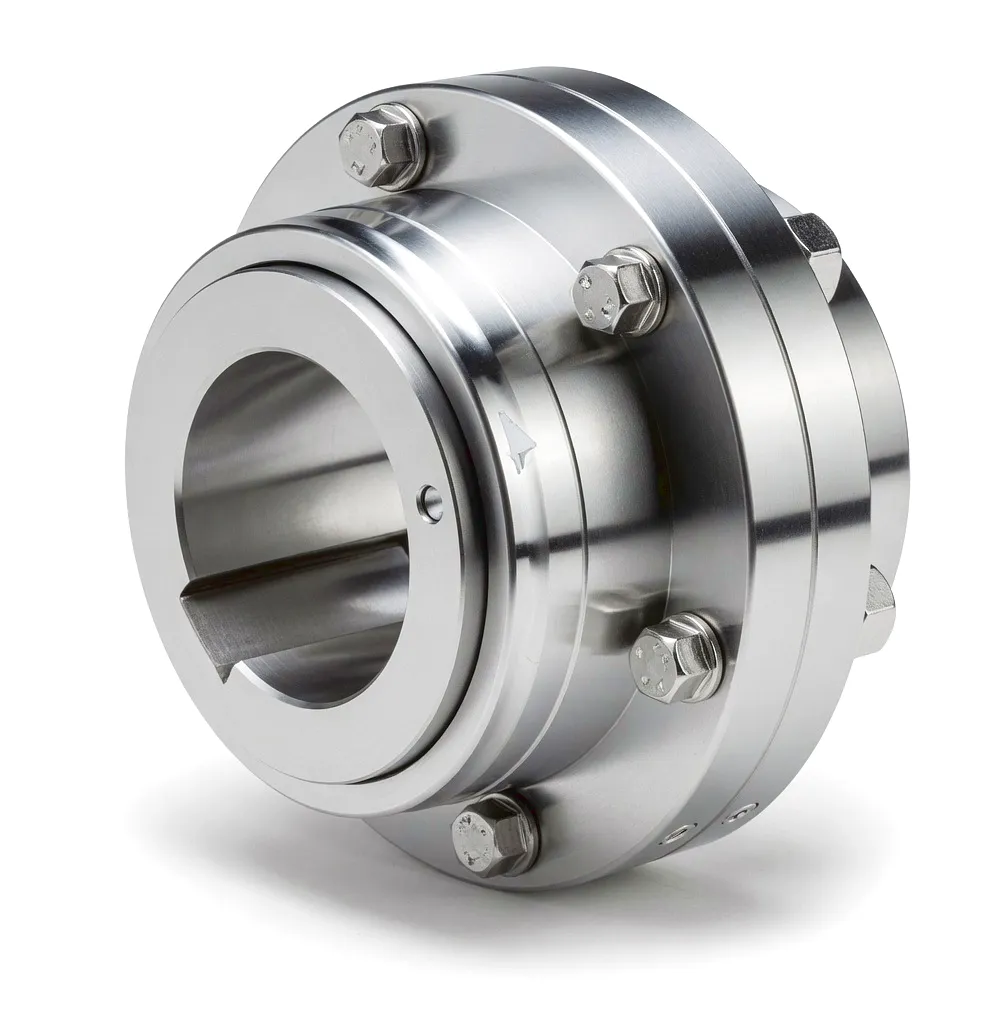
A gear-type coupling consists of two internally toothed hubs mating with two externally toothed sleeves. When the drive shaft rotates, torque is transferred through the meshing of involute gear teeth. The crowned (barrel-shaped) profile on the external teeth is the key innovation: it allows the coupling to accommodate angular misalignment of up to 1.5 degrees and parallel offset of several millimetres without generating edge loading. In a cement rotary kiln, where the kiln shell expands thermally by 30 to 50 mm during heat-up cycles, this misalignment tolerance is not a luxury but an absolute operational necessity.
Load Distribution and Shock Absorption
During kiln start-up, the static friction of the kiln charge and the cold refractory creates a momentary peak torque that can reach three to five times the nominal running torque. The gear tooth engagement distributes this shock load across multiple tooth pairs simultaneously, preventing the concentrated stress that would fracture a rigid coupling flange. The lubricant film within the sealed coupling housing also provides a degree of hydraulic damping. Engineers at cement plants in Sheffield and Barnsley who have switched from older pin-and-bush couplings to modern gear-type designs report measurable reductions in trunnion bearing wear rates, a direct consequence of eliminating the bending moments that pin-type designs impose on shaft ends.
Lubrication and Sealing Systems
Gear-type couplings on rotary kilns operate in a sealed housing packed with high-viscosity EP (extreme pressure) grease or gear oil. The labyrinth seals at each end prevent cement dust ingress while retaining lubricant under centrifugal force. Modern couplings use O-ring face seals backed by labyrinth grooves, an arrangement that extends relubrication intervals to 6,000 operating hours or beyond. On continuous-operation kilns common in UK integrated cement works such as those in Cauldon and Westbury, this translates to one planned lubrication service per 250-day campaign rather than the monthly interventions that older open-gear drives demanded. Reducing maintenance touchpoints in high-dust environments is a measurable safety and productivity gain.
Product Advantages: Why Gear-Type Couplings Outperform Alternatives in Kiln Drives
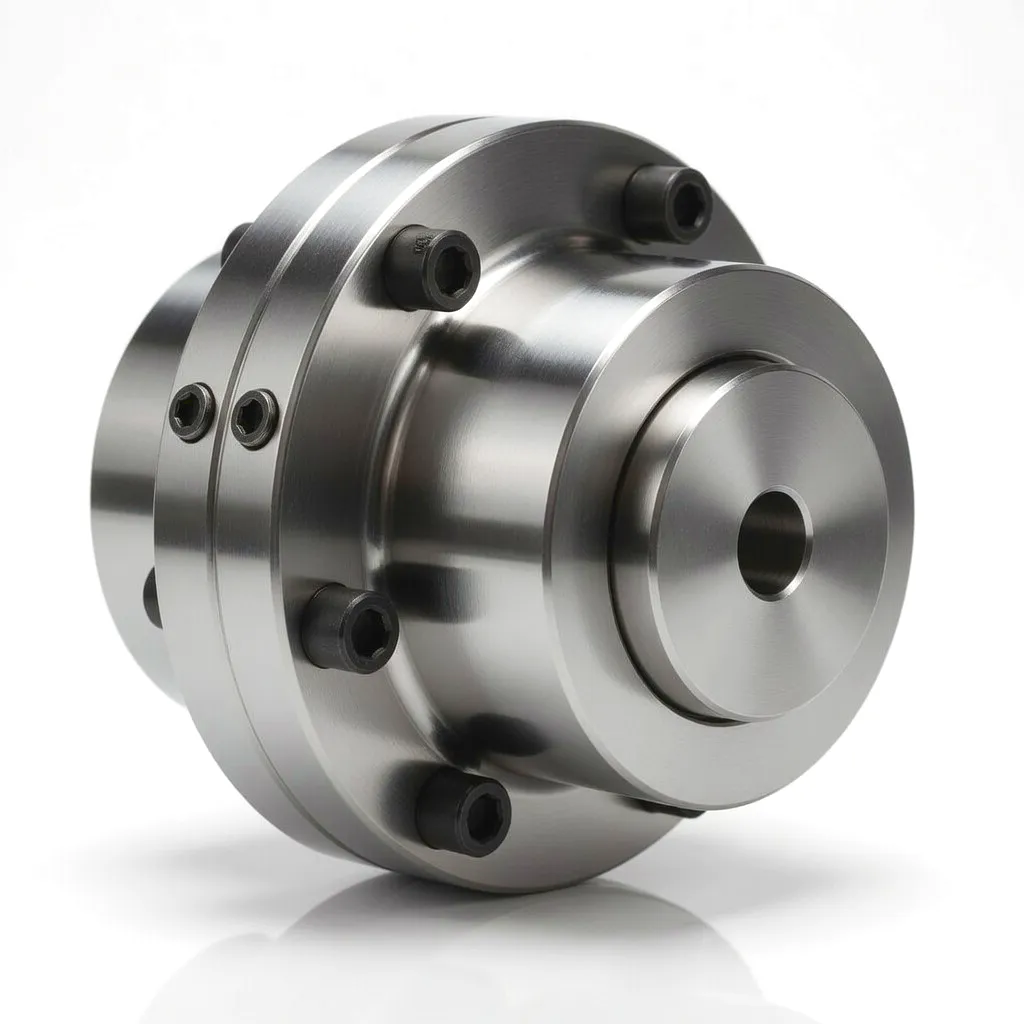
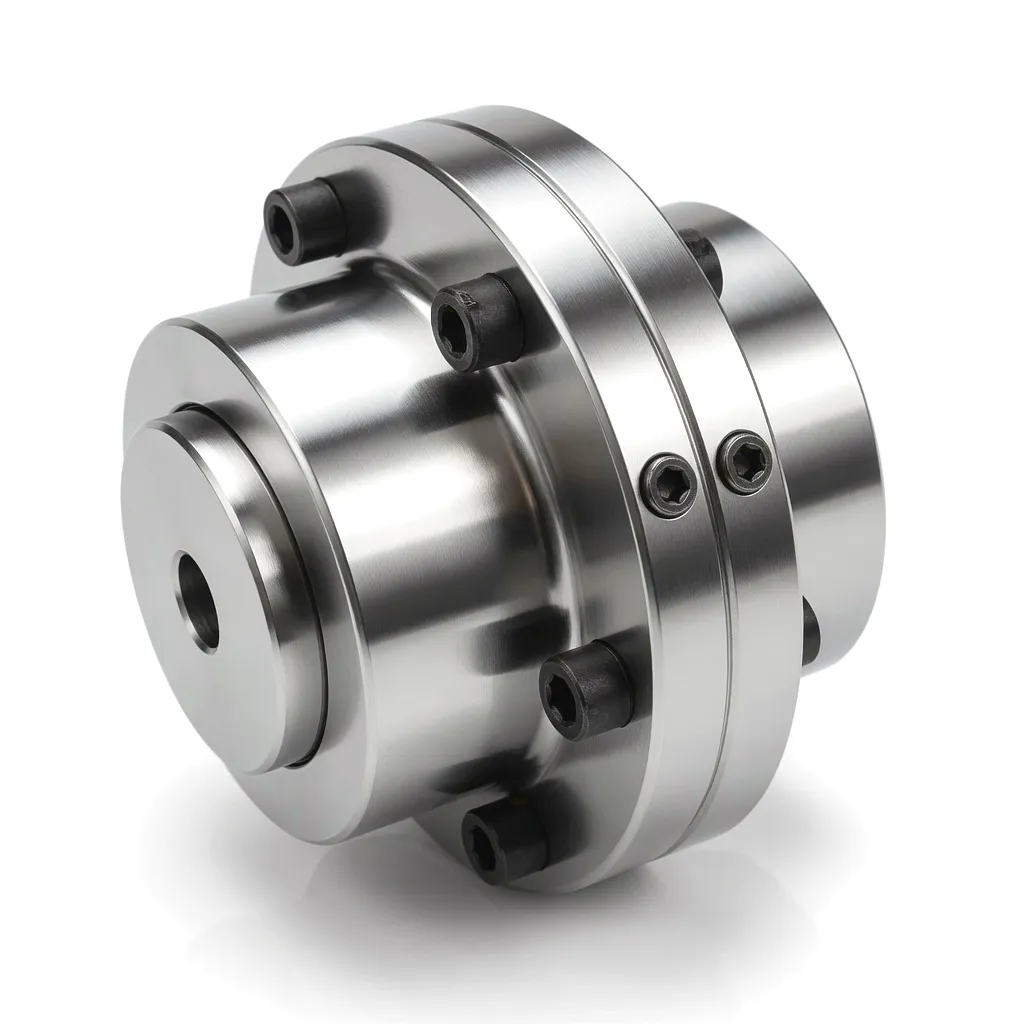
When plant engineers at cement works in Birmingham or Buxton evaluate coupling replacements, the comparison always comes down to six decisive performance metrics. Gear-type couplings do not win in every category — disc couplings offer zero-backlash precision and maintenance-free operation — but for the main kiln drive specifically, the gear-type design holds a structural advantage that no other coupling category has displaced in practice.
High Torque Capacity with Compact Envelope
Gear couplings transmit more torque per unit of external diameter than any other flexible coupling type. This is critical on rotary kilns where the drive arrangement is often space-constrained between the kiln tyre and the girth gear, leaving minimal room for the coupling. A gear coupling rated at 500 kN·m may have an outer diameter only 20% larger than an equivalent flexible-jaw type rated at 100 kN·m, making it viable in retrofits where the footprint cannot change.
Misalignment Tolerance Under Thermal Cycling
The crowned tooth geometry accommodates simultaneous angular misalignment (up to 1.5°) and axial displacement (up to 8 mm per coupling half). During the heat-up phase of a dry-process kiln, the shell grows axially and the trunnion support geometry shifts, introducing misalignment that would destroy a rigid flanged coupling within hours. Gear couplings handle this gracefully for years, provided lubrication is maintained and the misalignment remains within the design envelope.
Proven Longevity — 15+ Year Service Life
At cement works operating continuous campaigns (kilns in the UK typically run 250 to 330 days per year), the coupling between the main gearbox output shaft and the kiln pinion shaft is expected to last through multiple campaign cycles before overhaul. Properly specified and maintained gear-type couplings regularly achieve 80,000 to 120,000 operating hours before tooth wear reaches the replacement threshold, representing 15 or more years of service. This longevity directly reduces the total cost of ownership compared to elastomeric couplings that require element replacement every 3 to 5 years.
Simple Field Service Without Special Tools
Gear coupling maintenance, which principally consists of relubrication and periodic inspection of tooth wear using wear gauges, can be completed by plant maintenance teams without specialist contractor support. Coupling halves separate axially, so the drive motor and gearbox do not need to be repositioned to access the teeth. In remote cement plant locations across Wales or the Scottish Highlands, the ability to carry out maintenance using locally available skills and standard hand tools carries significant practical and budgetary advantages.
Customisable to Exact Drive Geometry
No two rotary kiln drive trains are dimensionally identical. Shaft diameters, keyway dimensions, hub bore lengths and the axial distance between shaft ends vary between kiln manufacturers and between models within a manufacturer range. A well-equipped coupling manufacturer can supply bespoke hubs bored and keyed to drawing, with external teeth ground to match the sleeve, and flanges drilled to the plant bolting pattern. This eliminates the costly site modification work that arises when standard catalogue items are forced to fit non-standard applications.
Compliance with ATEX and CE Marking
UK and EU regulatory frameworks require that mechanical components in potentially explosive atmospheres (ATEX Zone 22 is common in cement raw meal and finish grinding areas) carry appropriate CE and ATEX certification. Gear-type couplings supplied with ATEX II 2D certification, non-sparking surface treatment and balanced assemblies to ISO 21940 meet Health and Safety Executive requirements, which are rigorously enforced at UK cement plants following several high-profile incidents in adjacent industries.
Technical Performance Parameters Table
Application Scenario: Cement Rotary Kiln Drive Train
The most demanding coupling application in the entire cement manufacturing process.
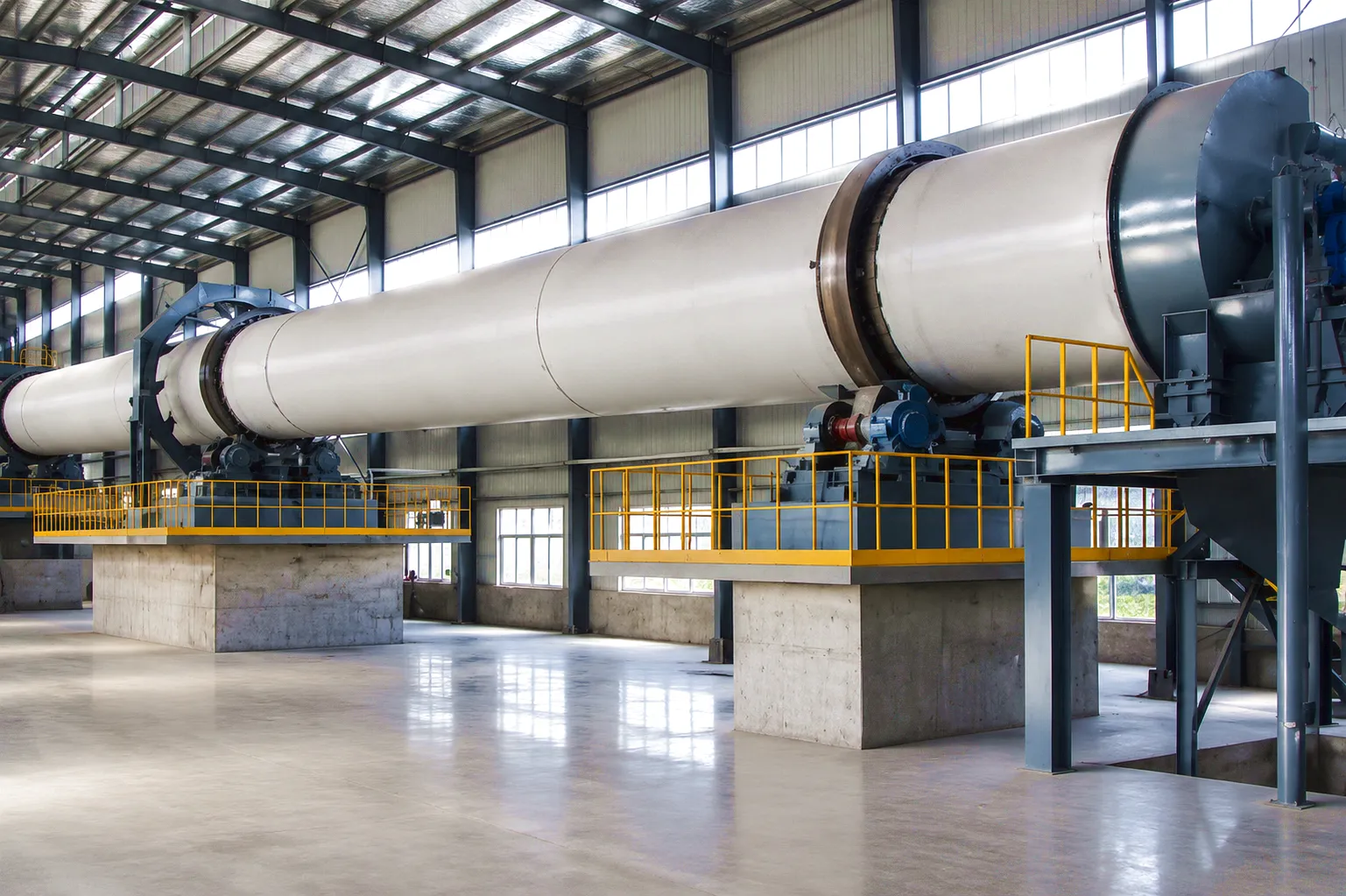 The connection between the main gearbox output shaft and the kiln pinion shaft is the single most torque-intensive coupling position in the entire cement plant. At a typical UK 3,000 tonne-per-day kiln — the scale common to plants operated by major producers in the Hope Valley of Derbyshire or along the Thames Estuary — the main drive motor outputs 1,500 to 4,000 kW, passing through a multi-stage helical or planetary gearbox before arriving at the pinion shaft at 2 to 6 RPM with a corresponding torque in the range of 500 to 2,500 kN·m. The coupling in this position must not only handle this torque continuously but must also survive the 250% overload torque that occurs every time the kiln is started from cold, when the frozen charge of raw meal and fuel ash resists rotation until the static friction is overcome. Gear-type couplings with heavy-series specifications are the only practical choice at this duty point, and they typically have a face-to-face dimension of 600 mm to over 1,200 mm with shaft bores of 250 mm to 500 mm diameter. Bore tolerancing to H7/r6 interference fit is standard to prevent fretting corrosion of the mating surfaces under the oscillating micro-movements associated with torque reversals during kiln operation.
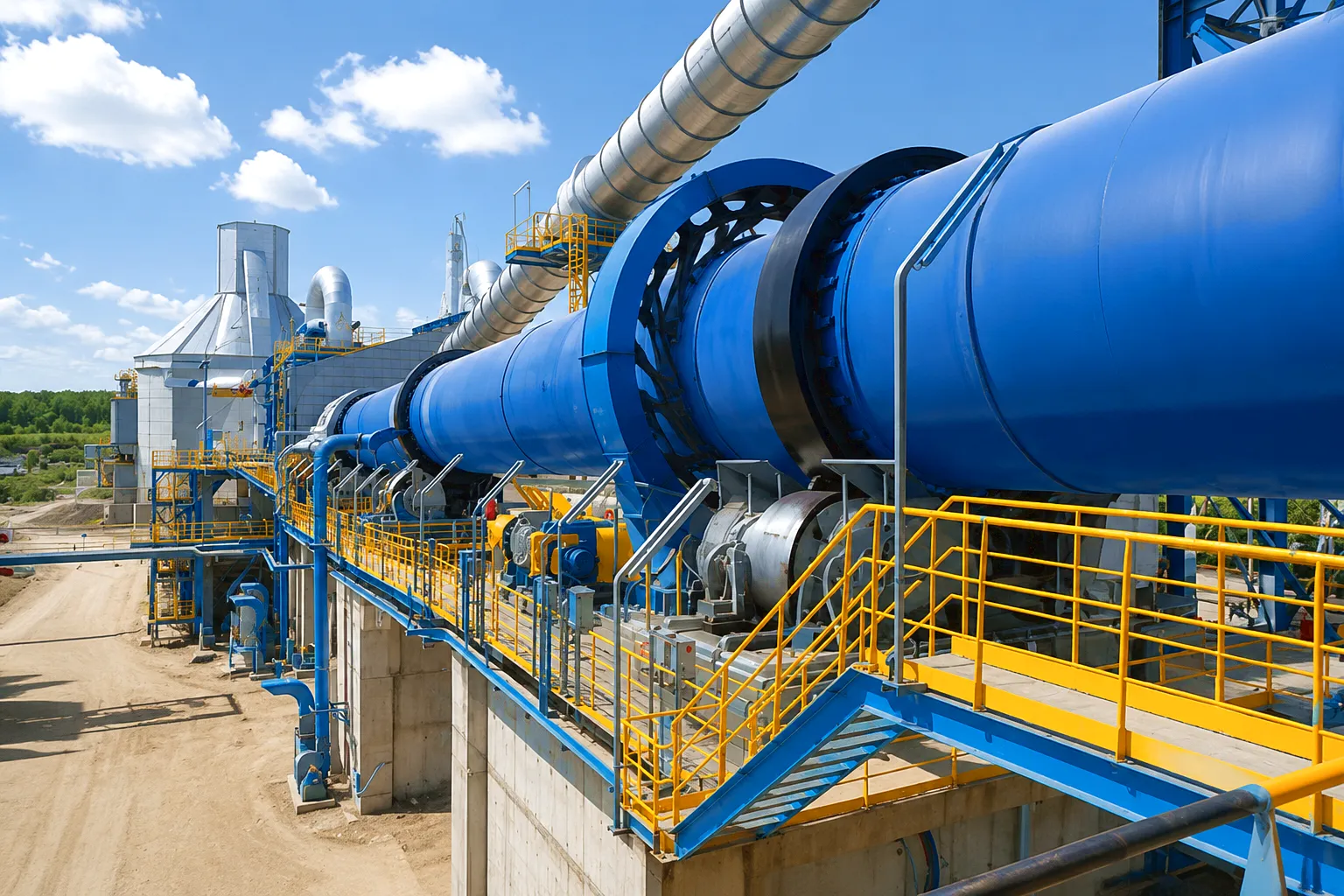 Every industrial rotary kiln requires an auxiliary or barring drive: a low-power, very-low-speed drive that keeps the kiln rotating slowly (typically 0.1 to 0.3 RPM) during planned and unplanned hot shutdowns to prevent the kiln shell from bowing due to differential thermal contraction. The coupling between the barring drive motor and the main gearbox input, or between a separate barring gearbox and the kiln bull gear, is a much smaller duty than the main drive but presents its own challenges. The coupling must disengage cleanly when the main drive restarts, and must transmit torque reliably even after months of inactivity (barring drives may sit idle between major maintenance outages). Disc couplings are increasingly specified for barring drive applications because their torsional stiffness and zero-backlash characteristics suit the precise positioning demanded when maintenance crews are working near the rotating kiln. A stainless-steel disc-pack coupling with torque ratings from 100 to 2,000 N·m, sized for the 15 to 37 kW barring drive motors common on UK kilns, handles this duty without the lubrication concerns that would complicate gear coupling use in infrequently-operated systems.
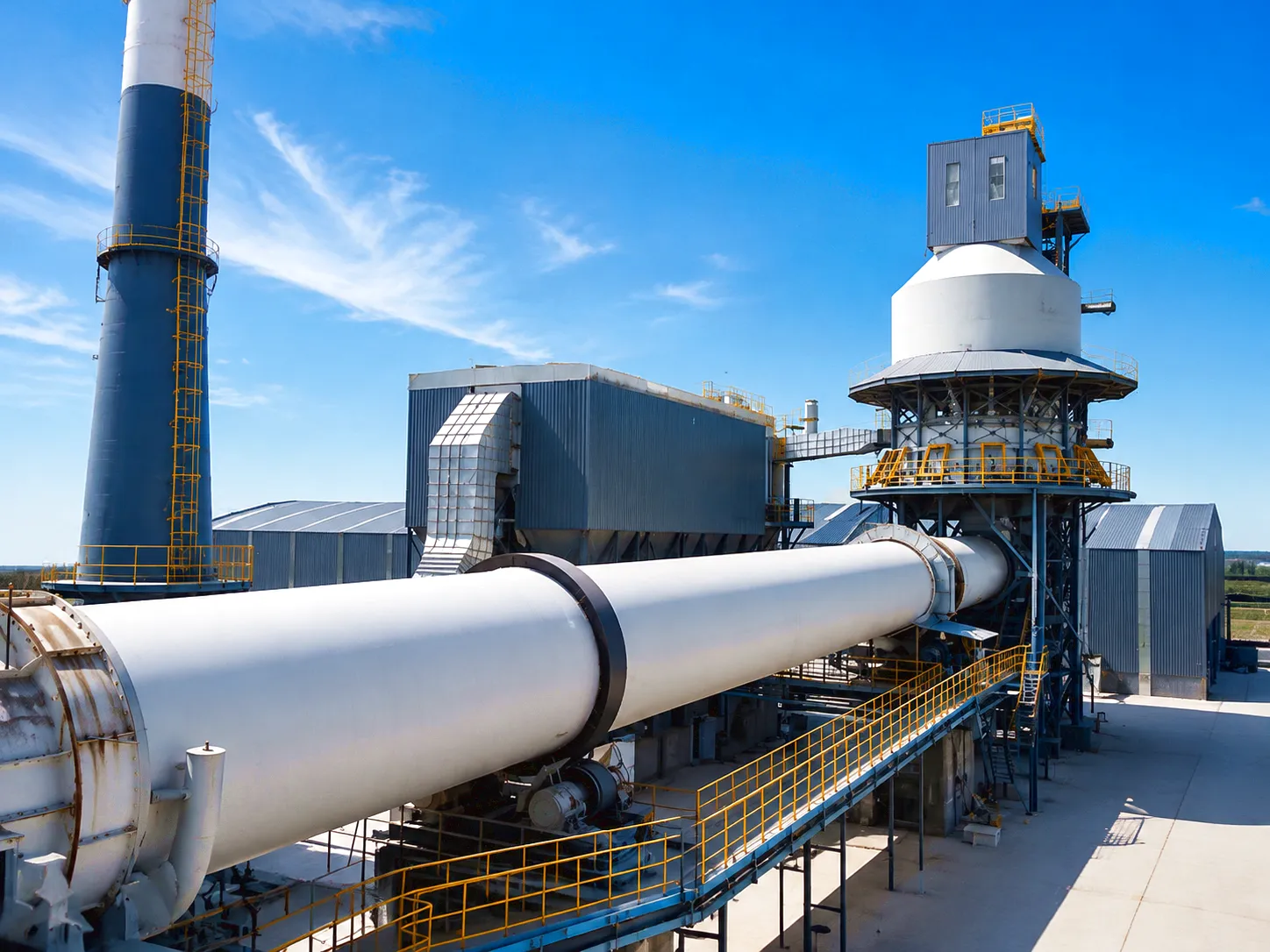 Beyond the kiln itself, a complete cement plant encompasses several other drive positions where gear-type and flexible couplings are essential. The raw mill drive, typically a vertical roller mill or a ball mill consuming 2,000 to 8,000 kW, uses a gear coupling on its gearbox output shaft of a size and specification comparable to the kiln main drive, although at significantly higher speeds (the raw mill pinion shaft typically rotates at 50 to 120 RPM). The clinker cooler reciprocating grate or rotary cooler drive uses medium-series gear couplings. The preheater tower IDF (induced draught fan) drives, which handle the enormous gas flows of 400,000 to 1,200,000 Nm3/h through the cyclone preheater, use flexible beam couplings or disc couplings on their high-speed motor shafts (typically 1,000 to 1,500 RPM) where precise balance and vibration limitation are critical for bearing longevity. At cement plants in the Ribblesdale valley of Lancashire and in the limestone belt of Lincolnshire, maintenance engineers schedule coupling inspections to coincide with the annual summer shutdown, creating a concentrated demand for replacement coupling components and lubrication that a reliable UK-experienced supplier must be able to fulfil from stock.
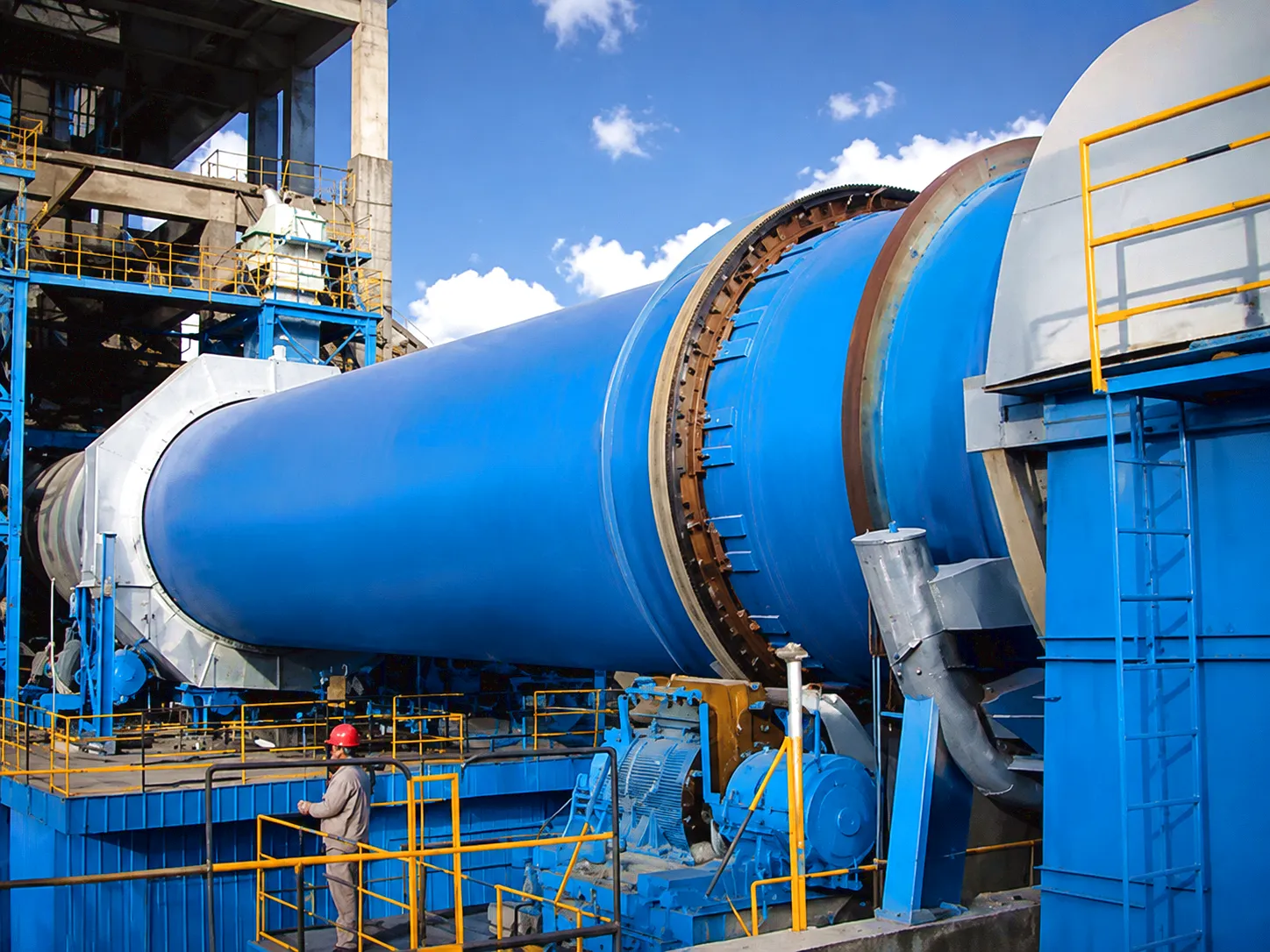 UK cement plants have progressively shifted from primary coal firing to co-processing of alternative fuels, including refuse-derived fuel (RDF), waste tyres, and biomass, driven by the UK’s Net Zero commitments and the incentive economics of substituting imported coal. This transition has changed the duty requirements in the fuel preparation area. Coal mills and alternative fuel shredder drives operate in ATEX Zone 22 environments where coal dust or biomass dust concentrations can reach explosive levels. Any coupling in these zones must carry ATEX certification, and the surface finish must be non-sparking (typically anodised aluminium or bronze-coated steel for external surfaces). The running temperature of the coupling body must also be monitored — or the design must inherently avoid hot-spot generation — because the auto-ignition temperatures of fine coal dust (approximately 225°C) and biomass (200 to 250°C) are readily achievable by a poorly lubricated metal-to-metal contact zone. Gear-type couplings certified to ATEX II 2D T3 are the standard specification at these positions across UK cement plants, and procurement teams increasingly require evidence of test-house certification rather than self-declaration when sourcing replacement couplings.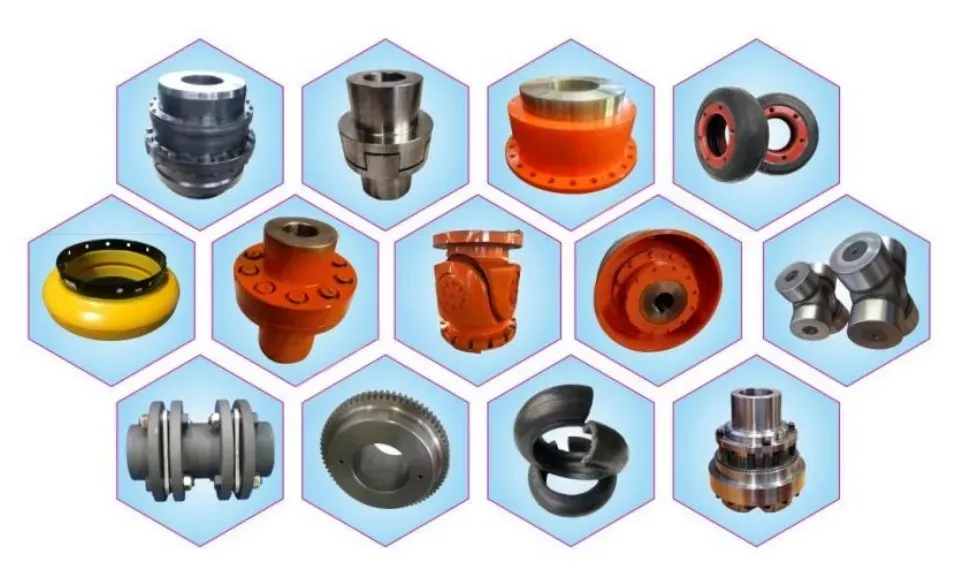
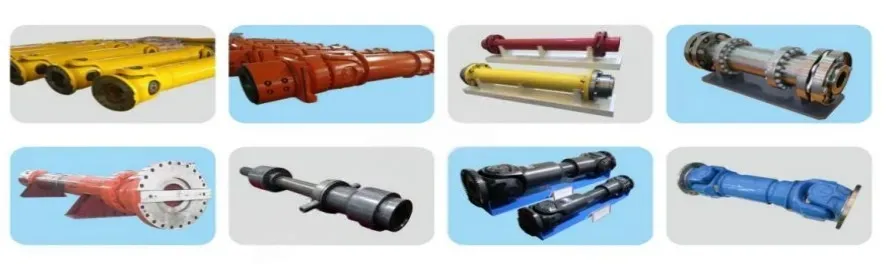
Featured Coupling Products
Часто задаваемые вопросы
►
How much does a heavy-series gear coupling for a cement rotary kiln drive cost from a UK supplier or direct importer?
Pricing for heavy-series gear couplings rated between 500 kN·m and 2,500 kN·m varies significantly based on shaft bore dimensions, tooth geometry, material certification requirements and ATEX compliance. UK-sourced European-branded units typically carry list prices in the range of GBP 12,000 to GBP 45,000 for main kiln drive size couplings, while direct supply from quality-certified manufacturers such as Ever Power can reduce acquisition cost by 30 to 40% on equivalent specification. To get an accurate quote for your specific kiln drive, share the gearbox output shaft dimensions, torque rating, shaft speed and any special certification needs with the Ever Power team via [email protected].
►
Which type of coupling is best for a cement rotary kiln main drive in a UK plant, and what specifications should I look for when getting a price?
For the main kiln drive pinion shaft-to-gearbox connection, a heavy-series gear-type coupling with crowned external teeth is the established engineering choice. Key specifications to include in any quote request are: rated nominal torque in kN·m, start-up service factor (typically 2.0 to 2.5 for kiln main drives), hub bore diameters to H7 tolerance, key dimensions to DIN 6885, coupling overall length, flange bolt circle diameter and number of bolts, ambient temperature at the coupling location, and any ATEX or CE certification requirements. Providing these details when requesting a quote ensures you receive a comparable response from different suppliers rather than catalogue standard units that may not suit your drive geometry.
►
Where can I find a reliable coupling supplier in the UK or internationally who can deliver ATEX-certified gear couplings for a cement plant in Birmingham or Sheffield?
ATEX-certified gear couplings for cement plant ATEX Zone 22 locations can be sourced from UK-based stockists in Birmingham and Sheffield who hold stock of standard sizes, or from specialist importers who work directly with ISO 9001 and ATEX-certified manufacturers abroad. Ever Power supplies ATEX II 2D certified gear couplings with full documentation directly to UK cement plants, with DAP UK delivery terms and customs clearance handled by the supplier. The advantage of direct supply is access to custom bore and flange dimensions not available from stock, combined with material certification to EN 10204 3.1 and full dimensional inspection reports, which UK cement plants increasingly require from their procurement quality management systems.
►
How long does it take to get a custom-bored gear coupling delivered to a UK cement plant, and what is the typical lead time for heavy-series kiln drive couplings?
Standard lead time for custom-manufactured heavy-series gear couplings from specialist suppliers such as Ever Power is 8 to 14 weeks from receipt of approved drawings. For planned shutdowns, procurement teams should allow 16 to 18 weeks from initial inquiry to delivery on site in the UK, which includes 5 days for preliminary drawings, 10 days for approval, 8 to 10 weeks manufacturing, and approximately 18 to 22 days sea freight plus UK customs clearance. For emergency replacements following unexpected kiln drive failures, Ever Power’s express programme can deliver medium-series couplings in 3 to 4 weeks with air freight reducing transit to 5 to 7 days. Cement plants in active campaigns should maintain at least one spare half-coupling assembly in their critical spares inventory to avoid unplanned stoppage risk.
►
What is the correct lubrication interval and grease specification for a gear coupling on a slow-speed cement kiln pinion shaft in a UK plant environment?
For heavy-series oil-bath gear couplings on cement kiln main drives running below 10 RPM, the recommended lubrication is ISO VG 320 EP gear oil (Shell Omala S4 GX 320 or Mobil Gear 632 equivalent). Oil change interval is typically 6,000 operating hours (approximately 250 operating days), or annually as the minimum cycle even if hours are lower. In high-dust environments common to UK cement plant drive houses, quarterly oil sampling for contamination is best practice. For grease-packed variants on smaller couplings (raw mill fan drives, etc.), NLGI 2 EP grease with lithium complex thickener (Mobilgrease XHP 222 or equivalent) should be fully repacked every 3,000 hours. Always check the coupling manufacturer’s recommendation for the specific unit as oil type and quantity affect seal performance and internal pressure in the coupling housing.
►
Who manufactures the best-quality gear couplings for cement rotary kilns that can be supplied directly to the UK with CE certification at a competitive price?
Several manufacturers produce high-quality gear couplings for cement kiln service, including established European names and an increasing number of ISO 9001 certified Asian manufacturers who have invested in precision grinding equipment, CMM inspection capability and western-standard quality documentation. Ever Power is one such supplier: their kiln-series gear couplings are produced to ISO 14691, carry CE marking, and can be supplied with ATEX II 2D certification and EN 10204 3.1 material certificates. UK cement procurement teams have found Ever Power’s combination of custom manufacturing flexibility, competitive pricing and reliable documentation a practical alternative to traditional European sourcing, particularly for planned maintenance projects where there is adequate lead time to allow sea freight delivery.
отредактировано gzl