 Paper manufacturing stands among the most mechanically demanding continuous-process industries in the world. A modern high-speed paper machine — operating at surface speeds above 2,000 metres per minute — is essentially a chain of independent drive zones, each requiring precise speed ratios to maintain web tension and product quality. The forming section, press section, dryer section, and calender section all run at subtly different speeds, and the couplings between motors, gearboxes, and rolls must transmit torque reliably while tolerating misalignment, shock loading, and the chronic moisture that saturates a papermaking environment. Within this unforgiving setting, the gear type coupling has established itself as the coupling of choice for high-load, high-speed paper machine drive applications. Its involute tooth profile, its capacity for angular and parallel offset compensation, and its sealed lubrication system make it uniquely suited to transmitting the enormous torques generated by modern tissue, newsprint, and board machines. In the UK — where mills in Kemsley, Shotton, and Workington operate around the clock to feed national demand — the reliability of every coupling on a paper machine line directly affects production output and profitability.
How Gear Type Couplings Work in Paper Machine Drive Trains
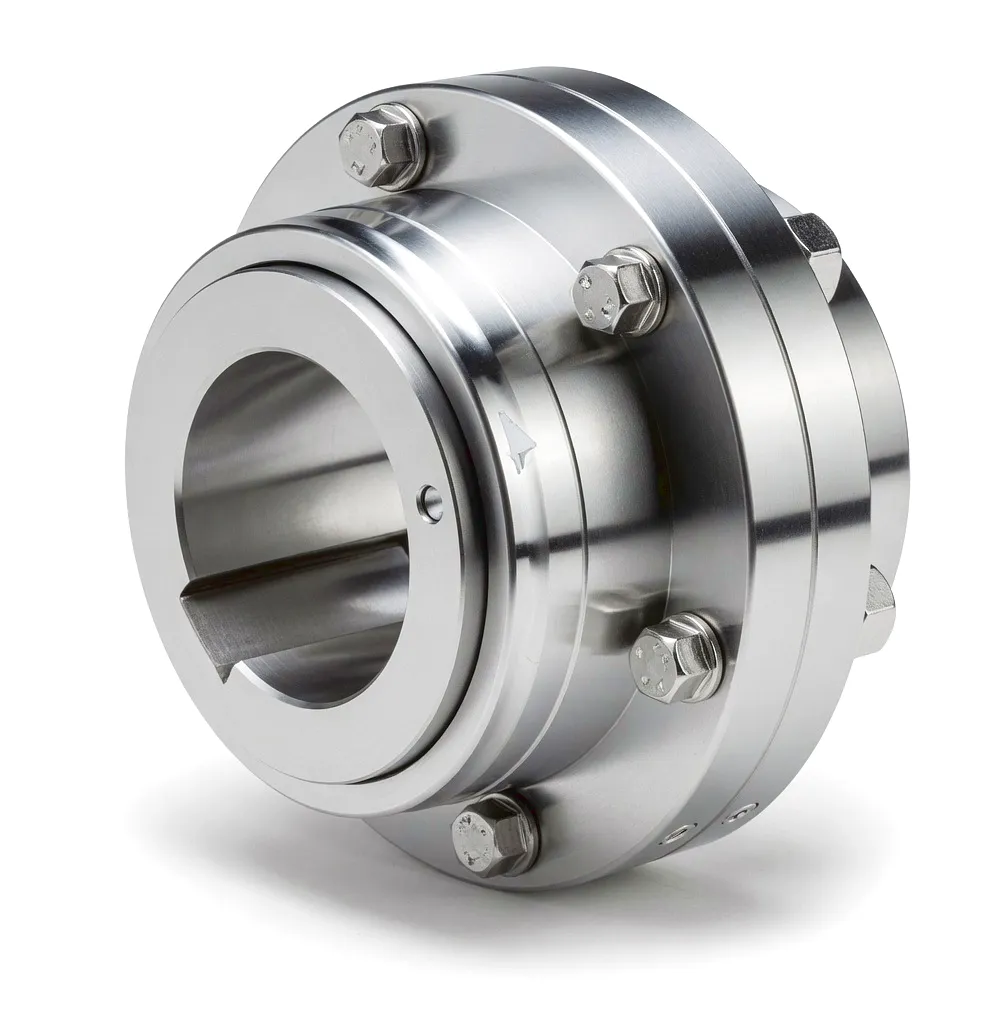
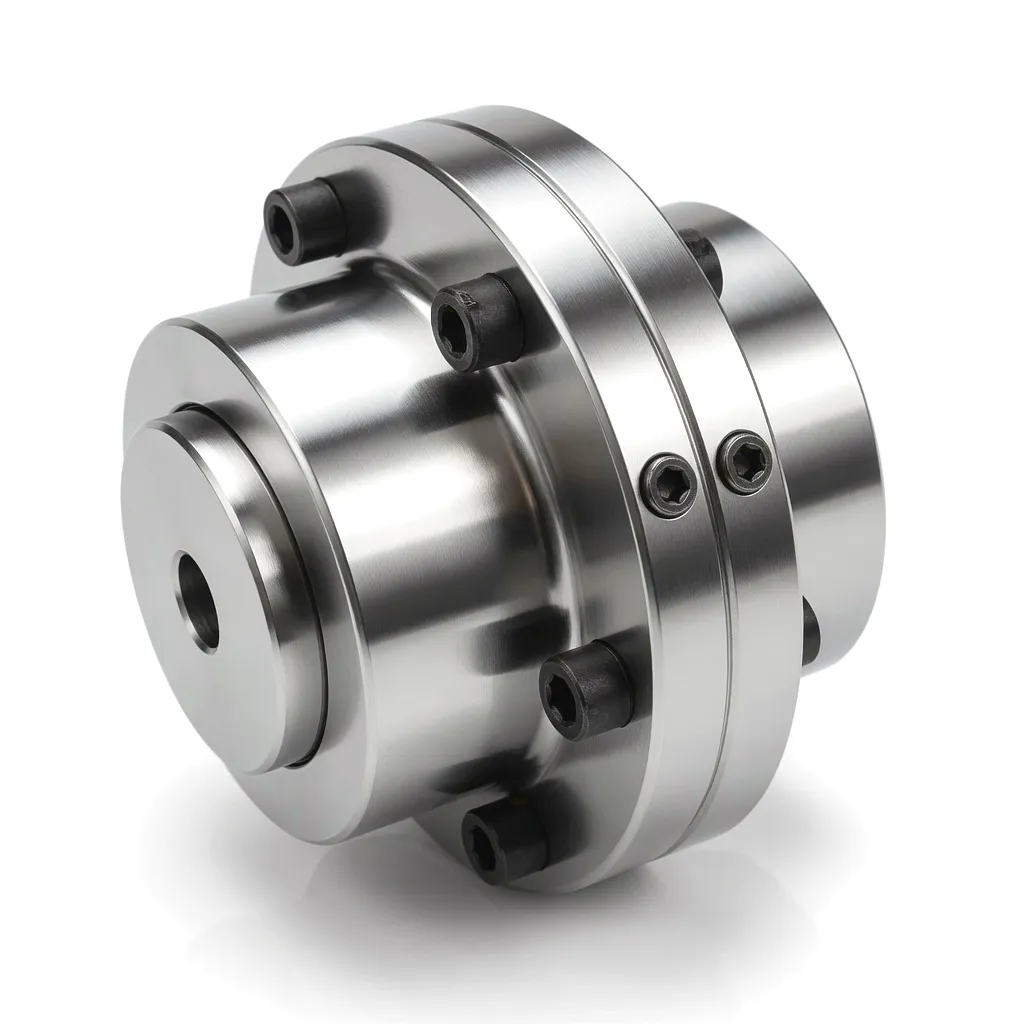
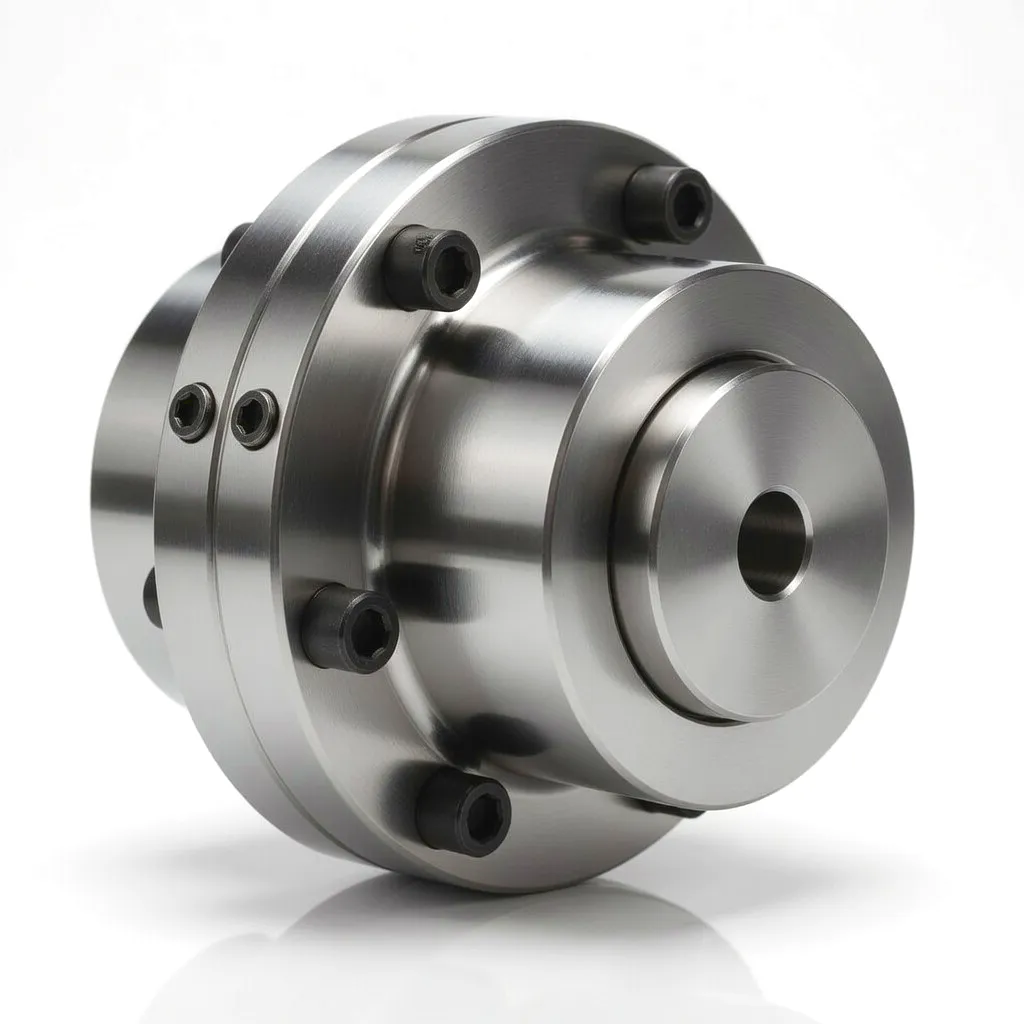 A gear type coupling consists of two flanged hubs, each carrying an externally toothed sleeve, and a mating pair of internally toothed outer rings — typically combined into a single barrel or split into two flanged half-shells. The external teeth are crowned, meaning their profile is slightly convex along their length. This crowning is the defining engineering feature: as the connected shafts develop misalignment under thermal expansion, roll deflection, or foundation settlement, the tooth contact simply shifts along the crown rather than concentrating stress at one edge. The result is a coupling that can accommodate angular misalignment of up to 1.5 degrees per gear mesh, parallel offset of several millimetres, and some degree of axial float — all simultaneously, and all without any significant increase in transmitted force. Torque passes through the coupling entirely through the meshing gear teeth, which means there are no elastomeric elements to fatigue, no bolted flanges subject to fretting, and no metallic flex members prone to cracking under cyclic bending. Lubrication is critical: the tooth mesh is flooded with grease or oil, retained within a sealed housing that keeps process moisture, steam condensate, and paper fines well away from the running surfaces. In a paper mill, this sealed design is not a luxury — it is a prerequisite for reliable service life measured in years rather than months.
The torque capacity of a gear type coupling scales with the cube of its pitch diameter, so manufacturers can engineer relatively compact units capable of handling hundreds of thousands of newton-metres. For the dryer section of a wide-format board machine — where a single drive motor may deliver 1,500 kW through a common gearbox to multiple cylinder groups — the coupling must transmit that power continuously, cope with the transient shock loads that occur when a web break causes a sudden speed change, and remain perfectly balanced so it does not introduce vibration into a drive train already running at the limits of dynamic precision. Modern gear couplings for high-speed paper machines are dynamically balanced to ISO 1940 Grade G2.5 or better, and their tooth profiles are ground or shaved to DIN or AGMA accuracy grades that ensure quiet, vibration-free meshing at elevated speeds.
Core Materials for Paper Mill Gear Couplings
⚙ Hub Material
Medium-Carbon Alloy Steel (42CrMo4 / EN19)
Quenched and tempered to 28–34 HRC, offering the tensile strength needed to resist the bending moments induced by misalignment while remaining machinable to tight dimensional tolerances. EN19 is a traditional UK engineering steel widely stocked through Birmingham and Sheffield distribution networks.
⚙ Tooth Sleeve Material
Case-Hardened Steel (16MnCr5 / EN36)
Carburised and hardened to 58–62 HRC at the tooth flanks, providing extreme surface hardness to resist contact fatigue and micropitting during long service intervals. The tooth root remains tough, absorbing shock loads without brittle fracture — an essential property in paper machine drive trains subject to web-break events.
⚙ Outer Sleeve / Shell
Nodular Cast Iron (GGG50 / SG Iron) or Fabricated Steel
Nodular cast iron offers excellent damping, good machinability, and adequate strength for medium-duty paper machine applications. For the heaviest board machine installations, fabricated steel shells give higher stiffness and reduced rotational inertia — a meaningful advantage where rapid speed changes are required during web threading or grade changes.
⚙ Seals & Gaskets
Fluoroelastomer (FKM) & Nitrile Butadiene Rubber (NBR)
Sealing integrity is paramount in the paper mill environment. FKM seals resist hot water, steam, and the wide range of process chemicals — biocides, retention aids, optical brighteners — encountered near the wet end. NBR seals provide cost-effective containment in drier sections operating at more moderate temperatures. Both are rated for the continuous temperature range of 80–130°C typical in paper machine drive rooms.
Why Paper Machine Engineers Specify Gear Type Couplings
⚡
Densidad de par excepcional
Gear couplings transmit torque through multiple tooth contacts simultaneously, giving them the highest torque-to-diameter ratio of any flexible coupling type. A DN160 gear coupling can typically transmit 20–30% more torque than a comparable elastomeric jaw coupling, making it possible to keep coupling outside diameters within the dimensional constraints of existing paper machine side frames without under-specifying the torque rating.
🔄
Tolerancia de desalineación tridimensional
Paper machine rolls flex under load, foundations shift seasonally, and thermal gradients across a 100-metre-long dryer section create alignment errors that even the most precise installation cannot entirely prevent. The crowned tooth geometry of a gear type coupling absorbs angular misalignment, radial offset, and axial float simultaneously — protecting connected bearings from destructive edge-loading forces that would otherwise dramatically shorten their service life.
🔒
Sealed Against Process Contamination
Modern gear couplings for paper machine service are fitted with precision-moulded elastomeric seals or labyrinth-type metallic seals that prevent moisture ingress and lubricant escape. A grease-packed unit with an appropriately specified seal system can run for 6,000–8,000 hours between lubrication maintenance intervals — aligning conveniently with annual planned outage schedules at UK paper mills, where the entire machine is taken down once or twice a year for major planned maintenance.
⚙
No Elastomeric Fatigue
Unlike rubber jaw couplings or disc pack couplings, gear couplings contain no polymer elements that degrade progressively through heat cycling, oil contamination, or ozone exposure. This makes them particularly well suited to the temperature swings common in paper mill drive rooms, where ambient conditions can range from cold winter start-ups to the elevated temperatures near steam-heated dryer sections, without any change in the coupling’s mechanical performance.
Technical Performance Parameters — Paper Machine Gear Couplings
The following table reflects the specification ranges typically encountered in paper machine drive system applications, from tissue machine reel drives to large-format board machine press sections. Exact values are determined during the engineering selection process for each installation.
| Parámetro | Light Duty (Tissue / Fine Paper) | Medium Duty (Newsprint / Coated) | Heavy Duty (Board / Corrugating) |
|---|---|---|---|
| Par nominal | 500 – 5,000 N·m | 5,000 – 50,000 N·m | 50,000 – 500,000 N·m |
| Peak Torque (shock) | Up to 2.5 × nominal | Up to 2.0 × nominal | Up to 1.8 × nominal |
| Max. Speed | Hasta 3600 rpm | Up to 2,500 rpm | Up to 1,500 rpm |
| Desalineación angular | Hasta 1,5° por malla | Hasta 1,0° por malla | Up to 0.5° per mesh |
| Desplazamiento paralelo | Up to 3.0 mm | Up to 2.0 mm | Up to 1.0 mm |
| Material del centro | 42CrMo4 / EN19 | 42CrMo4 / EN24T | 34CrNiMo6 / EN30B |
| Dureza de la superficie del diente | 58–62 HRC | 58–62 HRC | 60–64 HRC |
| Balance Grade (ISO 1940) | G6.3 | G2.5 | G2.5 or G1.0 |
| Temperatura de funcionamiento | –20°C to +120°C | –20°C to +130°C | –20°C to +140°C |
| Lubrication Interval | 4,000 – 6,000 hrs | 6,000 – 8,000 hrs | 8,000 hrs (oil-lubricated) |
| IP / Sealing Class | IP54 | IP55 | IP56 / custom labyrinth |
Application Scenario 1: Forming Section Drive — Web Formation at High Speed
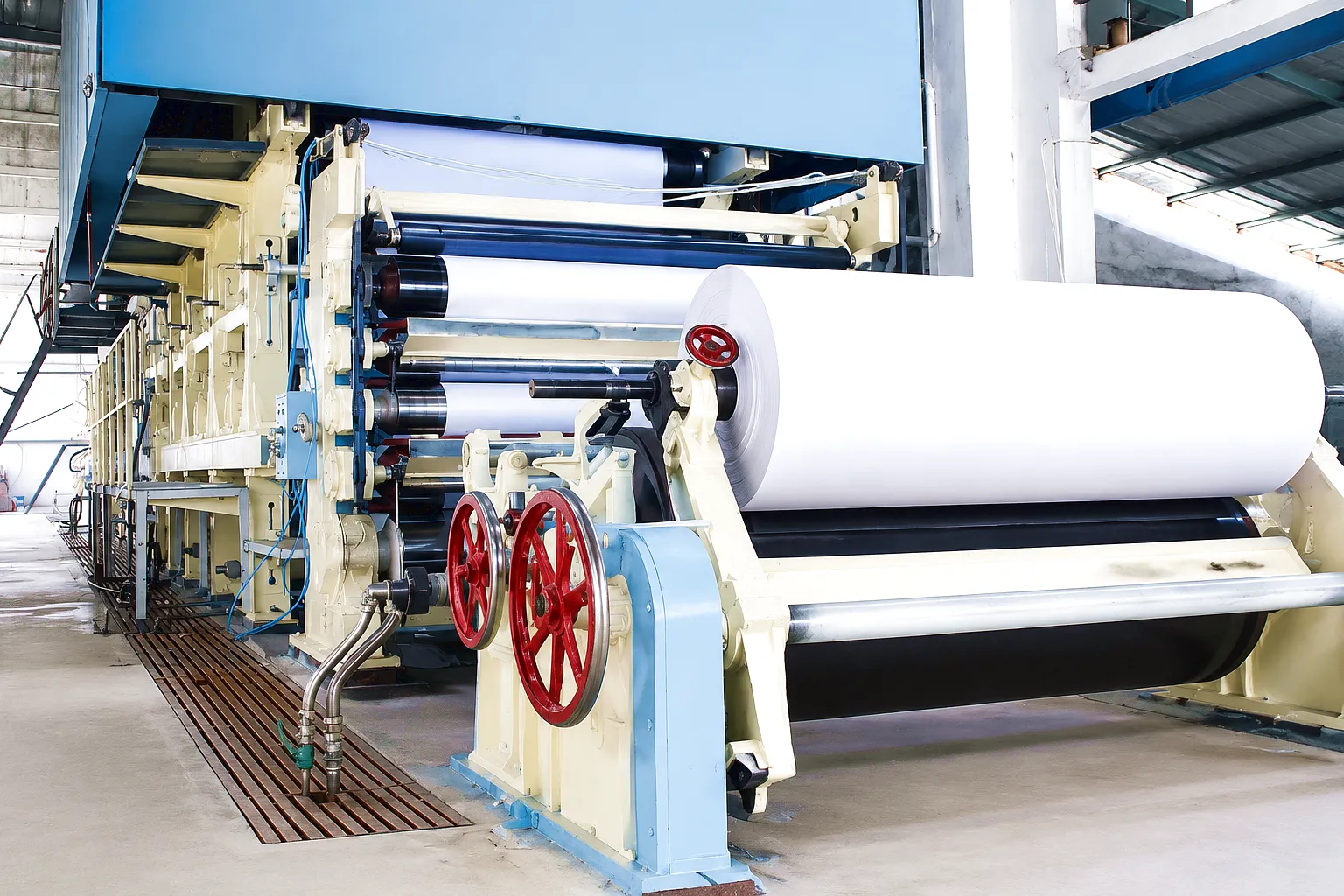 The forming section is where paper making truly begins: a dilute suspension of fibres and water — the furnish — is delivered at high velocity onto a moving wire or between two converging wires in a twin-wire former. The wire rolls, breast roll, and table rolls that guide and drain the web must all be driven at precisely matched speeds, because any velocity differential causes streak defects or wire wear that disrupts production quality. Gear type couplings connecting the forming section gearboxes to the roll shafts must accommodate the continuous angular misalignment arising from roll crown, thermal expansion of the machine frame, and the dynamic deflection of rolls under web tension forces. Mills operating along the Mersey and in the Manchester corridor typically run their forming sections at speeds between 1,200 and 2,000 m/min, and the drive couplings must be dynamically balanced to G2.5 or better to avoid introducing vibration into the sensitive web formation process. The sealed design also protects the tooth mesh from the water droplets and mist that are characteristic of the wet end environment, preventing the lubricant washout that causes accelerated tooth wear on unsealed designs.
Application Scenario 2: Press Section Drive — High-Load Torque Transmission Under Continuous Moisture
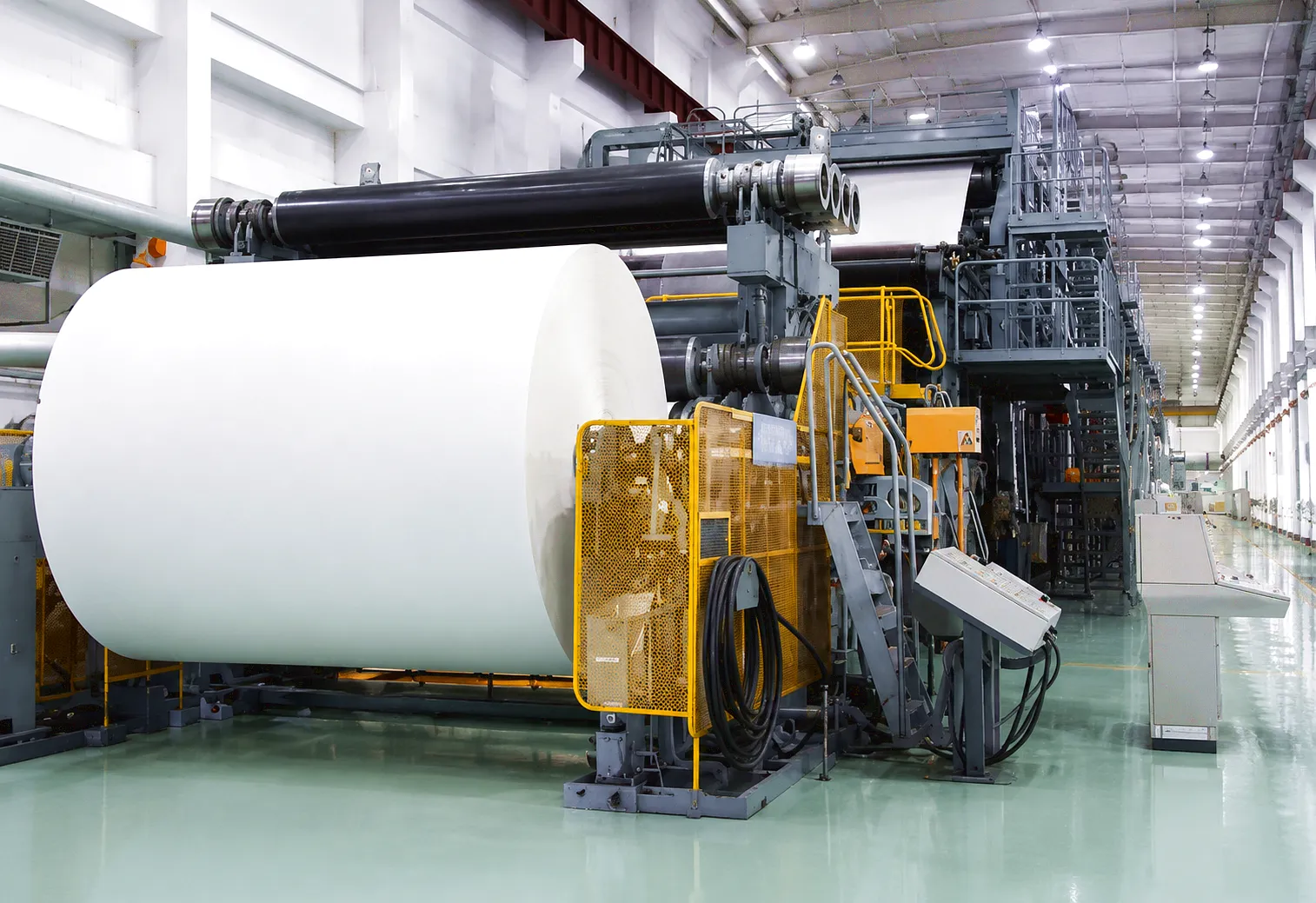 The press section mechanically removes water from the web by passing it through nips formed between heavy rolls bearing against each other under hydraulic loading. Nip forces in a modern press section can reach 1,200 kN/m of roll face, generating enormous torques in the roll shafts. The press rolls are typically driven through individual sectional drives, each connected to a press roll shaft by a gear type coupling that must transmit several hundred kilonewton-metres of torque while enduring continuous spray water, steam, and the chemical cocktail used to condition the rolls. In the UK’s packaging and corrugated board segment — which has manufacturing hubs in Birmingham and the East Midlands — press sections of fluting and testliner machines run at heavier basis weights and higher nip loads than fine paper machines, placing even greater demands on coupling torque capacity and seal integrity. The gear type coupling’s ability to transmit high torque through a compact outside diameter is invaluable here, because the spatial envelope between the press roll and the motor gearbox is tightly constrained by the cross-machine layout of the suction boxes, felts, and press roll loading systems. Web break events in the press section also generate severe torque spikes — the gear coupling’s all-steel construction absorbs these transient overloads without the deformation or failure modes that afflict elastomeric coupling types.
Application Scenario 3: Dryer Section Drive — Precision Speed Control Across Hundreds of Metres
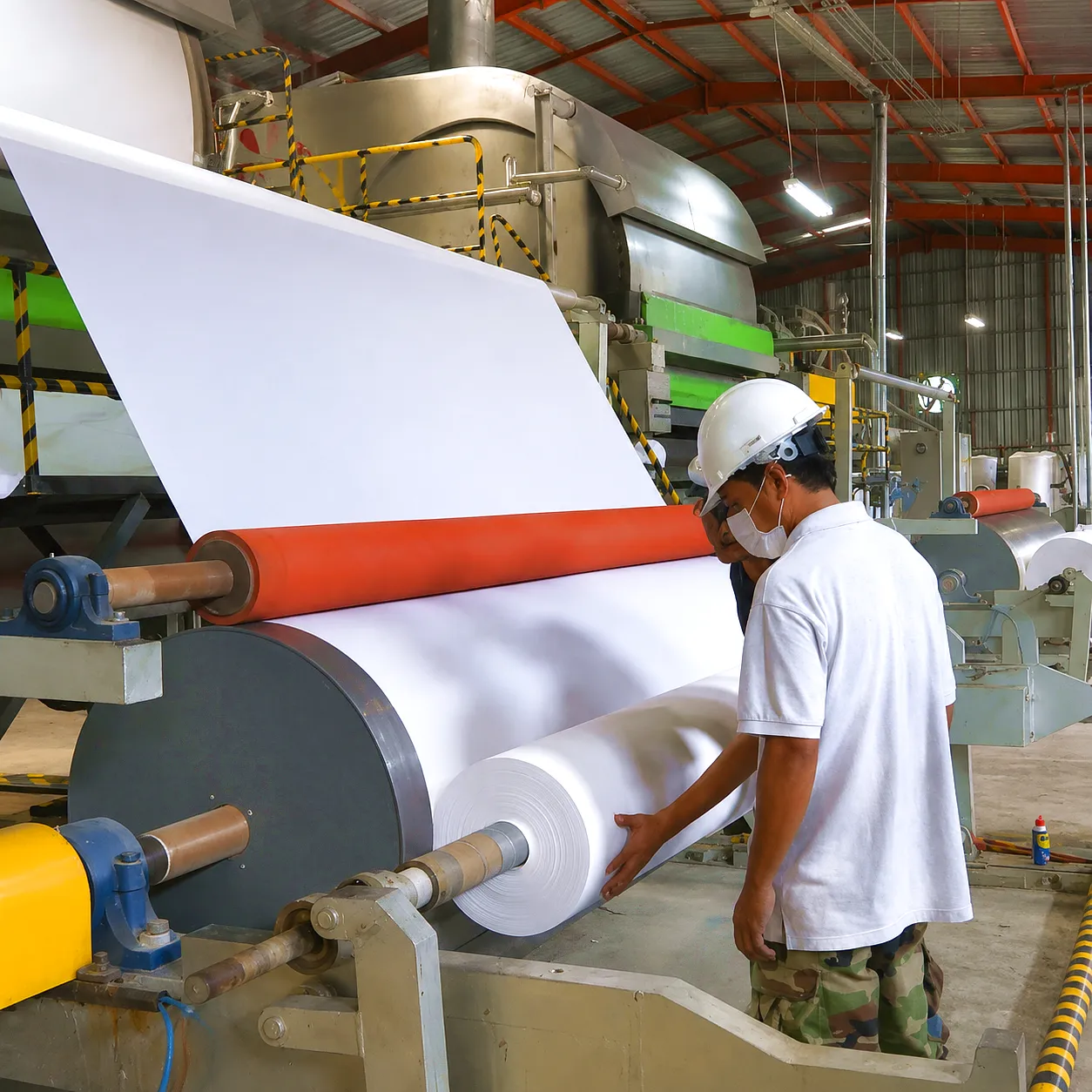 The dryer section of a large paper machine consists of a series of steam-heated cast iron cylinders — typically 60 to 200 cylinders arranged in top and bottom rows — over which the web passes to evaporate the remaining moisture. Each group of dryers is driven as an independent section with a carefully calibrated draw (speed differential) relative to the preceding section, to keep the web under controlled tension and prevent breaks. The gear type couplings connecting dryer gear drives to cylinder shafts operate in an environment saturated with steam at temperatures up to 140°C, requiring heat-resistant grease formulations and seals rated for continuous high-temperature service. The long dryer section also means that the machine frame undergoes significant thermal expansion longitudinally, causing the alignment of individual cylinder drives to shift during warm-up and cool-down cycles. Gear type couplings accommodate this thermal movement gracefully through their axial float capacity, preventing the development of thrust forces on cylinder bearings that would otherwise require oversized bearing housings or frequent bearing replacement. For Scotland’s integrated pulp and paper operations — Caledonian Paper in Irvine, for instance, or the Highland mills serving the kraft paper market — dryer section reliability is the dominant factor in overall machine availability, and the gear coupling’s proven record in this application makes it the default engineering choice.
Application Scenario 4: Calender and Reel Section — Precision Speed and Torque for Surface Quality
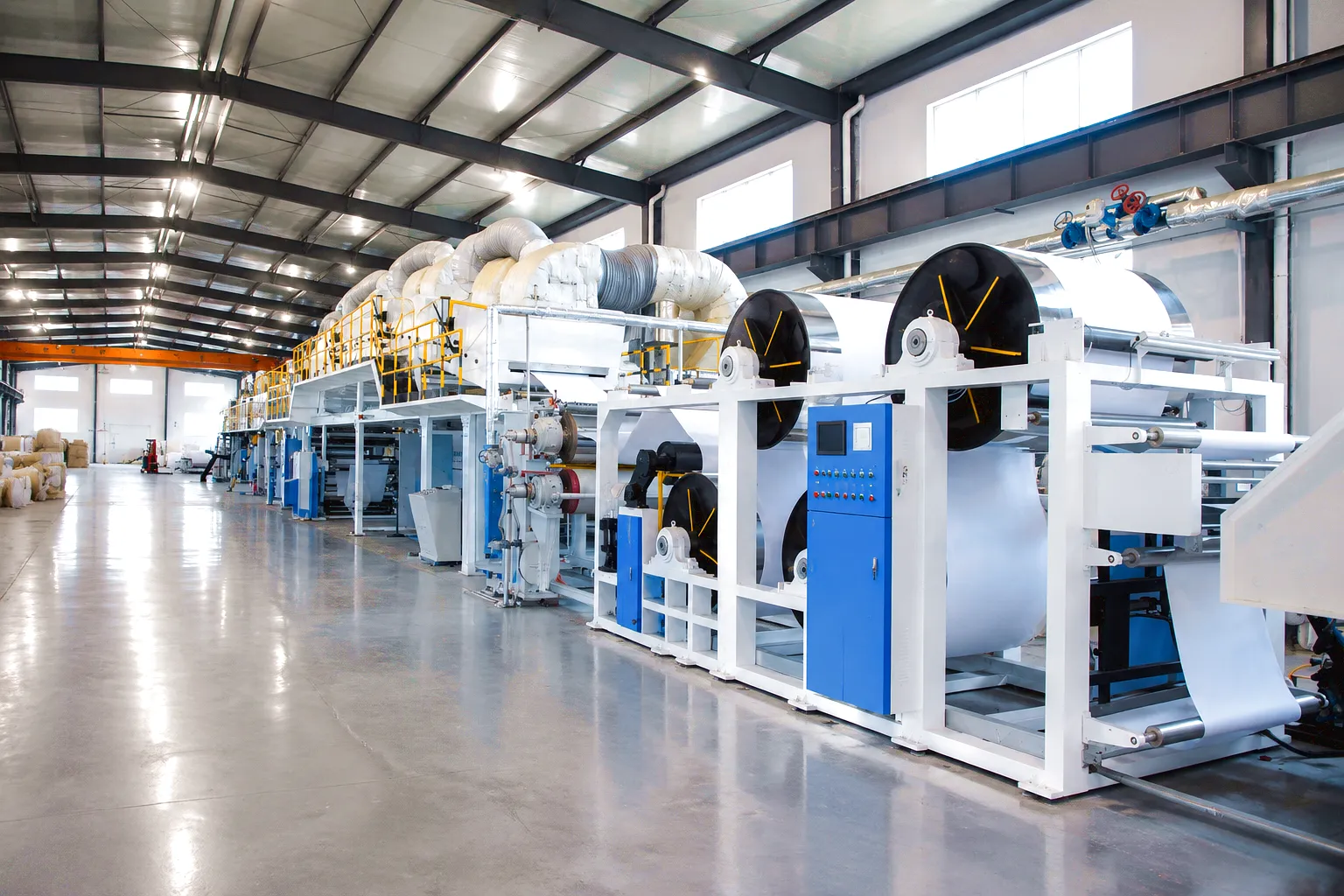 At the dry end of the paper machine, the calender stack imparts surface smoothness and thickness uniformity to the web before it is wound onto a reel. Calender rolls are driven individually or in pairs through sectional drives, and the speed matching between successive rolls must be extremely precise to avoid paper stretching, calender blackening, or marking defects. The gear type couplings in calender drives are typically high-precision, dynamically balanced units with ground tooth profiles and low-friction seals that minimise any cyclic velocity irregularity (commonly measured as torque ripple) that might introduce micro-speed variations in the roll surface velocity. At the reel, the growing paper roll must be accelerated from rest to machine speed and controlled throughout its build-up — a task that places large, cyclically varying torques on the reel drum drive shaft. The gear coupling connecting the reel gearbox to the reel drum must handle both the acceleration torque and the running torque smoothly, while accommodating the gradual axial shift of the reel drum as the roll builds up diameter. UK tissue producers in Aylesford, Kent, and packaging producers in the Midlands consistently report that upgrading from disc pack couplings to gear couplings in their reel section drives extends reel drum bearing life by 30–50%, a saving that justifies the modest cost premium of the gear coupling in a single planned maintenance cycle.
Application Scenario 5: Auxiliary Drive Systems — Couch Rolls, Breast Rolls, and Wire Return Rolls
 Beyond the main drive sections, a paper machine has dozens of auxiliary drives — couch rolls, breast rolls, wire stretch rolls, felt rolls, and broke conveyors — each requiring a reliable coupling between motor, gearbox, and roll shaft. These auxiliary drives often operate in the most challenging environments on the machine: directly beneath the wire table, surrounded by white water spray, or within the steam-laden atmosphere of the dryer basement. The gear type coupling’s sealed, all-steel construction suits these locations well, surviving continuous moisture and moderate contamination that would degrade elastomeric couplings within months. Because these auxiliary drives often need to be changed rapidly during a production stop, couplings designed with split outer sleeves and removable grid spacers allow the coupling to be disconnected and reconnected without disturbing the alignment of the connected machines — a practical maintenance advantage particularly valued by engineering teams at UK mills where labour costs during planned shutdowns are carefully managed. Paper mills at Shotton in North Wales and Sittingbourne in Kent have standardised gear type couplings across their auxiliary drive fleets precisely because of this combination of reliability and maintainability.
Excelencia en la fabricación
Ever Power — Precision Gear Couplings for Paper Machine Engineering
Custom-engineered gear coupling solutions backed by vertically integrated manufacturing, rapid quotation, and a global supply chain serving UK paper mills from Aberdeen to Kent.
🏭
Fully Integrated Manufacturing
Ever Power operates a fully integrated manufacturing plant with CNC gear hobbing, grinding, turning, heat treatment furnaces, and coordinate measuring machines (CMM) under one roof. This vertical integration allows complete dimensional traceability from raw bar stock to finished coupling assembly, eliminating the supplier chain risk that multi-vendor manufacturing models inevitably introduce. Every gear coupling leaving the Ever Power facility is inspected against a full dimensional report before despatch.
⚙
Engineering Customisation Capabilities
Ever Power’s engineering team handles custom bore sizes, keyway profiles, and interference fit specifications to OEM paper machine dimensions. Non-standard flange drilling patterns, special seal material specifications for aggressive chemical environments, and custom tooth crowning profiles for specific misalignment envelopes are all available. The company regularly supplies drop-in replacement couplings to the bore and flange dimensions of legacy machines from legacy European OEMs — a critical capability for UK mills maintaining older paper machine lines that have long since passed out of OEM support.
🚚
Supply Chain Reliability for UK Operations
Ever Power maintains stocked semi-finished coupling components that can be finished to a customer’s specific bore and keyway specification within five to ten working days. For UK customers, goods are shipped DDP (Delivered Duty Paid) to minimise customs clearance complexity post-Brexit, with standard lead times of four to six weeks for standard configurations and eight to twelve weeks for fully custom assemblies. Expedited delivery arrangements are available for emergency breakdowns on production-critical paper machine sections.
Caso de éxito de un cliente
Kemsley Paper Mill, Sittingbourne, Kent — Press Section Drive Upgrade
Kemsley Paper Mill, one of the largest single-site paper mills in Europe, operates multiple paper machines producing recycled newsprint and corrugated case material for the UK packaging supply chain. In 2023, the engineering team identified chronic premature disc pack coupling failures on the press section drive of Machine 2 — a high-speed recycled board machine running at 1,400 m/min. The disc packs were failing within six to nine months of replacement due to fatigue cracking accelerated by the combined effect of angular misalignment at the press nip and shock loading during web breaks. The engineering department approached Ever Power to supply a direct replacement gear type coupling to the existing bore and flange bolt circle dimensions.
Ever Power’s application engineers reviewed the original installation drawings and the misalignment survey data, and proposed a GIICL-type crowned-tooth acoplamiento de engranajes with double-labyrinth seals and high-temperature grease pre-packed for a 6,000-hour service interval. The unit was manufactured to match the existing shaft bore, keyway, and flange dimensions precisely, so no modification was required to the press gearbox or roll shaft. Delivery was accomplished within seven working days for the finished coupling, meeting the planned shutdown window available to the Kemsley mill engineering team.
The gear coupling has now been in service for over eighteen months without any maintenance intervention. The engineering team reports zero unplanned stops on the press section drive since commissioning, and the double-labyrinth seal has maintained grease integrity despite the continuous water spray environment of the press section. The total cost saving — accounting for reduced coupling replacement cost, reduced bearing replacements on the press roll, and zero lost production from drive-related stoppages — has been calculated by the Kemsley maintenance team at over £140,000 in the first year of service alone.
Lo que dicen nuestros clientes
★★★★★
“The Ever Power gear coupling eliminated eighteen months of frustrating disc pack failures on our press section drive at a stroke. The double-labyrinth seal design has proven completely moisture-proof in the worst position on the machine — directly beneath the second press roll spray showers. Torque transmission is perfectly smooth, and we haven’t touched it since commissioning.”
— Senior Mechanical Engineer, Paper Mill, Sittingbourne, Kent
★★★★★
“We asked Ever Power to supply a non-standard bore and flange drilling pattern to match a legacy German OEM coupling that went out of production fifteen years ago. The customisation was handled efficiently, the dimensional accuracy was excellent, and the delivery arrived within the promised ten-day window. The coupling dropped straight in and has run without issue through two six-monthly planned maintenance intervals.”
— Engineering Manager, Tissue Mill, Aylesford, Kent
★★★★★
“We’ve standardised gear type couplings from Ever Power across our dryer section drives following a trial on one section that ran 14 months to its first scheduled grease change without any issues whatsoever. The all-in cost, including freight DDP to Shotton, compares very favourably with domestic European sources, and the technical data pack provided with each unit is detailed enough to satisfy our site engineering approval process.”
— Plant Engineer, Recycled Board Mill, Shotton, North Wales
Preguntas frecuentes
Ready to Upgrade Your Paper Machine Drive?
Talk to Ever Power’s Application Engineers Today
Whether you need a standard replacement coupling or a fully custom-engineered solution for a legacy paper machine, Ever Power can deliver. Contact us for technical advice, dimensional review, and a competitive quotation.
📧 Solicita un presupuesto — [email protected]
Editado por gzl