Industrial Power Transmission · United Kingdom
Couplings in Cement Mill Drive Systems: Applications, Engineering & Performance Standards for UK Industry
An in-depth technical and commercial guide to gear-type and flexible shaft couplings used in ball mills, vertical mills, and roller press drivetrains — with insight from Ever Power’s precision manufacturing facility.
Cement production is one of the most mechanically demanding industrial sectors operating at scale across the United Kingdom, from the sprawling plants in the Hope Valley of Derbyshire to the facilities serving the construction corridors of Birmingham and Sheffield. The raw material grinding circuits — ball mills, vertical roller mills, and roller presses — represent some of the highest-power rotating machinery in continuous operation anywhere in British heavy industry. A single ball mill primary drive can draw several megawatts of electrical power, and the transmission component connecting that motor energy to the mill body is, invariably, the coupling. Selecting and maintaining the correct coupling type for cement mill drive applications is therefore not a peripheral engineering decision; it shapes production continuity, maintenance planning windows, energy efficiency across the drivetrain, and long-term total cost of ownership. This guide examines the technical demands placed on couplings in cement grinding systems, the engineering properties that enable them to meet those demands, and how Ever Power’s precision manufacturing programme delivers solutions that UK cement producers rely upon.
The sheer scale of cement mill drivetrains creates challenges that simply do not exist in lighter industrial contexts. A typical ball mill drivetrain might consist of a high-voltage primary motor, a fluid coupling or soft-starter arrangement, a high-speed gear coupling on the motor shaft, a multi-stage reducer, a secondary slow-speed gear coupling, and then an open pinion driving the mill ring gear. Every coupling in that chain must tolerate misalignment, absorb shock energy during start-up, resist cement dust ingress, and operate reliably for annual or biannual maintenance intervals. Understanding how couplings are constructed and why their material and geometric properties matter is the starting point for any procurement or engineering specification discussion.
How Couplings Work in Cement Mill Drivetrains
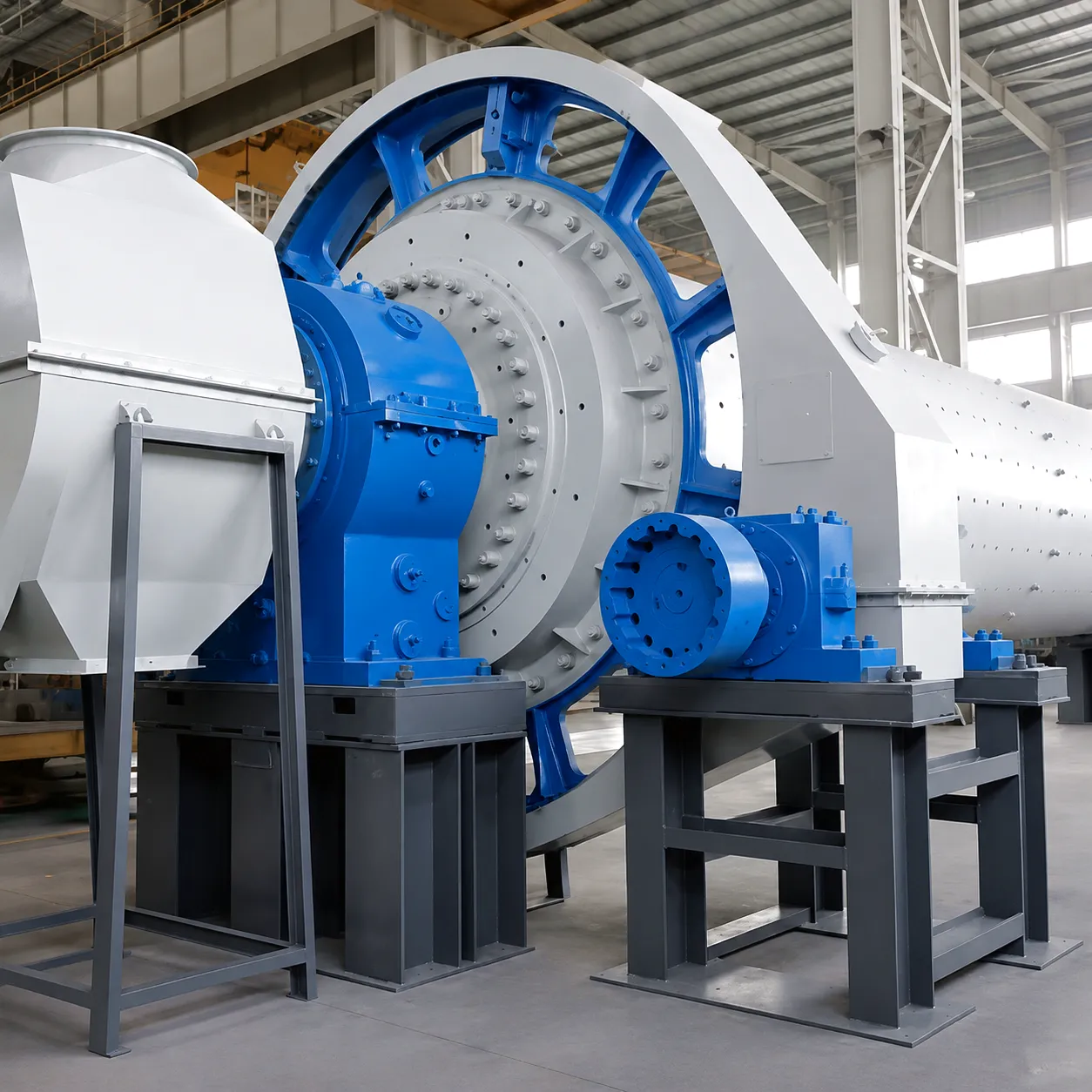
A coupling in a cement mill drivetrain fulfils three core mechanical functions simultaneously: torque transmission, misalignment accommodation, and shock-load attenuation. On the torque transmission front, the coupling must convey rated power from one shaft to the next without elastic loss, heat build-up, or fatigue failure across design-life intervals that, in cement plants, are measured in years rather than months. The transmission efficiency of a well-engineered gear coupling under continuous rated load exceeds 99%, which is critical when aggregate drivetrain losses across a multi-megawatt system are commercially significant.
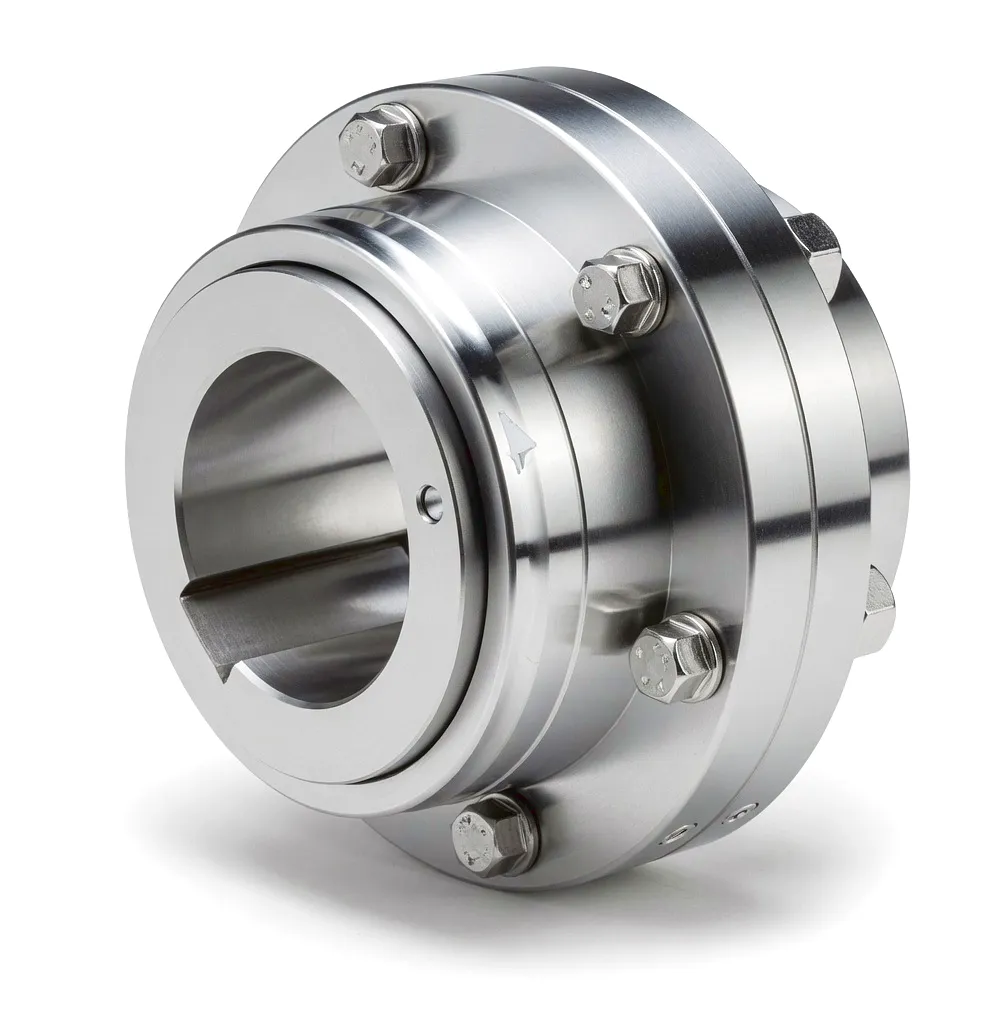
Misalignment accommodation becomes essential because no installation — however carefully aligned by a certified mechanical engineer from a Birmingham plant engineering firm — maintains perfect shaft centreline coaxiality over the operational lifetime of a mill. Thermal growth of motor frames, foundation settlement under heavy rotating masses, and bearing wear all induce angular and parallel offset between connected shafts. A coupling must absorb these deviations while continuing to transmit torque without imposing destructive radial or axial loads back onto the motor bearing or the reducer input shaft. Gear couplings achieve this through the crowned tooth geometry of the gear sleeve, which allows both angular deflection and a degree of axial float, distributing contact stress across a broad tooth face.
Shock attenuation is arguably the most critical function specific to cement mill applications. Ball mills carry enormous rotational inertia — a fully charged mill drum can weigh several hundred tonnes — and during start-up, the motor must accelerate this mass from rest against the resistance of the grinding charge. The resulting torque spike can reach three to five times rated torque in direct-on-line start configurations. This spike, if transmitted rigidly, would impose catastrophic stress on reducer gearing and mill bearings. Flexible gear couplings, through the elasticity of their tooth mesh and, in some designs, through an integrated elastomeric element, absorb and attenuate these peaks, protecting downstream drivetrain components.
Core Materials Used in Cement Mill Coupling Manufacturing
The material specification of a cement mill coupling is not a design afterthought — it is the engineering foundation on which service life is built. The sleeve and hub gear teeth, which carry the full transmitted torque plus any dynamic overload factor, are almost universally machined from alloy steel grades selected for a combination of surface hardness and core toughness. 20CrMnTi and 42CrMo are the workhorses of this application, offering carburised and quenched tooth surfaces with hardness values in the 58–62 HRC range while retaining a ductile core that resists impact fracture under start-up shock.
20CrMnTi Alloy Steel
Carburised sleeve teeth; surface hardness 58–62 HRC. Excellent fatigue resistance under cyclic torque loading at ball mill start-up frequencies.
42CrMo Steel
Hub flanges and barrel bodies; quenched and tempered to 28–32 HRC. Superior toughness for shock absorption during mill start events.
Nitrile / Polyurethane Elastomers
Used in spider elements and buffer discs on flexible coupling variants; rated to 120°C continuous service, resistant to grease contamination.
Labyrinth Seal Materials
Precision-machined cast iron or pressed steel labyrinth seals; prevent cement dust ingress into the grease-lubricated tooth mesh — essential in high-dust environments.
The grease retained within the coupling barrel — typically lithium complex grease with an EP additive — acts as both lubricant and sealant. In cement environments, the grease viscosity specification must resist the very fine particle contamination that cement dust represents; once abrasive particles enter the tooth mesh, accelerated scoring of the crown tooth flanks follows rapidly. Many high-specification cement mill couplings therefore incorporate an internal felt seal behind the labyrinth to provide a secondary barrier, a design detail that meaningfully extends tooth surface service life in the dusty environments characteristic of Sheffield or Birmingham cement grinding installations.
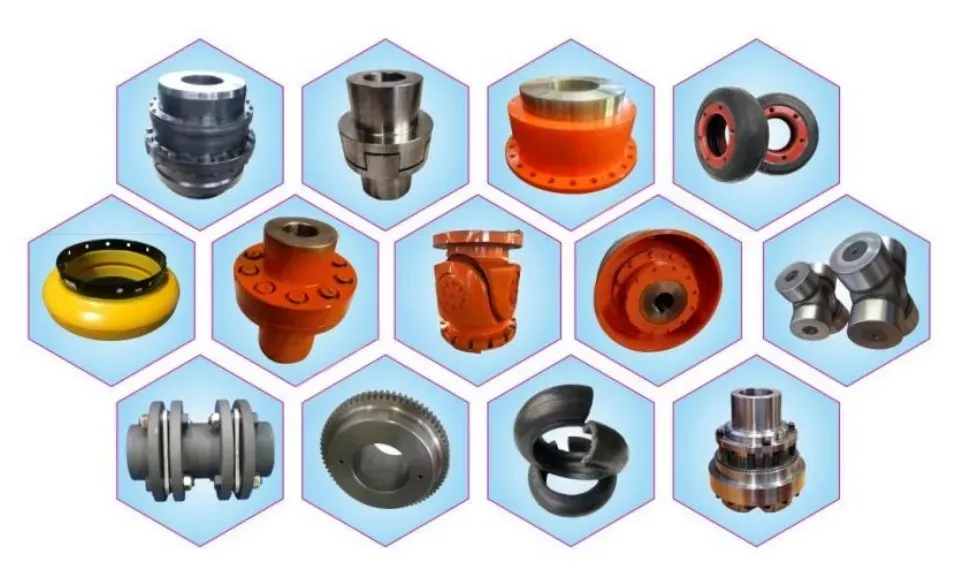
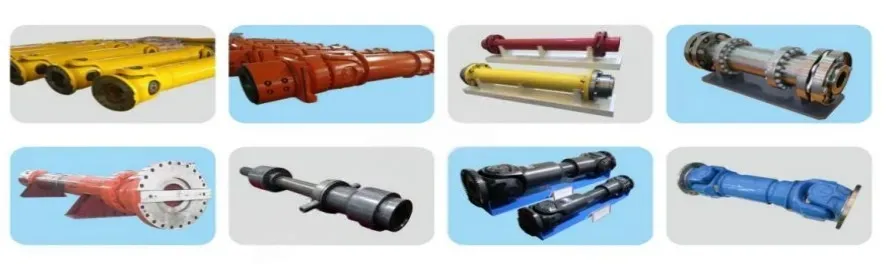
Ever Power coupling product range — engineered for demanding cement mill drivetrain environments
Core Technical Advantages of Gear-Type Couplings in Mill Drive Applications
▶ Overload Protection
The crowned tooth geometry distributes load across the full tooth face width during angular misalignment, while the elastic deformation of the tooth contact zone provides a natural overload cushion during start-up spikes reaching 300–500% of rated torque.
▶ Extended Maintenance Intervals
Sealed grease lubrication with lithium complex EP grease enables maintenance intervals of 8,000–12,000 hours, aligning with typical cement plant annual shutdown schedules. No oil level checks or daily servicing required during production runs.
▶ Dust Ingress Resistance
Multi-layer labyrinth seal arrangements, combined with positive grease pressure within the tooth barrel, create a barrier against the finest cement dust particles. IP65-equivalent dust protection maintains tooth surface integrity in the harshest grinding environments.
▶ High Misalignment Tolerance
Crown radius engineering on the sleeve teeth permits angular misalignment up to 1.5° and parallel offset up to 0.8 mm in larger sizes, absorbing the installation tolerances and thermal growth typical of heavy concrete mill foundations.
▶ Compact Torque Density
Gear couplings transmit higher torque per unit mass and envelope volume than chain or disc couplings of equivalent bore, allowing retrofitting into existing drivetrain housings without civil foundation modifications — a key consideration in plant upgrade projects.
▶ Bidirectional Torque Capability
Symmetrical tooth geometry enables full-rated torque in both rotational directions, making the coupling equally effective during controlled reversing operations used for unjamming a charge-filled ball mill without removing the coupling or reconfiguring the drivetrain.
พารามิเตอร์ทางเทคนิคและประสิทธิภาพของผลิตภัณฑ์
The table below summarises the representative performance envelope of gear-type and flexible couplings suited to cement mill drivetrain applications, spanning the size range most commonly specified by UK plant engineers for ball mill, vertical mill, and roller press installations.
| พารามิเตอร์ | Small Mill Series | Medium Mill Series | Heavy Mill Series |
|---|
| Rated Torque (Nm) | 5,000 – 25,000 | 25,000 – 200,000 | 200,000 – 2,500,000 |
| Peak / Overload Torque | Up to 3× rated | Up to 3.5× rated | Up to 4× rated |
| Max Shaft Bore (mm) | 80 – 160 | 160 – 320 | 320 – 620 |
| การเยื้องศูนย์เชิงมุม | Up to 1.0° | Up to 1.2° | สูงสุด 1.5° |
| Parallel Offset (mm) | 0.3 | 0.5 | 0.8 |
| Tooth Surface Hardness | 54–58 HRC | 58–62 HRC | 58–62 HRC |
| Operating Speed (rpm) | Up to 1,800 | Up to 1,500 | Up to 1,000 |
| Ambient Temperature Range | -20°C to +80°C | -20°C to +80°C | -20°C to +100°C |
| Hub / Barrel Material | 42CrMo / GGG50 | 42CrMo | 42CrMo / 40CrNiMo |
| Recommended Lube Interval | 6,000 h | 8,000 h | 12,000 h |
Coupling Application Scenarios: Cement Grinding Systems
Application Scenario 1: Ball Mill Primary Drive — High-Torque Gear Coupling at the Motor-Reducer Interface
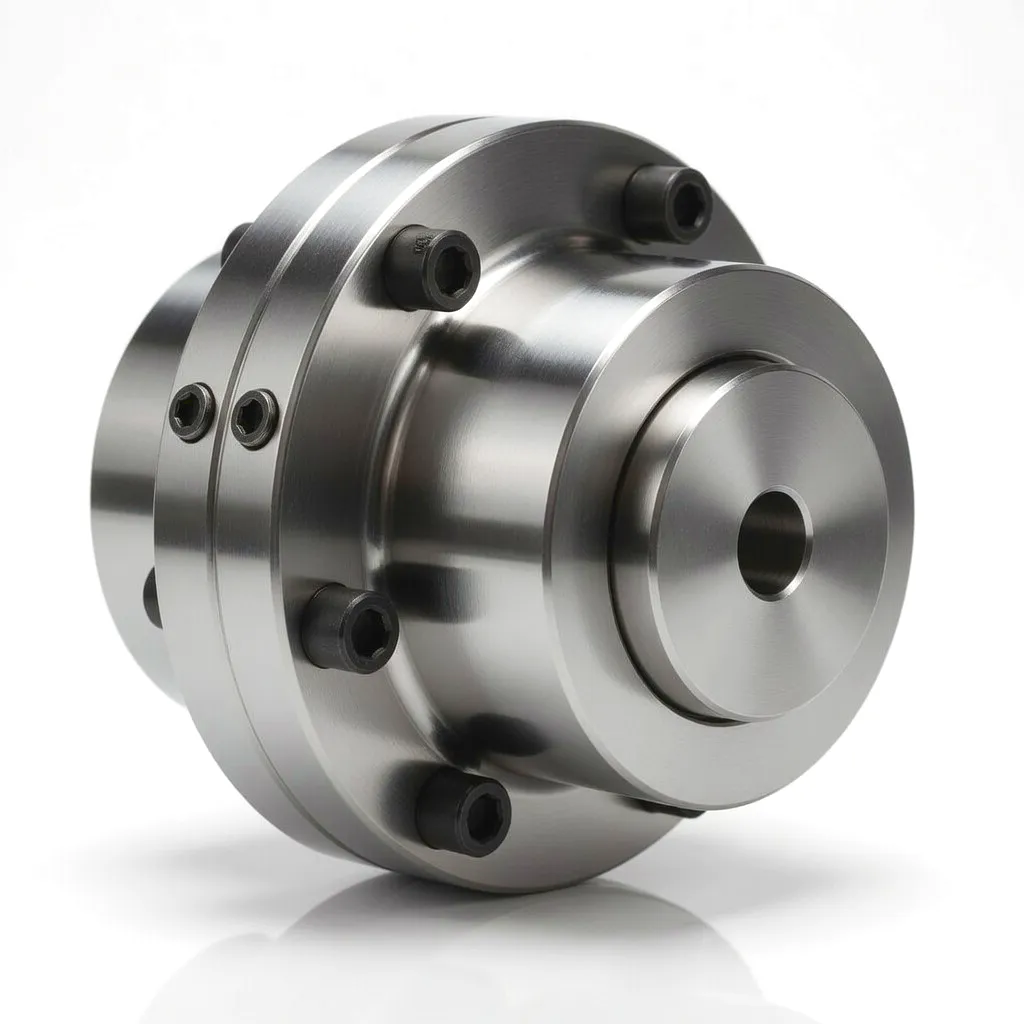 The ball mill primary drive coupling sits between the main motor output shaft and the high-speed input shaft of the reduction gearbox. This is the highest-speed, highest-shock position in the entire cement mill drivetrain, and the coupling specification here is among the most technically exacting in the plant. The motor may operate at 1,000–1,500 rpm, and at each direct-on-line start, the coupling must absorb and transmit the acceleration torque spike without fretting the shaft fits, scuffing the tooth flanks, or applying destructive radial loads to the motor’s drive-end bearing. UK cement installations of this type, particularly those in the Hope Valley and at facilities serving the Manchester construction corridor, have progressively moved from floating disc couplings toward crowned gear couplings in this position because of the gear coupling’s superior dust exclusion and lower sensitivity to angular misalignment induced by motor frame thermal growth.
Crowned tooth gear couplings in this application are typically supplied with a split barrel design to facilitate removal without disturbing the motor or reducer — a practical requirement given the tight access corridors of many older British cement plants built in the 1970s and 1980s. The split barrel halves are precision-machined and dynamically balanced to G6.3 grade to prevent vibration transmission into the gearbox input bearing during sustained continuous operation at rated speed.
Application Scenario 2: Low-Speed Reducer Output Shaft — Heavy Gear Coupling to the Mill Pinion
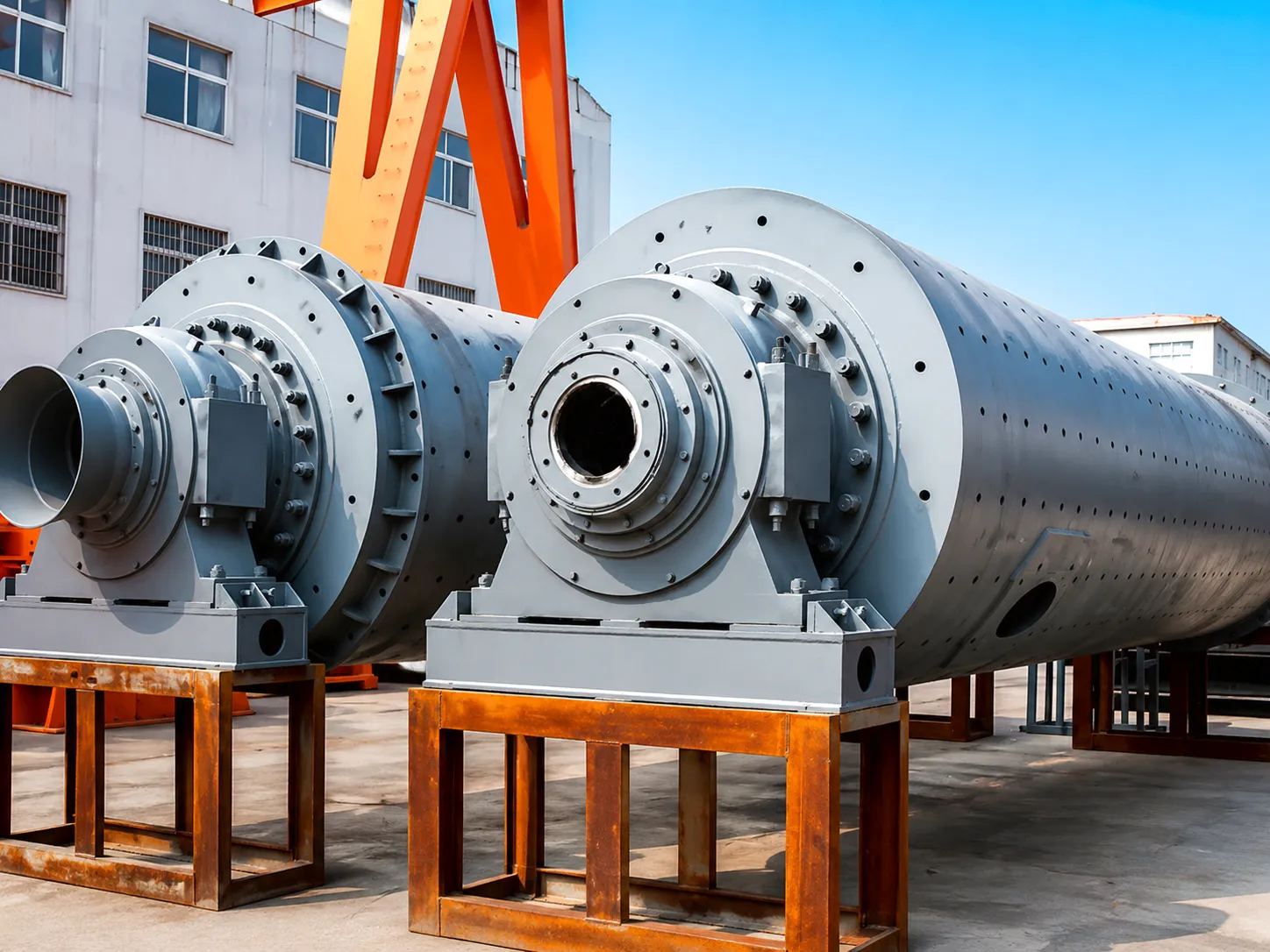 The slow-speed coupling between the gearbox output shaft and the bull gear pinion shaft is the highest-torque coupling position in the entire cement mill system. With motor power levels reaching 3–5 MW and reduction ratios concentrating torque at the pinion, the coupling in this position handles loads measured in hundreds of thousands of Newton-metres. Gear couplings in this application are designed with substantially larger tooth face widths and a higher tooth module than their high-speed counterparts, and the bore-to-hub interference fits are calculated to DIN 7190 standards to guarantee zero slip under worst-case overload torque events.
What makes this coupling position particularly challenging for UK plants operating under the wet and variable temperature conditions typical of northern England is the thermal cycling the coupling experiences between production runs and scheduled shutdowns. A Sheffield cement mill running three shifts may cycle between ambient temperatures of 5°C during a winter cold-stop and tooth mesh temperatures of 70–80°C during full production load. The coupling must accommodate this thermal cycling without seal degradation or grease bleeding, both of which could allow cement dust to reach the tooth flanks between maintenance visits.
Application Scenario 3: Vertical Roller Mill — Universal Coupling on Auxiliary Drive Shaft
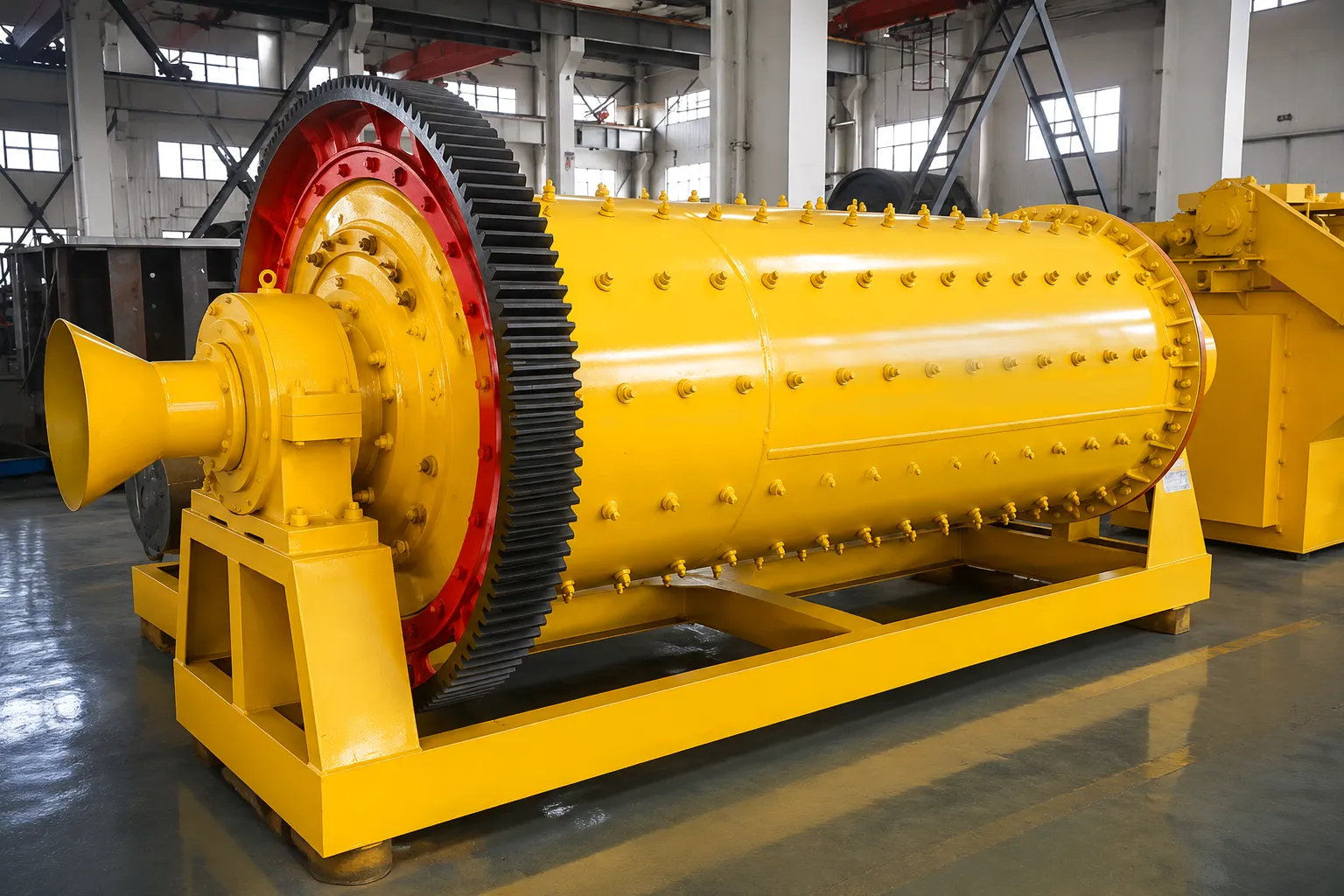 Vertical roller mills, which have largely replaced ball mills in raw meal grinding at modern UK cement plants due to their superior energy efficiency, present a different coupling challenge. The main mill table drive, typically a planetary gearbox bolted directly beneath the grinding table, handles the primary torque transmission as an integrated unit with minimal shaft coupling interfaces. However, the auxiliary drive system — used for inching the grinding table during maintenance to reposition grinding rollers — employs a separate motor and drive train connected via a universal joint coupling that must accommodate significant angular misalignment as the table indexing mechanism operates.
The SWC series universal coupling is particularly well-suited to this auxiliary drive role. Its wide-angle capability — permitting deflection angles up to 10–15° depending on series — allows the auxiliary motor to be positioned well clear of the main drive train without requiring precision alignment at installation. In UK plants where maintenance access corridors are constrained by existing civil structures, this flexibility in motor positioning significantly reduces the rigging cost and downtime associated with planned maintenance shutdowns. The coupling also transmits torque smoothly at indexing speeds as low as 0.5 rpm without the velocity fluctuation that would induce grinding roller judder during repositioning.
Application Scenario 4: Roller Press Pre-Grinder — Snake Spring Coupling for Impact Load Isolation
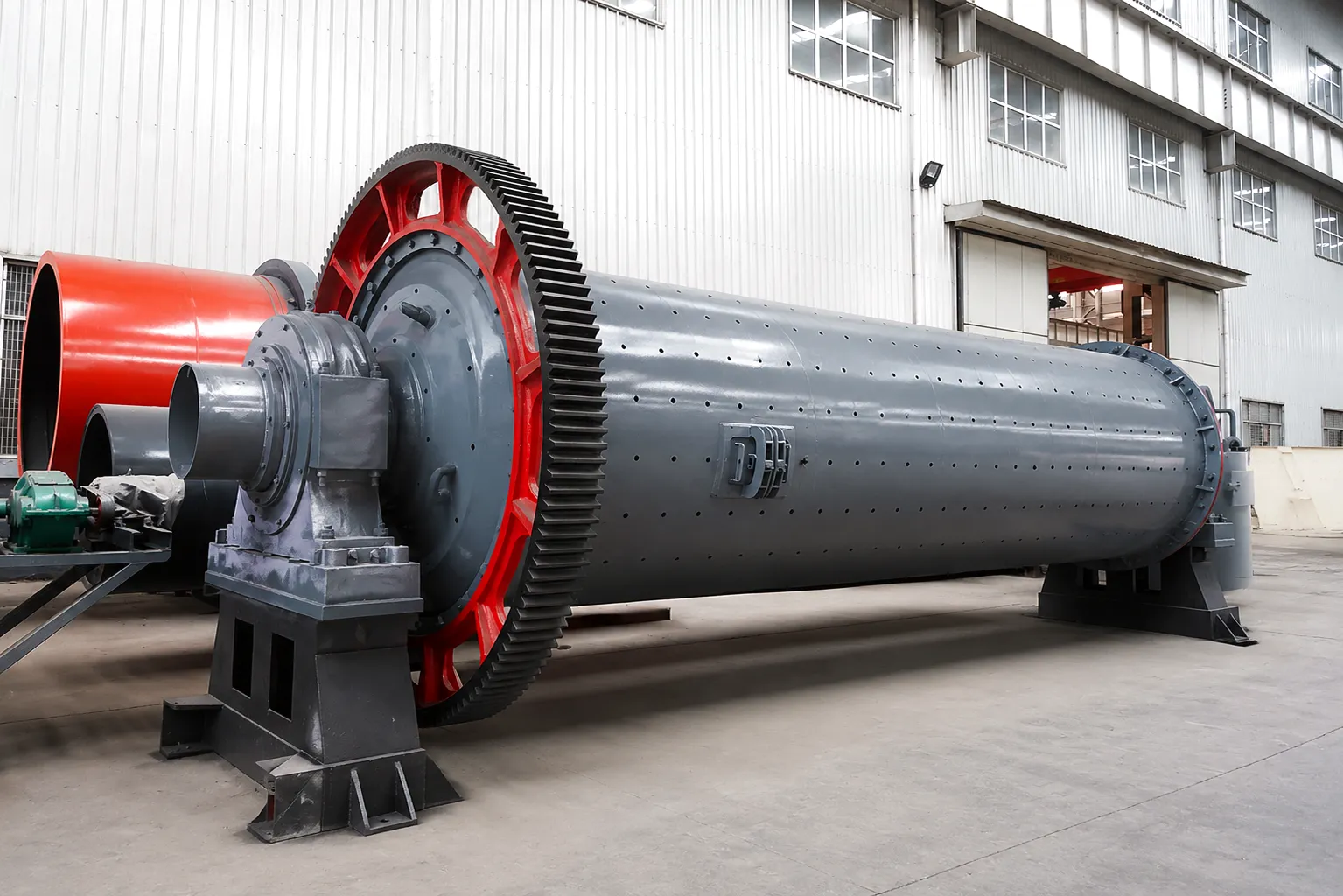 Roller press pre-grinders, increasingly deployed upstream of ball mills at UK cement plants to reduce specific energy consumption in the combined grinding circuit, impose an entirely different loading profile on their drivetrain couplings. Unlike the smooth continuous torque of a rotating mill, a roller press subjects its drive system to repeated high-amplitude torque pulses each time a clinker lump or hard mineral inclusion passes between the grinding rollers. These pulses — which can reach three to five times the mean operating torque at frequencies of several per second — would rapidly fatigue a rigid gear coupling mounted directly between the motor and the roller press reducer.
The JSA series snake spring coupling is the engineered response to this specific challenge. Its coil spring torque element, interleaved between the coupling halves in a manner that provides a controlled torsional compliance, smooths the torque impulse profile reaching the reducer and motor by absorbing the peak energy of each impulse into elastic deformation of the spring element. The released energy is then transmitted to the drivetrain over a longer time window at a lower peak magnitude. At a Birmingham building materials plant that recently upgraded its roller press drive, switching from a rigid disc coupling to a JSA snake spring coupling reduced gearbox input shaft bending moment by approximately 40% under worst-case clinker pulse conditions, extending the gearbox input bearing service life accordingly.
Featured Coupling Products for Cement Mill & Industrial Drive Applications
Two products from the Ever Power range that consistently deliver results in the cement and heavy industry sectors.
ข้อต่อสปริงงูซีรีส์ JSA
A torsionally flexible coupling featuring an interleaved coil spring torque element that absorbs high-frequency torque impulses in roller press and reciprocating compressor drives. The JSA series provides controlled torsional compliance without sacrificing torque capacity, making it ideal for drivetrain positions subject to repeated shock loading in cement pre-grinding and raw mill circuits. Available in bore sizes up to 320 mm with torque ratings to 100,000 Nm.
View JSA Series →
ข้อต่ออเนกประสงค์ SWC ซีรีส์
A high-capacity universal joint coupling engineered for large-angle torque transmission between non-collinear shafts. The SWC series accommodates angular deflections up to 15° while maintaining smooth, constant-velocity torque transmission across the full operating range — critical for auxiliary mill drives, kiln turning gear, and pre-heater fan drives where geometric constraints preclude precise shaft alignment. Widely specified for cement plant auxiliary drives across UK installations, with bore capacities from 50 mm to over 500 mm.
View SWC Series →
Serving the UK Cement & Heavy Industry Supply Chain
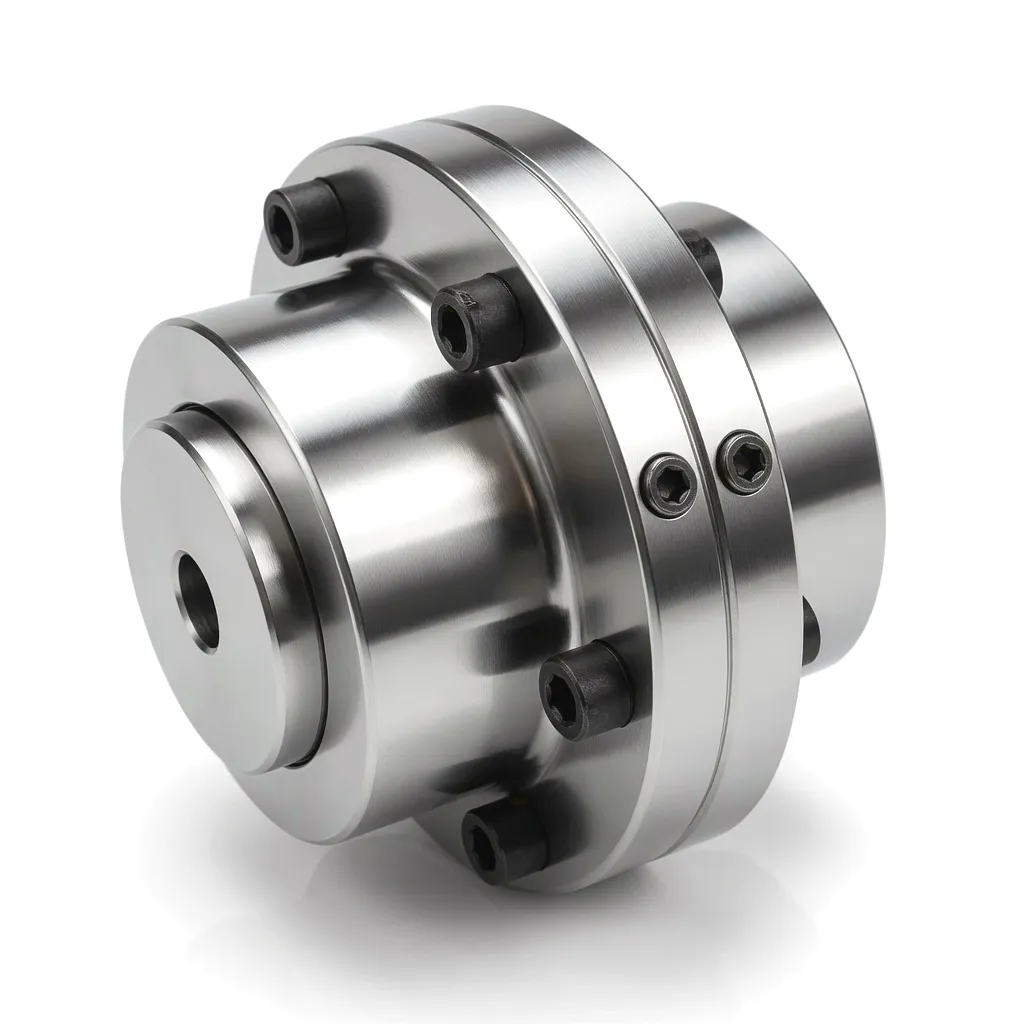 The United Kingdom’s cement industry, while more concentrated than in earlier decades, remains a technically sophisticated sector with demanding procurement and quality standards. The major grinding installations in the Hope Valley of Derbyshire, the plants in Rugby and Ketton that serve the East Midlands construction market, and the coastal grinding terminals receiving imported clinker in ports from Avonmouth to Teesside all operate to standards set by PAS 8820 structural concrete specifications and the quality frameworks of the British Standards Institution. Coupling suppliers who wish to serve this market must demonstrate material certifications, heat treatment traceability, and dimensional verification reports that align with these frameworks.
Lead time and logistics reliability are equally important to UK procurement teams. A coupling failure in a cement mill typically halts kiln production within hours as the clinker stockpile is consumed, and the financial impact of an unplanned shutdown — in terms of lost output, demurrage on clinker delivery vessels, and fixed cost absorption against reduced production volume — can be substantial. UK operations managers therefore place high value on coupling suppliers who maintain buffer stock of the most common bore and torque sizes, who can dispatch replacement parts via overnight road freight services from their European distribution partners, and who provide precise dimensional documentation enabling plant engineers to machine new shaft bores or keyways to exact fit tolerances before the replacement unit arrives on site.
Ever Power maintains engagement with UK-based plant engineering consultancies and maintenance contractors serving the cement sector, ensuring that technical documentation, CE Declaration of Conformity certificates, and material test reports are available in formats acceptable to UK procurement departments. Whether the requirement originates from an independent plant engineer in Sheffield, a project management office in Birmingham, or a multi-site procurement team managing cement grinding across several UK regions, the supply and documentation process is structured to minimise administrative friction and expedite approval.
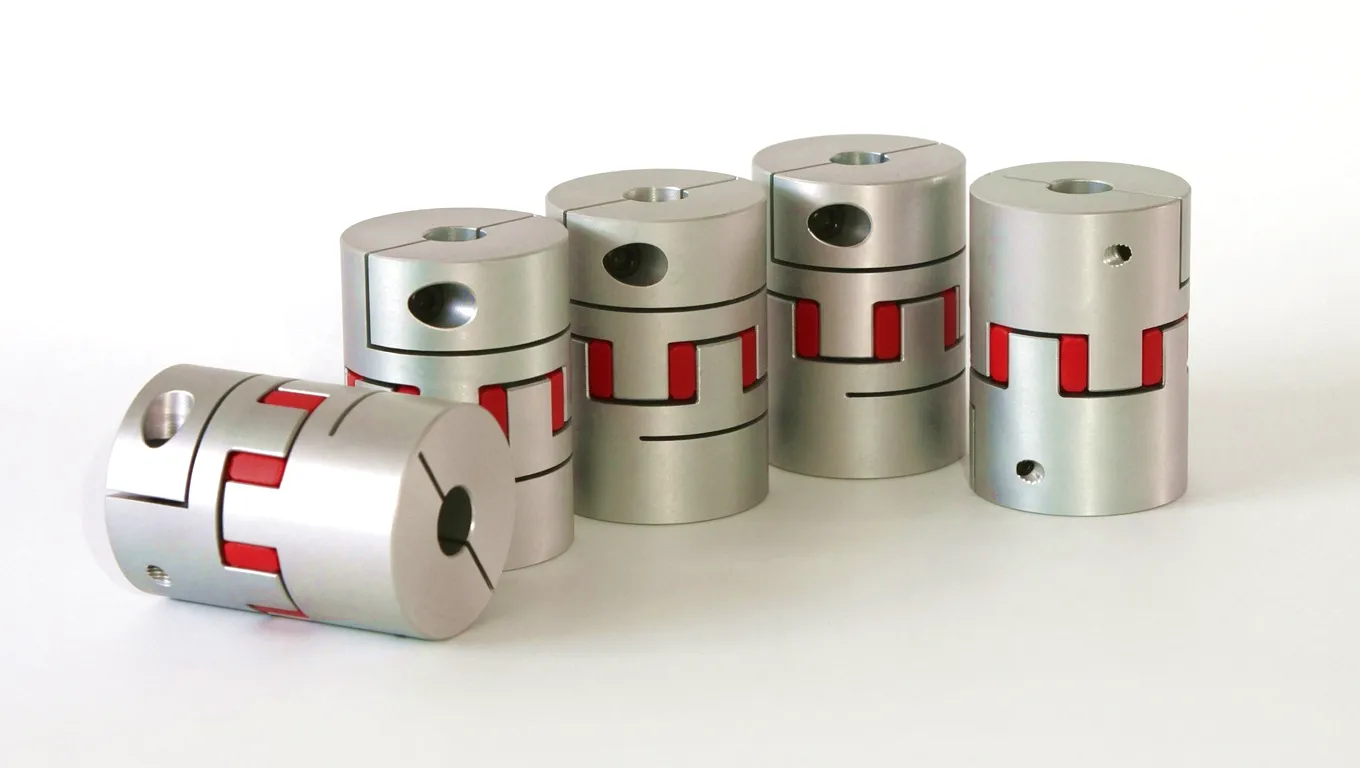
Ever Power: Precision Coupling Manufacturing & Customisation Capability
Ever Power’s coupling manufacturing facility operates a fully integrated production process from raw billet preparation through to finished assembly and dynamic balancing, with the precision engineering capability to respond to the diverse customisation requirements of cement mill drivetrain projects across the UK and international markets. The company’s machining operations employ CNC gear hobbing and profile grinding equipment capable of achieving tooth accuracy to DIN 3960 grade 5, ensuring that contact pattern and load distribution across crowned tooth gear couplings meet the theoretical design specification rather than merely staying within a tolerance range.
Customisation capability at Ever Power extends beyond standard dimensional modification. The engineering team can adapt coupling barrel geometry to accommodate existing housing interfaces at UK plant sites where replacement of the full coupling housing is not feasible within the available shutdown window. Custom seal arrangements — including oversized labyrinth designs with additional felt wiper elements for extreme dust environments — are designed and manufactured to client specification with full dimensional verification. Where applications require material upgrades beyond the standard alloy steel specification, such as stainless steel hub inserts for chemically aggressive environments in adjacent processing plant, these are accommodated within the standard project workflow.
Ever Power’s quality management system operates to ISO 9001:2015 with specific inspection protocols for cement mill coupling production, including 100% magnetic particle inspection of finished hub bores and keyways to BS EN ISO 9934-1 standards, dynamic balancing to ISO 1940-1 grade G6.3, and hydrostatic grease retention testing of assembled barrels before dispatch. Material test certificates traceable to heat batch are issued with every coupling, and CE marking documentation is prepared under the EU Machinery Directive framework to support UK CE equivalence requirements under UKCA transitional arrangements.
Customer Success Story: Sheffield Building Materials Group
เอส
Sheffield Building Materials Group — Cement Grinding Terminal
Sheffield, South Yorkshire, United Kingdom
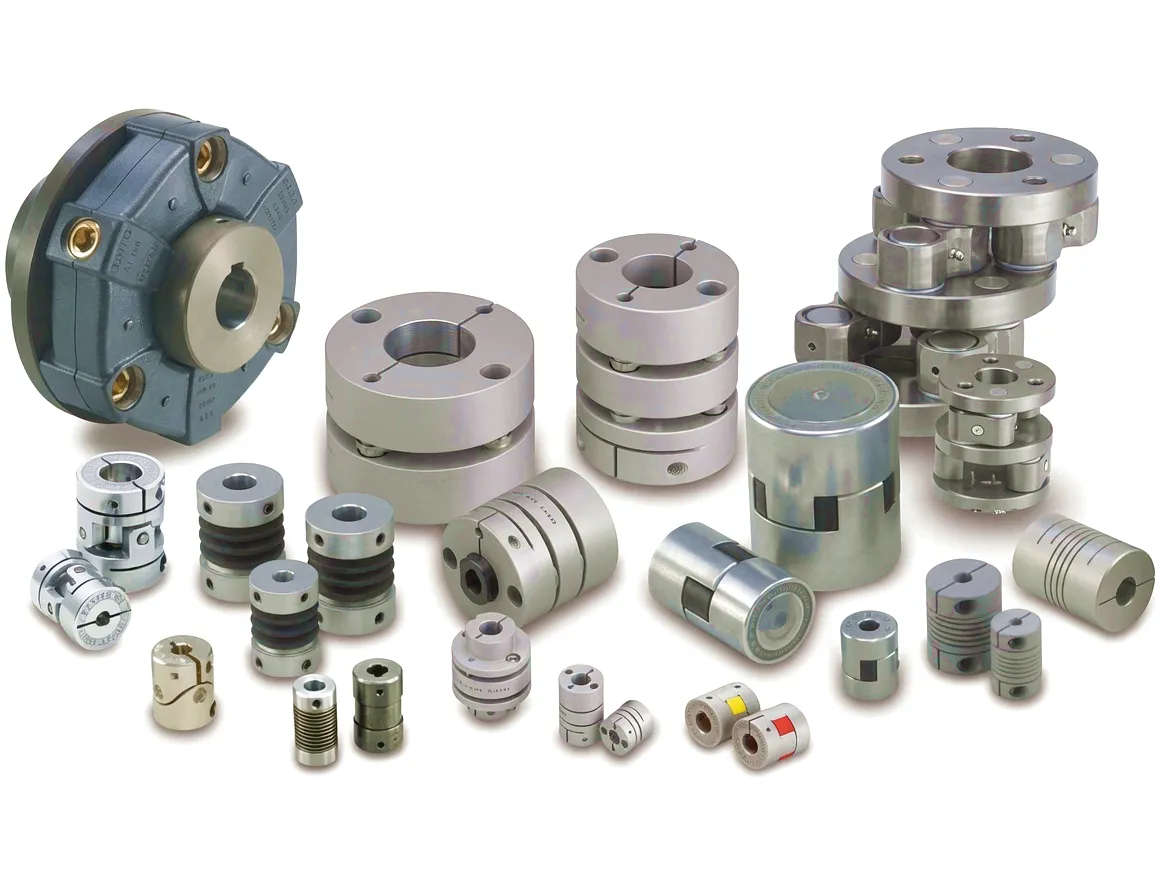 Sheffield Building Materials Group operates a high-throughput cement grinding terminal in South Yorkshire, processing imported clinker into finished cement products serving the regional construction and civil engineering sector. The facility runs a 3,000 kW ball mill in continuous three-shift operation, with scheduled maintenance shutdowns planned on an annual cycle. In 2023, the plant engineering team identified that the existing high-speed gear coupling between the primary motor and the first-stage reducer was exhibiting accelerated tooth wear attributed to cement dust ingress through an ageing labyrinth seal, with tooth surface scoring visible at the 6,000-hour inspection that had previously not appeared until the 10,000-hour mark.
The procurement team contacted Ever Power through the company’s UK technical support channel, providing coupling dimensional drawings, operating speed and torque data, and a description of the dusty operating environment. Ever Power’s application engineering team reviewed the existing seal arrangement and proposed a replacement coupling with an upgraded dual-stage labyrinth plus polytetrafluoroethylene wiper seal combination, along with a switch to an EP-additive grease with enhanced dust-suspension resistance. The custom coupling was manufactured, dynamically balanced, and dispatched to Sheffield within twelve weeks of the order placement, arriving in time for the plant’s scheduled annual shutdown.
Following installation by the plant’s mechanical maintenance team — with remote commissioning support provided by Ever Power’s application engineer via video call — the new coupling was placed in service in January 2024. At the first 6,000-hour inspection in mid-2024, no tooth scoring was observed and the seal assembly showed no evidence of dust ingress. The plant engineering manager confirmed that the coupling had met or exceeded the performance specification in all respects, and the maintenance interval has been extended to 10,000 hours, reducing maintenance-related downtime and associated labour costs significantly. Sheffield Building Materials Group subsequently placed a follow-on order for a replacement coupling in the equivalent slow-speed position, citing confidence in the Ever Power product quality and technical support process.
★★★★★
“The dual-stage labyrinth seal upgrade made an immediate and measurable difference to our inspection intervals. We went from finding tooth scoring at 6,000 hours to a clean inspection at the same point. The coupling quality is clearly a step above what we had before, and the dimensional accuracy of the replacement bore made fitting straightforward.”
— Maintenance Engineering Manager, Sheffield Building Materials Group
★★★★★
“Ever Power’s custom coupling arrived with full material certs and a detailed assembly drawing that actually matched what we received — which sounds basic but is not always the case with industrial suppliers. The balancing grade documentation was particularly useful for our vibration baseline records. I would not hesitate to specify them again for the slow-speed coupling replacement.”
— Plant Mechanical Engineer, South Yorkshire Manufacturing Services
★★★★★
“The remote commissioning support was genuinely useful — having an engineer available to confirm our dial gauge readings and advise on grease fill quantity via video call saved us time we did not have during the shutdown window. The coupling has been running cleanly for over 3,000 hours since installation and the vibration signature is well within our baseline limits. A well-engineered product backed by responsive technical support.”
— Works Engineering Director, Hope Valley Industrial Group, Derbyshire
คำถามที่พบบ่อย
What type of coupling is best suited for a ball mill primary drive in a UK cement plant where dust ingress has been causing premature gear tooth wear?
▾
A crowned gear coupling with an upgraded dual-stage labyrinth seal arrangement, combined with a high-viscosity EP-additive grease formulated for dust suspension, is the most effective response to accelerated tooth wear caused by cement dust contamination. The labyrinth geometry creates a positive grease pressure barrier at the seal face, and the EP additive maintains a lubricant film under the abrasive particle conditions characteristic of ball mill environments across UK plants in areas such as Sheffield and Derbyshire. It is also worth reviewing the grease fill quantity and relubrication interval — many tooth wear cases in cement mills are attributable to insufficient grease fill rather than seal failure alone.
How much does a custom-manufactured gear coupling for a 3 MW cement ball mill typically cost when sourced from a UK-friendly industrial coupling supplier, and what affects the price?
▾
The cost of a gear coupling for a 3 MW ball mill drivetrain depends primarily on the bore size, torque rating, material specification, and any customisation requirements such as non-standard seal arrangements or special balancing grades. For an indicative price and a formal quotation tailored to your exact shaft dimensions, operating parameters, and site-specific requirements, please contact the Ever Power sales team directly. Factors that influence price include the alloy steel grade, tooth hardness requirement, seal complexity, quality documentation package, and lead time urgency. Requesting a quote early in the project planning phase allows the most competitive pricing to be achieved.
Where in the UK can a plant engineering team find a reliable supplier of heavy-duty gear couplings with full material certification for cement grinding mill applications?
▾
Ever Power supplies precision gear couplings to UK industrial customers, including cement plant operators in regions such as Derbyshire, Yorkshire, the East Midlands, and beyond, with full material test certificates, CE marking documentation, and dimensional verification reports provided as standard. Orders can be placed through the online enquiry system or via the sales email, and technical support is available remotely to assist with dimensional specification and installation guidance. The combination of custom engineering capability, reliable logistics, and thorough documentation makes Ever Power a strong choice for UK plant engineering teams who cannot afford uncertainty around quality compliance.
Which coupling type should I specify for a roller press pre-grinder drivetrain in a Birmingham cement terminal where high torque pulse loads are damaging the reducer input bearing prematurely?
▾
A torsionally flexible coupling with a coil spring or elastomeric torque element is the correct specification choice for this drivetrain position. The JSA series snake spring coupling is specifically engineered for applications where torque impulse frequency and magnitude exceed the tolerance of rigid gear couplings, providing the controlled compliance needed to absorb clinker impact pulses and protect the reducer input bearing from the bending moment cycles that cause premature fatigue. The spring element stiffness can be selected to tune the drivetrain natural frequency away from the dominant impulse frequency of the roller press, further reducing dynamic load amplification. Contact Ever Power’s application engineering team for a torsional analysis-based recommendation specific to your roller press operating parameters.
How long does it typically take to receive a custom gear coupling for a cement mill application when ordering from Ever Power, and what documentation can I expect with the delivery?
▾
Standard custom cement mill coupling orders through Ever Power are typically manufactured and dispatched within ten to fourteen weeks of drawing approval and purchase order confirmation, depending on the size range and any unusual material specifications. Documentation supplied with each unit includes a material test certificate traceable to heat batch, a dimensional inspection report, a dynamic balancing certificate to ISO 1940-1 grade G6.3, and a CE Declaration of Conformity under the Machinery Directive. Where magnetic particle inspection is specified, the NDT report is included in the documentation package. For urgent replacement requirements following an unplanned failure, contact the sales team to discuss expedited manufacturing options.
When is it time to replace a cement mill gear coupling rather than regrease and reinstall it, and what inspection signs should a UK plant engineer look for during a shutdown inspection?
▾
A gear coupling warrants replacement rather than regrease and reinstall when any of the following are observed during a shutdown inspection: scoring or pitting on the crown tooth flanks covering more than 25% of the active tooth face width; wear step exceeding 0.3 mm measured on the tooth tip; cracking in the sleeve or hub body detectable by magnetic particle inspection; seal lip or labyrinth land damage that cannot be remedied by replacement of the seal element alone; or shaft bore fretting wear resulting in a bore-to-shaft interference fit that falls below the minimum calculated in the original design. Superficial corrosion on the tooth flanks that does not extend into the base metal is generally acceptable with appropriate cleaning and regreasing. When in doubt, the Ever Power technical team can review inspection photographs and advise on reuse versus replacement decisions.
Ready to Specify?
Get a Coupling Quote for Your Cement Mill Project
Share your shaft dimensions, torque data, and operating environment — our application engineers will respond within one business day.
✉ Get a Quote Now
แก้ไขโดย gzl